
Like many busy people juggling work, family, and life in general, Sarah Martinez found herself constantly drawn to the convenience of pre-made meals. The idea seemed perfect: no grocery shopping lists, no meal planning headaches, no time spent chopping vegetables after a long day. According to a new study by the Food Industry Association (FMI), consumers are increasingly buying deli-prepared foods instead of dining out, with the portion of prepared food purchases more than doubling from 12% in 2017 to 28% in 2025. Yet when Sarah sat down to calculate the real costs, she discovered something surprising that would completely change her approach to feeding her family.
The numbers told a stark story. Experts say that the average home-cooked meal costs $4.23, while a meal at an inexpensive restaurant will run you about $16. Even grocery-prepared meals, though cheaper than restaurant dining, couldn't match the economics of cooking from scratch. A home-cooked pasta dinner with a simple sauce and salad can come in under $10 for a family of four. Sarah realized that her plan to rely on convenience foods would drain her budget much faster than she anticipated. That's when she stumbled upon batch cooking, a method that promised both convenience and substantial savings.
The Financial Reality of Food Choices in 2024-2025
The Consumer Price Index states that in the one-year period from November 2023 – November 2024 the cost of eating food away from home rose 3.6%. In contrast, the price of food at home (bought from the grocery store and cooked at home) only increased by 1.6%. This gap reveals why so many families have been reconsidering their food spending habits. In 2025, 81% of Americans have identified saving money on food as a top financial goal, making home cooking a key strategy to reduce expenses. The pressure on household budgets has never been more apparent.
The difference between eating out and cooking at home has grown even more dramatic over time. Americans save around $12 by opting to cook and eat at home, with the average home meal costing $4.23 versus over $16 per meal at an inexpensive restaurant. Annually, it costs over $13,000 more to eat out than it costs to prepare the same amount of food at home. These figures don't even account for tips, delivery fees, or the markups on beverages and appetizers. For someone seriously looking to stretch their dollars, the case for home cooking becomes undeniable.
Discovering Batch Cooking as the Solution
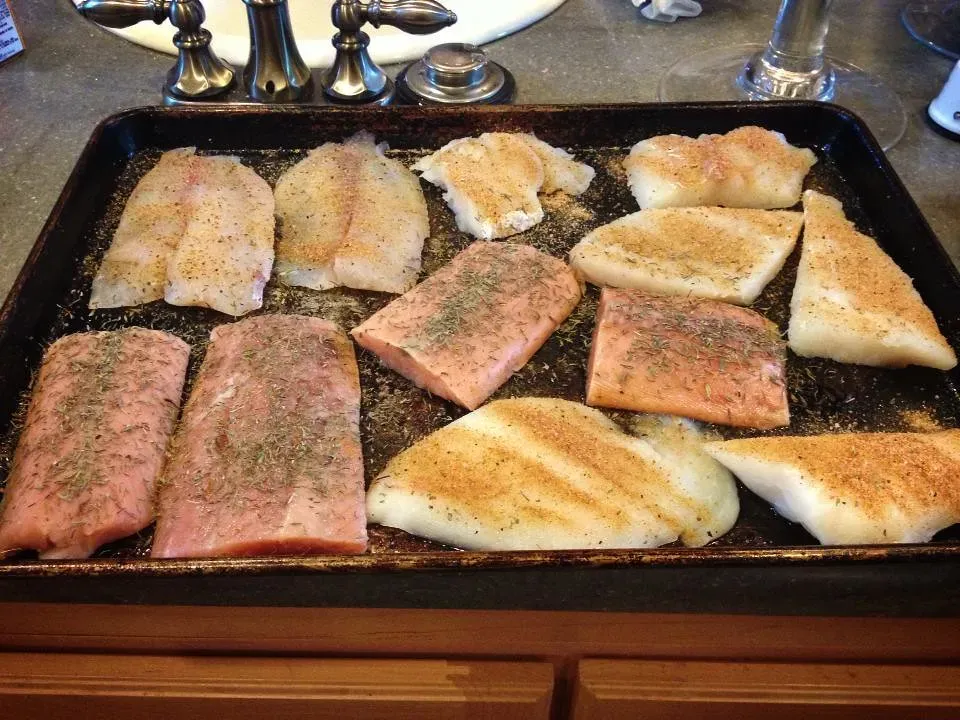
By definition, batch cooking is cooking food in batches. Instead of making Instant Pot Brown Rice multiple times throughout the week, batch cooking would mean making enough at the beginning of the week for the whole week, and reheating whatever you needed for your meals later. This simple shift in thinking opened up new possibilities for Sarah. Rather than treating every meal as a separate cooking event, she could dedicate a few hours one day to prepare multiple meals at once.
By dedicating just a few hours one day to do most of your cooking for the whole week, you save time, stress, and money because you have cheap meals planned and ready to go, and you're less tempted to purchase restaurant food, also saving you money. The approach offered something pre-made meals couldn't: complete control over ingredients, portions, and costs. Sarah started small, choosing three or four simple recipes that could feed her family for several days. The transformation in her kitchen routine was immediate.
Real Cost Savings Through Strategic Preparation
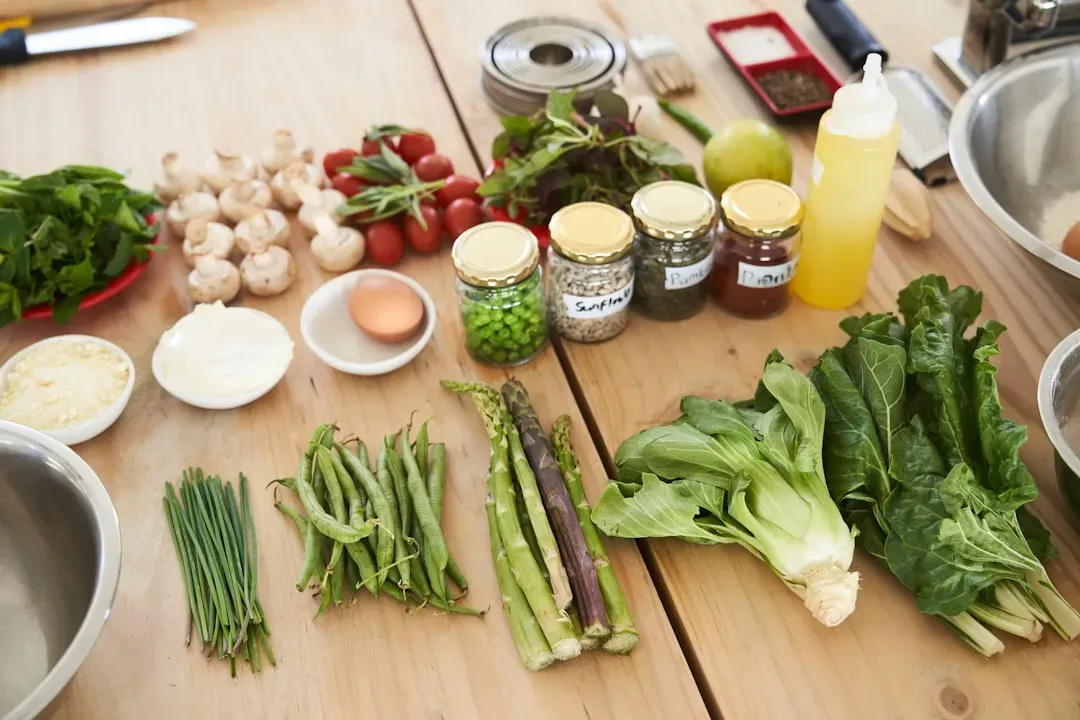
According to a study conducted by MagnifyMoney, it's possible to save up to 25% while buying in bulk (depending on the products you're shopping for, of course). Sarah quickly learned that purchasing larger quantities of staples like chicken, rice, beans, and vegetables brought her unit costs down significantly. Buying ingredients in larger quantities often comes at a reduced unit price, which saves you money in the long run. Her weekly grocery trips became more focused and efficient.
The savings extended beyond just ingredient costs. One estimate proposes an individual could save $2,600 per year by meal prepping versus buying lunch every day. For families making this shift across both lunch and dinner, the annual savings could easily reach several thousand dollars. Sarah found herself with extra breathing room in her monthly budget, money that had previously disappeared into takeout containers and delivery fees. The initial time investment of learning to batch cook paid dividends every single week.
The Pre-Made Meal Alternative Breakdown
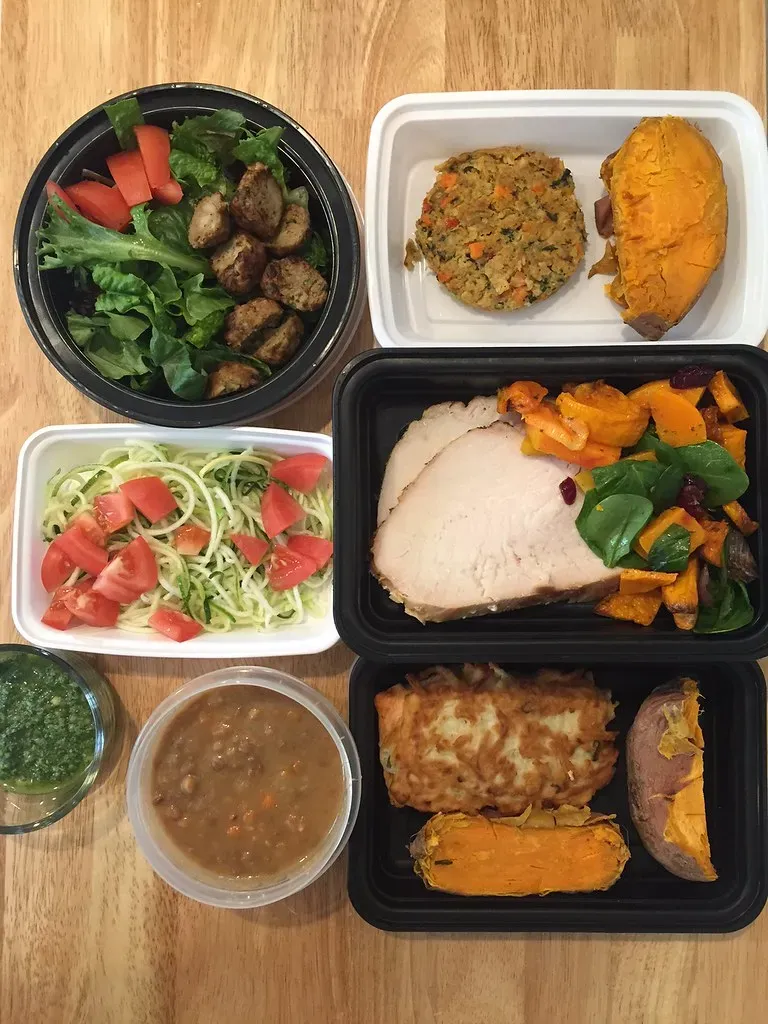
While pre-made meals from grocery stores offer a middle ground, they still cost considerably more than cooking from scratch. A grocery-store rotisserie chicken (around $6 to $8) plus a few easy sides like salad kits or roasted vegetables can feed a family of four for less. These options certainly beat restaurant prices, yet they lack the customization and cost efficiency of batch cooking. Sarah realized she'd still be spending roughly double what her batch-cooked meals cost.
Meal kit delivery services presented another option, but the math didn't work in their favor either. Forbes analyzed data from Priceonomics customer Wellio, and found some interesting facts about the costs of eating out: It is 5 times more expensive to order delivery from a restaurant than it is to cook at home. Meal kits are 3 times more expensive than cooking from scratch. Even the cheapest meal kits started around five to seven dollars per serving, not including shipping costs. For someone committed to maximizing savings, batch cooking remained the clear winner.
Making Batch Cooking Work in Real Life
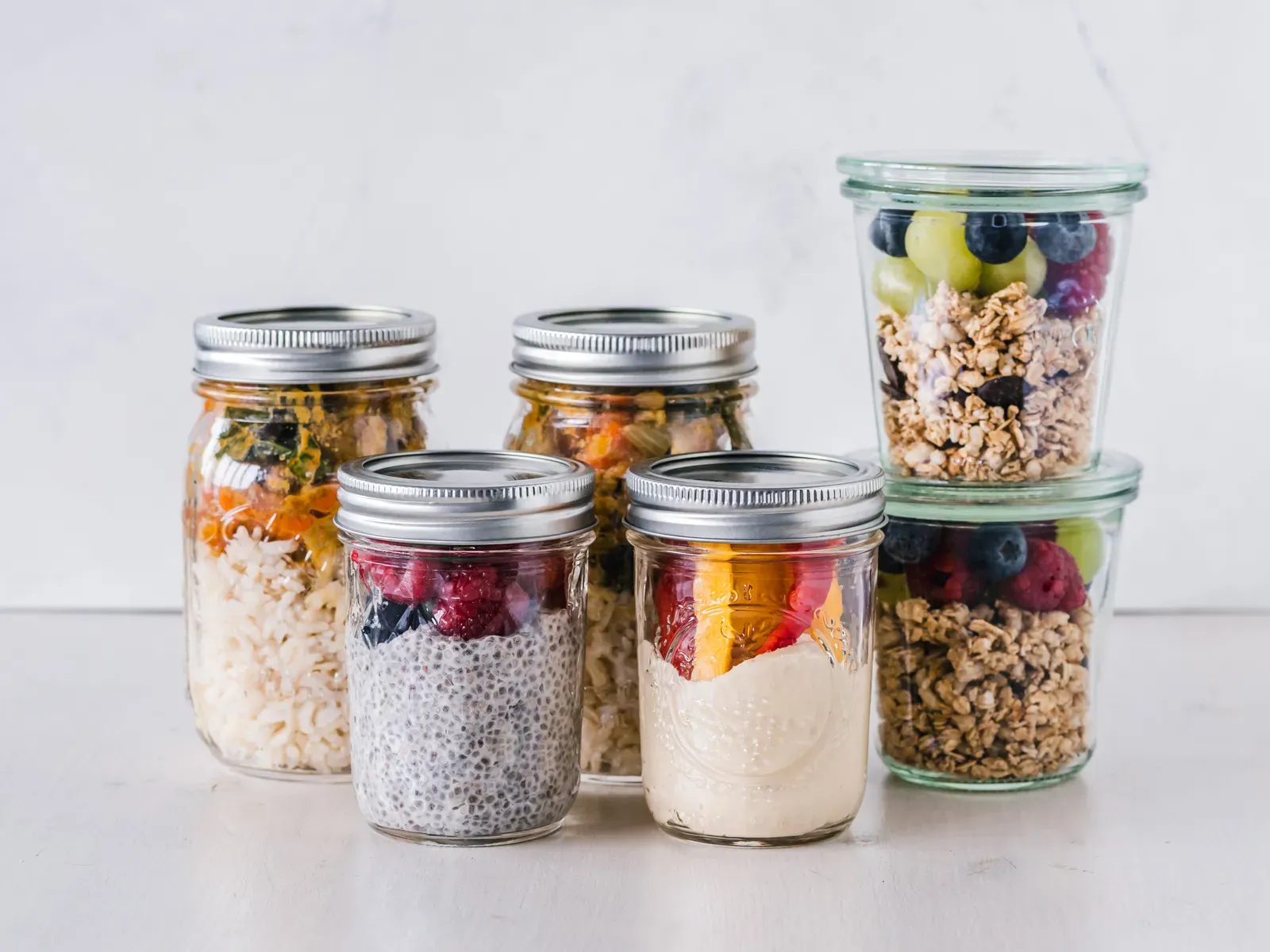
A study found that the average person spends 60 minutes a week grocery shopping, 64 minutes preparing meals and 324 minutes a week cooking. Sarah discovered that by condensing her cooking into one or two dedicated sessions, she actually spent less total time in the kitchen than before. The key was proper planning and having the right equipment on hand. She invested in quality storage containers and learned which foods froze well and which were best kept refrigerated.
Cooking large quantities of food and storing leftovers is a great way to save time and money. A big pot of chili or soup can feed a family for several days, reducing the need to cook every night and minimizing the temptation to order takeout. Sarah's favorite strategy became preparing versatile components rather than complete meals. She'd cook large batches of proteins, grains, and roasted vegetables that could be mixed and matched throughout the week. This approach kept meals interesting while maintaining the convenience she craved.
The Long-Term Impact of Her Decision
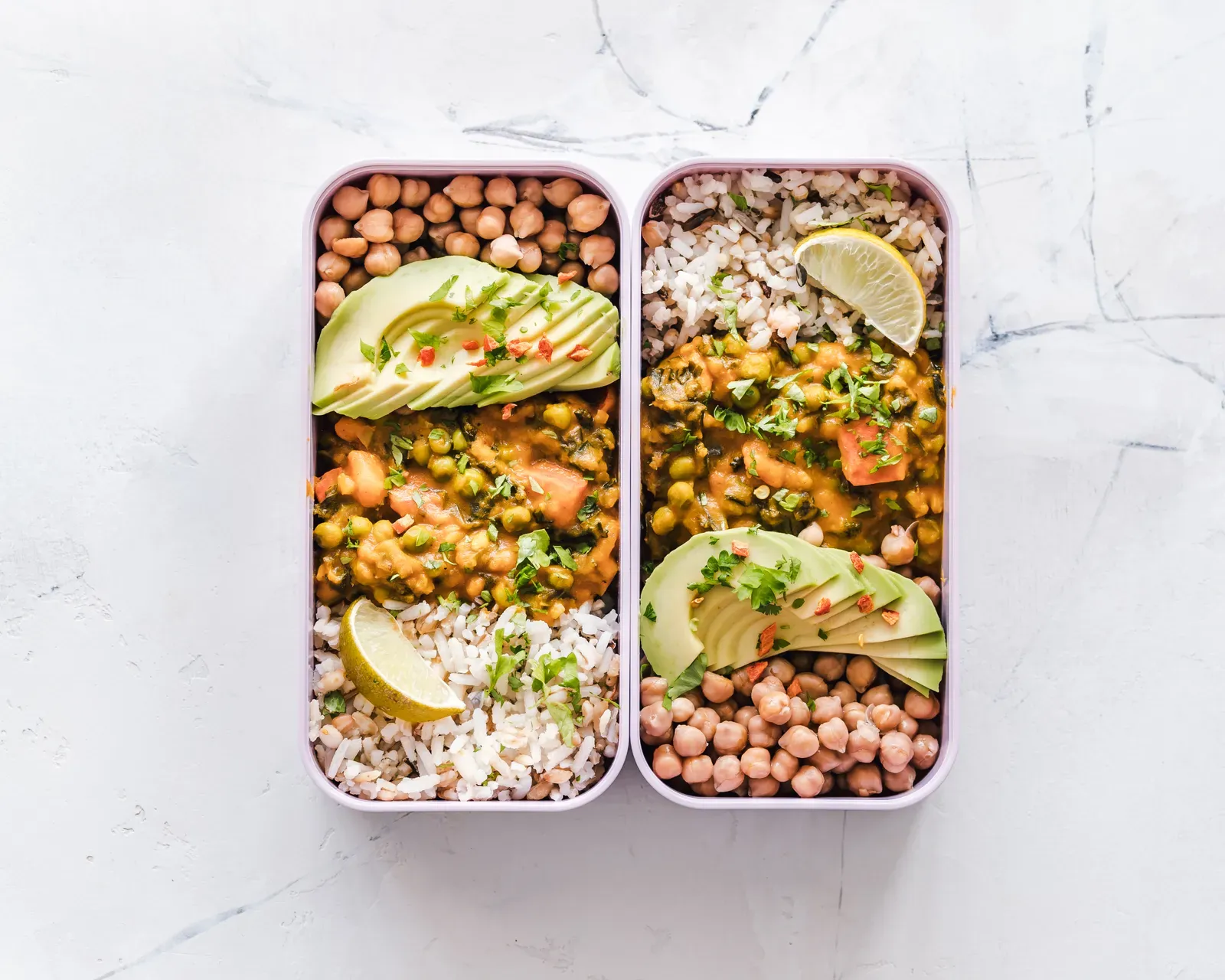
Six months after abandoning her pre-made meal plan in favor of batch cooking, Sarah calculated her savings at nearly fifteen hundred dollars. You can save hundreds of dollars, maybe thousands, over the entire year by cooking more meals at home. Beyond the financial benefits, she noticed her family eating more vegetables, consuming less sodium, and enjoying a wider variety of meals than any meal kit service could provide. The control over ingredients meant accommodating dietary preferences without paying premium prices.
The shift also brought unexpected benefits to Sarah's relationship with food and cooking. Small-batch cooking can boost your health. Cooking at home can mean more control over your ingredients than with pre-prepared meals or takeout. What started as a cost-saving measure evolved into a valuable life skill. Sarah now views her Sunday afternoon batch cooking sessions as productive time well spent, setting her family up for success throughout the week. The convenience she sought from pre-made meals turned out to be achievable through her own kitchen, at a fraction of the cost, with food that tasted better and supported her family's health goals far more effectively than any convenience option ever could.




Leave a Reply