
Most of us think we're doing the right thing when we cook at home. Fresh ingredients, homemade meals, no takeout packaging. Feels healthy, right? What if I told you that some of the most common cooking techniques you're using are quietly chipping away at your longevity?
It's not about what you cook, honestly. It's how you cook it. The temperatures you choose, the oils you reach for, even how long vegetables sit in boiling water can transform a nutritious meal into something that works against your health span. Recent studies combining diet, sleep, and exercise improvements suggest we could add nearly a decade to our lives, but those gains vanish if cooking mistakes introduce harmful compounds into every meal.
Let's be real. Nobody wants to hear that their favorite crispy fries or perfectly charred steak might be a problem. Yet recent surveys of health experts identified diet and exercise as cornerstones of aging well, with nearly half prioritizing physical activity and emphasizing nutrient-rich diets. So let's dive in.
Cooking at Excessively High Temperatures
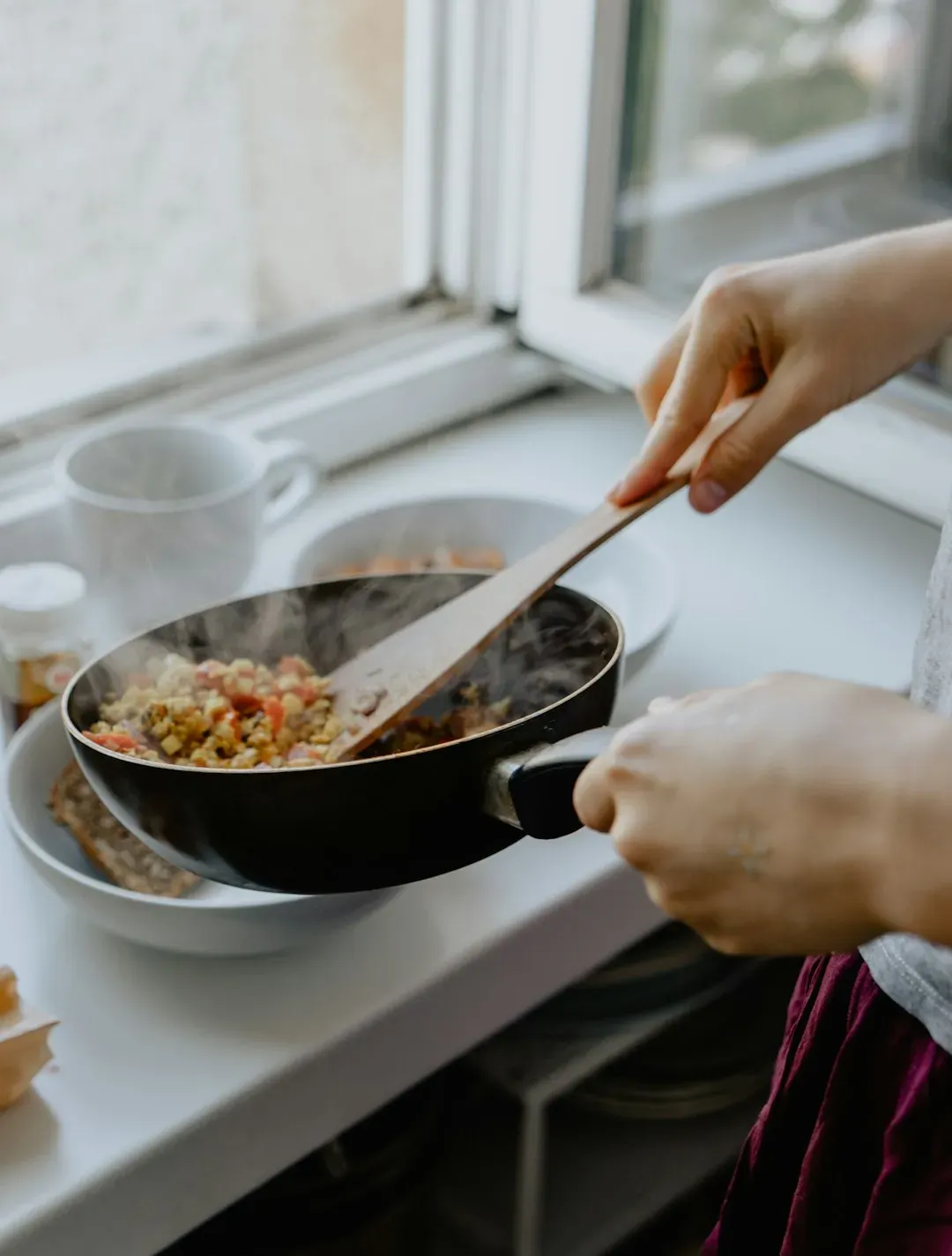
Here's the thing about cranking up the heat. When starchy foods are cooked at high temperatures, acrylamide can form naturally from chemical reactions. This compound has caught the attention of researchers worldwide, and not in a good way. The International Agency for Research on Cancer classifies acrylamide as a probable human carcinogen, with similar classifications from the US National Toxicology Program and EPA.
Think about those golden-brown potato chips or that perfectly toasted bread. Heterocyclic amines increase sharply around 220 degrees Celsius, where Maillard reactions accelerate, and prolonged cooking further enhances their formation. I know it sounds crazy, but the browning that makes food taste amazing also triggers chemical changes.
A recent meta-analysis reported a 30 percent rise in esophageal cancer associated with high processed-meat intake. Daily consumption of very well-done grilled or roasted chicken was linked to an 80 percent higher risk of lymphoma, particularly B-cell non-Hodgkin subtypes. Lower your cooking temperatures, aim for golden rather than dark brown, and consider gentler methods like baking at moderate heat instead of aggressive broiling.
Using the Wrong Cooking Oil for High Heat
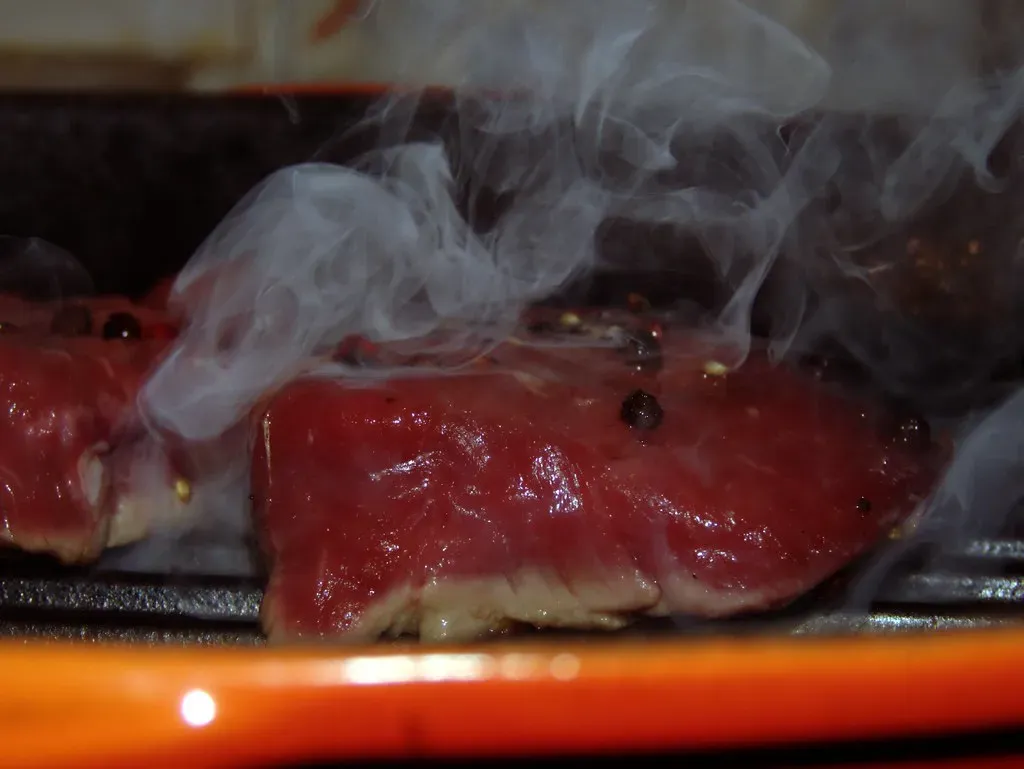
Oil smoke points matter more than most people realize. When an oil begins to smoke and oxidize, it releases a substance called acrolein which imparts a burnt bitter flavor, and harmful compounds called polar compounds may be released as the oil breaks down. These compounds have been linked to cellular damage thought to lead to health issues like Alzheimer's and Parkinson's disease.
I've watched people stir-fry with extra virgin olive oil at screaming hot temperatures. The problem? Aldehyde formation occurs during oxidation, and studies have shown that aldehydes have the potential to be carcinogenic and increase oxidative stress. Overheating certain oils can create byproducts such as toxic aldehydes, free radicals, and trans fats, and cooking oil fumes can increase the risk of lung cancer.
If an oil is heated beyond the smoke point, the chemical structure breaks down and can give foods a burnt or bitter flavor, and can also release free radicals that can worsen inflammation. Choose oils wisely. Avocado oil handles high heat beautifully, while olive oil shines at medium temperatures. Match the oil to the cooking method, not the other way around.
Overcooking Your Vegetables
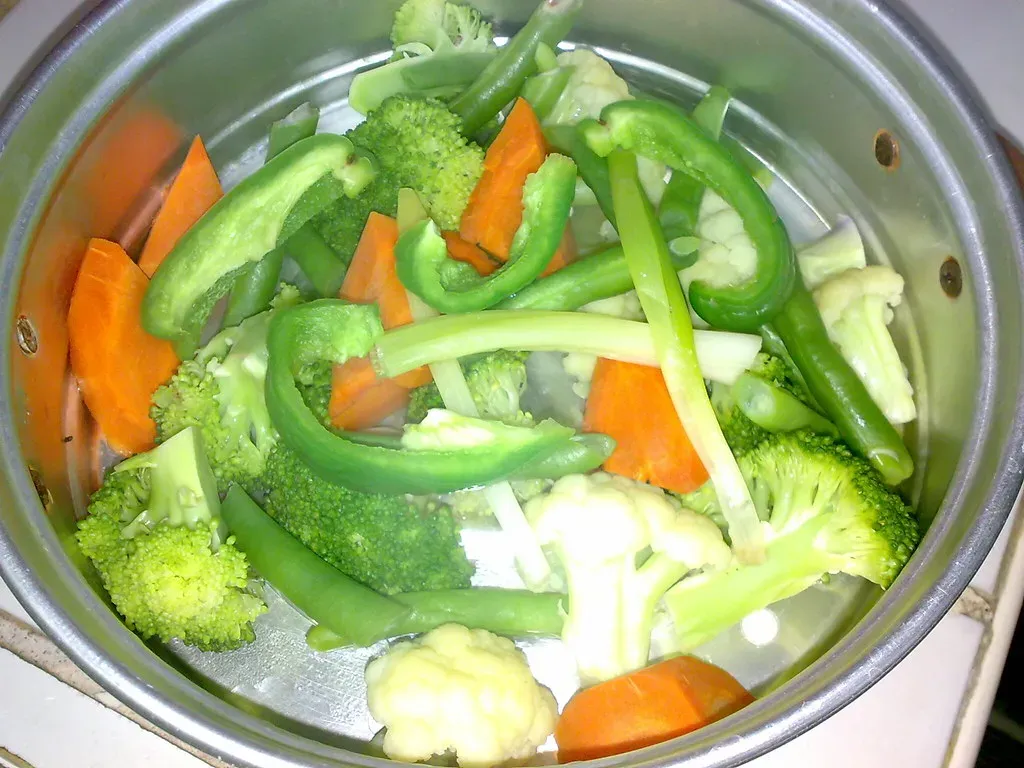
Vegetables lose their nutritional punch when they're cooked too long. Boiling vegetables led to the most substantial reduction in ascorbic acid content, ranging from 9.83 percent to 70.88 percent, with spinach experiencing the greatest decline. Water-soluble vitamins like vitamin C just dissolve away into that cooking water you're about to drain.
Studies have shown that most overcooked and raw vegetables are not nutritionally important, and overcooking vegetables leads to the greatest loss of nutrients while proper cooking techniques preserve nutritional value more effectively. Roughly speaking, about half of certain vitamins vanish when vegetables are boiled excessively.
Vegetables are generally a great source of vitamin C, but a large amount is lost when they're cooked in water. In contrast, microwaving had the mildest effect on ascorbic acid, preserving over 90 percent of the initial content. Steam your vegetables instead of boiling them. Keep cooking times short. The goal is tender-crisp, not mushy.
Reheating Food Improperly
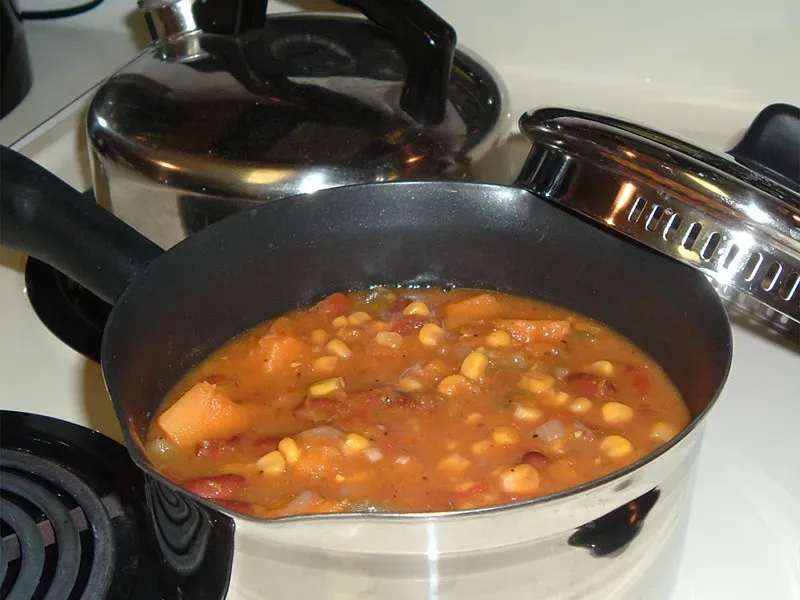
Leftovers are convenient, I get it. Yet the way you reheat them could be dangerous. Some bacteria such as staphylococcus and Bacillus cereus produce toxins not destroyed by high cooking temperatures. While cooking and reheating will generally kill pathogenic bacteria in foods, they may not destroy toxins or endospores, and when it comes to reheating foods, toxins pose the greatest risk of illness.
Reheated rice syndrome is food poisoning caused by Bacillus cereus, a bacteria that spreads in improperly cooled starches, and the toxins are heat stable and will survive getting zapped in the microwave or cooked in another dish. Rice isn't alone here. Clostridium perfringens grows on gravy and meats and also produces toxins resistant to cooking and reheating, and it's responsible for about 15 times the number of foodborne illnesses as Bacillus cereus.
Reheat food to at least 165 degrees Fahrenheit throughout. Use a food thermometer if you're serious about safety. Cool leftovers quickly after cooking, refrigerate within two hours, and honestly, if something's been sitting in your fridge for over four days, just toss it.
Not Washing Produce Properly
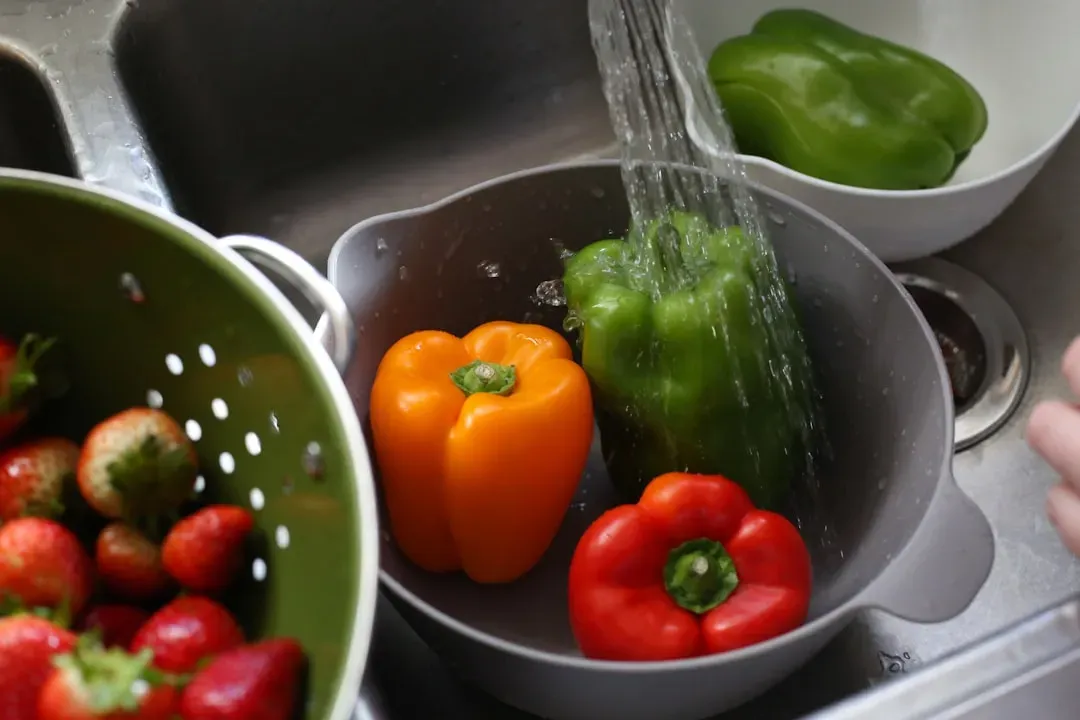
You'd think this one is obvious, but it's easy to skip. Pesticide residues, dirt, bacteria from handling during transport. All of that sits on the surface of your fruits and vegetables. Even organic produce isn't exempt from contamination during processing or at the grocery store.
Running produce under cold water for a few seconds doesn't cut it. You need to scrub firm produce like apples and potatoes with a brush. Leafy greens should be separated and rinsed individually. Skipping this step means you're ingesting whatever hitchhiked its way from the farm to your kitchen.
Heavy metals and environmental contaminants can accumulate on vegetables, particularly leafy greens grown in contaminated soil. These toxins don't just wash off with a quick rinse. Make it a habit to thoroughly clean everything, even if you plan to peel it, because knives can transfer surface bacteria into the flesh.
Relying on Non-Stick Cookware at High Heat
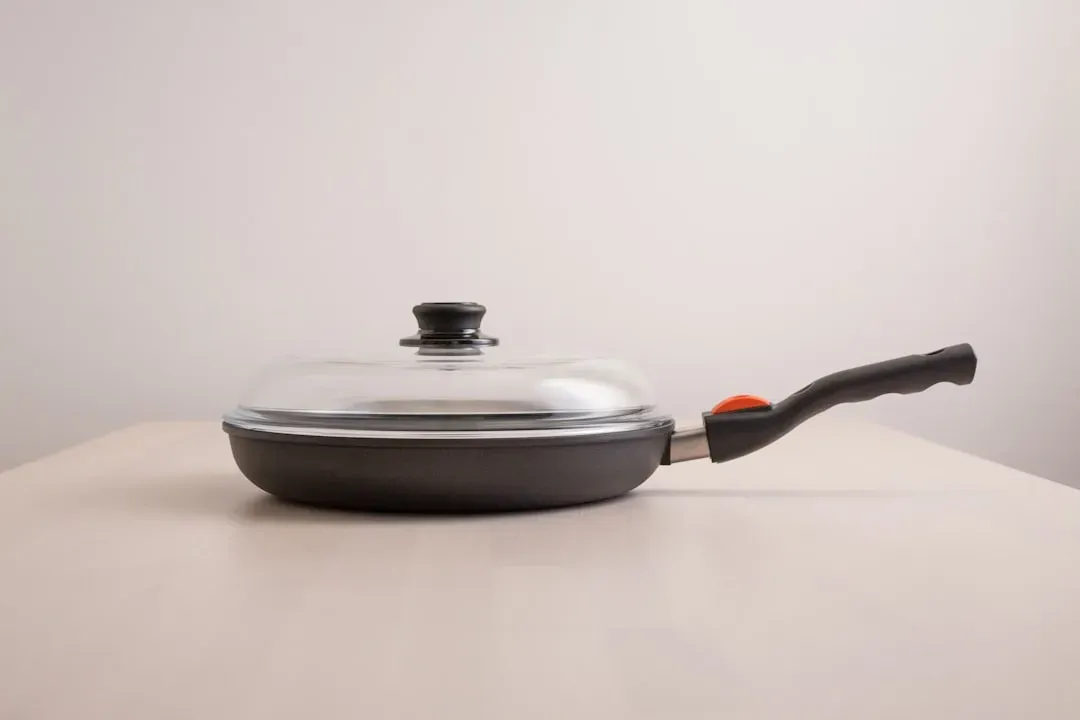
Non-stick pans are convenient until they're not. When heated above roughly 500 degrees Fahrenheit, the coating on traditional non-stick pans begins to break down and release fumes. These fumes contain compounds that can cause flu-like symptoms in humans and are actually fatal to pet birds.
The concern extends beyond immediate toxicity. Repeated exposure to degraded non-stick coatings may introduce persistent organic pollutants into your food. These substances don't break down easily in the environment or in your body, accumulating over time.
If you're going to use non-stick cookware, keep the heat at medium or lower. Better yet, switch to cast iron, stainless steel, or ceramic options for high-heat cooking. They require a bit more oil and attention, but they won't shed questionable chemicals into your dinner.
Ignoring Cross-Contamination in the Kitchen
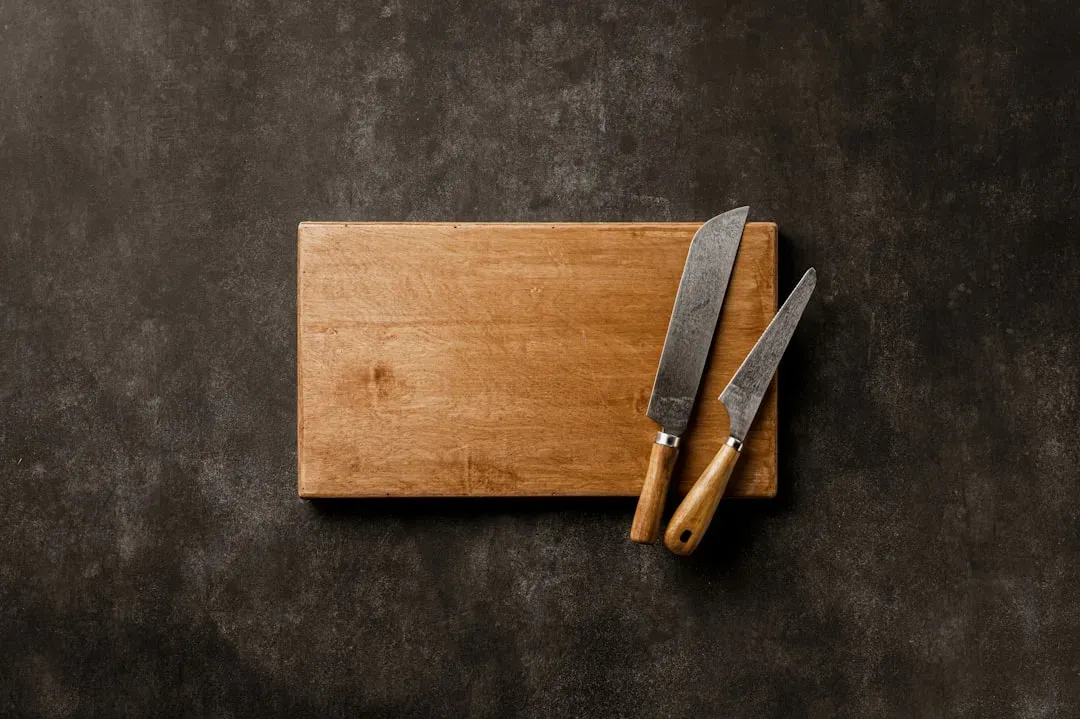
Raw chicken juice on your cutting board, then you chop vegetables on the same surface. It happens more often than people admit. Cross-contamination is one of the leading causes of foodborne illness at home, and it's entirely preventable with basic awareness.
Bacteria like Salmonella and Campylobacter live on raw poultry and meat. When those pathogens transfer to foods that won't be cooked, like salad greens, you're setting yourself up for a miserable few days. Separate cutting boards for raw proteins and produce aren't optional if you care about health span.
Wash your hands after handling raw meat. Sanitize surfaces and utensils immediately. It's tedious, sure, but gastroenteritis isn't just unpleasant; repeated infections can damage your gut microbiome and contribute to chronic inflammation, which accelerates aging.
Adding Salt Too Early or Too Much
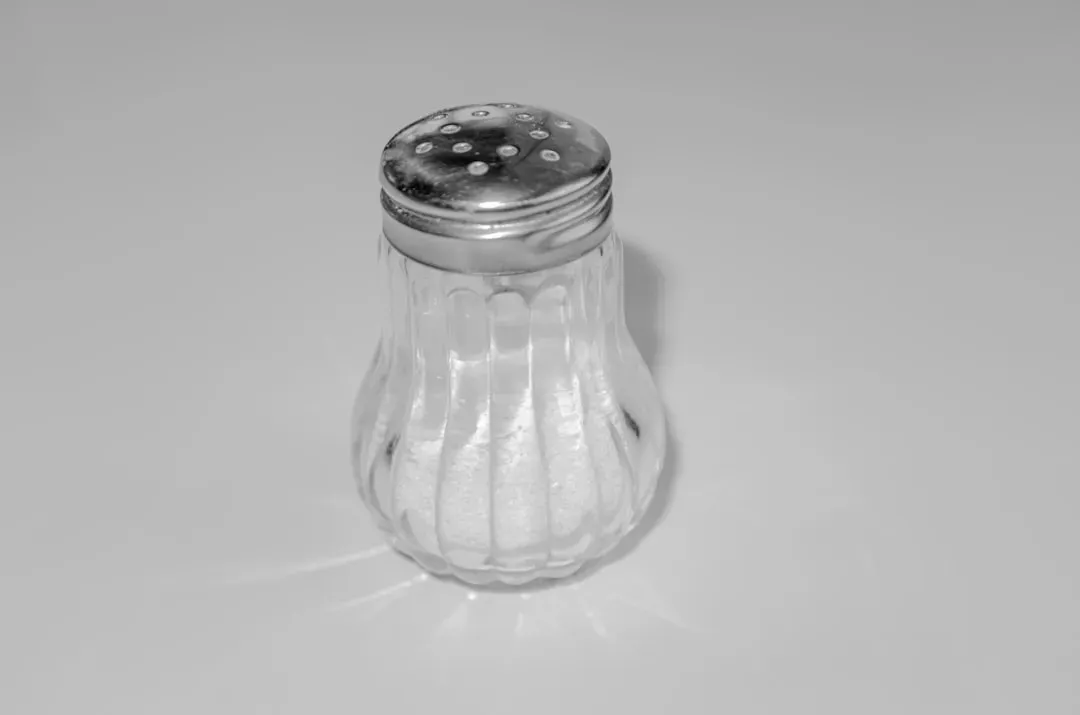
Salt enhances flavor, no argument there. The problem is how much we use and when we add it. Cooking with excessive salt from the start concentrates sodium as liquids evaporate, and most people drastically underestimate their total daily sodium intake.
High sodium consumption is directly linked to hypertension, cardiovascular disease, and stroke. These aren't abstract future concerns; they're the leading causes of reduced health span in developed countries. The average person consumes nearly double the recommended daily sodium limit without even realizing it.
Add salt at the end of cooking or use it sparingly during the process. Experiment with herbs, spices, citrus, and vinegar to build flavor complexity without relying on sodium. Your taste buds will adjust within a couple of weeks, and you'll actually start tasting food rather than just salt.
Cooking with Rancid or Old Oils
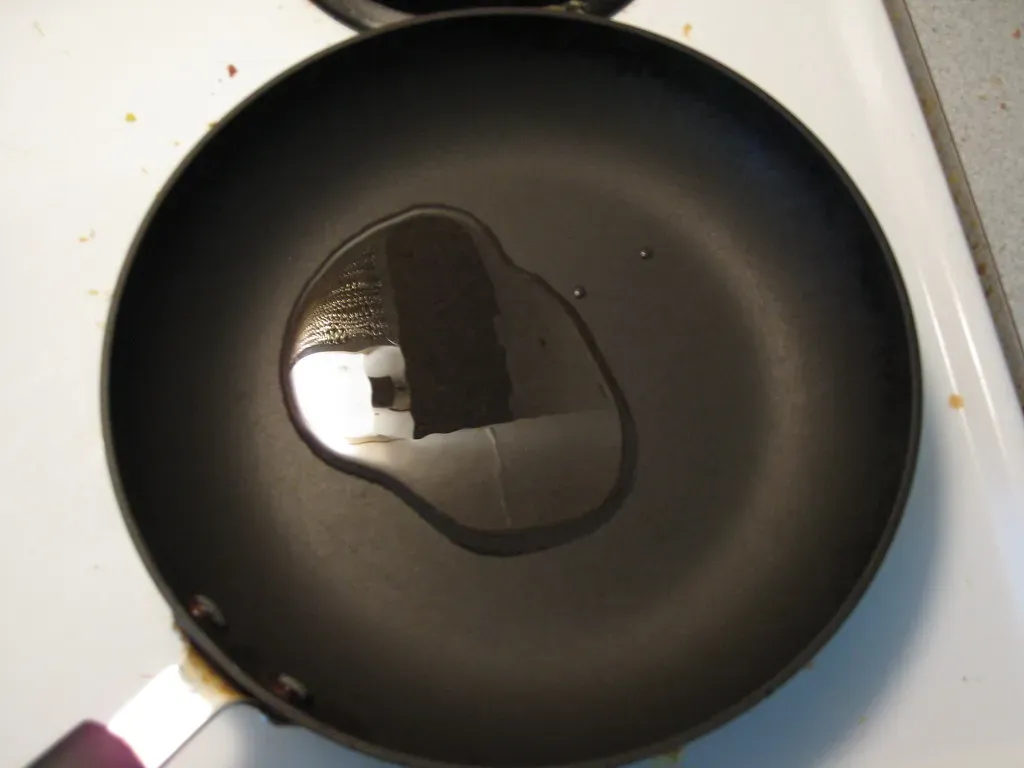
Oils don't last forever, even if they're sitting sealed in your pantry. Exposure to light, heat, and air causes fats to oxidize, creating compounds called lipid peroxides. These molecules generate free radicals in your body, contributing to oxidative stress and inflammation.
Rancid oil doesn't always smell bad right away. Sometimes it's subtle, a slightly off or stale aroma. Using degraded oils in cooking means you're introducing harmful byproducts into every dish. Polyunsaturated fats are particularly vulnerable; oils like flaxseed, walnut, and even standard vegetable oils degrade faster than you'd think.
Store oils in dark glass bottles away from heat sources. Check expiration dates and toss anything that's been open for more than a few months, especially if it hasn't been refrigerated. Invest in smaller bottles so you use them while they're fresh rather than letting half a gallon go rancid.
Skipping Proper Meat Thermometers
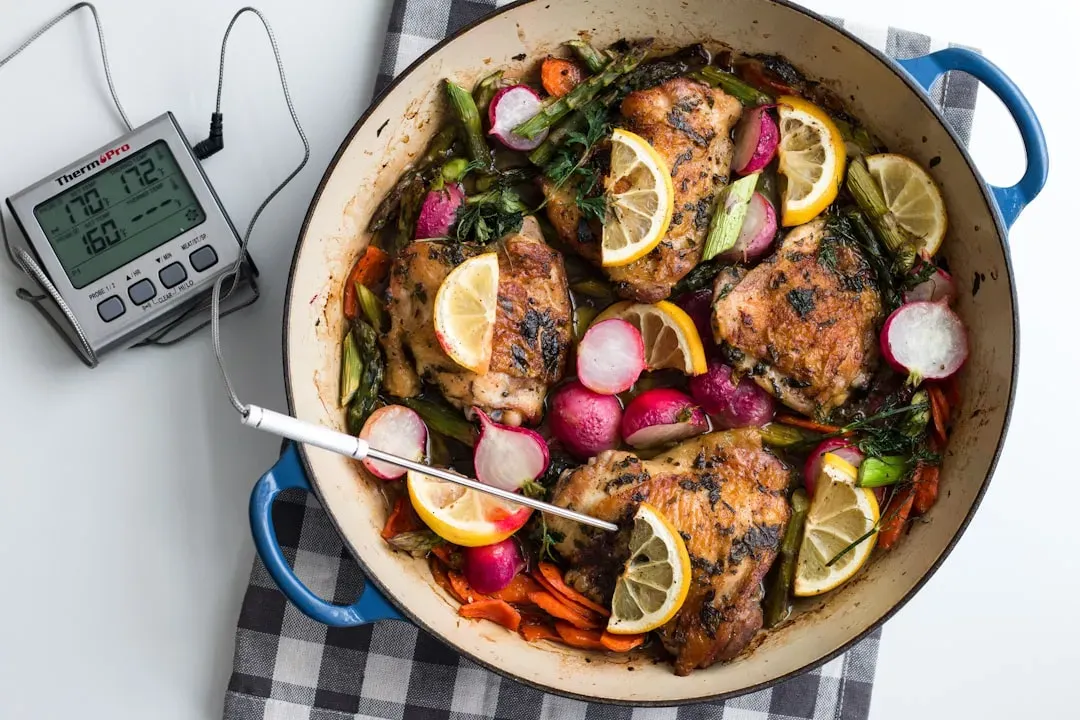
Eyeballing doneness is a gamble. Meat that looks cooked on the outside can harbor dangerous bacteria in the center. Conversely, overcooking to ensure safety destroys nutrients and creates those harmful compounds we talked about earlier.
Undercooked poultry, pork, and ground meats are common sources of foodborne pathogens. E. coli, Salmonella, Listeria - these aren't rare bugs. They're present in meat supply chains more often than the industry would like you to believe. The only reliable way to know if meat is safe is to measure its internal temperature.
Poultry needs to reach 165 degrees Fahrenheit. Ground meats should hit 160. Whole cuts of beef, pork, and lamb are safe at 145 with a three-minute rest. Get a digital instant-read thermometer and use it every single time. It's a small investment that protects both safety and nutritional quality.



Leave a Reply