
Picture this: You're standing in the checkout line, watching the total climb higher and higher as each item gets scanned. You haven't changed your eating habits. You're buying the same staples you always do. Yet somehow, the bill keeps getting bigger every single week.
You're not imagining it. According to the latest inflation data published in February 2026 by the U.S. Labor Department's Bureau of Labor Statistics, food prices in America rose by 2.9 percent over the 12 months ending January 2026. That national average, though, hides a much more complex story. Depending on where you live, your grocery bill might be dramatically higher or refreshingly lower than what families in other parts of the country are experiencing.
Geography matters more than most people realize when it comes to food costs. Some cities are paying more than 30 percent above what the rest of the nation spends at the supermarket. Let's dive into which American cities are feeling the pinch most severely right now.
Honolulu, Hawaii

There's simply no contest here. Residents of Honolulu pay 31.4 percent more than the national average to eat, with households earning $102,382 per year and spending $19,560 of that on groceries annually, putting 19.1 percent of income toward food. Let's be real, living in paradise comes with a serious price tag.
Since Hawaii is an island state, it has higher import and transportation costs, making everyday items, including groceries, especially expensive. Picture nearly everything you eat traveling thousands of miles across the Pacific Ocean before it reaches your local supermarket. The average price of a dozen eggs in Hawaii is north of nine dollars, while a gallon of milk can easily set you back nearly eight dollars.
Things are actually about to get worse for Hawaii residents. In late 2025, state regulators approved a 25.75 percent rate increase for Young Brothers, the sole inter-island barge service that moves food between the islands, with new rates taking effect January 1, 2026, and restaurants and grocery stores expected to pass costs directly to customers. Here's the thing: when you're already paying the highest grocery prices in the nation, any additional increase hits particularly hard.
Juneau, Alaska

Residents in Alaska's capital pay 28.4 percent more than the national average, with a typical household bringing home $99,748 before tax and spending $19,164 of that on groceries, accounting for 19.2 percent of household income. Honestly, it makes sense when you consider the logistics involved.
Juneau has no road connection to the rest of the state, so nearly all goods arrive by barge or plane, with groceries costing about 30 percent more than the national average and monthly food costs averaging four hundred dollars per person. Think about it: every banana, every carton of yogurt, every loaf of bread has to be flown in or shipped by boat. The transportation costs alone are staggering.
Juneau residents have adapted their shopping habits out of necessity. Many rely heavily on freezers to stock up when sales hit, treating grocery shopping more like strategic planning than a casual weekly errand. The isolation creates a unique challenge that simply doesn't exist in most American cities.
Anchorage, Alaska
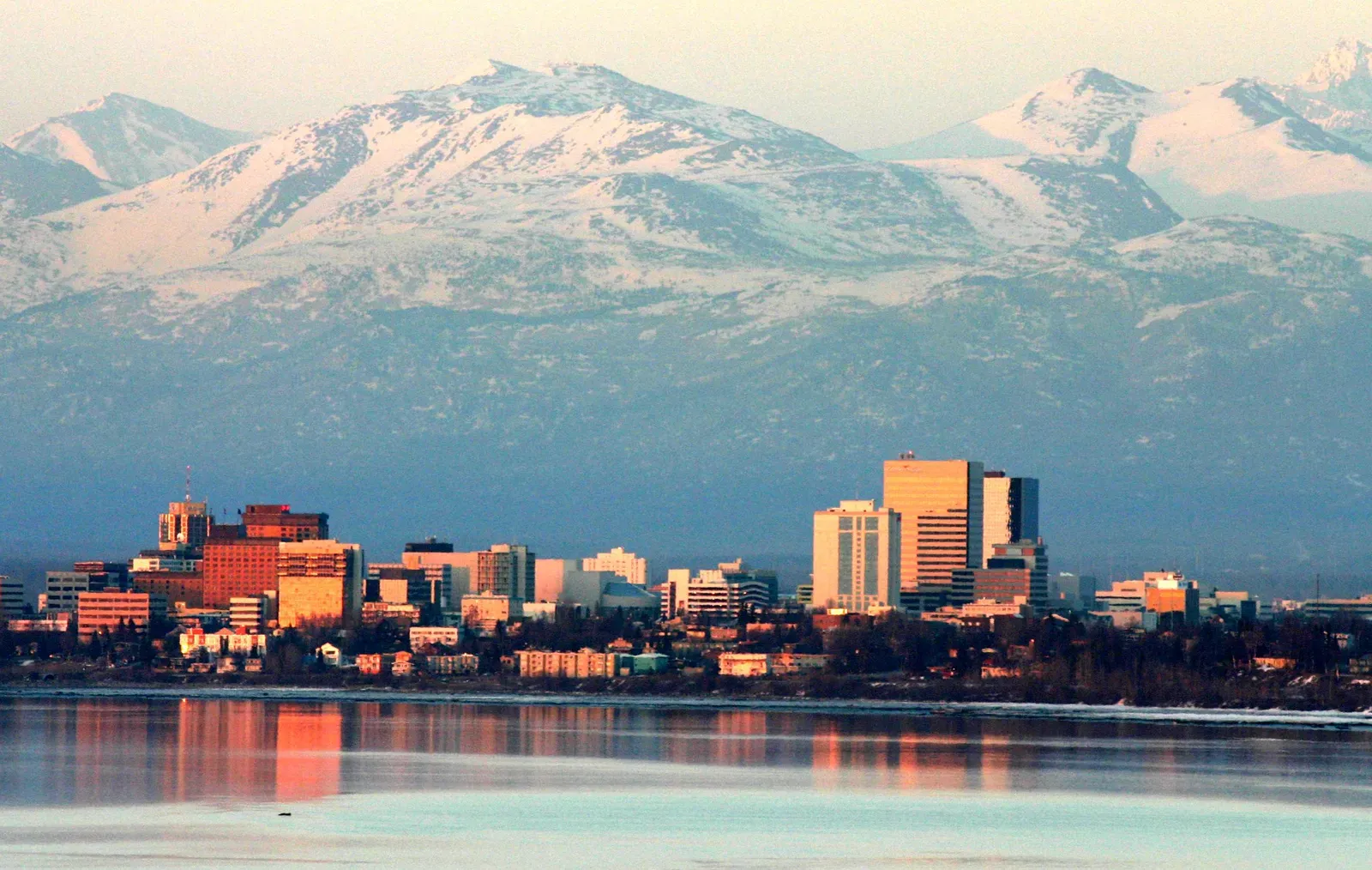
Alaska's largest city doesn't fare much better than its capital. With prices 23.7 percent higher than the national average, Anchorage residents spend $18,444 per year on groceries on average, representing 19.6 percent of the median household income of $93,881. That's a substantial chunk of income going straight to keeping the pantry stocked.
While Anchorage at least has road connections to other parts of Alaska, the state's overall remoteness still drives costs up significantly. The further you get from major agricultural regions and distribution centers in the lower 48 states, the more you'll pay for basic necessities. It's simple economics, yet the impact on family budgets is anything but simple.
The good news? If you're a fan of fresh seafood, Alaska offers some of the best prices in the nation for salmon, halibut, and crab. Still, that doesn't offset the inflated costs of nearly everything else in your shopping cart.
Fairbanks, Alaska

Three Alaskan cities making this list tells you everything you need about how geography shapes grocery costs. In Fairbanks, a typical household earns $101,078 per year and spends $17,268 of that on groceries, putting 17.1 percent of income toward food. While that percentage is slightly better than Juneau and Anchorage, it's still well above what financial experts recommend.
Fairbanks faces an additional challenge beyond just isolation: extreme weather. Harsh winters make transportation even more unpredictable and expensive. Roads can close unexpectedly, flights get delayed or cancelled, and supply chains get disrupted more frequently than in milder climates.
I think what's most striking is how resilient these communities must be. When your weekly grocery bill is consistently higher than what families pay in most other American cities, you have to get creative with budgeting and meal planning.
Manhattan, New York

Leaving Alaska behind, we land in America's most famous urban center. In Manhattan, a typical household earns $101,078 per year and spends $17,268 of that on groceries, with 17.1 percent of income going toward food. It probably comes as no surprise that Manhattan would have elevated food prices compared to most of the country.
The Big Apple's grocery costs stem from different factors than Alaska's: sky-high real estate prices mean stores pay premium rents, which get passed along to consumers. Labor costs are higher. Operating expenses are steeper. Every part of the supply chain costs more in Manhattan than in nearly any other American city.
Yet here's an interesting twist: Manhattan's high median household income helps cushion the blow somewhat. Residents earn enough that even though groceries are expensive, they consume a smaller percentage of overall income compared to places with lower wages and similarly high food costs.
San Francisco, California

When comparing average grocery spend to median income in San Francisco, the typical household spends just 13.7 percent of its earnings to keep the fridge stocked, making it the only city on this list where a household earning the median income can follow the recommendation to spend 15 percent or less of their budget on food. That's actually remarkable considering how expensive the city is overall.
San Francisco ranks second nationally for grocery costs, hovering just above New York. The tech hub's robust economy and high salaries create an environment where stores can charge premium prices. Limited space and intense competition for real estate drive operational costs through the roof.
Still, if you're earning a tech industry salary, those inflated grocery bills sting less. The city represents an interesting case study in how income levels interact with cost of living to determine true affordability. Sometimes the most expensive places aren't actually the least affordable if wages keep pace.
Brooklyn, New York

Cross the East River from Manhattan and the picture changes dramatically. While Brooklyn residents technically spend a little less per month on groceries than their Manhattan neighbors, the dramatically lower median household income means groceries are far less affordable here. Income makes all the difference in the world when we're talking about affordability versus raw price.
With a typical household spending 22.2 percent of its income on food, Brooklyn is the second least affordable city in the United States when it comes to keeping your family fed. Think about that for a moment: more than one dollar out of every five earned goes directly to groceries. That leaves precious little room for saving, emergencies, or other financial goals.
Brooklyn's situation highlights a crucial truth about grocery costs: the sticker price is only part of the story. What really matters is how those prices stack up against what families actually earn. A slightly cheaper grocery bill doesn't mean much if your income is significantly lower.
Oakland, California
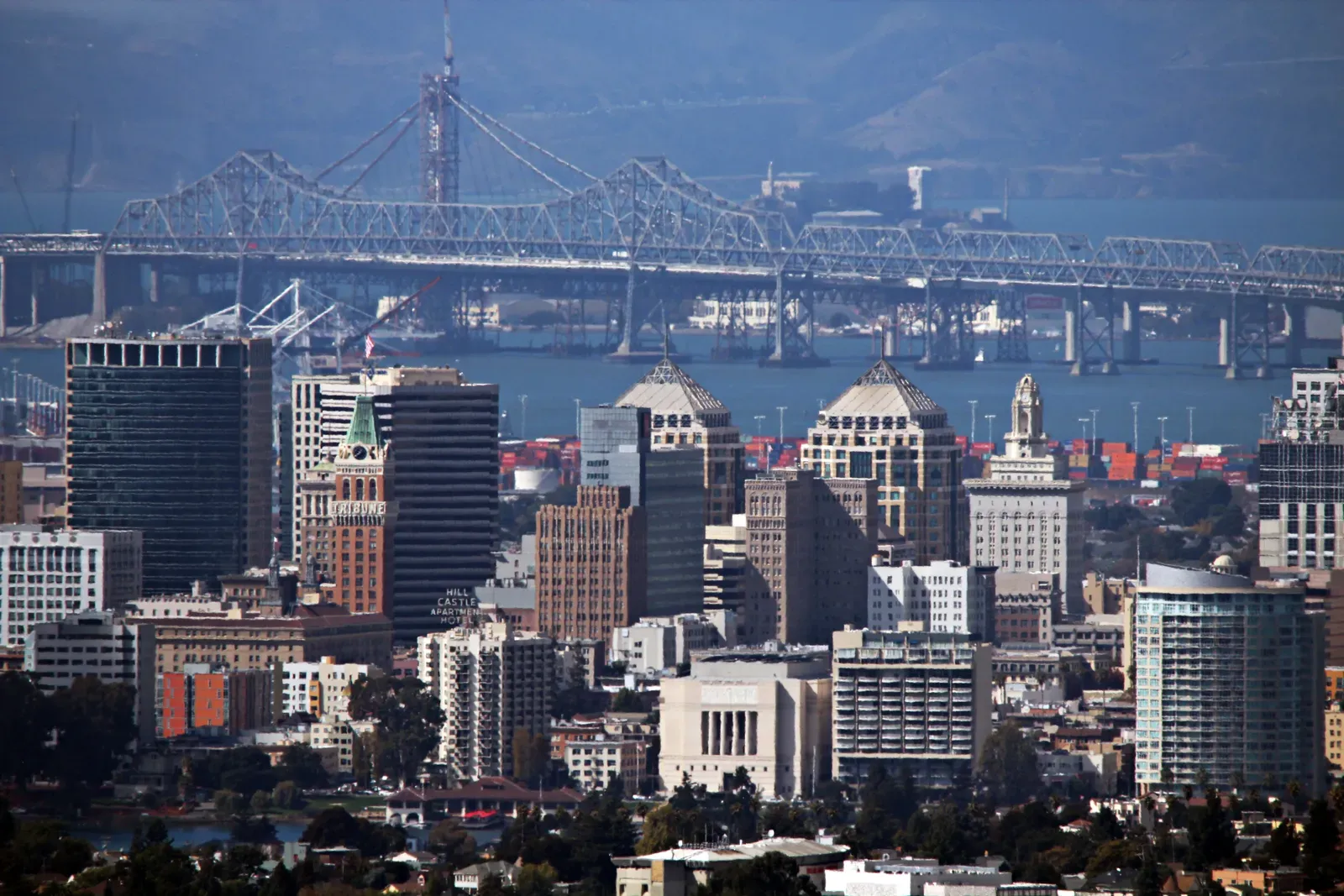
Here's where things get truly challenging. At 11.9 percent above the national average, prices are technically cheaper in Oakland than in San Francisco, but when factoring in the significantly lower median household income of $73,200, the cost to keep a household fed takes up 22.8 percent of that income, making Oakland residents rank lowest among the cities on this list for affordability.
Oakland represents the most unaffordable city for groceries in America right now. Let that sink in. Residents aren't paying the absolute highest prices, yet they're struggling the most to keep food on the table because wages haven't kept pace with costs. It's a perfect storm of moderately high prices combined with lower earning power.
The proximity to wealthy San Francisco likely contributes to Oakland's challenges. Regional pricing affects both cities, but Oakland residents don't benefit from the sky-high tech salaries that help their neighbors across the bay absorb inflated costs more easily. The inequality is stark and consequential.
San Diego, California
San Diego residents see grocery price tags that are 12.3 percent above the national average, though they also enjoy one of the higher median household incomes among the cities on this list. The city's beautiful weather and desirable location come with a premium attached to nearly everything, groceries included.
When factoring in income, a San Diego household spends 16.2 percent of their budget on food, which is almost in line with expert recommendations of 10 to 15 percent. So while prices are elevated, most families can manage without devastating their overall financial picture. That's not nothing in today's economic climate.
Southern California's agricultural bounty helps somewhat. Fresh produce grown relatively nearby can offset some of the higher costs for other items. Yet real estate prices, labor costs, and general cost of living pressures still push grocery bills higher than most Americans experience.
Seattle, Washington
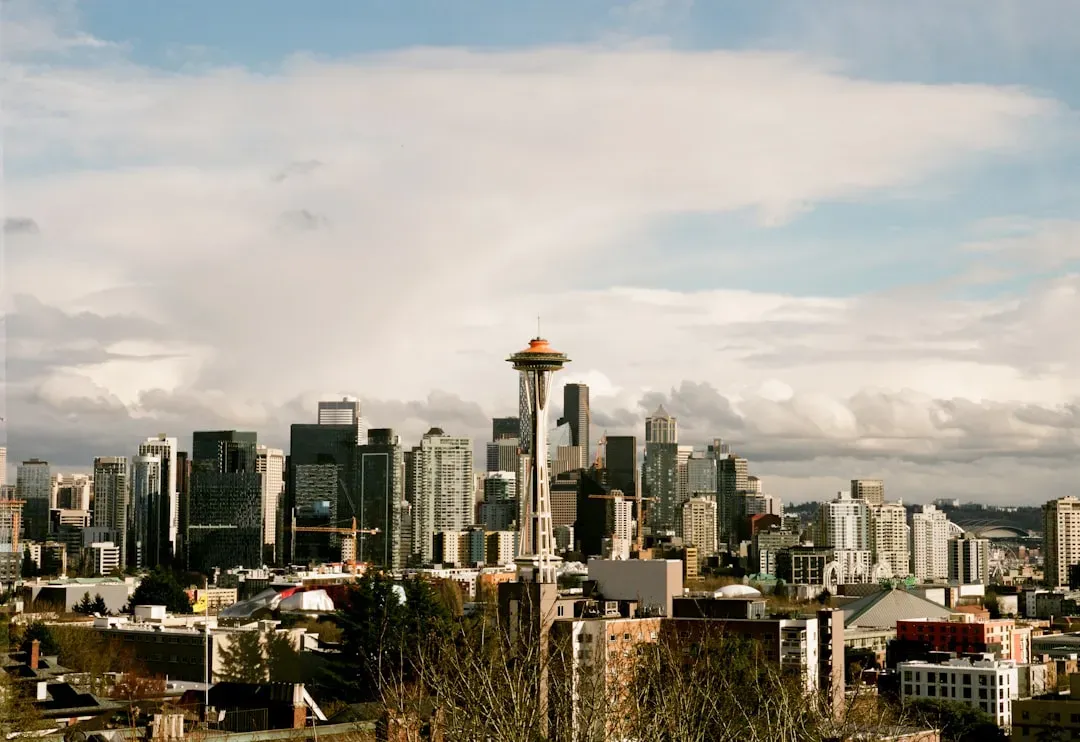
Rounding out our list is the Pacific Northwest's largest city. Seattle faces grocery costs driven by factors similar to San Francisco: thriving tech industry, high wages, expensive real estate, and limited space. The city sits at the end of long supply chains for many products, adding transportation costs to the final price.
Seattle's grocery prices are 28.6 percent above the national average. That's a significant markup that affects everything from basic staples to specialty items. Yet like San Francisco, Seattle's robust economy means many residents earn enough to absorb these costs without falling into true hardship.
Washington state's agricultural production helps somewhat. Apples, berries, and other locally grown items offer better value. Still, the overall trend is clear: living in major West Coast cities means paying substantially more for groceries than families in most other regions of the country.




Leave a Reply