
The 1950s were a genuinely strange time to be standing in front of a television set. The decade marked a revolution in home cooking, with convenience reigning supreme and a new wave of time-saving appliances transforming daily life. Salespeople and inventors scrambled to capitalize on America's obsession with the future, and the result was a parade of gadgets so odd they feel almost fictional today. By the early 1950s, a television set was a regular furnishing in most American living rooms, and the uninvited salesmen who came along with it had a brand new platform for pitching every manner of goods and services. Some of what they sold was genuinely useful. A lot of it, as you're about to discover, absolutely was not.
1. The Chop-O-Matic: The Gadget That Invented the Infomercial
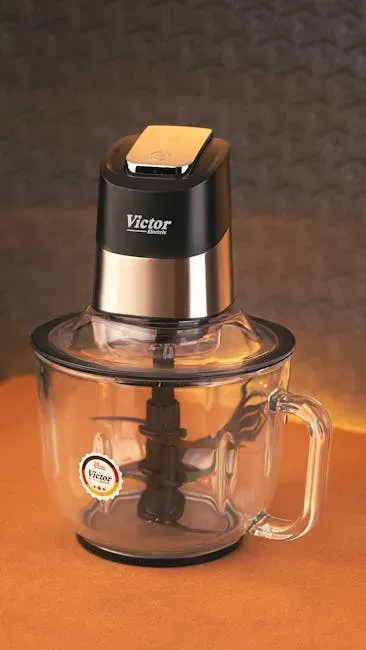
In the early 1950s, Ron Popeil took his act to television, broadcasting what is credited as the first-ever infomercial, and it was for the Chop-O-Matic. The Chop-O-Matic was introduced in the mid-1950s at the amazing low price of $3.98. It was a hand-powered vegetable chopper that promised to replace the knife entirely, and its pitch was breathless, carnival-style energy that audiences had never quite seen before on TV. Back in 1956, an infomercial proclaimed the Chop-O-Matic "the greatest kitchen appliance ever made."
The invention of the Chop-O-Matic caused a problem that marked the entrance of Ron Popeil into television. It was so efficient at chopping vegetables that it was impractical for salesmen to carry all the vegetables needed for demonstrations over the course of a day. The solution was to tape the demonstration. Once the demonstration was taped, it was a short step to broadcasting it as a TV commercial. The Chop-O-Matic and Veg-O-Matic together sold more than 11 million units. The weird part isn't that it worked. It's that a hand-powered chopper somehow needed a nationally televised theatrical spectacle to sell it.
2. The Veg-O-Matic: "It Slices, It Dices!"
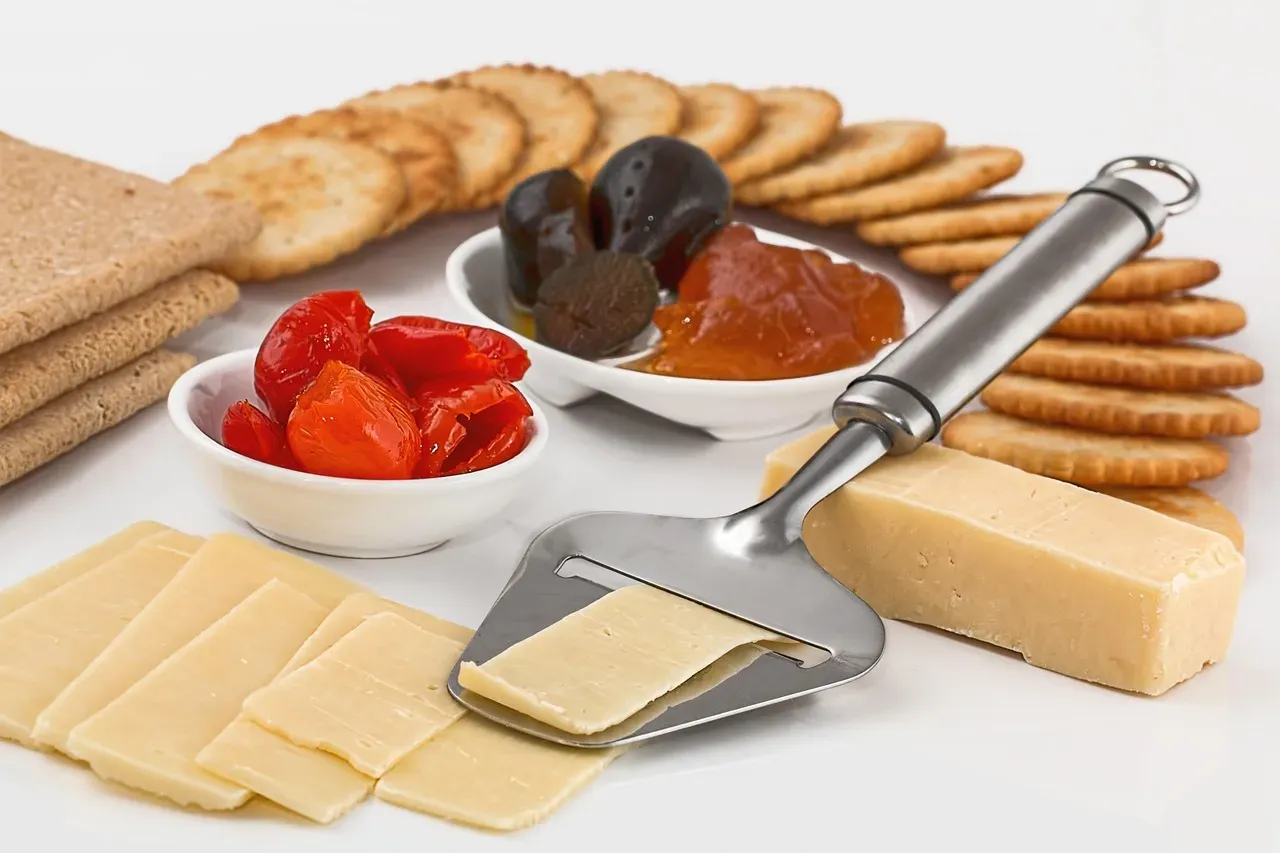
If you've ever heard the famous line "It slices, it dices!" then the Veg-O-Matic is where it came from. That tagline comes from the original Veg-O-Matic commercial that would hit late-night TV watchers back in the day. Today, we use that line to make fun of salespeople demonstrating a glitzy product, often with no idea where it originally came from. It's one of the first products ever sold in that infomercial style, and it sold quite well, carving out a name for itself in American popular culture. It sliced, it diced, and it did a bunch of other stuff - although it's hard to say whether it did any of those things better than ordinary kitchen knives.
The Chop-O-Matic's success led to the reimagined Veg-O-Matic, which was largely responsible for sales growing from $200,000 to $8.8 million in just four years, according to Popeil's memoir. Popeil's success in infomercials, memorable marketing personality, and ubiquity on American television allowed him and his products to appear in a variety of popular media environments, including cameo appearances on television shows such as The X-Files, Futurama, King of the Hill, and The Simpsons. A vegetable slicer had become a genuine pop culture icon. That's weird, and wonderful, in equal measure.
3. The Cookie Gun: Baking Meets Weaponry

This glue-gun-style cookie press from the 1950s let you pour cookie dough into a tube and shoot out cookies into fun, clever shapes. Made from metal or plastic, it extruded dough onto baking sheets in the form of stars, flowers, trees, and other designs. Cookie presses, or cookie guns, were particularly popular in the 1950s and 60s and were essentially tubes that you filled with your dough, then squeezed out through patterned tips to make cookies quickly. The infomercial demonstrations were spectacular, showing immaculate little star-shaped cookies emerging like magic from what was essentially a caulking gun.
Wear Ever was one popular brand, and given that these were typically used once a year around the holidays, it's not unheard of for full sets to pop up in garage and estate sales, and in online auctions. The cookie press, or cookie gun, was an incredible baking gadget that surprisingly fell into obscurity. Some brands like Williams Sonoma still produce modern plastic cookie presses, but finding the durable metal ones like Mirro's "cooky-pastry press" will take some internet sleuthing. The gadget's decline was less about failure and more about the simple reality that nobody wants to clean dough out of a metal tube after the holidays.
4. The Jell-O Mold: Gelatin as Entertainment

Perhaps no kitchen item better represents 1950s food culture than the elaborate Jell-O mold. These aluminum or copper molds came in various decorative shapes - from simple rings to elaborate castles and floral designs - and were essential for creating the gelatin-based salads and desserts that dominated mid-century entertaining. Although Jell-O had been around since 1897, the post-war era saw an explosion in elaborate molded creations, both sweet and savory. Home cooks suspended everything from fruit and marshmallows to vegetables and seafood in these jiggly creations. The colorful, wobbly results were considered the height of sophisticated presentation.
The Jell-O mold was once essential for creating some of the 1950s' more eccentric side-dishes. It's safe to say, showing up to a dinner party and being faced with hot dogs encased in gelatin would certainly raise more than a few eyebrows today. Jell-O molds fell from favor as entertaining styles became more casual and as health consciousness grew around processed foods. The labor-intensive process of creating elaborate molded dishes seemed increasingly outdated by the 1980s. Infomercials of the era showed off these molds as centerpieces of domestic sophistication - though the finished products, in hindsight, look more like science experiments than dinner party showstoppers.
5. The Dial-O-Matic: The Food Slicer Nobody Needed
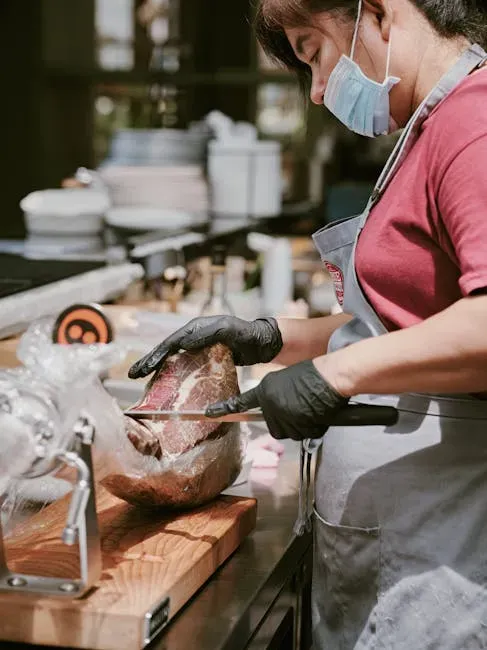
If the Chop-O-Matic and Veg-O-Matic didn't cut veggies small enough, the Dial-O-Matic would. This food slicer debuted in the mid-1950s, preceding the modern food processor, and at the original price of $3, took a much smaller slice out of the family budget. The Dial-O-Matic has sold two million units and is still available - now for $29.95 - and can still turn hundreds of potatoes into french fries in minutes. The commercials made it look transformative: a gleaming contraption that could slice tomatoes paper-thin and produce uniform french fries at a speed no human hand could match.
Today, K-tel is best known as a record label, but the company has roots in the kitchenware and appliances industry. In the '70s and '80s, you couldn't turn on the TV without being bombarded with one K-tel infomercial or another, hawking fascinating and innovative inventions such as the Veg-O-Matic, Chop-O-Matic, or the Mince-O-Matic. Philip Kives, the company founder, is credited with starting the now-infamous phrase, "But wait, there's more!" in his product commercials. A dial that promised uniform slicing was sold as if it were a breakthrough in human civilization. The frenzied energy of those live demonstrations, with tomatoes flying and onions being demolished, was something genuinely compelling to watch even when the gadget itself was purely redundant.
6. The Manual Ice Crusher: Chrome Theatrics for Crushed Ice
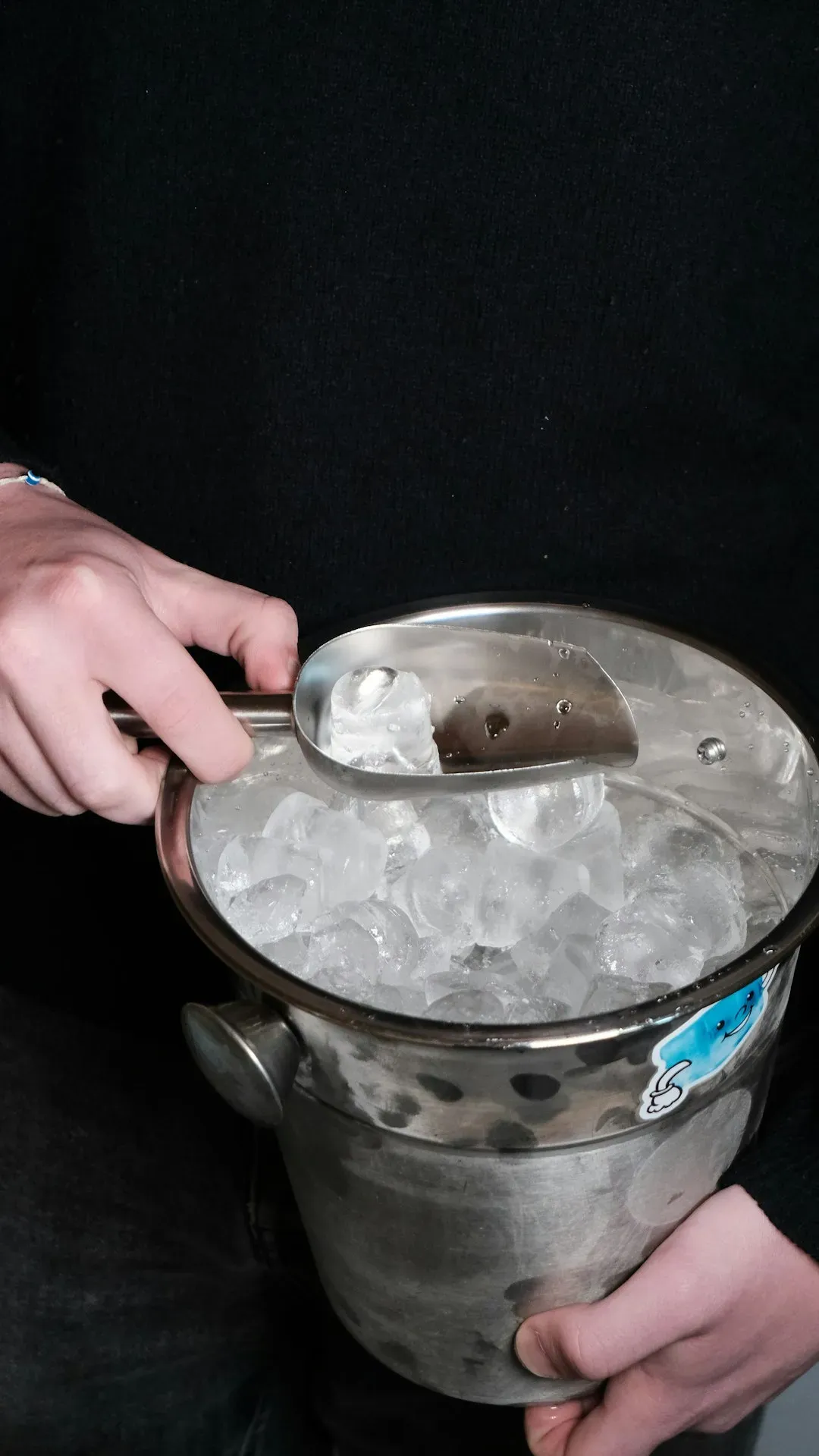
Before blenders became versatile enough to handle ice effectively, dedicated manual ice crushers from the 1950s and 1960s were must-haves for cocktail enthusiasts. These cast aluminum or chrome-plated devices were both functional tools and decorative bar accessories. The most popular design featured a hand crank that fed ice cubes through crushing gears into a collection container, producing the perfect crushed ice for tropical drinks, ice packs, or snow cones. Infomercial hosts cranked away with enormous enthusiasm, dressed in aprons, as if crushing ice by hand was the most exhilarating thing a person could do on a Tuesday evening.
Models like the Ice-O-Mat by Rival became iconic, with some designed for wall mounting and others for countertop use. The distinctive crunching sound of these manual crushers was the backdrop to countless cocktail parties. With a turn of the handle, the wall-mounted ice crusher would crush ice cubes into crushed ice. But with automatic refrigerator ice dispensers now commonplace, its main appeal is its novelty rather than its functionality. Still, for a brief, glorious moment in mid-century America, owning a chrome wall-mounted ice crusher meant you had truly arrived - and the infomercial pitchmen made sure every viewer understood exactly that.




Leave a Reply