
Think you know what's risky when it comes to undercooked food? You might be surprised to learn that some of the most common ingredients sitting in your fridge right now could land you in the hospital if you don't cook them properly. We're not talking about exotic delicacies or street food from questionable vendors. These are everyday staples that millions of people eat without thinking twice.
According to the U.S. Food and Drug Administration (FDA), one in six Americans gets sick from contaminated food each year, resulting in about 128,000 hospitalizations and 3,000 deaths. That's a staggering number when you really think about it. Let's be real, most of us assume that as long as food looks and smells fine, we're good to go. The truth is far more unsettling. So, let's dive into the seven foods that pose the greatest danger when eaten undercooked, ranked by just how risky they really are.
7. Kidney Beans: The Unexpected Toxin Bomb
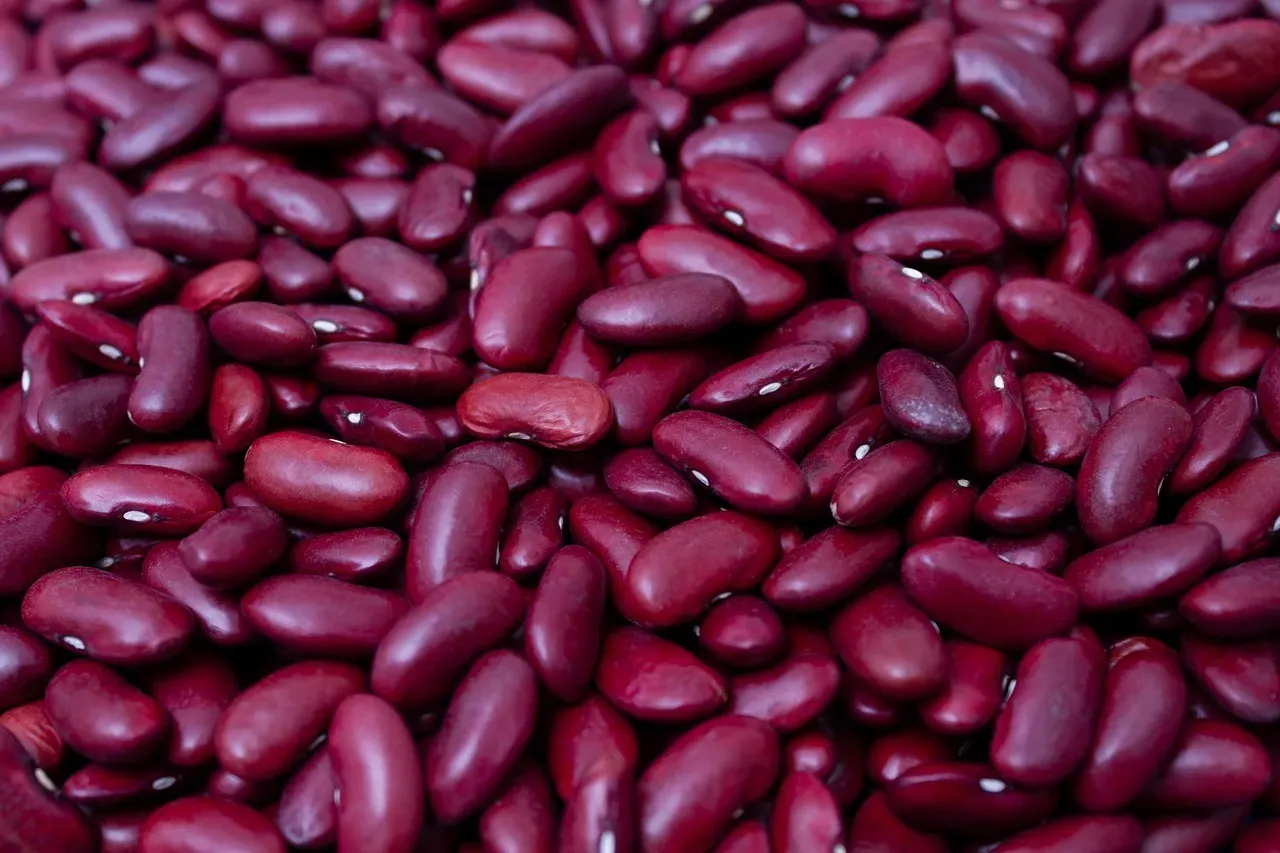
You wouldn't think that a humble bean could be dangerous, right? Here's the thing though. Kidney beans are a great source of plant-based protein, but eating them raw or undercooked can make you very sick. They naturally contain phytohemagglutinin (PHA), a type of lectin (protein) that can trigger severe digestive issues, such as vomiting, nausea, and diarrhea. I honestly had no idea about this until I started researching.
The kicker is that slow cookers don't always reach high enough temperatures to neutralize this toxin. Stove-top and oven-baked recipes reach high enough temperatures to safely cook beans - but slow cookers don't. While kidney beans don't top the list in terms of widespread outbreaks, the severity of symptoms when you do eat them undercooked is no joke. Most people recover within hours, but those hours can be brutal.
6. Seafood and Shellfish: Swimming in Contamination

Seafood lovers, this one's for you. Raw or undercooked seafood carries multiple risks depending on where it's harvested and how it's handled. Seafood is particularly finicky, as it needs to be treated and stored properly as soon as it comes out of the water.
Raw vegetables and various types of raw or undercooked seafood have been implicated in cholera outbreaks. Vibrio, another nasty bacterium, thrives in warm coastal waters and can contaminate oysters and other shellfish. The symptoms? Severe diarrhea, dehydration, and in the worst cases, death. Honestly, it's hard to say for sure how contaminated any given batch of seafood is, but the risk increases dramatically during warmer months. If you're immunocompromised, elderly, or pregnant, skip the raw oysters at the bar.
5. Raw Eggs: A Breakfast Gamble

Ah, eggs. Scrambled, fried, poached, or tossed raw into a protein shake. The Food and Drug Administration (FDA) has found that approximately 79,000 people experience a food-related illness each year, with 30 of them dying, from salmonella bacteria found in raw eggs. That might not sound like a huge number, but it adds up fast when you consider how many dishes contain raw or lightly cooked eggs.
The Centers for Disease Control estimates that 1 in every 20,000 eggs are contaminated with Salmonella. The problem is that salmonella can form inside the egg before the shell even hardens, making it impossible to detect. Caesar salad dressing, homemade mayonnaise, cookie dough, tiramisu - all of these can be risky if made with raw eggs. Symptoms usually hit within a day or two and include fever, cramps, and diarrhea. Most people bounce back, but for vulnerable groups like kids, the elderly, or pregnant women, it can be far more serious.
4. Leafy Greens and Fresh Produce: Nature's Hidden Hazard
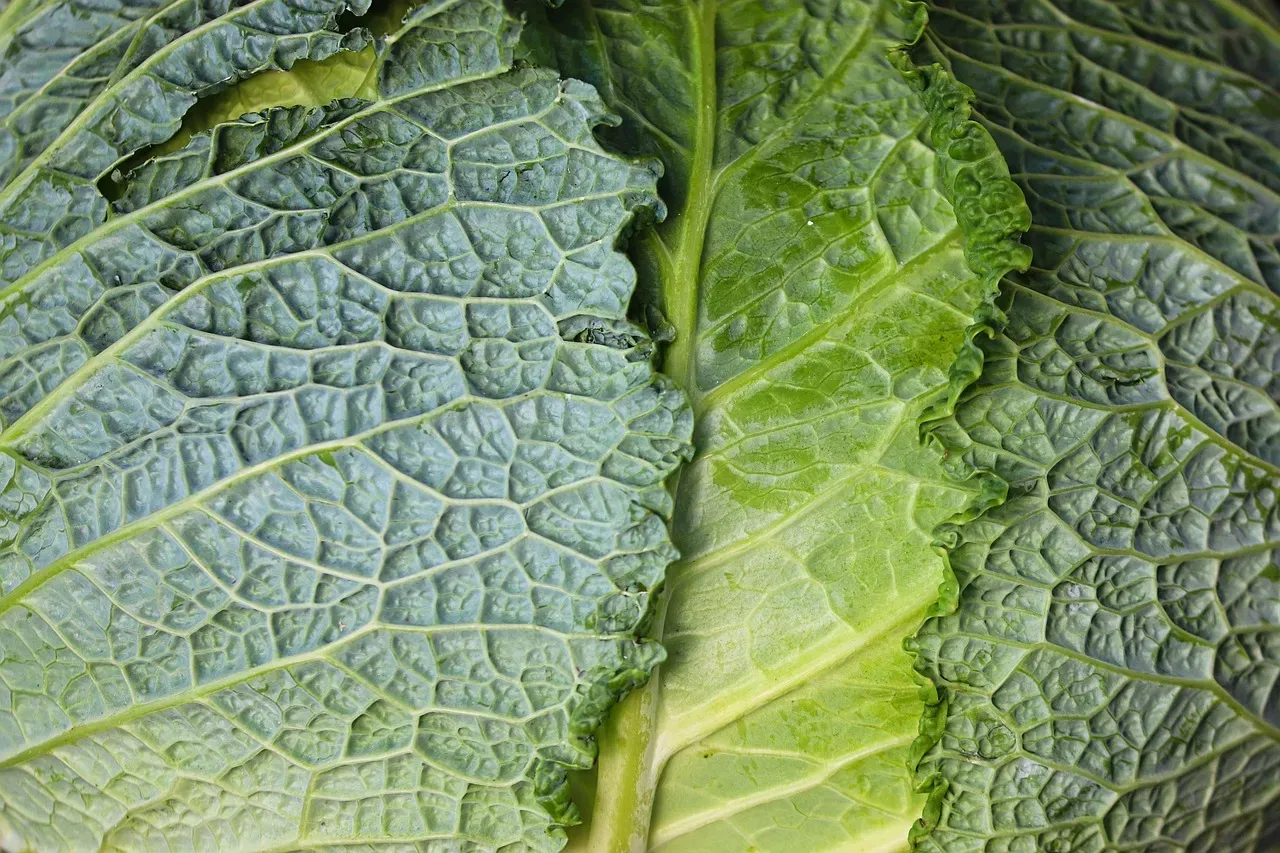
Wait, vegetables? Yes, you read that right. Vegetables and leafy greens are a common source of food poisoning, especially when eaten raw. Vegetables and leafy greens can become contaminated with harmful bacteria, such as E. coli, Salmonella and Listeria. Contamination often happens long before the produce reaches your kitchen - during growing, harvesting, or processing.
Leafy greens, like lettuce, are some of the most often recalled foods. And because they're typically eaten raw, it's important to pay attention to the recalls. In June 2025, cucumbers were linked to a salmonella outbreak. Romaine lettuce has been a repeat offender over the years. The scary part is that rinsing vegetables doesn't always eliminate the risk, especially if bacteria have infiltrated the plant tissue itself. Washing helps, but it's not foolproof.
3. Ground Beef: The E. Coli Express
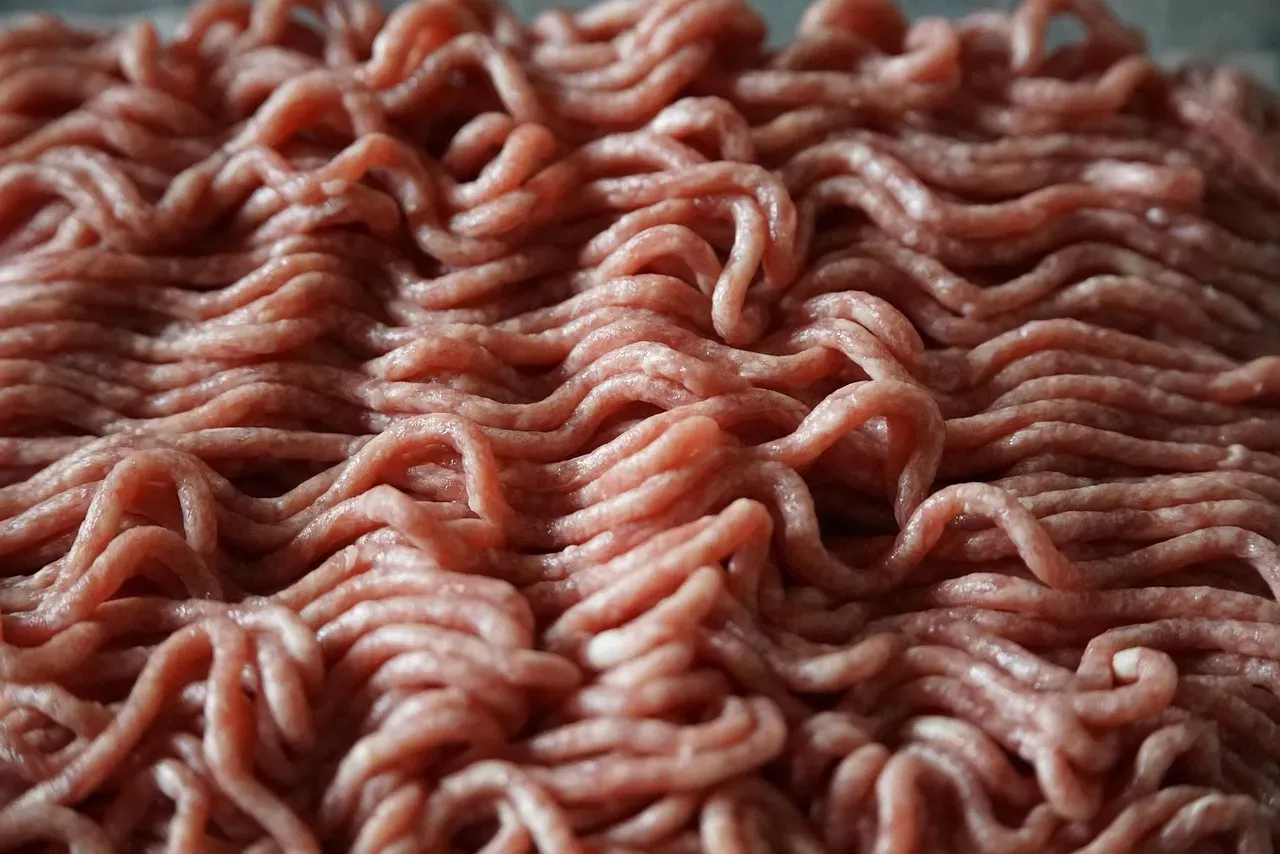
If there's one food that's been at the center of countless outbreaks, it's ground beef. The Centers for Disease Control and Prevention estimates that E. coli O157:H7 is responsible for some 73,500 cases of infection, 2,150 hospitalizations, and 61 deaths in the United States each year. That's not a small problem.
Most illness has been associated with eating undercooked, contaminated ground beef. Eating meat, especially ground beef, that has not been cooked sufficiently to kill E. coli can cause infection. The reason ground beef is so risky is that bacteria on the surface of the meat gets mixed throughout during the grinding process. A steak can be safely eaten medium-rare because the outside is seared, but a burger? That needs to be cooked all the way through to at least 160 degrees Fahrenheit. A total of 209 people infected with the outbreak strain of E. coli O103 were reported from 10 states. Twenty-nine people were hospitalized. Two cases of hemolytic uremic syndrome, a type of kidney failure, were reported. Hemolytic uremic syndrome is particularly terrifying - it's a complication that can lead to permanent kidney damage or death, especially in young children.
2. Pork: The Parasite Risk You Can't Ignore
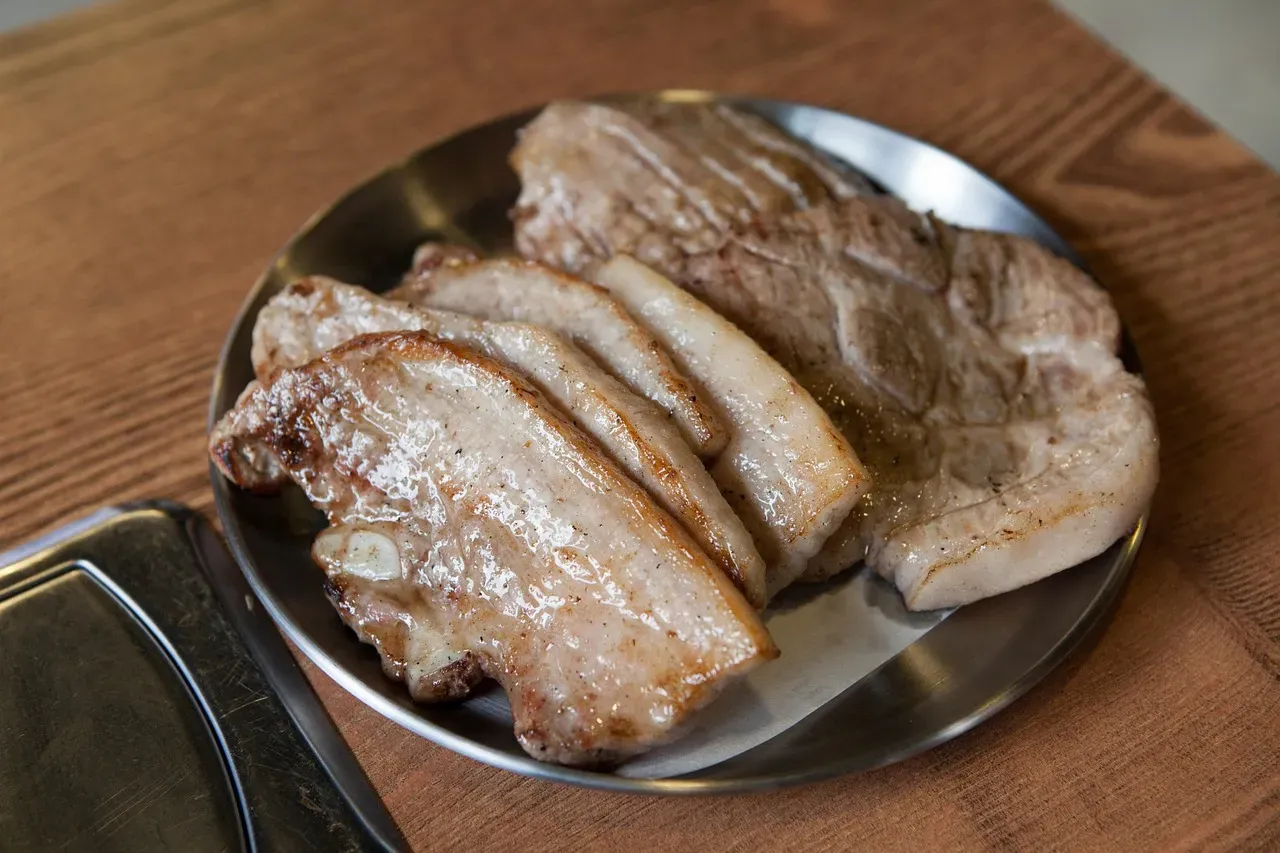
Pork has a well-earned reputation for being dangerous when undercooked. Three parasites pose a public health risk from the ingestion of raw or undercooked pork, namely: Trichinella spiralis, Taenia solium and Toxoplasma gondii. Trichinosis, the disease caused by Trichinella, was once a major public health concern in the United States.
The incidence of trichinosis in the U.S. has decreased dramatically in the past century from an average of 400 cases per year mid-20th century down to an annual average of 20 cases per year (2008–10). The number of cases has decreased because of legislation prohibiting the feeding of raw meat garbage to hogs, increased commercial and home freezing of pork, and the public awareness of the danger of eating raw or undercooked pork products. Still, cases do happen, especially from wild game like bear or wild boar.
Symptoms can range from mild flu-like illness to severe muscle pain, neurological issues, and even heart problems. The outlook for severe cases that result in brain or heart damage is poor. These cases can be fatal. Cooking pork to an internal temperature of 160 degrees Fahrenheit kills the parasites, but undercooking it leaves you vulnerable.
1. Chicken: The King of Food Poisoning
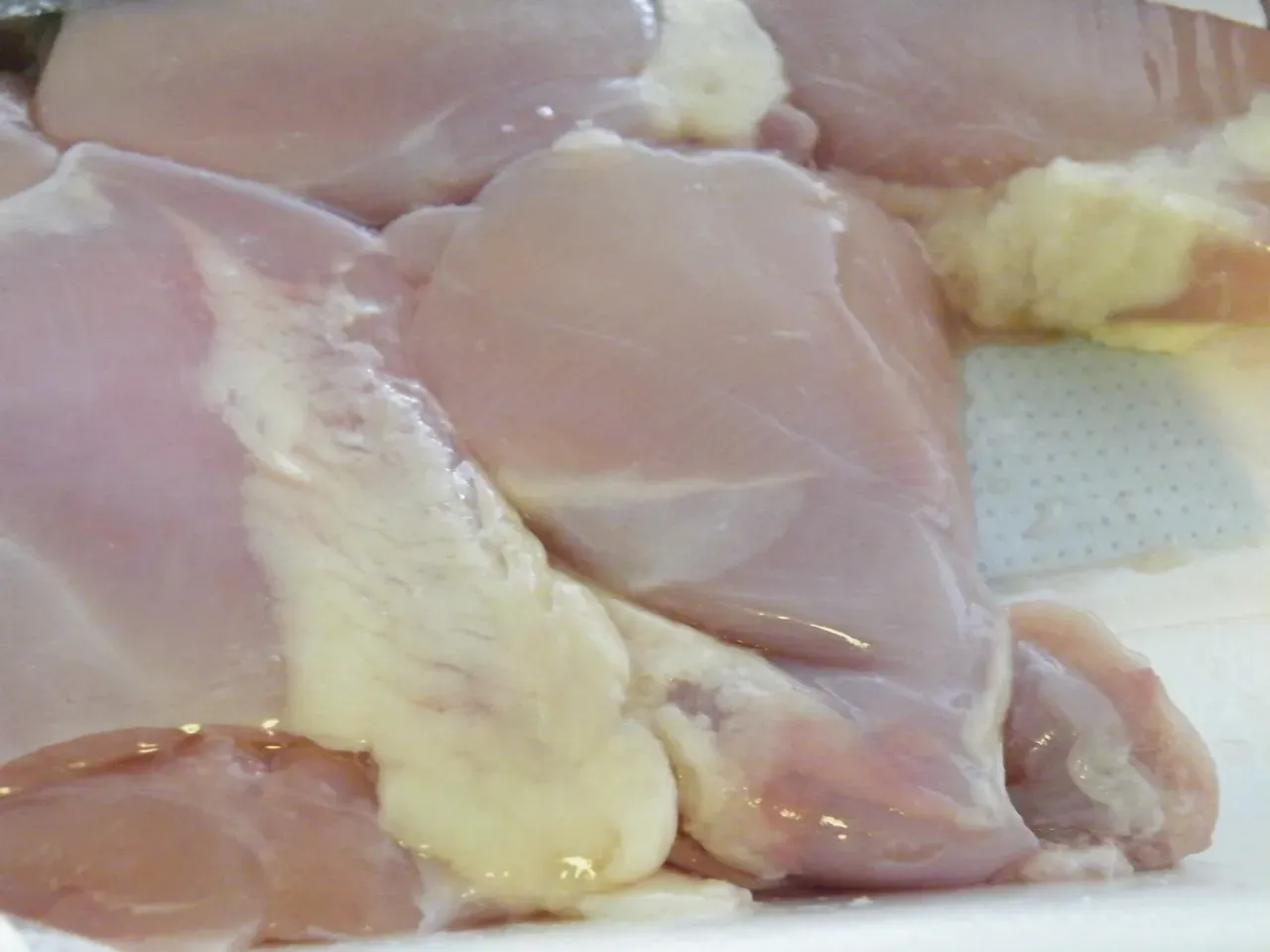
Let's be honest, chicken is probably sitting in your fridge right now. Meat and poultry are the most common sources of fatal infections from food, according to the U.S. Centers for Disease Control and Prevention (CDC). Harmful bacteria such as Salmonella and Listeria in chicken, pork, deli slices, and other meats account for at least 29% of all U.S. foodborne deaths. But chicken? Chicken is in a league of its own.
Every year in the United States about 1 million people get sick from eating contaminated poultry. In fact, about 1 in every 25 packages of chicken at the grocery store are contaminated with Salmonella. Think about that the next time you're at the supermarket. Nearly every single one of those plastic-wrapped chicken breasts could be harboring dangerous bacteria. Research from the UK, US and Ireland found that 41–84% of raw chicken sold in supermarkets was contaminated with Campylobacter bacteria and 4–5% was contaminated with Salmonella.
During 1998–2022, there were 366 Salmonella illness outbreaks attributed to chicken, altogether responsible for 10,344 illnesses, 1,426 hospitalizations, and 12 deaths. Outbreaks caused 10,344 illnesses, 1,426 hospitalizations, and 12 deaths. What makes chicken so dangerous is that bacteria like Salmonella and Campylobacter contaminate the meat during slaughter, and they survive until cooking kills them. The juice from raw chicken can spread bacteria to your sink, cutting boards, and other foods. Cross-contamination is a huge issue. A study conducted by UC Davis with 120 participants determined that 40% of the participants undercooked their chicken, 65% did not wash their hands before handling raw chicken, and 50% of participants washed raw chicken in sinks prior to preparation, which are not recommended practices based on USDA guidelines.
You need to cook chicken to an internal temperature of 165 degrees Fahrenheit - not just until it looks white or "done enough." Use a meat thermometer. Every. Single. Time.




Leave a Reply