
Grocery bills across America have been squeezing household budgets harder than ever. If you shudder at the price of groceries lately, you're not alone - food has gotten prohibitively expensive for many Americans. The good news? A few ordinary, unglamorous foods sitting quietly on supermarket shelves punch way above their weight in nutritional value, and most of them cost less than a cup of coffee.
Honestly, eating healthy on a tight budget is more possible than most people think. There are still plenty of nutritious, cost-effective foods to stock up on, and eating healthy can be surprisingly affordable - but it may take some effort and planning. So let's get into the eight best options that actually deliver on both fronts.
1. Lentils - The Unsung Hero of Budget Nutrition
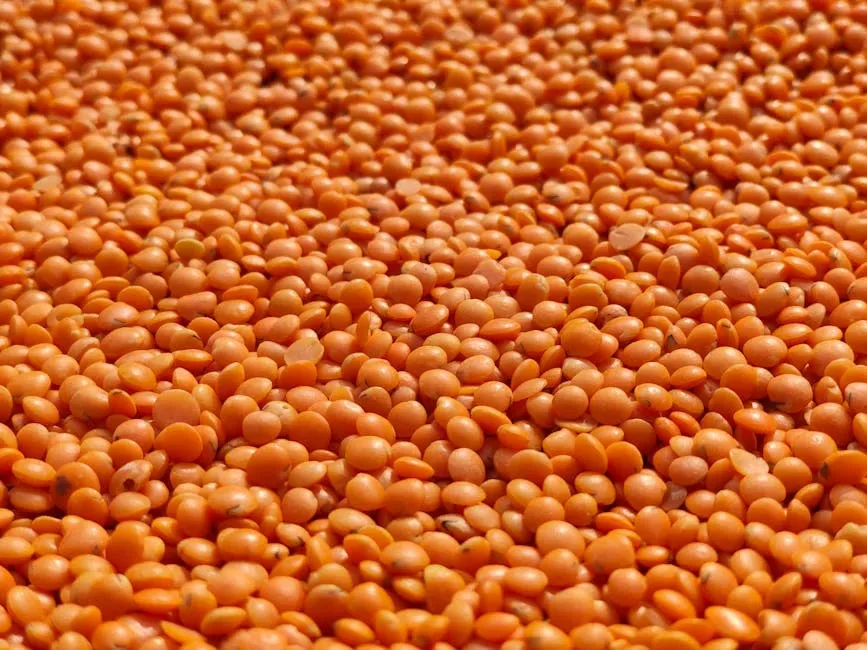
Let's be real: lentils don't get nearly enough credit. Lentils are a high-protein legume that cost just about ten cents per serving and provide 18g of protein and 15g of fiber per cooked cup. They are cholesterol-free by nature, high in folate, iron, and potassium, and low in fat. That's a nutritional resume that most expensive "superfood" powders would envy.
A 2023 study by the Harvard School of Public Health found that a daily intake of lentils reduces the risk of heart disease by around a quarter. Even more impressive, new evidence published in the Nutrients Journal in 2024 discovered that pulses like lentils increase diversity in the gut microbiome. That's two major biological systems being supported by one dirt-cheap legume.
Lentils are easy to cook, with split lentils taking only 5 to 10 minutes and other varieties taking 20 to 30 minutes to prepare - and unlike other legumes, they don't need to be soaked before cooking. Toss them into soups, stews, or curries, and you've got a hearty, protein-rich meal for virtually nothing.
2. Eggs - Nature's Most Complete Protein Package
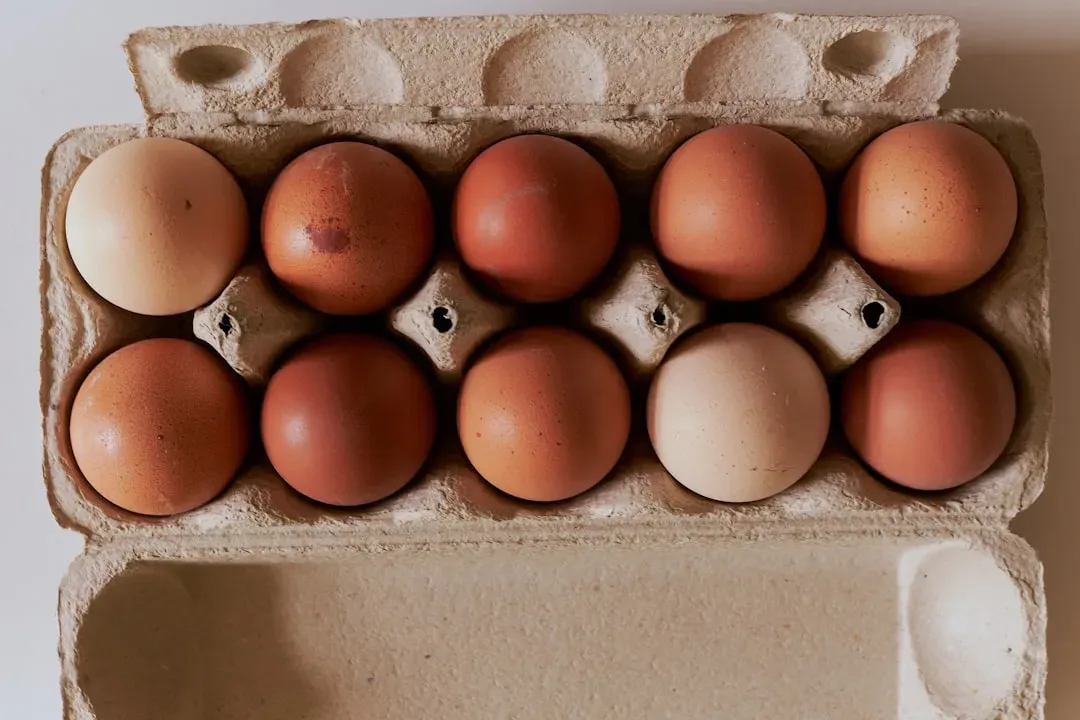
Few foods in human history have been as controversial or misunderstood as the humble egg. For decades, nutritionists argued over cholesterol. The verdict in 2025? The most recent FDA dietary guidance confirms that eggs can be included in a heart-healthy diet for most individuals, and researchers in the American Journal of Clinical Nutrition found no significant link between moderate egg consumption and heart disease risk in healthy adults.
Dietitians say eggs are considered a perfect protein because they contain essential amino acids and choline, which is great for brain health. The yolk contains nutrients like vitamins A and D, omega-3 fatty acids, and the antioxidant lutein, which helps promote healthy eyes and skin. It is hard to say for sure which single food delivers more nutritional value per dollar, but eggs are always in the top conversation.
The egg is an encapsulated reserve of proteins, lipids, minerals, and vitamins, which is remarkable for the diversity of nutrients, their high digestibility, and the balance between the various essential constituents. Worth noting: since the summer of 2024, the price of eggs more than doubled in some places due to avian flu pressures, though prices have since shown signs of easing according to March 2026 USDA market data.
3. Brown Rice - The Steady Fuel Everyone Ignores
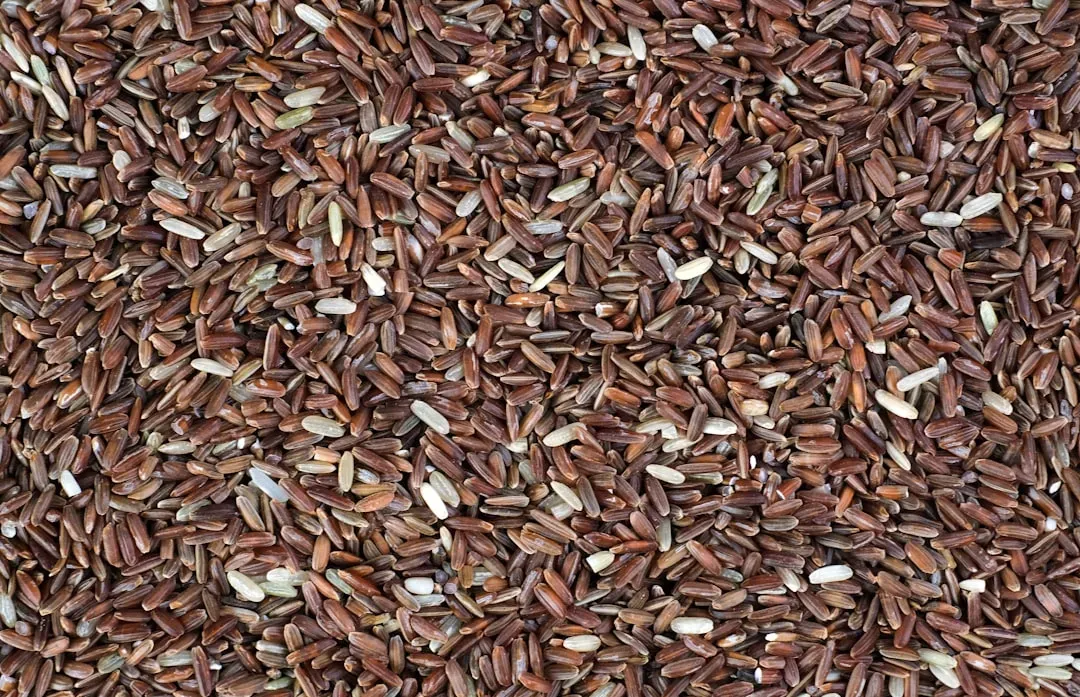
Whole grains like brown rice, when bought in bulk, are extremely inexpensive and keep you full. Brown rice is an excellent source of complex carbohydrates, which provide long-lasting energy and slow-digesting fiber. It is also loaded with B vitamins, magnesium, selenium, and phosphorus. Think of it as a slow-burning log rather than a piece of paper - your energy stays steady for hours.
Brown rice delivers whole-grain nutrition for only about eight cents a serving, offering slow-burning carbs and over 3g of fiber per cooked cup. It is a good source of magnesium, needed for muscle and nerve function, and selenium, which boosts immunity. According to the American Journal of Clinical Nutrition, choosing brown rice over white rice is associated with a reduced risk of type 2 diabetes.
White rice is another budget-friendly grain, but brown rice offers more nutritional bang for your buck. Whole grains keep for months when stored in airtight containers. That long shelf life is no small thing - less waste means more savings over time.
4. Canned Beans - Protein and Fiber for Less Than a Dollar
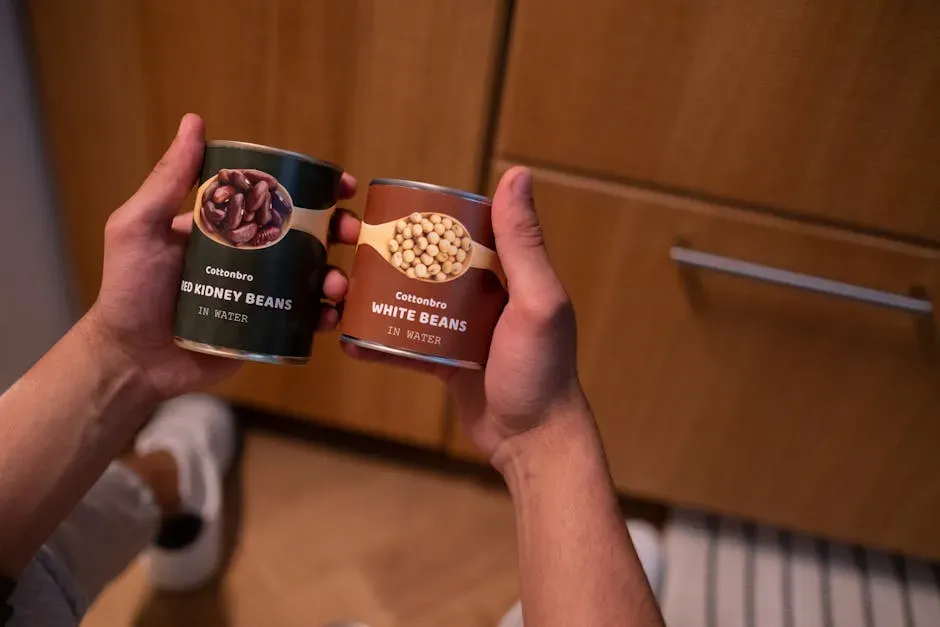
Canned beans are budget-friendly in addition to being very nutritious. Different types vary in price, but you can generally find them for less than a dollar a pound. That's an almost absurdly low price for what they offer. Beans contain a significant amount of fiber and a variety of vitamins and minerals, including folate, iron, magnesium, and potassium. They are an excellent source of plant-based protein, with about 14.5 grams of protein in a single cup of black beans.
New research specifically on canned beans showcases their health benefits, augmenting studies published in 2024 that support the nutritional benefits of beans, peas, chickpeas, and lentils. Research demonstrates that replacing commonly consumed protein foods with one or two servings of canned beans significantly increased shortfall nutrient intakes and improved diet quality in adults in the United States.
Three studies published in 2024 demonstrated that beans are positively associated with overall nutrient intake, nutrient adequacy, diet quality, and biomarkers of health. Their high fiber content makes them great for individuals trying to reduce or manage their weight, and their low glycemic index makes them ideal for people with diabetes. Hard to argue with that kind of evidence.
5. Oats - The Breakfast Champion on a Budget

There is something almost poetic about oats. One of the oldest farmed foods on earth, they have fed civilizations for centuries - and today, a large canister costs just a few dollars and lasts weeks. Dried rolled oats are a filling, affordable whole grain well worth buying in bulk. Per serving, they are among the most cost-efficient foods you can possibly buy.
The prebiotic fiber in oats helps explain why oatmeal can improve diabetic control. Oats are rich in a specific type of soluble fiber called beta-glucan, which is one of the most well-studied dietary fibers in existence for its ability to lower LDL cholesterol levels. The American Heart Association recognizes oats as a heart-healthy food, and that reputation is well-earned.
With inflation still pushing food prices upward in 2025, stocking up on affordable, healthy staples like oats is more important than ever. Eat them as classic oatmeal, overnight oats, or blend them into smoothies - the versatility alone makes them a kitchen essential worth keeping around at all times.
6. Frozen Spinach - More Nutrition Per Dollar Than You Think

Here is something that genuinely surprises people: frozen spinach can actually be more nutritious than fresh spinach sitting in a refrigerator case. One box of frozen spinach typically equals several bunches of fresh spinach at about a third of the price. The freezing process locks in nutrients, sometimes making frozen spinach more nutritious than fresh spinach that has traveled long distances.
Frozen vegetables offer the same nutrition as fresh - they are harvested at peak ripeness and flash-frozen to seal in nutrients. Frozen leafy greens like spinach are loaded with vitamin K, which supports normal blood clotting, folate, and iron. Those three nutrients alone are critical for millions of Americans who routinely fall short of their daily requirements.
Frozen vegetables, which are frozen when fresh, generally retain nutritional quality comparable to fresh produce. Frozen spinach or frozen kale are great options for soups and stews, and these vegetables are often cheaper than their non-frozen counterparts. Toss a handful into pasta, a scrambled egg, or a smoothie and you barely notice it's there - but your body does.
7. Bananas - Nature's Cheapest Energy Bar
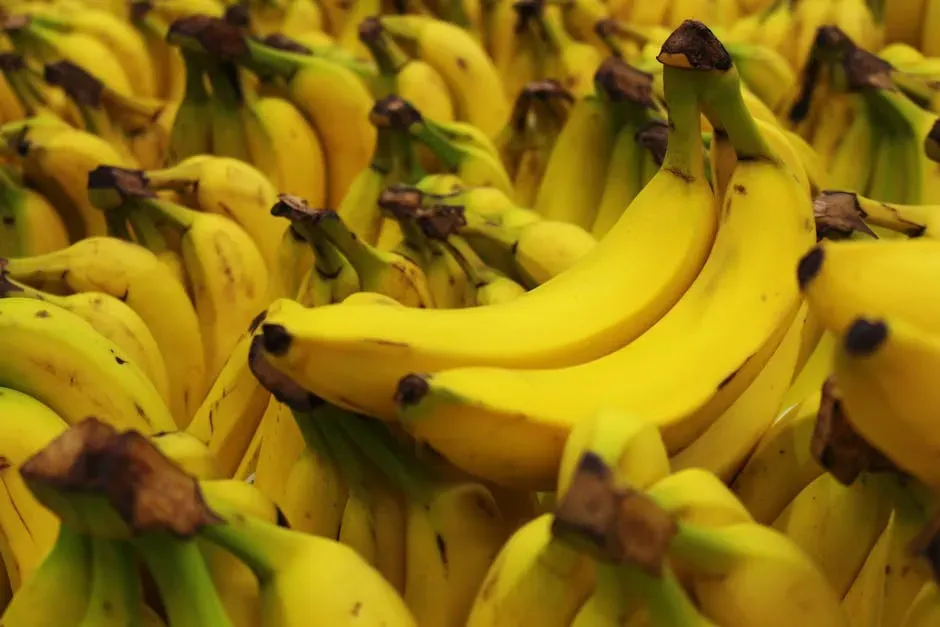
Walk into any grocery store in America and you'll find bananas priced lower than almost any other fruit on the shelves. That pricing, combined with their nutritional profile, makes them genuinely hard to beat. Potassium-rich bananas support heart health and muscle function better than most fruits, and they also provide vitamin C, vitamin B6, and natural sugars that give quick energy.
A Harvard Health Study from 2024 linked potassium-rich diets to roughly a quarter reduction in stroke risk. Bananas are fat-free and low-calorie, making them an excellent choice for weight-conscious eaters, and their natural sugars provide quick energy without a crash when eaten alongside protein. Pair one with peanut butter and you have a complete, satisfying snack for well under a dollar.
Bananas and potatoes, although belonging to different food families, have strikingly similar compositions for energy, fiber, and potassium per standard serving. The banana is portable, requires zero preparation, and keeps well for days on a counter. It is the kind of food that sounds too simple to be impressive - until you actually look at what it does for your body.
8. Sweet Potatoes - The Most Nutrient-Dense Vegetable Per Dollar
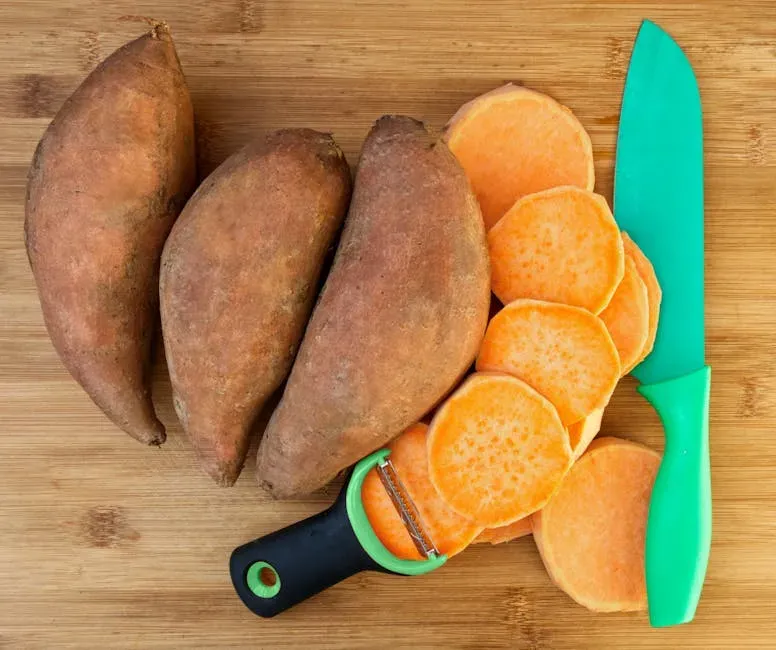
If there is one food on this list that deserves a standing ovation, it might be the sweet potato. Research published in a peer-reviewed nutrition study found that deep yellow vegetables including sweet potatoes had the highest overall nutrient density scores, and highest nutrient density scores per dollar were obtained for sweet potatoes, white potatoes, carrots, and broccoli. That is a remarkable result for something that costs roughly a dollar per pound.
Sweet potatoes are a nutritious root vegetable rich in fiber, vitamins, and antioxidants. They are loaded with beta-carotene, which the body converts into vitamin A - a nutrient essential for immune function, skin health, and vision. A single medium sweet potato can provide well over the full daily recommended amount of vitamin A, which is extraordinary for such an affordable food.
The growing consumer awareness of healthy eating habits and the rising demand for naturally nutritious foods has accelerated the consumption of sweet potatoes, and the rise in vegan and plant-based diets has reinforced their role as a natural carbohydrate source. Roast them, mash them, bake them whole - sweet potatoes are as versatile as they are nourishing, and they store well for days without losing their quality.
The Bottom Line: Smart Eating Doesn't Have to Be Expensive
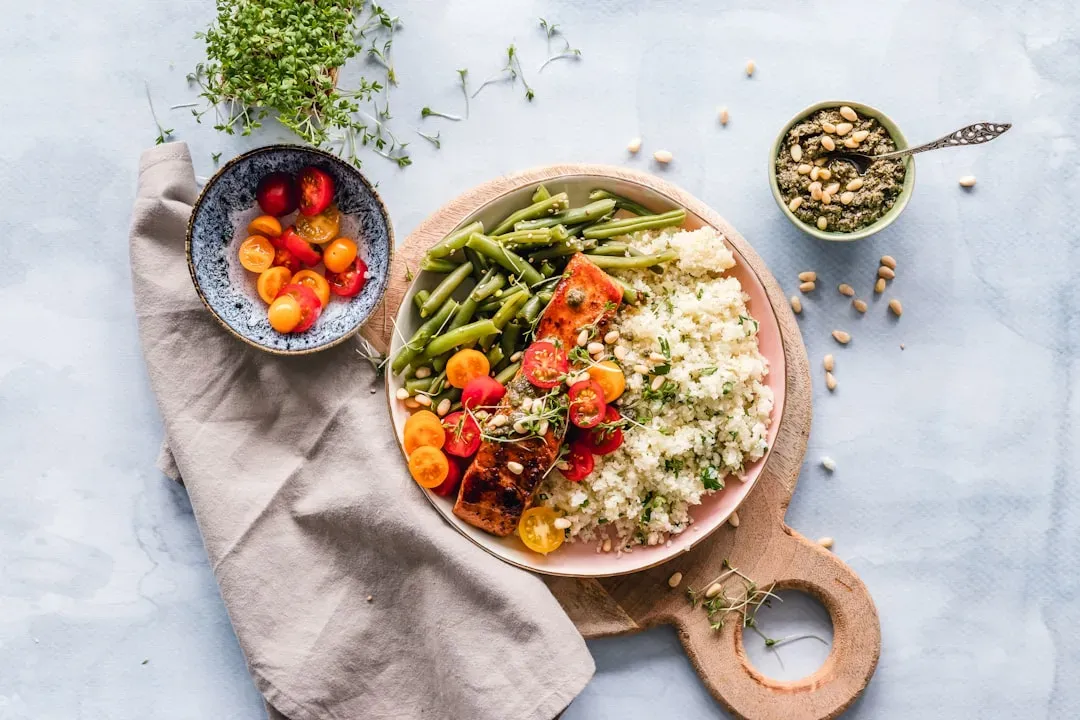
The real takeaway from all of this? Nutritious eating and financial strain are not mutually exclusive. Affordable staples such as beans, lentils, oats, eggs, brown rice, and frozen vegetables offer a powerful combination of vitamins, minerals, fiber, and protein while being easy on your wallet. Many of these foods are shelf-stable or have a long freezer life, which helps reduce waste and saves money over time.
The foods that quietly line the shelves of every supermarket in America - the ones people walk past in search of trendy alternatives - are often the most powerful tools for long-term health. Whole and minimally processed foods give you the most nutritional bang for your buck. That principle has never been more relevant than it is in 2026, when grocery budgets are tighter and nutritional needs haven't changed.
It's almost a little ironic, isn't it? The foods that have sustained human civilization for thousands of years are still the best deal at the grocery store today. No fancy branding required. What would you add to this list? Drop it in the comments and let's keep the conversation going.




Leave a Reply