
Cholesterol is one of those topics that sounds simple on the surface, but the deeper you look, the more complicated it gets. Most people know they should "watch their cholesterol," yet the specific foods that actually push those numbers in the wrong direction are often misunderstood, overlooked, or even disguised as healthy options.
Among all modifiable risk factors for heart disease, including smoking, high blood pressure, and physical activity, high cholesterol has the strongest link to developing cardiovascular problems, according to 2022 research published in the International Journal of Environmental Research and Public Health. That's a sobering fact. And while genetics play a real role, the food you eat plays a big role in your cholesterol levels. So what are the actual culprits hiding on your plate? You might be surprised. Let's dive in.
1. Processed Meats: The Saturated Fat Bomb You Eat at Breakfast

There's a reason nutrition experts consistently flag processed meats at the top of their cholesterol concern lists. Bacon, sausage, hot dogs, salami, and deli slices are all loaded with saturated fat, which is one of the most well-documented dietary triggers of elevated LDL cholesterol.
Red and processed meats, including fresh pork, beef, lamb, and veal, as well as meats that have been smoked, cured, or preserved, are typically high in saturated fatty acids, which cause an increase in LDL cholesterol. This is the "bad" cholesterol that collects in the walls of blood vessels, where it can cause blockages and raise the chance of a heart attack.
Nutrition guidance from the American College of Cardiology specifically calls out the need to reduce and limit or eliminate foods high in saturated fat, including processed meats such as bacon, ham, salami, sausages, and hot dogs. Honestly, when some of the most consumed breakfast foods in the country are on that list, it puts our morning routines in a very different light.
Evidence reviewed by the 2025 Dietary Guidelines Advisory Committee consistently demonstrated the health benefits of increasing beans, peas, and lentils while reducing red and processed meats. As a result, the 2025 DGAC explicitly recommended reducing intakes of red and processed meats and adjusting the protein food group to prioritize plant-based proteins.
2. Butter: The Classic Kitchen Staple With a Dark Side
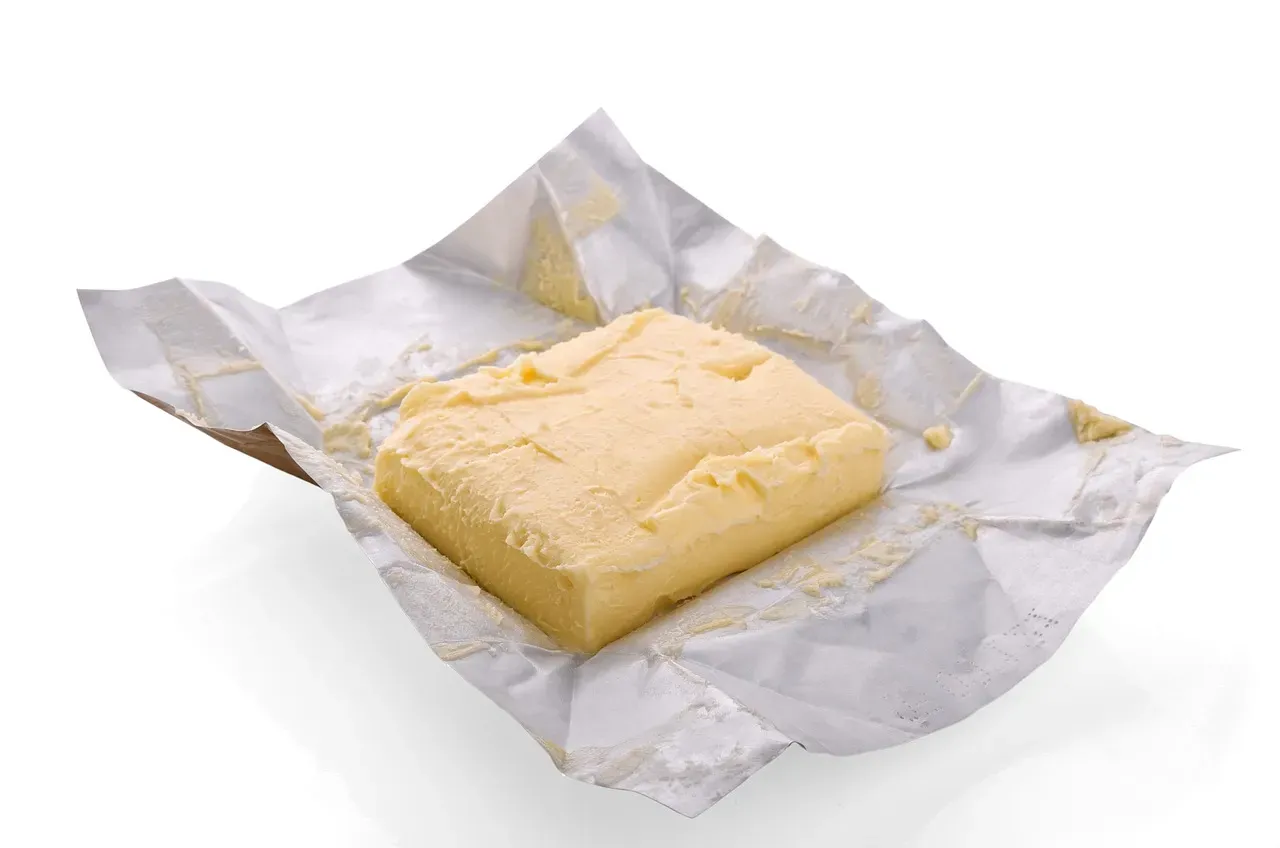
Butter has made a bit of a cultural comeback in recent years, especially with high-fat diet trends going mainstream. Here's the thing, though: the science on butter and LDL cholesterol has not changed all that much.
Dietary saturated fatty acids, which are found in milk, butter, cheese, beef, lamb, pork, poultry, palm oil, and coconut oil, increase LDL cholesterol. Butter sits near the top of that list in terms of saturated fat concentration per serving. Think of it this way: using butter liberally is like adding a slow trickle of cholesterol-raising fuel to your blood vessels every single day.
A diet rich in saturated fats can drive up total cholesterol and tip the balance toward more harmful LDL cholesterol, which prompts blockages to form in arteries in the heart and elsewhere in the body. The 2025 Dietary Guidelines Advisory Committee recommendations, published in late 2024, reinforce this, noting that all plant oils have been shown to lower LDL cholesterol and cardiovascular risk compared with animal fats such as butter or tropical fats such as coconut oil and palm oil.
The American Heart Association recommends limiting saturated fats to less than 6% of total calories. A single tablespoon of butter can get you alarmingly close to that limit on its own, especially if you're cooking with it generously.
3. Full-Fat Cheese: The Indulgence That Adds Up
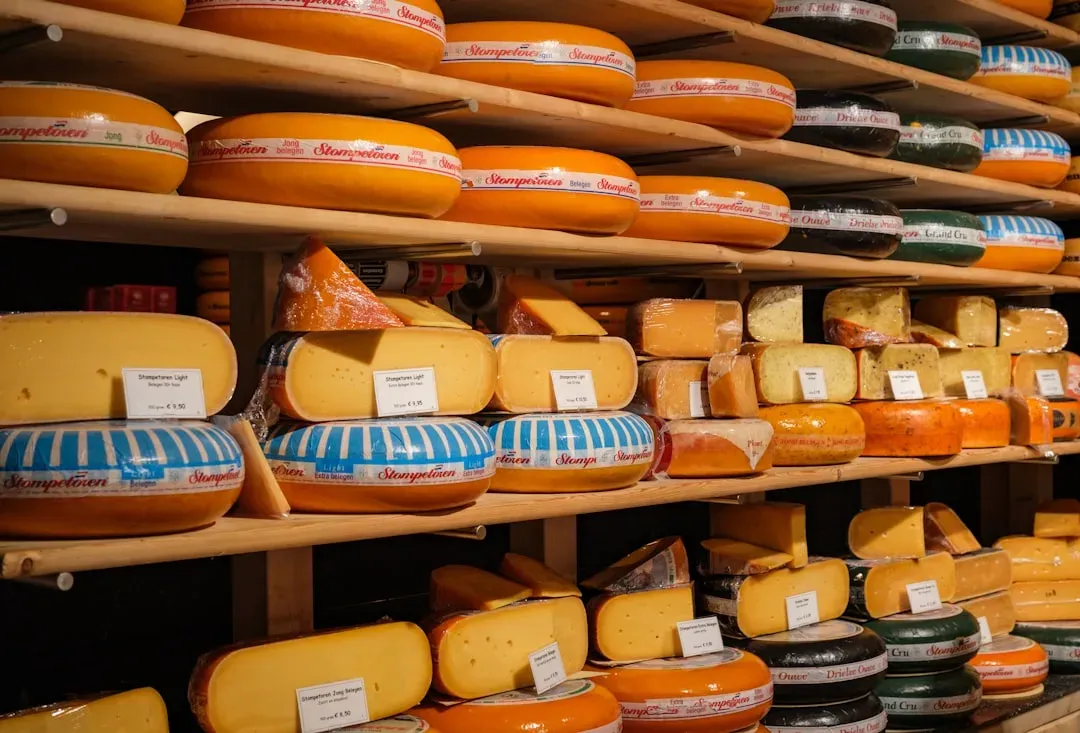
Cheese is one of those foods that feels almost harmless because it's eaten in small portions. A slice here, a sprinkle there. The problem is that those small portions tend to pile up throughout the day without people realizing it.
According to a 2019 AHA science advisory on dietary cholesterol and cardiovascular risk, high-fat meat, eggs, butter, and full-fat dairy products are major sources of dietary cholesterol and saturated fat. Full-fat cheese falls squarely in that category. It's not that cheese is inherently evil, but eating it in large quantities regularly is a surefire way to creep up your LDL levels.
Dietary saturated fatty acids in dairy products like cheese increase LDL cholesterol, primarily due to a decrease in the liver's ability to clear LDL from the bloodstream, combined with an increase in LDL production. That dual mechanism is what makes saturated fat so particularly effective at raising cholesterol. It attacks from two directions at once.
According to Professor Javier Gonzalez at the University of Bath, saturated fat is twice as potent as polyunsaturated fat, meaning it can raise cholesterol levels to a greater extent than polyunsaturated fat can reduce them. That's a lopsided equation worth keeping in mind the next time you reach for an extra handful of shredded cheddar.
4. Fried Foods: Double Trouble From the Deep Fryer
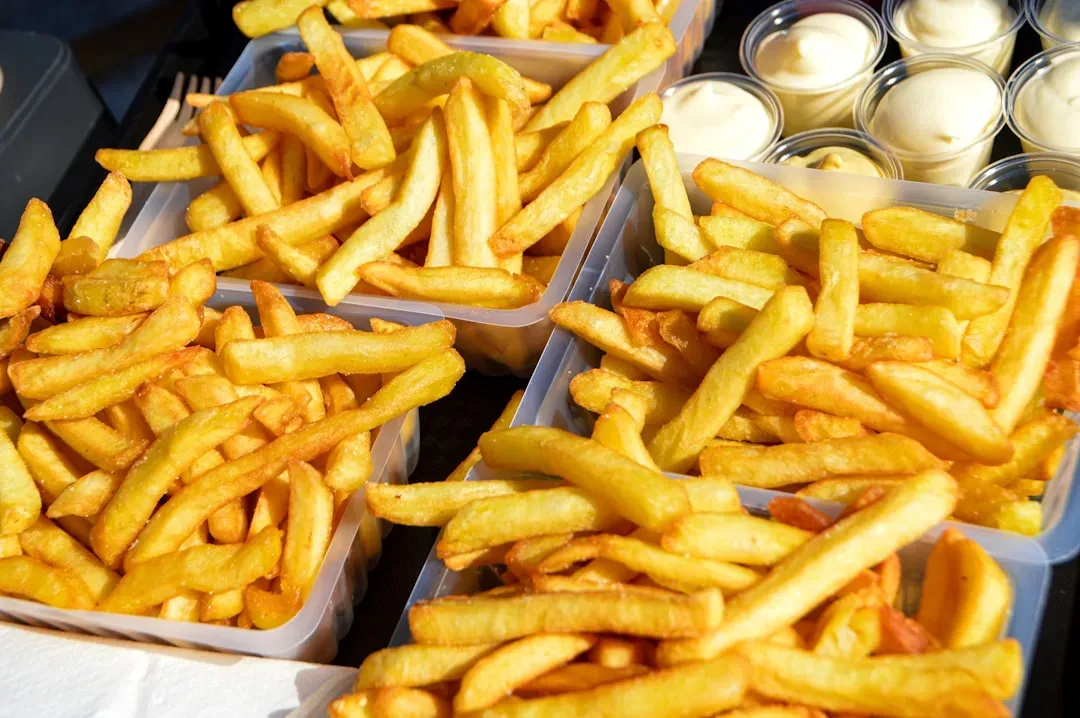
It should come as no surprise that fried foods make this list. But what many people don't fully appreciate is exactly why they're such a cholesterol catastrophe. It's not just the fat content going in. It's what happens to those oils at high temperatures.
Nutrition experts call out fried foods as major cholesterol-boosters because the oils used to fry foods are often high in unhealthy fats. A 2024 review of research published in European Food Research and Technology found that cooking food in oil at high temperatures induces chemical reactions that form dangerous trans fats while reducing the amount of healthy unsaturated fats available.
Eating foods rich in trans fats increases the amount of harmful LDL cholesterol in the bloodstream and reduces the amount of beneficial HDL cholesterol. Trans fats create inflammation linked to heart disease, stroke, diabetes, and other chronic conditions. They contribute to insulin resistance, which increases the risk of developing type 2 diabetes. Even small amounts can harm health: for every 2% of calories from trans fat consumed daily, the risk of heart disease rises by 23%.
A separate 2024 study backed these findings: researchers found that people with dangerously high cholesterol consumed significantly more fast food, more sugar-sweetened beverages, and less fiber than people with healthy cholesterol levels. Participants were young nonsmokers with no family history of high cholesterol. That last part is particularly striking. It shows that diet alone can drive your numbers into dangerous territory even without genetic risk factors.
5. Tropical Oils (Coconut Oil and Palm Oil): The "Healthy" Label Doesn't Tell the Full Story
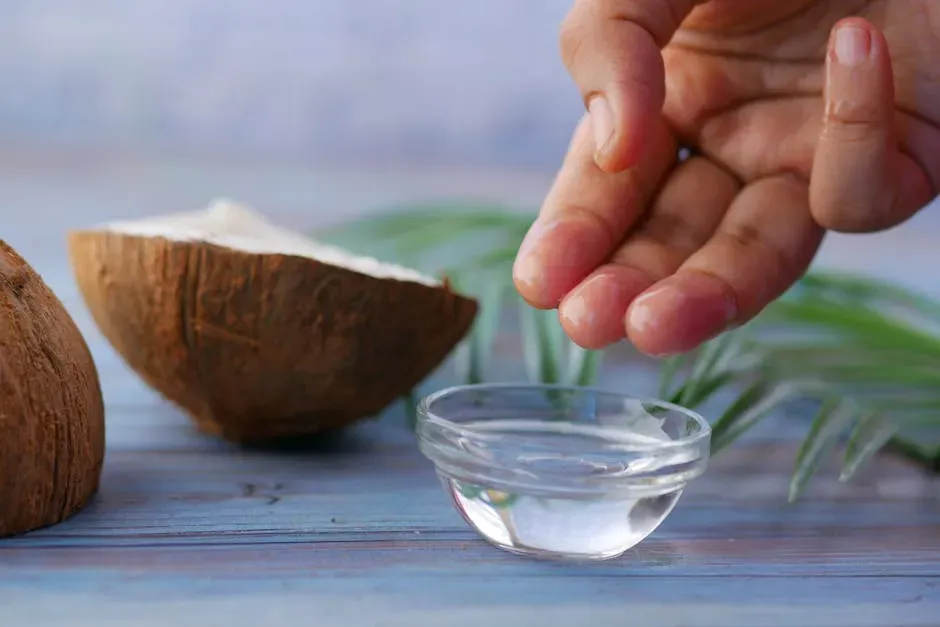
Coconut oil exploded in popularity over the past decade, marketed aggressively as a superfood. I think the wellness industry genuinely got ahead of the science on this one. The reality is more complicated and less flattering.
Dietary saturated fatty acids found in palm oil and coconut oil increase LDL cholesterol. Coconut oil is, in fact, extraordinarily high in saturated fat. It contains more saturated fat per gram than butter, lard, or beef tallow. Compared to olive oil, which lowers LDL, coconut oil pushes it in the opposite direction.
Research has shown that all plant oils, including olive, soybean, and canola, have been shown to lower LDL cholesterol and cardiovascular risk compared with tropical fats such as coconut oil and palm oil. The 2025 Dietary Guidelines Advisory Committee, whose findings were published in late 2024, reinforced the recommendation to avoid these fats in favor of unsaturated alternatives.
Experts specifically recommend replacing saturated fats, including those found in coconut oil, with unsaturated fats found in oils, salad dressings, nuts, fish, and avocado. If you've been cooking everything in coconut oil under the assumption it's good for your heart, this is a good time to reconsider.
6. Sugar-Sweetened Beverages: The Liquid Cholesterol Trigger You Drink Without Thinking

Most people associate high cholesterol with fatty foods. Sugary drinks? Not so much. But research consistently shows that added sugar plays a real and significant role in pushing cholesterol in the wrong direction, particularly by elevating triglycerides and disrupting the cholesterol balance.
Excess refined carbohydrates and sugar can raise triglycerides and lower "good" HDL cholesterol. That's a double hit on your lipid profile. Researchers clarify that added sugars are behind this cholesterol-enhancing effect, not the natural sugars found in fruits, vegetables, or whole grains. According to the CDC, sugar-sweetened beverages like soda are the leading source of added sugar in the American diet.
A 2024 study published in the Journal of Clinical Medicine found that having just one sugary drink per day is associated with an 18% increased risk of heart disease, no matter how much a person exercises. That's a remarkable finding. You can't simply run off the damage caused by your daily afternoon soda.
According to the Scientific Report of the 2025 Dietary Guidelines Advisory Committee, total beverages contribute more than half of daily added sugars intake for adults ages 20 years and older. That statistic alone tells you where a massive chunk of cholesterol-disrupting sugar is coming from each day.
7. Refined Carbohydrates and White Bread: The Unexpected Cholesterol Creep

White bread, white pasta, pastries, crackers, and other refined grain products are rarely front of mind when people think about cholesterol-raising foods. They're not dripping in fat, after all. But their effect on triglycerides and HDL cholesterol is genuinely underappreciated.
Overeating refined carbs, which are foods stripped of their natural fiber, can have the same effect on your body as drinking soda, according to registered dietitian Amy Shapiro. When these foods are rapidly digested, they spike blood sugar, which the liver converts to fat. Some of that fat circulates as triglycerides in the blood.
The 2025 Dietary Guidelines for Americans, the first edition to call out a broader category of highly processed foods, specifically recommends avoiding sugar-sweetened beverages as well as salty or sweet packaged snacks and ready-to-eat foods. The guidance on grains prioritizes whole, fiber-rich options while calling for a significant reduction in highly processed, refined carbohydrates such as white bread.
The primary dietary culprits for high cholesterol include saturated fats, trans fats, and excess refined carbohydrates and sugar, which can raise triglycerides and lower "good" HDL cholesterol. Swapping white bread for whole grain alternatives is one of the most concrete, evidence-backed dietary moves you can make for your lipid profile.
8. Red Meat: A Complex Picture With Real Risks
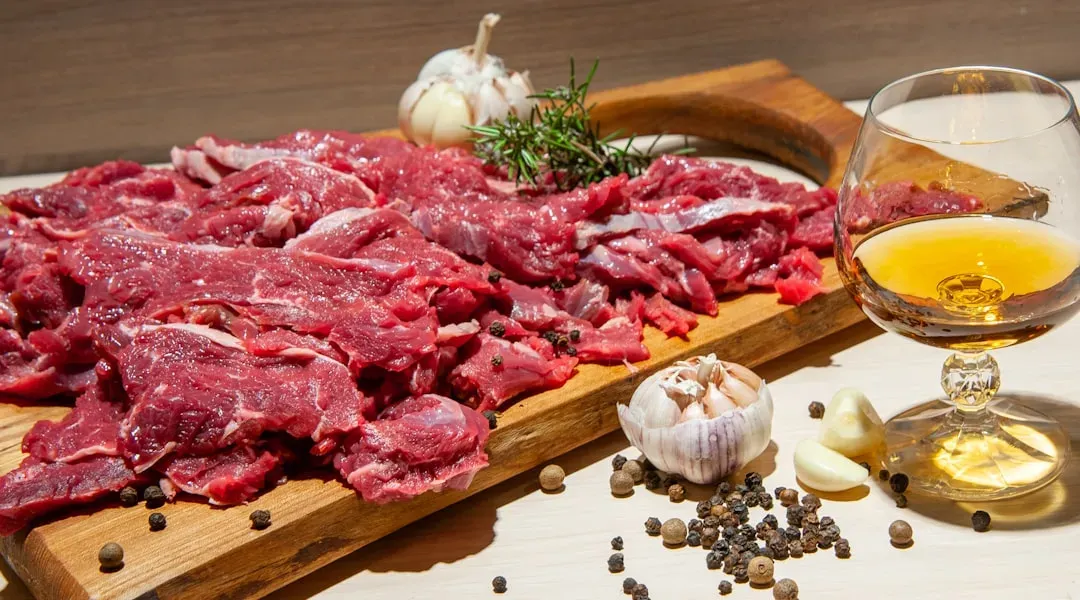
Red meat is perhaps the most debated item on this list. The research is genuinely more nuanced than a simple "avoid it" message. Still, the overall pattern of evidence suggests that regular consumption, especially in large amounts, is associated with unfavorable cholesterol outcomes for many people.
A study found that halving the amount of red and processed meat in the diet can have a significant impact on health, reducing the amount of LDL "bad" cholesterol in the blood, which cuts the risk of developing heart disease. In that study, the average reduction in LDL cholesterol was approximately 10% among participants who cut back.
A 2024 systematic review and Bayesian network meta-analysis including 36 randomized controlled trials found that consuming plant proteins resulted in a greater reduction in total cholesterol and LDL cholesterol levels compared to red meat. This doesn't mean you have to go fully plant-based. But it does suggest that the protein source matters significantly.
It's hard to say for sure exactly how much unprocessed red meat affects every individual's cholesterol, given that studies produce mixed results. Results from observational studies suggest associations of red meat intake with increased risk of cardiovascular disease. However, randomized controlled trials have not clearly demonstrated a consistent link between red meat consumption and CVD risk factors. The distinction between processed and unprocessed red meat matters enormously here.
9. Commercially Baked Goods and Packaged Snacks: Trans Fats and Saturated Fats in Disguise
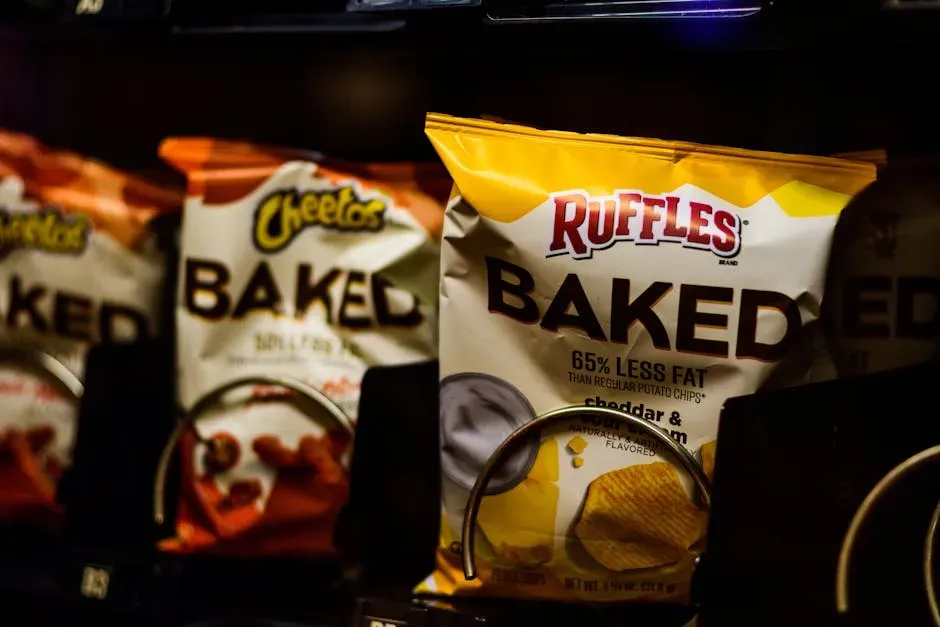
Store-bought cookies, crackers, cakes, pastries, and packaged snacks occupy a peculiar space in the cholesterol conversation. They don't look dangerous. They come in neat little portions. Yet they are, in many cases, among the most cholesterol-unfriendly foods in existence.
Trans fats are harmful fats that were historically found in some margarines, packaged cookies, crackers, and cakes. On food labels, they may be listed as "partially hydrogenated vegetable oil." Trans fats can raise your overall cholesterol and increase your risk of heart disease. Even though the FDA banned the use of partially hydrogenated oils in January 2021, it's still smart to check ingredient labels for partially hydrogenated oils, because even if the label says "0 grams" of trans fat, there may still be some present if you see that ingredient listed.
Food manufacturers have long taken advantage of the low cost and long shelf life of trans fatty acids, using partially hydrogenated vegetable oil in a variety of processed foods, including margarines, baked foods, and commercial deep-fried foods. The cholesterol-damaging effect of these industrial fats is well established by clinical research.
Replacement of calories from other types of fats with trans fatty acids raises LDL cholesterol, apolipoprotein B, and triglycerides, while also lowering HDL cholesterol, according to research from the American Heart Association. That combination, higher bad cholesterol and lower good cholesterol simultaneously, is about as damaging a lipid shift as you can create through diet. Reading the ingredient label on packaged snacks takes about 10 seconds. It might be 10 seconds very well spent.
Conclusion: What You Eat Really Does Move the Needle
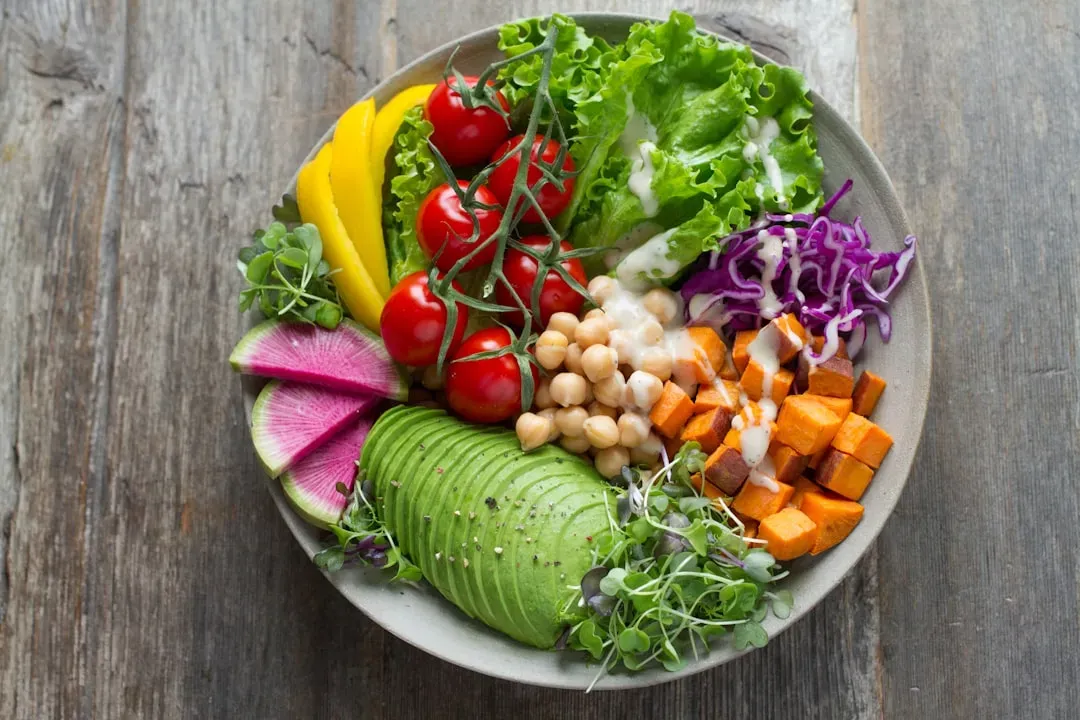
The connection between food choices and cholesterol is real, well-supported by research, and meaningfully actionable. Despite ongoing research into cholesterol, it remains a key indicator of heart disease risk. High cholesterol levels can lead to plaque accumulation in the arteries, raising the chances of heart attacks and strokes. The good news is that lifestyle choices can significantly affect cholesterol levels.
A diet high in saturated fat can lead to high LDL cholesterol levels and further lead to plaque buildup in the walls of your arteries. Most of the nine foods on this list work through that same fundamental mechanism. The good news is that the reverse is also true. Choosing whole grains, plant proteins, and unsaturated fats consistently over time can shift your numbers in a genuinely protective direction.
None of this means you need to eat perfectly every day or panic over the occasional burger. Decades of science have proven that saturated fats can raise your "bad" cholesterol and put you at higher risk for heart disease, but the more important thing to remember is the overall dietary pattern. It's the cumulative weight of your daily choices that shapes your long-term cardiovascular health. So what would you swap out first?



Leave a Reply