
Most of us walk into the kitchen thinking we're being pretty reasonable. We buy what looks good, cook what feels right, and toss whatever doesn't get eaten. Sounds normal, right? Well, it's quietly costing you a fortune.
According to a 2025 report from the U.S. EPA, food waste costs each American consumer $728 per year. For a household of four, that annual cost climbs to $2,913 - roughly $56 every single week. That's not a rounding error. That's a serious leak in your household budget, and in most cases, it starts in the kitchen. Let's dive into the nine biggest culprits.
1. Buying Without a Plan - The Grocery Store Trap
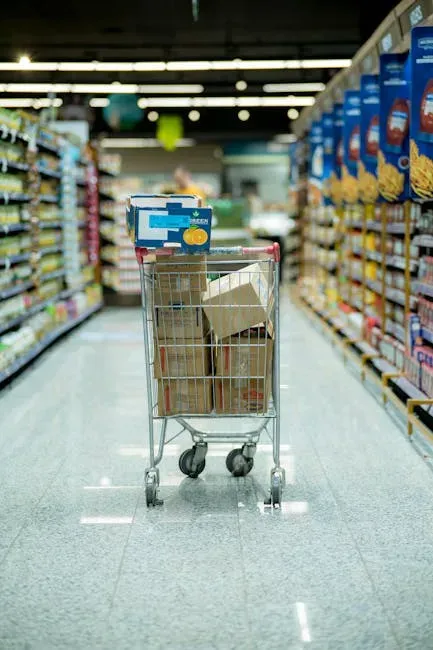
Walk into any grocery store without a list and you are practically handing money away. Without meal plans and shopping lists, consumers often make inaccurate estimates of what and how many ingredients they will use during the week. Unplanned restaurant meals or food delivery can also cause food at home to go bad before it ever gets used. It's a vicious cycle that most people don't even notice they're in.
Sales on unusual products and promotions that encourage impulse and bulk food purchases at retail stores often lead consumers to buy items that simply don't fit into their regular meal plans, and those items spoil before they can be used. Honestly, I think the grocery store layout itself is partly designed to work against you. Many families are tempted into bulk purchases of food they will never consume just to get a good deal on per-unit costs. The deal feels smart in the moment. The bin full of rotting produce a week later tells a different story.
2. Ignoring Expiration Date Labels - A Costly Misunderstanding

Over 80% of Americans waste perfectly edible food because of confusion about expiration dates. That is a staggering number. We're not talking about a small group of overly cautious shoppers. The vast majority of people in this country are routinely throwing away food that is completely safe to eat.
Confusion over date labels, such as "best before" and "use by," runs deep. Many people mistakenly interpret these labels as indicators of food safety rather than quality. As a precaution, consumers discard food even if it is still safe to eat, contributing significantly to waste. Here's the thing: "best before" refers to peak quality, not a hard safety cutoff. That yogurt with yesterday's date is almost certainly still fine. Tossing it anyway is essentially flushing money down the drain.
3. Poor Food Storage - Letting the Fridge Become a Graveyard
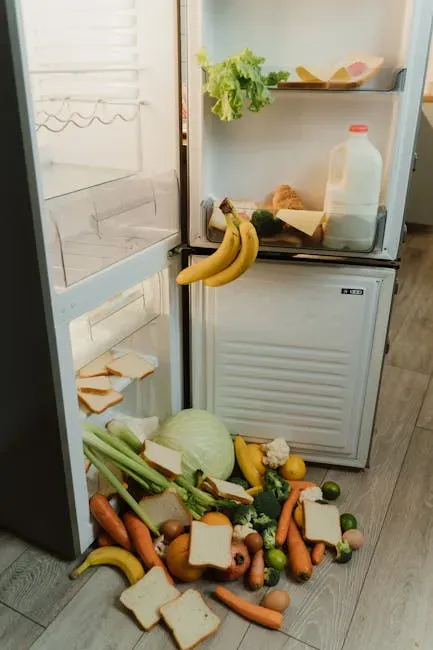
In many rich countries, food waste happens in the kitchen - when we prepare foods that go uneaten, or leave food to spoil in fridges and kitchen cabinets. The refrigerator is supposed to be a tool for preservation. For most households, it has quietly become a slow-motion food disposal system.
Poor food management leads to spoilage and ultimately drives food waste in homes. Many consumers also lack the knowledge of how to repurpose ingredients and store food properly. Think about how many times a bag of spinach has turned into a liquefied mystery at the back of your crisper drawer. Food waste occurs because of improper storage, overbuying, confusion over food labels, inefficiently used ingredients going bad, and poor planning. Storage is often the most overlooked step in cooking, yet it directly controls whether what you bought actually gets eaten.
4. Cooking Too Much - The Portion Size Problem

Nearly 1.1 million tonnes of food waste came from residents cooking, preparing, or serving too much - about a quarter of the overall total. Overall, this food is worth almost £5 billion, highlighting the real financial benefits of effective portion control. Let that sink in. Cooking too much is not a minor error. It is one of the single biggest categories of food wasted in the entire country.
The average American household throws away over six cups of food every single week. That adds up to more than 300 cups of wasted food per year, per household. Most of that comes from oversized portions that end up as forgotten leftovers. The holiday season is one of the worst times for household food waste, when overbuying, cooking too much, and losing track of leftovers can add up fast. But honestly, it happens year-round, just with less fanfare.
5. Wasting Expensive Proteins - Meat Is Where the Real Money Goes
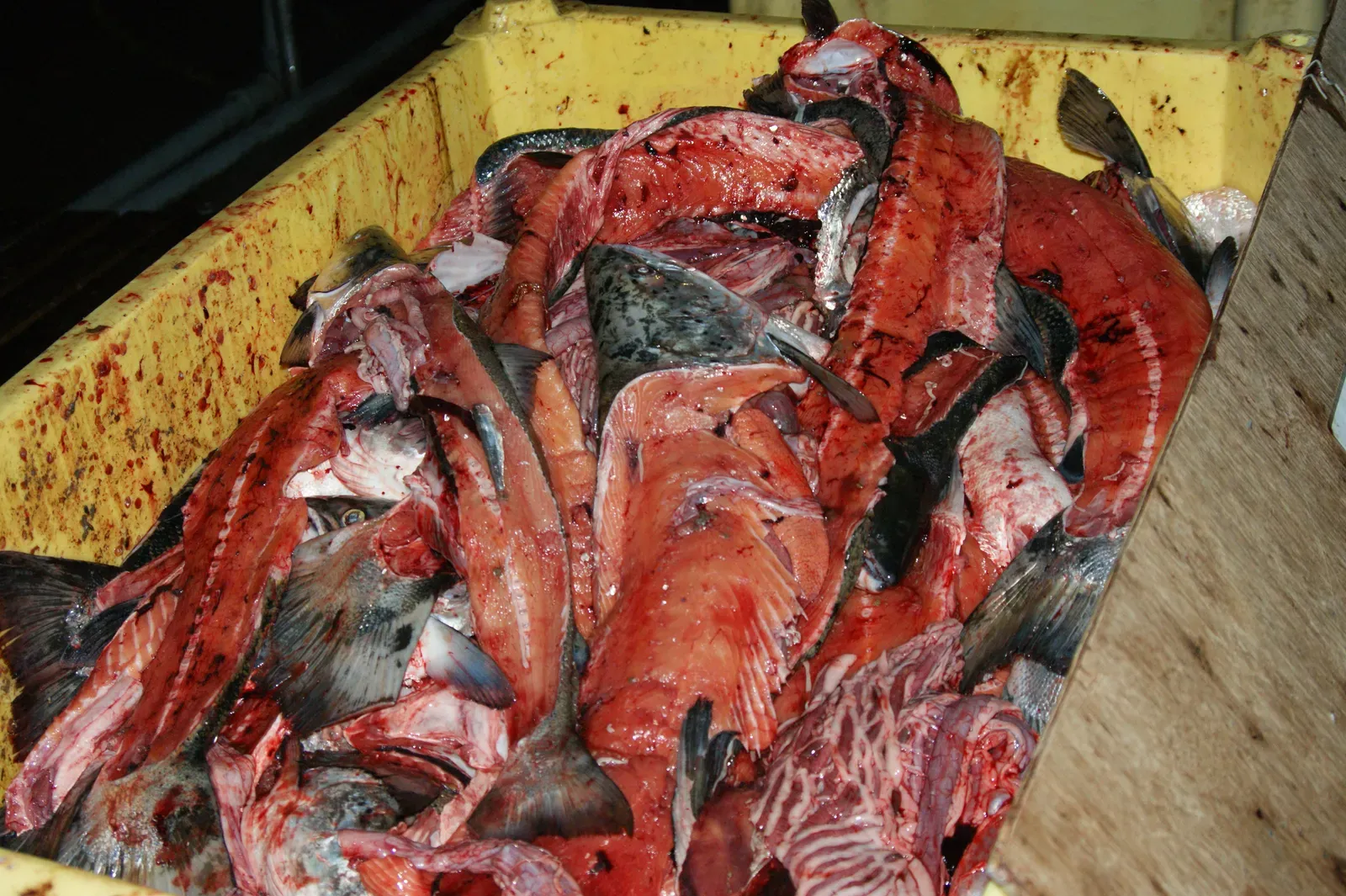
Americans waste $133 per person on meat alone each year. That is a jaw-dropping figure when you think about it, because meat is by far the most expensive item in most grocery carts. Throwing out even a single chicken breast or a forgotten steak is not a trivial loss.
In 2024, the U.S. let a huge 29% of its food supply go unsold or uneaten. The vast majority of that surplus becomes food waste, which goes straight to landfill, incineration, or down the drain. Proteins are particularly costly because they go bad quickly and require proper storage temperatures throughout. Food safety scares and improper refrigeration and handling can also force people to throw out otherwise edible food. When you factor in the cost per pound of beef or fish in 2025 and 2026, wasting even a fraction of what you buy adds up to real financial pain fast.
6. Neglecting Leftovers - The Forgotten Gold in Your Fridge

Many people underutilize leftovers and toss food scraps that could still be used. This is not a judgment, because most of us have been guilty of it. You make a big batch of something on Sunday, feel excited about it for exactly one day, and then on Wednesday you throw it out because it "looks a bit old." Relatable? Absolutely. Expensive? Very much so.
Reducing household food waste by just half can save a family $750 a year - enough for a family vacation, a month of groceries, or several tanks of gas. That figure alone should reframe how we think about a container of leftover rice. While roughly nine in ten households admit to wasting edible food weekly, only about a third were aware that reducing food waste could save them around $1,500 per year. The knowledge gap here is enormous, and it's costing everyday families real money.
7. Not Using Whole Ingredients - Trimmings That Should Be Treasure

Here's something most home cooks never think about: the parts of food they automatically discard. Vegetable tops, broccoli stems, bread heels, citrus peels, and parmesan rinds all have culinary value. Trimmed or peeling waste refers to parts of food items that are typically trimmed or peeled off and discarded, such as vegetable peels, fruit skins, or fat trimmings. In professional kitchens, these are turned into stocks, sauces, and garnishes. At home, they go directly into the trash.
Fruit and vegetables, as well as roots and tubers, have the highest rates of waste, with roughly 40 to 50% of produce wasted. That is nearly half of every fruit or vegetable that enters your home potentially going to waste. Fresh produce like this is mainly wasted because of overbuying and improper storage. Learning to use whole ingredients - stems, leaves, rinds, and all - is one of the easiest ways to dramatically cut what you throw out without changing what you eat.
8. Skipping Meal Planning - The Single Biggest Budget Mistake

Consumer habits such as overbuying, improper storage, and discarding leftovers play a significant role in food waste. Lack of meal planning, impulse buying, and changing lifestyles can result in food being wasted at the household level. I know it sounds boring, but meal planning is genuinely one of the highest-return financial habits a household can build. Think of it less like a chore and more like a free money glitch.
A survey of 2,568 meal planners found they reduced food costs by $47 per person per month, which works out to $564 per year. For a family of four, that is well over $2,000 in annual savings from one simple habit. Comparing the estimated cost of food waste to the average annual food expenditure, food waste represents approximately 11% of total annual food expenditures within and outside of the home. Eleven cents of every dollar spent on food goes to waste. Meal planning is the most direct way to start reclaiming that money.
9. Underestimating the Total Scale - The Bigger Picture Most People Miss

A 2024 report from the U.N. estimates that around a third of all food goes to waste globally each year - over one billion tons - which amounts to nearly $940 billion in economic losses annually. That is a number so large it barely feels real. Yet it begins with millions of small, daily kitchen decisions being made in homes just like yours.
In 2024, the average American spent $762 on food that went uneaten. Including uneaten groceries and restaurant plate waste, consumer food waste accounts for over 45% of surplus food in the U.S. at a cost of $259 billion. The scale is almost hard to comprehend. Sixty percent of food waste happens at the household level - which means the power to change this sits squarely with individual consumers and their daily cooking decisions. The kitchen is where fortunes are quietly built or silently lost.




Leave a Reply