
Every year, millions of shoppers stand in the produce aisle wondering the same thing: does it really matter if I buy organic? For most fruits and vegetables, the answer is complicated. For twelve of them, the data makes a pretty compelling case. Every year, the Environmental Working Group (EWG) publishes its Dirty Dozen and Clean Fifteen lists of the most and least pesticide-contaminated fruits and vegetables. To compile its lists, EWG analyzes pesticide residue data from the USDA's Pesticide Data Program, and the 2025 report includes data from more than 53,000 non-organic samples of 47 fruits and vegetables. As a major update to the methodology this year, EWG added a factor for pesticide toxicity to the rankings, along with the number, presence and amount of pesticides on produce. What follows is a gallery of the twelve fruits most worth buying organic, backed by the latest government testing data.
1. Strawberries
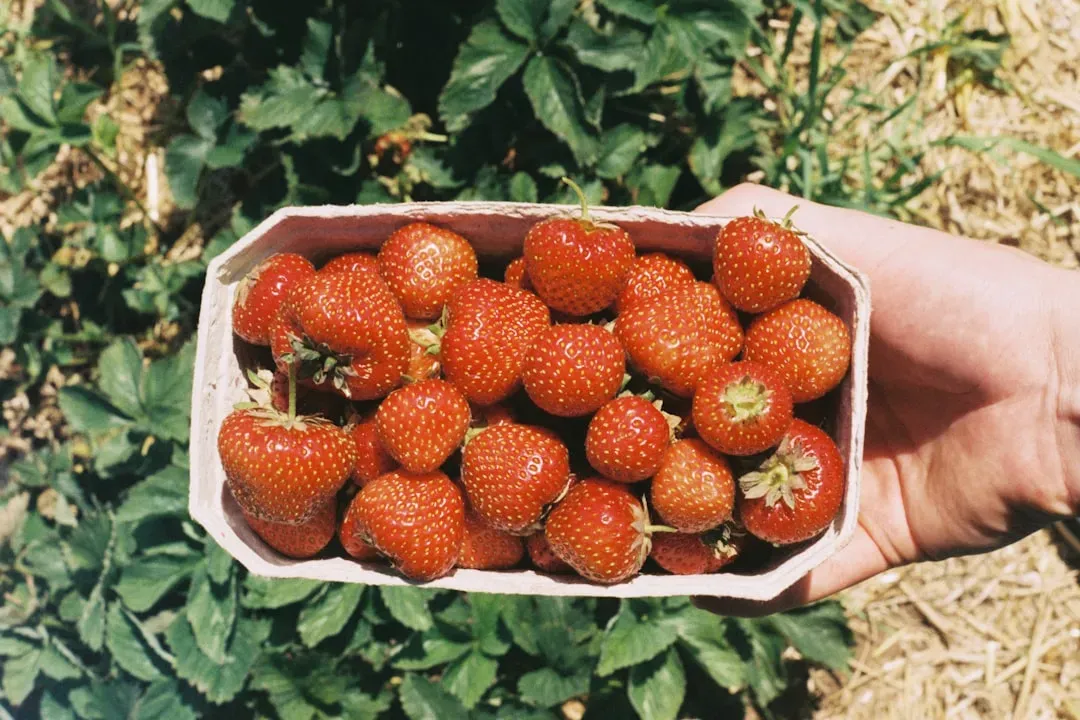
USDA tests found that strawberries were the fresh produce item most likely to be contaminated with pesticide residues, even after they are picked, rinsed in the field and washed before eating. Because they grow low to the ground and are therefore more accessible to bugs, strawberries often top lists of foods contaminated with insecticides. The average American eats about eight pounds of fresh strawberries a year - and with them, dozens of pesticides.
A particularly concerning pesticide found on strawberries is bifenthrin, a pyrethroid insecticide that the EPA and California regulators have designated a "possible human carcinogen," found on more than 29 percent of samples. Approximately 95 percent of nonorganic strawberries tested by the United States government contained detectable levels of pesticides, according to the 2024 Shopper's Guide to Pesticides in Produce. Organic strawberries are less likely to contain synthetic pesticide residues and may be preferred by those seeking to minimize exposure, though they are generally more expensive.
2. Grapes

Grapes ranked fourth on the 2025 Dirty Dozen list, sitting just behind kale and mustard greens. More than 90 percent of cherry and grape samples had residue from two or more pesticides. Grapes have a thin, edible skin that offers essentially no barrier to the chemical compounds applied during cultivation, meaning residues detected on the fruit's surface are the ones consumers directly eat.
Across fruits and vegetables from EWG's Dirty Dozen, four of the five most frequently detected chemicals are fungicides: fludioxonil, pyraclostrobin, boscalid and pyrimethanil. Two of these fungicides, fludioxonil and pyrimethanil, may be endocrine disruptors with the potential to harm the male reproductive system. Grapes are heavily treated with these very fungicides, making the organic choice a meaningful one for regular consumers.
3. Peaches
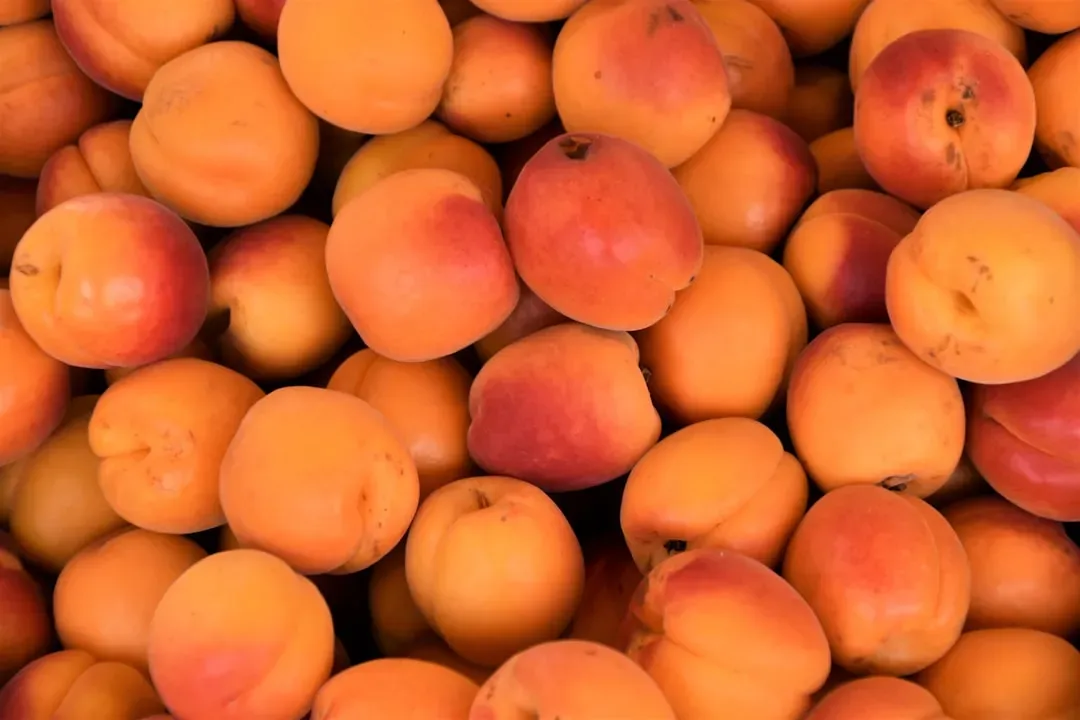
Over 99 percent of the peaches tested by the EWG contained pesticide residues, with roughly 65 percent containing at least four. Peaches have a fuzzy, delicate skin that absorbs chemicals readily and is notoriously difficult to scrub clean. Their relatively short shelf life also encourages growers to apply more post-harvest treatments to keep them looking fresh in transit and on store shelves.
Because the produce people eat regularly may be contaminated with hundreds of pesticides, they're exposed to a mix of pesticides with varying toxicities, and animal studies show that exposure to mixtures of pesticides can be more toxic than to one pesticide at a time. In many cases, long-term study of pesticides' health effects has revealed that levels of exposure previously considered safe were in fact set too high. Given how frequently peaches are consumed and how heavily they're treated, this fruit is a strong case for going organic.
4. Cherries
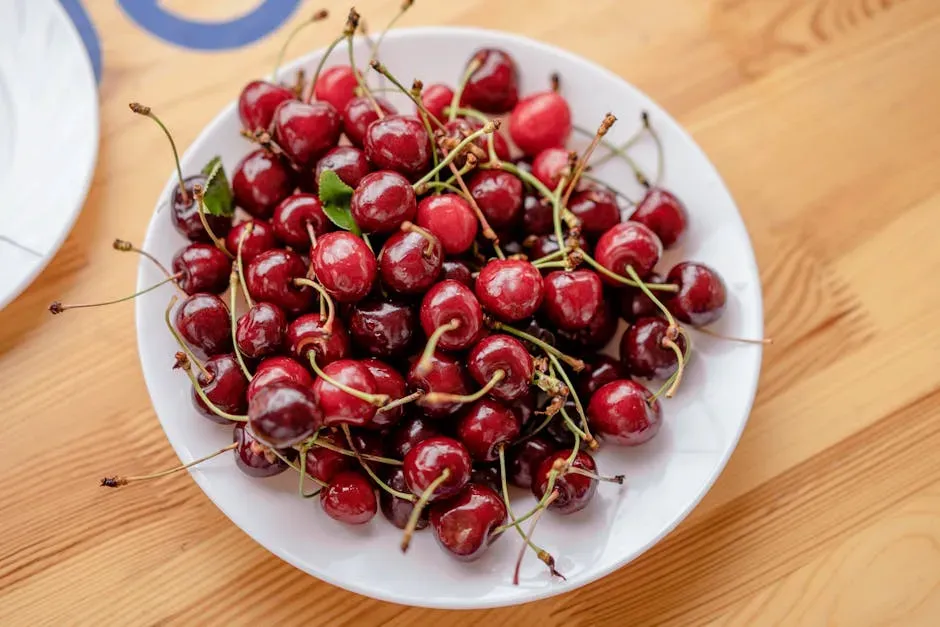
In total, more than 50 different pesticides were found on samples from each of the Dirty Dozen fruits and vegetables, except for cherries. Still, cherries are far from clean. Pesticides were found on 91 percent of the cherries tested in the EWG study. Despite having a firm outer skin, cherries consistently appear on the Dirty Dozen because of the sheer number of residue types detected across samples.
Pesticides have been linked in studies to preterm births, congenital malformations such as neural tube defects, spontaneous abortions and an increase in genetic damage in humans. Exposure to pesticides has also been associated with lower sperm concentrations, heart disease, cancer and other disorders. According to the American Academy of Pediatrics, "Pesticide exposure during pregnancy may lead to an increased risk of birth defects, low birth weight, and fetal death," and "exposure in childhood has been linked to attention and learning problems, as well as cancer."
5. Nectarines
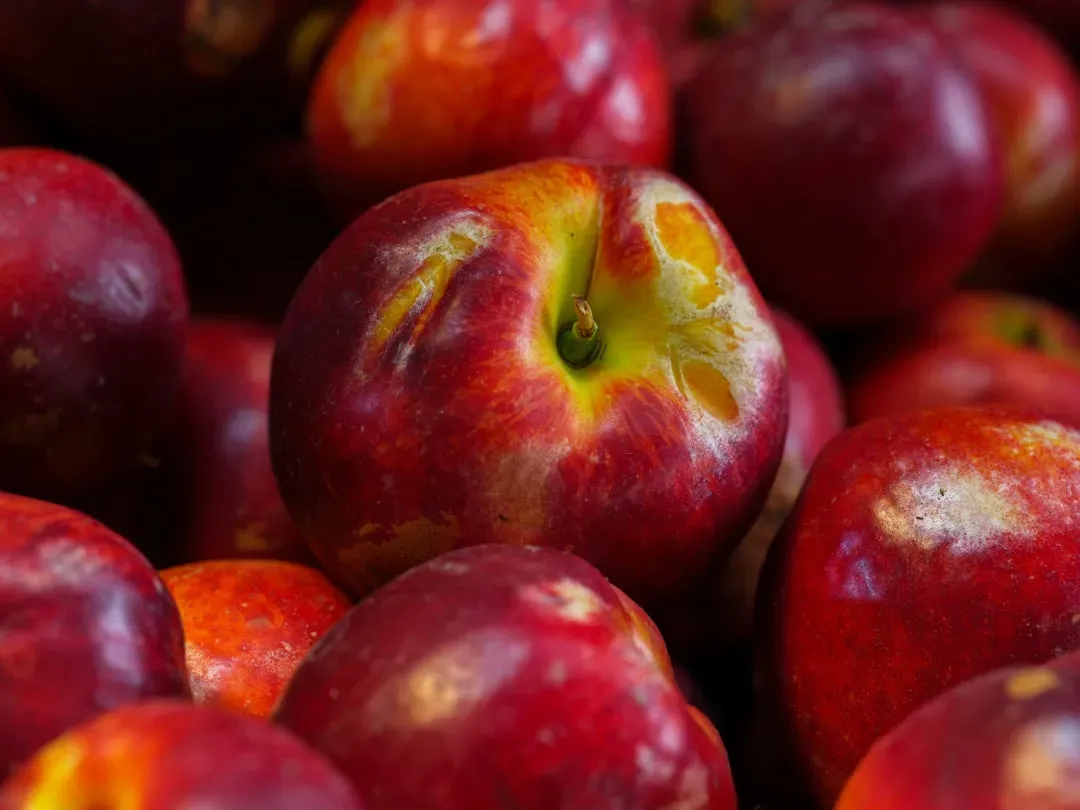
Pesticides were found on 97 percent of nectarines tested in the EWG study. Nectarines are essentially smooth-skinned peaches, and like their fuzzy cousins, they absorb pesticide treatments through their thin, edible exterior. Their lack of a protective fuzz actually makes residue penetration more direct, leaving little physical barrier between the chemical application and the fruit's flesh.
Peer-reviewed science shows that pesticides are harmful to health, including disruption of the hormone system and developmental harms. A 2022 meta-analysis found workers exposed to pesticides were nearly five times as likely to have DNA damage, while a February 2024 study concluded children exposed at an early age showed poorer neurodevelopment from infancy to adolescence. Switching to organic nectarines is one of the more straightforward swaps a health-conscious shopper can make.
6. Pears
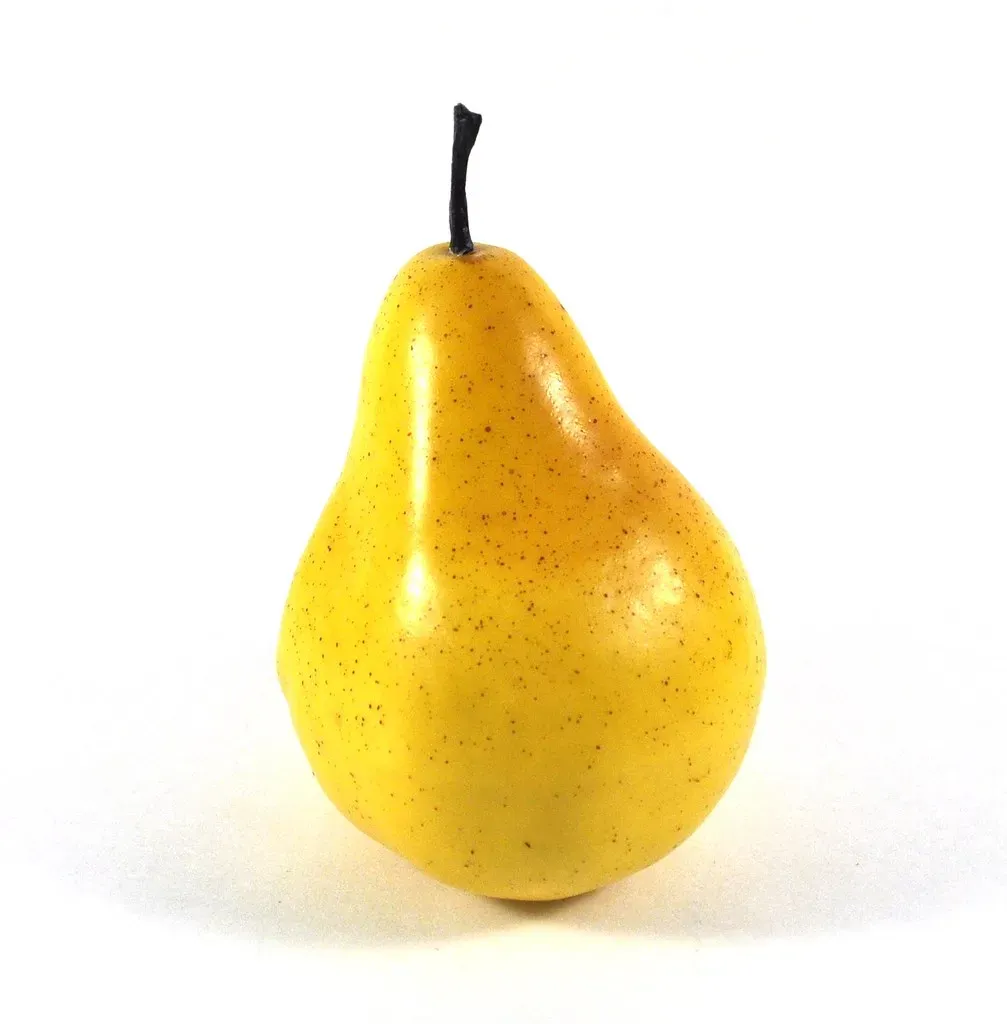
EWG reported that more than six out of ten non-organic pears have traces of five or more pesticides, based on tests conducted by the USDA from 2021 to 2022, and 95 percent of pear samples had at least one pesticide. A pear's delicate skin makes it difficult to scrub thoroughly and easy for chemicals to sink in. Pears are often stored for months before sale, and treatments applied during both growth and storage can compound the pesticide load.
Non-organic produce is loaded with fungicides that may harm human hormone systems, according to the EWG's 2024 Shopper's Guide to Pesticides in Produce. Fludioxonil and pyrimethanil show up in the highest average concentrations of any pesticides found on the Dirty Dozen. Both are commonly detected on pears, which is one reason EWG has kept this fruit in the lineup year after year.
7. Apples
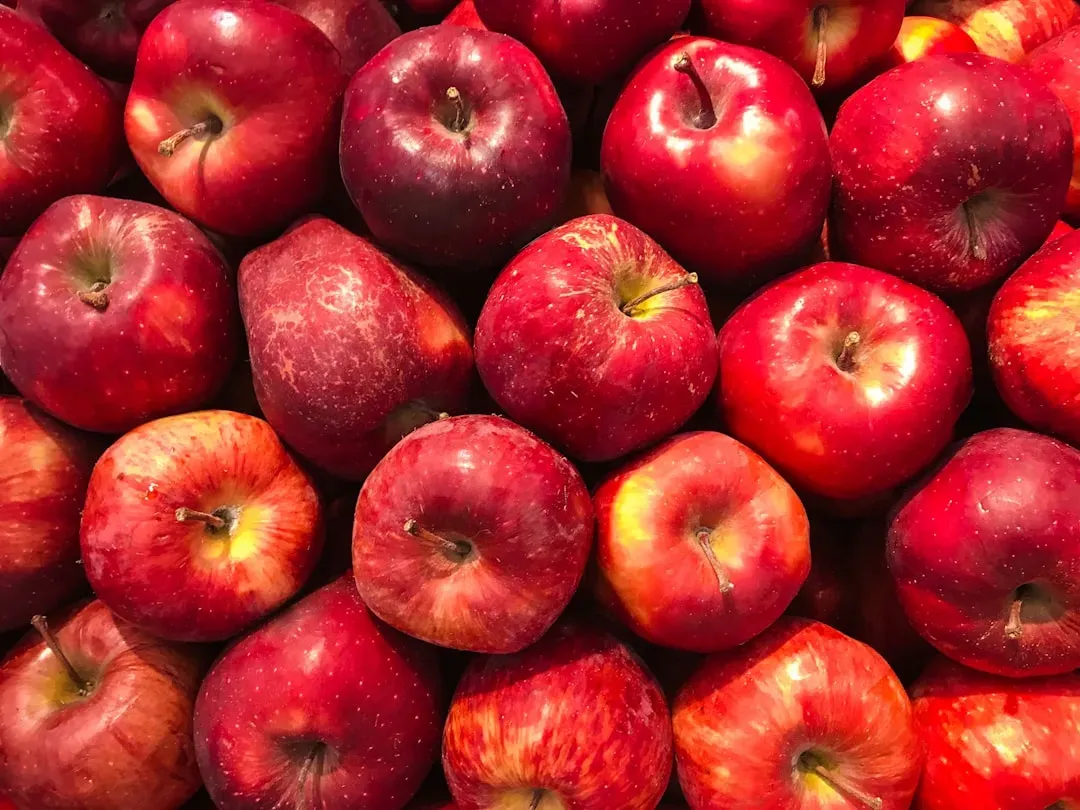
Apples appear at number nine on EWG's 2025 Dirty Dozen list. Apples are one of the most widely consumed fruits in America and have long been treated with a wide arsenal of pesticides to combat codling moths, apple scab, and other common threats. Their skin, while technically edible and nutritious, acts as a direct sponge for what gets sprayed on it.
In total, 203 pesticides were detected on samples of the Dirty Dozen produce, with all crops except cherries contaminated by more than 50 pesticides each. Pesticides were found on 96 percent of Dirty Dozen samples, with every produce type averaging four or more pesticides per individual sample. Numerous studies have shown a diet high in organic food is associated with lower exposure to synthetic pesticides. For a fruit eaten as frequently as apples, the cumulative difference adds up.
8. Blueberries
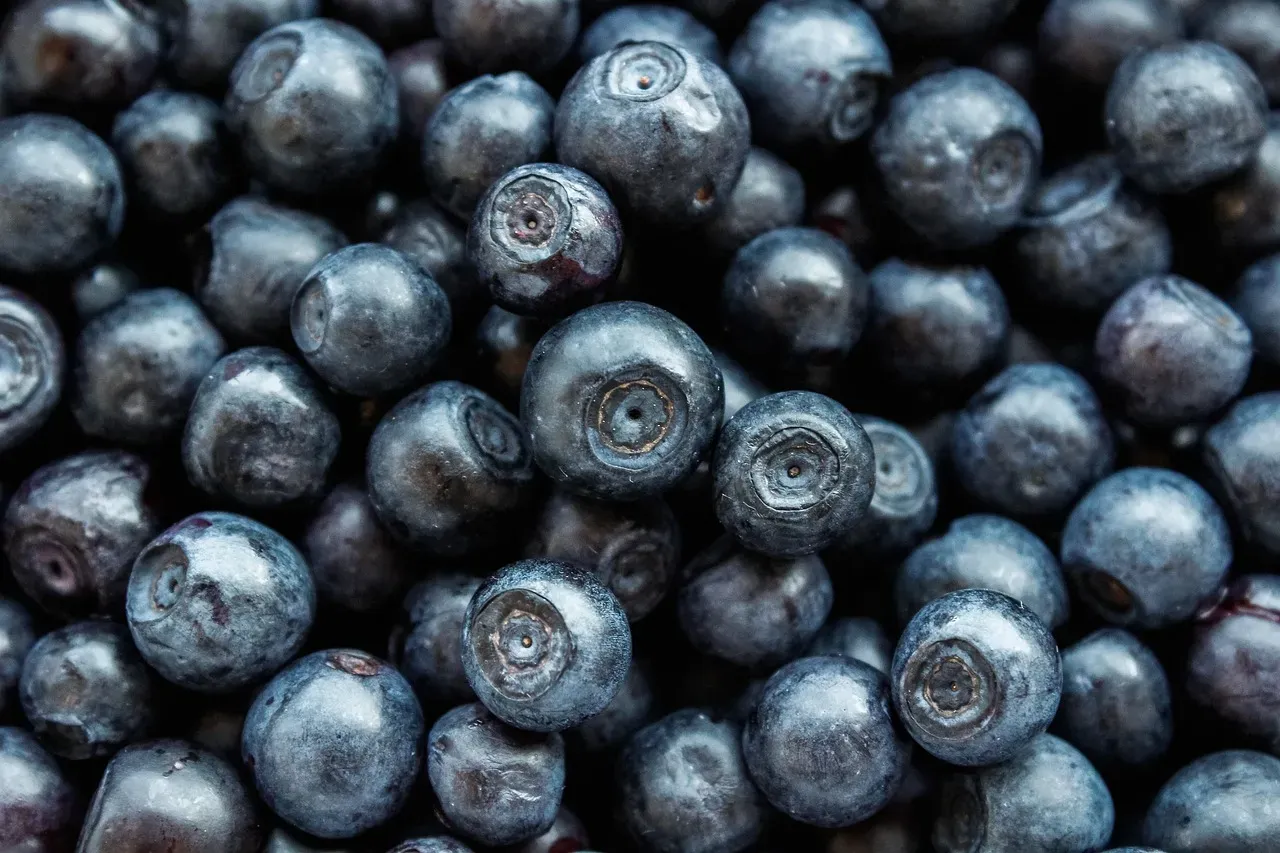
In the USDA's latest rounds of testing, pesticides were found on 90 percent of conventional blueberry samples, compared to 81 percent in 2014. Eighty percent of samples had two or more pesticides, versus 70 percent in 2014. A single sample of blueberries could have up to 17 different pesticide residues, compared to 13 in 2014. The trend is clearly worsening over time rather than improving, which is a legitimate cause for concern.
Boscalid, a fungicide the EPA says may cause cancer, was found on 46 percent of the blueberries tested. Acetamiprid and imidacloprid, two neonicotinoids, were found on 36 and 14 percent of samples respectively, and concerns exist about the link between these insecticides and harm to the developing nervous system. The pyrethroid insecticides cypermethrin and bifenthrin were found on increasing percentages of samples, and recent studies suggest they may harm children's neurodevelopment and growth.
9. Blackberries
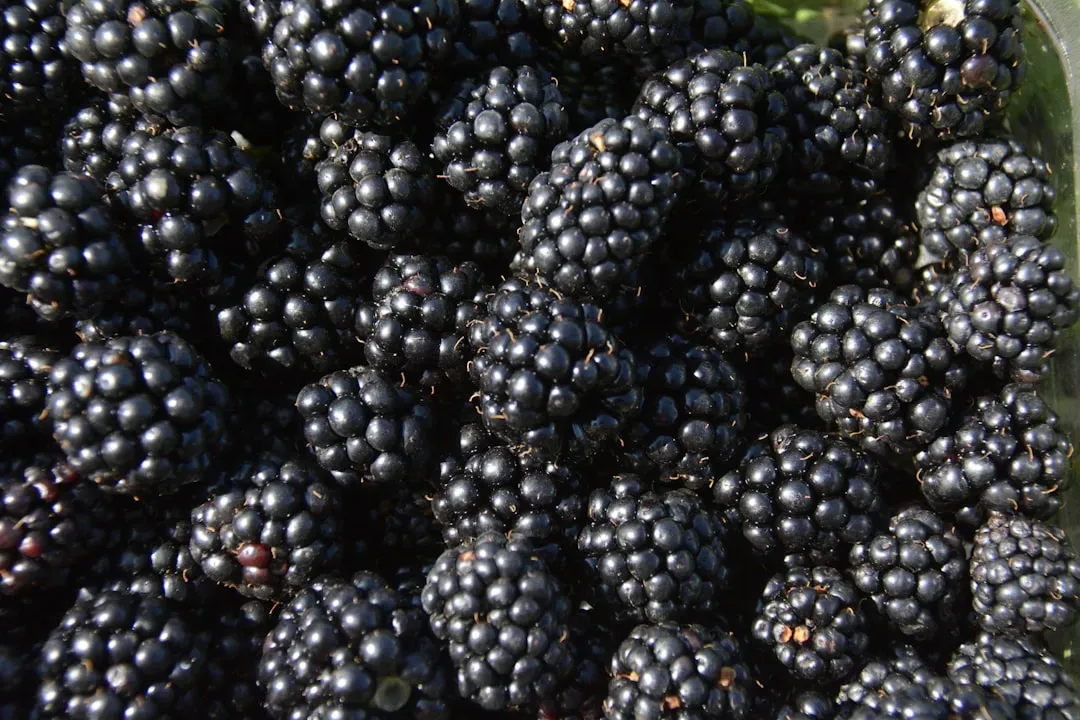
Blackberries' newcomer status on the 2025 Dirty Dozen comes after the USDA tested the fruit for the first time in 2023. A total of 93 percent of blackberry samples had detectable pesticides, with an average per sample of four pesticides - a combination of fungicides and insecticides. The fact that they had never been formally tested before means consumers were making purchasing decisions for years without any government data on what residues they were actually consuming.
Imported conventional blackberries are high-risk due mainly to the presence of a pesticide called methamidophos. Methamidophos was banned for use on food crops in the U.S. in 2009, but it can still appear as a residue on foods because it's a breakdown product of another pesticide, acephate. The pesticide cypermethrin, classified as a possible human carcinogen by the EPA, was detected on just over half of conventional blackberry samples.
10. Kale, Collard Greens and Mustard Greens
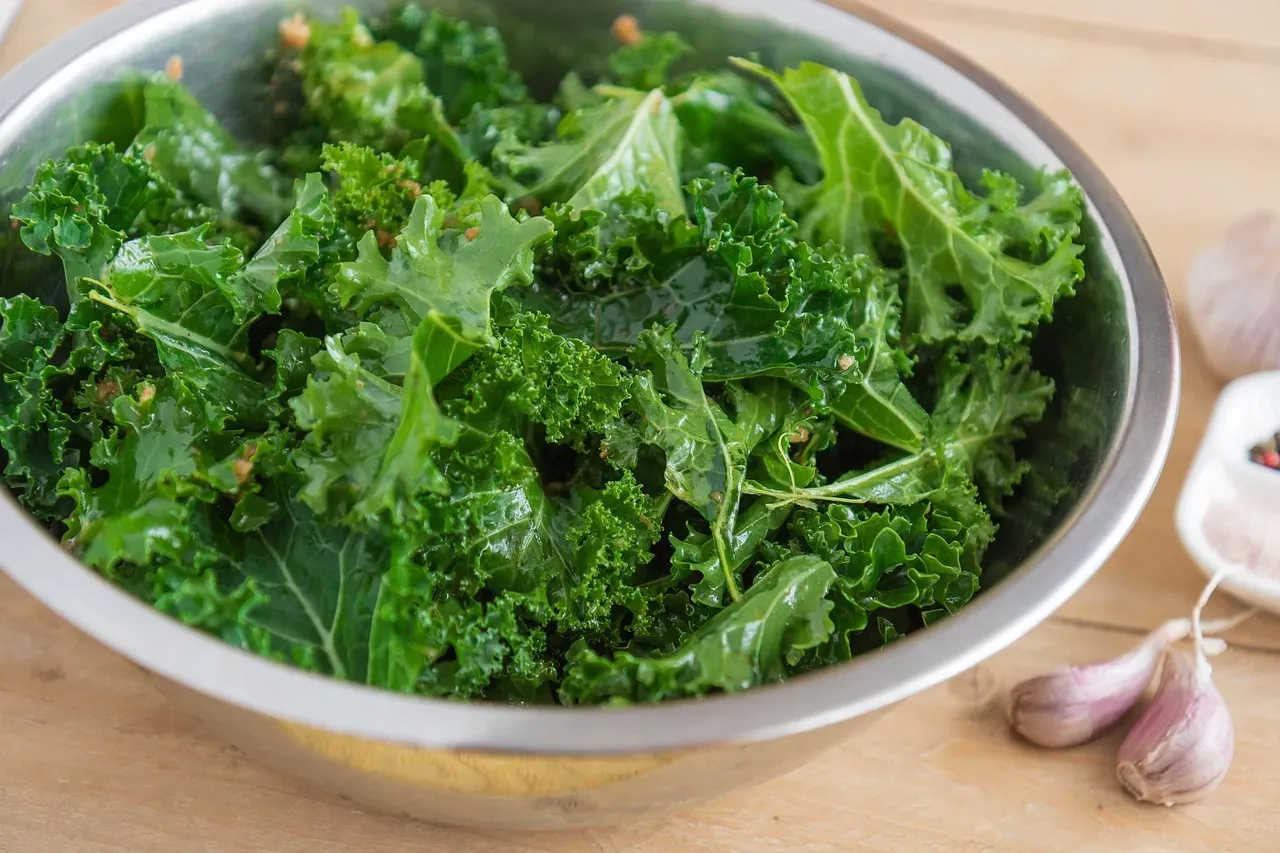
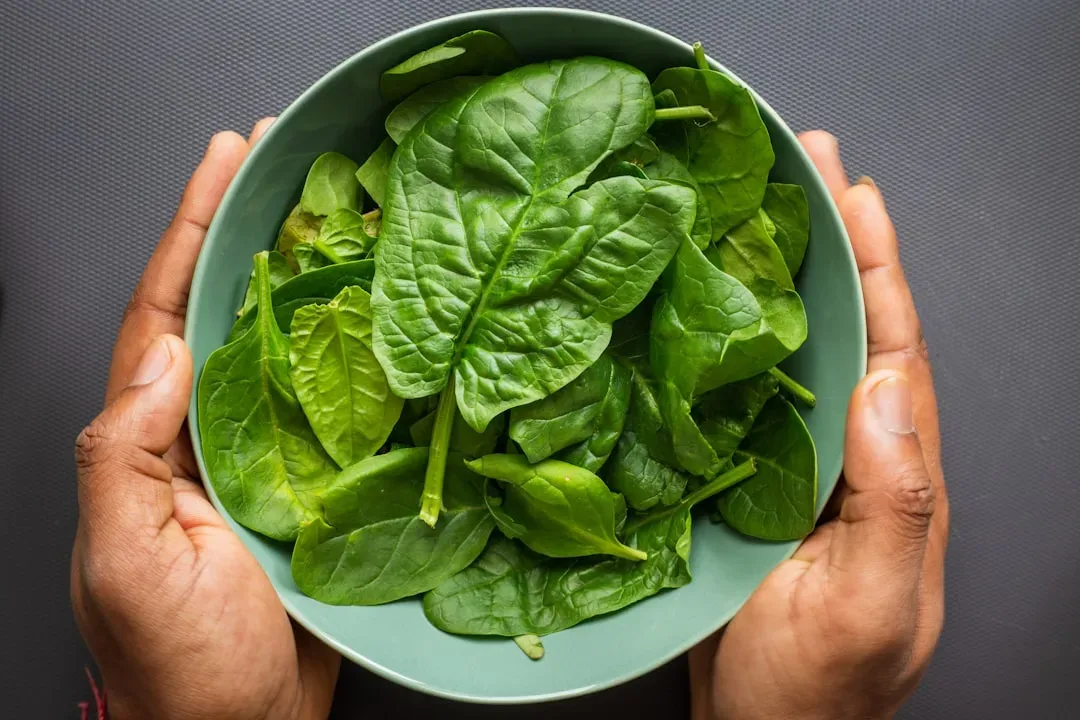
Though technically leafy greens rather than traditional "fruit," kale, collard greens and mustard greens have earned a firm place on this list. They appear in the top three of the 2025 Dirty Dozen, right behind spinach and strawberries. The produce types with the highest level of pesticide toxicity were green beans, spinach, bell and hot peppers, and kale, collard, and mustard greens. Their crinkled, textured leaves trap chemical residues especially effectively.
EWG's annual report identified four of the five most frequently detected chemicals in produce as fungicides: fludioxonil, pyraclostrobin, boscalid and pyrimethanil. Fungicides are applied on fruits and vegetables to prevent or kill fungal diseases like powdery mildew, and to keep produce mold-free on its way to the grocery store. Peer-reviewed science shows that pesticides are harmful to health, including disruption of the hormone system and developmental harms. For a food many people consume daily as part of a supposed "clean eating" routine, the irony of non-organic kale is real.
11. Peaches and Nectarines - A Note on Stone Fruits Generally
Stone fruits as a category deserve special attention in the organic conversation. Crops which grow close to the ground, such as strawberries, spinach and other produce that is more accessible to pests, are particularly subject to pest pressure. Stone fruits like peaches and nectarines attract a wide variety of insects and fungal threats throughout their growing season, resulting in some of the highest per-crop pesticide application rates in commercial agriculture. Their thin, edible skins make the problem worse.
Peer-reviewed studies have shown repeatedly that when people switch to an organic diet from a conventional diet, measurable reductions in pesticide levels in the urine can be observed. In September 2025, EWG scientists published details of their methodology in the peer-reviewed International Journal of Hygiene and Environmental Health, and the study linked consumption of fruits and vegetables with greater pesticide contamination to higher levels of pesticides in the body. Choosing organic stone fruits, even occasionally, can meaningfully lower your body's pesticide burden.
12. The Full Picture: What the Data Really Tells Us
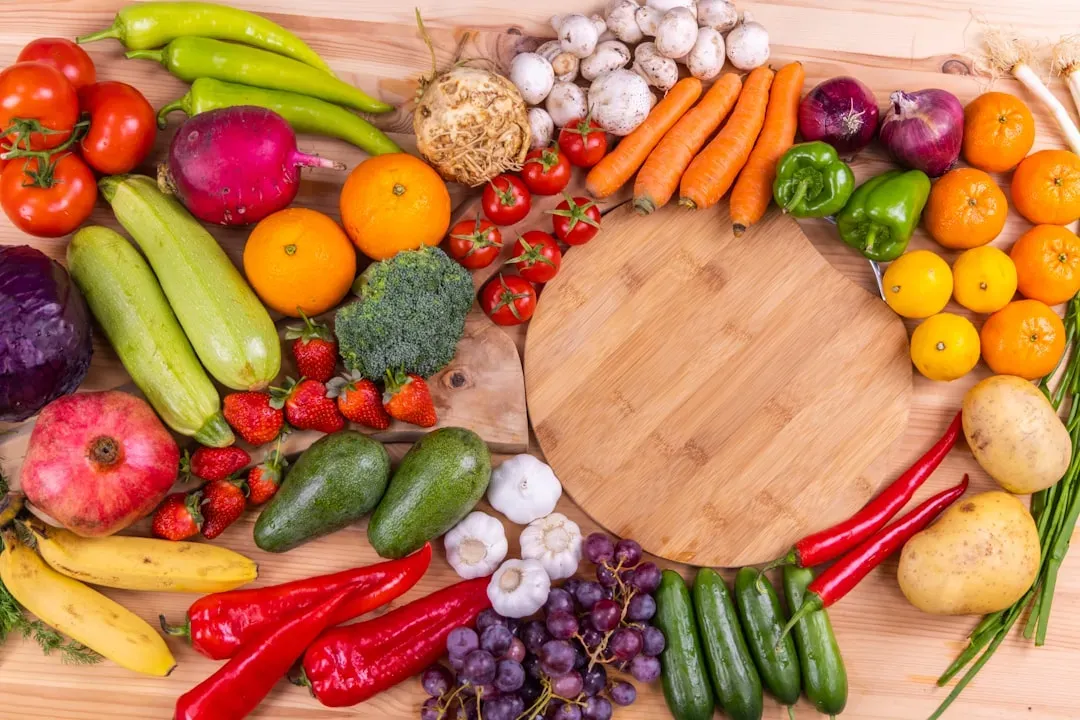
Over 75 percent of non-organic fresh produce sold in the U.S. contains residues of potentially harmful pesticides, according to EWG's 2025 Shopper's Guide to Pesticides in Produce. A total of 203 pesticides were found on the Dirty Dozen, and pesticides were found on 96 percent of samples of all 12 types of produce. At the same time, it's worth noting that USDA PDP reports continuously show that more than 99 percent of products sampled have pesticide residues below tolerances set by the EPA, with a significant portion of samples having no detectable residues.
Many experts argue that continuous exposure to pesticides, even in small doses, can build up in the body over time and lead to chronic health conditions. There is also concern that safe limits set by regulatory agencies don't take into account the health risks involved in consuming more than one pesticide at a time. EWG recommends shoppers seeking fresh produce with low pesticide residues buy organic versions of items on the Dirty Dozen and either organic or conventional versions of produce on the Clean Fifteen. Even after washing, pesticide residues are still detected, though washing fruits and vegetables remains an important step to reduce pesticide levels, dirt and possible bacterial contamination.




Leave a Reply