
Nuts have been eaten by humans for tens of thousands of years, and it turns out our ancestors were onto something. Today, the science backing their nutritional power is stronger than ever. From brain health to heart protection to longevity, nuts consistently appear near the top of any serious diet conversation.
Still, not every nut is equally valuable for your body. Some are calorie bombs with limited upside. Others are nutritional legends that rival actual supplements. So which ones are truly worth grabbing by the handful? Let's get into it.
10. Macadamia Nuts - Rich, Rewarding, but Calorie-Heavy
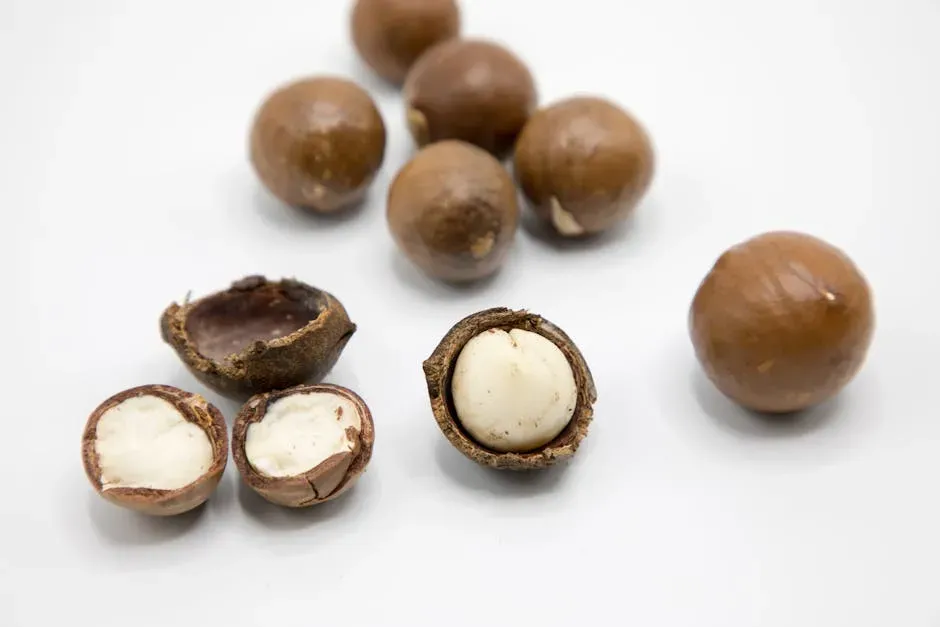
Macadamia nuts are beloved for their buttery, rich flavor - but let's be honest, they're not the first thing nutritionists reach for when building a health-optimized diet. Macadamia nuts have the most calories of all the nut types. That matters if you're watching your energy intake closely.
That said, they're far from a nutritional dead end. Macadamia nuts tend to be higher in saturated fat compared to other nuts, however, they also have the greatest levels of healthy monounsaturated fat - almost double that of the runner-up nut, almonds. This hefty dose of heart-healthy fat is associated with lowering the risk factors for heart disease.
The FDA approved a qualified health claim for a 1.5-ounce serving of macadamia nuts and a reduced risk of coronary heart disease, according to 2023 research from Advances in Nutrition. Another 2023 study published in the Journal of Nutritional Science shows how, over just an eight-week period, cholesterol levels went down in people eating macadamias. So they're not bad - they're just best enjoyed in smaller portions.
Macadamias are rich in beneficial monounsaturated fats and are an excellent source of flavonoids and other phytonutrients that can help support heart health and tamp down inflammation. They are also a good source of essential nutrients, including iron, niacin, magnesium, fiber, manganese, selenium, and potassium.
9. Pecans - The Antioxidant Surprise You're Probably Underestimating
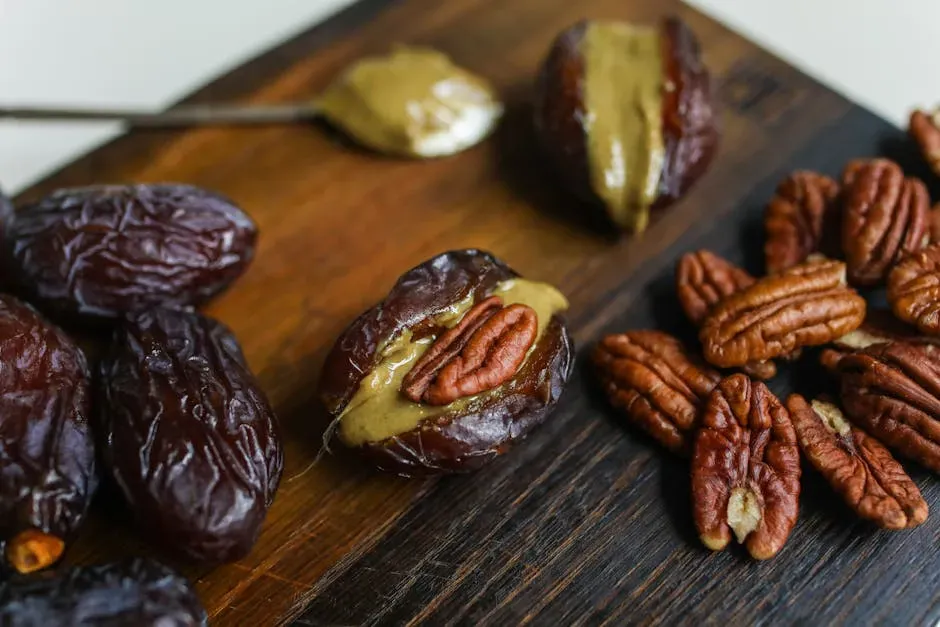
Pecans don't get nearly enough credit. Most people know them as the thing that goes in pie - but there's a lot more going on nutritionally. An energy-boosting mix of protein and healthy fats, as well as fiber that supports a healthy digestive system, can be found in pecans. They also include a decent amount of zinc, a mineral that your body needs for DNA production, immune system function, and healthy, youthful-looking skin.
Pecans have the highest total flavonoid content among nuts at 34 mg per 100 grams, consisting mostly of flavan-3-ols and anthocyanins. Flavonoids are powerful plant compounds associated with reduced inflammation and a lower risk of chronic disease. That's a number worth paying attention to.
It has been proven that pecans assist with high benefits for the health of the heart, such as assistance with dropping LDL bad cholesterol, and pecans can also assist with decreasing triglycerides as well. In a small four-week study of older adults, daily pecan consumption was linked to healthier cholesterol levels, which researchers say could be helpful in reducing the risk of heart problems.
They rank lower here mostly because of their higher calorie content and relatively lower protein profile. Macadamia nuts and pecans are often considered less ideal for those watching their calorie and fat intake because they are high in fat and calories. Still, eaten in moderation, they're genuinely impressive.
8. Hazelnuts - The Underdog of Heart Health

Hazelnuts are mostly famous for their role in chocolate spreads, which is a bit ironic given how healthy they actually are on their own. Hazelnuts are very nutritious, and almost all of their fat is heart-healthy monounsaturated fat. That's a solid starting point.
Hazelnuts contain a high amount of phenolic compounds, which are heart-healthy antioxidants that have cancer-protecting properties. Hazelnuts are rich in unsaturated fats, mostly oleic acid, in magnesium, calcium, the B vitamins, and vitamin E. It's a broad nutritional profile that checks a lot of boxes at once.
A study out of Turkey found that a hazelnut-enriched diet reduced total cholesterol by nearly 8 percent, dropped triglycerides by 7 percent, and increased beneficial HDL cholesterol by 6 percent compared to a control group. Thanks to their impressive nutrient density, another study published in the European Journal of Clinical Nutrition showed that eating hazelnuts even helped boost vitamin E concentrations in the blood.
Studies conducted by the American Society for Nutrition and published in the European Journal of Nutrition showed that diets high in hazelnuts resulted in lowered LDL cholesterol, reduced inflammation, and improved blood lipids. Honestly, hazelnuts deserve far more attention than they typically get.
7. Pine Nuts - Tiny Seeds With a Surprisingly Big Nutritional Punch
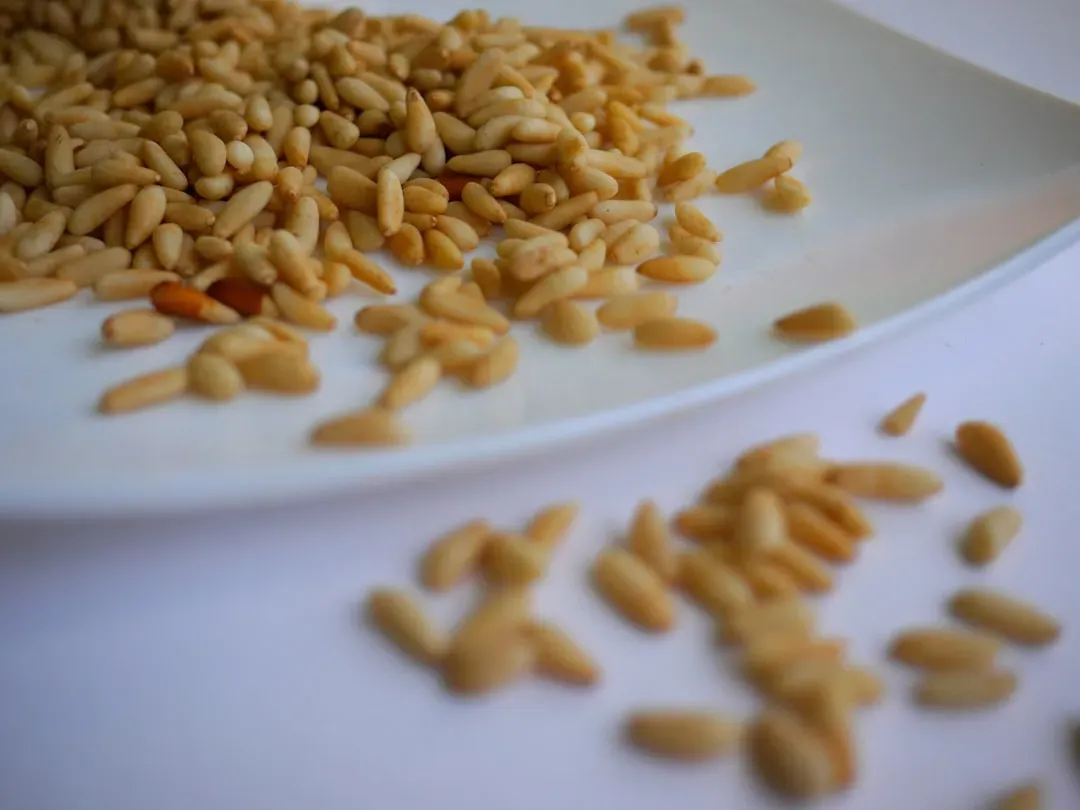
Here's a fun fact - pine nuts are technically seeds, not true nuts. Contrary to popular belief, pine nuts aren't actually nuts but seeds. They are derived from the pine cone family and are still nutritious even though they technically aren't nuts. Call them what you want, they're worth eating.
Pine nuts have the highest levels of zinc compared to other nuts, with a serving providing about 22 percent of the daily value for women and 16 percent for men. A 2025 article published in Scientific Reports says that zinc plays a crucial role in brain health and has anti-inflammatory and antioxidant effects throughout the body, with low zinc levels associated with a greater risk of stroke.
Research published in 2023 in the International Journal of Molecular Sciences points to a study showing a rise in satiety hormones in participants eating pine nuts, lowering food intake by an average of 36 percent. That's a remarkable appetite-suppressing effect from such a small food. Think of pine nuts as a satiety signal in tiny, edible form.
They're expensive and often used in small quantities, like a sprinkle over pasta or salad. But given what they deliver nutritionally, even a small amount earns its keep. The zinc content alone makes them worth adding to your rotation.
6. Cashews - The Iron-Rich Nut Your Blood May Be Begging For
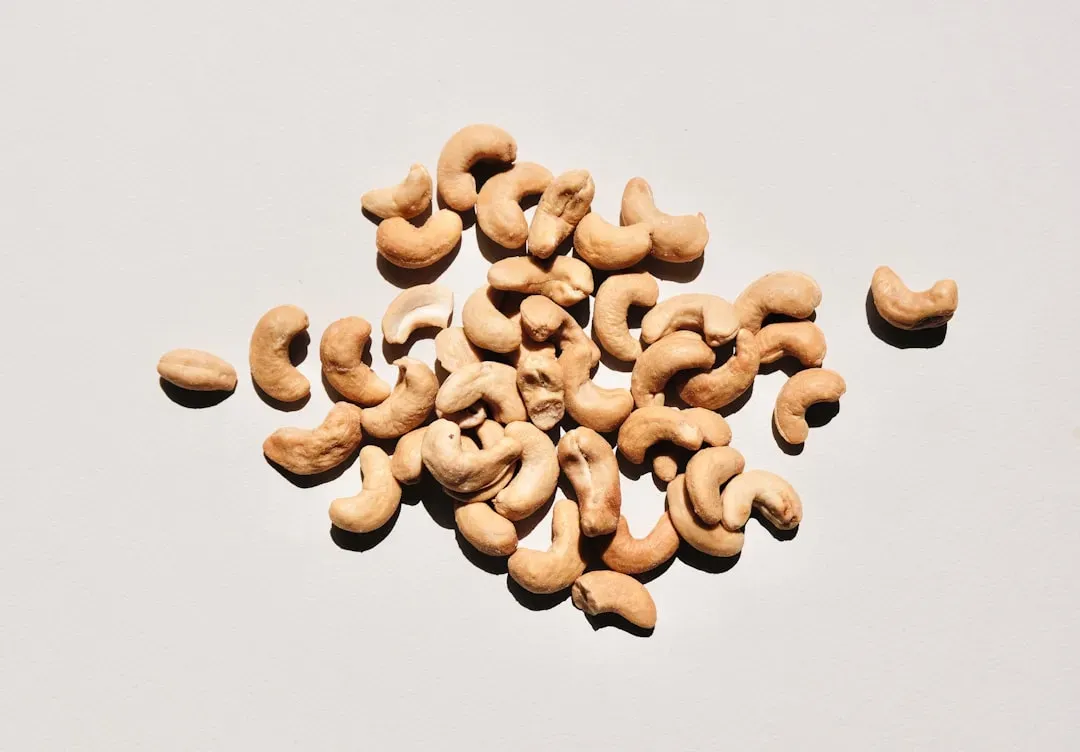
Cashews have a reputation for being creamy and indulgent, but their nutritional profile is more serious than their dessert-adjacent reputation suggests. Research from 2024 published in JAMA Network Open shows that about one-third of Americans need more iron in their diet, and cashews provide approximately 2 mg per serving, roughly around 11 percent of the recommended daily value for women. These nuts are packed with essential minerals like zinc, copper, magnesium, and manganese, which are key for energy production, immune support, and bone health.
Roughly 82 percent of their fat is unsaturated fat, the majority being heart-healthy monounsaturated fats similar to those found in olive oil. That's a fat profile you'd find in a Mediterranean diet staple. Cashews genuinely belong in the same conversation.
Like other nuts with healthy fats, fiber, and antioxidants, cashews support heart health, blood sugar levels, and anti-inflammatory effects. Some studies suggest that cashews may improve blood fat levels and reduce blood pressure. They also provide vitamin K and minerals like magnesium and manganese.
They rank mid-tier mostly because they're somewhat lower in fiber than top-ranking nuts, and their protein content is a touch below the leaders. Still, cashews are versatile, genuinely nutritious, and one of the most approachable nuts to incorporate daily.
5. Peanuts - The Legume That Outperforms Half the Nut World

While peanuts technically belong to the legume family, they have a nutrient profile similar to that of tree nuts, as well as comparable health benefits and related culinary uses. Let's be real - most people don't care about botanical classifications. They care about what something does for their body.
Peanuts boast more protein than most nuts, clocking in at over 7 grams per serving. They're packed with polyphenol antioxidants and are also high in folate, a B vitamin that's especially important during pregnancy due to its role in fetal and placental development. That combination of protein and micronutrients is genuinely hard to beat at their price point.
A 2025 study published in Antioxidants suggests that eating them might actually help slow down aging at the cellular level. While more research is needed, there may be an association between peanut consumption and maintaining cellular health and longevity. That's a remarkable finding for something you can buy in bulk for a few dollars.
Peanuts do carry one caveat worth mentioning. Peanuts grow underground, which leaves them more susceptible to the growth of mold. Since mold is an issue with peanuts, non-organic farmers often use pesticides and fungicides on peanut crops. Opting for organic or dry-roasted, unsalted varieties is a smart move.
4. Brazil Nuts - The Selenium Bomb That Demands Respect and Restraint
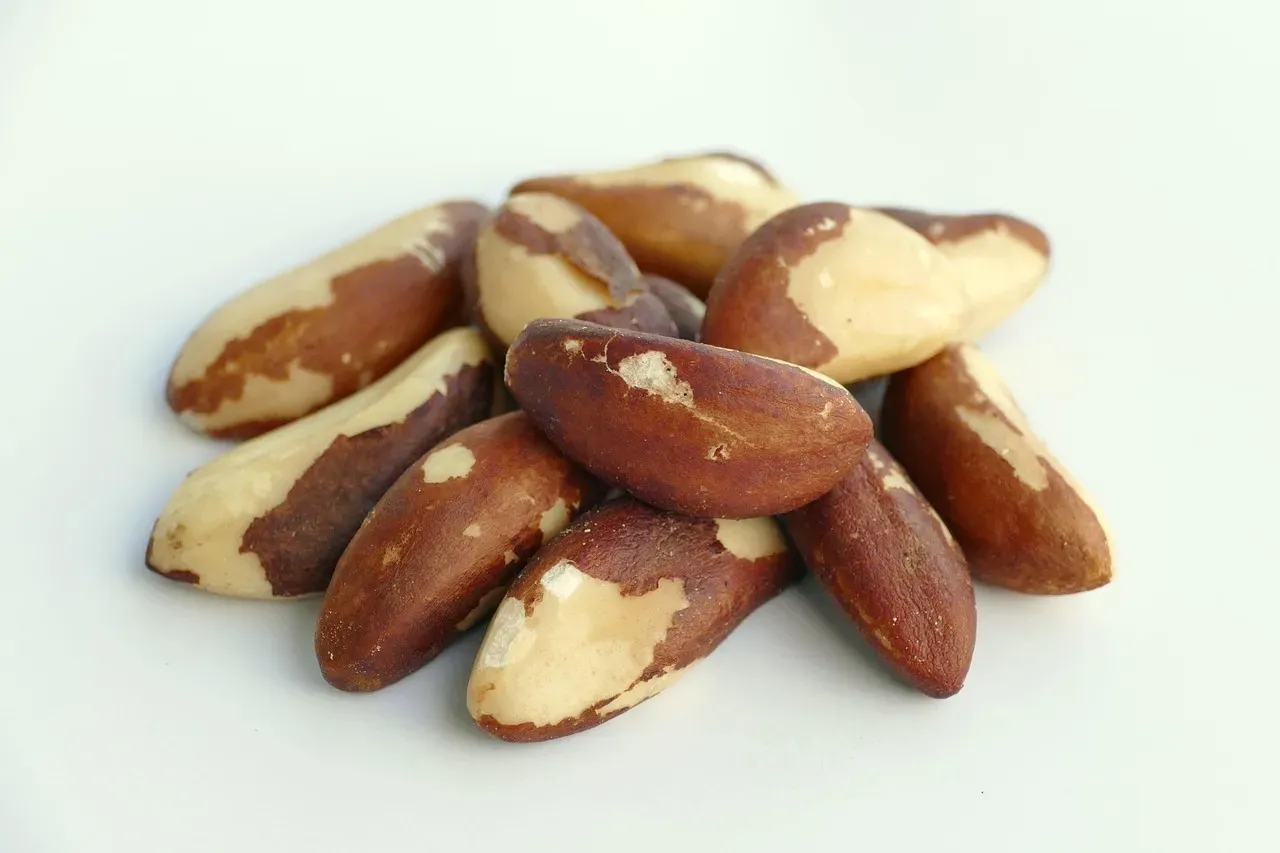
No other food on Earth rivals Brazil nuts as a natural source of selenium. Not even close. Just one nut contains 96 micrograms, or 175 percent of the reference daily intake. Most other healthy nuts provide less than 1 microgram on average. That's an extraordinary concentration of a single critical mineral.
Selenium ensures a healthy thyroid and helps to keep your immune system functioning at its best. Getting enough selenium in your diet can help to reduce your risk of Hashimoto's disease, Graves' disease, and thyroid cancer. For anyone with thyroid concerns, Brazil nuts are genuinely worth a conversation with a healthcare provider.
A 2024 randomized clinical trial published in Nutrients found that daily Brazil nut consumption significantly increased plasma selenium levels and improved total antioxidant capacity, reducing markers of oxidative stress in healthy adults. More recent 2025 research from the Helmholtz-Zentrum Dresden-Rossendorf confirmed that around 85 percent of the selenium is released during digestion and can be taken up by the body, and the main form of selenium in the nuts is selenomethionine, an amino acid that is particularly well absorbed.
Here's the catch though - you can absolutely have too much of a good thing. Eating too many Brazil nuts may lead to selenium toxicity. Just one Brazil nut contains 96 micrograms of selenium, almost twice your daily requirement. Doctors advise eating no more than five Brazil nuts a day to avoid potential health risks like selenium toxicity. Two to three per day is plenty.
3. Almonds - The Most Nutritionally Well-Rounded Nut on the Planet
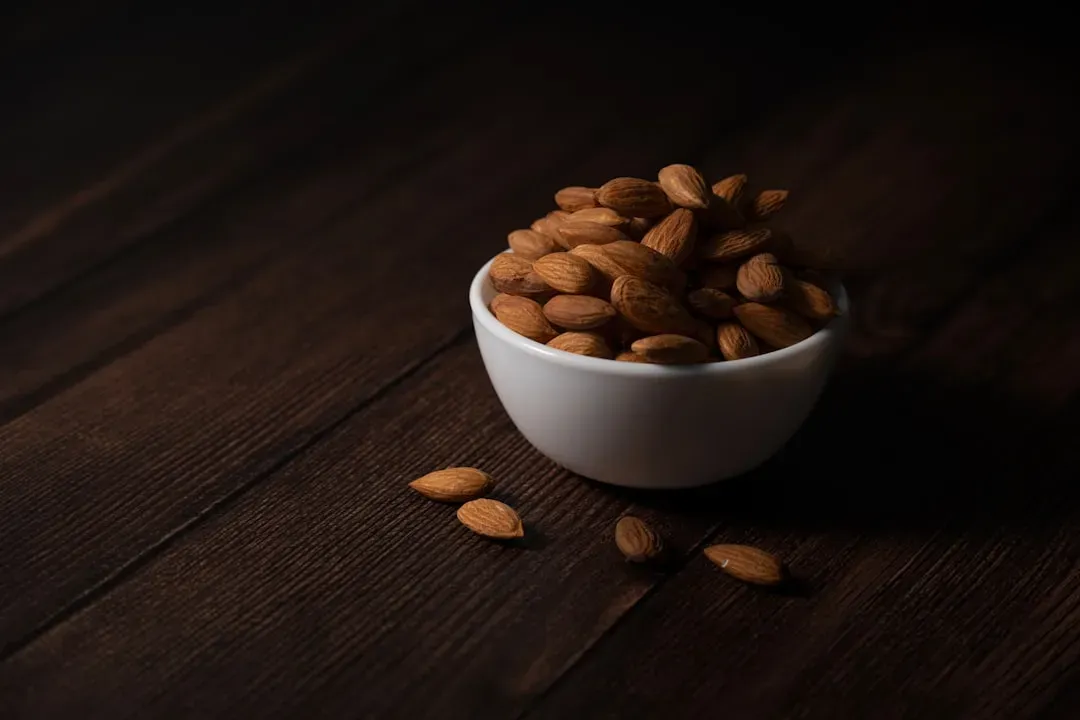
If you could only eat one nut for the rest of your life and had to optimize for sheer nutritional breadth, almonds would be a very hard choice to argue against. When compared ounce for ounce, almonds are the nut highest in protein, fiber, calcium, vitamin E, riboflavin, and niacin, and they are the best source of six of the thirteen nutrients for which there are daily values, while also being among the lowest in calories.
Their high vitamin E content - the greatest of any nut - is one of their most notable qualities. Nearly 45 percent of the daily value for vitamin E may be found in just one ounce of almonds. Vitamin E is an essential antioxidant nutrient that is necessary for healthy, youthful-looking skin and helps shield your cells from damage caused by free radicals.
Studies show that almonds also help lower LDL or bad cholesterol levels because their skins are rich in polyphenol antioxidants, which can help prevent cholesterol oxidation. Research published in the Journal of the American College of Nutrition showed that increasing almond intake helped improve insulin sensitivity and reduced cholesterol in adults with prediabetes.
Diets that include regular intake of nuts are actually related to weight loss, because the fat, fiber, and protein in nuts help with feelings of fullness, curb hunger pangs, and aid in gut health. Almonds are a textbook example of that principle. Few snacks deliver this level of nutritional return per calorie.
2. Pistachios - The Protein-Dense, Eye-Protecting Superfood
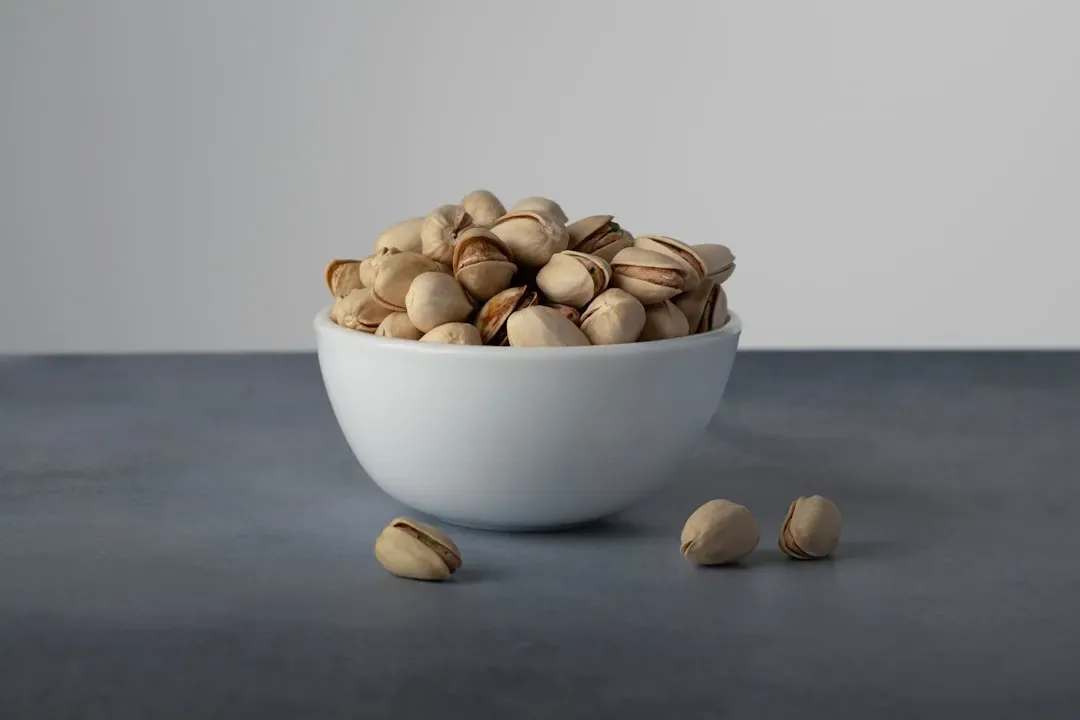
I'll be honest - pistachios used to feel like more of a party snack to me than a serious health food. The science says otherwise. Pistachios are among the highest in protein, lowest in fat, and lowest in calories compared to every other nut. Compared with other nuts, pistachios have a lower fat content, and they have an essential amino acid ratio higher than most other commonly consumed nuts including almonds, walnuts, pecans, and hazelnuts, plus they're richer in fiber.
A 2025 study published in The Journal of Nutrition found that eating pistachios strengthens a part of the eye that protects the retina and reduces the risk of age-related macular degeneration, a leading cause of vision loss in older adults. That's a significant finding, especially in an aging population increasingly concerned about maintaining vision health.
Among nuts, pistachios have the highest levels of potassium, vitamin K, phytosterols, and vitamin B6. A study published in the Journal of the American College of Nutrition found that eating two to three ounces per day of pistachios improved blood lipid levels and lowered the ratio of bad LDL cholesterol to good HDL cholesterol. Another study found that eating pistachios helped maintain normal blood sugar levels after eating a high-carbohydrate meal.
Pistachios also have one of the lowest calorie counts among nuts, making them great for snacking. The fact that you have to shell them individually slows your eating pace naturally - which, according to some researchers, may actually help with portion control. That's a bonus you didn't see coming.
1. Walnuts - The Undisputed Champion of Nut Nutrition
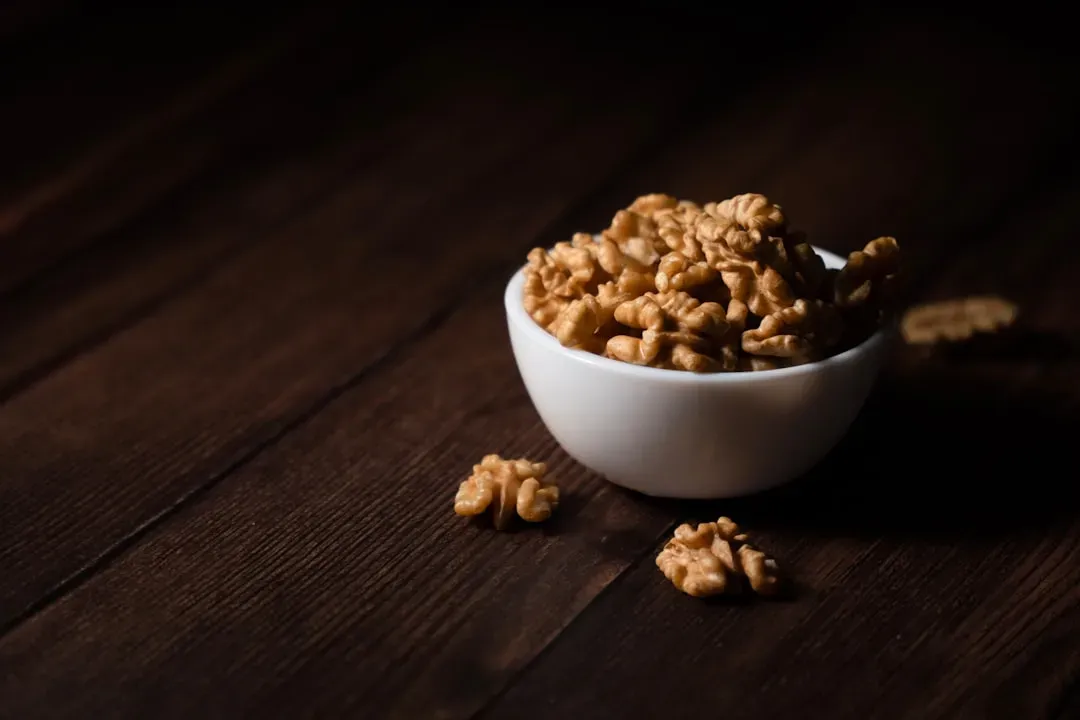
Walnuts are often considered the healthiest nut because they are rich in omega-3 fatty acids, especially alpha-linolenic acid, antioxidants, and other nutrients that promote heart and brain health. This isn't a fringe opinion. It's a consensus backed by decades of research and now officially recognized at the highest regulatory levels.
In December 2024, walnuts met the updated definition for a "healthy" food based on the important role they play in recommended dietary patterns, according to an announcement from the U.S. Food and Drug Administration detailing a new definition for foods that can be identified or labeled as "healthy." This announcement is a significant step toward ensuring food labeling is consistent with the most up-to-date nutrition scientific evidence.
Walnuts have greater antioxidant activity than any other common nut. This activity comes from vitamin E, melatonin, and plant compounds called polyphenols, which are found in particularly large amounts in the papery skin of walnuts. A 2024 meta-analysis found that adding walnuts to the diet significantly lowered total cholesterol levels and low-density lipoprotein-cholesterol levels.
Studies have shown that the antioxidants and anti-inflammatory polyphenols found in walnuts may improve brain function and slow mental decline that occurs with aging. Cognitive functions include your memory and ability to think. Walnuts also have a phenolic compound called ellagic acid that could help protect against colon cancer. For one nut to cover the heart, the brain, and cancer risk simultaneously is genuinely remarkable - and it's why walnuts sit comfortably at the top of this list.
The Final Verdict - Which Nut Should You Actually Eat?
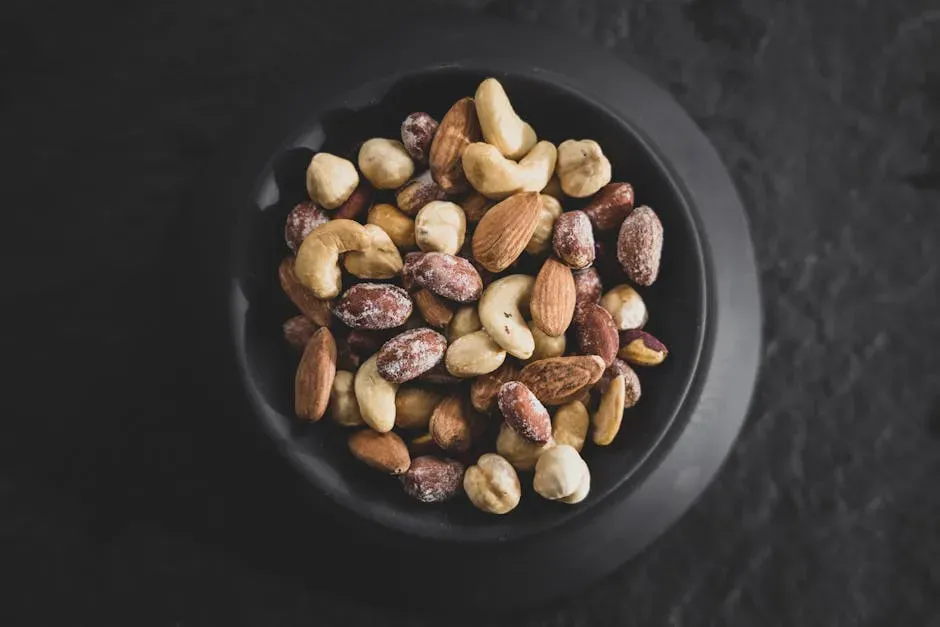
Honestly, the best answer isn't to pick one and ignore the rest. Reams of research over several decades point to the amazing health benefits of incorporating nuts into your meals and snacks every day. Considered nutritional all-stars, nuts provide nutrient-rich plant-based protein, unsaturated fats, essential vitamins and minerals, fiber, antioxidants, and many other bioactive compounds.
Studies show that those who eat more nuts have reduced risk for obesity, type 2 diabetes, heart disease, certain cancers, and other age-related conditions linked to systemic inflammation. That's a powerful statement spanning nearly every major chronic disease category. No single pharmaceutical could make that claim.
If you want a practical takeaway, walnuts win for overall impact, almonds win for nutritional breadth, pistachios win for the best calorie-to-nutrient ratio, and Brazil nuts win for one very specific but critical mineral. Despite their high fat content, nuts are not associated with weight gain. In fact, research suggests the opposite. More than 20 years of scientific research shows nut intake is linked with a reduced risk of overweight and obesity, and a reduced body weight, body mass index, and waist circumference.
The question isn't really which nut is best - it's which combination works for your body and lifestyle. What does your current nut routine look like? Tell us in the comments.



Leave a Reply