
Most of us do it. We cook a big meal, wrap up what's left, tuck it into the fridge, and tell ourselves we'll deal with it "tomorrow." Sometimes tomorrow becomes the day after. Then three days pass. Honestly, it's one of the most universal kitchen habits there is. The problem is that some foods don't care how tightly you sealed that container.
The U.S. federal government estimates there are about 48 million cases of foodborne illness annually, the equivalent of sickening roughly one in six Americans each year. That's not a small number. And a surprising number of those cases trace back to something innocent sitting in a fridge. So before you reach for that leftover container, let's talk about the seven foods that deserve a much stricter deadline. Let's dive in.
1. Cooked Rice: The Silent Threat in Your Kitchen
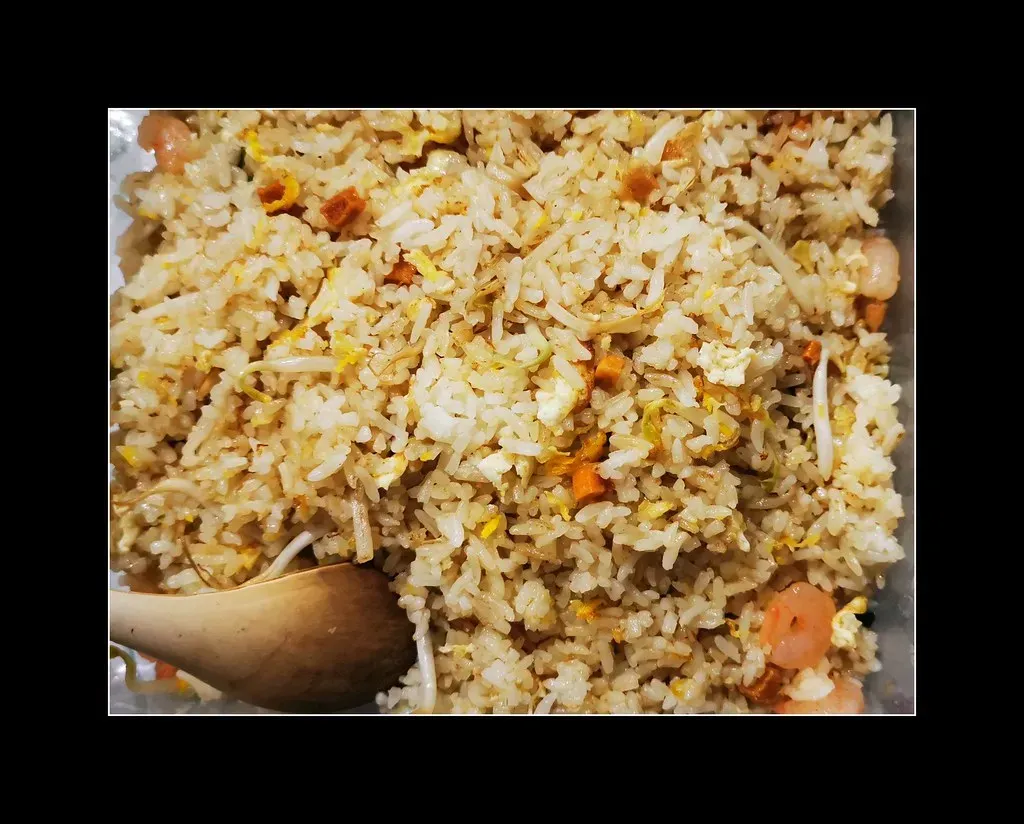
Here's the thing about cooked rice - it looks completely harmless. Bland, dry, sitting quietly in its tupperware. Yet food safety experts have been sounding the alarm about it for years, and the concern is very real. Food poisoning from leftover rice is caused by a bacterium known as Bacillus cereus, a microscopic germ that likes to live on starchy foods like rice and pasta.
What makes this particular bacteria so sneaky is that cooking doesn't fully solve the problem. When rice is cooked, the heat kills most bacteria, but the spores of B. cereus can survive. If cooked rice is left at room temperature, those spores can germinate and multiply, producing heat-stable toxins that are resistant to reheating. So yes - reheating your old rice in the microwave does not make it safe if the damage is already done.
The offender is a type of bacteria called Bacillus cereus that lives in soil and water. It can be found in several types of foods, according to a review of 98 scientific studies published in 2023 in the journal Food Control, but rice appears to be the most common source. The Cleveland Clinic is direct about this: if it's been more than two days since you cooked the food, toss it - even if you properly stored it in the fridge.
The Centers for Disease Control and Prevention estimates Bacillus cereus causes 63,000 annual cases of foodborne illness in the United States. That's not catastrophic in the grand scheme, but it's still tens of thousands of people suffering vomiting, cramps, and diarrhea over a bowl of day-old rice that wasn't worth the risk. The 48-hour rule here is not a suggestion. It's genuinely sound advice.
2. Cooked Seafood and Shellfish: Fast to Spoil, Slow to Forgive

Seafood is one of those foods where the margin for error is almost zero. Unlike that loaf of bread sitting on your counter, cooked fish and shellfish begin their bacterial decline almost immediately after they hit room temperature. I think most people dramatically underestimate how fast this happens.
If seafood will be used within 2 days after purchase, store it in a clean refrigerator at a temperature of 40°F (4°C) or below. That's the official guidance from FoodSafety.gov, and note the emphasis on "2 days" - not three, not four. Two. Food safety guidance specifically lists cooked seafood as something you should aim to consume within 24 hours.
Shellfish in particular carry their own unique risk profile. When filtering water through their gills, clams, oysters, mussels, and scallops may bioaccumulate bacteria, toxins, or other contaminants if they are present in the water column. This creates a potential risk for consumers who enjoy eating molluscan shellfish. That risk compounds with every hour those leftovers sit in the fridge.
When certain disease-causing bacteria or pathogens contaminate food, they can cause foodborne illness. Each year, these illnesses result in an estimated 128,000 hospitalizations and 3,000 deaths in the United States. Cooked fish that's been sitting for 48 hours or more is one of the most common culprits. When it comes to seafood, fresher is always safer. Period.
3. Cooked Chicken and Poultry: The 48-Hour Clock Is Already Ticking
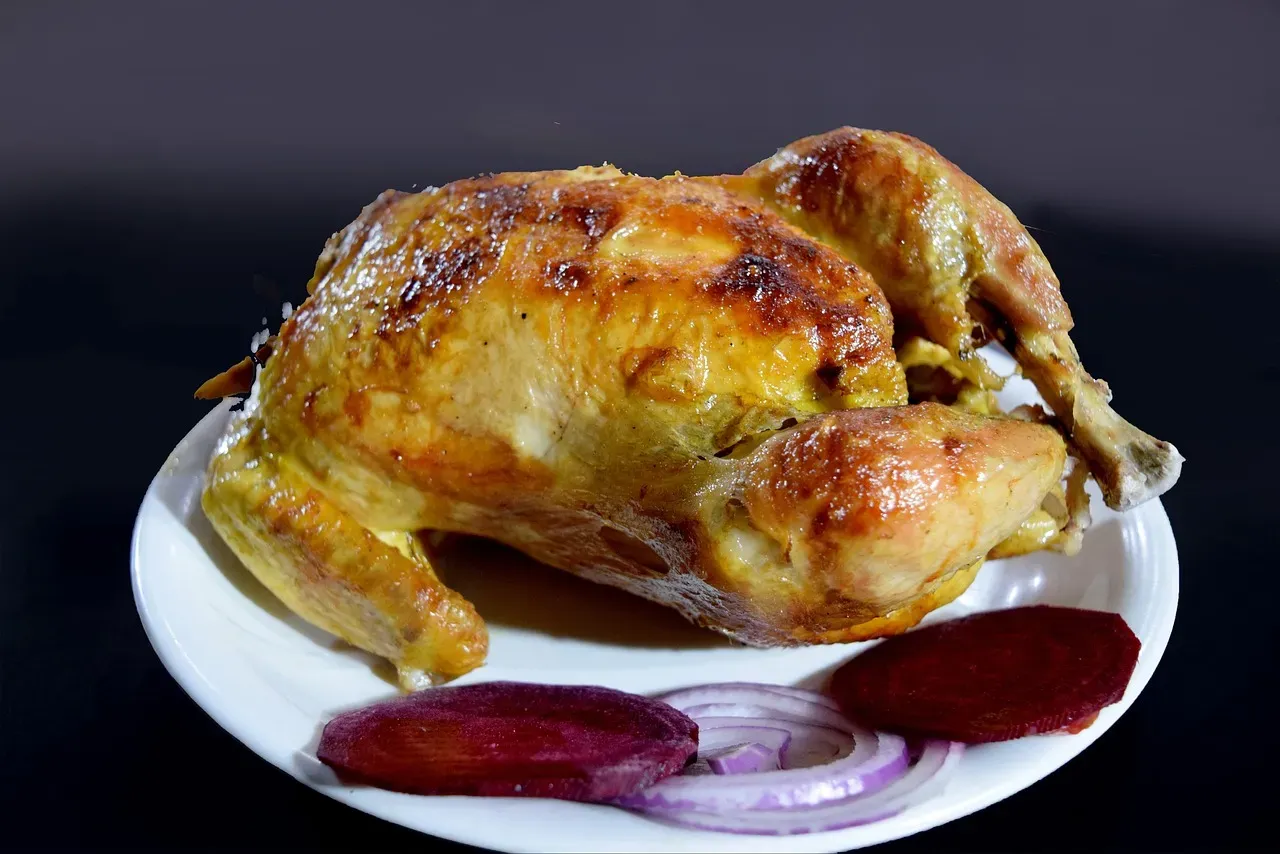
Chicken is the most consumed meat in many households, which also makes it statistically one of the most common sources of foodborne illness. Bacteria grow rapidly between the temperatures of 40°F and 140°F. After food is safely cooked, hot food must be kept hot at 140°F or warmer to prevent bacterial growth. The moment your roasted chicken starts cooling down, that clock begins.
Within 2 hours of cooking food or after it is removed from an appliance keeping it warm, leftovers must be refrigerated. Throw away all perishable foods that have been left at room temperature for more than 2 hours. This is a hard rule, not a rough estimate. Cooked chicken left out longer than two hours enters dangerous territory immediately.
Let's be real: many people refrigerate their chicken correctly but then let it linger in the fridge for five or six days before eating it. That's a real problem. Food that has been held at unsafe temperatures for more than 2 hours may become contaminated with harmful bacteria that are not destroyed by ordinary cooking and reheating. For cooked poultry specifically, staying within the 48-hour window is one of the most protective things you can do for your household.
4. Cooked Pasta: Another Starchy Trap You Don't See Coming
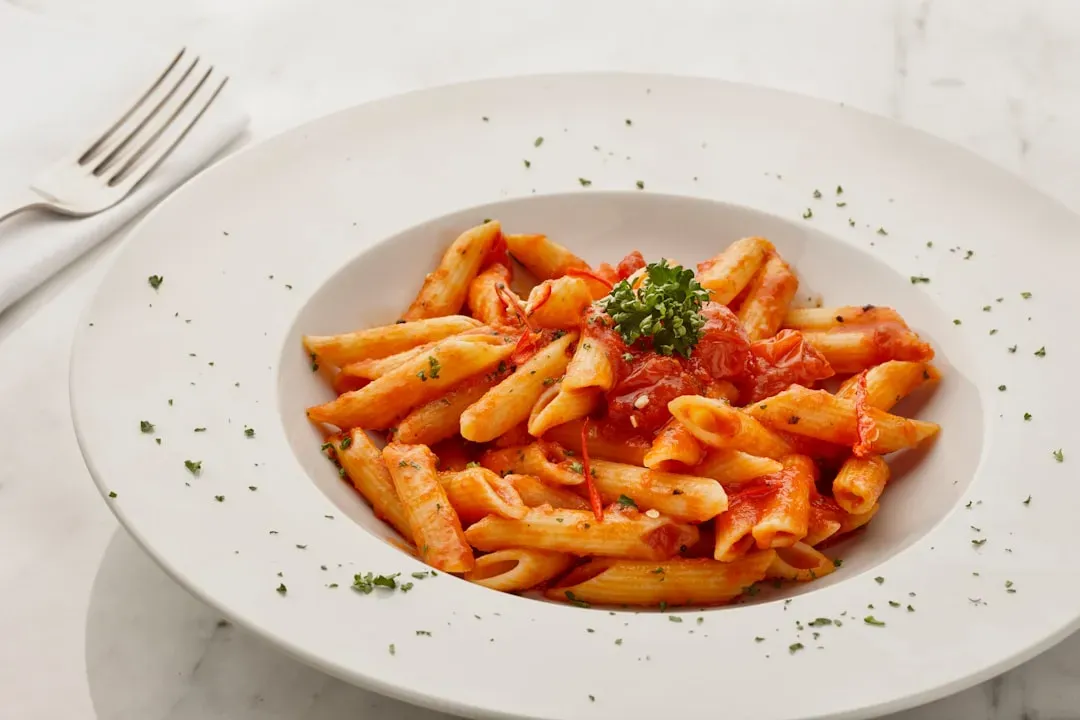
Pasta has a certain innocence about it. It's filling, versatile, and feels safe. It's not raw chicken. It's not shellfish. It's just pasta. That sense of security, honestly, is what makes it dangerous when it comes to leftovers.
Fried rice syndrome refers to food poisoning from a bacterium called Bacillus cereus, which becomes a risk when cooked food is left at room temperature for too long. Crucially, pasta is just as vulnerable as rice when it comes to this bacterium. In a well-publicized case, a 20-year-old college student died after reportedly eating spaghetti that he cooked, left out of the fridge, and then reheated and ate five days later. That's an extreme case, but it illustrates the real danger lurking in starchy leftovers.
B. cereus is problematic because it has a trick up its sleeve that other bacteria don't have. It produces a type of cell called a spore, which is very resistant to heating. So while heating leftovers to a high temperature may kill other types of bacteria, it might not have the same effect if the food is contaminated with B. cereus. Pasta that has been refrigerated for more than 48 hours should go straight to the bin, not the microwave.
The danger zone temperatures, where bacteria can grow and multiply, range between 40°F and 140°F. After cooking pasta and other grains, you should refrigerate them within 2 hours according to the USDA's Food Safety and Inspection Service. That time frame drops to 1 hour if the food has been out at 90°F. Quick cooling and a strict 48-hour limit is the safest approach with any cooked starchy food.
5. Cooked Leafy Greens: A Hidden Source of Bacterial Risk
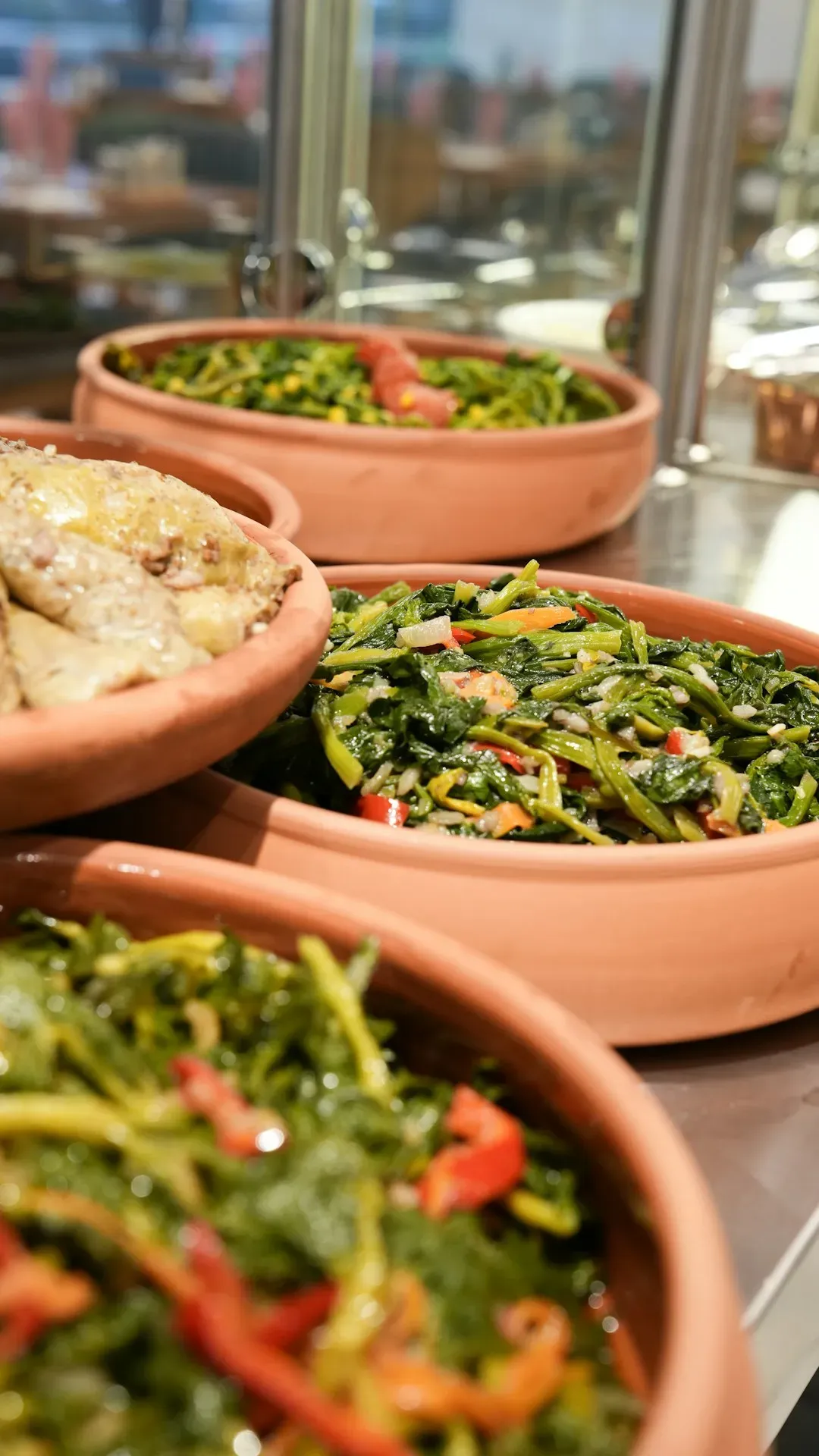
Spinach, kale, Swiss chard - all wonderfully nutritious, all hailed as superfoods. Cook them up for a stir-fry or a side dish, and suddenly you have a leftover scenario that most people handle carelessly. The truth is cooked leafy greens are a surprisingly high-risk leftover food.
Nitrates are naturally occurring in leafy greens like spinach, celery, and beets. However, when these greens are reheated, those nitrates can convert into nitrites, creating potential long-term health risks and immediate digestive upset. This chemical transformation is something many home cooks are completely unaware of.
On top of the nitrite issue, there is the straightforward bacterial concern. Cut leafy greens shipped and stored above 41°F could support the growth of germs that lead to foodborne illness. Once those greens are cooked and sitting in the fridge, that same bacterial risk applies. Microbial contamination of leafy greens can occur in the field or during harvest and processing, and contamination with either bacterial or viral pathogens can also occur at the retail food service level through cross-contamination.
The 48-hour window for cooked leafy greens is genuinely tight. Cooked spinach or kale sitting in your fridge for three or four days is risky on multiple levels. If you've cooked a large batch, eat it within a day or two, or don't cook it until you're ready to eat it fresh. There's not much middle ground here.
6. Cooked Mushrooms: High Moisture, High Stakes
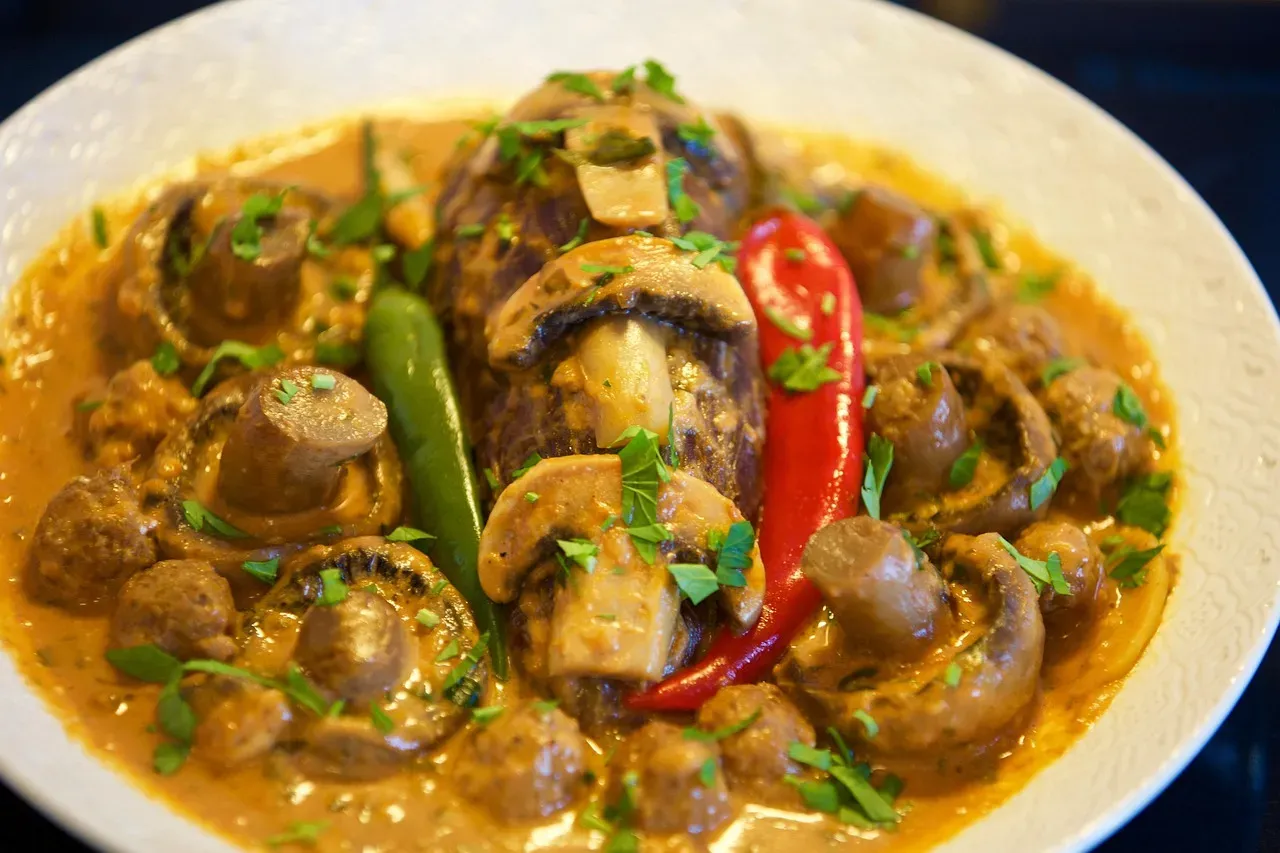
Mushrooms are fascinating from a biology standpoint and genuinely tricky from a food safety standpoint. Their naturally high moisture content makes them one of the most microbiologically active foods in your kitchen once cooked. It's a detail that most recipe blogs simply skip over.
Mushrooms are grown on compost or agricultural leftovers, and a microbial load could damage the mushrooms. They also have a high moisture content and water activity, making them an excellent target for microorganisms. That already-present microbial load doesn't disappear after cooking - it simply gets disrupted temporarily.
Cooked mushrooms, like most leftovers, can grow bacteria in the fridge that makes them smell and taste bad, so after cooking, mushrooms' shelf life is about three to four days. However, the real concern kicks in much earlier than that. Mushrooms are high in a protein that can be easily destroyed by enzymes and microorganisms. If you don't store them properly, their protein composition changes, leading to significant stomach distress.
Think of cooked mushrooms like a damp sponge that's also a nutrient-rich meal for bacteria. Once cooked, mushrooms become like most other prepared foods in that they shouldn't be kept at room temperature more than two hours. After that, the fridge slows bacterial growth, but does not stop it. Within 48 hours, the degradation process in cooked mushrooms is well underway. Eat them quickly or don't bother saving them.
7. Cooked Eggs: Salmonella Doesn't Take a Day Off

Scrambled eggs from this morning, a boiled egg from yesterday, an omelet from two nights ago - eggs in any cooked form are one of the most mishandled leftovers in the average kitchen. They seem harmless. They're just eggs. Except they aren't harmless at all once time starts working against them.
Whether scrambled, boiled, or in an omelet, eggs are a high-protein environment where Salmonella can flourish if they are left out. That same principle applies even when refrigerated. Cooked eggs provide exactly the warm, protein-rich environment that dangerous bacteria love to colonize, and the danger compounds the longer they sit.
Bacteria grow rapidly between the temperatures of 40°F and 140°F. Your fridge keeps things cold, but cooked eggs near the door or in a loosely sealed container may not stay cold enough to fully halt bacterial development. Store refrigerated foods in covered containers or sealed storage bags, and check leftovers daily for spoilage. That daily check is especially important with cooked egg dishes.
Consuming dangerous foodborne bacteria will usually cause illness within 1 to 3 days of eating the contaminated food. However, sickness can also occur within 20 minutes or up to 6 weeks later. Cooked eggs kept beyond 48 hours present a real and unnecessary risk. The smart move is simple: cook only what you plan to eat, or eat what you've cooked within a day or two. Anything sitting past the 48-hour mark deserves a closer look - and most of the time, the garbage bin.



Leave a Reply