
There is something uniquely uncomfortable about looking at your grocery receipt and wondering where the money went. You bought the usual things. Nothing fancy, nothing excessive. Just the week's food. Yet somehow the total keeps climbing, month after month, and your wallet feels it before your fridge does.
The truth is, for millions of middle-class households in America, the grocery store has become one of the most quietly destructive forces on a monthly budget. Not because of one giant splurge, but because of small, habitual leaks that seem totally normal. So normal, in fact, that most people never think to question them. Let's change that. Let's dive in.
1. Shopping Without a List, and Paying the Price for It
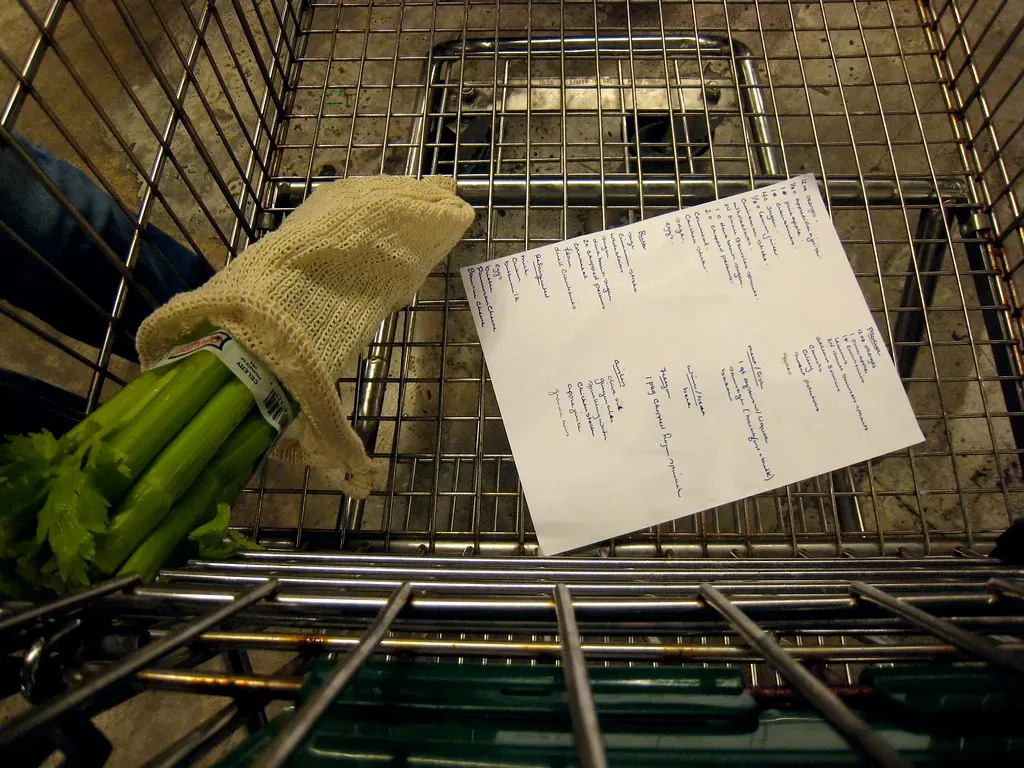
Honestly, this one might sound basic, but the financial damage it causes is anything but. Research from the Food Marketing Institute shows that the average unplanned grocery trip costs $54, and if you make two of those trips a week on top of your main shop, that's an extra $432 a month. Think about that for a second. That's a car payment for a lot of people, disappearing into chips, sauces, and things that "looked good" in the aisle.
Walking into a store without a list is like walking into a casino without a budget. The store is literally designed to get you spending more. End caps, scent marketing, eye-level placement of premium items - none of it is accidental. Before hitting the grocery store, you should make sure you've eaten recently, since studies show consumers tend to spend more when grocery shopping while feeling hungry, and walking in with a specific list instead of aimlessly wandering through aisles helps significantly.
2. Ignoring Shrinkflation While Staying Brand Loyal
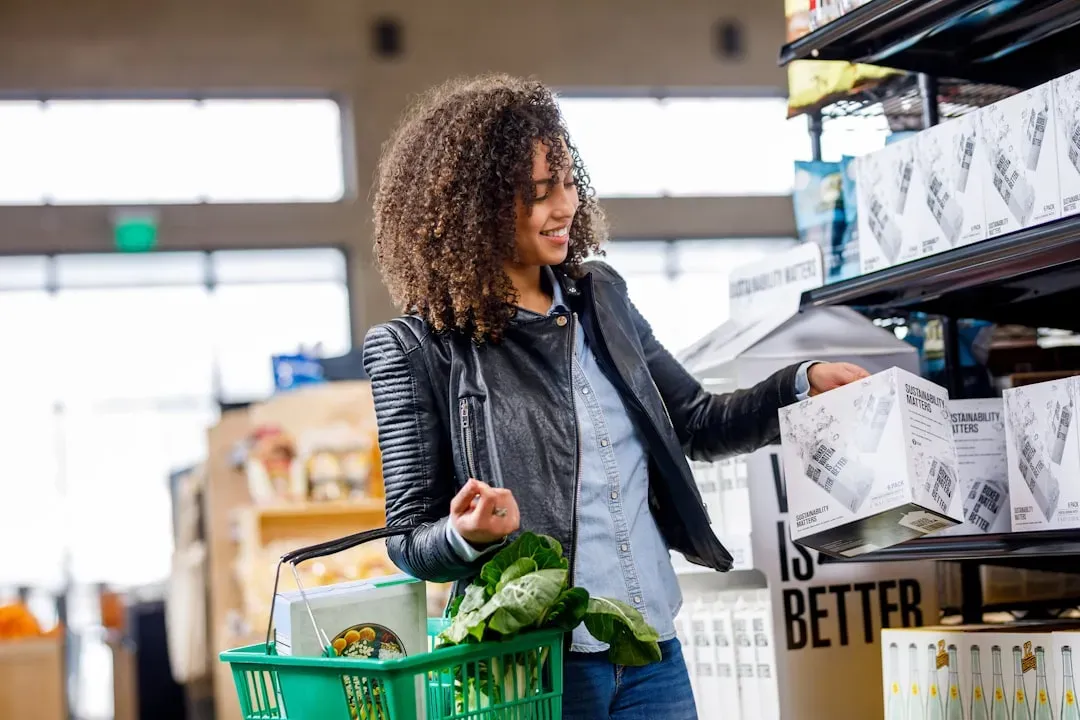
About one third of roughly 100 common consumer products tracked by LendingTree have shrunk in size or servings since the pandemic, with the worst offenders being household paper products like toilet paper and paper towels. The sneaky part? The price on the shelf often stays the same, or even goes up. You are paying more per ounce without realizing it.
A full 77% of the consumers surveyed for Purdue University's October 2024 Consumer Food Insights Report said they noticed shrinkflation while grocery shopping over the month. Yet brand loyalty keeps many people stuck. New research from Morning Consult shows that nearly half of consumers have switched brands to avoid shrinkflation at the grocery store, and almost half made the switch to a generic brand. Those who haven't switched are, quite simply, paying more for less. It's a quiet tax on loyalty that nobody voted for.
3. Treating Meal Kits as an Everyday Expense
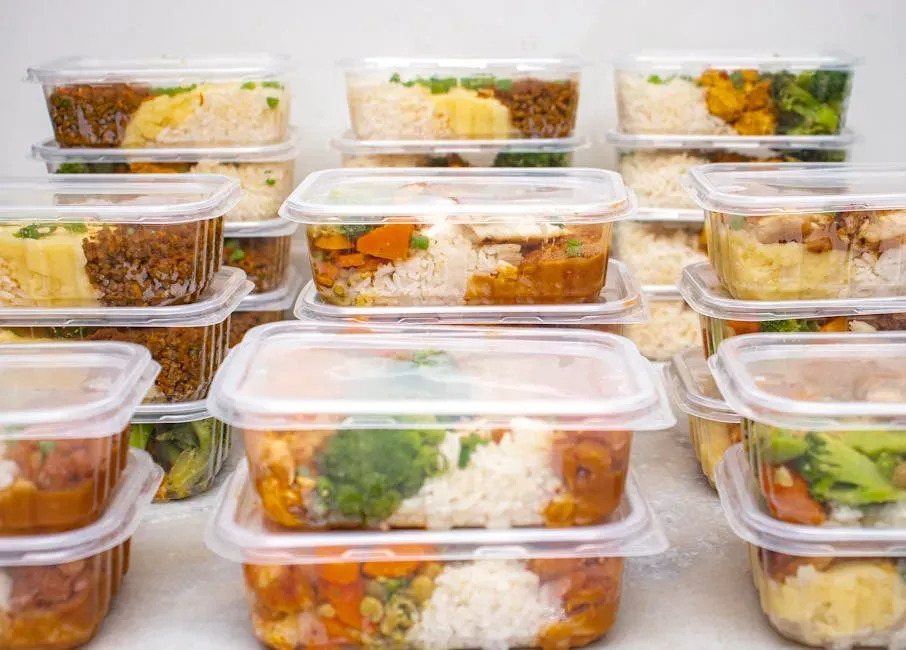
Meal kits are seductive. They show up in a pretty box, perfectly portioned, with a recipe card that makes you feel like a competent home cook. Meal delivery kits have boomed in the U.S. since 2012, with market revenue projected to hit nearly $7 billion by 2029, and their appeal is obvious since they deliver preportioned ingredients and simple recipes to your door. However, this convenience comes at a premium, as consumers pay not just for ingredients but also for shipping, portioning, packaging, and time saved.
The average serving cost for meal deliveries ranges from roughly $5 to $20. Compare that to cooking a similar meal from scratch using ingredients you bought at the store, and the markup becomes hard to justify as a regular habit. Meal kits can be convenient, but they aren't always the most budget-friendly option, especially if you're feeding more than two people or hoping for leftovers. That said, for busy weeks or special situations, the tradeoff in time and planning might still be worth it. The problem is when "special" becomes every Tuesday and Thursday.
4. Buying Convenience-Packaged Produce at a Heavy Premium
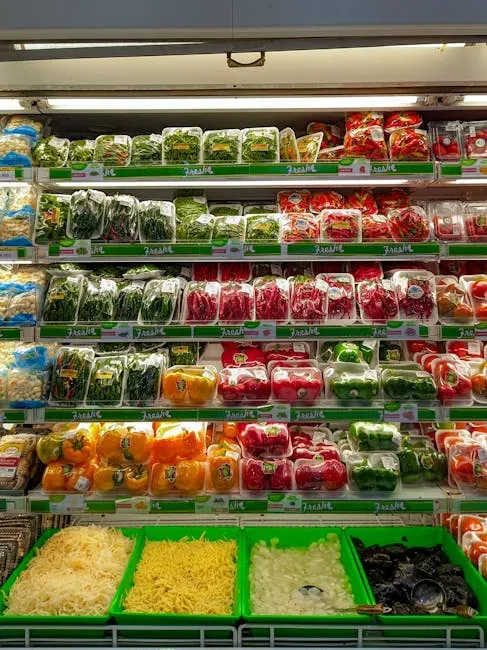
Pre-washed salad bags. Pre-cut butternut squash. Spiralized zucchini in a little plastic tray. I get it - they save time. Life is genuinely busy. But let's be real about what you're actually paying for. The convenience markup on pre-cut vegetables can be staggering, sometimes reaching two to three times the cost of a whole, uncut version of the same item sitting right beside it on the shelf.
Grocery prices rose about 25% between 2020 and 2024, and in 2025 and into 2026 the rate of increase has slowed to about 2 to 3 percent per year. But that's 2 to 3 percent on top of prices that already jumped 25%. In that environment, every extra dollar spent on pre-cut carrots instead of whole ones is a dollar that compounds against you week after week. It's the grocery equivalent of paying for a hotel minibar when a vending machine is down the hall.
5. Defaulting to Name Brands Without Comparing Unit Prices
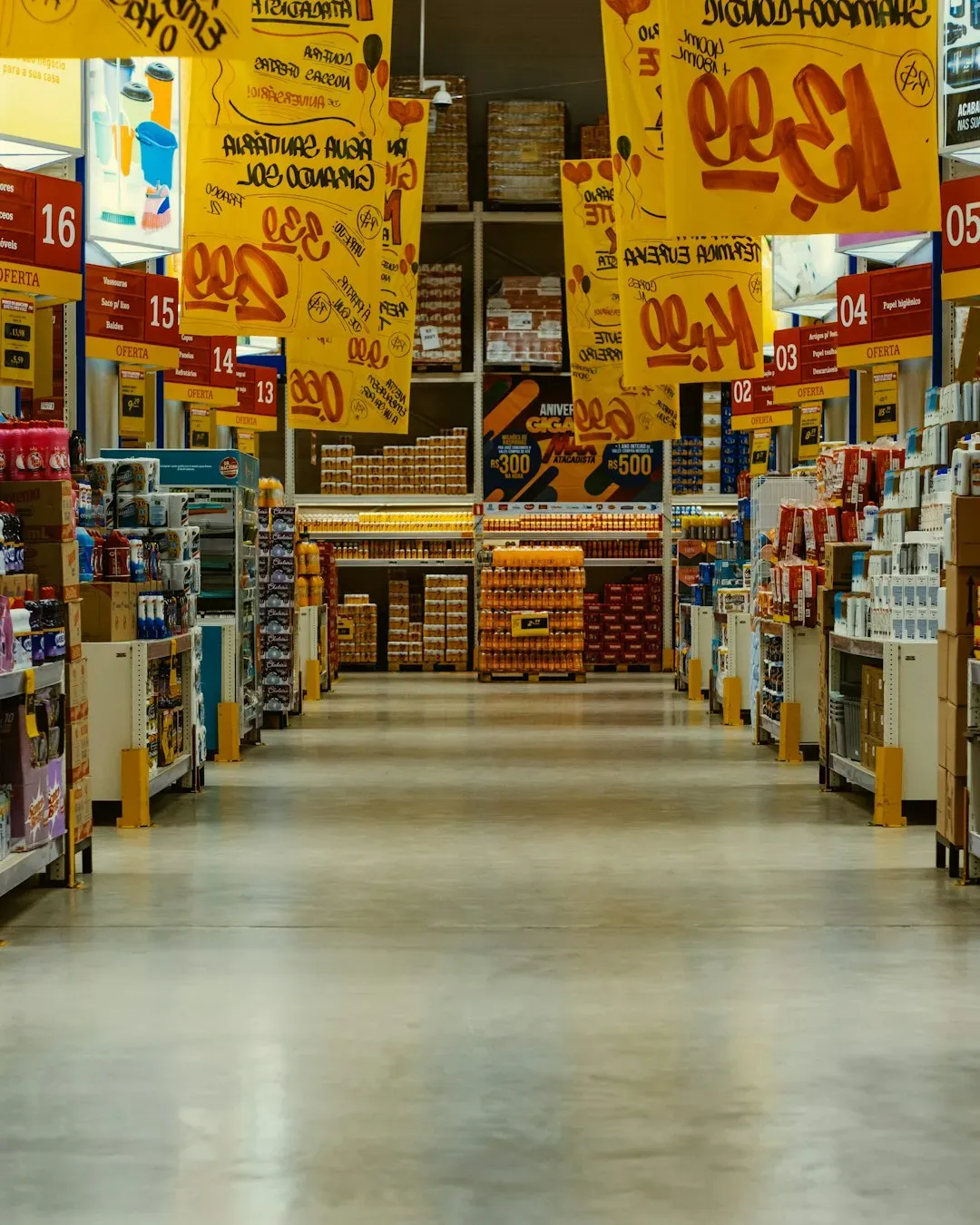
Here's the thing: the store-brand version of most pantry staples is often made in the same factory as the name brand. The packaging changes, the logo changes, the price drops by 20 to 40 percent - but the product inside is frequently identical. More than half of shoppers say they purchase store brands sometimes or often and most do so to lower their grocery bills, with about 60% estimating that their frequency of purchasing store brands is the same as a year ago. Meanwhile, 17% of shoppers purchase store brands because they feel these products are actually superior to their name-brand equivalents.
The real problem isn't that people don't know generics exist. It's that comparing unit prices feels tedious in the moment. Experts advise consumers to compare unit prices on shelf tags and explore alternatives to keep budgets in check. That little price-per-ounce number on the shelf tag is one of the most powerful tools available to a budget-conscious shopper, and the vast majority of people simply walk past it without a second glance. A habit worth building, even if it slows you down by two minutes.
6. Overspending on Dining Out Without Tracking It Against Grocery Costs

Middle-class households often mentally separate "dining out" from "food spending" - as if they live in two different budget buckets. They don't. Dining out can account for a significant share of food budgets, and Empower research shows Americans dine out for about one in five of their meals. With the cost for food away from home edging up 3.9% annually, people dish out about $879 monthly at restaurants on average for the year ended August 2025, according to Empower Personal Dashboard data.
Gen X are the biggest restaurant spenders, paying out an average of $1,022 monthly - nearly double the amount of Gen Z. When you combine that with grocery spending, the total food budget for a typical household is eye-opening. The share of disposable income allocated to food-away-from-home spending, such as dining out at restaurants, remained unchanged at 5.5 percent in 2024. That number sitting stubbornly flat, year after year, is a sign that many people aren't actually adjusting this habit even when budgets tighten.
7. Not Noticing That Grocery Bills Have Quietly Ballooned Over Time
It's hard to say for sure at exactly what point the grocery bill crossed the line from "normal" to "quietly alarming," because the increases crept in gradually. The average American household spends around $940 per month on groceries, and prices have risen over 27% since April 2020, driven by inflation, supply chain disruptions, extreme weather, and higher farming costs. That is a massive shift that happened over just a few years.
Nearly 84% of U.S. grocery shoppers report spending more on groceries than a year ago, with 25% saying they're spending over $100 more per week. Unsurprisingly, 89% are worried prices will continue to rise over the next six months, and over half say the cost of groceries is a significant source of stress. The emotional weight alone is real. A majority of Americans - nearly three in four - own up to an overspending problem, and groceries top the list at 52% of respondents who cite that category. Awareness is the first step, but awareness alone doesn't close the gap.
8. Using "Buy Now, Pay Later" for Groceries Without Realizing the Risk
This one is newer, and it's growing fast. Recent data from LendingTree shows that more Americans are using "buy now, pay later" for groceries. In April 2025, LendingTree found that 25% of BNPL users say they've used the loans to buy groceries, up 14% from data collected in 2024. Let that sink in: people are financing their food. Weekly. What used to be a tool for electronics or furniture has migrated into the produce section.
Buy now, pay later allows consumers to split payments into installments instead of paying the full price upfront, and breaking down payments into smaller amounts can make products seem more affordable. That psychological trick is the whole point. A $200 grocery run split into four $50 installments feels manageable in the moment, but it masks just how stretched a household budget actually is. Nearly two in five Americans exceed their budget every month, and 78% make purchases they immediately regret. Financing groceries is not a solution. It's a symptom.
What all eight of these habits have in common is that they feel completely reasonable in isolation. A meal kit here, a name-brand cereal there, a quick dinner out on Thursday. None of it feels like a budget problem. It feels like a life. Grocery prices rose about 25% between 2020 and 2024, and in 2025 and into 2026 the rate of increase has slowed to about 2 to 3 percent per year - but that's 2 to 3 percent on top of prices that already jumped 25%. The pressure is structural, not personal. Still, the habits you bring into that environment are entirely within your control.
The middle-class meal trap isn't a single dramatic mistake. It's a hundred small comfortable ones, repeated weekly, adding up to thousands of dollars a year that quietly vanish into a grocery cart you barely thought about. About 43% of Americans have never used budgeting apps or tools to track their spending, and these convenient and often free services can reduce the hassle of budget tracking by automating critical parts of the process. That number tells its own story. The most expensive grocery habit of all might simply be choosing not to look.
What would you do differently next time you push that cart down the aisle? Tell us in the comments.




Leave a Reply