
There's a quiet revolution happening at restaurant tables across America. One by one, dishes that once felt exciting, premium, or even essential are getting silently crossed off the ordering list. Not because diners have stopped caring about food. Actually, it's the opposite. They care more than ever, and the rising prices have made every single menu choice feel like a real decision.
As the cost of ingredients, labor, and utilities continues to rise, many restaurants have responded by increasing their menu prices to protect profitability. Full-service restaurants saw a year-over-year price increase of roughly four percent, while limited-service venues weren't far behind. That kind of financial pressure has made diners sharper, more skeptical, and honestly, a little less forgiving. Let's dive into the dishes that are quietly falling off the radar.
1. The Plant-Based Burger
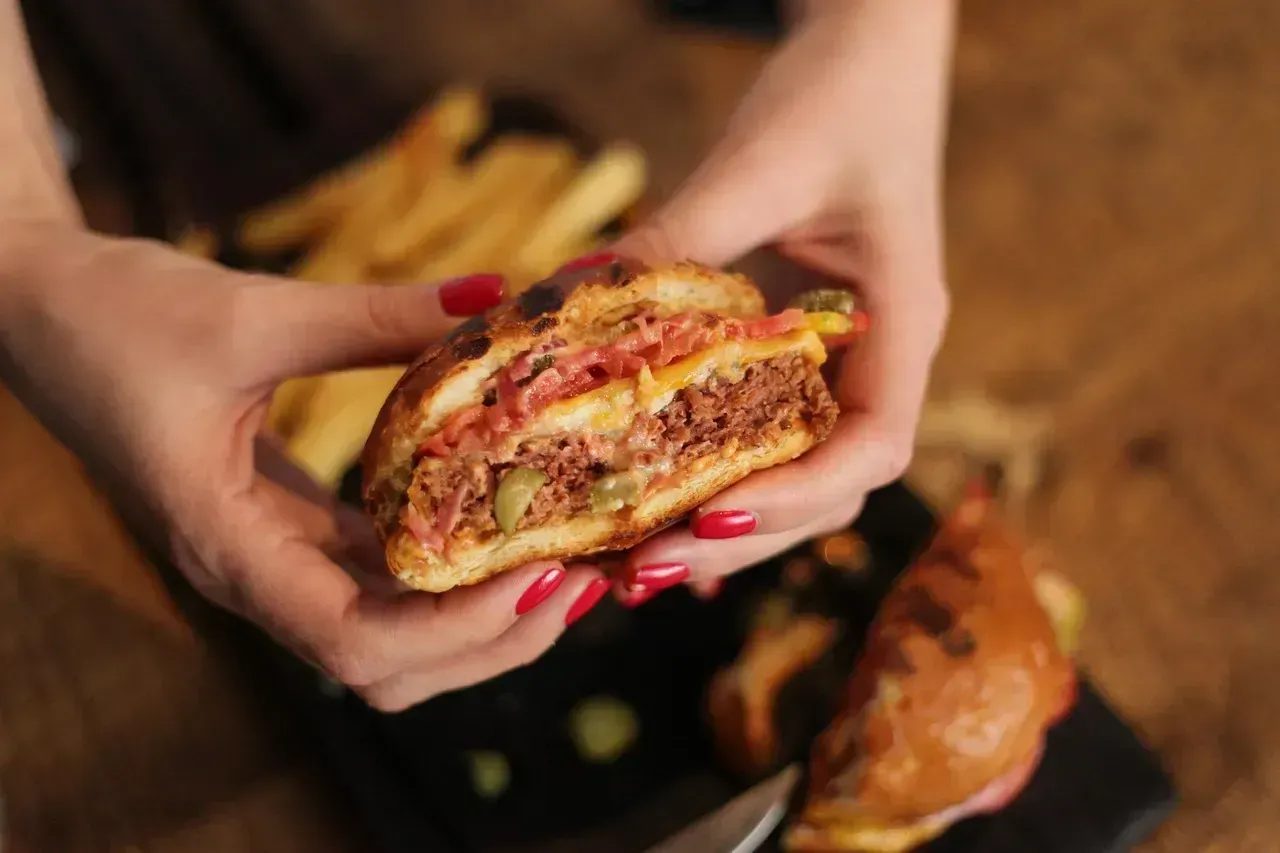
This one used to feel like the future. A few years ago, you couldn't scroll through a food publication without seeing some glowing write-up about the plant-based revolution. Restaurants added them to menus with a kind of evangelistic enthusiasm. Then reality stepped in.
According to SPINS data analyzed by the Good Food Institute, U.S. retail sales of most plant-based categories were down in 2024 against a backdrop of rising sales for conventional meat. Sales of plant-based meat and seafood specifically dropped roughly seven percent to $1.2 billion in 2024, with unit sales falling an even steeper eleven percent. That's not a blip. That's a trend.
Sales of refrigerated plant-based burgers, which were driving significant growth in the category a few years ago, continued their steep decline, dropping about a quarter year over year. Chefs who once championed these dishes are now rethinking their menu space. The plant-based burger isn't dead, but its dominance as a restaurant centerpiece clearly is. Honestly? Taste has always been the hill this trend couldn't fully climb.
2. Truffle Fries (and Everything "Truffle")
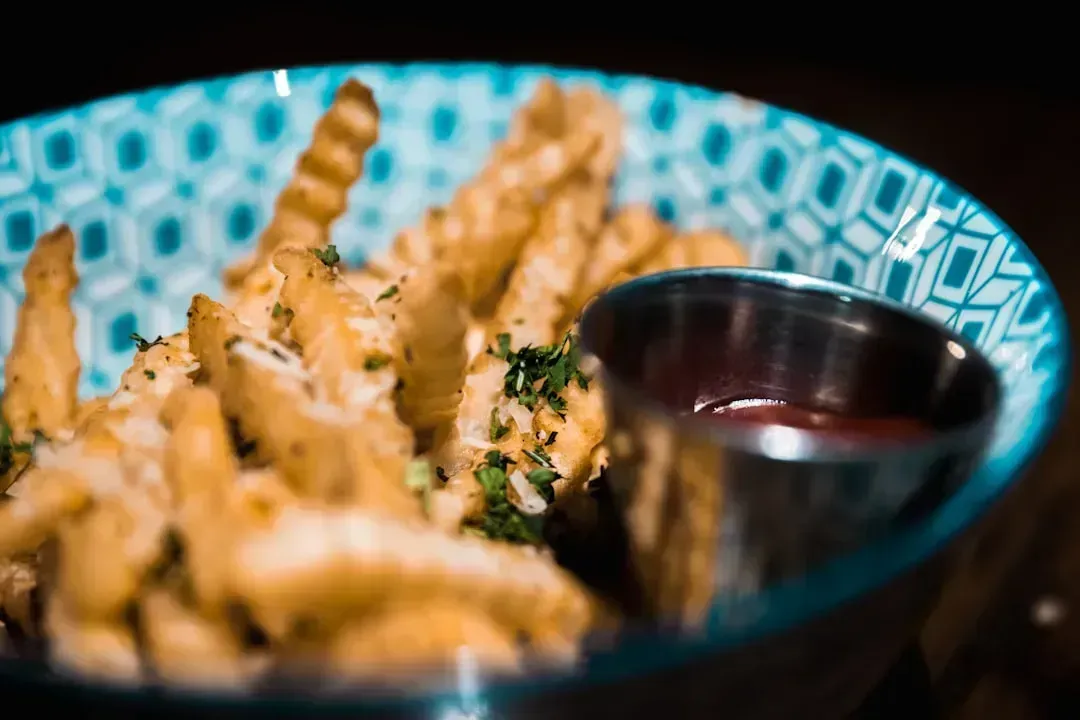
Here's the thing about truffle fries. They sound luxurious. They cost an arm and a leg on most menus. The problem is that the vast majority of them are made with synthetic truffle oil, not actual truffles. That gap between the price tag and what you're actually getting has started to register with diners in a real way.
For a solid decade, restaurants leaned on the word "truffle" the way marketers lean on the word "premium." It worked, for a while. Stacking multiple luxury ingredients onto a single dish became a kind of arms race in restaurant dining. Wagyu beef topped with uni, finished with caviar and truffle shavings. The more expensive the components, the more impressive the dish seemed. Chefs are now flagging this approach as style without substance.
Popular items like truffle fries, omelets, and pasta dishes often have markups ranging from roughly double to nearly six times what the dish costs to make. When you put that next to the actual quality of most synthetic truffle preparations, diners increasingly feel shortchanged. The truffle era, at least in its lazy, oil-drizzled form, is fading fast.
3. The Wedge Salad
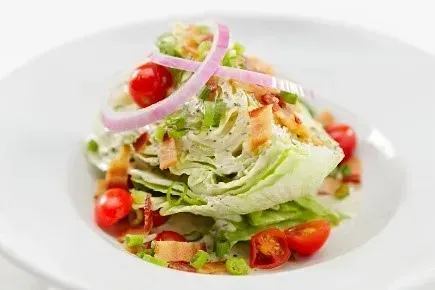
I'll be honest: the wedge salad is one of the most baffling items on any upscale menu. A quarter head of iceberg lettuce, some blue cheese dressing, maybe a few bacon crumbles, and suddenly you're looking at a double-digit price on the bill. The audacity is almost impressive.
The iceberg wedge salad might be the greatest restaurant magic trick ever performed. They literally serve you a quarter of a head of lettuce, the cheapest, least nutritious lettuce variety, drizzle some dressing on top, and charge fourteen dollars. The preparation involves cutting a head of lettuce, costing about eighty cents, into quarters and adding perhaps fifty cents worth of blue cheese dressing and bacon bits. Total ingredient cost is under two dollars. The markup exceeds seven hundred percent for what amounts to the laziest salad preparation possible.
Diners in 2025 and 2026 are increasingly unwilling to pay steakhouse prices for something that requires zero cooking skill. Eating out is fun, but sometimes the price on the menu doesn't match what you're actually getting. Restaurants often charge extra for certain items simply because of presentation, trendiness, or the atmosphere. The wedge salad is a perfect example of all three combined.
4. Soup of the Day
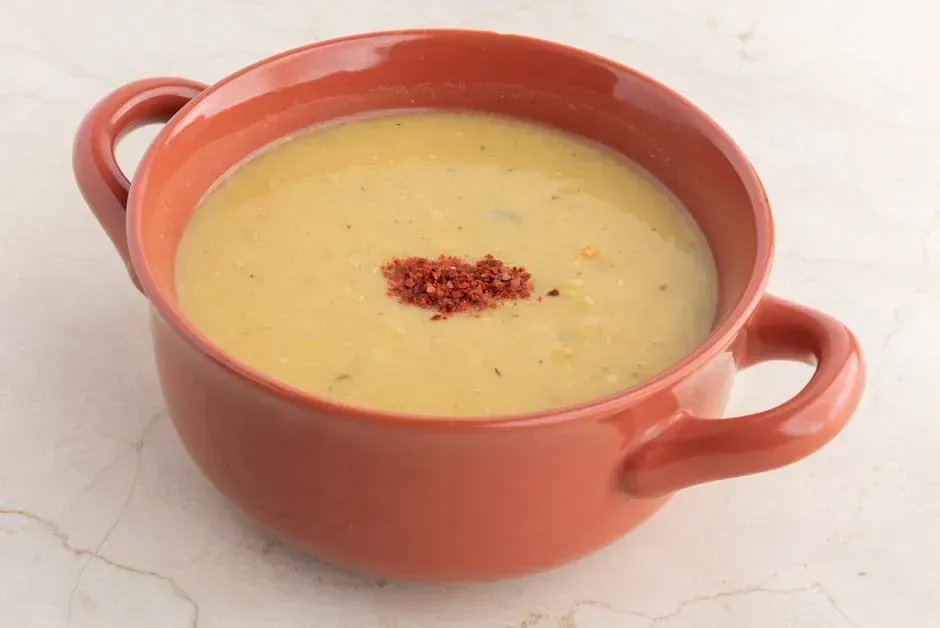
There is something fundamentally suspicious about a dish the kitchen won't even name on the menu. "Soup of the day" sounds charming. The reality is often less poetic. The term "soup of the day" can be misleading, and some might even say laughable, because many diners often make enormous batches that sit around for extended periods.
Think about it like leftovers at a restaurant scale. A giant pot of soup gets made at the start of the week and reappears daily until it's gone. Homemade chicken noodle soup only costs a restaurant about thirty cents to make, though a big bowl can cost close to five dollars, making it one of the most marked-up items on a menu. That margin tells you something about how the kitchen views this dish.
If you still want soup, the smarter play is to order something more complex with a longer ingredient list. Opt for thick soups like gumbo or chowder, which are more expensive to make but the same price for the customer. Basically, you're getting more value for the same spend. Simple swap, big difference.
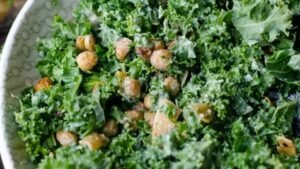
5. The Kale Salad
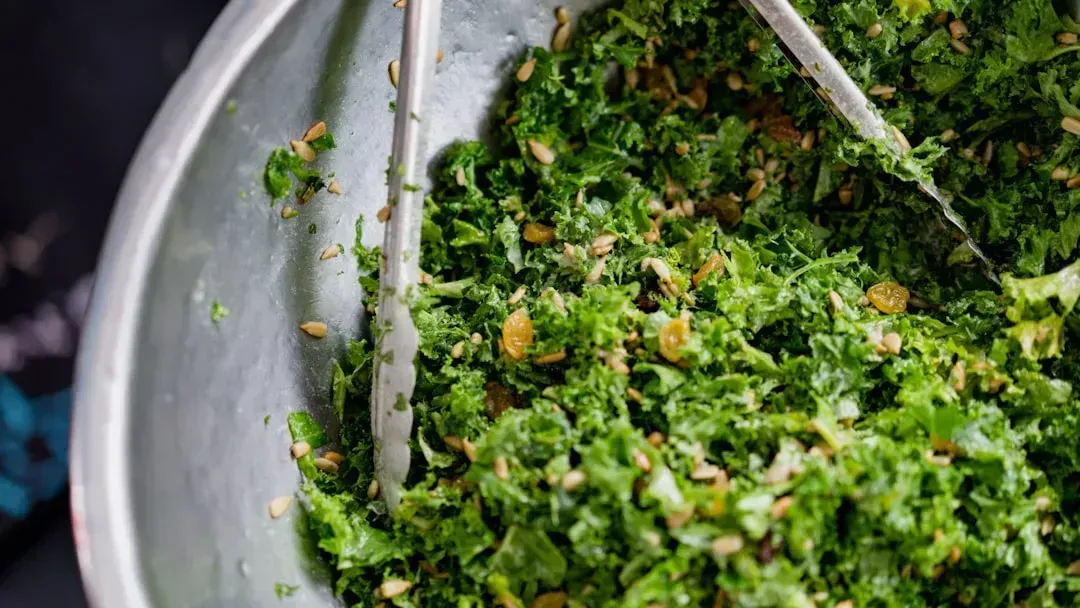
Kale had a truly remarkable run. For several years straight, it appeared on virtually every menu from fast-casual grain bowl spots to white-tablecloth restaurants. It was the leafy green equivalent of a viral moment. Then the moment passed, and nobody quite reset the menus.
For years, kale was the poster vegetable of the health-conscious restaurant movement. It showed up in salads, smoothies, sides, and grain bowls with relentless enthusiasm. Now it signals menu fatigue more than culinary creativity. Industry consulting firm Menu Matters' vice president Mike Kostyo specifically called out kale salads as an example of dishes that have become too ubiquitous, advising operators to "get away from the single ingredient or dish that's everywhere."
According to insight gathered by booking platform Resy, today's diners have "discerning palates" and look for "quality, transparency, and uniqueness" in their meals. A predictable kale salad dressed in lemon vinaigrette checks none of those boxes anymore. Consumers have started seeking different and unique dining experiences. The kale salad, stripped of its novelty, simply no longer delivers that surprise.
6. Eggs Benedict
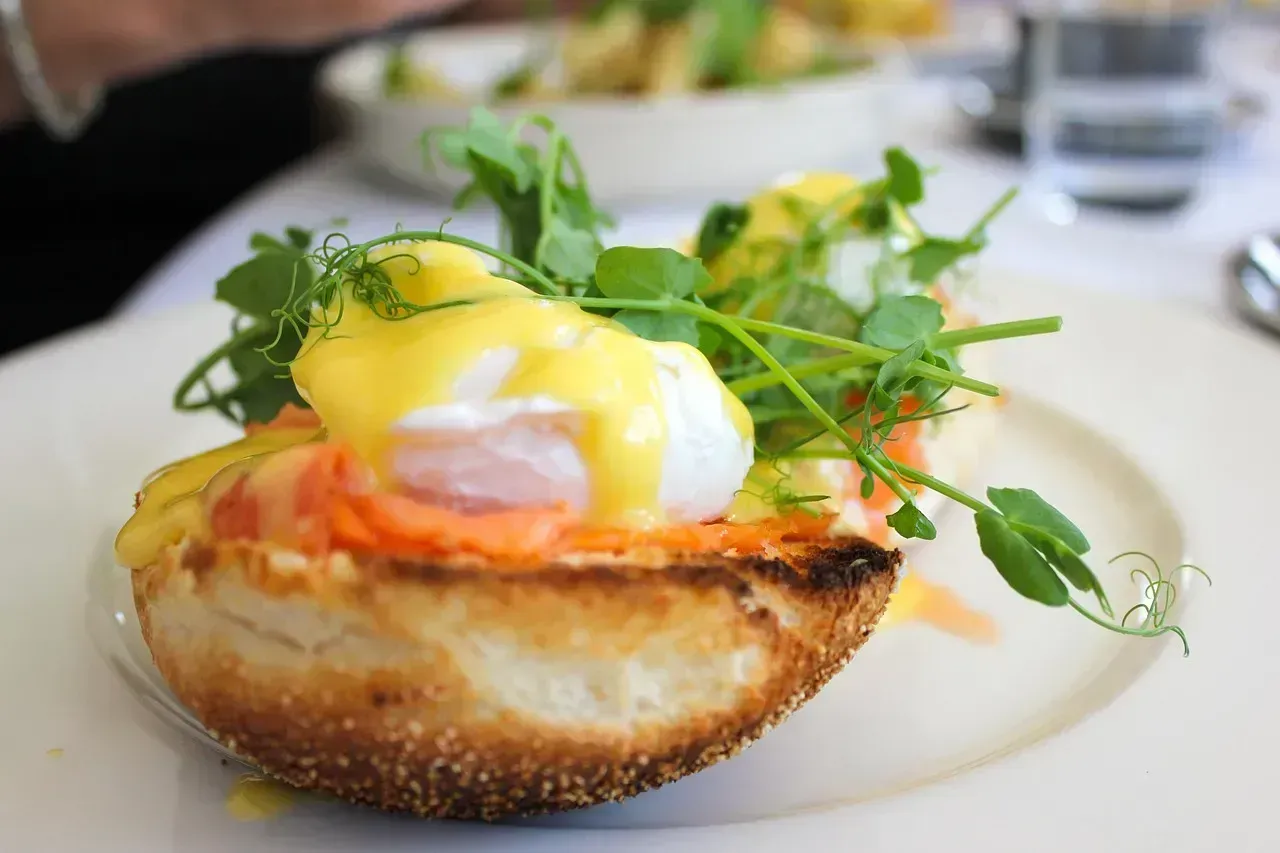
Eggs Benedict still sounds impressive enough on a brunch menu. The problem is that behind the glossy hollandaise and the fancy name sits a dish with very humble ingredients and some genuine food safety concerns you probably don't think about while you're reading the menu.
Making hollandaise sauce is pretty easy, but many busy diner and brunch kitchens prep it in advance to quickly slather on dishes as ordered. While the sauce waits for application, it is often kept on the line close to where finished food is presented. There's also the potential for bacterial growth like listeria and salmonella when egg products are not refrigerated. Even if eggs Benedict is calling your name, it's worth skipping at most places if you aren't within a few hours of opening.
Eggs Benedict is a common brunch dish that feels fancy, but when you break it down, it's just eggs, English muffins, ham, and sauce. These ingredients are very affordable at the store. On a menu, the price often starts at fifteen dollars or more. The preparation takes a little time, but the markup is far beyond reason. Restaurants charge more simply because it's a brunch favorite.
7. Restaurant Pasta with Marinara
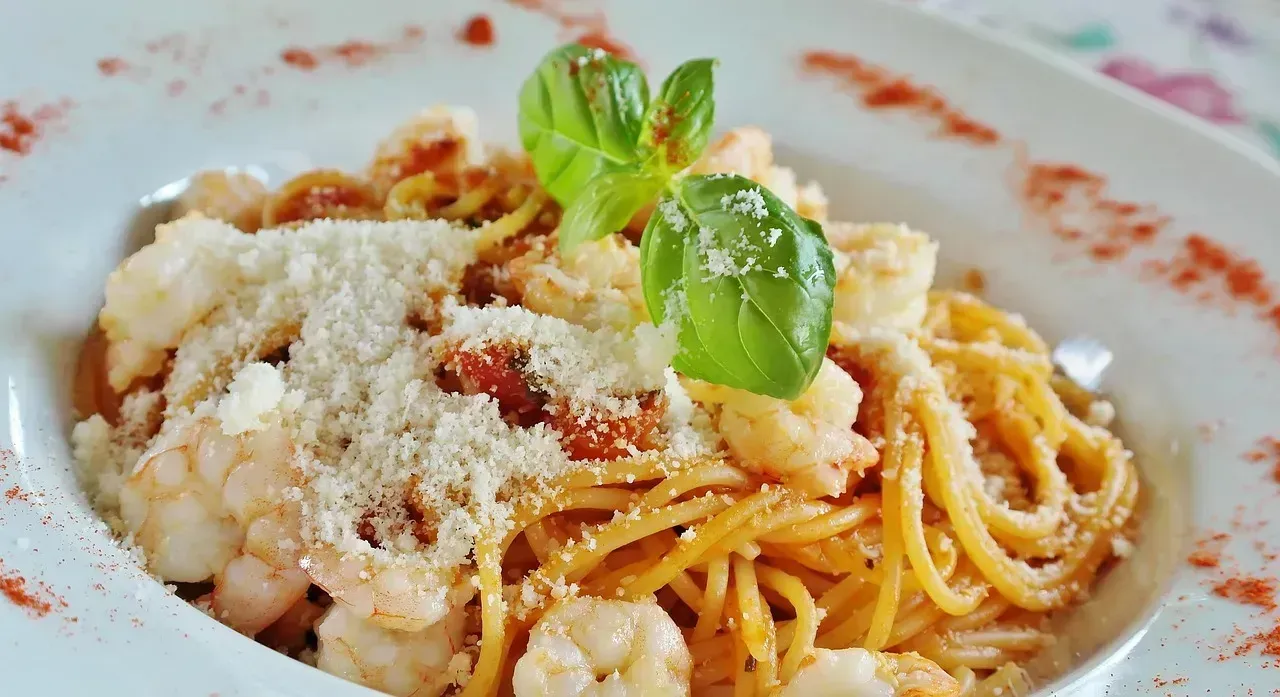
Pasta is one of the cheapest foods on earth to produce. Flour, water, maybe eggs. A jar of decent marinara. The entire dish could cost a restaurant somewhere between fifty cents and two dollars to plate. Yet somehow it routinely appears on menus for fifteen dollars or more, and the version you get rarely justifies that gap.
Pasta with marinara isn't the end of the world at a diner. However, bland and generic are pretty much guaranteed at most greasy spoons. From the boxed pasta to the pre-made sauce, don't expect the pasta marinara dish to provide you with anything special. The sauce is often watery and bland, and the pasta is likely overcooked.
Pasta dishes generally offer poor value, but marinara takes the crown for worst offender. Unless you're dining at an authentic Italian restaurant known specifically for their homemade sauce, it's worth skipping this overpriced basic dish. The only exception is a proper Italian place that's grinding its own flour and slow-cooking a genuine tomato sauce. Those spots exist. Most restaurants serving pasta marinara are not those spots.
8. The Multi-Course Tasting Menu
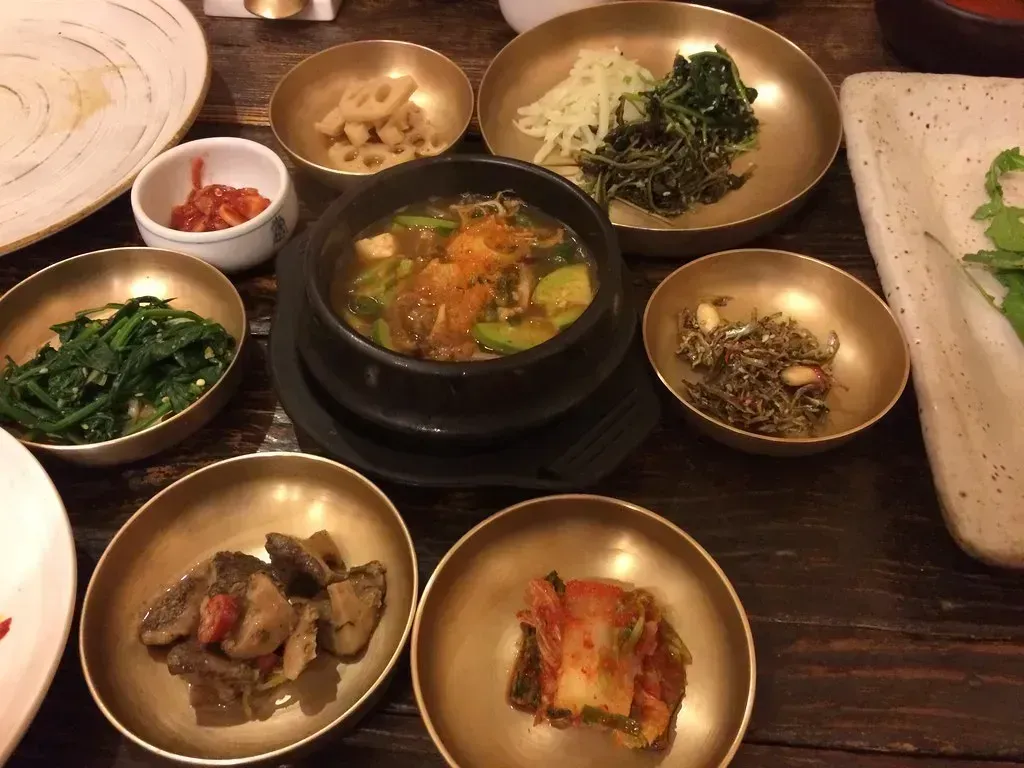
Once the pinnacle of serious dining, the long tasting menu is having an identity crisis. The format made sense when it felt exclusive, theatrical, and surprising. These days, with inflation reshaping how people relate to restaurant spending, a sixteen-course dinner demanding several hundred dollars per person is a very hard sell.
According to the U.S. Consumer Price Index, "food away from home" rose about six percent from January 2024 to September 2025, driven by rising labor, rent, and ingredient costs. That kind of inflation puts the lengthy, expensive tasting menu under particular pressure. Inflation has reshaped consumer dining habits broadly, with guests still wanting to eat out but in more rational, budget-conscious ways. A sixteen-course dinner costing several hundred dollars per person is a harder sell when grocery bills feel punishing.
On Eater's Best New Restaurant list this year, only two of the fifteen restaurants solely offer a tasting menu. Three out of twenty listed by Bon Appétit are tasting-menu restaurants. If a chef were trying to guarantee recognition in 2026, a tasting menu doesn't exactly seem like a slam dunk. The format isn't gone, but its unchallenged dominance over serious dining culture is clearly over.
9. The Steakhouse Side Dishes
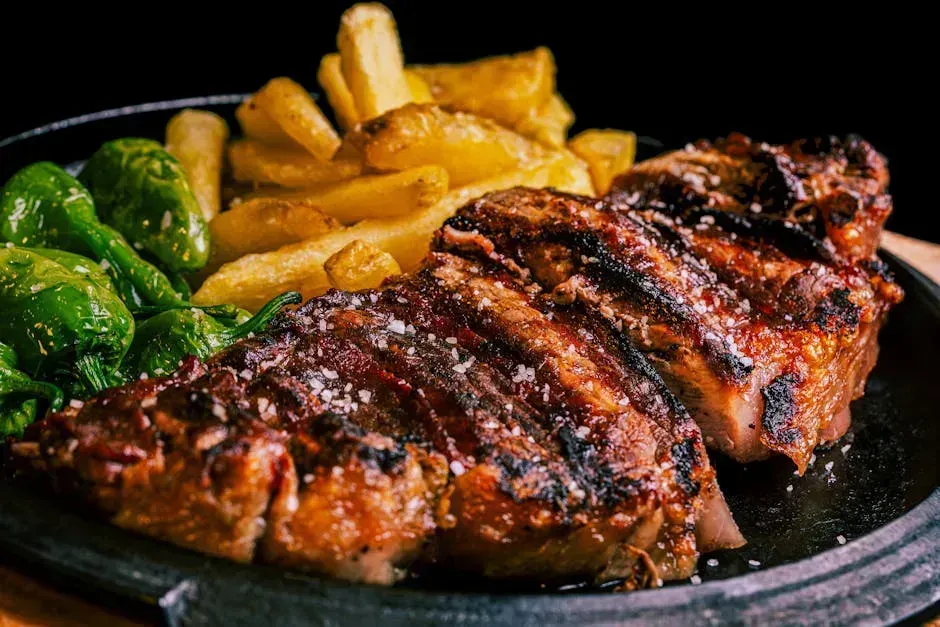
Going to a steakhouse and ordering a steak is perfectly reasonable. Where it starts to feel like highway robbery is when you realize that the sides cost almost as much as the main event, and almost all of them are extraordinarily cheap to prepare. Mashed potatoes. Creamed spinach. A few roasted vegetables.
Sides at steakhouses are notoriously overpriced. Although mashed potatoes, creamed spinach, and vegetables are very cheap to prepare, they can cost ten to fifteen dollars each on the menu. The steak is already pricey, but the sides push the total much higher. Diners feel pressured to order them to complete the meal. It's a clever way to increase the bill without adding much cost for the restaurant.
More and more diners are catching on to this math. Consumers are demanding value in return for the hard-earned money they spend at restaurants. According to Technomic's 2025 annual outlook, nearly three quarters of consumers wish more restaurants would offer value meals. Ordering four overpriced side dishes on top of a sixty-dollar steak doesn't exactly feel like value. Diners are increasingly leaving these off the order.
10. Restaurant Omelets
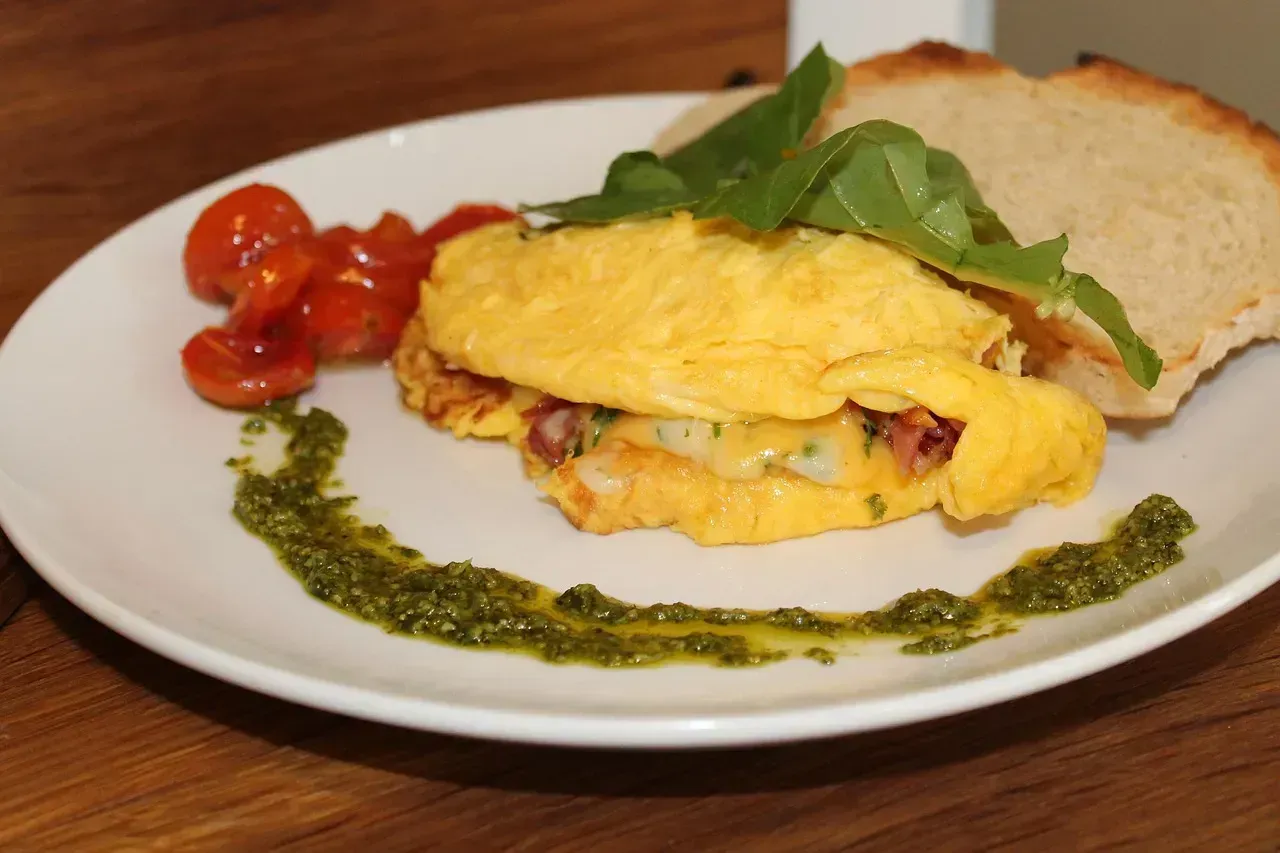
The omelet is one of those dishes that exists at every diner and brunch spot in the country, priced like a thoughtful culinary achievement, assembled like a routine task. A few eggs, some diced vegetables, maybe a handful of pre-shredded cheese. It takes about three minutes to cook, and the ingredients cost next to nothing.
In an omelet you'll buy at a breakfast joint, the ingredients are diced vegetables and meats, meaning each addition to the plate costs just cents for the restaurant to source. Markups for omelets can be as high as nearly six times the ingredient cost, making that breakfast out at a restaurant a painfully pricey choice. That's a stunning number for something that home cooks nail every single morning without thinking twice.
In 2024, the vast majority of quick-service restaurants raised prices to keep up with rising costs. For a dish as elementary as an omelet, those cumulative increases have pushed the price-to-value equation past the point many diners are willing to accept. It's one of those items where you look at the bill and feel, very specifically, like you could have stayed home.
11. Restaurant Wine by the Glass
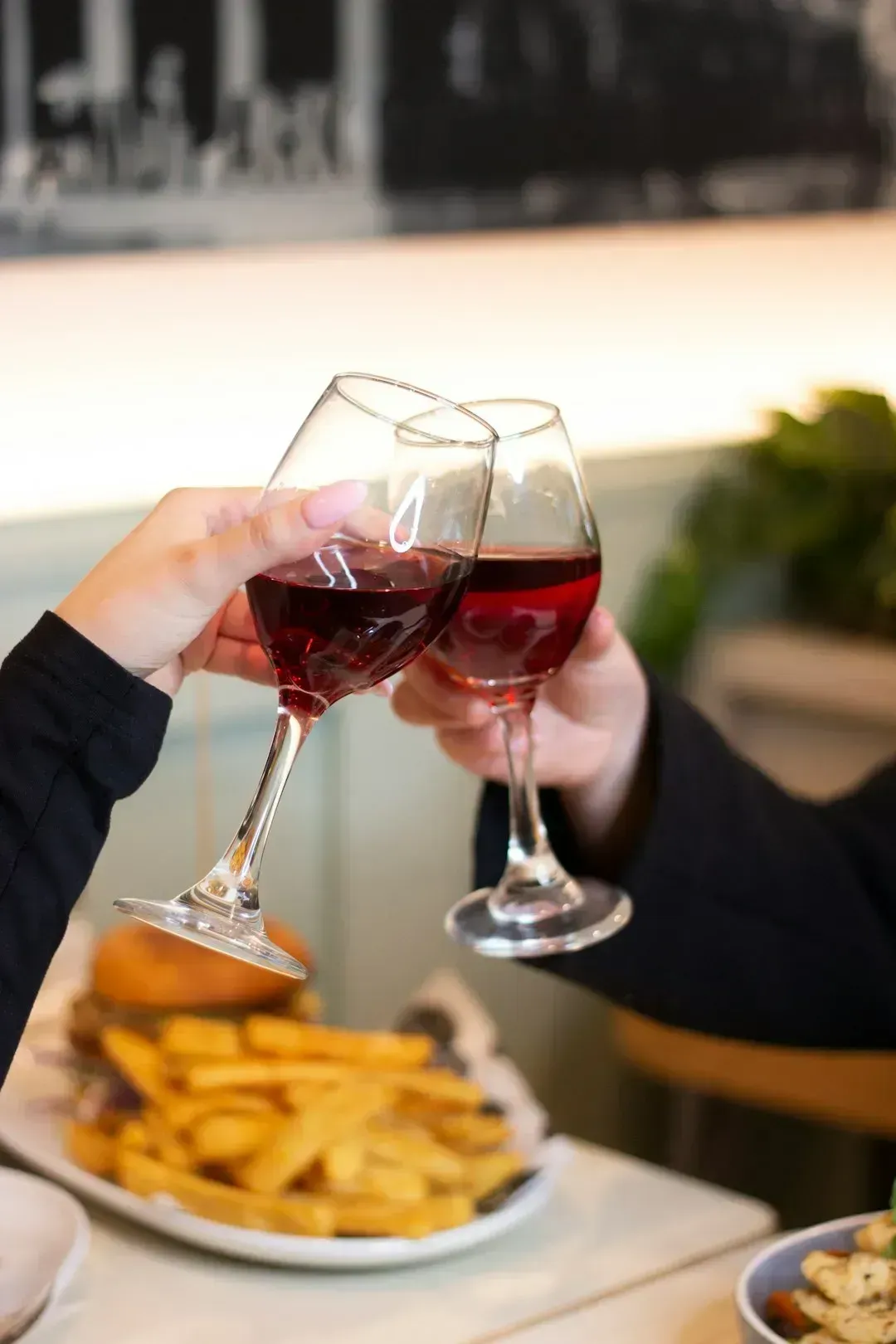
Wine by the glass is one of the oldest tricks in the restaurant margin playbook. You pay what feels like a fair single-glass price, never quite doing the mental math on how many glasses are in that bottle and what the bottle cost the restaurant wholesale. When you actually run those numbers, it stings.
Wine markups are extreme, routinely going for triple the wholesale price, and sometimes even more. Bottles are costly, but wine by the glass is even more capital-extracting. Drinks are frequently some of the best sellers for restaurants in terms of profit, and wine stands at the front of the pack. Alcoholic beverages, particularly wine, can see markups of three hundred percent or more.
A bottle priced at fifteen dollars at a wine shop might cost the restaurant ten dollars wholesale, but they'll charge twenty-five to thirty. Paying eight dollars a glass means you're paying more than twice as much as you would at a BYOB restaurant. Oddly, the biggest markups are often on the cheapest bottles on the menu. Savvy diners have started asking for the bottle list instead, doing the math themselves, and sometimes walking away with genuinely better wine for a similar overall spend.

Leave a Reply