
Food tourism is bigger than ever. In 2024, the global food tourism market was valued at roughly 1.8 billion US dollars, and by 2033 that figure is expected to reach almost 8 billion dollars, growing at an average annual rate of roughly eighteen percent. With that kind of explosive growth, millions of travelers are now booking flights specifically to eat. The problem? Not every iconic dish actually delivers on the promise.
Tourists crave the real deal, yet their expectations often reshape what gets served. Traditional dishes are frequently simplified, sweetened, or made less spicy to suit visitors' palates. That gap between legend and reality is exactly what this list is about. Buckle up, because some of the world's most celebrated foods are quietly breaking hearts one forkful at a time. Let's dive in.
1. Tourist-Zone Paella, Spain
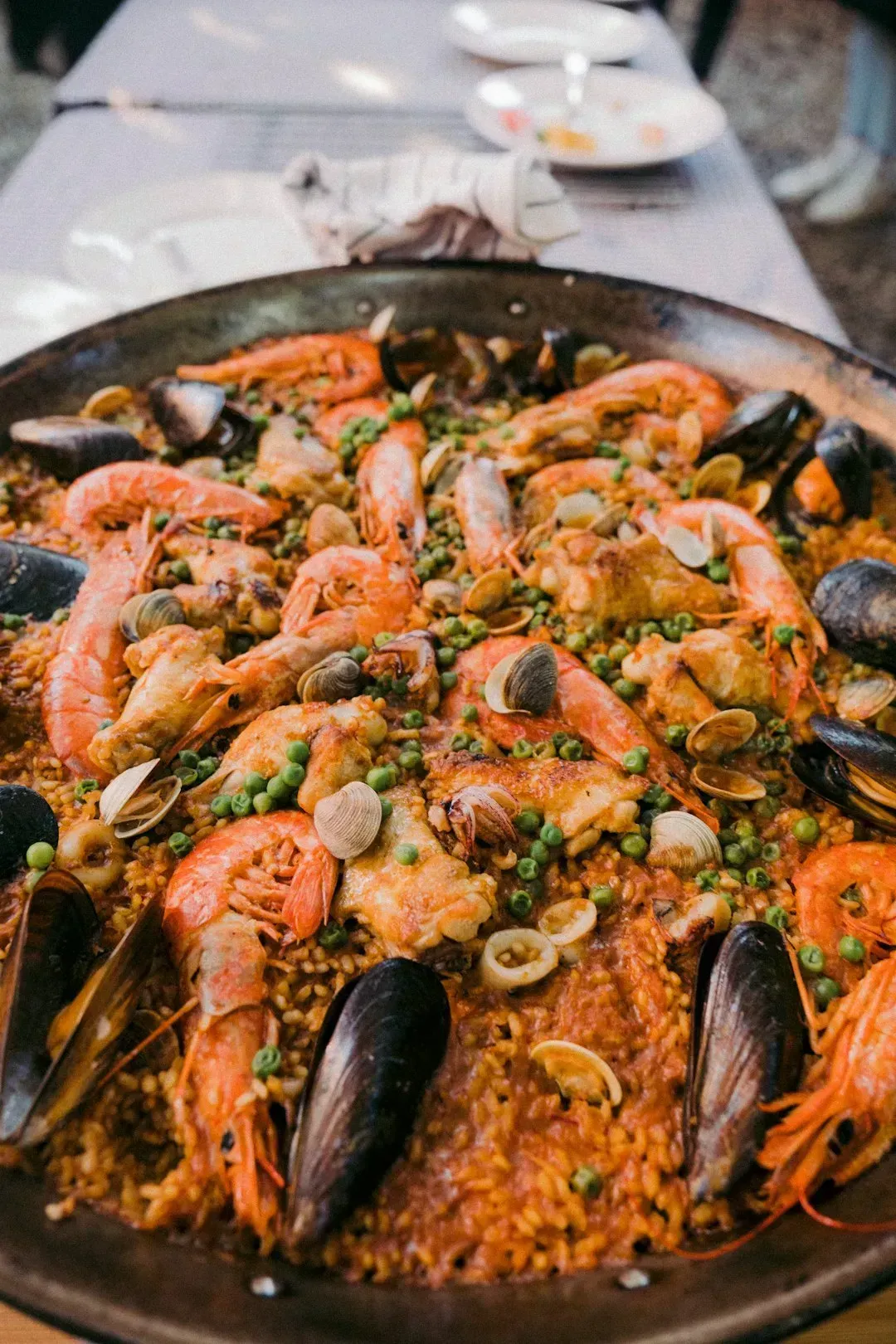
There are few dishes on earth more photographed, more praised, and more consistently butchered in tourist restaurants than Spanish paella. Paella is a sacred Valencian dish, not a reheated yellow rice platter served across the country. The version you'll encounter near the seafront in Barcelona or plastered on laminated menus with glossy photos is almost always a pale, starchy shadow of the genuine article.
Many Spaniards cringe at the overhyped status of tourist-style paella, and these simply aren't the dishes you'll find on local tables. They're tourist bait. The real Valencian paella, made slowly over a wood fire with just a handful of local ingredients, is a completely different experience. Sadly, most visitors never get close to it. Restaurants with multilingual menus and pictures of paella out front are catering to crowds, not crafting real flavors.
2. French Macarons, Paris
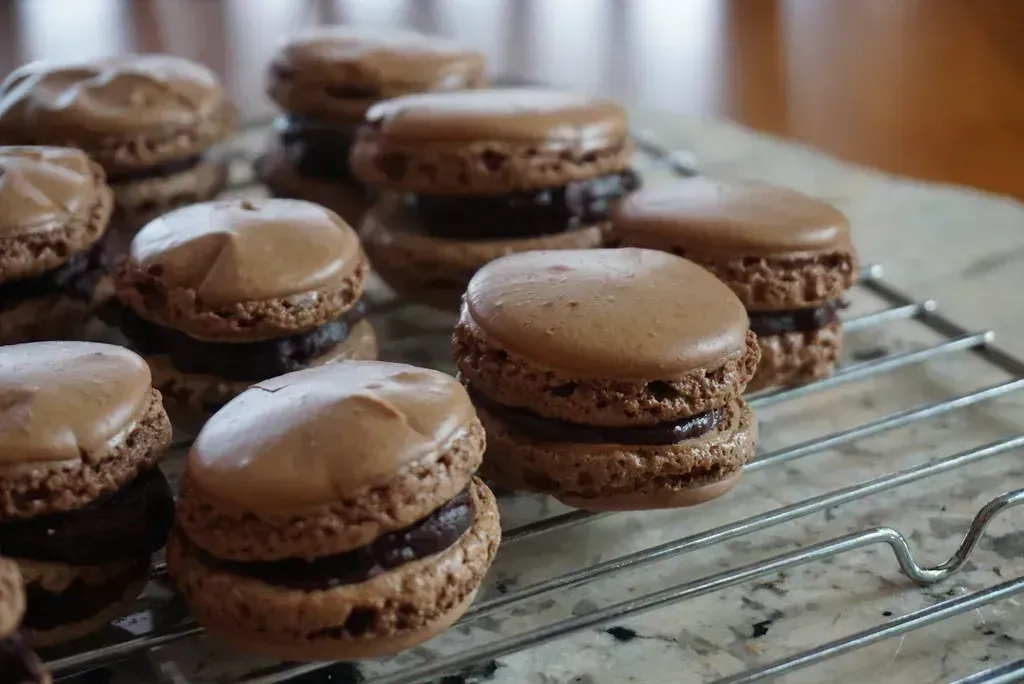
Paris has one of the most romanticized food reputations on the planet. So when travelers finally bite into a pastel-colored macaron from one of the city's famous patisseries, the experience can feel strangely anticlimactic. The texture is often more chewy than the crisp-then-soft ideal, the fillings can be cloyingly sweet, and for the price, many visitors feel quietly ripped off.
As food tourism continues to grow, authentic experiences become harder to find. The macaron is a perfect case study. What started as an elegant French confection has become a souvenir item, mass-produced for tourist queues. Honestly, the gap between the Instagram version and the one in your hand is one of the most reliable disappointments in all of European travel. Inaccurate or stereotypical portrayals of local cuisines can lead to cultural misunderstandings and disappointment, and macarons have become almost entirely a marketing artifact.
3. Haggis, Scotland
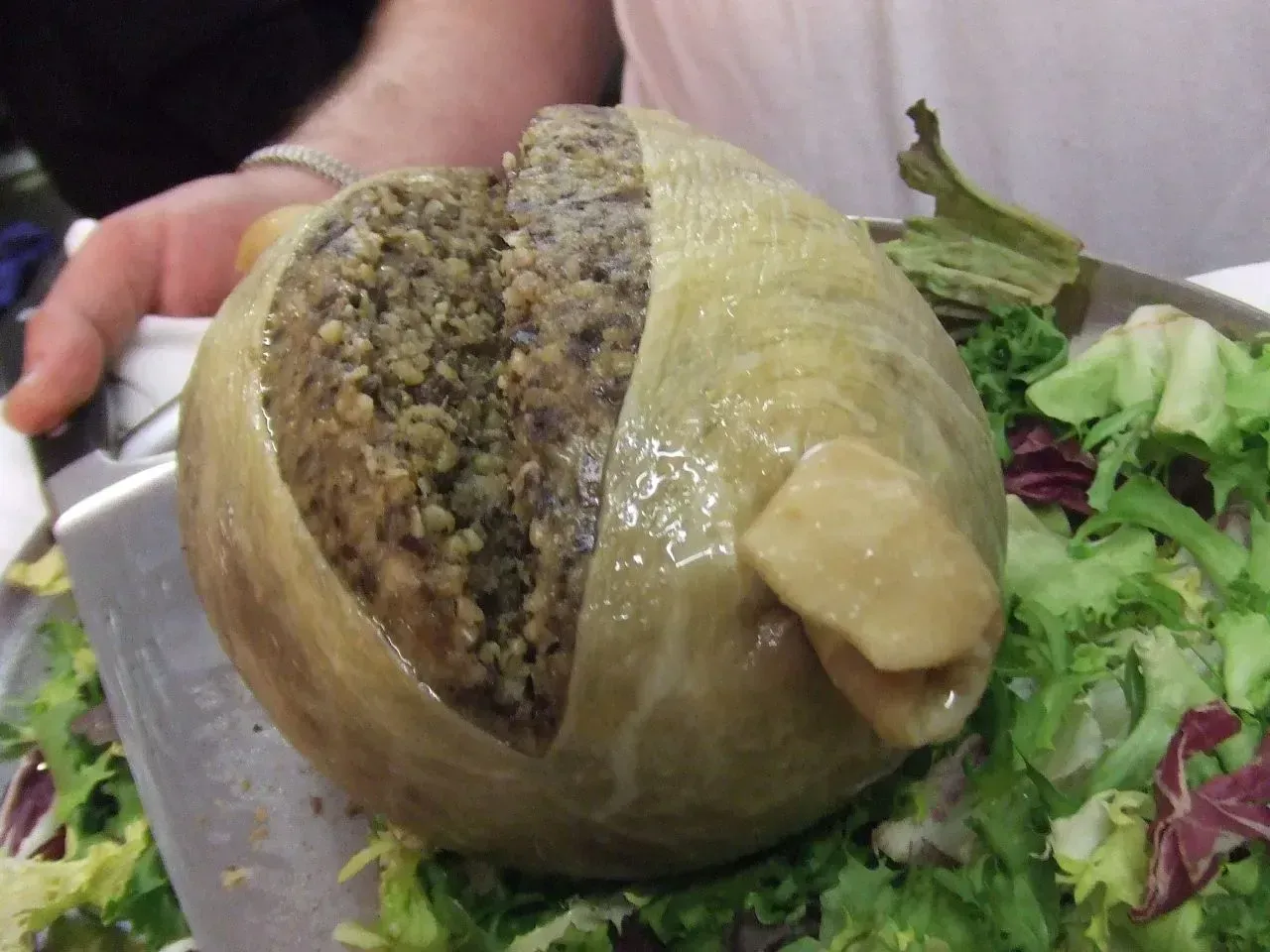
Scottish food is often stigmatised around the world, with the usual stereotypes of haggis, deep-fried Mars Bars, and sweetened Iron Bru trotted out as the culinary delights of the nation. Haggis, the traditional dish of sheep's offal mixed with oatmeal, onion, and spices, cooked inside a sheep's stomach, carries enormous cultural weight in Scotland. The poetry of Robert Burns immortalized it. Tour operators sell it relentlessly. Yet a surprising number of visitors find the reality earthy and heavy in a way that doesn't quite match the poetic fanfare.
Here's the thing: haggis is genuinely interesting, especially when prepared by someone who truly knows the dish. The problem is that too many travelers encounter it as a bland pub offering or a novelty side dish, stripped of the care it deserves. The reality is so different from the stereotype. Scotland is actually blossoming as a culinary destination with far more to offer than its famous offal dish. Most visitors leave without discovering any of it.
4. Poutine, Canada
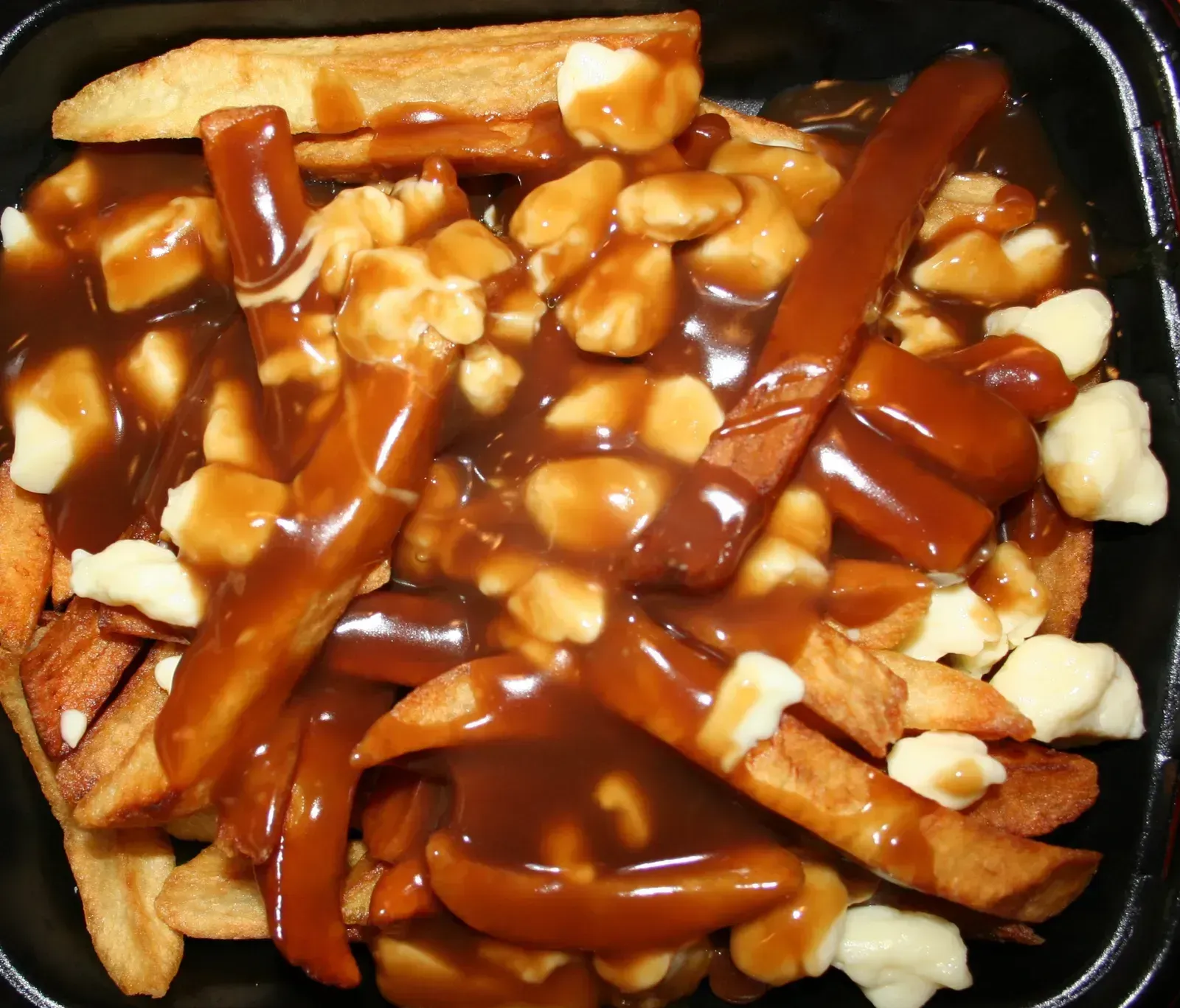
Poutine enjoys one of the most fiercely loyal national followings of any dish on earth. In Québec, poutine is a cultural symbol. The comfort food mix of crispy fries, squeaky cheese curds, and rich brown gravy was first served in 1950s-era rural snack bars before becoming a national symbol. However, travelers who arrive in Canada with sky-high expectations sometimes find the dish surprisingly one-dimensional. It's fries with gravy. Really good fries with really good gravy, yes, but still just that.
The concept sounds wildly exciting in a food magazine. The reality, especially in airport versions or tourist-heavy spots, can feel heavy and underwhelming at the same time. A dish built on three simple ingredients leaves nowhere to hide when any one of them is mediocre. Many a traveler has eaten it once, acknowledged the cultural importance, and quietly moved on to something with more dimensions.
5. Pad Thai, Thailand
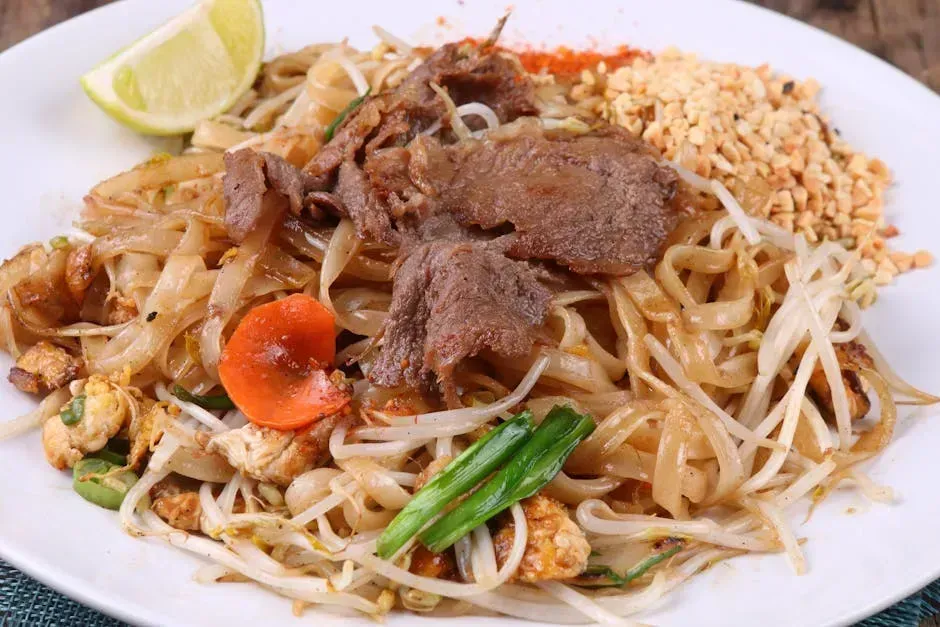
Pad Thai has arguably become the most famous dish in all of Southeast Asian cuisine. It's the food foreigners order first and order often. The trouble is that what most tourists encounter at busy Bangkok restaurants and cooking classes is a mild, slightly sweet, almost universally dumbed-down version of what Thai food can actually be. Traditional dishes are often simplified, sweetened, or made less spicy to suit visitors' palates, and Pad Thai is exhibit number one.
The dish itself isn't bad, obviously. It's popular for a reason. The issue is the enormous gulf between "Pad Thai as marketed to tourists" and the full, stunning complexity of actual Thai street food. Thailand has thousands of dishes that are more vibrant, more aromatic, and more memorable. Travelers who eat only Pad Thai are essentially arriving in Paris and only eating a croissant. Think of it that way, and the disappointment starts to make sense.
6. Gelato in Tourist Areas, Italy
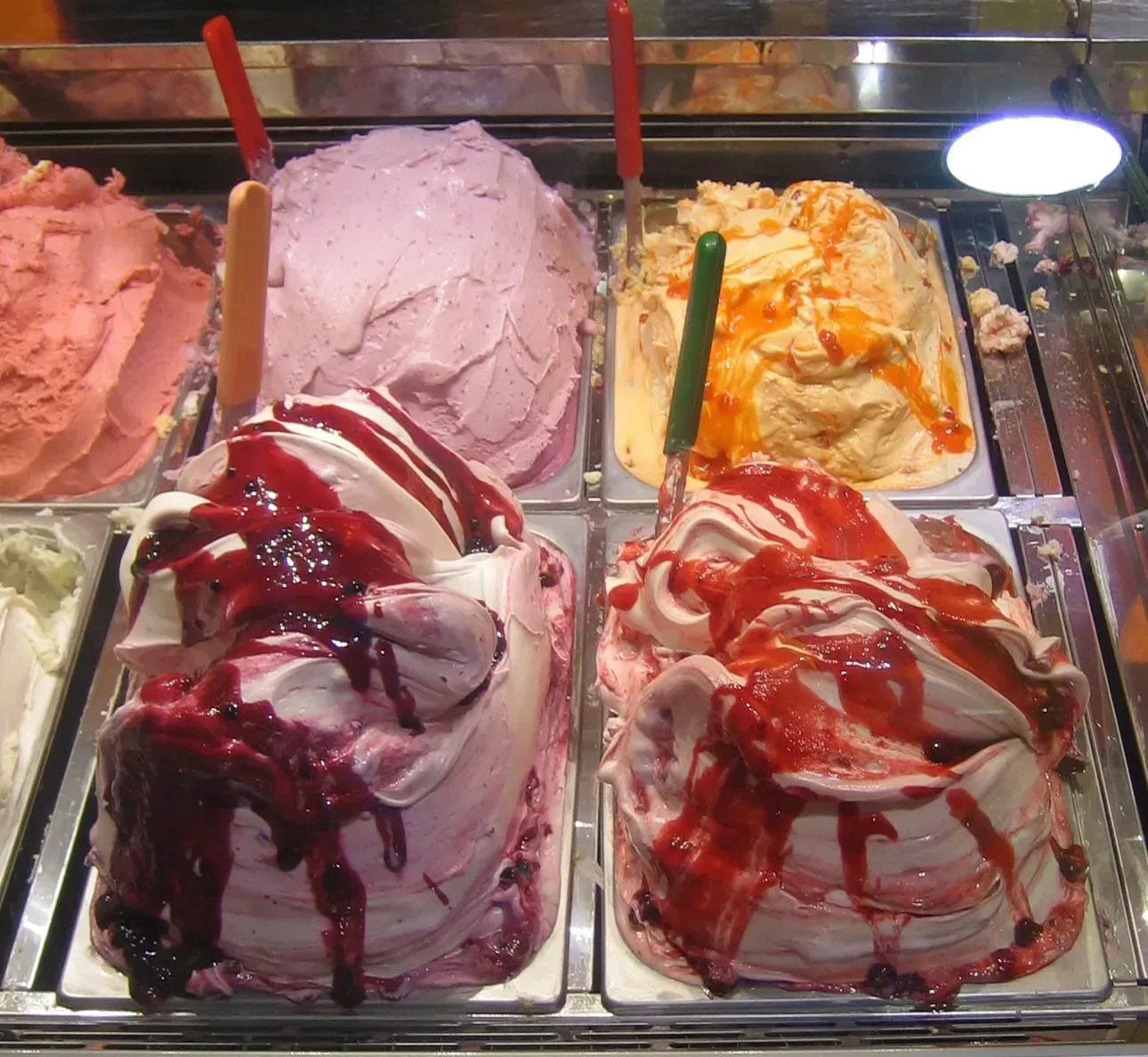
Italy's gelato has a global reputation that borders on mythological. And here's the thing: excellent gelato really does exist in Italy. The problem is that most travelers, following maps and crowds, end up at tourist-zone gelaterias charging premium prices for a product that is, frankly, little better than supermarket ice cream. The giveaway is the towering, brightly colored mounds piled high in the display case. Real artisan gelato is stored in covered metal pots, not sculpted into improbable mountains.
Many seasoned travelers report being more consistently disappointed with tourist-zone food in Italy than in many other countries, often getting better versions of Italian classics right back home. Gelato shops near the Trevi Fountain or the Colosseum are frequently the worst offenders. The rule is simple: the more tourists, the worse the gelato. Seek out a proper gelateria a few streets away and the experience transforms completely. Most people never make that walk.
7. Wiener Schnitzel at Mass-Market Restaurants, Austria
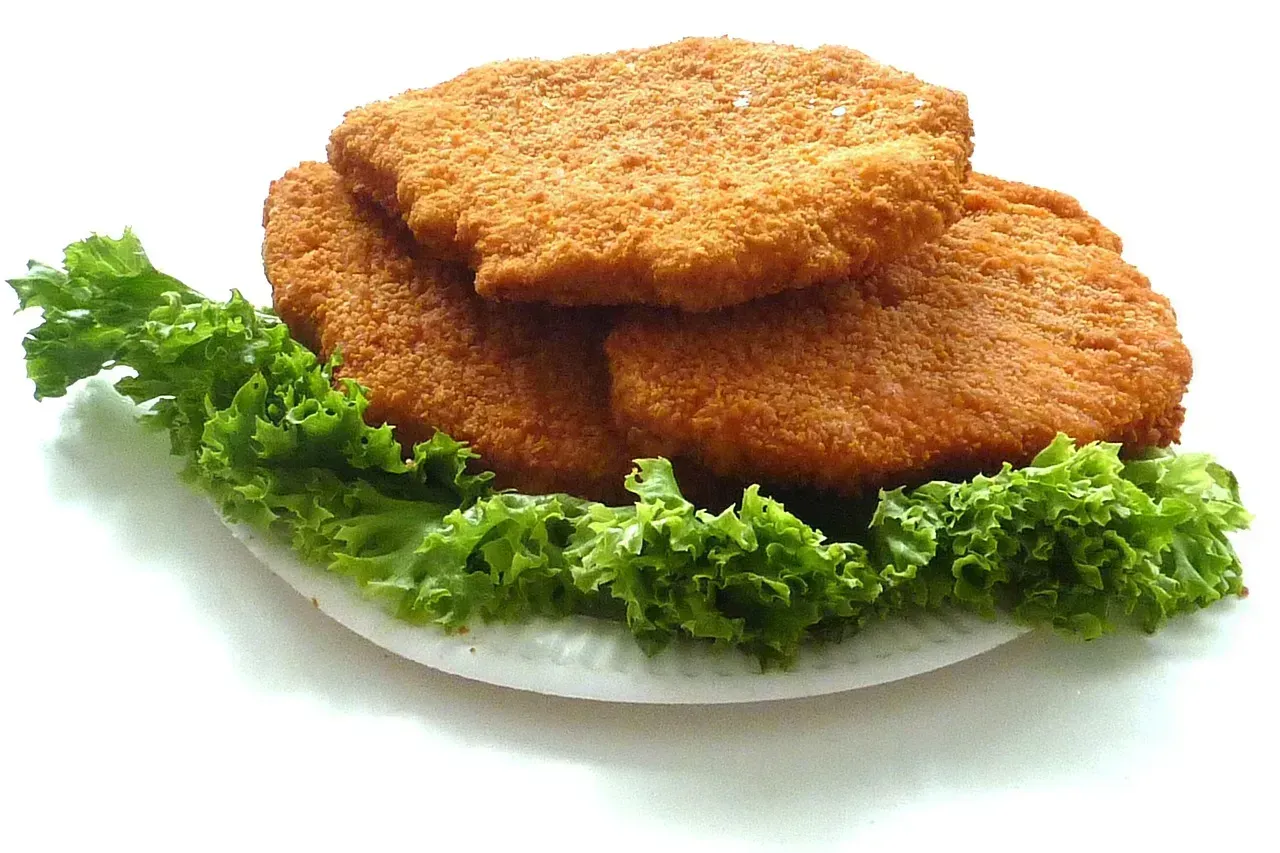
Vienna's most famous dish, the Wiener Schnitzel, is genuinely wonderful when done right. A thin, perfectly breaded veal cutlet, fried to golden perfection with a squeeze of lemon. At its best, it is a revelation. This thin and crispy breaded veal cutlet can sometimes be so big it goes over the edges of the plate, and in the hands of a skilled cook, it's hard to beat. The problem is the version tourists most commonly encounter in high-footfall Vienna restaurants, which is often made with pork instead of veal, dripping with oil, and paired with a tired side salad.
For a dish this simple, there is almost no margin for error. When the breading is soggy, when the oil is old, or when the cutlet is thick instead of paper-thin, the whole thing collapses. Travelers who try it at a tourist-facing restaurant near the Hofburg Palace often walk away confused about what all the fuss is supposed to be about. The dish deserves its reputation. The restaurants often do not.
8. Durian, Southeast Asia
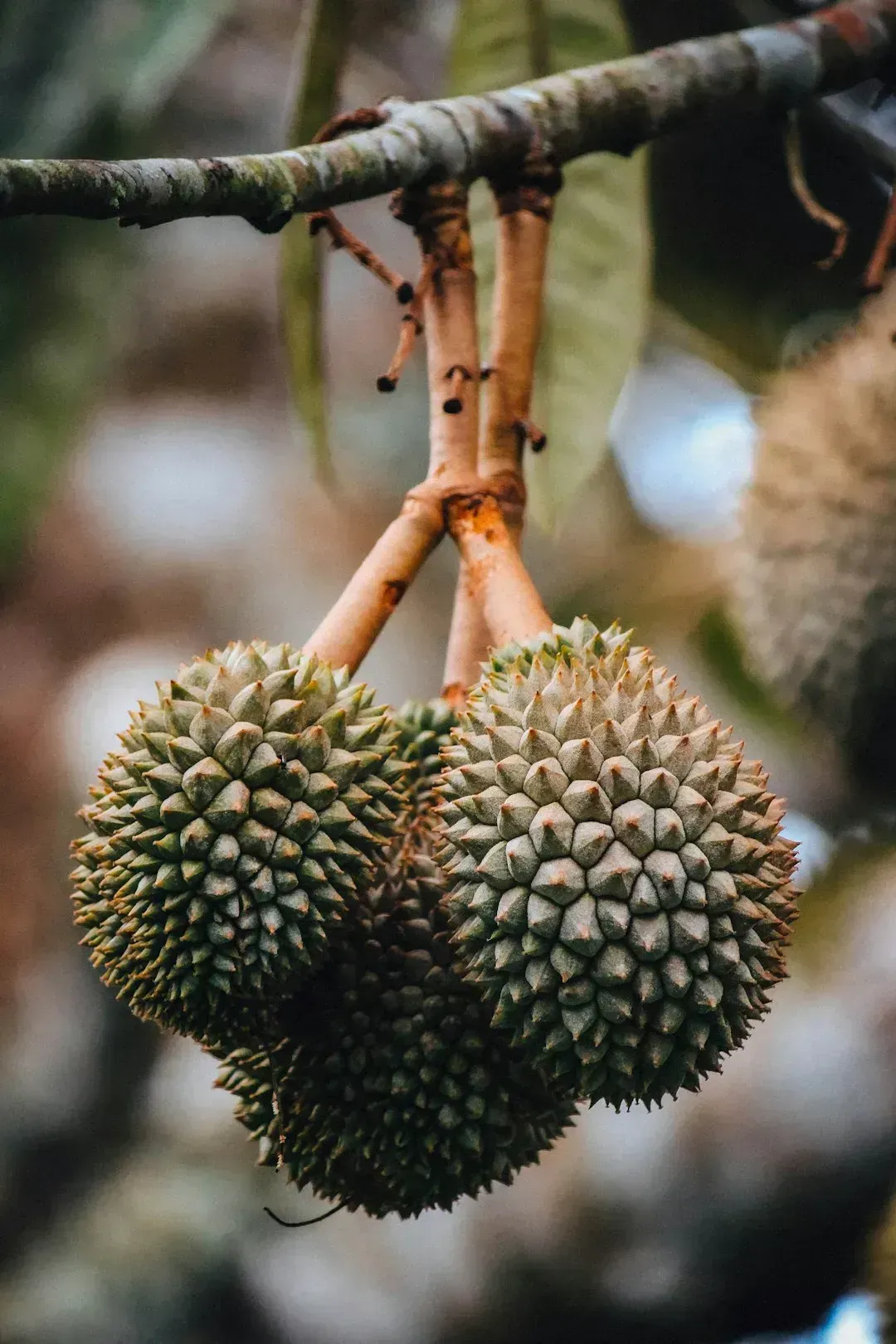
Durian, also known as the world's smelliest fruit, smells so bad it's banned on public buses and planes across Asia. Yet it's also considered a delicacy in many countries and is a super popular local snack. Adventurous travelers hear about durian constantly. Food travel blogs romanticize it as a rite of passage, a thing you simply must try. The problem is that the fruit's smell, which has been compared to garbage, socks, and raw sewage, is not merely an exaggeration. It is a fully accurate description.
Beyond the smell, the flavor itself is deeply polarizing, described alternately as custard-like and wonderful, or simply inedible. The majority of Western tourists who try it in markets in Thailand, Malaysia, or Singapore walk away with a story but no desire to repeat the experience. That's fine. There's real value in trying it once. What isn't fine is booking a dedicated durian tour based purely on social media hype, only to discover your palate is firmly in the "no, thank you" camp.
9. Fish and Chips at Seaside Tourist Spots, England
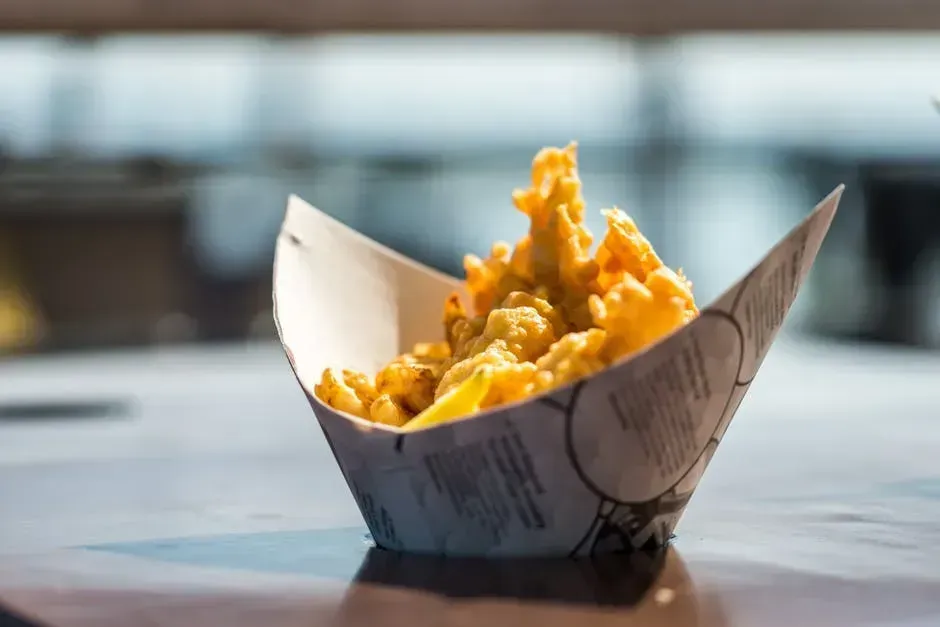
Fish and chips is Britain's most iconic takeaway meal. It occupies a central place in the national identity, and at its best, with fresh cod or haddock in light, crispy batter and thick, fluffy chips, it genuinely earns its status. The issue is that the tourist version, served in polystyrene containers near coastal landmarks or in central London, is frequently greasy, overpriced, and made with frozen fish. The contrast between expectation and reality is stark.
According to surveys by Hilton, American Express, and Visa, travelers are prioritizing local experiences, with the vast majority most excited about trying local foods and cuisines. Fish and chips is one of the most-sought-after local experiences in Britain, which is precisely why so many tourists end up in the wrong chip shop. A good rule of thumb: if the restaurant has a union jack in the window and a neon sign, keep walking. A great chippie rarely needs to advertise its Britishness.
10. Croissants Near Major Landmarks, France
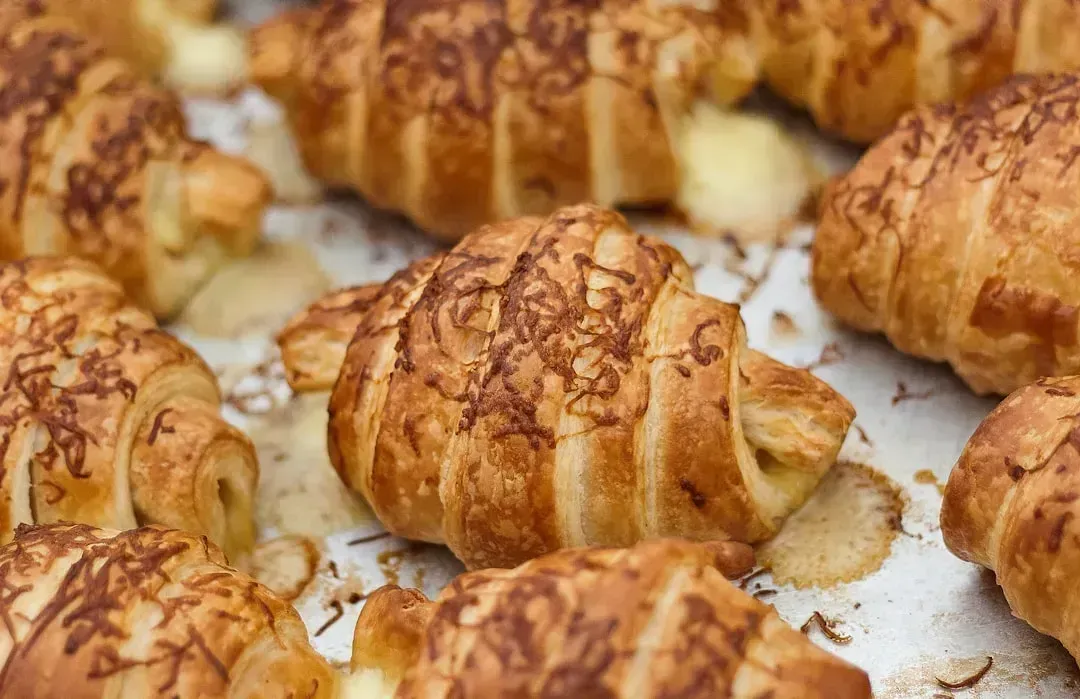
The croissant is one of the most seductive things in the history of baked goods. Layers of butter, a shattering crust, and a pillowy center. The legend travels well. The actual croissant purchased from a tourist-area boulangerie near the Eiffel Tower or the Louvre often does not. Travelers accustomed to the idea of a croissant being something transcendent frequently walk away eating something chewy, oily, and strangely dense.
The best croissants in Paris are still astonishing. A genuinely laminated, all-butter croissant from a respected boulangerie remains one of the great simple pleasures of travel. But as food tourism continues to grow, authentic experiences become harder to find, and the majority of croissants sold within a half-kilometer radius of major Paris monuments are produced on an industrial scale. Millions of visitors leave France thinking the croissant is slightly overrated. It isn't. They just never found a real one.
11. Molecular Gastronomy Tasting Menus
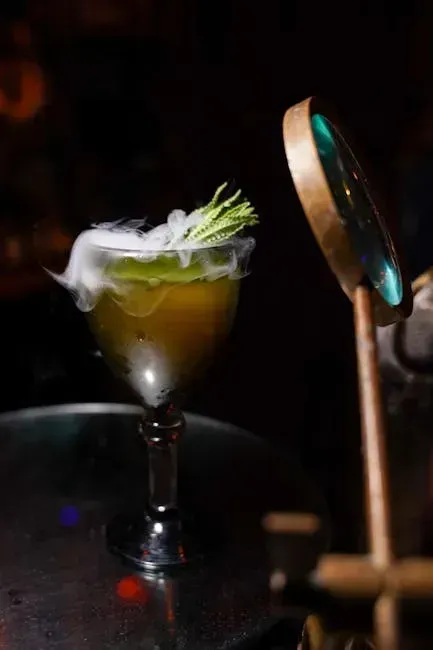
Overly complicated molecular gastronomy dishes are increasingly seen as an overrated food trend. Many diners find that these visually stunning but scientifically complex creations lack the straightforward enjoyment of traditional cuisine. For adventurous travelers who save up for a famous tasting menu experience, the gap between expectation and reality can be genuinely expensive. A twelve-course meal of foams, gels, and deconstructed classics sounds extraordinary until you finish the last course and quietly wonder if you are still hungry.
While innovative, the concept can sometimes feel pretentious. The charm lies in the surprise elements and artistic presentation. However, some diners miss the comfort of a traditional dish. There is a reason why many food travelers who have ticked off the molecular gastronomy experience once rarely rush back. The price is extraordinary, the portions are architectural, and the satisfaction of a bowl of honest ramen or a plate of hand-rolled pasta often beats all of it. Experience it once. Then make peace with your nonna's lasagna.
12. Charcuterie Boards at Upscale Tourist Restaurants
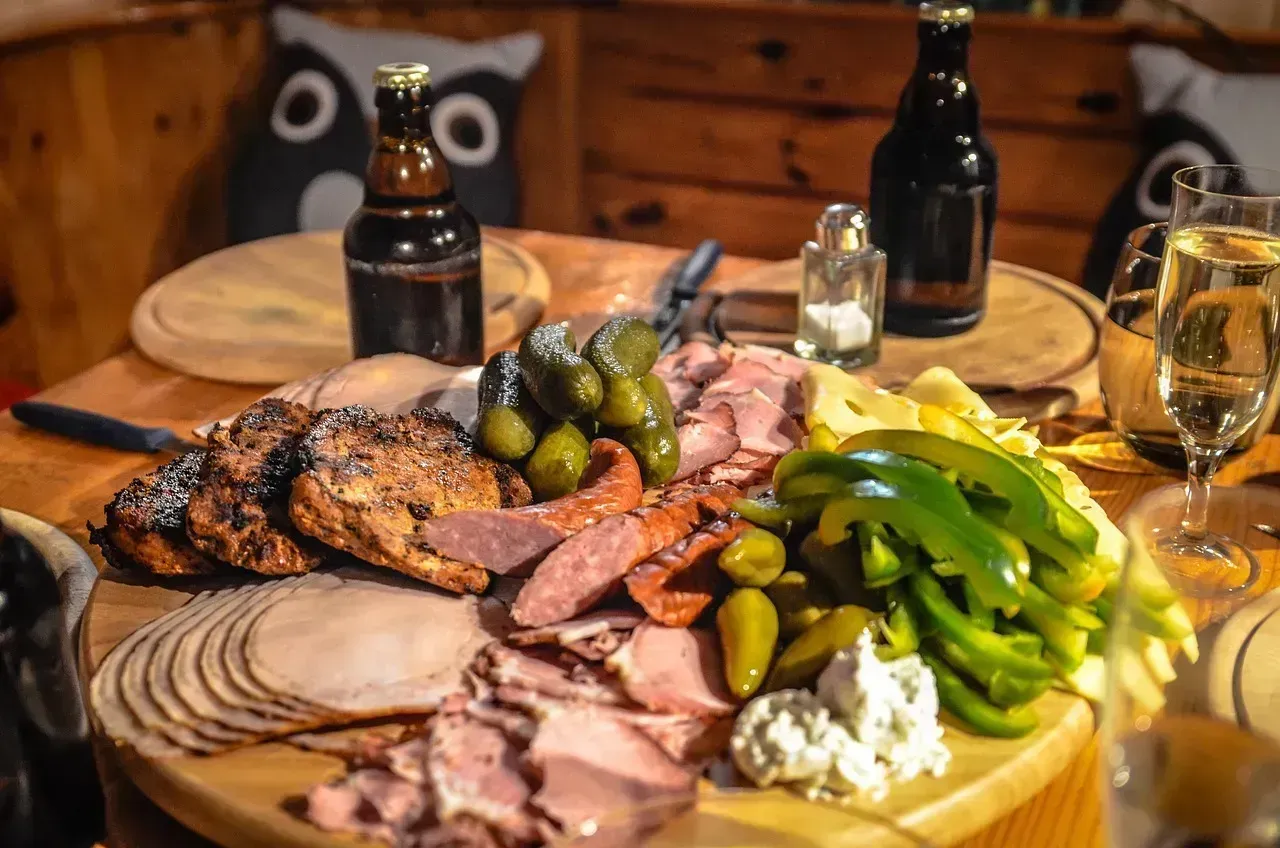
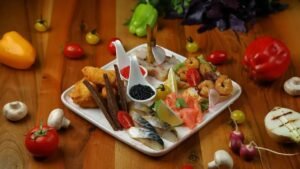
The charcuterie board became the defining food trend of the early 2020s, and by 2024, it had reached a kind of self-parody. Boards became increasingly elaborate, with the average board containing a growing number of different items, leading to overwhelming variety and decision fatigue for diners. Travelers ordering these at high-end tourist restaurants in cities like New York, Amsterdam, or London frequently pay extraordinary amounts for arrangements that look better on a phone screen than they taste on the palate.
The charcuterie glow has arguably gone too far. Although some varieties are genuinely fantastic, many register as overly salty or oily. The campy, colorful presentation tends to generate more hype than the product inside. Here's the honest truth: a charcuterie board is a collection of things placed next to each other. It is not a dish in any culinary sense. Paying forty euros for one in a tourist-facing restaurant is not a food experience. It is a performance. And most travelers, somewhere around their third piece of dried meat, quietly know it.



Leave a Reply