
Walk into any kitchen store and you'll be bombarded by an overwhelming array of knife sets, each promising to be the answer to all your culinary problems. Honestly, most of those fancy block sets are filled with blades you'll rarely, if ever, touch. After spending time researching what professional chefs actually use and recommend, I found something surprising. The truth is simpler than the marketing wants you to believe.
Most cooks only need three knives to handle almost all food prep tasks. Let me be clear here, we're talking about the knives that will truly earn their place on your counter, not gather dust in a drawer. The culinary world has been quietly agreeing on this for years. Whether you're just learning to cook or you've been at it for decades, this trio forms the foundation of efficient kitchen work.
The Chef's Knife: Your Kitchen Workhorse
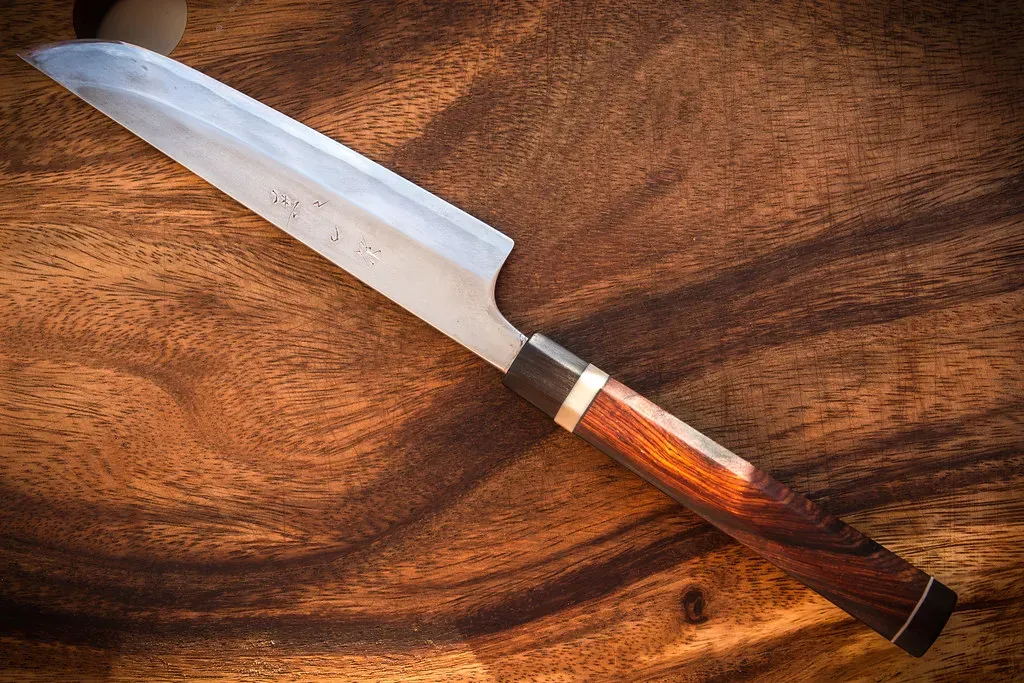
A good chef's knife is the most essential, versatile, and indispensable knife you can own. If I had to pick just one blade for the rest of my life, this would be it without hesitation. The chef's knife is widely considered the workhorse of the kitchen, with a broad blade that tapers to a pointed tip, making it probably the most versatile of the essential kitchen knives. Think of all those cooking shows you've watched. Notice how chefs reach for that same knife over and over?
The blade usually ranges from eight to ten inches, though six or twelve-inch chef's knives are not uncommon, especially if your hand size is more comfortable with smaller, lighter blades or larger, weightier blades. The beauty of this design lies in its curved belly. Western-style chef's knives tend to have a rounded tip and a slight curvature in the belly of the blade, which facilitates a rocking motion when slicing and chopping. This means you can work faster, with less fatigue.
From dicing onions to breaking down a whole chicken, slicing through butternut squash to mincing fresh herbs, the chef's knife handles it all. A chef's knife is used for chopping, mincing, dicing, slicing vegetables and herbs, cutting and disjointing large cuts of meat, chopping nuts, and smashing whole cloves of garlic. The wide blade even doubles as a scoop for transferring your perfectly diced vegetables from cutting board to pan. Some home cooks get intimidated by the size, thinking a smaller knife means more control, yet the opposite is often true once you adjust to proper technique.
The Paring Knife: Small But Mighty
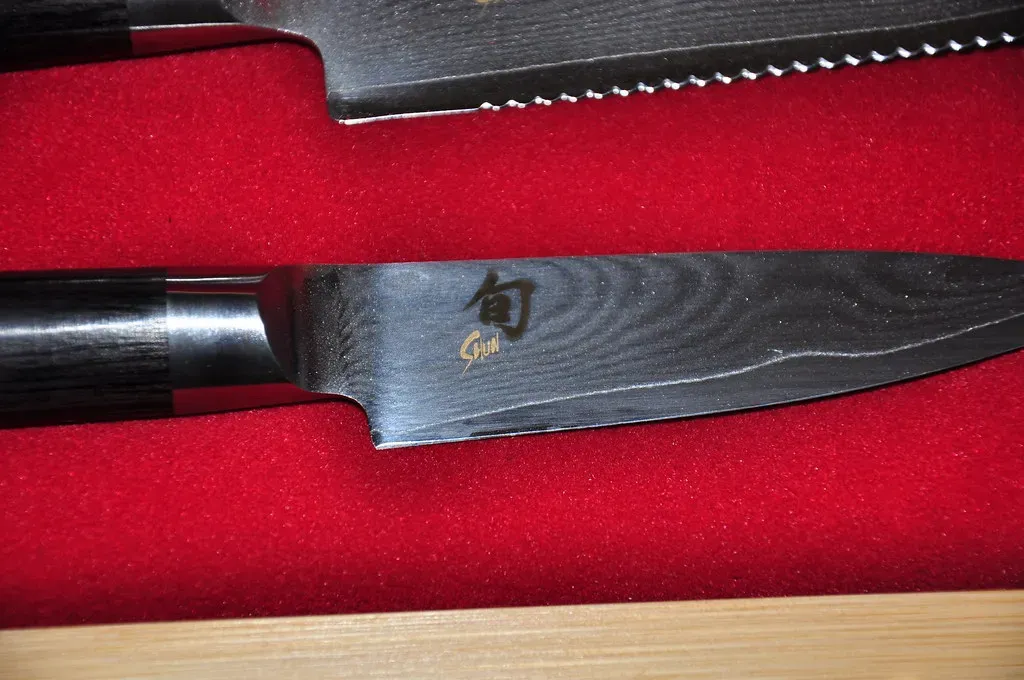
Think of the paring knife as a tiny chef's knife, just as useful yet even more dexterous, with a shorter, two to four-inch blade and a compact handle, perfect for more intricate and detailed work such as trimming, peeling, and decorating. This little blade punches way above its weight class. Where your chef's knife would be clumsy and oversized, the paring knife steps in with precision.
I remember trying to peel an apple with a chef's knife once. Never again. A paring knife is the best option for any small task that you might do either on or off your cutting board, such as slicing a little block of cheese, peeling, quartering, and coring an apple, or cutting limes into wedges, and for more intricate work like mincing a shallot, deboning a chicken breast, or cutting slits in pork chops for stuffing. The control you get with a three-inch blade in close-quarters work is unmatched.
Think about all those fiddly tasks that make cooking feel tedious. Deveining shrimp. Hulling strawberries. Removing seeds from peppers. Segmenting citrus for a salad. Use your paring knife to core apples, peel peaches, trim fat from small cuts of meat, devein shrimp, finagle the seeds from a lemon, slice a pan of brownies, or carve fun details into fruits and vegetables for platters or garnishes. The pointed tip gets into spaces that would be impossible with a larger blade.
The ideal size for a paring knife is 3 to 3 ¼ inches long; anything shorter may not reach through all the food you may use it for and anything longer is harder to control. Don't be tempted by those tiny two-inch versions that look cute but lack functionality. Similarly, anything pushing four inches starts to lose that nimble quality that makes paring knives special. You want something that disappears in your hand, becoming an extension of your fingers rather than a tool you're wielding.
The Serrated Bread Knife: Not Just for Bread
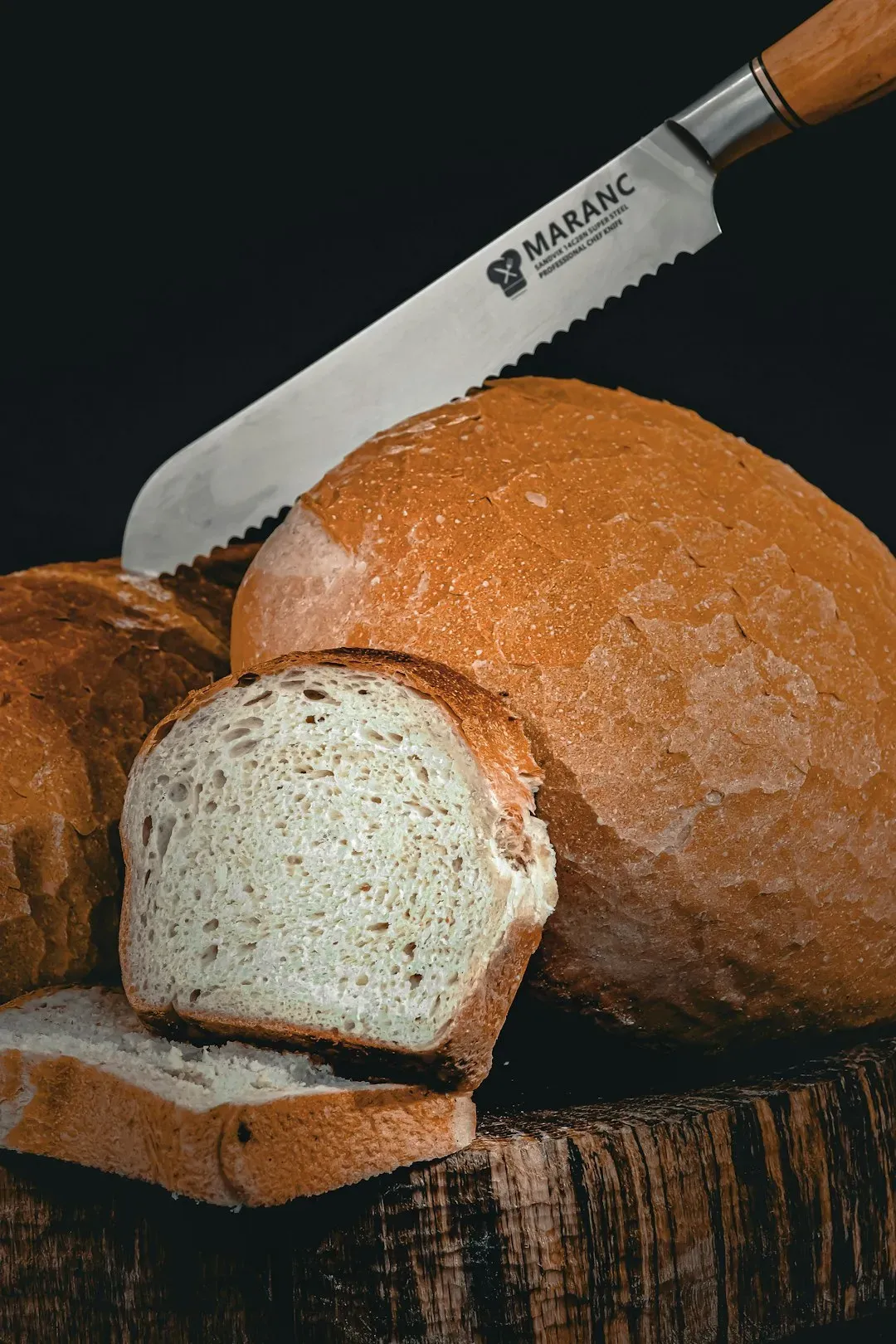
Here's where people get it wrong. They think bread knives only slice bread. The uses of a serrated knife extend far beyond bread, making it incredibly useful for slicing foods that have a tougher outer layer and a soft inside, such as tomatoes, melons, and cakes, as the jagged edge makes it easier to start cuts and glide through items without needing to apply a lot of pressure. Let's be real, how often are you cutting fresh crusty bread versus slicing tomatoes or layering a cake?
Bread knives are easily recognized by their serrated edge and long, thin blade, with the teeth essentially grabbing onto the bread's surface so that it can be cut with a back-and-forth cutting motion applied in long, smooth strokes, meaning you don't have to press downward to create a cut, which prevents the bread from being compressed. That sawing action is what separates this blade from the others in your arsenal. Try cutting a ripe tomato with a chef's knife and watch the skin resist until it suddenly gives way, squirting seeds everywhere.
The serrated edge grips and slices without the drama. Bread knives are ideal for slicing through crusty loaves of sourdough, soft rounds of challah, and tall loaves of brioche, however, they're also the perfect tool for slicing a soft tomato, halving or quartering a sandwich, cutting a cake layer in half. I use mine constantly for watermelon in summer, slicing through that tough rind without any wrestling match. Winter squash? Same story.
Bread knives range in size; it's best to get one with a blade at least 10 inches long so that it can handle large loaves of bread or watermelons. Don't cheap out and get a short one. You'll regret it the first time you try to slice through a wide artisan loaf and the blade doesn't reach all the way across. The length matters more than you'd think, giving you better leverage and cleaner cuts with less effort.


Leave a Reply