
Remember when Pizza Hut meant more than just a cardboard box on your doorstep? There was a time when spotting that iconic red roof meant something special was about to happen. You'd walk through those doors, smell the fresh dough baking, and sink into a booth with a checked tablecloth. The salad bar beckoned. The personal pan pizza sizzled. It was an event, not just a meal.
Those days are fading fast. Across America, the classic Pizza Hut dine-in locations are disappearing at an alarming rate. What's replacing them? Delivery-focused storefronts that prioritize speed over experience. But here's the thing: something precious is being lost in this transformation. Let's dive into why these red roof restaurants became cultural landmarks in the first place, and what their extinction really means for how we eat today.
The Golden Era of the Red Roof
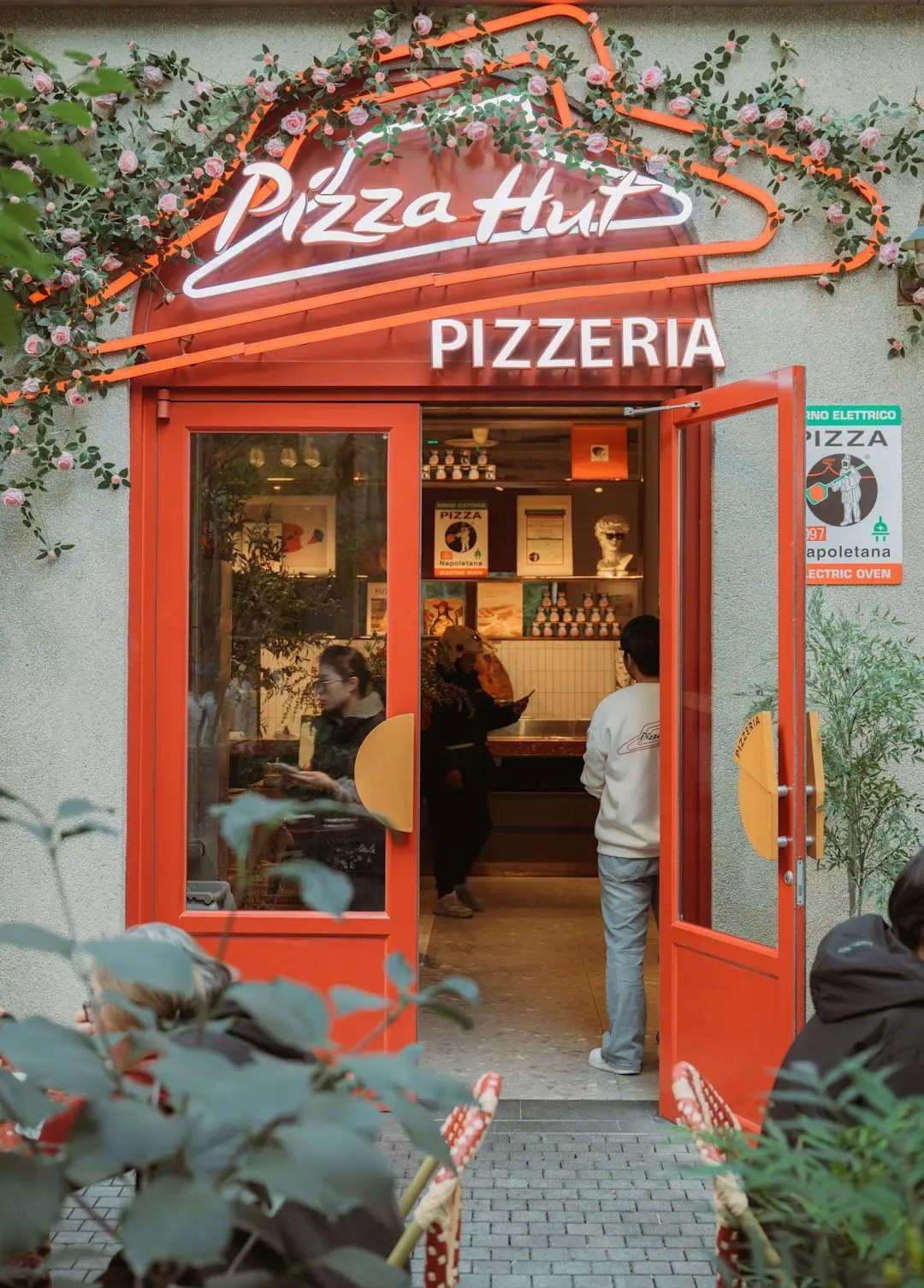
Pizza Hut wasn't always about delivery apps and carryout windows. When brothers Dan and Frank Carney opened the first location in Wichita, Kansas back in 1958, they created something revolutionary for American dining. They made pizza accessible to middle America, to families who'd never encountered this Italian import before.
The red roof design became instantly recognizable across suburbs and small towns throughout the 1970s and 80s. Walking into a Pizza Hut back then felt like entering a special space. The dim lighting created an almost cozy atmosphere. Those stained glass hanging lamps cast warm glows over tables. Kids went wild for the arcade games tucked in corners.
What really set these restaurants apart was the ritual of it all. You didn't just grab food and leave. You sat down with family or friends. A server took your order on a little notepad. You played the tabletop jukebox while waiting. The pizza arrived on a metal stand, bubbling hot and smelling incredible.
This was casual dining before that term became synonymous with corporate mediocrity. It was affordable enough for regular families but felt like an occasion worth celebrating. Birthday parties happened here. First dates stumbled through awkward conversations over stuffed crust. Little League teams piled in after games, still wearing grass-stained uniforms.
The Legendary Salad Bar Era
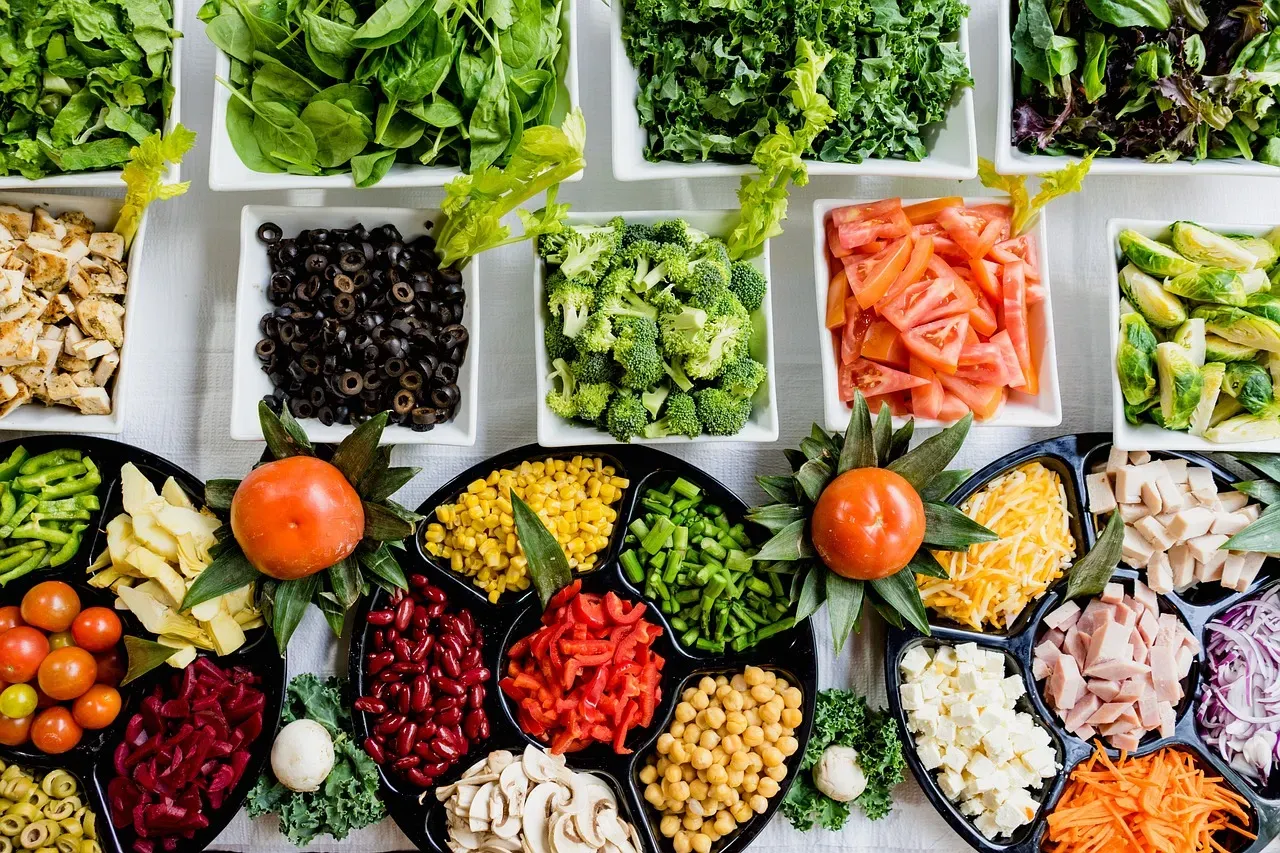
Let's be real, the Pizza Hut salad bar was an absolute phenomenon that deserves its own paragraph. Actually, it deserves a monument. For kids growing up in the eighties and nineties, that salad bar represented freedom and abundance in ways hard to explain to younger generations.
You could pile your plate as high as physics would allow. Lettuce served as mere foundation for mountains of bacon bits, croutons, and shredded cheese. The pudding cups at the end? Those were dessert before dessert. Some locations even had pasta salad, potato salad, and breadsticks available for the taking.
Parents loved it because kids would actually eat vegetables, even if those vegetables were buried under ranch dressing. The value seemed incredible. For one modest price, you could essentially make multiple trips and construct entirely different meals each time.
The salad bar created a sense of agency that fast food never offered. You were in control. You made choices. You could be adventurous or stick with favorites. That simple act of self-service made the whole experience feel more participatory, more memorable.
When Delivery Became King
The shift away from dine-in started gradually, then accelerated dramatically. Pizza Hut recognized early that delivery could be massively profitable. Lower overhead costs. Smaller footprints. Fewer staff members needed. The math made sense on spreadsheets, even if something intangible was being sacrificed.
Domino's aggressive delivery-focused strategy put pressure on competitors throughout the nineties. Their infamous "30 minutes or it's free" promise changed customer expectations entirely. Suddenly speed mattered more than atmosphere. Convenience trumped experience. Pizza became fuel rather than a reason to gather.
Pizza Hut responded by closing dine-in locations and converting others into delivery-carryout hybrids. Those beautiful red roofs? Many got demolished or repurposed into completely different businesses. Drive through your hometown now and you'll probably spot at least one former Pizza Hut that's become a Mexican restaurant, a tax preparation office, or a vape shop.
The pandemic accelerated this trend beyond what anyone predicted. When lockdowns forced dining rooms to close, delivery became the only option. Even after restrictions lifted, many locations never reopened their dining areas. The economics had fundamentally changed. Why maintain a large building with extensive seating when most customers just want food brought to their door?
The Real Estate Problem
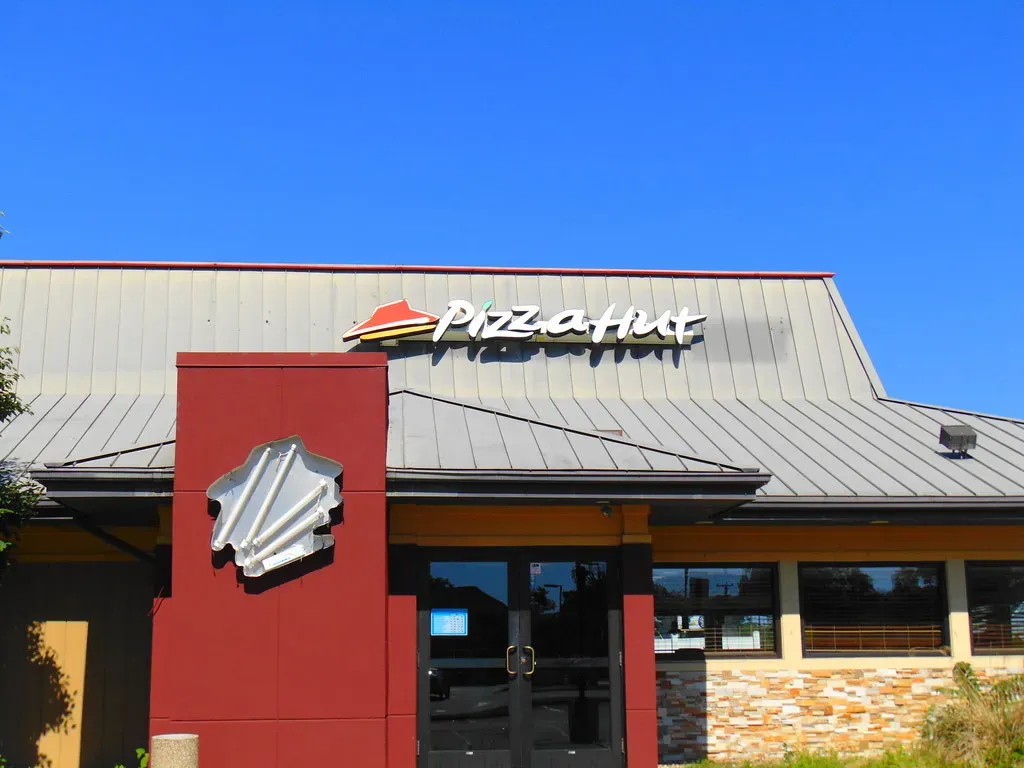
Here's something most people don't think about: those distinctive Pizza Hut buildings are actually a liability in modern terms. The red roof design was brilliant for brand recognition but terrible for operational flexibility. These structures were purpose-built and hard to modify or repurpose efficiently.
Commercial real estate has become incredibly expensive. Maintaining a large dine-in restaurant requires significant square footage, which translates to higher rent, property taxes, and utility bills. A small delivery-focused storefront can generate similar revenue from a fraction of the space. The financial incentive to downsize became overwhelming.
Additionally, many of these buildings are aging. They require expensive updates to meet current building codes, accessibility requirements, and modern consumer expectations. Renovating a vintage Pizza Hut costs more than many franchise owners want to invest, especially when delivery models seem more profitable.
So abandoned Pizza Huts dot the American landscape like architectural fossils. Their distinctive shape makes them impossible to mistake, even when they're selling completely different products. There's actually a website dedicated to tracking these converted buildings, celebrating their second lives as everything from churches to dental offices.
How Consumer Behavior Changed Everything
We need to talk about ourselves here, because we're part of this story. Consumer behavior shifted dramatically over the past two decades, and we collectively voted with our wallets. Convenience became the dominant value proposition. Speed mattered more than ambiance. Eating in cars or on couches replaced sitting at restaurant tables.
Third-party delivery apps like DoorDash and Uber Eats changed the game entirely. Suddenly consumers could order from dozens of restaurants through a single interface without speaking to anyone. The friction of calling a restaurant, explaining directions, or waiting on hold disappeared. A few taps on your phone and food appeared at your door.
Younger generations grew up with this convenience as the baseline expectation. For many millennials and Gen Z customers, the idea of driving somewhere just to sit and eat pizza seems unnecessarily complicated. Why go out when you can stay home in comfortable clothes, continue watching your show, and have the same food delivered?
The experience of dining out lost its special status. It became just another transaction rather than an event worth anticipating. When everything is convenient and instantly available, nothing feels particularly remarkable anymore.
What We Lost Beyond Just Restaurants
The extinction of dine-in Pizza Huts represents something bigger than corporate strategy or real estate decisions. These places served as community gathering spots, especially in smaller towns where dining options were limited. They were neutral territory where different social groups overlapped.
Think about what happened in those red-roofed buildings. Kids learned restaurant etiquette and social skills. Teens had safe places to hang out without adult supervision. Families created memories during simple Tuesday night dinners. These weren't fancy occasions, but they mattered.
The physical space of a restaurant forces interaction in ways that delivery never will. You make eye contact with strangers. You overhear conversations at nearby tables. You exist in a shared public space, even if you're focused on your own group. That casual exposure to community is quietly disappearing from American life.
When we choose convenience over experience repeatedly, we're not just deciding how to get dinner. We're reshaping the social fabric of how we live. Every closed dine-in location represents one less reason to leave our homes, one fewer place where unexpected encounters might happen, one more step toward isolated individual consumption.
The Nostalgia Economy Can't Save Them
You might think nostalgia would protect these restaurants. After all, we live in an age where everything retro gets revived eventually. Vinyl records came back. Vintage clothing is everywhere. Surely the Pizza Hut experience could make a comeback too?
The problem is that nostalgia doesn't pay rent. Feeling wistful about childhood memories doesn't translate into actually driving to a dine-in location regularly enough to keep it profitable. People might love the idea of the old Pizza Hut experience, but their actual behavior reveals different priorities.
Some franchise owners have attempted retro-themed renovations, leaning into the eighties aesthetic with period-appropriate decor and menu throwbacks. These experiments generate social media buzz and temporary curiosity, but they rarely sustain long-term business growth. The novelty wears off quickly.
Nostalgia is powerful but also deeply personal. What feels meaningful to someone who experienced these restaurants in their prime doesn't resonate the same way with younger customers who have no frame of reference. You can't manufacture emotional connection to something you never experienced firsthand.
The Few Survivors Still Standing
Not every red roof has vanished. Scattered across America, a few holdout locations still operate as full-service dine-in restaurants. These survivors tend to exist in specific circumstances that make them economically viable despite broader industry trends.
Some are located in small towns where they remain the only sit-down restaurant option for miles. The local community supports them out of necessity as much as preference. Others occupy particularly favorable real estate situations where the building is paid off or rent is exceptionally low. A few benefit from franchise owners who prioritize tradition over maximum profitability.
Visiting one of these remaining locations feels like stepping into a time capsule. The booths still have that distinctive pattern. The salad bar might even survive in rare cases. The whole atmosphere carries a different energy than modern restaurants, something slower and more deliberate.
These survivors deserve recognition and patronage if you're lucky enough to live near one. They're preserving something that won't exist much longer. Soon enough, they'll be as rare as drive-in movie theaters or independent bookstores, cherished by those who remember but increasingly irrelevant to mainstream culture.
What This Means for Chain Restaurants Everywhere
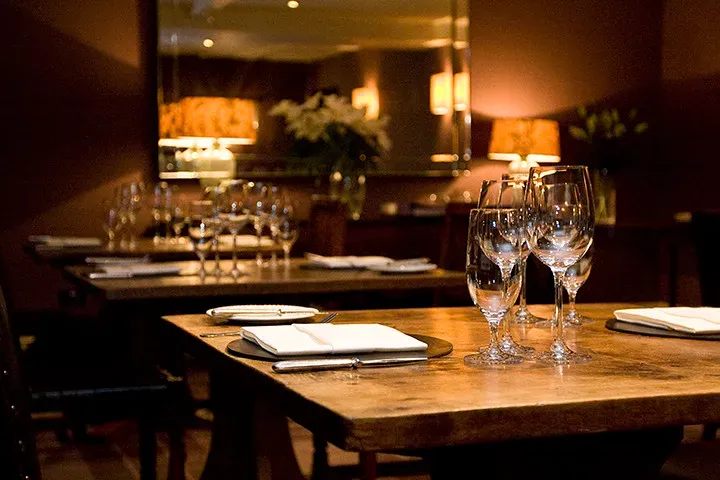
Pizza Hut's transformation isn't an isolated case. The entire casual dining sector faces similar pressures and many are responding with comparable strategies. Applebee's, Chili's, and similar chains have closed numerous locations while expanding delivery capabilities. The red roof extinction is really just one chapter in a much larger story.
The pandemic revealed which restaurant models were genuinely resilient. Fast casual concepts with smaller footprints and built-in takeout infrastructure thrived. Large dine-in chains with extensive seating struggled or collapsed entirely. Consumer preferences that were already shifting got turbocharged by necessity during lockdowns.
We're witnessing a fundamental reimagining of what restaurants are supposed to be. Increasingly, they're becoming food production facilities that happen to have some seating rather than social gathering places that happen to serve food. The emphasis has flipped completely.
This raises uncomfortable questions about the future of dining out entirely. If most restaurants optimize for delivery and takeout, what's the point of the physical location beyond food preparation? Why maintain any dine-in capacity when ghost kitchens and virtual restaurants can operate more efficiently? The logic keeps pushing toward eliminating the social experience altogether.
The Ghost Kitchen Future
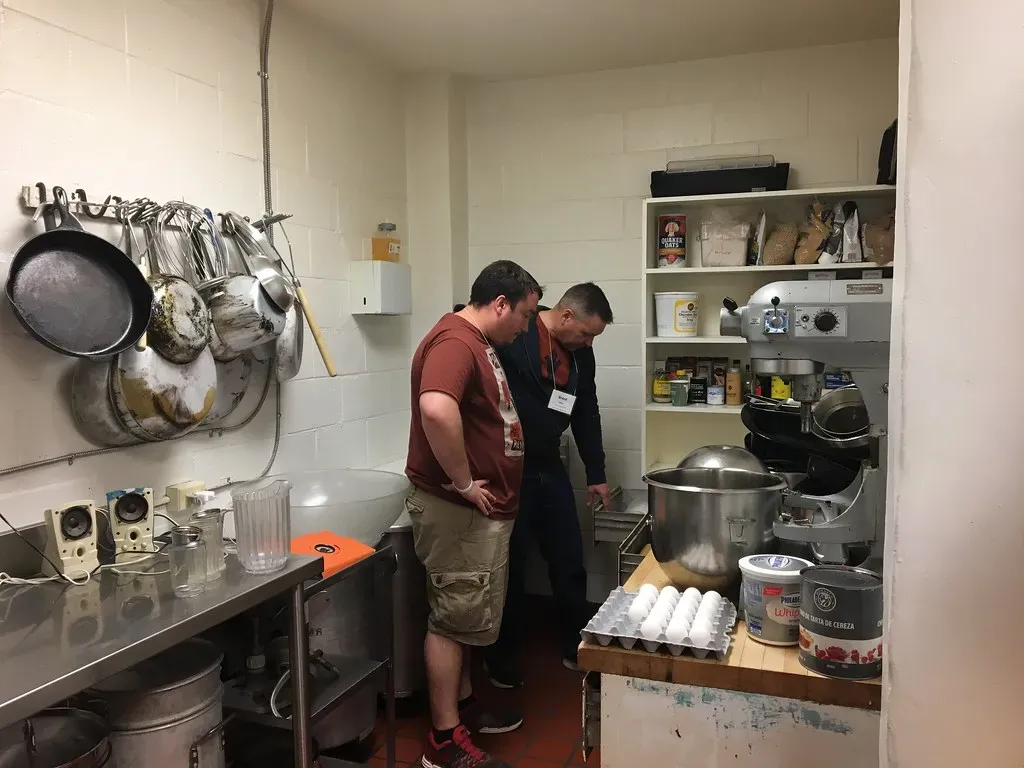
Speaking of ghost kitchens, this is where Pizza Hut and similar chains are increasingly heading. Ghost kitchens exist purely for delivery, with no customer-facing presence at all. They're essentially food production facilities optimized entirely around fulfilling app orders as quickly as possible.
Pizza Hut has experimented with ghost kitchen models and delivery-only locations that share space with other brands. The efficiency gains are substantial. One kitchen can operate multiple restaurant concepts simultaneously. Overhead costs drop dramatically. Expansion becomes easier and faster.
From a business perspective, this makes perfect sense. From a cultural perspective, it's utterly depressing. These ghost kitchens are the logical endpoint of prioritizing convenience above everything else. They're restaurants stripped of anything resembling soul or personality, reduced to their most basic function of producing calories for consumption.
Is this really what we want? Food that materializes from nowhere, made by invisible hands in windowless buildings we'll never see? There's something deeply alienating about this vision of the future, even if it's more convenient than anything that came before.
Can Anything Reverse This Trend?
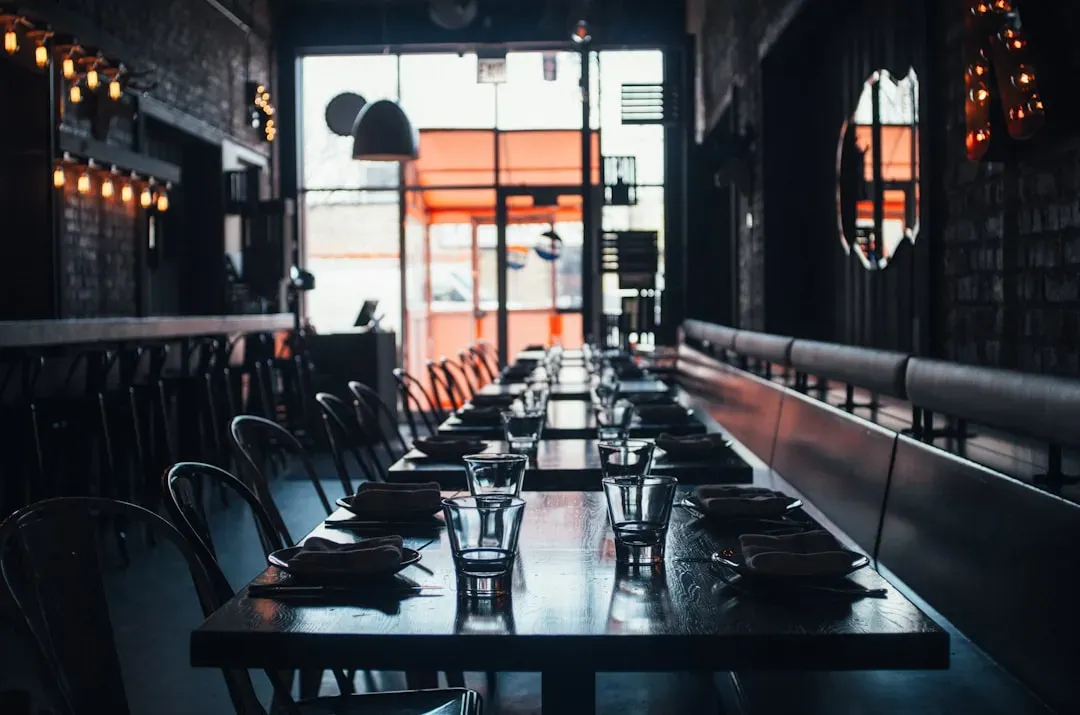
It's hard to say for sure, but reversing the death of dine-in Pizza Huts would require significant shifts in consumer behavior and economic realities. People would need to collectively decide that the experience of eating out matters enough to inconvenience themselves regularly. That seems unlikely given current trends.
A new generation might eventually rebel against delivery culture and seek out physical social experiences again. Generational pendulums do swing. What parents take for granted, kids often reject. Perhaps future teens will consider sitting in restaurants rebelliously retro, the same way vinyl records became cool again.
Economic changes could theoretically make dine-in models more viable. If delivery fees become prohibitively expensive, or if gas prices make driving around with DoorDash unprofitable for drivers, the economics might shift back toward traditional restaurants. But counting on economic circumstances to perfectly align seems optimistic at best.
More likely, the red roof restaurants will continue fading until they're completely gone except for a tiny handful preserved as novelties. We'll tell younger people about salad bars and Book It reading programs, and they'll struggle to understand what the fuss was about. The experience will exist only as memory and cultural reference.
The Bigger Picture About American Culture
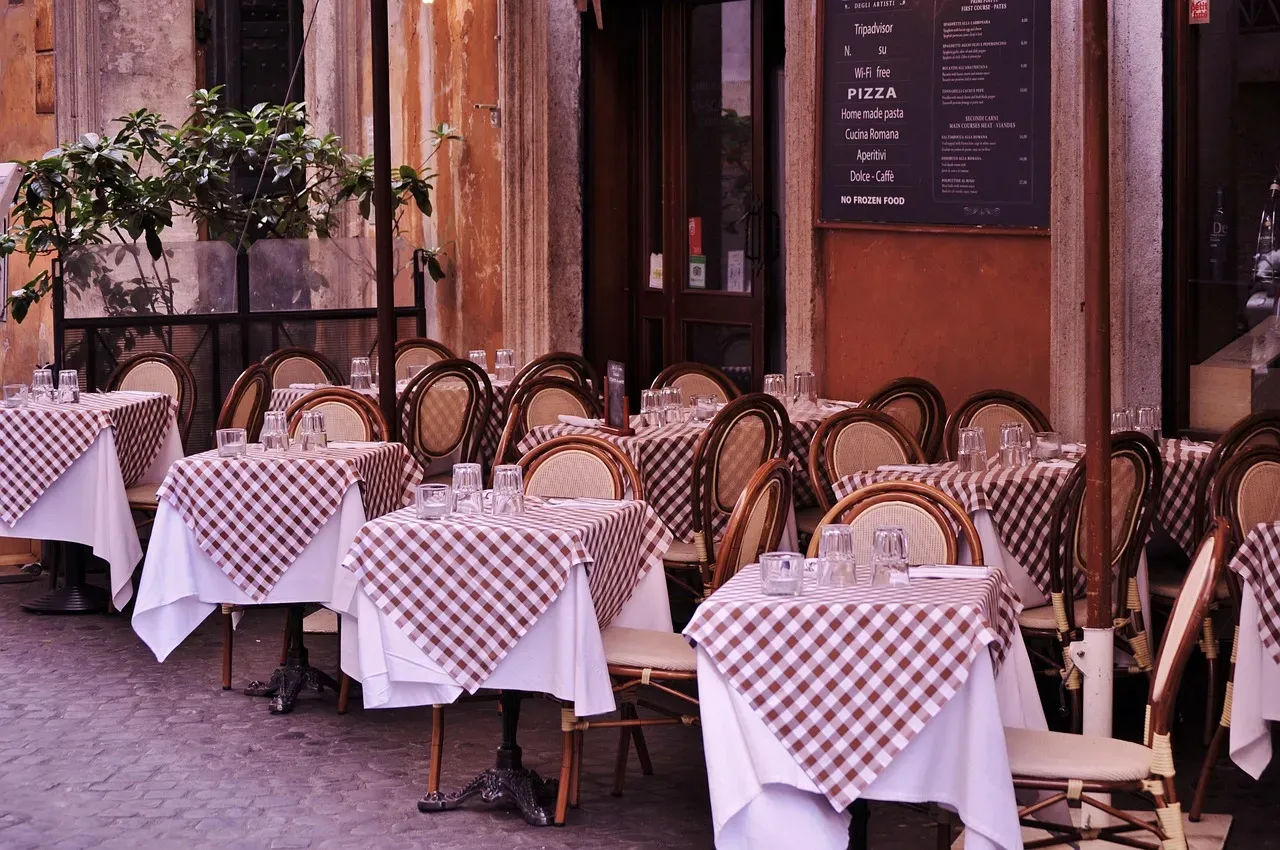
The extinction of Pizza Hut dine-in locations tells us something important about where American culture is headed. We're increasingly choosing isolation and convenience over community and experience. We're optimizing for efficiency at the cost of serendipity. We're making individual consumption easier while making collective gathering harder.
These changes don't happen because some corporate villain twirls a mustache and decides to ruin society. They happen because millions of individual choices accumulate into broader patterns. Every time we choose delivery over dining out, we're voting for the future we'll get. Every time we prioritize convenience over connection, we're reshaping what's available.
The red roofs are going extinct because we collectively decided they weren't worth maintaining. We stopped showing up. We stopped valuing what they provided. We chose differently, repeatedly, until the economics couldn't support them anymore. That's how cultural institutions die in capitalism: slowly, then suddenly, through accumulated indifference.
Is it too dramatic to feel sad about Pizza Hut restaurants closing? Maybe. They're just buildings owned by a massive corporation, after all. But they're also markers of how we used to live, reminders of when going out to eat felt special, symbols of a slightly slower and more social way of existing in the world.
Looking Ahead
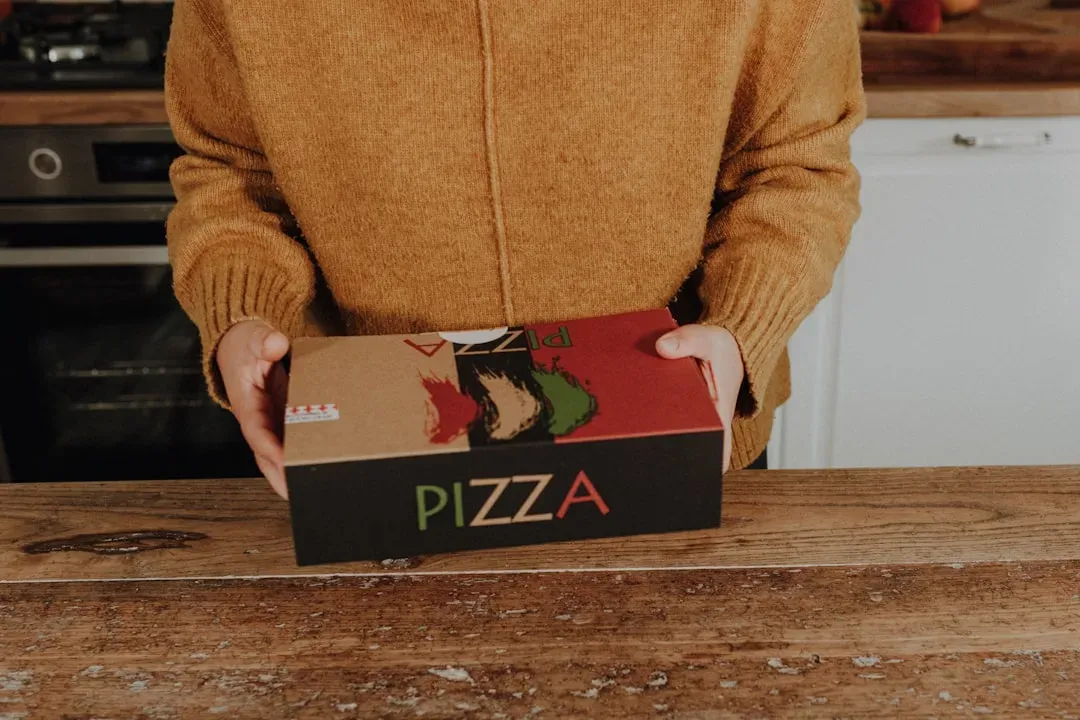
The future of Pizza Hut will likely look nothing like its past. The brand will probably survive and even thrive, but as something fundamentally different from those red-roofed restaurants we remember. It'll be an app icon on your phone, a ghost kitchen in an industrial park, a delivery order that shows up in a branded box. The food might taste the same, but the experience will be unrecognizable.
This isn't unique to Pizza Hut. This is where most chain restaurants are headed. Physical locations will become smaller, more efficient, less designed for lingering. The social experience of dining out will increasingly be reserved for upscale restaurants where you're paying for ambiance as much as food. Everything else will optimize toward speed and convenience.
We're trading the third place for the delivery app. Community gathering spots are being replaced by individual consumption at home. The red roofs are just one visible manifestation of a much larger shift in how we structure our lives and relate to each other.
Whether that's progress or loss depends entirely on what you value. Convenience and efficiency are genuine improvements in many ways. Life is busy, and having more options makes everything easier. But something intangible and hard to quantify is disappearing in the process, and once it's gone, we probably won't know how to get it back.
The Pizza Hut experience is going extinct not because it was bad, but because we decided convenience mattered more. Now those distinctive red roofs sit empty or repurposed, reminders of when eating out meant gathering together rather than staying apart. The buildings remain, but the experience they housed is already mostly memory. That's worth noticing, even if we're not quite sure what to do about it. What do you think about it? Did you have similar memories of these restaurants, or do you prefer the convenience of modern delivery? Tell us in the comments.




Leave a Reply