
You probably know one. They barely post about food on social media. They don't carry a notebook of restaurant names. Yet somehow, every meal they recommend turns out to be extraordinary. These are the quiet foodies. The ones who don't need an audience to appreciate what's on their plate.
There is something quietly magnetic about a person who truly understands food at a deep level. It is not about fine dining, expense, or trends. It is about how they eat, what they notice, and why they care. So what actually separates someone with genuinely exceptional taste from the rest of us? Let's find out.
1. They Slow Down and Actually Taste Their Food

Here is something that seems almost radical in 2026: people with exceptional taste in food eat slowly on purpose. They are not stalling. They are paying attention. Heightened enjoyment of food comes when you are able to taste and appreciate all the elements of flavor, and that simply cannot happen at speed.
Think of it like listening to music. You could have a great song on in the background while scrolling your phone, or you could sit down and really listen to every layer. The song is the same. The experience is completely different. Food taste is a major determinant of eating habits, health, and quality of life, and palatability enhanced by flavor, texture, and aroma improves food enjoyment.
Slowing down also changes what you can actually detect. Flavor perception occurs when signals from our taste buds, nose, and mouth are processed together in the brain, particularly in areas such as the gustatory cortex and orbitofrontal cortex, resulting in the complete flavor experience. The implication? Rush through a meal and your brain never gets the full picture.
2. They Can Identify Flavors Nobody Else Names

Ask a true food person what they're tasting, and they won't just say "good." They might say there's a bright acidity, a lingering bitter finish, or something almost mineral underneath the sweetness. Honestly, it can feel slightly annoying if you're eating with them for the first time. A well-trained palate is learned; it is not something you're necessarily born with.
Flavor perception can be affected by genetic susceptibility, age, culture, gender, and early life experiences. But the ability to name and articulate flavors? That comes from deliberate practice and exposure. It is a skill, not a gift.
Recent sensory food research demonstrates that the intensity, variety, and balance of flavors play a key role in our food preferences, satiety, and portion sizes. People with exceptional palates have trained themselves, consciously or not, to decode all three of those dimensions simultaneously.
3. They Genuinely Appreciate Bitterness and Complexity
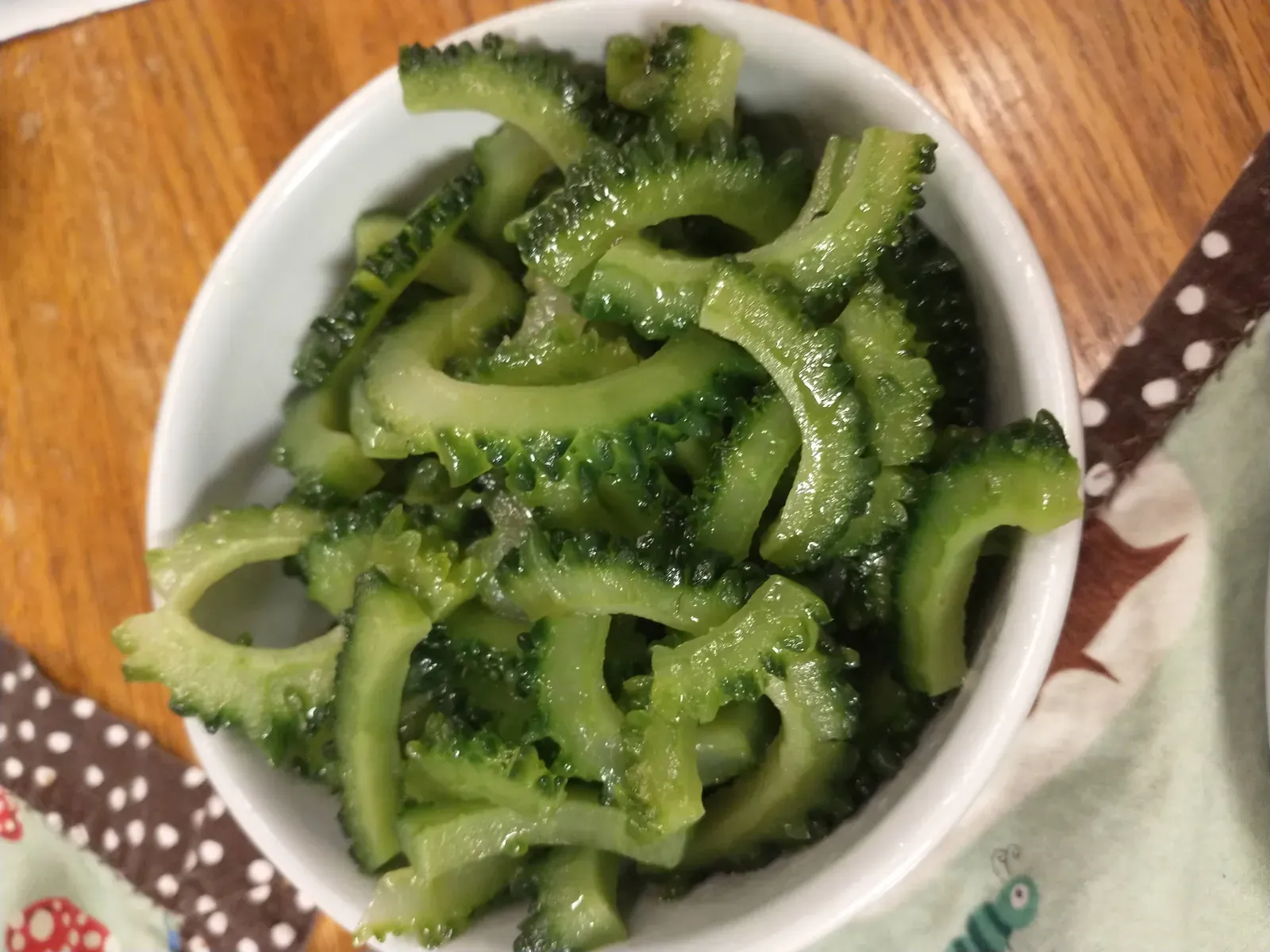
Here is a telling sign that almost nobody talks about. The person who actually enjoys bitter flavors, not just tolerates them, is operating on a different level. Loving radicchio, endive, or rapini is like passing the palate SAT; bitterness is the last flavor most of us learn to enjoy because it used to signal "maybe poison" in our evolutionary wiring. Getting past that instinct is a genuine sign of development.
The same principle applies to fermented foods, aged cheeses, dark chocolate, or anything with what chefs call "challenging" flavor. Many high-end food items are not necessarily instantly gratifying and often taste unpleasant on the first try, but over time we are conditioned to accept and even appreciate a wider range of tastes and exotic flavors. The quiet foodie has already done that conditioning.
Different tastes signal specific nutrient profiles: sweetness signals carbohydrates as energy sources, while salty taste suggests the presence of sodium and other vital salts. Truly sophisticated eaters understand these signals, often intuitively, in ways that shape every decision they make at the table.
4. They Know What Umami Is and Can Feel It

Umami has global recognition as the fifth elementary taste, alongside sweetness, sourness, saltiness, and bitterness. But knowing that fact and actually being able to sense it in your food are two very different things. People with exceptional taste have usually crossed that bridge.
I think this is one of the most underrated markers of a truly developed palate. The fifth taste umami is more complex than the other four, and many say it takes more work to understand and identify it. It requires you to move past the obvious and tune into a deeper, more lingering kind of savory quality. It is the difference between a dish that tastes flat and one that feels complete.
Umami was first identified in 1908 by Dr. Kikunae Ikeda, a Japanese chemist who was seeking to understand the taste of dashi, with the word "umami" subsequently coined to mean "pleasant savoury taste". Umami is caused by two main types of compounds: glutamates, commonly found in foods like meat, cheese, and tomatoes, and nucleotides, found in foods like mushrooms, seafood, and seaweed. Someone who notices the depth that these foods add to a dish is already thinking in a more sophisticated register.
5. They Pay Serious Attention to Texture
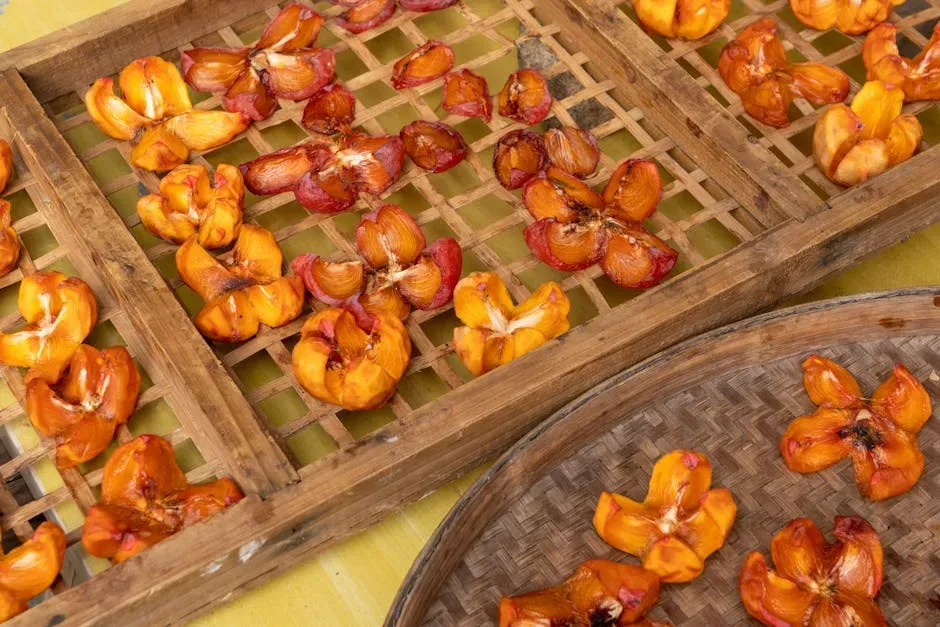
Most people evaluate food almost entirely on taste. Exceptional food people evaluate texture with equal weight, and the science backs them up on this completely. Mouthfeel is a complex and multidimensional sensory experience that plays an important role in how people perceive flavor and accept food and beverages.
Think about it. A perfectly seasoned piece of chicken that came out dry is not a good dish. A beautifully composed soup that has been blended too long tastes different from one that hasn't. The texture is not a bonus. It is part of the recipe. Research shows that congruence between taste and texture, such as sweet with soft or salty with crispy, not only enhances enjoyment but also improves texture perception.
There is also a fascinating sensory dimension at play. In one experiment, participants ate Pringles while wearing headphones that amplified the sound of crunching, and by increasing the volume of the sound of crunch, participants believed the potato chips were around fifteen percent crunchier and fresher. The quiet foodie senses all of this, even without a lab or a headphone experiment.
6. They Seek Out Global Flavors With Genuine Curiosity

Consumers today are lucky to have been exposed to more and more global and regional cuisine, dishes, ingredients, and flavors through social media, television, and their own travels. Yet most people still orbit the same cuisines they grew up with. The exceptional food person does not. They eat Ethiopian, Peruvian, Georgian, or Szechuanese food with actual curiosity, not just Instagram intent.
It is hard to say for sure whether this curiosity creates a better palate or whether a better palate creates the curiosity. Probably both. With every generation, consumers are becoming more multicultural, and it is leading to more fusion foods that happen truly through everyday life. The people who lead that charge are almost always the ones who taste the most deeply.
Ethiopian meals teach your palate two advanced moves at once: sourness from teff-based injera and spice depth from berbere-laced stews, and if that tangy, almost effervescent pancake with a slow-built lentil wot thrills you, you're already voting for complexity over comfort. That comfort with complexity is the hallmark of truly exceptional taste.
7. They Trust Smell as Much as Taste

People with genuinely great food instincts always lean in and smell before they eat. It might look slightly theatrical, but the science behind it is undeniable. Starting to really notice the smells of different ingredients matters, since roughly four-fifths of tasting is actually smelling. Let that sink in for a moment.
This is also why smell is the first thing a skilled cook uses to evaluate a dish before it leaves the kitchen. Human beings are naturally drawn to food flavors and pleasant aromas, which not only guide food choices but also contribute to health by promoting the intake of nutritious foods, aiding digestion, and enhancing emotional well-being.
Umami actually underscores this point in a fascinating way. Umami "only comes alive and it becomes delicious when it's combined with an aroma," while sweetness is sweet whether or not you can smell anything, as are salty and bitter. The quiet foodie somehow already knows this, even if they have never read a single paper about flavor chemistry.
Exceptional taste in food is not about knowing the right restaurants or owning a well-stocked spice rack. It is a way of paying attention. It is curiosity, patience, and a willingness to feel a little uncomfortable with unfamiliar flavors until they make sense. The quiet foodies in your life are not loud about any of this. They just eat with more presence than most of us manage. Next time you share a meal with one of them, slow down and pay attention. You might taste something you never noticed before.
Which of these seven signs do you recognize in yourself or someone you know? Tell us in the comments.




Leave a Reply