
Walk into any Costco warehouse in the country and you will notice one thing almost immediately: the rotisserie chickens are nowhere near the entrance. You have to travel through what feels like half a city block of electronics, clothing, seasonal items, and bulk snacks before you even catch the aroma. That is not an accident. It is one of the most deliberate and profitable retail strategies in modern American commerce, and it all starts with a $4.99 bird.
It Is a Loss Leader - And Costco Admits It
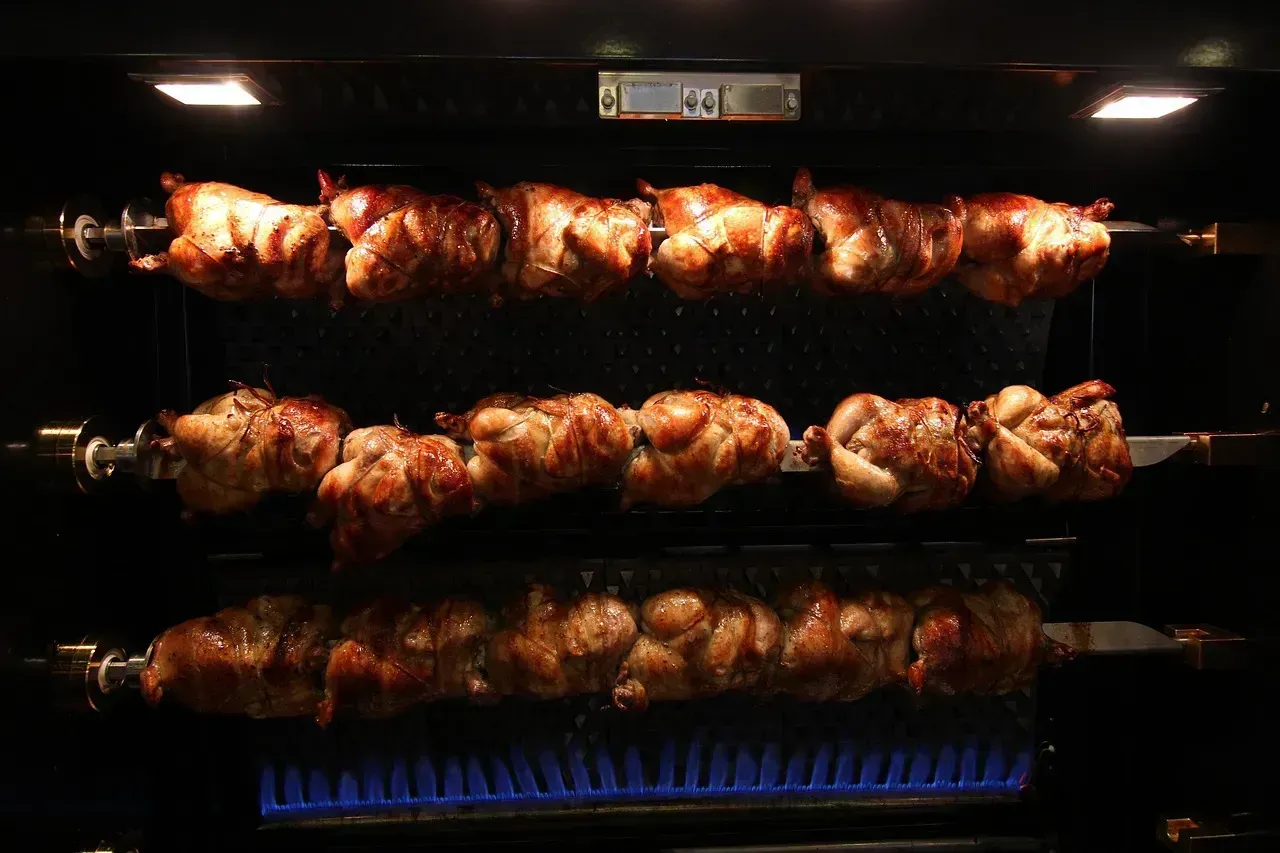
In a 2015 earnings call, Costco's CFO Richard Galanti admitted that the retailer was taking a multimillion-dollar hit by not raising chicken prices. As is the case at most grocery chains, Costco's rotisserie chickens are a loss leader. The chicken is sold deliberately below what it costs to produce and sell, just to get shoppers through the door. Costco loses between $30 to $40 million annually on their famous rotisserie chickens, according to the CFO's own 2015 statement.
Costco's Chief Financial Officer Richard Galanti said in 2023 that the warehouse club kept its rotisserie chicken priced at $4.99 as "an investment in low prices to drive membership, to drive sales in a big way." The company has been consistent about this framing. "Costco's profitability is derived from their membership fees," says Reilly Newman, a brand strategist at Motif Brands. "With this in mind, we can see how tactics like their rotisserie chicken as a loss leader work to not only provide value to their members but also increase shopping behavior."
The Back-of-Store Placement Is Pure Psychology
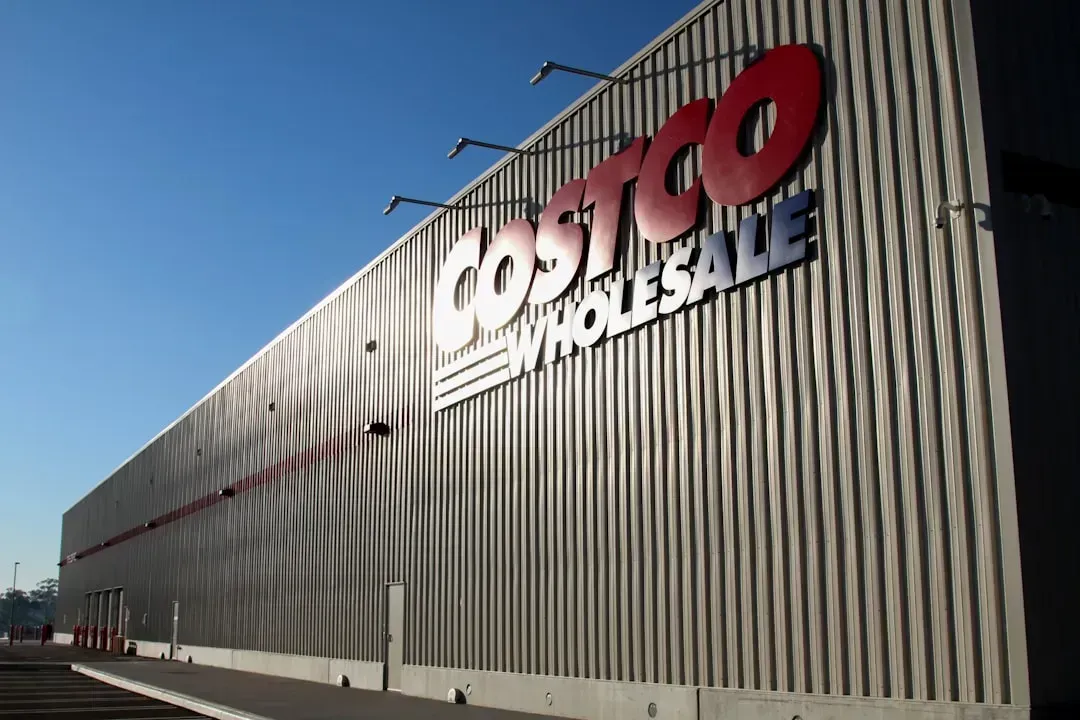
You don't have to visit every Costco in America to know that you'll always find the rotisserie chicken in the back of the warehouse - because its placement is a corporate strategy. The idea is that as customers make their way to the back of the store for the rotisserie chicken, they will pass through several aisles, picking up plenty of other, more expensive items along the way. There is nothing arbitrary about the walk. Every aisle crossed is an opportunity. "When the customer is forced to take the long journey to the back of the store, they're walking past aisles of items they're likely not searching for at that moment but can't help but notice and buy on the spot or remember for a future purchase," said Joel Lutfiyya, founder of browndogadvertising. "This creates additional touchpoints for Costco to promote various products in-line within the aisles and features found on end caps."
Costco maximizes the chances of this happening by placing the rotisserie chickens at the back of the store, next to its wines and side dishes. The physical layout is engineered to function as a retail funnel. "Costco may technically lose money on each rotisserie chicken they sell, but trust me - they're not losing when it comes to what I buy next," as one food industry analyst put it. "That chicken usually ends up in a cart with salad kits, ready-made mashed potatoes, a bottle of wine, maybe a dessert and some random item I had zero intention of buying. It's classic Costco strategy."
The Price Has Been Frozen for Decades - On Purpose
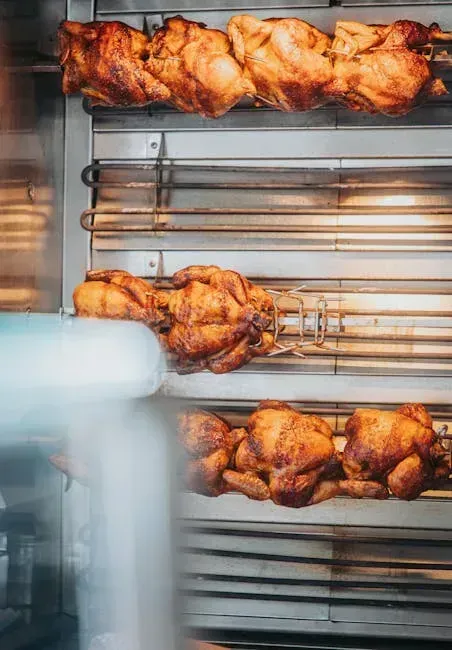
The $4.99 price point has been in place since the year 2000, with only a very brief sojourn to $5.99 during the financial crisis of 2008. Costco brought that price right back down to $4.99 in 2009. That kind of pricing discipline over more than two decades is essentially unheard of in the grocery industry. Adjusted for inflation, Costco should be selling its chickens for $8.31. But over the past 20-plus years, the retailer has only raised its prices one time - a brief dollar increase during the 2008 financial crisis.
These consistent, below-market prices on specific items create what behavioral scientists call a "halo effect." When shoppers get such obvious value on certain products, they assume everything else must be a great deal too - and they stop comparing prices as carefully, choosing instead to trust that Costco is looking out for them. That perception of value is worth far more than any single chicken sale. As Rutgers Business School professor John Longo explains, the chickens serve important purposes beyond immediate profit: they reinforce the idea that the Costco brand is a good deal, potentially leading to more membership sign-ups, and the company's refusal to raise the $4.99 price during inflation makes it look benevolent in the public eye.
Membership Fees Are Where the Real Money Lives
Costco sold $254 billion worth of products in fiscal 2024, generating $9.3 billion in operating profit. Membership fees account for less than 2% of total revenue but generate over half of that operating profit. That is the real engine behind the entire rotisserie chicken strategy. In fact, 73% of Costco's gross profit comes from its membership fees - yet membership fees make up just 2% of revenue.
Paid memberships ended fiscal year 2025 at 81 million, up 6.3%, with executive memberships climbing 9.3% to 38.7 million. Executive memberships now account for 47.7% of paid members and 74.2% of worldwide sales. Renewal rates remain high at 92.3% in the United States and Canada. The chicken, then, is not a product so much as it is membership bait. Even if the chain loses money on every chicken sold, customers who come in to grab a chicken are more likely to add a few other items to their cart. In addition, Costco makes most of its profit from membership fees, allowing it to survive and thrive with a smaller profit margin on most items than regular grocery stores.
Costco Built Its Own Chicken Empire to Protect the Price
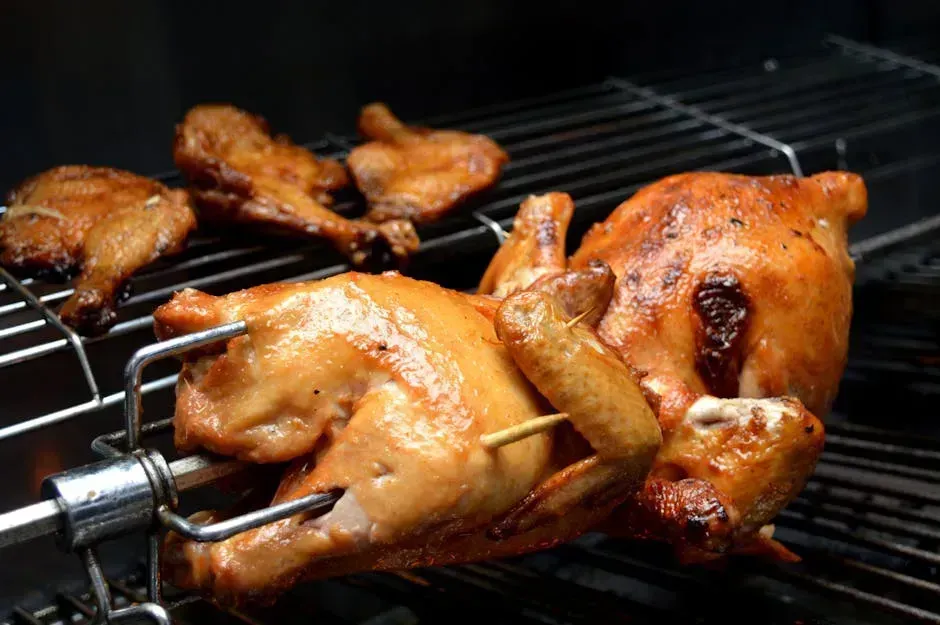
Keeping the rotisserie chicken at $4.99 is such an important strategy for Costco that it built a $450 million poultry processing plant in Nebraska to supply its own birds to stores. The plant, which opened in 2019, processes more than 100 million chickens a year. It was a bold and unprecedented move in American retail. Costco became the first chain to go fully vertical into meat production - keeping it all in-house - though Walmart had supplied some of its own milk and Kroger had opened a milk processing plant in Colorado in 2014.
With the Nebraska plant, Costco controls the whole supply chain - hatching, feeding, shipping, and cooking. The operation is expected to have a $1.2 billion economic impact on Nebraska's economy and will reportedly save Costco up to $0.35 per rotisserie chicken. More recently, however, Costco's December 2025 announcement that it would not proceed with Phase 2 of its Lincoln Premium Poultry complex near Fremont, Nebraska - citing construction costs that have doubled in eight years - offers a case study in supply chain economics. Phase 1 still generates over $1 billion in annual economic activity and supplies roughly 40% of Costco's western U.S. rotisserie chicken demand.
The Numbers Behind the Cult Following
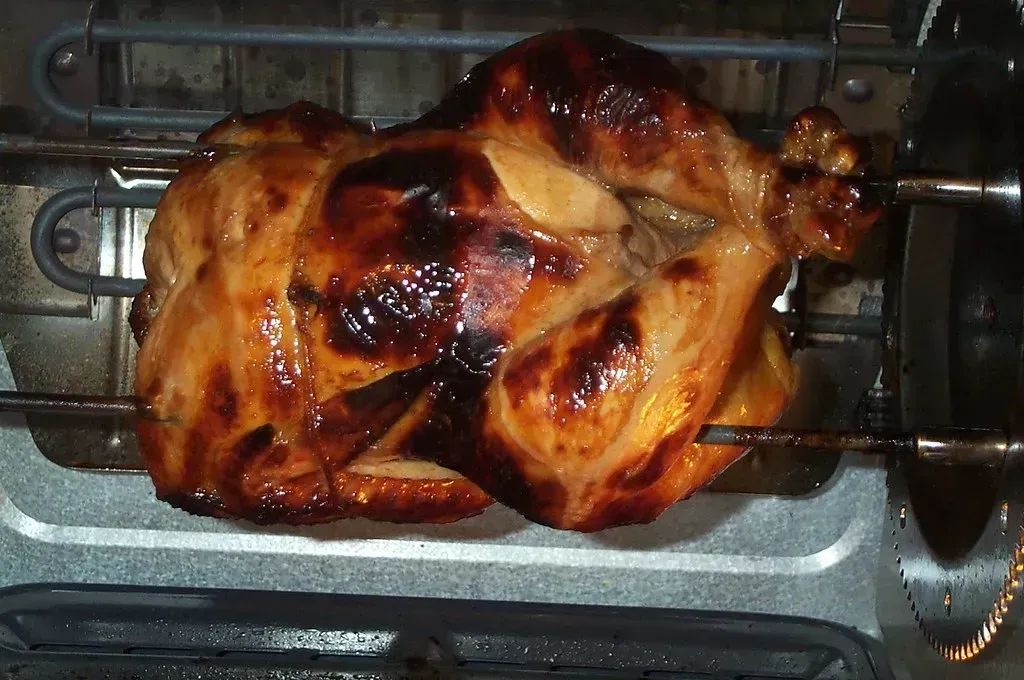
According to a report from a January 2026 annual shareholders' meeting, Costco sold a jaw-dropping 157.4 million rotisserie chickens worldwide in 2025 - that's almost 300 chickens a minute. The growth trajectory has been remarkable year over year. The demand for these roasted birds has risen to unbelievable levels, with Costco selling an extraordinary 137 million of them in 2023, 20 million more than it sold the year before.
One of the reasons people keep coming back in droves - aside from the low price tag of $4.99 - is the quality, which is owed in large part to only displaying the chickens for a couple hours at a time. Every package is labeled with a timestamp that signals when the chicken finished cooking. Once the two-hour mark is up, employees remove the chickens from the shelves and repurpose them into soups and salads. The freshness model reinforces the value proposition. While the rotisserie birds you might find at a supermarket typically weigh around two pounds, Costco's chicken clocks in at around three pounds - and you might even bring home a bird that's more than three pounds, making the $4.99 price point an even bigger bargain.


Leave a Reply