
There is something almost unbearable about watching your dog's ears droop after you've said "no" for the tenth time that morning. You push them off the couch, redirect them away from a guest, or simply close the bedroom door and then comes that look. That heavy, soulful gaze that practically reaches into your chest and squeezes. Is your dog genuinely heartbroken? Or are you projecting your own guilt onto a creature that processes the world very differently than you do?
This question sits at the fascinating crossroads of animal science, psychology, and the very deep love millions of people feel for their dogs. The answer is more nuanced, and honestly more surprising, than most owners expect. Let's dive in.
The Emotional World Inside Your Dog's Head

Let's be real: dogs feel things. That's no longer just a sentimental opinion held by devoted dog owners. Science has made it abundantly clear that dogs experience a rich emotional landscape. Scientists studying roughly 1,300 golden retrievers have uncovered genetic clues explaining why some dogs are more anxious, energetic, or aggressive than others, and remarkably, several of the same genes linked to canine behavior are also tied to human traits like anxiety, depression, and intelligence, suggesting dogs and humans share biological roots for emotions and behavior.
Think about that for a moment. The same genetic machinery that drives human anxiety may be running in your dog's nervous system right now. That's not a metaphor. That's biology.
Dogs have evolved closely with humans for millennia, and they can discriminate between the emotional information in human facial expressions, vocalizations, and body language, responding accordingly. They are essentially wired to read us. So yes, when you set a firm boundary, your dog notices. The real question is how they actually interpret it.
What Happens in the Brain When You Say "No"
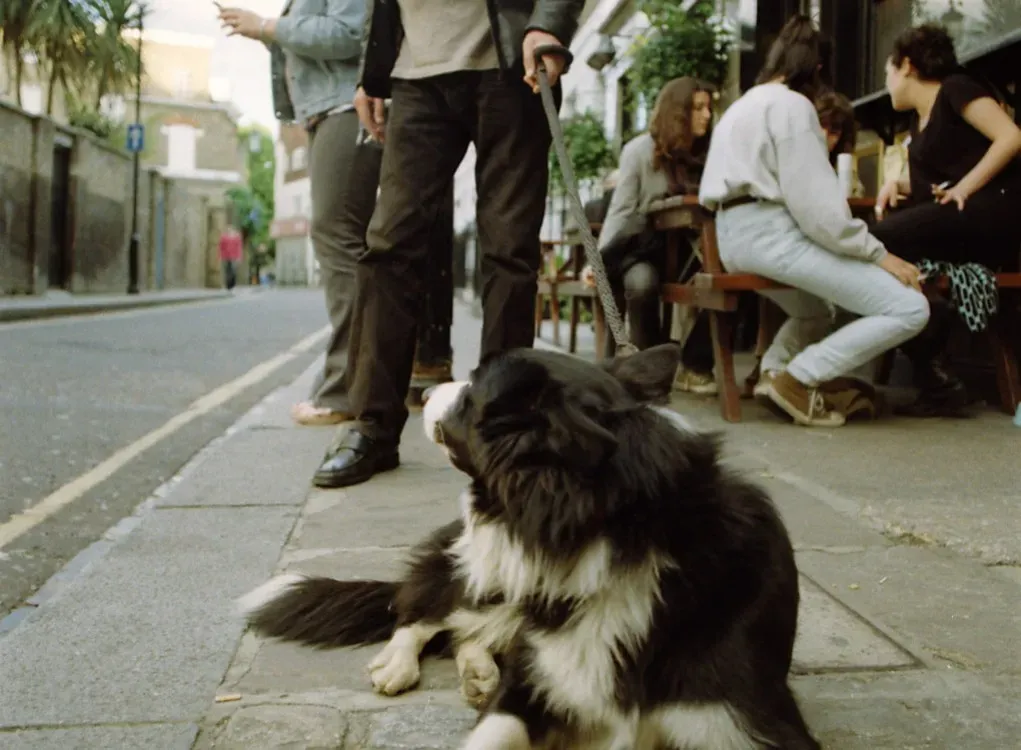
Here's where it gets genuinely fascinating. When you interact warmly with your dog, a hormonal cascade happens in both of you simultaneously. A number of studies have shown that when dogs and humans interact with each other in a positive way, such as cuddling, both partners exhibit a surge in oxytocin, a hormone linked to positive emotional states. It's mutual. Bidirectional. Like a chemical handshake between two species that have spent thousands of years figuring each other out.
It appears as if the owners and the dogs could mutually sense the other's emotional state based on an increased ability to read the other's behavioral cues. That means when you're frustrated, tense, or emotionally withdrawn, your dog picks that up too, not necessarily because of your words, but because of your entire energetic presence.
Now, setting a boundary doesn't rupture this bond. Dogs thrive on clarity, and when expectations are unclear, constantly shifting, or dependent on human mood, dogs are left guessing. Guessing, it turns out, is far more stressful for a dog than a clear and consistent "no." The boundary itself isn't the problem. Inconsistency is.
The Guilt Is Yours, Not Theirs

I think this is where most dog owners get tangled up, and honestly, I include myself in that group. We feel guilty when we set limits, and so we start reading rejection into every drooping tail and averted glance. The problem is that we are notoriously bad at accurately interpreting our dogs' emotional states.
A study found that people often misinterpret dogs' emotions due to the context of a situation rather than the dog's actual behavior, with participants judging dog emotions based on the background of a scenario rather than the dog's actual expressions. In other words, if you've just said "no" and you feel terrible about it, you're far more likely to interpret your dog's next yawn as sadness, even if they're just sleepy.
Researchers concluded that humans may have difficulty understanding their dogs' emotions because we often project our own feelings onto them. This is a big deal. It means that the guilt-ridden story you tell yourself after setting a boundary may be far more about your emotional experience than your dog's. Your dog has moved on. You're still replaying the scene.
Research on humans being "rejected" by dogs found that people who felt rejected felt much worse generally, felt bad about themselves, and even perceived their lives as less meaningful. The emotional sting of perceived canine rejection is very real for the human. The dog, meanwhile, is probably sniffing the carpet.
The Silent Signs: When Dogs Actually Do Feel Disconnected

Now, this doesn't mean dogs never experience genuine emotional distress around their owners. There's an important distinction between setting a healthy boundary and consistent emotional neglect. One of the first signs that a dog feels unloved is a sudden disinterest in interacting with you, where dogs that once eagerly greeted you or enjoyed playing may begin to avoid you altogether, no longer seeking attention or turning down cuddles, which could signal emotional disconnection.
Other behavioral signals are worth watching for. Destructive behavior, such as chewing furniture or tearing up items, can often be a cry for help, as dogs who feel neglected may act out to get attention or out of frustration, using this as a way to cope with emotional distress. A dog that starts chewing your shoes after weeks of being left alone for long hours is not being spiteful. That dog is struggling.
A dog feeling unloved may also experience changes in eating or sleeping habits, eating less or overeating due to emotional discomfort, or sleeping excessively or staying awake due to anxiety, all signals that the dog is emotionally unbalanced and needs more attention and reassurance. These are the genuine red flags. Not a redirected "off the couch" command.
Why Clear Boundaries Actually Make Dogs Feel Safer
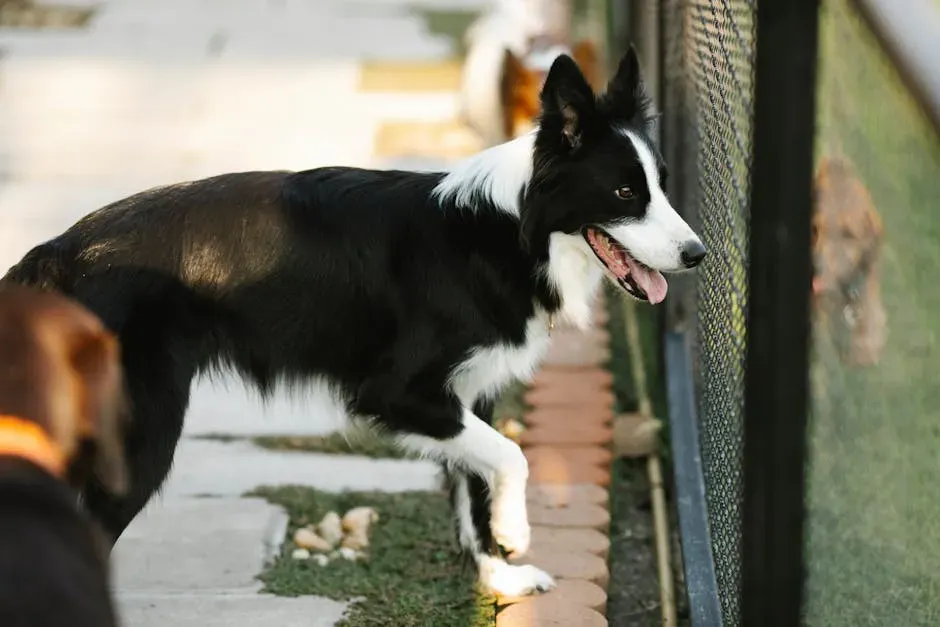
Here's the counterintuitive part that I genuinely wish more dog owners understood: setting boundaries is an act of love, not rejection. Dogs need boundaries not just to behave well, but to feel secure, and without structure, dogs often become more anxious, more reactive, and more unpredictable. Think of it like this: imagine living in a household where the rules change every day depending on someone's mood. No one thrives in that environment, human or dog.
A well-timed, consistent "no" is not punishment, it is information, telling the dog which behaviors work and which ones do not, so they don't have to keep experimenting to find out, allowing dogs to relax, because when the rules are predictable, the environment feels safer, and when it feels safer, dogs can make better decisions.
Imposing boundaries not only helps your dog learn right from wrong, but they also help in the development of impulse control and a reliance on you as their reward system. It is, in the most literal sense, how dogs learn to trust you as their leader, not fear you as their jailer. The distinction matters enormously.
How to Set Boundaries Without Damaging the Bond
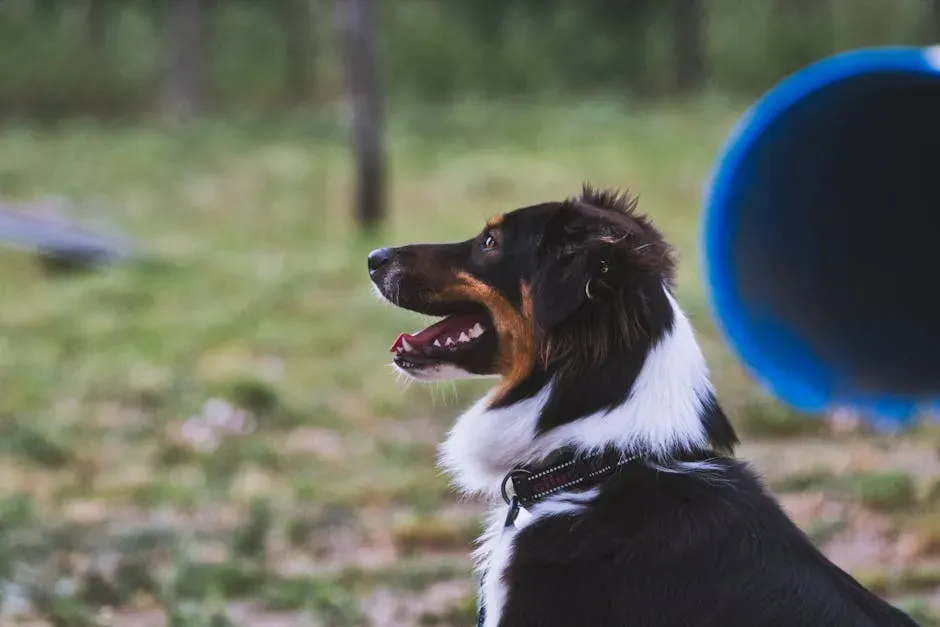
So how do you actually do this well? The approach matters as much as the boundary itself. Establishing boundaries with your dog isn't just about training, it's about creating a respectful and harmonious relationship, and by teaching your dog about personal space and acceptable behaviors, you foster a sense of security and structure that not only aids in their development but also enhances your mutual bond.
Consistency is everything. Allowing a behavior sometimes but correcting it other times depending on how busy, tired, or patient you are in that moment creates a situation where, from the dog's perspective, the rule does not exist, leaving only confusion. If the couch is off-limits on Mondays but fine on weekends, your dog isn't being stubborn when they jump up. They genuinely don't know what the rule is.
A "no" should always be followed by showing the dog what to do instead. Redirect, reward, repeat. That's the framework. Replace the unwanted behavior with something the dog can be praised for. Research shows that dog-human relationships combine the upsides of best friend relationships and parent-child bonds, making them more supportive and positive than most relationships between humans. That remarkable bond isn't fragile enough to be broken by a firm but calm redirection.
Conclusion: The "No" That Says "I Love You"
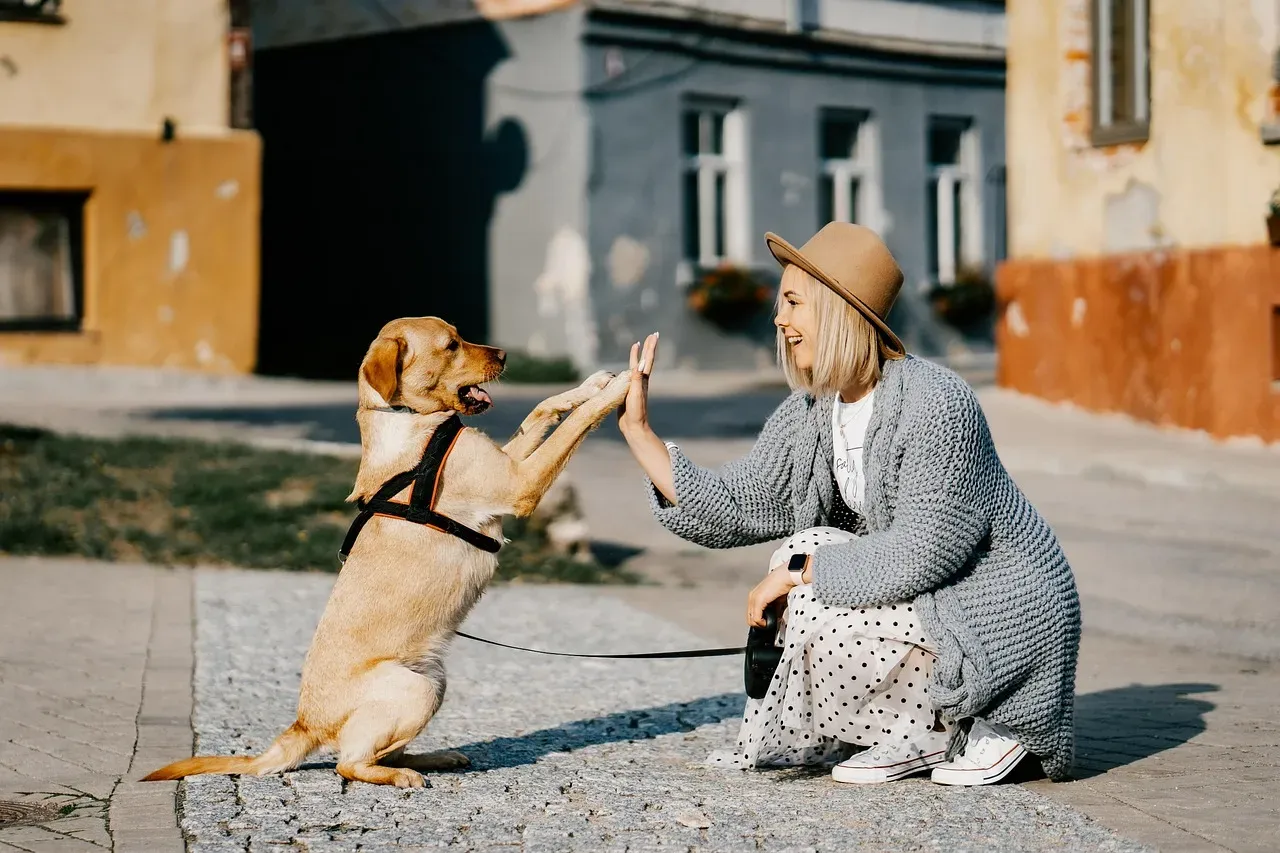
The silent language of rejection that we fear we're sending our dogs when we set limits is, more often than not, a story we're telling ourselves. Dogs are not keeping score. They are not plotting emotional revenge from their dog bed. What they need more than unchecked freedom is clarity, consistency, and a predictable world where they know the rules and trust the person who sets them.
Dogs do not feel safer with unlimited freedom. They feel safer when the world makes sense, and clear boundaries reduce stress, improve behavior, and allow dogs to relax into their environment. The boundary is not a wall between you and your dog. It is, when done with warmth and consistency, the very foundation of a bond built on trust.
The next time guilt creeps in after you've said "off" or "no" or "not now," consider this: the dog who truly feels unloved is not the one whose owner sets loving limits. It's the one whose owner simply stopped showing up altogether. So keep showing up, stay consistent, and don't confuse your guilt for your dog's grief.
What do you think? Have you ever felt that your dog was giving you the cold shoulder after a firm "no"? Tell us in the comments below.




Leave a Reply