
Few dishes carry a name as ominous as funeral potatoes, yet behind that gloomy title sits one of America's most comforting culinary creations. This cheesy, creamy potato casserole has become so deeply woven into Utah's identity that it transcends its somber moniker, showing up at weddings, baby blessings, church picnics, and just about any occasion where people gather to celebrate life rather than mourn it. The dish tells a story that's bigger than potatoes and cheese. It speaks to community, practicality, and a culture that values feeding large groups with warmth and generosity.
The name comes from the prevalence of this easy-to-prepare casserole at post-graveside-service receptions in LDS ward houses, though that's hardly where the story ends. Restaurants across Salt Lake City have taken this homestyle classic and given it new life, proving that funeral potatoes aren't fading into obscurity anytime soon. They're evolving, adapting, and solidifying their place as one of Utah's most enduring food traditions.
A Dish Born from Necessity and Large Gatherings
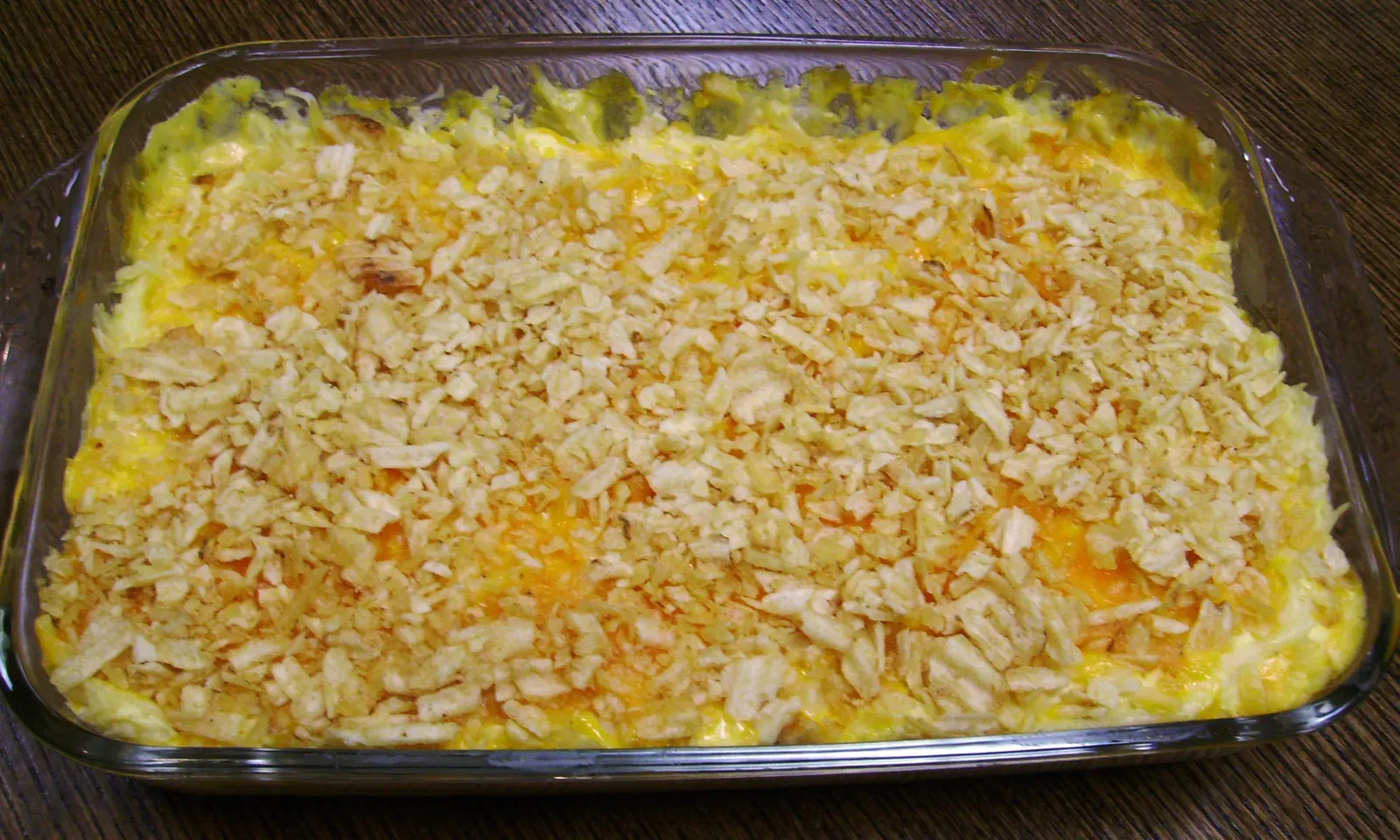
The history of funeral potatoes begins with practicality rather than culinary ambition. When you've got to feed dozens, sometimes hundreds, of people on short notice and a modest budget, you need a recipe that's simple, scalable, and satisfying. The origins trace back to the necessity for easily scalable and budget-friendly recipes to feed large crowds, with simple ingredients and straightforward preparation making it the go-to choice. Think about it: a casserole that requires nothing more than diced potatoes, canned soup, sour cream, cheese, and cornflakes can stretch to feed an army without breaking the bank or requiring culinary expertise.
The dish is a member of the genus Hot Dish, native to the northern plains of the Midwestern United States, but its Utah prominence evolved as a result of large families and even larger gatherings attended by multiple large families. In a state where family reunions might draw fifty people and church functions regularly host hundreds, having a reliable dish that delivers comfort and flavor became essential. The genius lies in its simplicity. Anyone can make funeral potatoes, which means anyone can contribute to feeding the community when the need arises.
The reliance on shelf-stable ingredients like canned cream of chicken soup and frozen hash browns made the dish even more practical. Families could keep the components on hand, ready to whip up a batch whenever duty called. The dish highlights one trait of traditional Utah cooking, focusing on a somewhat midcentury American value of feeding many mouths on the cheap by putting several processed or canned foods together to make something new and delicious. There's an honesty to that approach, a recognition that food doesn't have to be fancy to bring people together.
The LDS Church and Community Food Culture
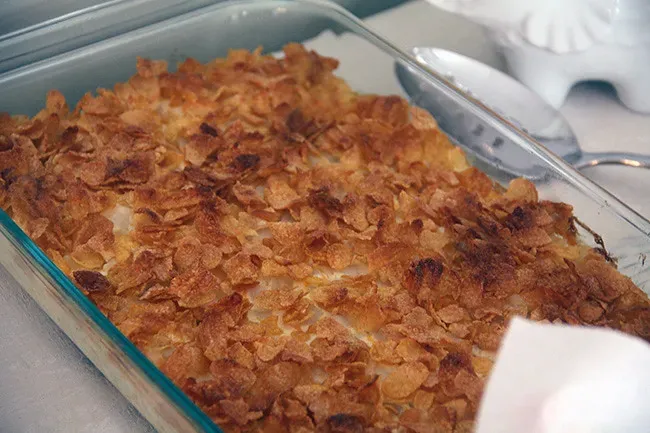
Funeral potatoes became a Utah staple made popular by the hospitality of the Church of Jesus Christ of Latter-day Saints' Relief Society women. The Relief Society, the women's organization within the LDS church, has long held responsibility for organizing meals during times of loss, celebration, and service. These women perfected the art of communal feeding, developing recipes that could serve crowds while still tasting homemade and heartfelt.
The dish got its slightly macabre name from its ubiquitous presence at LDS funerals, though it's equally present at other gatherings that commemorate different life-changing events, showing up at wedding receptions, baby blessings and the welcoming or bon voyage-ing of young LDS missionaries. The church's emphasis on community support means that members regularly gather for potlucks, service projects, and social events. In that environment, having a repertoire of crowd-pleasing dishes becomes almost a social currency.
Here's the thing: in LDS culture, food represents more than sustenance. It's an act of service, a way of showing love and support during both joyful and difficult times. Bringing a dish to someone in need isn't just polite; it's deeply embedded in the culture. Funeral potatoes became the dish you could count on, the one that felt like a warm hug on a casserole plate. The principal consumers of funeral potatoes are LDS bishops, morticians and Relief Society and Elders' Quorum presidents, the people most often responsible for organizing community gatherings.
What Makes Funeral Potatoes So Irresistible
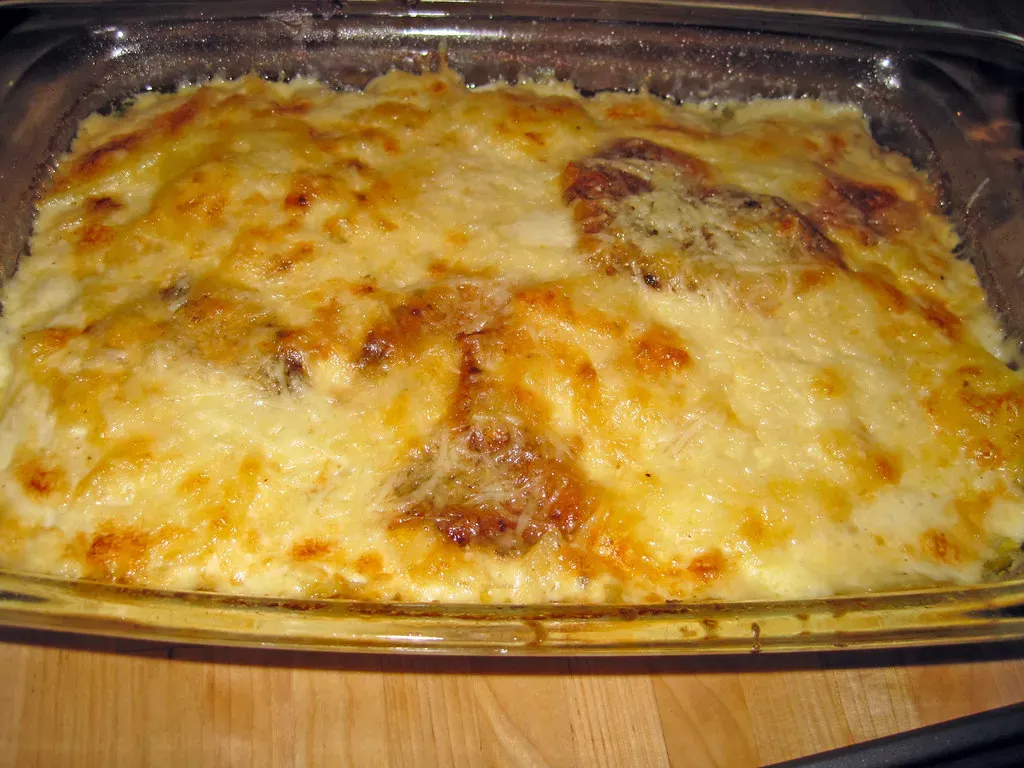
The recipe itself is deceptively simple, which makes its deliciousness all the more impressive. At its core, the dish consists of diced potatoes, cream of mushroom soup, sour cream, cheese, and a crispy topping of cornflakes or breadcrumbs, resulting in a decadent casserole bursting with creamy goodness and a satisfying crunch. That contrast between the creamy interior and crunchy topping creates a textural experience that keeps people coming back for seconds.
In addition to heaps of shredded cheddar cheese, you're typically looking at a can of cream of chicken soup, a few cups of sour cream and lots of butter, and recipes that skimp on these crucial components don't produce a product that makes you pause to reflect on the moment. Let's be real: this isn't health food. It's comfort incarnate, the kind of dish that reminds you why fat and salt exist in the first place. The richness isn't accidental; it's the entire point.
The cornflake topping deserves special mention. Some people swear by adding a crust of potato chips instead of cornflakes, but this is also a great sin of omission, it's cornflakes or bust. Those golden, buttery cornflakes provide the perfect textural counterpoint to the creamy potatoes beneath. When done right, they offer a satisfying crunch that transforms each bite from good to memorable. The variations exist, of course. Some add diced ham or bacon for extra savory richness, while others incorporate green onions or herbs for a fresh twist.
The 2002 Winter Olympics Recognition
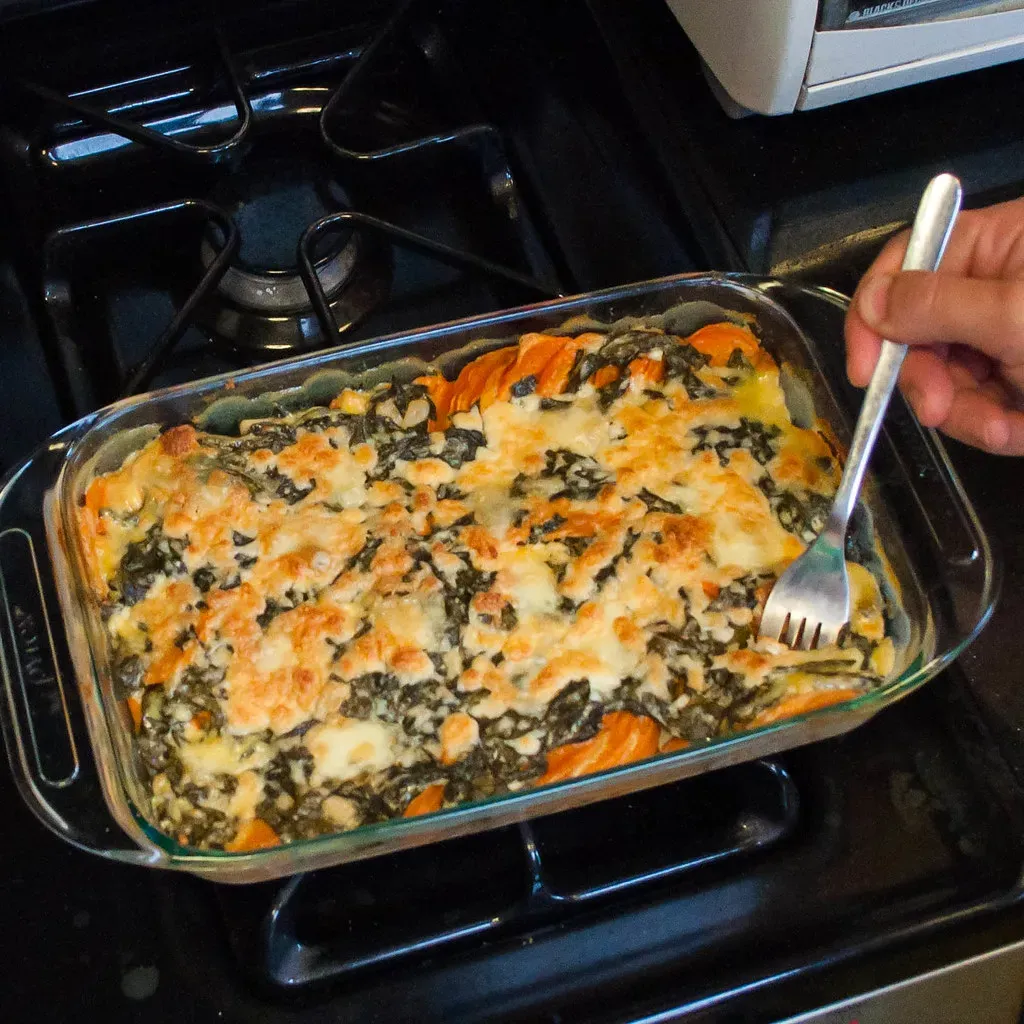
The dish is so loved by Utah residents that the 2002 Winter Olympics commemorated funeral potatoes in a souvenir food pin. Think about that for a moment. When the world came to Utah for the Winter Olympics, organizers decided that among all the foods they could highlight, funeral potatoes deserved recognition. That decision speaks volumes about how central this dish is to Utah's cultural identity.
The pin became a collector's item, a quirky piece of Olympic memorabilia that celebrated local culture rather than trying to present some sanitized, universally palatable version of the state. It was a bold choice, one that said Utah wasn't ashamed of its unique food traditions, even if they came with strange names and relied on canned soup. The pin put funeral potatoes on an international stage, introducing visitors from around the globe to a distinctly Utah phenomenon.
Honestly, it's hard to imagine many other states having the confidence to celebrate such a specific, unglamorous dish on a global platform. New York might showcase bagels, Louisiana could highlight gumbo, but Utah went with funeral potatoes. That choice revealed something important: Utahns are proud of their comfort food culture, even when it doesn't fit conventional culinary prestige. The Olympics pin transformed the dish from a regional oddity into a symbol of local pride.
Modern Restaurants Embrace the Tradition
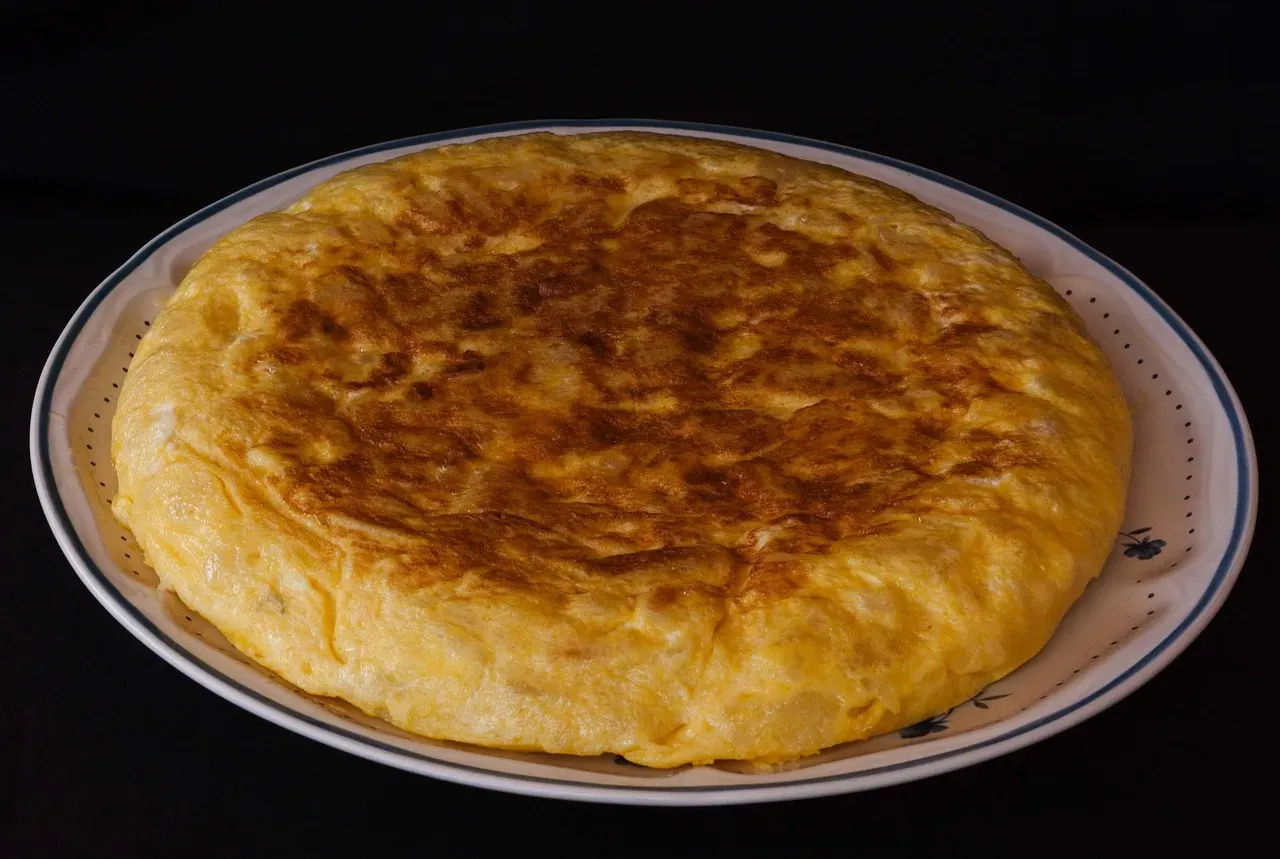
What started as a homestyle casserole has found new life in Utah's restaurant scene. Funeral potatoes started popping up on menus with cheeky chef-driven flair, such as versions made with Gruyere, showing that chefs see potential in elevating this humble dish. The restaurant adoption represents a significant cultural shift, as funeral potatoes move from church basements and home kitchens into professional culinary spaces.
Garage on Beck has taken the classic funeral potato recipe and created something transcendent, mixing theirs with bacon and jalapeños and battering them in a cornflake crumble before being deep fried, resulting in a bowl full of golden gastropub glory that even comes with a side of ranch dressing. That's innovation that respects the original while pushing it in bold new directions. Deep frying funeral potatoes might sound excessive, yet it works precisely because the dish already embraces indulgence.
Mar Muntanya has elevated this local dish to the next level on their rooftop patio with a twist of scallion aioli and Spanish charm, labeling their version Funeral Croquetas which highlights the fusion of Utah and Spanish delicacies. These adaptations prove that funeral potatoes possess enough culinary integrity to withstand reinterpretation. The basic concept of creamy potatoes with a crunchy exterior translates across cooking techniques and cultural influences. High-end restaurants in Salt Lake City now feature elevated versions with truffle oil and artisan cheeses, bringing luxury ingredients to a dish born from economy.
Why the Name Stuck Despite Everything
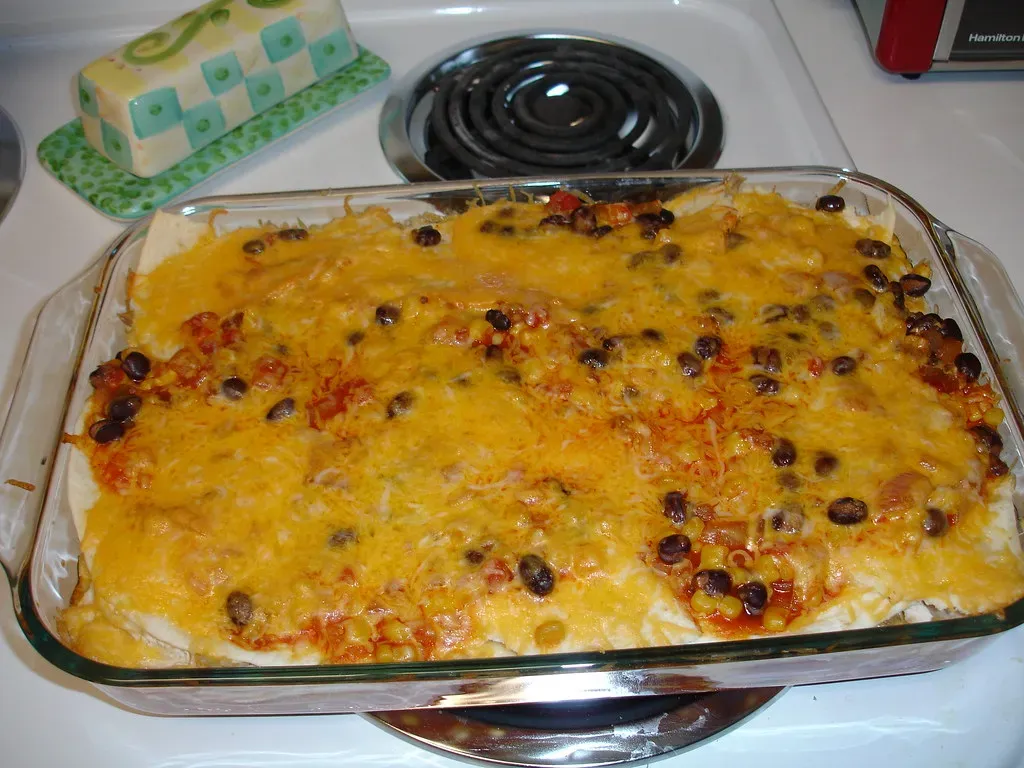
The potatoes got their name for their ubiquitous presence on the buffet table at many post-interment luncheons, with guides to planning a funeral meal listing the potatoes second on the menu after ham, and even though the potatoes can be found at almost any social gathering, they've retained the somewhat morbid moniker. I know it sounds strange, yet the name has become part of the appeal. There's something charmingly irreverent about it, a refusal to take food too seriously.
The name creates instant curiosity. When tourists see funeral potatoes on a menu, they have to ask about it. That question leads to conversation about Utah culture, community traditions, and the role of food in bringing people together during significant life events. The name serves as a conversation starter, a gateway into understanding what makes Utah's food culture unique. Calling them something bland like "cheesy potato casserole" would rob the dish of its story.
There's also honesty in the name. Funerals are where many people first encountered this dish, where it served its original purpose of feeding grieving families with minimal fuss. Renaming it now would feel like erasure, an attempt to sanitize history for modern sensibilities. Utahns have largely rejected that impulse, choosing instead to embrace the name with a mix of pride and humor. The morbid moniker has become a badge of authenticity.
The Dish That Feeds Everyone at Every Occasion
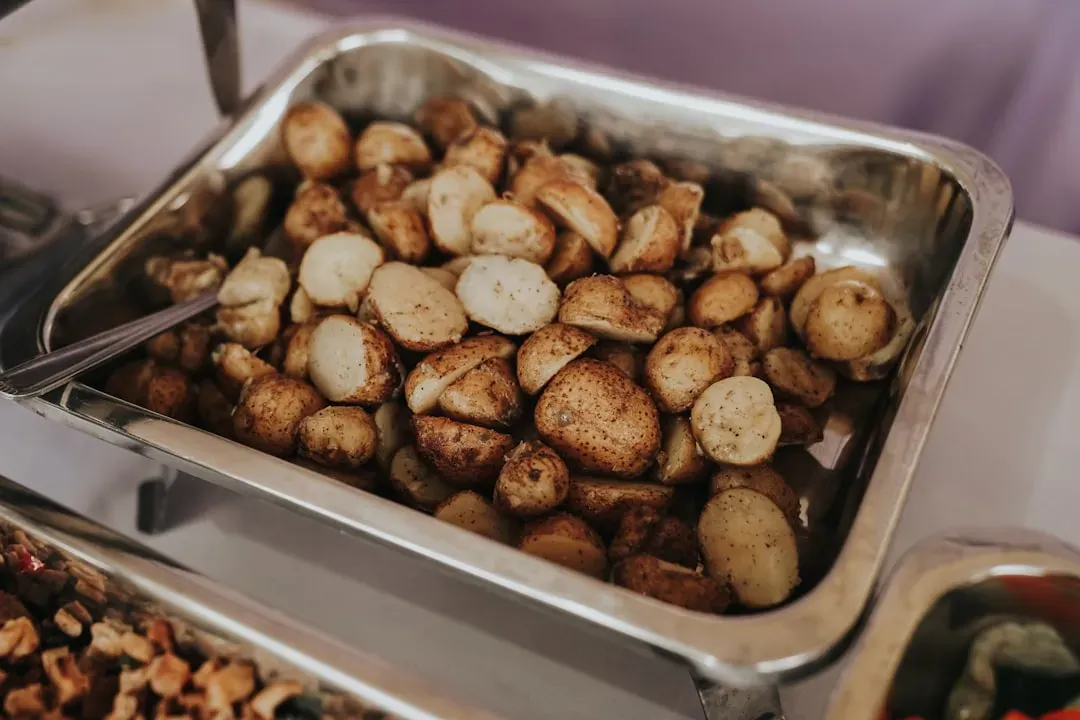
Funeral potatoes have become synonymous with gatherings and potluck dinners across Utah, and contrary to what their name might suggest, these creamy, cheesy potatoes are not exclusively reserved for funeral receptions, appearing as a staple at family gatherings, church functions, and any occasion calling for a hearty, comforting side dish. The versatility explains much of the dish's enduring popularity. You can serve funeral potatoes at breakfast, lunch, or dinner without anyone questioning the choice.
The dish can enhance any meal, starting the morning right when paired with favorite breakfast meat or finishing the day celebrating with friends over this creamy local delicacy, and you honestly can't go wrong with the time of day. That flexibility makes it an easy default for event planners and home cooks alike. Need a side dish that will please both kids and adults, carnivores and vegetarians? Funeral potatoes rarely disappoint.
The dish's ability to feed crowds without requiring constant attention makes it perfect for gatherings where the host wants to spend time with guests rather than tending the kitchen. You assemble it, stick it in the oven, and forget about it until the timer goes off. That hands-off approach matters tremendously when you're juggling multiple dishes or hosting dozens of people. Getting the most out of funeral potatoes requires someone else to make them for you, capturing the communal nature of the dish perfectly.


Leave a Reply