
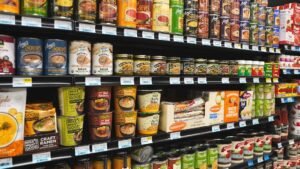
Pick up almost any packaged food in a grocery store and flip it over. Somewhere near the bottom of the ingredients list, you'll almost certainly find the words "natural flavors." It sounds wholesome, reassuring even - like a quick bite of something plucked from a garden or squeezed from fresh fruit. The reality, however, is considerably more complicated. What hides behind those two small words is one of the food industry's most persistent and least-understood secrets.
The Official Definition - and Why It Doesn't Tell You Much
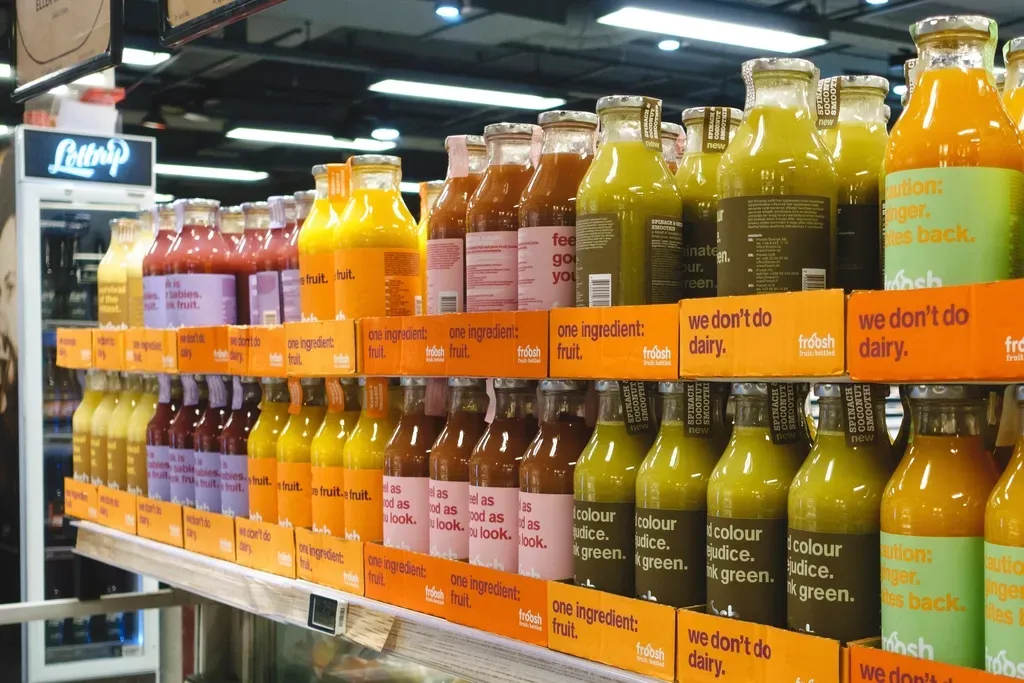
Under U.S. federal law, the term "natural flavor" or "natural flavoring" means the essential oil, oleoresin, essence or extractive, protein hydrolysate, distillate, or any product of roasting, heating or enzymolysis, which contains the flavoring constituents derived from a spice, fruit or fruit juice, vegetable or vegetable juice, edible yeast, herb, bark, bud, root, leaf or similar plant material, meat, seafood, poultry, eggs, dairy products, or fermentation products thereof, whose significant function in food is flavoring rather than nutritional. That definition, spelled out by the FDA under 21 CFR 101.22, is broad by design. It covers an enormous range of substances - from a simple citrus extract to something far more processed and chemically complex.
Natural flavors are currently the fourth most common food ingredient listed on food labels. In reality, "natural flavors" are a far cry from what consumers might expect, as they can contain both artificial and synthetic chemicals, often used as processing aids. No major regulatory agency worldwide defines natural ingredients in food, except for natural flavors. So while countries like the U.S. have a legal framework in place, that framework is built around the source of the ingredient - not the extent to which it has been processed or chemically altered along the way.
What Natural Flavors Are Actually Made Of
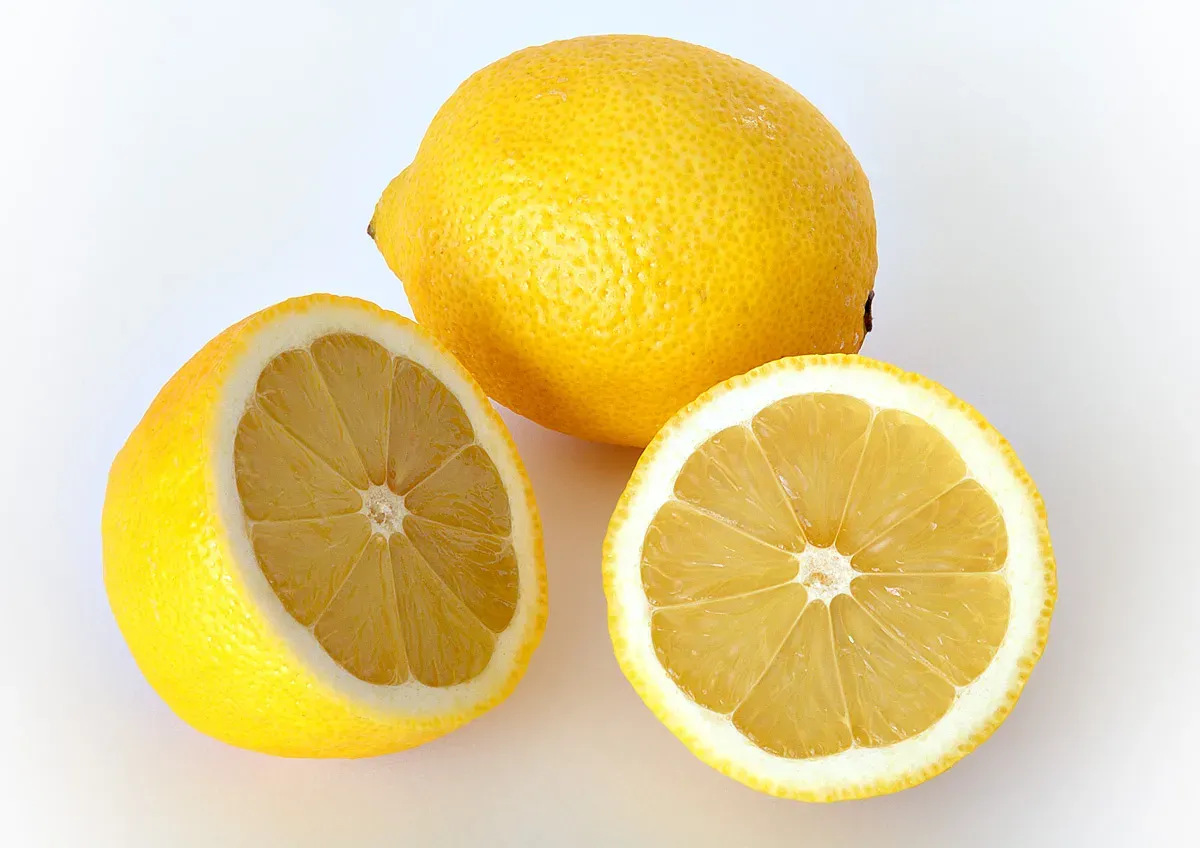
Natural flavors are complex mixtures created by food chemists known as flavorists. They are obtained from plants, animals, and even eggs. Some common examples include citral, also known as geraniol, which comes from lemongrass, lemon, orange, and pimento and is found in citrus-flavored beverages and sweets; and benzaldehyde, which comes from almonds, cinnamon oil, and other ingredients and is frequently used to impart an almond flavor and aroma to foods. There is also castoreum, a slightly sweet substance found in the anal secretions of beavers, which is sometimes used as a substitute for vanilla, although this is rare due to its high cost.
These flavor mixtures can be made up of over 100 chemicals, according to the Environmental Working Group. Things like solvents, emulsifiers, flavor enhancers, and preservatives can make up 80% to 90% of natural flavors. That means the actual "natural" component - the fruit, herb, or plant extract - may represent only a small fraction of what you're consuming. When a natural flavor is taken off the shelf to incorporate into a product, that flavor is contained in some kind of solvent, with certain additives for functionality. The solvent and additives are not required to be in any way "natural."
Natural vs. Artificial Flavors: Closer Than You Think

There is "little substantive difference in the chemical compositions of natural and artificial flavorings. They are both made in a laboratory by a trained professional, a 'flavorist,' who blends appropriate chemicals together in the right proportions. The flavorist uses 'natural' chemicals to make natural flavorings and 'synthetic' chemicals to make artificial flavorings. The flavorist creating an artificial flavoring must use the same chemicals in his formulation as would be used to make a natural flavoring." This distinction - which consumers pay a premium for - is primarily about origin, not composition or safety.
Interestingly, the chemical mixtures that comprise artificial flavors are often simpler than "natural" flavors. The reason: artificial flavors contain fewer chemicals than natural ones, which can be mixtures of several hundred chemicals. The exact same chemical can appear on food labels as a natural flavor or artificial flavor depending on what it is made from. For example, vanillin is the chemical largely responsible for the flavor of vanilla. Vanillin in food can come from vanilla extract - in which case it can be labeled as "natural flavor" - or it can be synthesized in a lab, in which case it can be labeled as "artificial flavor."
The GRAS Loophole and Who Decides What's Safe

Many "natural flavors" fall under the FEMA GRAS (Generally Recognized As Safe) designation, allowing manufacturers to self-declare them "safe" without FDA approval. The FDA's reliance on a voluntary GRAS notification program, where companies can submit safety assessments for their own determinations of GRAS substances, raises concerns about conflicts of interest and limits the agency's ability to collect information about the safety of these substances systematically. This system lacks transparency, as the specific ingredients within a "natural flavor" are often not publicly disclosed, making it difficult for consumers to understand what they're consuming.
One thing all spices and flavors have in common is that food companies do not actually have to tell consumers which of these substances they have added to a food or beverage. Flavor is a $14 billion global industry with powerhouse trade groups that play outsized roles in how safety is assessed and communicated to the public. The flavor industry argues that artificial flavors undergo stricter safety evaluations than natural flavors. The truth is that safety evaluations for all food additives and flavor additives are not as thorough as they should be.
Hidden Allergens and Ethical Blind Spots
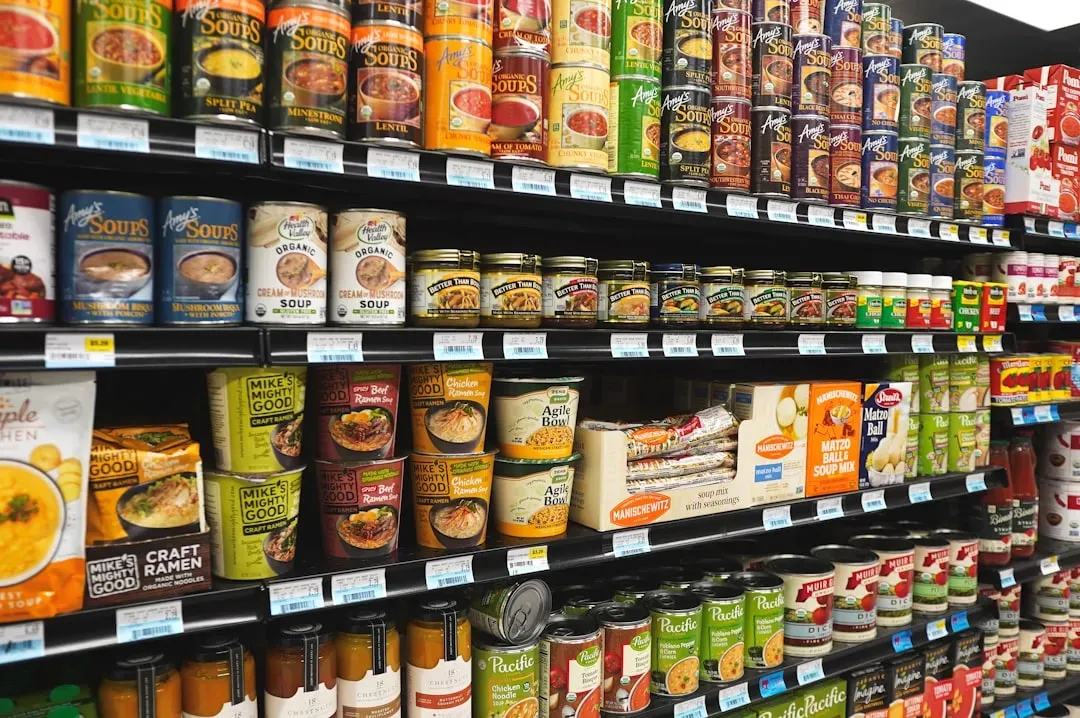
Under the Food Allergen Labeling and Consumer Protection Act (FALCPA) and the FASTER Act of 2020, food manufacturers must note the nine major allergens on labels, even if they are in the natural flavors. This includes milk, egg, peanut, tree nut, wheat, sesame, soy, fish, and crustacean shellfish. If the natural flavoring contains one of the nine major allergens, you will see the name of the major allergen within the list of ingredients - for example, "natural flavoring (soy)" or "Contains: soy." However, protection stops there.
Current labeling laws deprive consumers of the information they need to protect themselves from food allergens or identify products aligned with their ethical beliefs (such as vegan products). Federal law requires allergen labeling for only nine "major allergens," but at least 59 foods can cause life-threatening allergic reactions. Natural flavorings can be animal-derived, making them unsuitable for vegetarians, vegans, or those following religious dietary laws. People who avoid pork for religious reasons, or those following a strictly plant-based diet, have no reliable way to know whether an animal-derived substance is lurking inside a product's "natural flavor" blend.
The Booming Market and Calls for More Transparency
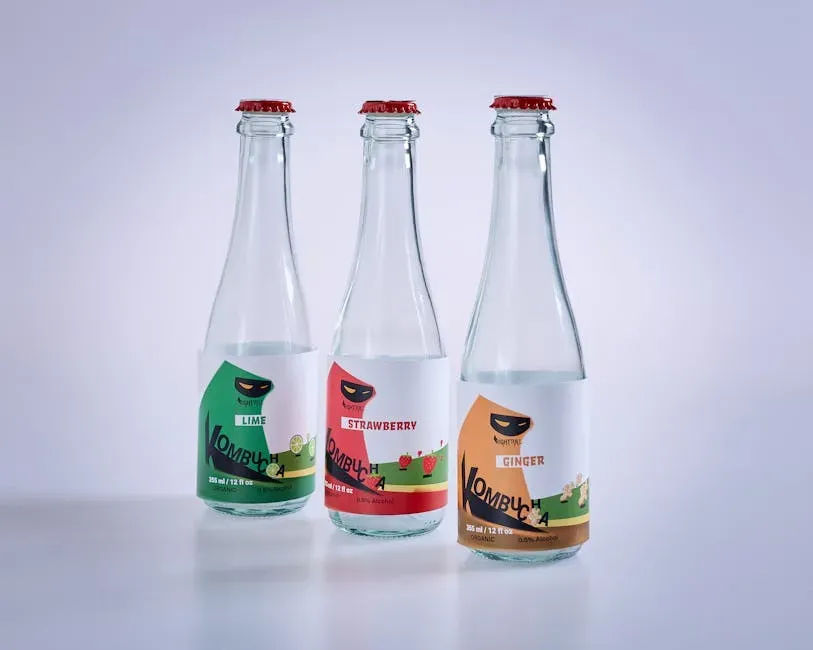
The global natural flavors market was valued at USD 6.40 billion in 2023 and is expected to grow at a CAGR of 7.5% from 2024 to 2030. Natural flavors are anticipated to witness a growth rate of 7.5% from 2025 to 2030, driven by increasing consumer awareness and preference for clean-label products. That appetite for "cleaner" labels is precisely what makes the gap between perception and reality so significant - consumers are actively seeking natural options, but the label itself offers little guarantee of what they're actually getting.
Research has shown that when "natural" appears on food packaging, people tend to form positive opinions about the product, including its perceived healthiness. Current labeling laws deprive consumers of the information they need to protect themselves from food allergens or identify products aligned with their ethical beliefs. Federal law requires allergen labeling for only nine "major allergens," but at least 59 foods can cause life-threatening allergic reactions. By assessment, each of these substances can legally be hidden behind the terms "spice" or "natural flavor." With growing consumer pressure and watchdog organizations pushing for reform, the debate over transparency in food labeling is far from over - and it may be reaching a turning point.


Leave a Reply