
You pack your bags, board the flight, and land somewhere new - full of excitement and maybe a little hunger. Then comes the moment no travel blog quite prepares you for: you sit down at a local restaurant and realize the food is nothing like what you expected. For American travelers especially, this can be a jarring experience. The U.S. has one of the most diverse, flavor-forward food cultures on the planet, and that sets a very specific palate before you even leave the terminal.
Honestly, food is one of the most emotional parts of travel. It can make or break an entire trip. Some countries will blow your expectations out of the water. Others will leave you quietly Googling the nearest familiar restaurant at midnight. Here is a gallery-style look at nine countries where American food lovers frequently find themselves either deeply disappointed or genuinely, pleasantly surprised. Let's dive in.
1. Iceland: Stunning Scenery, Challenging Plate

Iceland is one of those places that genuinely takes your breath away - but the traditional cuisine? That's another story entirely. With its harsh weather conditions and limited agricultural capacity, Icelandic cuisine uses what is available, resulting in some unique dishes. "Hákarl," fermented Greenland shark, is known for its potent smell of ammonia and an equally strong taste.
For American visitors expecting hearty, flavorful meals, that kind of thing can feel like a dare, not a dinner. Another dish, "Súrir hrútspungar," soured ram's testicles preserved in lactic acid, is another offering that can be quite challenging for first-timers. These are not dishes born from cruelty but from centuries of harsh survival in a volcanic landscape.
Most tourists in Iceland come from the United States, followed by the United Kingdom, Germany, Poland, and France in 2024. The USA was the top source of visitors, accounting for roughly a quarter of the market share with over 620,000 visits. That is a massive wave of American eaters arriving each year, many of whom are quietly reaching for anything familiar.
Since 2010, the number of tourists visiting Iceland has grown dramatically, increasing from 495,000 to over 2.3 million visitors in a nation of just 340,000 people. This has resulted in the increased importation of certain types of food. So the local scene is evolving fast, even if the traditional stuff still raises eyebrows.
2. Finland: Potato Nation (in the Nicest Possible Way)
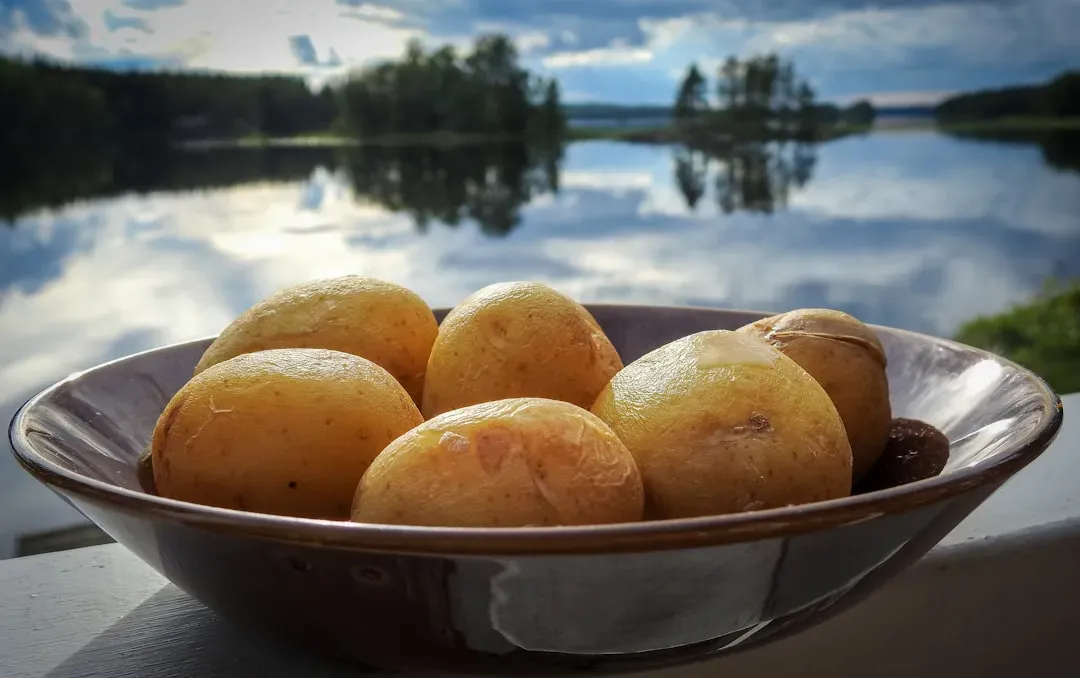
Finland consistently ranks as one of the happiest countries on Earth. Finland is ranked as the happiest country in the world in 2024, and in its 2024 update the World Happiness Report concluded the same. Happy people, sure. But the food situation? That's a different conversation.
American travelers tend to arrive expecting vibrant Nordic cuisine. What they often find in everyday local settings leans heavily on root vegetables and simple preparations. There must be a reason why there are virtually no Finnish restaurants outside Finland. One traveler recounted going out to lunch there and being confronted with a buffet where everything was, essentially, a form of potato.
That does not mean Finnish food is without merit. It just operates on different priorities: pure ingredients, minimal seasoning, and honest simplicity. For an American palate shaped by bold flavors and heavy seasoning, this can feel almost alien. Studies have found that consumers are programmed from early childhood to prefer familiar foods, and disgust and food neophobia are major barriers to accepting new foods. Science basically confirms what any jet-lagged American in Helsinki already suspects.
3. The United Kingdom: Tradition Over Flavor
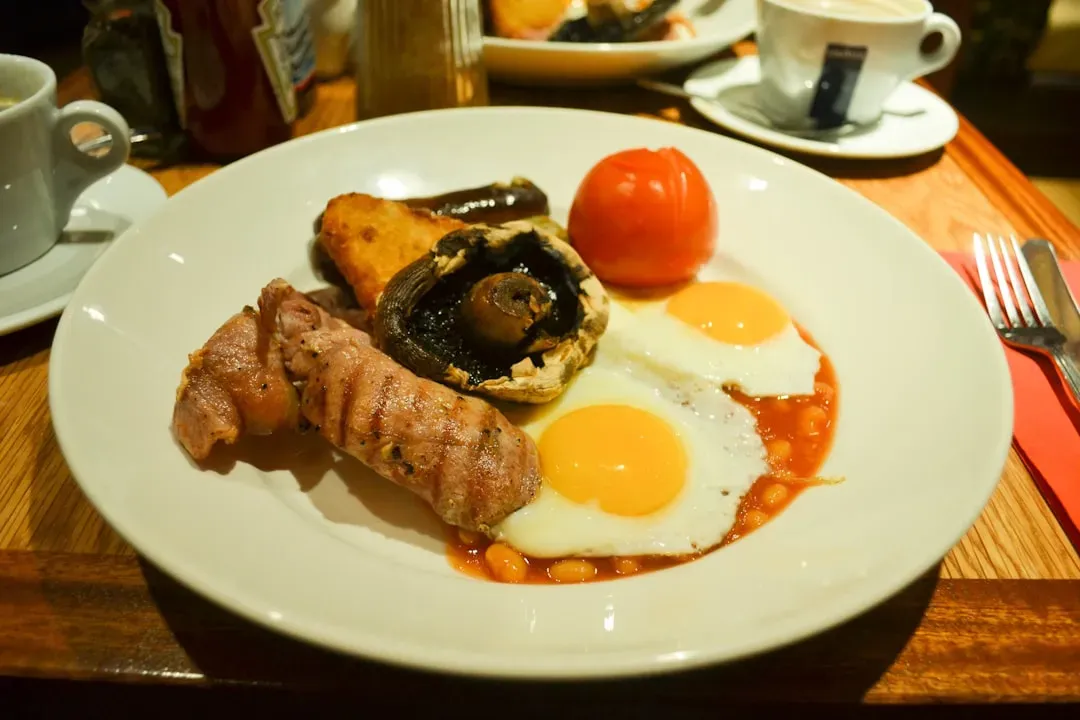
Let's be real - British food has a long-standing reputation, and not always a flattering one. One American traveler put it plainly: having eaten a lot of British food, they found most of it simply not good. One notable British pudding, they noted, is made with pig's blood and a great deal of salt - and they called it the most disgusting thing they had ever had to eat.
The full English breakfast is a classic, beloved and filling, though it comes with its own considerations. A full English contains over 1,000 calories, more than half the recommended daily intake for an average adult male. That fact alone tends to either excite or horrify Americans, depending on the person.
Here's the thing though: modern Britain is actually a food revelation, particularly in cities. There is a meaningful difference between a country's traditional cuisine and the modern food you can get there. Everyone talks about how bad traditional English food is, but when you actually go to England, modern dishes like Chicken Tikka Masala are actually pretty good. It's a country at war with its own culinary identity, and that tension makes it fascinating.
4. Mongolia: Where Spice Goes to Die
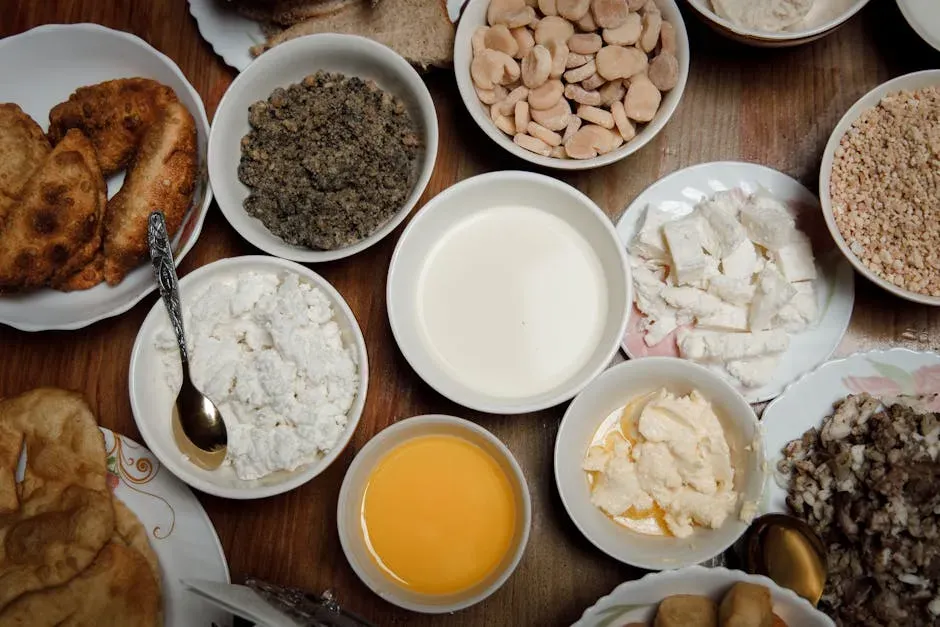
Mongolia does not make many people's dream food destination lists, and there is a very practical reason for that. "Cold places with a lack of access to spices or not much agricultural history make the worst food, and Mongolia checks all those boxes." That is not a hot take - it is a geographic reality.
The traditional Mongolian diet is dominated by meat and dairy, with very little in the way of vegetables, spices, or aromatics. Think boiled mutton, fermented mare's milk, and dried curds. For an American arriving from a country where Chinese cuisine alone holds about a 36% share of the Asian food market and bold flavors are everywhere, this is a genuine culture shock of the culinary kind.
That said, Mongolian food is deeply purposeful - built for endurance in one of the harshest climates on Earth. It feeds bodies that need fuel, not entertainment. A bit like eating jet fuel when you were hoping for a gourmet meal. Respect is warranted, even when appetite is not inspired.
5. The Philippines: Love It or Leave It
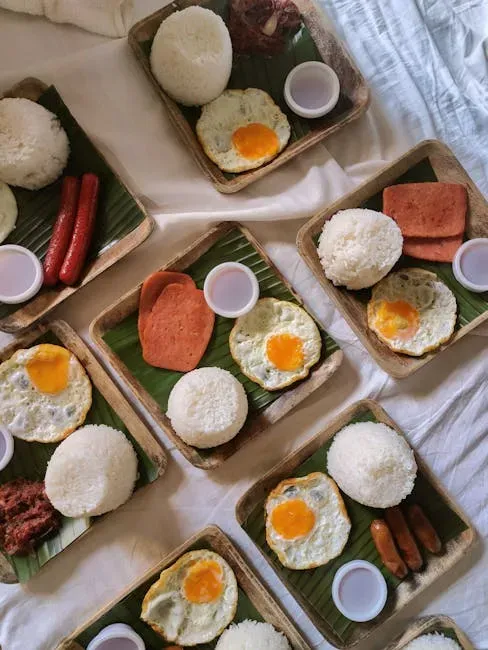
Filipino food occupies a fascinatingly polarizing space. For many Americans, particularly those with Filipino American connections, it is pure nostalgia and comfort. For those arriving without context, certain dishes can be a genuine shock. Filipino cuisine, while incredibly diverse, has several dishes that make foreigners squeamish. "Balut," a fertilized duck egg incubated for 14 to 21 days before being boiled and eaten straight from the shell, often stirs fear in the hearts of unprepared tourists.
"Dinuguan," a stew made from pig's blood, offal, and spices, is another dish that requires an adventurous palate, yet it is an intrinsic part of the country's food culture. That context matters enormously. These are not shock-value novelties - they are deeply embedded traditions. However, context does not always help when you are staring down a fertilized egg.
Filipino food includes dishes like adobo, lechon, and balut, and the cuisine blends native, Spanish, and American influences. That fusion aspect is genuinely exciting for open-minded American travelers. It's hard to say for sure, but the Philippines might actually be the most underrated food country for Americans willing to push past the initial hesitation.
6. Japan: A Dazzling Surprise in All the Best Ways
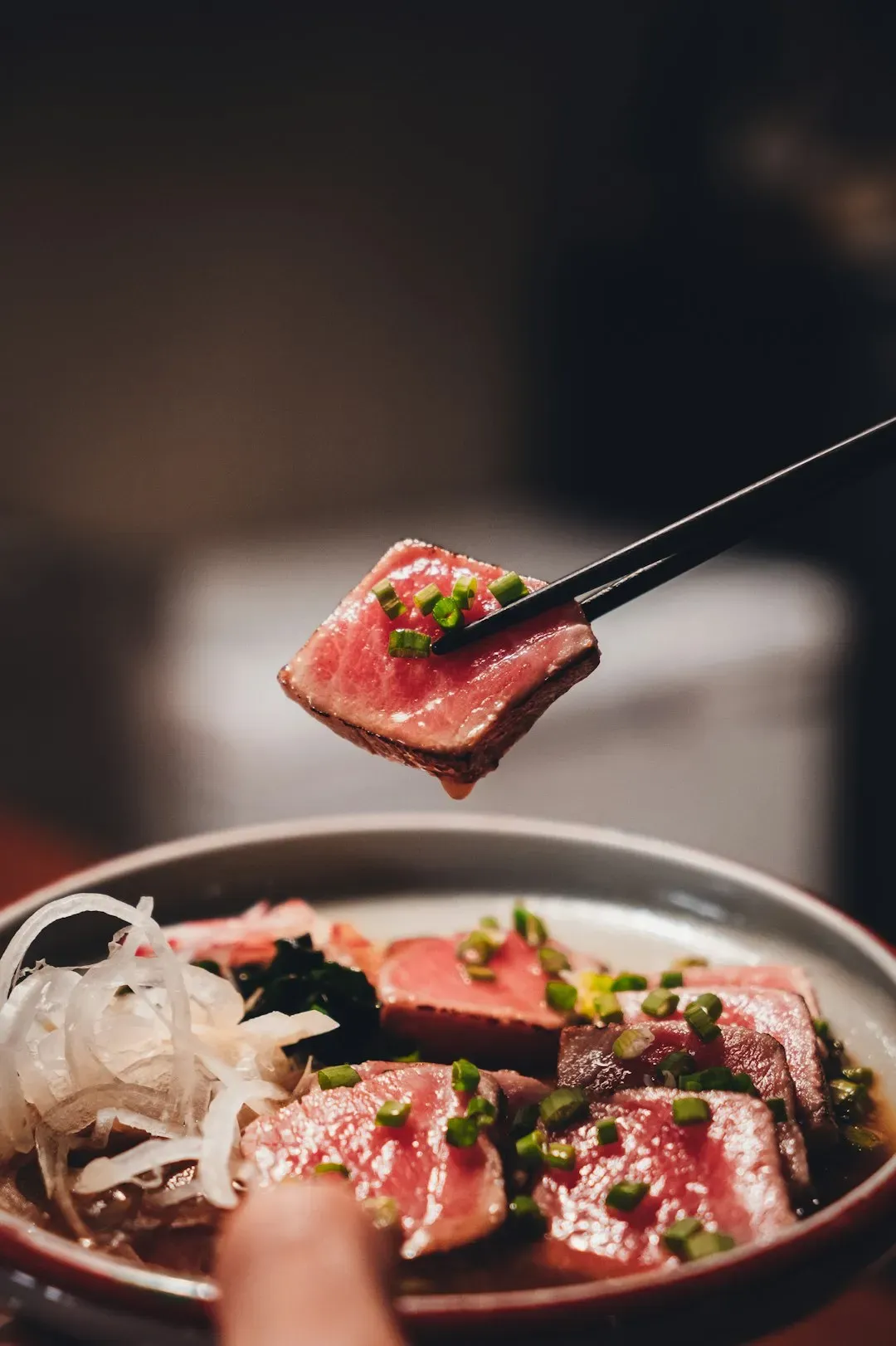
Japan tends to flip the script entirely. Most American travelers arrive with mild curiosity and leave with what can only be described as a food obsession. Japan broke pre-pandemic tourist figures in 2024, welcoming around 36.87 million international visitors - a nearly 50% increase on the previous year. Around 40 million tourists were expected in 2025. For the second year running, readers of the U.S. version of Condé Nast Traveler voted Japan their top travel spot.
The surprise for Americans is often the depth of the food culture, not just the sushi. Ramen shops with decades of craft behind a single bowl. Convenience store food that outperforms most American restaurants. Tempura so light it almost defies gravity. One American in Japan posted on Reddit wishing for "a decent taco," which says more about how deeply Americans miss their own food than it does about Japanese cuisine.
The food in Japan is widely described as transcendent, and that is not hyperbole. It is one of the few countries where the food experience itself becomes a primary travel motivation rather than a side note. Americans who arrive expecting sushi rolls leave talking about things they had no English words for. That is a powerful transformation.
7. Ireland: Hearty, Honest, and Occasionally Baffling
Ireland is a country that Americans often feel an emotional connection to, especially given the deep Irish diaspora roots across the U.S. Then they arrive and discover that "Irish cuisine" is a phrase that generates genuine debate. One Irish person described the experience of family get-togethers centered around a big Irish table of food as sentimental and historically rich - but admitted the food is always just a collection of boiled ingredients. They eat it lovingly, they noted, and there's nothing wrong with it. There is just nothing especially right with it either.
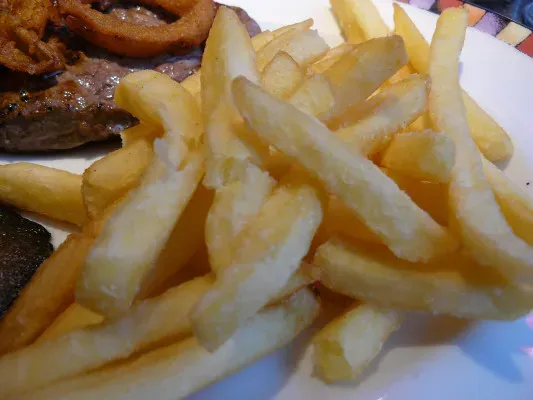
For Americans used to unlimited condiments and sauce variety, Ireland can feel restrained. In Ireland, the ketchup is often Heinz brand, but it is rationed at pubs and restaurants. If you go to a McDonald's in Ireland and order a burger with fries, you will likely receive just one or two ketchup packets. It sounds minor. When you are used to drowning your fries in sauce, it genuinely is not.
American french fries are noticeably different from the chips you will find in Ireland. American fries are crispier, saltier, and served with more sauces and dips on the side. Irish chips are a very distinct style, more comparable to steak fries and typically not very crispy. Neither is wrong. They are simply very different creatures wearing the same name.
8. France: Food Heaven That Still Leaves Americans Wanting One Thing
France is, objectively, one of the greatest food nations on Earth. Americans typically arrive knowing this and leave confirming it. The bread alone can silence a room. The cheese, the wine, the bistro culture - all of it is extraordinary. So why does France make this list?
Because Americans still manage to leave missing something specific. In these divided times, it seems ironic that the only thing that really unites Americans is Mexican food. Almost every list of what Americans miss while traveling features tacos, burritos, and other foods from south of the border. France has extraordinary food - but it does not have a good taco, and apparently that matters more than expected.
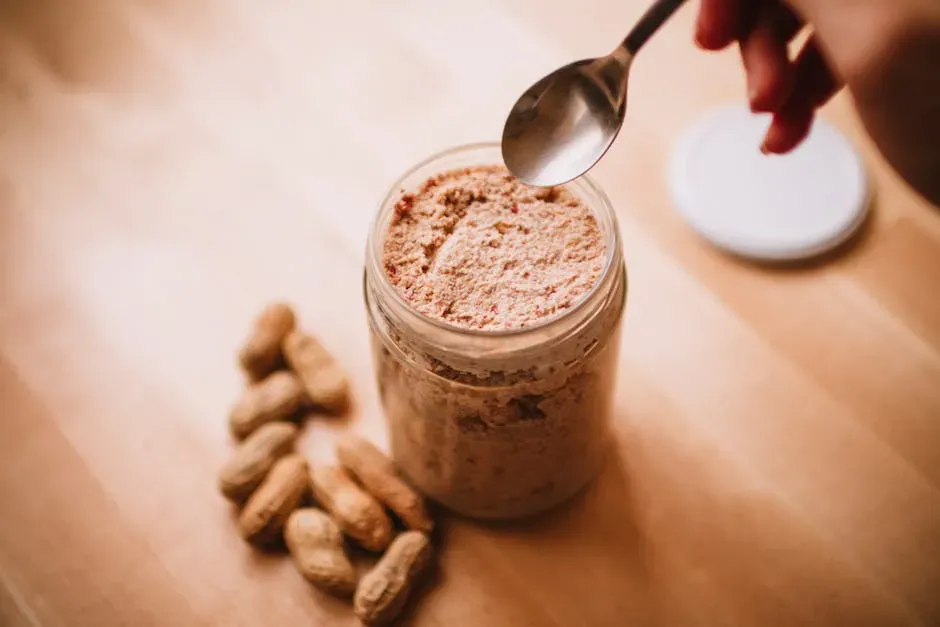
There is also the peanut butter problem. A survey by insurance company Aetna International found that roughly seven in ten U.S. travelers missed peanut butter brands like Jif and Skippy. Though peanut butter is available in most countries, there is not as much demand for it. The average American spends five times more on peanut butter than the average Brit. France is no exception to this peanut butter void. You will find extraordinary cheese. You will not find Skippy. Accept this before you land.
9. China: Authentic vs. What Americans Think They Know
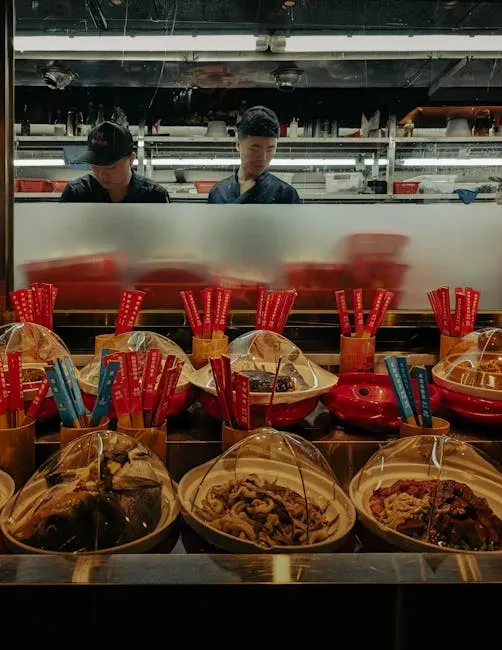
Here is where things get genuinely interesting. Most Americans believe they love Chinese food. They have grown up with it. It is everywhere in the U.S. Then they travel to mainland China and discover that what they knew was essentially a localized, Americanized creation with very little resemblance to the real thing. One person admitted that after dating someone from Shanghai for three years, they could honestly say they do not like actual Chinese food. Anyone who grew up on a Western diet and abruptly switched to eating authentic Chinese food on a regular basis knows exactly what that experience is like.
The flavor profiles shift dramatically. Things are more fermented, more pungent, richer in offal, and far less sweet than the Americanized version. Back in the U.S., Chinese cuisine remains the largest Asian food segment, holding about a 36% share in 2024, supported by its strong presence across dine-in, takeout, frozen meals, and fast-casual categories. Americans have essentially built their own version of Chinese food at home - a parallel cuisine that now diverges wildly from the source.
When people travel to foreign countries, they are exposed to other cultures, interact with culturally different people, and exchange food preferences, which leads to a process of acculturation. China accelerates that process at warp speed. It is a food culture so vast and regional that even many Chinese people do not recognize food from other provinces. For an American arriving with sweet-and-sour sauce expectations, it is equal parts humbling and extraordinary.
Food has a strange power. It can make you feel like a stranger in a country you were certain you understood, or it can open a door to somewhere you never expected to love. Whether you leave disappointed or dazzled, every single one of these nine countries will change the way you think about what ends up on your plate. What about you - has a foreign food experience ever genuinely caught you off guard? Drop your experience in the comments.




Leave a Reply