
Americans eat out more than ever. It's convenient, social, and let's be honest, incredibly hard to resist. But what if that meal you just ordered quietly packed in more calories, sodium, and saturated fat than your body needs in an entire day? At fast-food restaurants, roughly seven out of ten meals Americans consumed were of poor dietary quality, while at full-service restaurants, about half fell into the same category. That's not a small problem. That's a nationwide pattern playing out every single day at drive-throughs and sit-down chains alike.
A study in the American Journal of Public Health found that unhealthy restaurant foods contain an average of 642 calories more than people estimate. So before you scroll to the bottom of that oversized laminated menu, let's take a hard look at the twelve restaurant meals Americans genuinely wish they'd skipped.
1. The Cheesecake Factory's Bruléed French Toast: Breakfast Dressed as a Bomb
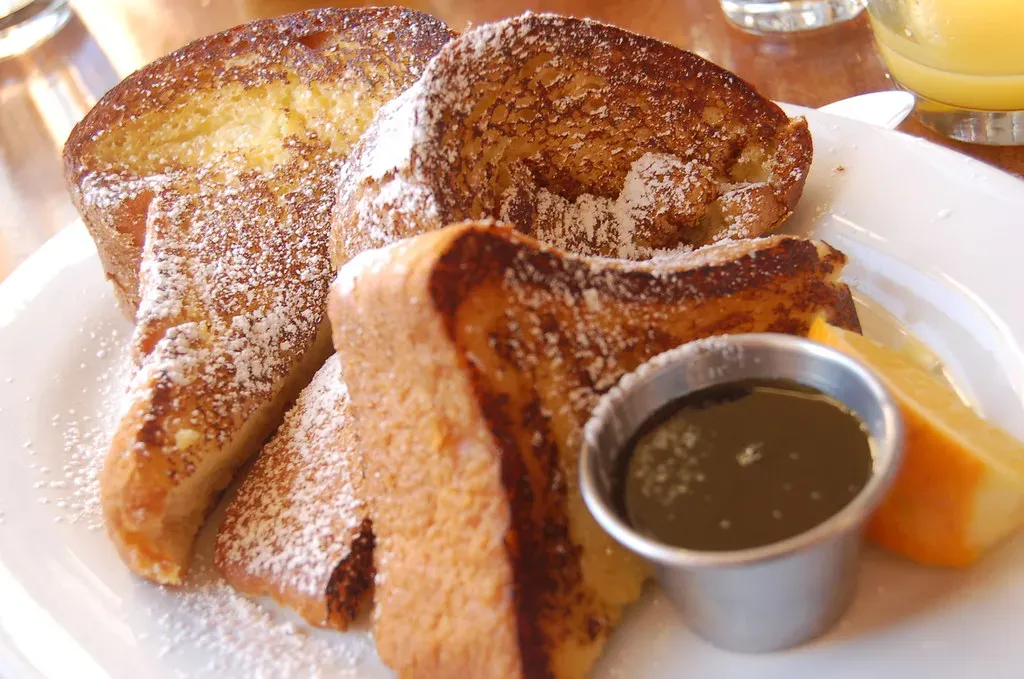
There is something almost devious about disguising a caloric disaster as a breakfast order. You sit down, feel virtuous for choosing breakfast food, and then unknowingly consume more saturated fat than most people should eat in a full work week. The Cheesecake Factory's Bruléed French Toast contains 2,780 calories, 2,230 milligrams of sodium, 24 teaspoons of sugar, and 93 grams of saturated fat - the recommended amount of saturated fat for an entire work week.
This Bruleed French Toast is thick French bread topped with sugar, maple-butter syrup, bacon, and more. Sounds delightful. And it probably is, right up until the moment you realize what you just ate. The most recent Dietary Guidelines for Americans suggests adult women get somewhere between 1,600 and 2,400 calories per day, and adult men aim for 2,000 to 3,000. One breakfast dish nearly swallows that entire daily budget whole.
2. Cheesecake Factory Louisiana Chicken Pasta: The Sodium Catastrophe
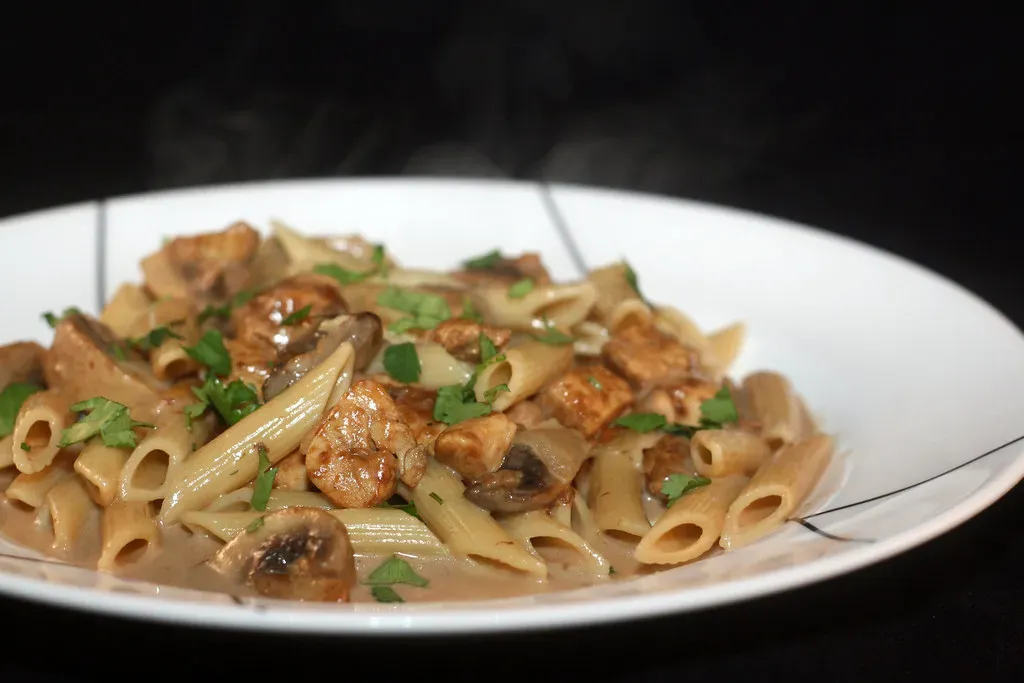
Here's the thing about pasta dishes at chain restaurants: they almost always look far more innocent than they actually are. The Louisiana Chicken Pasta at The Cheesecake Factory is essentially a nutritional grenade wrapped in a pleasant, creamy presentation. One serving contains 2,270 calories, 4,660 mg of sodium, 176 grams of carbs, and 98 grams of protein.
At 4,660 mg of sodium, this meal exceeds the recommended daily intake. To put that in perspective, the FDA recommends no more than 2,300 milligrams of sodium per day. Too much sodium in your diet can lead to things like high blood pressure and heart disease, according to the FDA. Ordering this dish means you've essentially doubled your sodium limit before the check even arrives.
3. Wendy's Triple Baconator Meal: When "More" Becomes Way Too Much
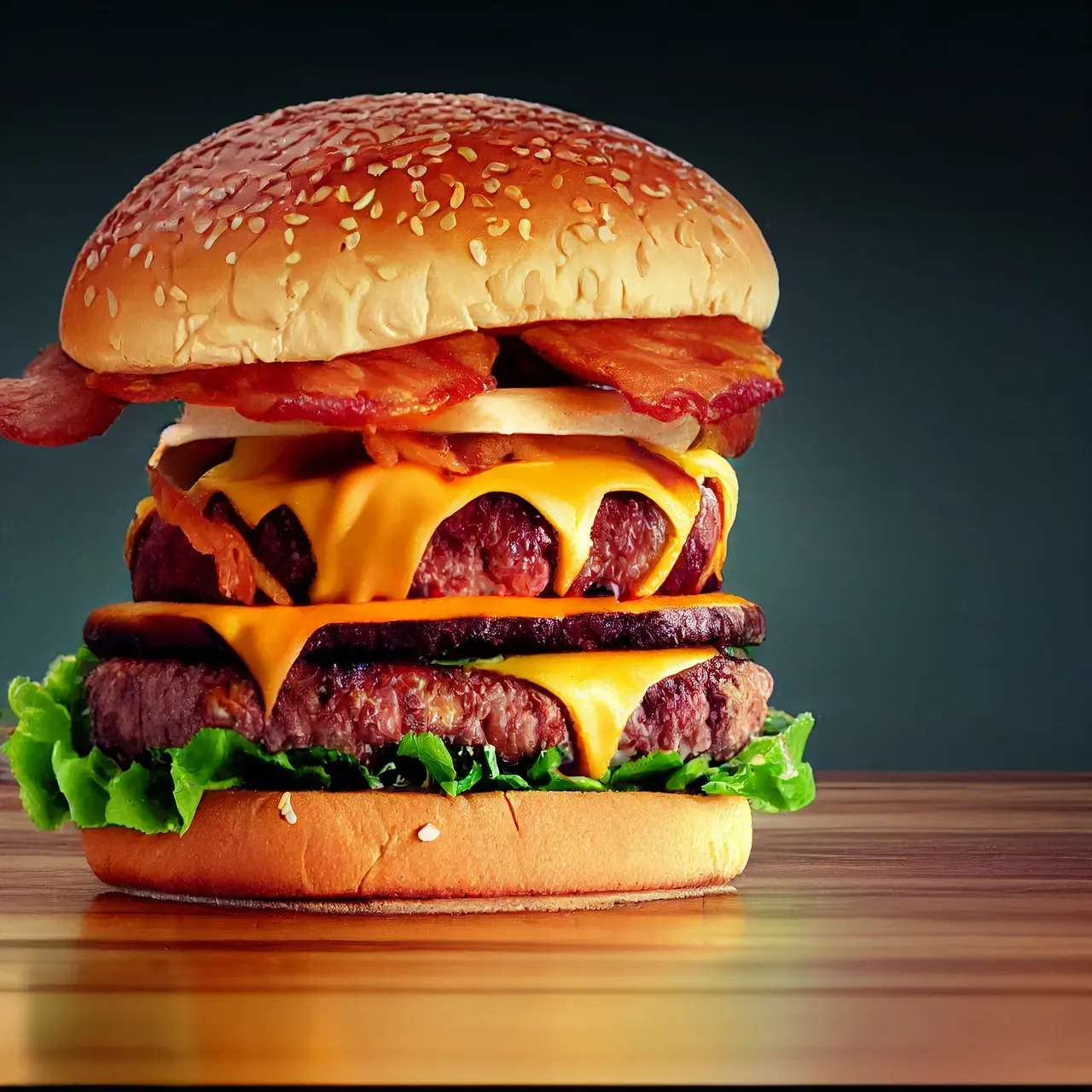
Let's be real. A single burger with triple patties and a mountain of bacon alongside large fries and a Frosty is not a meal. It's a commitment. A very consequential one. A Triple Baconator meal with large fries and medium Frosty hits about 2,160 calories, 54 grams of saturated fat, and 3,400 milligrams of sodium, exceeding most daily limits in one sitting.
The American Heart Association recommends limiting your intake to around 13 grams of saturated fat per day to limit your risk of heart disease and support overall heart health. The Triple Baconator meal contains more than four times that amount in a single order. People who eat at fast food restaurants tend to take in an extra 190 calories a day - and that can add up to 18 pounds a year.
4. Applebee's BBQ Riblets Platter: Barbecue Overload With a Sugary Sting
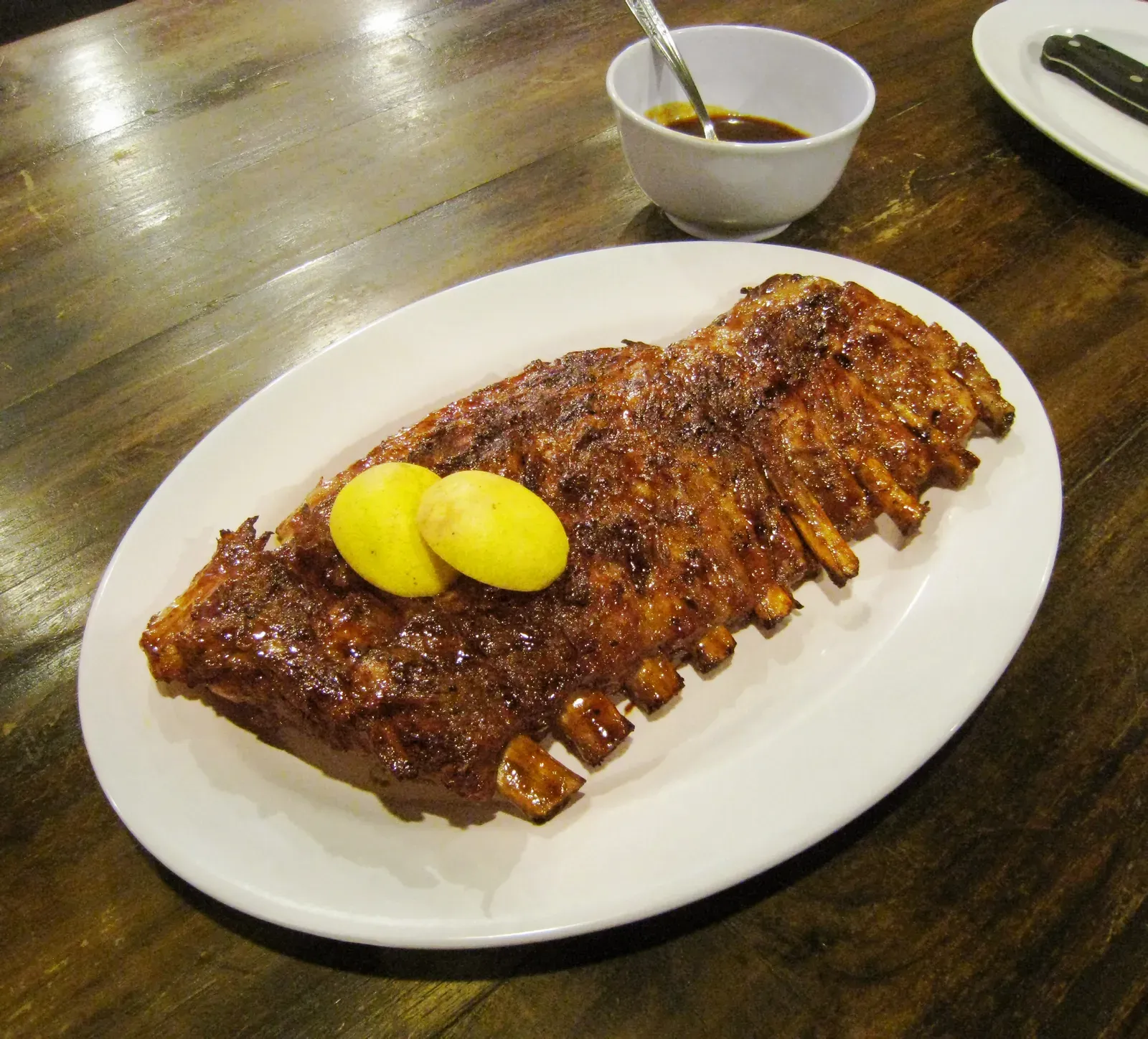
Barbecue is one of America's great comfort foods. The smoky smell, the sticky sauce, the promise of tender meat. It's hard not to love. But some versions of this classic take things to an extreme that most people would regret almost immediately. Applebee's BBQ Riblets Platter packs 1,660 calories, 79 grams of fat, and 3,160 milligrams of sodium, coming with fries and coleslaw.
Applebee's received an unhealthy rating in a Consumer Reports study, with it being nearly impossible to find whole grains on the menu, and substituting a salad for French fries actually costs extra. The barbecue sauce layered on those riblets adds a heavy sugar load on top of everything else. Consuming too many added sugars can contribute to health problems such as weight gain and obesity, type 2 diabetes, and heart disease.
5. Olive Garden Asiago Tortelloni Alfredo With Grilled Chicken: The Healthy-Sounding Trap
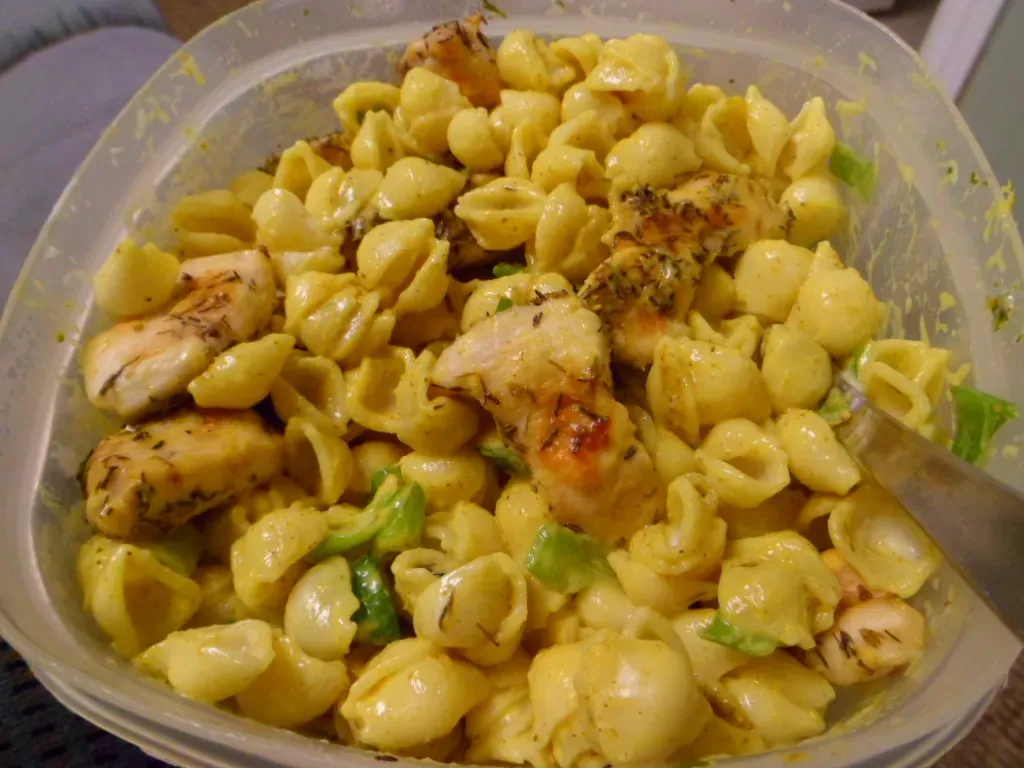
Ordering something with "grilled chicken" in the name feels responsible. It feels like you made a good decision. Olive Garden's menu, however, proves that healthy-sounding names can be the most effective misdirection in the restaurant world. The Asiago Tortelloni Alfredo with Grilled Chicken is one of Olive Garden's highest-calorie meals, made with Italian cheeses, alfredo sauce, sliced chicken, and asiago-cheese-filled tortelloni, packing nearly 1,980 calories.
Less than 0.1 percent of all restaurant meals consumed over the study period were of ideal nutritional quality. Honestly, that statistic should make anyone pause before assuming a pasta dish with chicken is automatically on the safer side. Carbonara-style pasta dishes are calorie-laden even when homemade, but chain restaurant versions push saturated fat levels to more than three times the recommended daily limit set by the American Heart Association, which can increase your risk of heart disease and high cholesterol.
6. KFC Three-Piece Extra Crispy Combo: Fried Comfort With a Steep Price
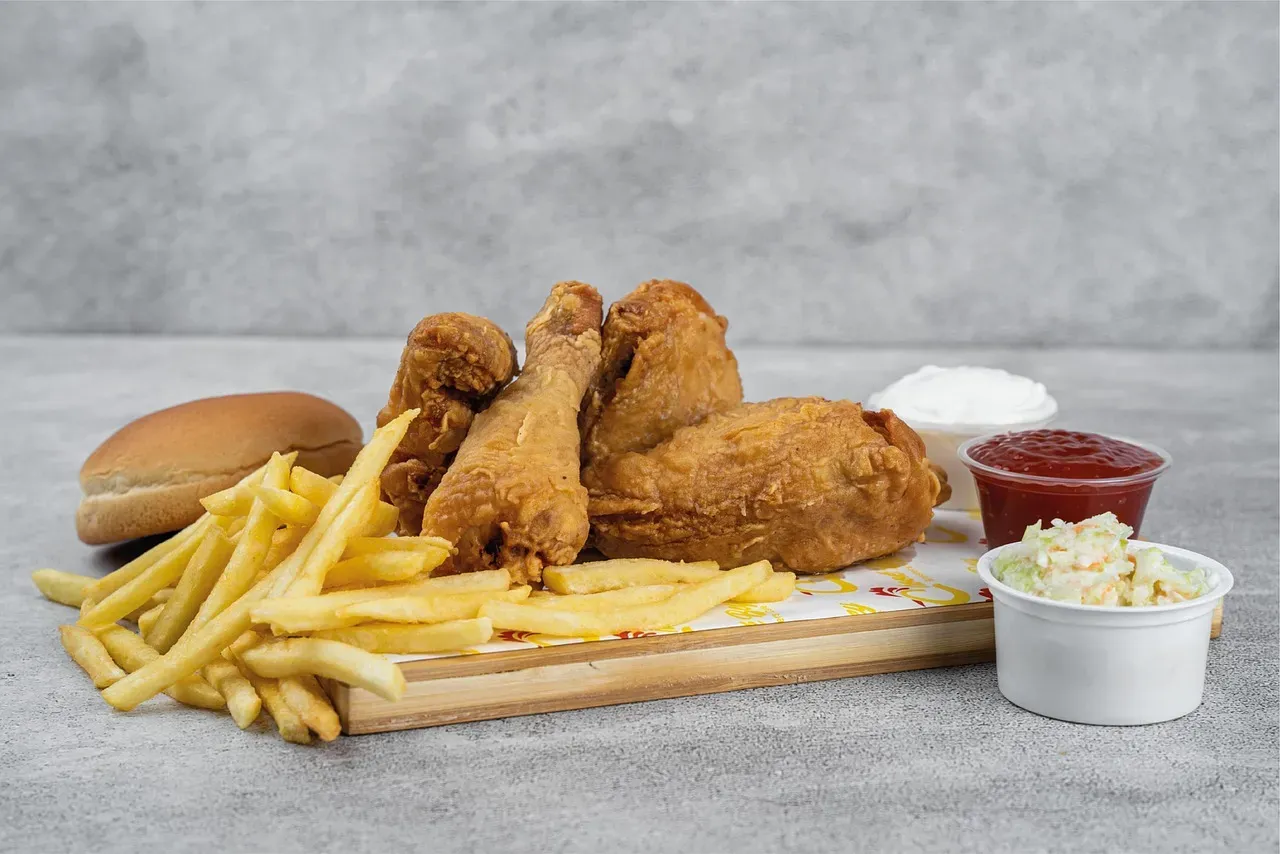
Few things are as satisfying as fried chicken when you're hungry. KFC built an entire empire on that craving. Still, there's a cost that goes beyond the receipt. KFC's buckets deliver calorie, fat, and sodium bombs disguised as comfort food. A three-piece Extra Crispy combo with biscuit and mashed-potato gravy hits roughly 1,300 calories, 2,900 milligrams of sodium, and 22 grams of saturated fat, before even adding a soda.
The periodic Double Down paired with fries and a drink pushes a meal to about 1,450 calories, and with 30,000 locations and constant value buckets, KFC makes deep-fried indulgence a family staple. Think of it this way: that biscuit alone is no innocent side dish. Combined with gravy, fried chicken skin, and a sugary drink, you're looking at a sodium intake that rivals an entire day's recommended limit before dinnertime.
7. Sonic Reese's Peanut Butter Cup Master Shake: A Dessert Drink That Defies Reason

I know it sounds crazy, but a single drink can sometimes do more damage than an entire meal. Sonic's shake menu is a perfect example of this. The Reese's Peanut Butter Cup Master Shake sits in a category all its own. A 44-ounce Reese's Peanut Butter Cup Master Shake alone delivers 1,720 calories and 48 teaspoons of sugar.
That is not a typo. Forty-eight teaspoons of sugar in one beverage. According to the American Heart Association, women shouldn't have more than 6 teaspoons of sugar a day, and for men, no more than 9 teaspoons per day. This single drink contains more than five times the maximum recommended daily sugar intake for a man. Consuming sugary beverages regularly increases the risk of heart disease by up to 20%.
8. Cheesecake Factory Farfalle With Chicken and Roasted Garlic: Pasta That Packs a Punch
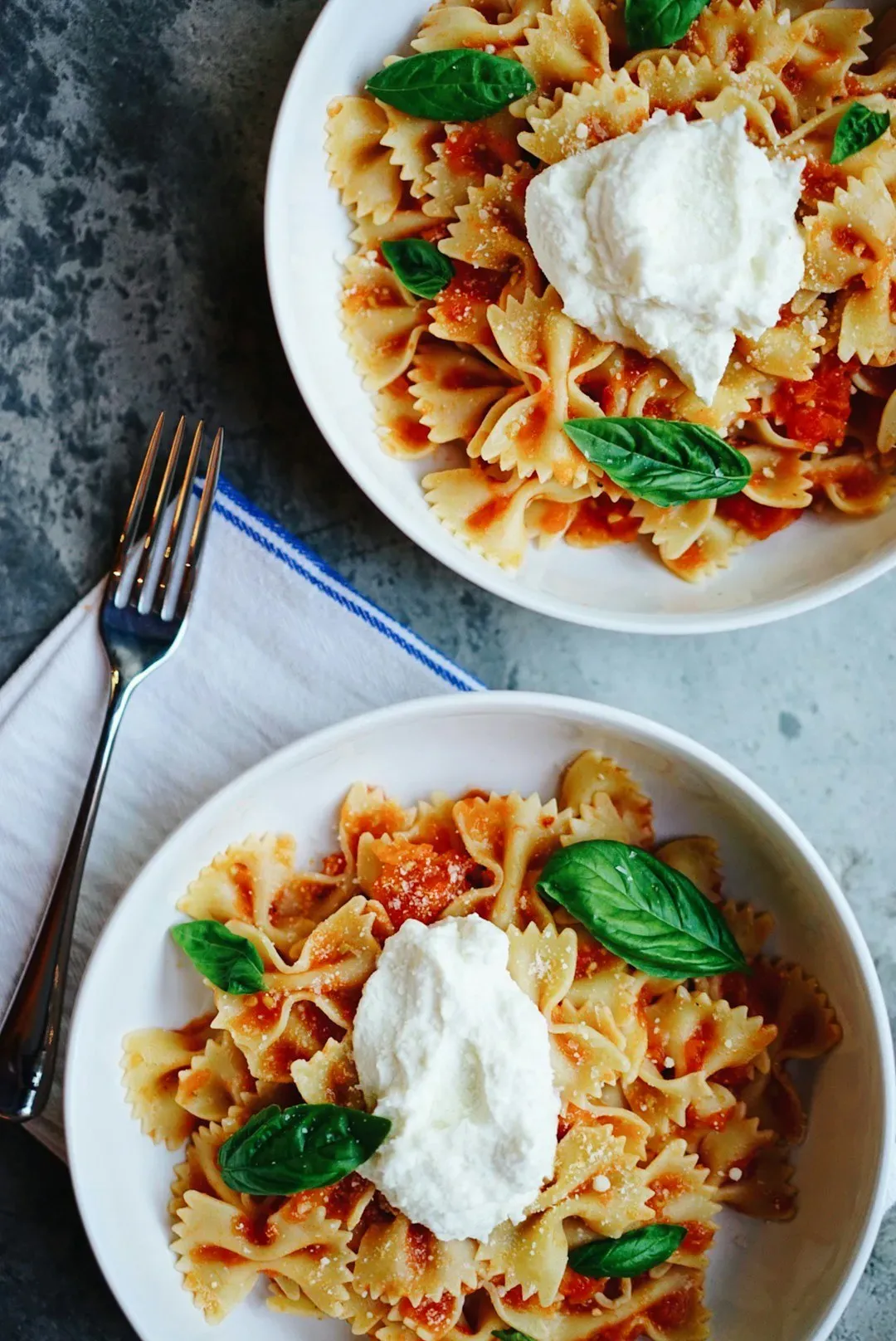
Bow-tie pasta sounds light. It's literally shaped like a tiny bow tie. Surely it can't be that serious? At The Cheesecake Factory, it very much can be. Bow-ties pasta, chicken, pancetta, and veggies mixed with The Cheesecake Factory's garlic parmesan cream sauce result in a 2,410-calorie dish with 63 grams of saturated fat - the equivalent of three days of the recommended consumption.
The Farfalle Pasta with Chicken from The Cheesecake Factory has over 1,800 calories and more than 4,000 milligrams of sodium. It's almost unfair how delicious creamy pasta can taste while quietly pushing your body's daily limits into dangerous territory. Unhealthy meals can provide more calories than many need in an entire day and be loaded with sodium and added sugar, two nutrients that may increase your risk of certain diseases.
9. Applebee's Quesadilla Burger With Fries: Double the Regret, Double the Sodium
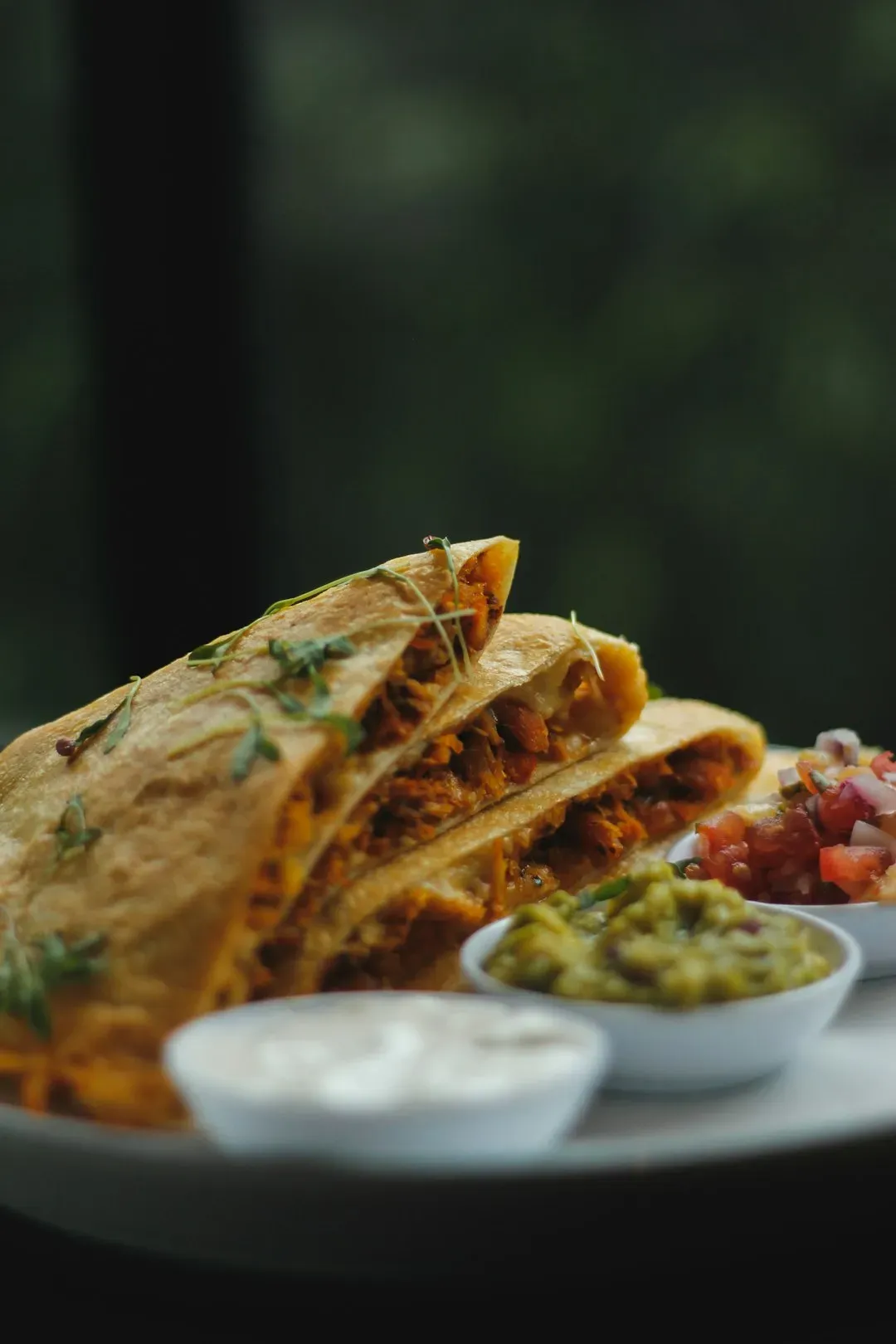
Someone once decided to combine a burger and a quesadilla into one dish, and somehow, it ended up on a national menu. The creativity is undeniable. The nutritional reality, however, is something else entirely. Applebee's Quesadilla Burger with fries clocks in at 1,820 calories, 46 grams of saturated fat, and a staggering 4,410 milligrams of sodium.
That sodium count is nearly double the FDA's recommended daily limit of 2,300 milligrams - in a single meal. Sodium is one of the main reasons restaurant food tastes so good, but too much sodium can lead to heart disease and high blood pressure. The Quesadilla Burger is perhaps the most honest expression of what many chain restaurant dishes actually are: flavor-maximized, nutrition-minimized, and almost impossible to stop eating once you've started.
10. Outback Steakhouse 16-Ounce Prime Rib: A Steak Dinner That Goes the Distance
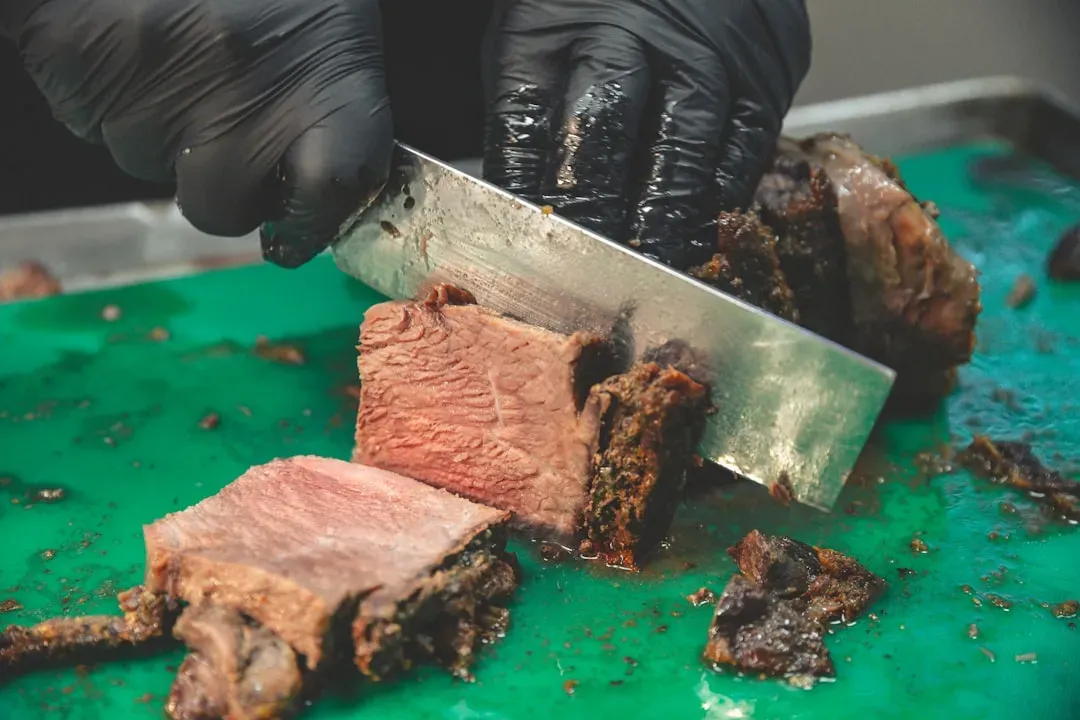
A prime rib dinner at a steakhouse feels indulgent and celebratory. It's the kind of meal people order for birthdays, anniversaries, or after a long week of salads. The problem is the scale. Sixteen ounces of prime rib is a serious undertaking even before the sides arrive. Outback Steakhouse's giant 16-ounce option contains 1,770 calories, 145 grams of fat, and 66 grams of saturated fat, and is also served with a loaded baked potato and a side of creamy horseradish sauce.
While steak might seem healthier compared to fried options because it's not deep-fried and has plenty of protein, the Bone-in Ribeye from Texas Roadhouse, for comparison, still has almost 1,500 total calories and a shocking 44 grams of saturated fat - more than three times the daily limit. The steakhouse experience is one of the easiest places to lose track of portions entirely, especially when everything arrives sizzling on a cast-iron platter.
11. Cheesecake Factory Fried Macaroni and Cheese: A Side Dish That Outpaces Entrees
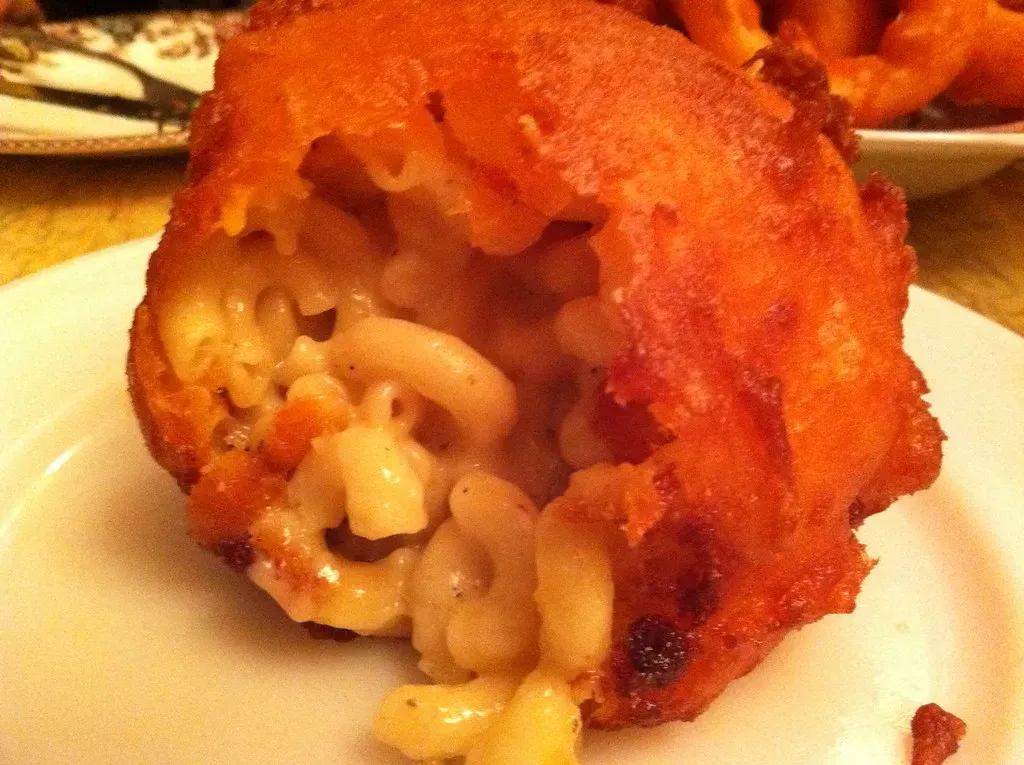
Mac and cheese is comfort food in its purest form. But fry it, stuff it inside a chain restaurant appetizer basket, and suddenly you're looking at something that probably shouldn't exist in a single serving. The Cheesecake Factory Fried Macaroni and Cheese contains 1,570 calories, 69 grams of saturated fat, and 1,860 milligrams of sodium.
That saturated fat count is more than five times the American Heart Association's recommended daily limit of 13 grams. It arrives before your actual entree. Think about that for a second. The 2025-2030 Dietary Guidelines call for a dramatic reduction in "highly processed foods laden with refined carbohydrates, added sugars, excess sodium, unhealthy fats, and chemical additives." Fried macaroni and cheese checks nearly every single box on that list.
12. Cheesecake Factory Carrot Cake: The Dessert That Masquerades as Something Wholesome
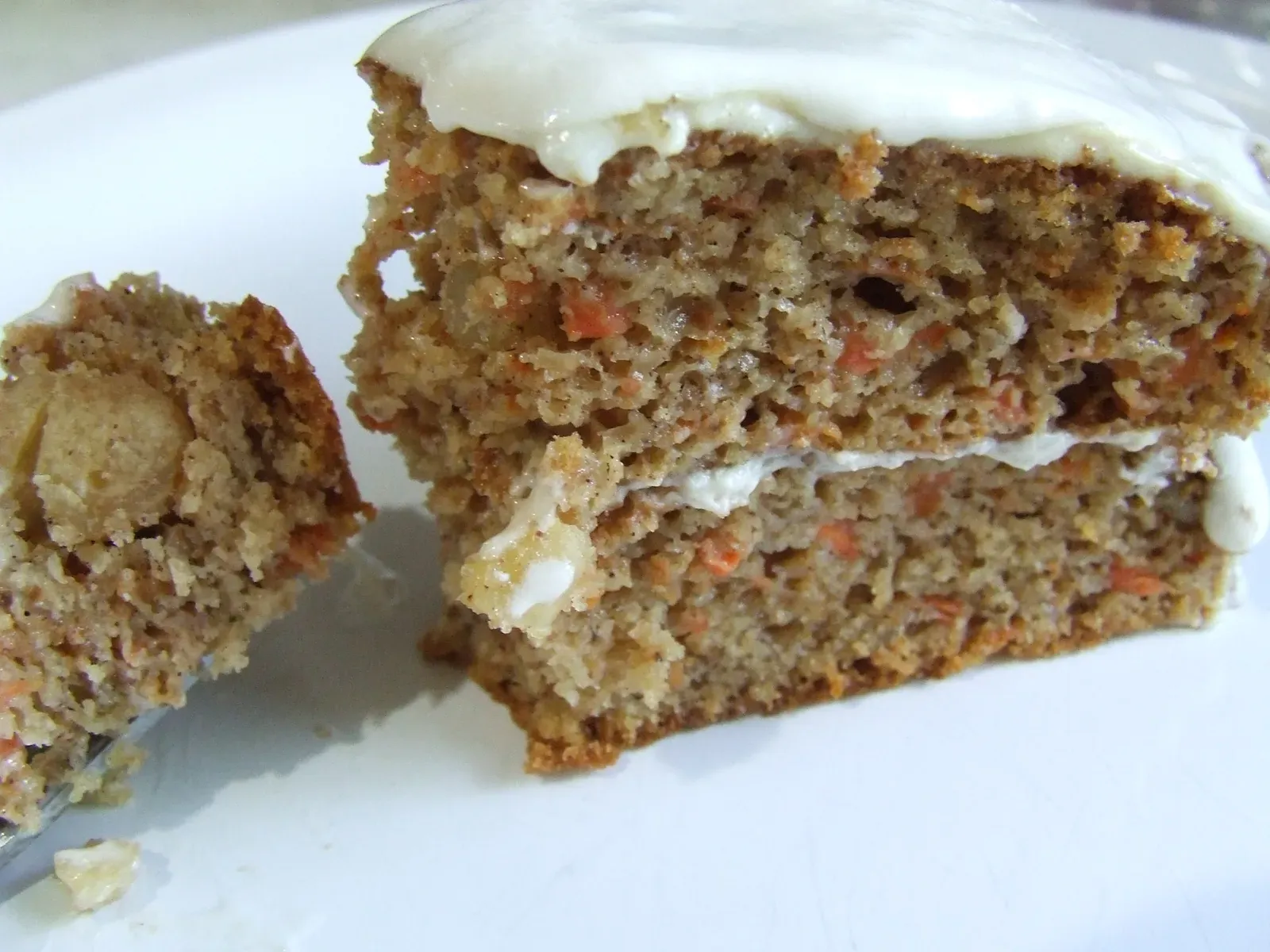
Ending with dessert feels right. Carrot cake, of all things, carries an almost wholesome reputation. There's a vegetable in the name. People convince themselves it's a reasonable choice. The Cheesecake Factory version will firmly correct that assumption. The carrot cake from Cheesecake Factory comes packed with 1,720 calories, 122 grams of fat, 57 grams of saturated fat, and a whopping 116 grams of sugar - and that's just in one slice.
The Dietary Guidelines for Americans recommend limiting added sugars intake to less than 10% of total daily calories, meaning for a 2,000-calorie diet, no more than 200 calories - or about 12 teaspoons of added sugar - should come from both food and beverages. A single slice of that carrot cake blows past an entire week's worth of that target. Studies have linked high intake of food containing refined, added sugar with a whole host of adverse health conditions, ranging from cardiovascular diseases to diabetes and obesity, to cancer.

Leave a Reply