
Alzheimer's disease is one of the most feared conditions of our time, and honestly, that fear makes a lot of sense. It doesn't just affect memory. It chips away at identity, relationships, and independence, often over many slow and painful years. Scientists have been searching for ways to slow it down, stop it, or better yet, prevent it altogether.
Diet has emerged as one of the most intriguing and accessible frontiers in that search. Many studies suggest that what we eat affects the aging brain's ability to think and remember, and these findings have led to research on general eating patterns and whether a person's diet might make a difference. The foods on this list are not miracle cures. But the science behind them is growing, and growing fast. Let's dive in.
1. Blueberries: The Tiny Blue Powerhouse
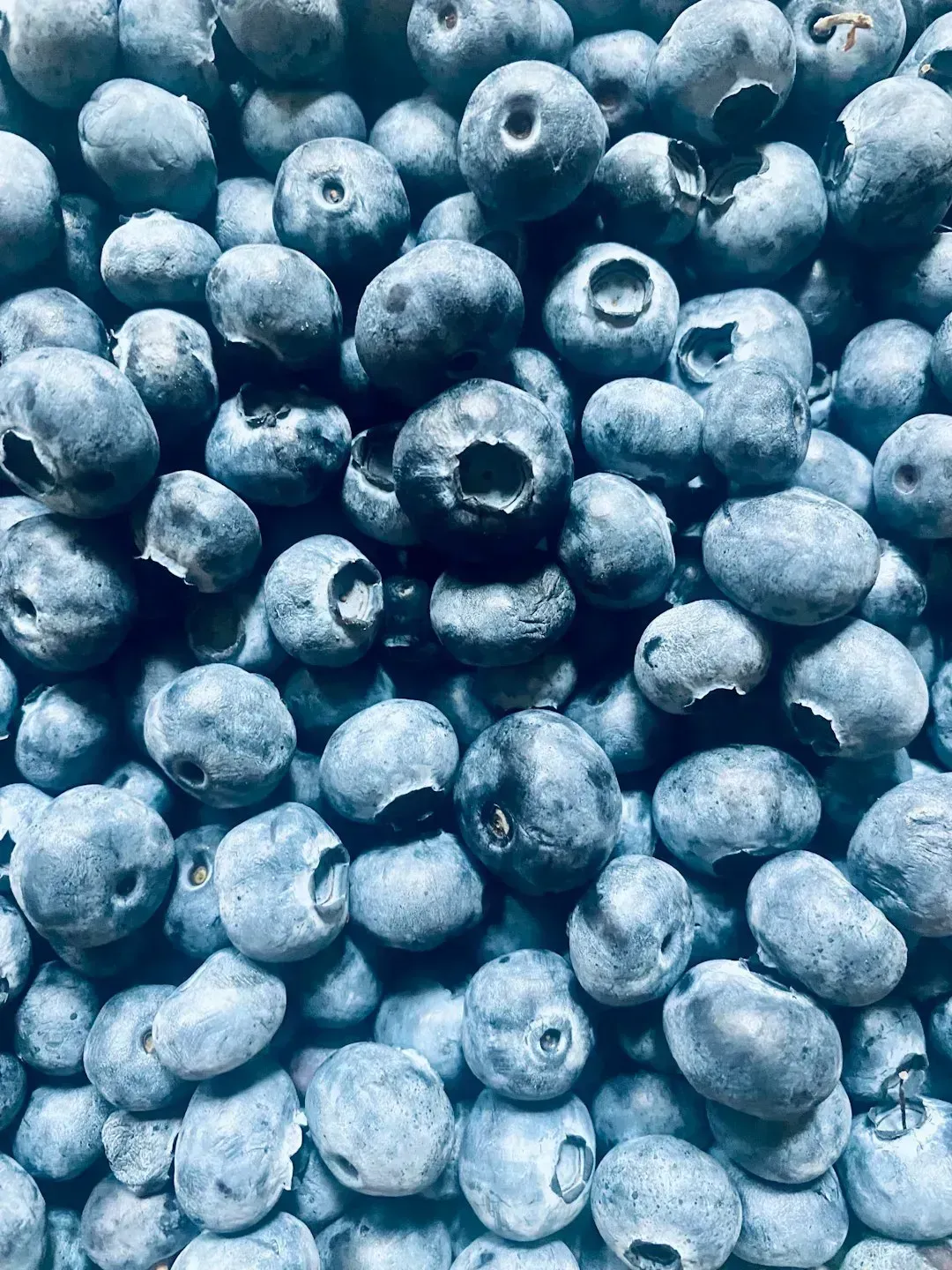
Here's a fact that still surprises me every time I think about it: something as simple and humble as a blueberry has been studied as a potential tool in the fight against Alzheimer's. Blueberries contain polyphenolic compounds, most prominently anthocyanins, which have antioxidant and anti-inflammatory effects, and these anthocyanins have been associated with increased neuronal signaling in brain centers mediating memory function.
A study published in The Journal of Prevention of Alzheimer's Disease, with researchers from Boston University, Tufts, Duke University, and Stanford University, explored how eating flavonoid-rich fruits including blueberries in midlife and late life may lower the risk of developing dementia. The research tracked over 2,700 participants across a 23-year period. That's not a small study. That's serious, long-range science.
It is the flavonoids, particularly the anthocyanin pigments, that are considered most potent for brain health, and a 2024 report in Frontiers in Pharmacology found that metabolites in blueberries have the potential to protect the brain. Wild blueberries in particular contain roughly a third more anthocyanins and twice the amount of antioxidants compared to ordinary cultivated blueberries.
2. Fatty Fish: Brain Food in the Most Literal Sense

Think of your brain as a machine that runs partly on a very specific type of oil. That oil is DHA, a type of omega-3 fatty acid found abundantly in fatty fish. More than a dozen epidemiological studies have reported that reduced levels or intake of omega-3 fatty acids or fish consumption is associated with increased risk for age-related cognitive decline or dementia such as Alzheimer's disease, and increased dietary consumption or blood levels of docosahexaenoic acid (DHA) appear protective for Alzheimer's and other dementia in multiple epidemiological studies.
A randomized, double-masked, and placebo-controlled trial conducted in 2025 demonstrated that 12-month supplementation with medium-chain triglyceride and DHA improves cognitive performance in individuals with mild cognitive impairment. Natural sources of EPA and DHA include algae and oily fish such as salmon, mackerel, herring, and sardines.
DHA is specifically protective against Alzheimer's via mechanisms that include limiting the production and accumulation of the amyloid beta peptide toxin, which is widely believed to drive the disease. Simply put, eating fish regularly may be one of the most impactful food choices you can make for your aging brain.
3. Leafy Green Vegetables: The Underrated Brain Shield
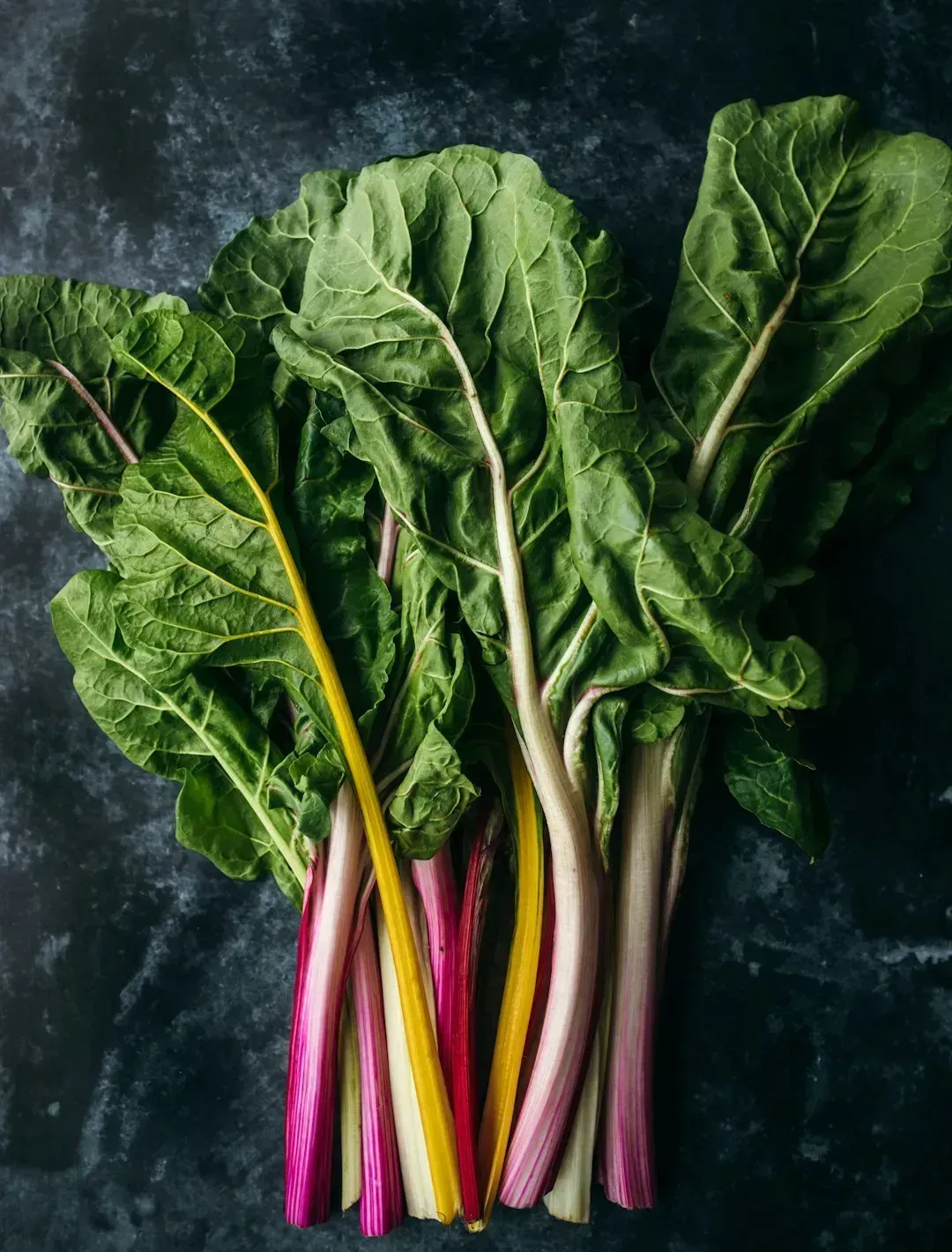
Spinach, kale, collard greens. These are not glamorous foods. They don't get the same press as exotic superfoods. Yet the evidence behind them is quietly compelling. A study based on older adults' reports of their eating habits found that eating a daily serving of leafy green vegetables such as spinach or kale was associated with slower age-related cognitive decline, perhaps due to the neuroprotective effects of certain nutrients.
Leafy greens like spinach, kale, and collard greens are packed with folate, vitamin K, and beta-carotene, all of which play roles in maintaining the health and function of neurons. These are nutrients your brain craves, especially as it ages. The MIND diet calls for a salad and at least one other vegetable daily, with collard greens, kale, and spinach highlighted as especially beneficial.
4. Walnuts: The Brain-Shaped Nut with a Brain-Protecting Secret

It almost seems too convenient that walnuts look like tiny brains. Nature might be hinting at something. Walnuts are one of the best plant-based sources of alpha-linolenic acid (ALA), a plant-derived omega-3 fatty acid. In plants, ALA is most commonly found in vegetable oils such as canola and flaxseed oil, as well as in nuts including walnuts.
Nuts and berries are ideal snacks for brain health, and blueberries and strawberries in particular help keep the brain working at its best and may slow symptoms linked to Alzheimer's. Walnuts specifically stand out in the nut family for their omega-3 profile. Tailored dietary interventions, particularly those focusing on polyphenol-rich foods and omega-3 fatty acids, are emerging as viable supplements to traditional Alzheimer's treatments.
5. Olive Oil: Liquid Gold for the Aging Brain

The Mediterranean world has been drizzling olive oil on everything for thousands of years, and it turns out there may be real cognitive wisdom in that tradition. Olive oil has been shown to improve brain function over the long term and protect against dementia. It is one of only ten brain-healthy food groups formally recognized by the MIND diet.
While the exact mechanism of the diet's neuroprotective properties is unclear, experts believe that the whole, nutrient-dense foods emphasized by the MIND diet, including olive oil, reduce oxidative stress and inflammation, both of which can harm the brain. Extra virgin olive oil is rich in polyphenols, and these compounds have been shown to interfere with the buildup of the amyloid proteins associated with Alzheimer's.
In the MIND diet study, participants earned a full point if they stated that olive oil was the primary oil used in their homes, illustrating just how central it is to this brain-protective dietary pattern. It is not a side note. It is a cornerstone.
6. Turmeric: The Spice That Science Keeps Coming Back To

Turmeric has been used in traditional medicine for centuries, and researchers keep returning to it for good reason. Curcumin, found in the spice turmeric, has been studied alongside blueberries and leafy greens for its potential cognitive benefit. The compound is a particularly powerful anti-inflammatory agent. Inflammation, as researchers increasingly recognize, plays a central role in Alzheimer's pathology.
Some studies have reported positive effects from specific curcumin regimens at around 800 mg per day in the context of cognitive support. Phytochemicals like curcumin can prevent inflammation and subsequently reduce amyloid beta production and tau protein phosphorylation, both of which are hallmarks of Alzheimer's disease. The challenge is bioavailability. Turmeric on its own is not easily absorbed by the body. Pairing it with black pepper, as many traditional cuisines do, significantly improves absorption.
7. Green Tea: The Cup That May Guard Your Memory

Green tea has been a daily ritual across Asia for centuries, and researchers now believe that ritual may come with a profound neurological benefit. Higher consumption of green tea is independently associated with a lower risk of dementia, according to a 12-year cohort study published in 2025 tracking community-dwelling adults in Japan.
A 2024 meta-analysis including nine randomized controlled trials, 23 cohort studies, and 12 cross-sectional studies examined the effects of habitual tea drinking on dementia and mild cognitive impairment, and found that habitual tea drinking decreased cognitive dysfunction as measured by the Mini-Mental State Examination.
Researchers have also observed how a molecule found in green tea dismantles tau tangles found in Alzheimer's disease, leading to the discovery of additional molecules that can untangle tau and are potential Alzheimer's treatments. That is a remarkable finding. The science on green tea and the brain keeps deepening with every passing year.
8. Berries (Beyond Blueberries): Strawberries, Raspberries, and More
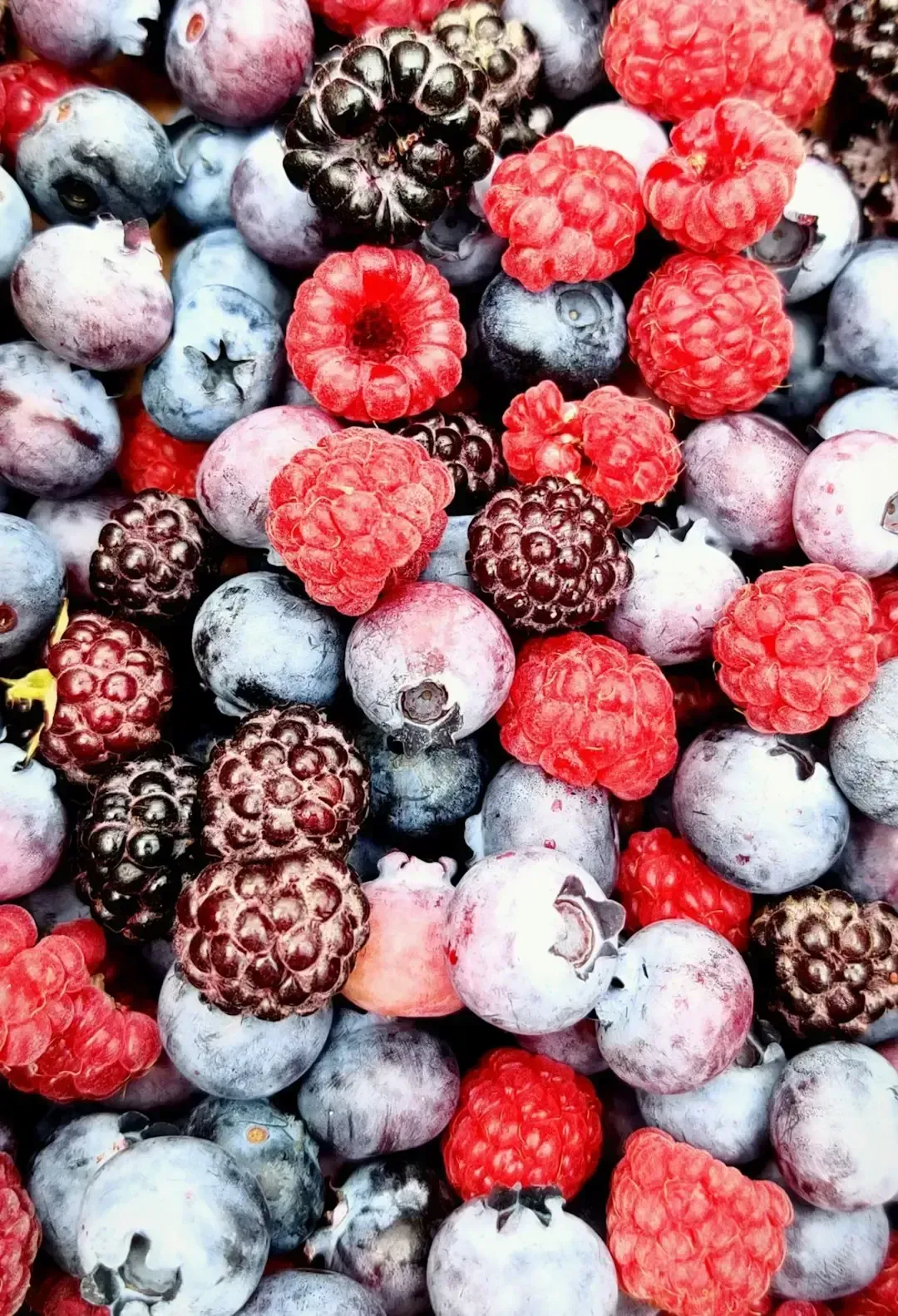
Blueberries get most of the headline attention, but honestly, the broader berry family deserves more credit. A study found that a daily serving of strawberries led to improvements in some thinking skills in middle-aged men and women with memory complaints, building on earlier evidence that various types of berries, including strawberries, blueberries, and cranberries, may be good for the brain.
There is epidemiological data suggesting that people who consume strawberries or blueberries regularly have a slower rate of cognitive decline with aging, and anthocyanins, the natural plant pigments giving berries their colors, are powerful antioxidants that help neutralize reactive oxygen compounds that can damage cells throughout the body, including in the brain, while also having inflammation-fighting effects.
Berries are the only fruit specifically included in the MIND diet, which speaks volumes about how seriously researchers take their neuroprotective potential. Two servings a week is the formal recommendation, but there is no real downside to eating more.
9. Whole Grains: Steady Fuel for a Vulnerable Brain
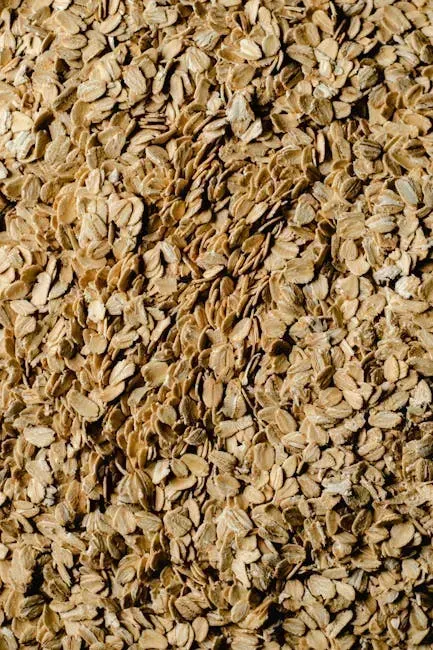
This one might feel less exciting than blueberries or turmeric. Whole grains are not exactly a dramatic revelation. Yet the brain depends on a steady, reliable energy supply, and whole grains provide exactly that. Whole grains such as oats, brown rice, quinoa, and whole wheat products provide a sustainable source of energy and are also packed with B vitamins, which help maintain a healthy nervous system and a stable mood.
The MIND diet includes at least three servings of whole grains each day alongside a salad and one other vegetable, making it one of the most emphasized daily food categories in the diet's framework. The connection between blood sugar stability and cognitive health is well established. Spikes and crashes in blood glucose stress the brain over time, and whole grains help prevent those fluctuations. Think of it as keeping the lights on at a steady voltage rather than letting them flicker.
10. Dark Chocolate: The Surprising Entry at the End of the List

Let's be real, this is the one everyone was hoping to see. Dark chocolate, in its less processed form, contains a remarkable concentration of flavanols. Cocoa and chocolate products are rich in flavonoids, antioxidant molecules that represent the largest subclass of food polyphenols.
The antioxidant activity of cocoa beans is even higher than that of green tea, red wine, and blueberries, which is a genuinely startling fact when you first encounter it. Experimental studies suggest a striking role of certain cocoa-derived compounds in the prevention of neurodegenerative development, with influence on the processes underlying cognitive and behavioral impairment potentially promoting protective mechanisms against disorders such as Alzheimer's and Parkinson's diseases.
The key word here is dark. Milk chocolate and heavily sweetened candy bars do not carry the same benefits. The higher the cocoa content, the more potent the flavanol concentration. A small square of high-quality dark chocolate each day is not indulgence. It might just be smart nutrition.




Leave a Reply