
Alzheimer's disease is quietly becoming one of the biggest health crises of our time. Between 2020 and 2050, the global economic burden related to Alzheimer's disease and other dementias is projected to reach over 14 trillion international dollars across 152 countries. The numbers are staggering, and yet, most people still underestimate how powerful the choices on their plate truly are.
The science here is evolving fast. Many studies suggest that what we eat directly affects the aging brain's ability to think and remember, and these findings have fueled a wave of new research into whether diet can make a meaningful difference. What you'll find below might just change how you think about your next meal. Let's dive in.
1. Blueberries: The Brain's Little Blue Powerhouses

Honestly, blueberries deserve their own fan club. Berries are the only fruit specifically featured in the MIND diet, and researchers have described blueberries as among the most potent foods for protecting the brain, with strawberries also showing strong results in studies of food and cognitive function. That's a pretty bold claim, but the data keeps backing it up.
Blueberries, strawberries, raspberries, and blackberries are all rich in vitamins, minerals, and flavonoids, and those flavonoids function as antioxidants that help reduce overall inflammation throughout the body. Inflammation, let's be real, is one of the key villains in the Alzheimer's story.
A Harvard study of 16,000 nurses revealed that eating berries, especially blueberries and strawberries, was associated with a lower risk of cognitive decline. Given that you can toss a handful of blueberries into yogurt every morning without much effort, the risk-to-reward ratio here is almost laughably good.
2. Leafy Green Vegetables: Spinach, Kale, and the Real Heroes of the Salad Bowl

Green leafy vegetables in particular have been associated with less Alzheimer's brain pathology - and that's not some minor side finding. That's a result from autopsied brains studied over more than a decade. Few foods carry that kind of evidence weight.
A study based on older adults' self-reported eating habits found that eating a daily serving of leafy green vegetables such as spinach or kale was associated with slower age-related cognitive decline, possibly due to the neuroprotective effects of certain nutrients. Think of it like daily maintenance for your brain's wiring.
In a study with 581 participants, those who closely followed either the MIND diet or the Mediterranean diet for at least 10 years had fewer post-mortem indications of amyloid plaques in their brains, and the most significant dietary component appeared to be a higher intake of leafy greens. That is about as close to a smoking gun as nutritional science tends to offer.
3. Fatty Fish: Salmon, Sardines, and Omega-3 Gold

Fatty fish like salmon, sardines, and mackerel are rich in omega-3 fatty acids, and these fats support communication between brain cells while also helping to reduce inflammation. Think of omega-3s as the lubricant keeping your neural network from grinding to a halt.
Studies of DHA, the omega-3 fatty acid found in salmon and certain other fish, showed in mice that it reduced beta-amyloid plaques, a hallmark of Alzheimer's, though clinical trials in humans have had mixed results. The picture is complex, but the weight of evidence still leans clearly in fish's favor.
In a study of 485 older adults with age-related cognitive decline, those who took a DHA supplement daily for 24 weeks showed improved learning and memory compared to those who took a placebo. The MIND diet specifically recommends at least one weekly serving of fish, and honestly, most people aren't even getting that much.
4. Walnuts and Nuts: A Handful a Day Keeps Cognitive Decline at Bay
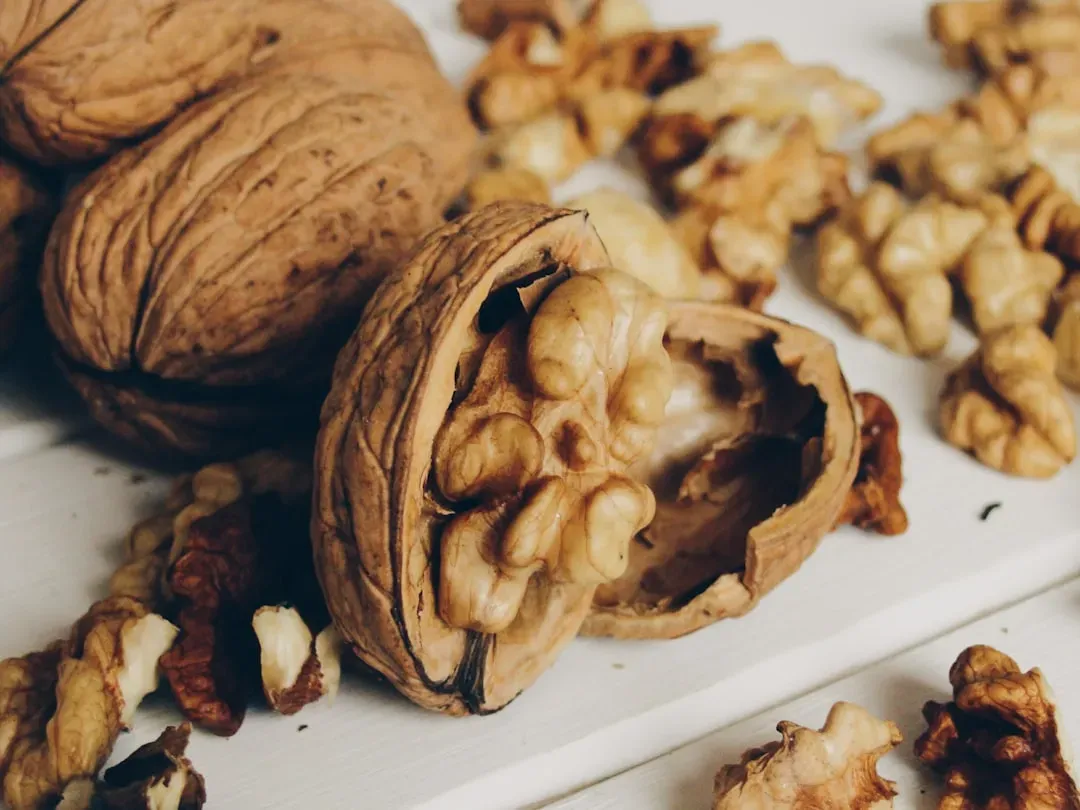
Nuts, especially walnuts and almonds, contain healthy fats, antioxidants, and fiber that help combat inflammation and support brain health. Walnuts in particular look almost eerily like tiny brains themselves, which feels weirdly poetic given what they do for you.
The MIND diet counts nuts among its ten brain-healthy food groups, alongside fish, berries, and leafy greens. That puts walnuts in very distinguished company. The MIND diet recommends snacking on nuts most days of the week, which is one of the more pleasurable dietary prescriptions science has ever produced.
Research shows that consuming foods rich in choline, such as poultry, eggs, broccoli, and walnuts, may lower the risk of developing Alzheimer's disease in older adults. The choline connection is something researchers are paying close attention to right now, and walnuts happen to be part of that story too.
5. Olive Oil: The Cornerstone Fat of Brain-Protective Eating

Here's the thing about olive oil: it's not just a cooking ingredient. The Mediterranean diet stresses high intake of plant-based foods, with olive oil serving as the main source of dietary fat. That distinction matters enormously because the type of fat you use daily shapes your brain's inflammatory environment over time.
The MIND and Mediterranean diets, both rich in vegetables, fruits, whole grains, olive oil, beans, and fish, are associated with fewer signs of Alzheimer's disease in the brains of older adults. Olive oil ties all the other foods on this list together into a coherent, delicious dietary pattern.
Plant foods, including olive oil, are naturally rich in polyphenols, flavonoids, and other antioxidants that combat oxidative stress and reduce neuroinflammation, and these compounds protect sensitive brain cells from damage caused by free radicals that can impair communication between neurons. Swap the butter, use the oil. Simple.
6. Whole Grains: Oats, Brown Rice, and the Brain's Steady Fuel Source
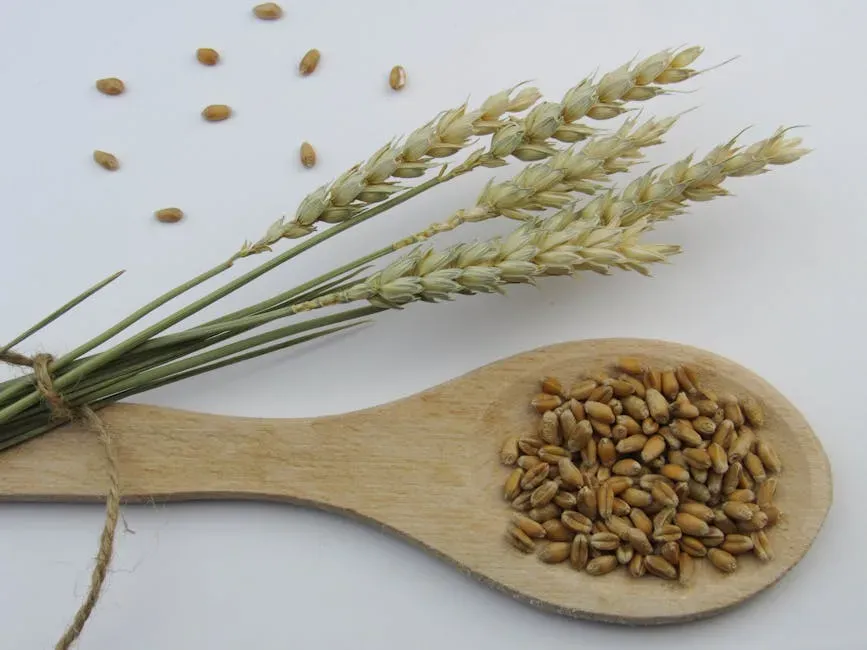
Whole grains are rich in dietary fiber, polyphenols, B vitamins, vitamin E, and betaine, which can reduce oxidative stress and neuroinflammation, modulate the gut-brain axis, and protect neurons, potentially improving cognitive performance. That's a lot of functional value packed into a bowl of oatmeal.
Studies have found that whole grains can alleviate oxidative stress, improve glycolipid metabolism, regulate gut microbiota, and protect neurons from neurotoxins in animal and cell research. The gut-brain axis is an emerging research frontier, and whole grains sit right at the intersection of both gut health and brain protection.
Whole grains like oats, brown rice, quinoa, and other whole wheat products provide a sustainable source of energy and are also packed with B vitamins, which help maintain a healthy nervous system and a stable mood. Stable blood sugar, sustained energy, and neuroprotection in one grain - that's not a bad deal.
7. Beans and Legumes: The Underrated Brain Food
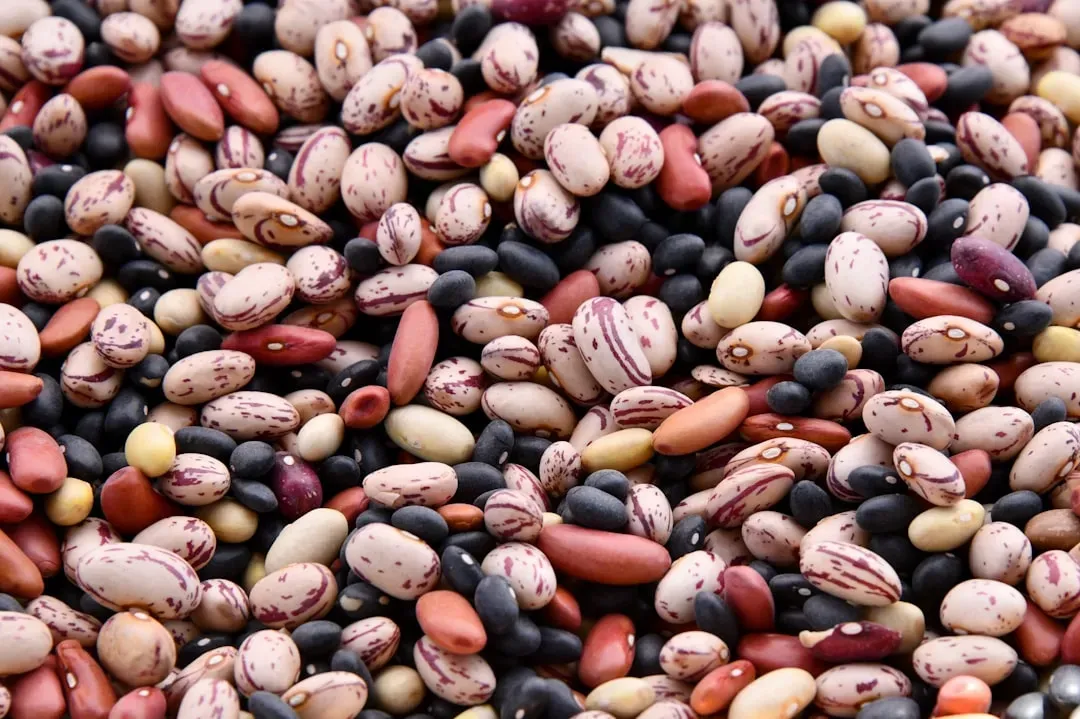
Beans don't get the attention they deserve. Beans are genuine powerhouses of nutrition - rich in antioxidants, protein, iron, and phytonutrients, they have been shown to reduce the risk of stroke, lower cholesterol, and regulate blood glucose, and managing blood flow is directly good news for brain health.
Dietary fiber from whole plant foods serves as fuel for beneficial gut bacteria, which produce short-chain fatty acids that influence cognitive and emotional responses, and a 2024 study on resistant starches from beans and legumes found that these fibers improve neurocognitive health by promoting gut homeostasis, reducing inflammation, and supporting normal central nervous system function.
Research presented at the Alzheimer's Association International Conference in 2024 showed that replacing one serving of processed red meat every day with one serving of nuts and legumes can lower the risk of dementia by roughly one fifth. That single food swap is one of the most actionable pieces of nutrition advice to emerge from Alzheimer's research in recent years.
8. Turmeric: The Golden Spice With a Remarkable Reputation
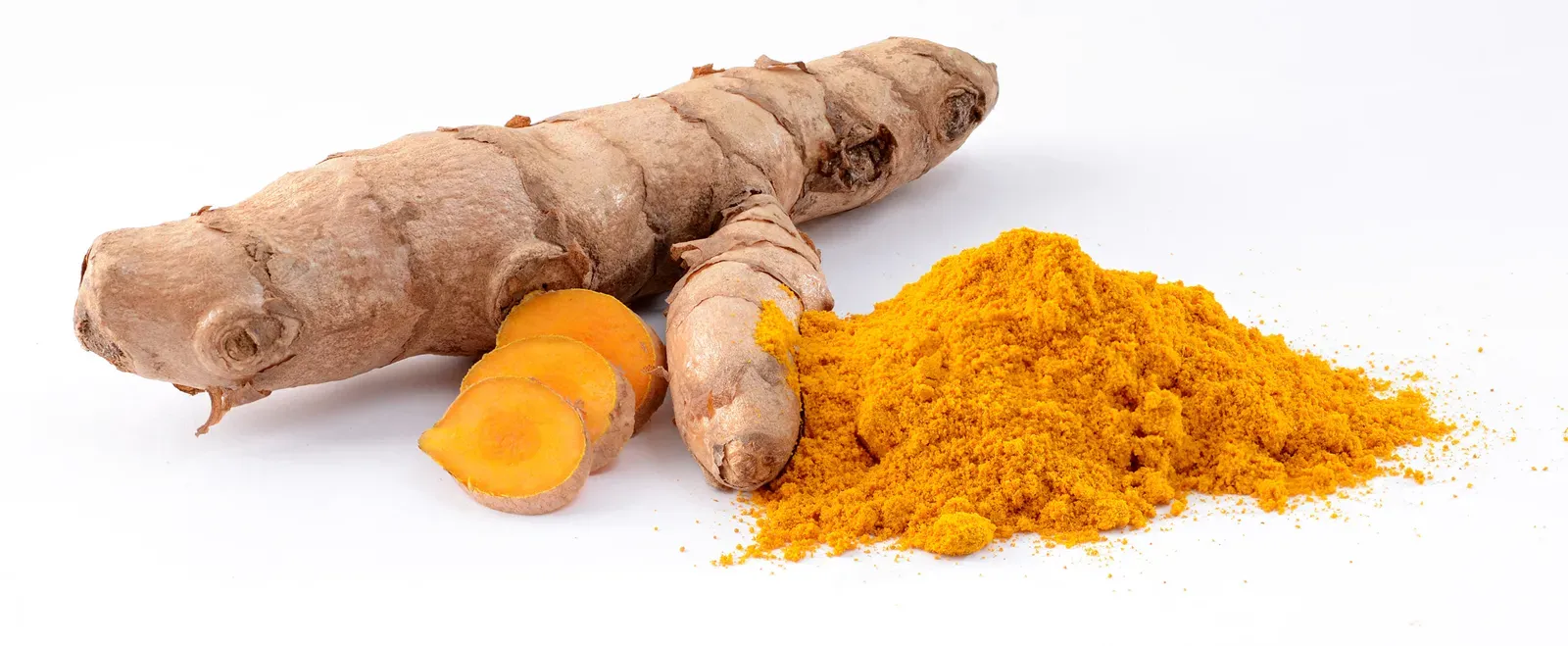
Curcumin, found in the spice turmeric, is among the foods that have been studied most extensively for their potential cognitive benefit. It has become a staple in brain health conversations, and there's real science behind the hype - not just wellness marketing.
Turmeric is described by Alzheimer's specialists as a strong antioxidant and anti-inflammatory spice that directly supports brain health. Chronic brain inflammation is a hallmark of Alzheimer's pathology, and turmeric's active compound, curcumin, directly targets those inflammatory pathways at a molecular level.
Phytochemicals such as curcumin can prevent inflammation and subsequently reduce amyloid beta production and tau protein phosphorylation - two of the core biological events that define Alzheimer's disease. It's hard to say for sure how much turmeric is enough, but sprinkling it regularly into soups, stews, and rice dishes is an easy and delicious habit to build.
9. Green Tea: The Beverage That Might Break Apart Alzheimer's Tangles

A recent study showed that a molecule in green tea breaks apart tangles of the protein tau, which builds up in the brain due to Alzheimer's disease, and based on this finding, the research team was also able to identify other potential Alzheimer's drug candidates. That's not a small finding. Tau tangles are one of the two primary hallmarks of Alzheimer's pathology.
Research published in the October 2025 issue of Clinical Nutrition reported that adding green tea to your regular menu may help protect the brain against aging. This is one of the most recent and exciting findings in the food-and-brain field, and it gives green tea drinkers a genuinely evidence-backed reason to keep the kettle on.
Green tea is loaded with polyphenols and antioxidants, and unlike many other brain-protective foods, it offers multiple layers of protection simultaneously. It fights oxidative stress, reduces neuroinflammation, and now appears to directly interfere with tau protein aggregation. Few beverages carry that kind of scientific resume.
10. Eggs: The Choline Connection

Eggs went through a long period of being unfairly vilified, and the brain health research is now rehabilitating their reputation in a serious way. Whole eggs are a rich source of choline and contribute other nutrients known for supporting brain health, including the omega-3 fatty acid DHA and lutein, and a study involving older adults from the Rush Memory and Aging Project reported that weekly consumption of more than one egg per week was associated with a nearly fifty percent reduction in risk of developing Alzheimer's dementia.
These findings suggest that frequent egg consumption is associated with a lower risk of Alzheimer's dementia and Alzheimer's disease pathology, and the association with Alzheimer's dementia is partially mediated through dietary choline. Choline is essential for building acetylcholine, a neurotransmitter central to memory and learning.
After an eight-year follow-up, researchers determined that consuming roughly 350 milligrams of choline per day was associated with the lowest risk of clinical Alzheimer's diagnoses in older adults. Most people consume far less than that. Eggs are the most practical and affordable way to close that gap.
11. Poultry: Lean Protein With Neuroprotective Benefits

Poultry is one of the ten brain-healthy food groups included in the MIND diet's dietary framework, sitting alongside fish, nuts, berries, and leafy greens. It's a frequently overlooked item on the list, overshadowed by the more glamorous superfoods, but its role is real and meaningful.
Consuming foods rich in choline, such as poultry, may lower the risk of developing Alzheimer's disease in older adults, and choline is an essential micronutrient found in various foods including poultry, dairy products, cruciferous vegetables like broccoli, beans, and some fish. Poultry covers both the choline angle and the lean protein angle simultaneously.
The MIND diet involves eating poultry at least twice a week, a relatively modest ask that most people can manage without major lifestyle disruption. Replacing processed red meat with chicken or turkey is one of the simplest and most evidence-backed swaps you can make for your long-term cognitive health.
12. Beans, Nuts, and Fish Together: The Mediterranean Diet Pattern as a Whole

This final entry is different. It's not about a single ingredient. It's about the pattern. Dietary patterns consumed by adults and older adults that are characterized by higher intakes of vegetables, fruits, legumes or beans, nuts, fish and seafood, and unsaturated vegetable oils and fats, and lower in red and processed meats and sugar-sweetened beverages, are associated with lower risk of age-related cognitive decline, mild cognitive impairment, dementia, and Alzheimer's disease. That conclusion comes directly from the 2025 Dietary Guidelines Advisory Committee's systematic review.
A study published in Nature Medicine found that people at the highest genetic risk for Alzheimer's disease benefited more from following a Mediterranean-style diet, showing a greater reduction in dementia risk compared to those at lower genetic risk. This is particularly striking because it suggests diet can partially offset even genetic vulnerability. That's the kind of data that changes conversations.
The MIND diet lowered the risk of Alzheimer's disease by as much as 53 percent in participants who adhered to the diet rigorously, and by roughly a third in those who followed it only moderately well. Even imperfect adherence produced meaningful protection. That should be one of the most motivating statistics in all of public health.
The Bigger Picture: What the Science Really Tells Us

It would be dishonest to frame any of these twelve foods as a guaranteed cure or an absolute prevention. Healthy eating patterns have been associated with cognitive benefits in studies, but more research is still needed to determine definitively whether what we eat can prevent or delay Alzheimer's or age-related cognitive decline. Science is cautious, and so should we be.
It's possible that eating a certain diet affects biological mechanisms, such as oxidative stress and inflammation, that underlie Alzheimer's, and eating a certain diet might increase specific nutrients that protect the brain through anti-inflammatory and antioxidant properties. The mechanism makes biological sense, even when the clinical proof is still being gathered.
A 2024 study found that people with cardiometabolic diseases who followed an anti-inflammatory diet had roughly a third lower risk of dementia compared to those eating pro-inflammatory foods, and researchers also observed significantly larger gray matter volume and lower white matter damage in those following anti-inflammatory eating patterns. Brain structure. Diet. The connection is real.
What the research consistently shows is not that one magical superfood will save your memory, but that a consistent pattern of eating the right foods, day after day, year after year, quietly builds a more resilient brain. Your diet is not destiny, but it is one of the most powerful tools you actually control. What would you put on your plate starting tomorrow?




Leave a Reply