
Something quiet has been happening at grocery stores over the past two years, and most shoppers have felt it without fully putting a name to it. The weekly bill keeps climbing. Certain staples that once felt affordable now require a second thought. Food prices rose by 2.3 percent in 2024 and 2.9 percent in 2025, and while those figures are slower than the surge seen during 2020 through 2023, the pressure has not let up. In 2026, overall food prices are predicted to rise 3.1 percent, which means households will keep feeling the squeeze. Some foods are being hit far harder than the overall average, and for everyday consumers, a few beloved staples may soon shift from a regular purchase to an occasional luxury.
1. Beef

Of all the foods facing serious price pressure right now, beef is arguably the most dramatic story. Ground beef hit $6.69 per pound in December 2025, up nearly 20 percent year-over-year and a staggering 72 percent since 2020. The root cause is structural, not temporary. All cattle and calves on feed in the United States on January 1, 2026, totaled 86.2 million head, a 75-year low, down about 300,000 head from 86.5 million head in 2025. While this is a much smaller decline than the average inventory drop from the last five years, it is still an indicator that the U.S. cattle supply is continuing to fall.
The problem goes well beyond domestic drought and herd contraction. Compounding the domestic shortage, the U.S.-Mexico border has been closed to live cattle since July 2025 due to the northward spread of the New World screwworm, a parasitic fly first detected in southern Mexico in November 2024. Approximately 1.2 to 1.5 million head of cattle placed into feedlots for beef production are normally imported from Mexico each year when the border is open. This supply constraint will keep prices for feeder cattle elevated in 2026 and 2027. Record high beef cattle and feeder steer prices are projected in 2026, and high retail beef prices could continue for several years. Recovery, when it comes, will be slow. Full cattle numbers are not expected to recover until 2027 at the earliest.
2. Chocolate and Cocoa Products
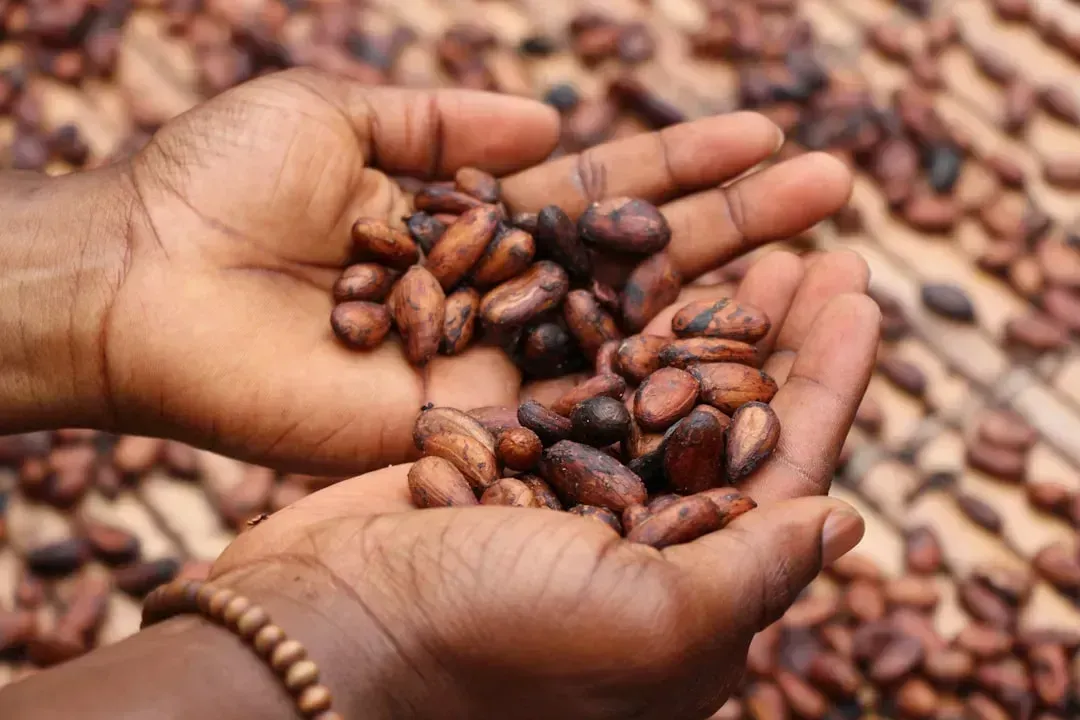
Chocolate has quietly transformed from an everyday treat into a premium-priced indulgence over the past two years. Cocoa prices soared to unprecedented levels, hitting a record high of $10.75 per kilogram on January 31, 2025, the highest price seen in 60 years. This followed a turbulent first half of the 2024/25 fiscal year, when prices nearly doubled compared to the same period the year before. West Africa, which produces roughly three quarters of the world's cocoa supply, has been at the center of the crisis. Cocoa prices soared in recent years, hitting record highs amid adverse weather conditions, pest outbreaks, and supply tightness in West Africa.
The financial pain has reached consumers directly. Consumers spent between 10 and 20 percent more for the same chocolate products in 2025 than they did in 2024. Wholesale prices surged by 30 percent from January 2024 to January 2025, making it increasingly difficult for the cost not to be passed on. Major brands have had no choice but to respond. Lindt raised prices by nearly 16 percent in the first half of 2025 and is reevaluating its U.S. supply chain. Even if prices ease somewhat from their historic peaks, experts are not optimistic about a full return to earlier levels. Cocoa prices are seen remaining structurally higher for longer, at around $6,000 per metric ton, according to J.P. Morgan analysis. Meanwhile, the 2025 U.S. trade tariffs almost certainly directly contributed to higher chocolate prices, including a baseline tariff of 10 percent on all countries and a 20 percent tariff on chocolate imports from the European Union.
3. Coffee
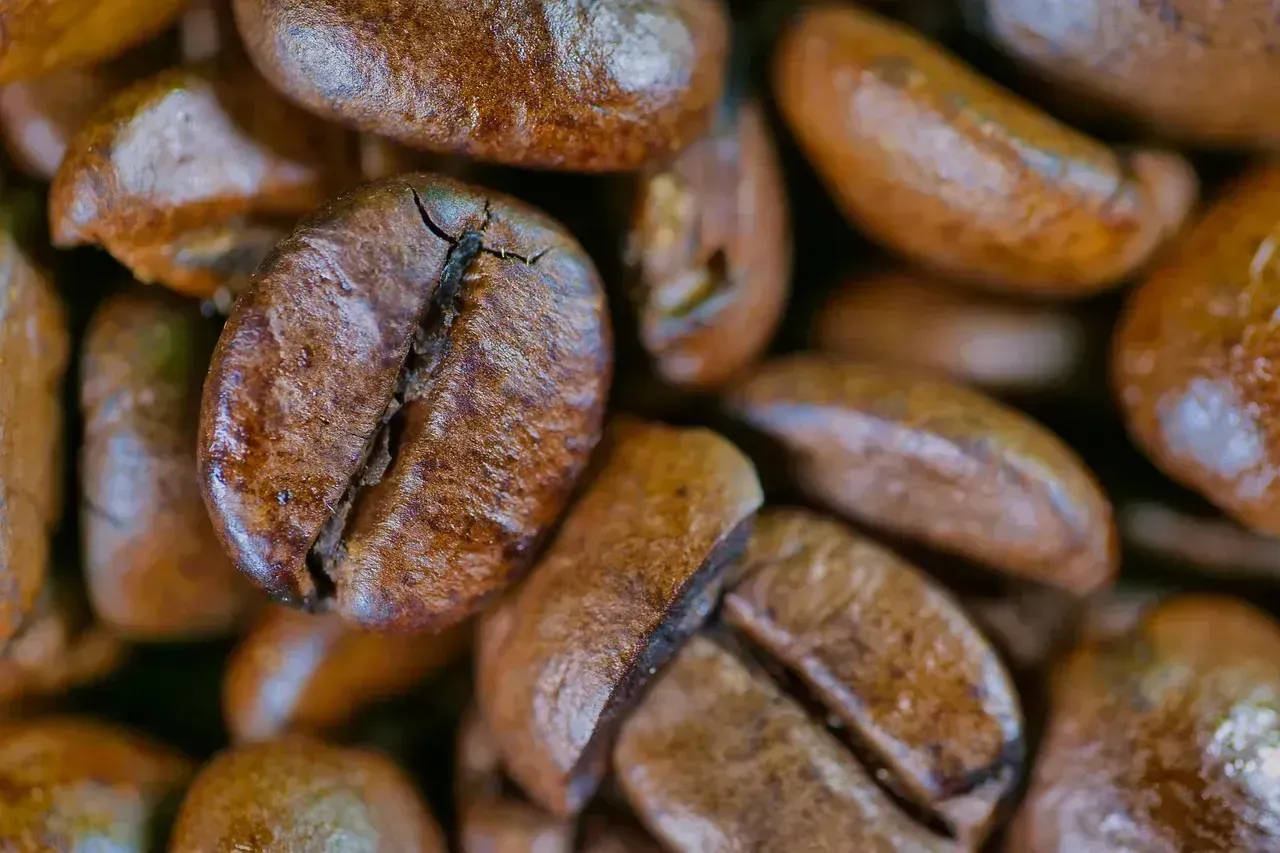
The morning cup of coffee that millions of people depend on has become a genuinely expensive commodity. Arabica futures surged to historic highs of $4.41 per pound in February 2025, driven by climate disruptions in Brazil and Vietnam and tight global inventories. Brazil, the world's largest coffee producer, has been hit especially hard. A severe drought during Brazil's last summer season devastated the harvest. Brazil supplies about 40 percent of the global coffee volume. Vietnam, the world's second-largest supplier, was equally affected. Vietnam was hit by a drought that caused coffee production to fall by 20 percent in 2024.
The combination of drought, low inventories, and trade policy created a perfect storm. Between 2021 and 2025, the global coffee market endured a period of historic tightness. Global ending stocks reached a 25-year low on a stocks-to-use basis, and certified inventories had withered to fewer than 400,000 bags by late 2025. Prices for beverage materials including coffee and tea rose 11.8 percent in 2025 alone. Some cautious optimism is emerging for 2026, with Brazil's projected 2026/27 crop estimated by StoneX analysts at an all-time record of 70.7 million 60-kilogram bags. Still, these figures suggest more stable Arabica prices in 2026, but they are still likely to remain higher than in previous years.
4. Olive Oil
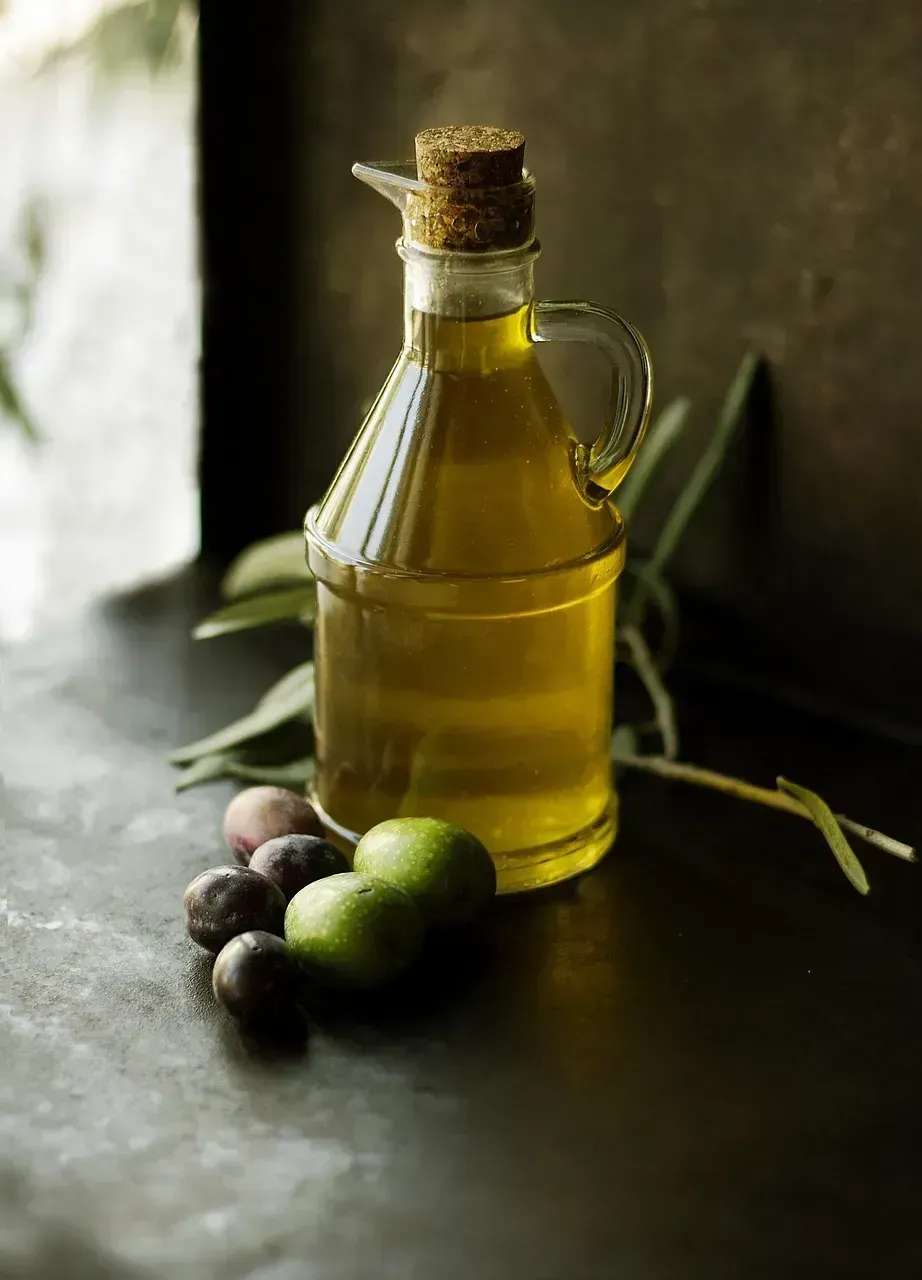
Olive oil has spent the past few years earning its nickname of "liquid gold," and not in a flattering way. The price of olive oil shot up over the last two years, with figures from market insight firm Y Charts reporting a record high of $10,281 per metric tonne in January 2024. The crisis was driven primarily by catastrophic drought conditions across the Mediterranean. Drought conditions hit the Mediterranean region, the world's largest supplier of olive oil, during the winter of 2022/23, resulting in poor olive harvests. Spain, the single biggest supplier of olive oil, produced just 50 percent of the olive oil it produced the previous year. The situation grew so severe that The Guardian documented how price hikes made olive oil the most stolen supermarket product in 2024.
There has been some relief since the peak, with production recovering in key regions. A substantial harvest in Spain, already at 1.38 million metric tons and rising, has resulted in olive oil prices plummeting to levels not seen since mid-2022. However, the long-term picture remains uncertain. Provisional data for the 2024/25 crop year points to an increase of 38 percent in global olive oil production, bringing it to 3,572,000 tonnes. For the 2025/26 crop year, however, estimates indicate a production decrease of 4 percent. As one industry executive noted, "The olive oil market is highly volatile as a result of climate issues and supply demands, making it difficult to forecast how prices will shift in the coming months and years." Consumers who grew accustomed to price spikes may be in for further volatility ahead.
5. Sugar and Sweets

Sugar and sweets may not grab headlines the way beef or coffee do, but the data shows this category is on a steep upward trajectory. The USDA predicted that prices for sugar and sweets will rise by 6.7 percent in 2026, with a prediction interval of 3.4 to 10.2 percent. That would make it the single fastest-rising food-at-home category in the United States this year. Prices for these groceries increased by 1 percent from December 2025 to January 2026 and were 5.7 percent higher in January 2026 than in January 2025, with candy and chewing gum experiencing the largest price hikes.
The sugar market has been under pressure globally, and several intersecting forces are keeping prices elevated. The cocoa crisis described above feeds directly into chocolate and confectionery prices, compounding the rise in raw sugar costs. Increasing food costs are linked to diseases affecting livestock and crops, conflict-related global supply chain issues, labor, and other factors. A professor of applied economics and management at Cornell University warned that "consumers, especially those on fixed, low incomes, will face difficult food purchase decisions as food prices rise faster than incomes," adding that this typically means "choosing cheaper, less nutritious diets." For many households, a candy bar or a bag of sugar that once felt trivial on the grocery bill is now a line item that invites a second look. The USDA predicted that prices for sugar and sweets, which have been going up more rapidly than overall food-at-home inflation, are likely to rise 6.7 percent in 2026.




Leave a Reply