
Heart disease remains the leading cause of death globally, and a growing body of scientific evidence points to one of the most effective tools for fighting it sitting right in your grocery store's produce aisle. Nearly half of all cardiometabolic deaths - including those from heart disease, stroke, and diabetes - are now linked to poor diet. The good news is that specific vegetables, eaten consistently, have been shown to make a real difference. Here are five of the most powerful ones, backed by up-to-date research.
1. Garlic: The Proven Cholesterol Fighter
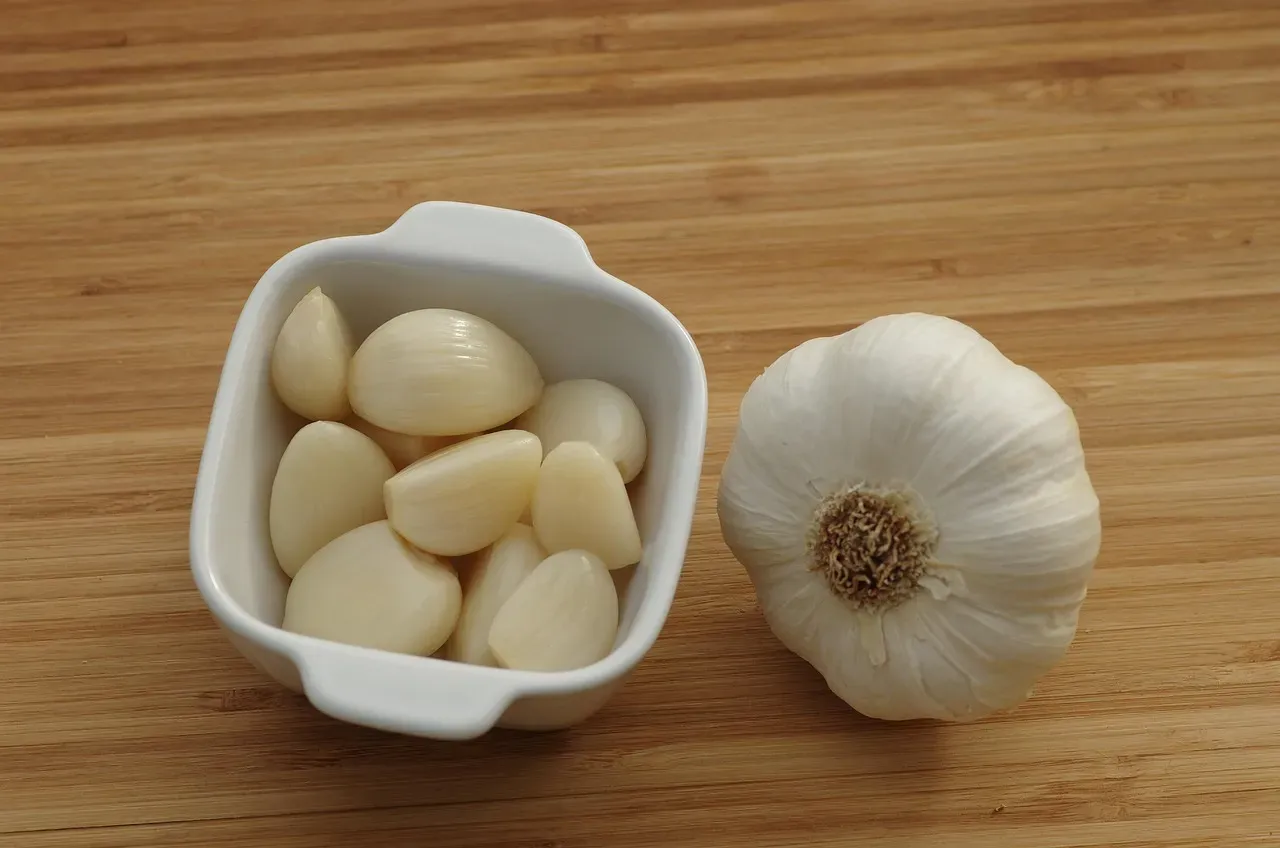
Garlic is a well-known ingredient in cooking and has a long history in traditional Asian medicine, with recently increased interest in its protective benefits against cardiovascular diseases. The evidence is now hard to ignore. A meta-analysis of 21 randomized controlled trials showed that garlic consumption significantly reduced total cholesterol, triglycerides, and LDL-C, while slightly increasing HDL-C concentration.
Consumption of garlic resulted in significant improvements in total cholesterol, LDL cholesterol, HDL cholesterol, and triglycerides, as well as systolic and diastolic blood pressure and markers of inflammation including C-reactive protein. A 2024 study published in the journal Nutrients found that a garlic and onion extract produced significant reductions in both LDL cholesterol and total cholesterol levels, with additional improvements in blood pressure and oxidative and inflammatory markers. These effects were especially pronounced in participants with higher baseline LDL levels, with beneficial effects being even more evident in those with initial LDL values over 110 mg/dL, highlighting the extract's ability to effectively modulate lipid metabolism and mitigate cardiovascular risk.
2. Spinach: A Nitrate-Rich Artery Protector
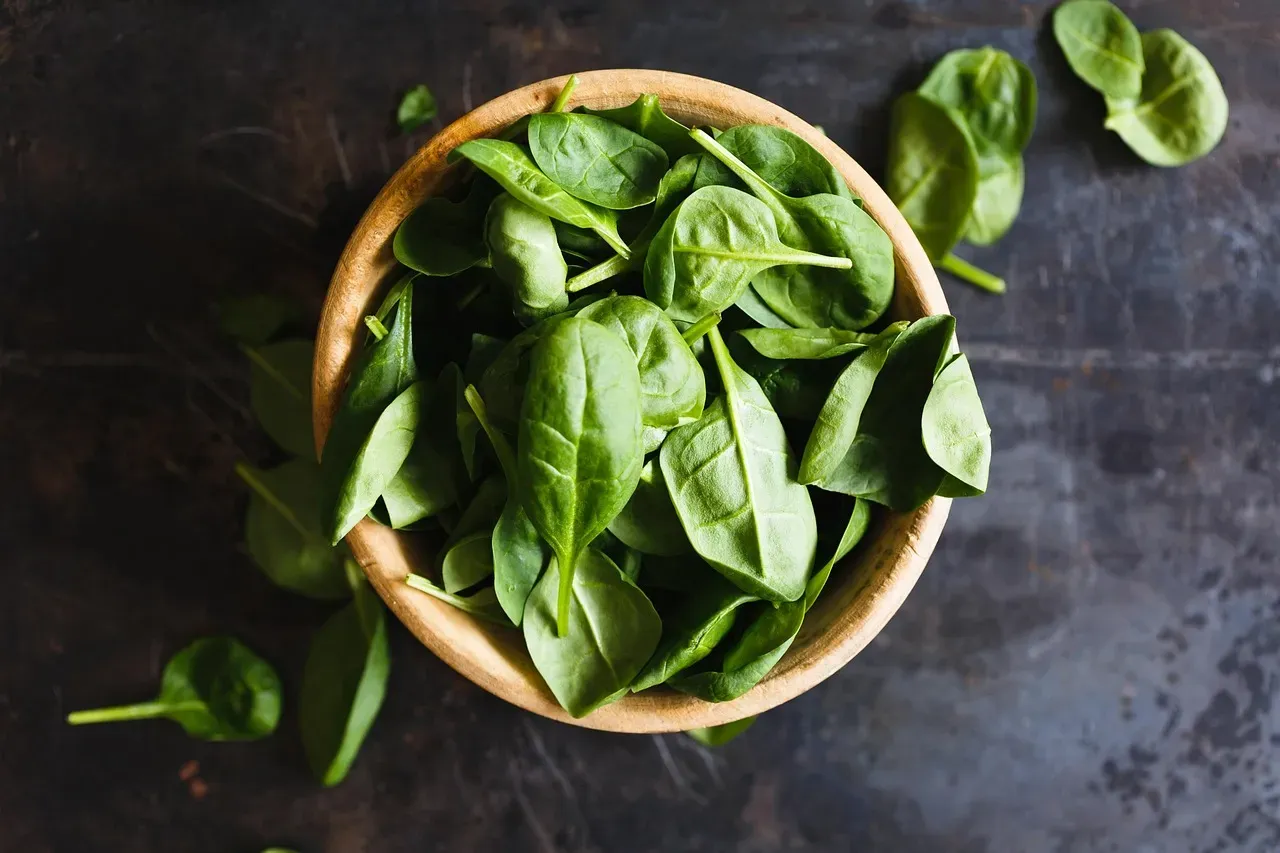
Spinach is one of those vegetables that nutrition researchers keep coming back to, and for good reason. Researchers found that people who ate the most nitrate-rich vegetables, especially leafy greens such as spinach and lettuce, had between roughly one in eight and more than one in four lower risk of cardiovascular disease over the course of a study. The mechanism is specific: leafy greens are rich in nitrates, which the body converts to nitric oxide, a compound that helps reduce blood pressure.
The fibre component of green leafy vegetables is also known for its cholesterol-lowering effects, and folic acid found in leafy greens is inversely associated with homocysteinaemia, a known risk factor for atherosclerosis and ischemic stroke. The supporting study included more than 53,000 people who took part in the Danish Diet, Cancer, and Health study over a 23-year period, with an average starting age of 56, none of whom had heart disease at baseline, and those consuming the most nitrate-rich vegetables showed the lowest cardiovascular disease risk. One cup per day appears to be the sweet spot. One cup of greens per day seemed to be the optimum amount, as people who ate higher amounts did not further lower their risk.
3. Broccoli and Other Cruciferous Greens: Vitamin K and Bile Acid Binding
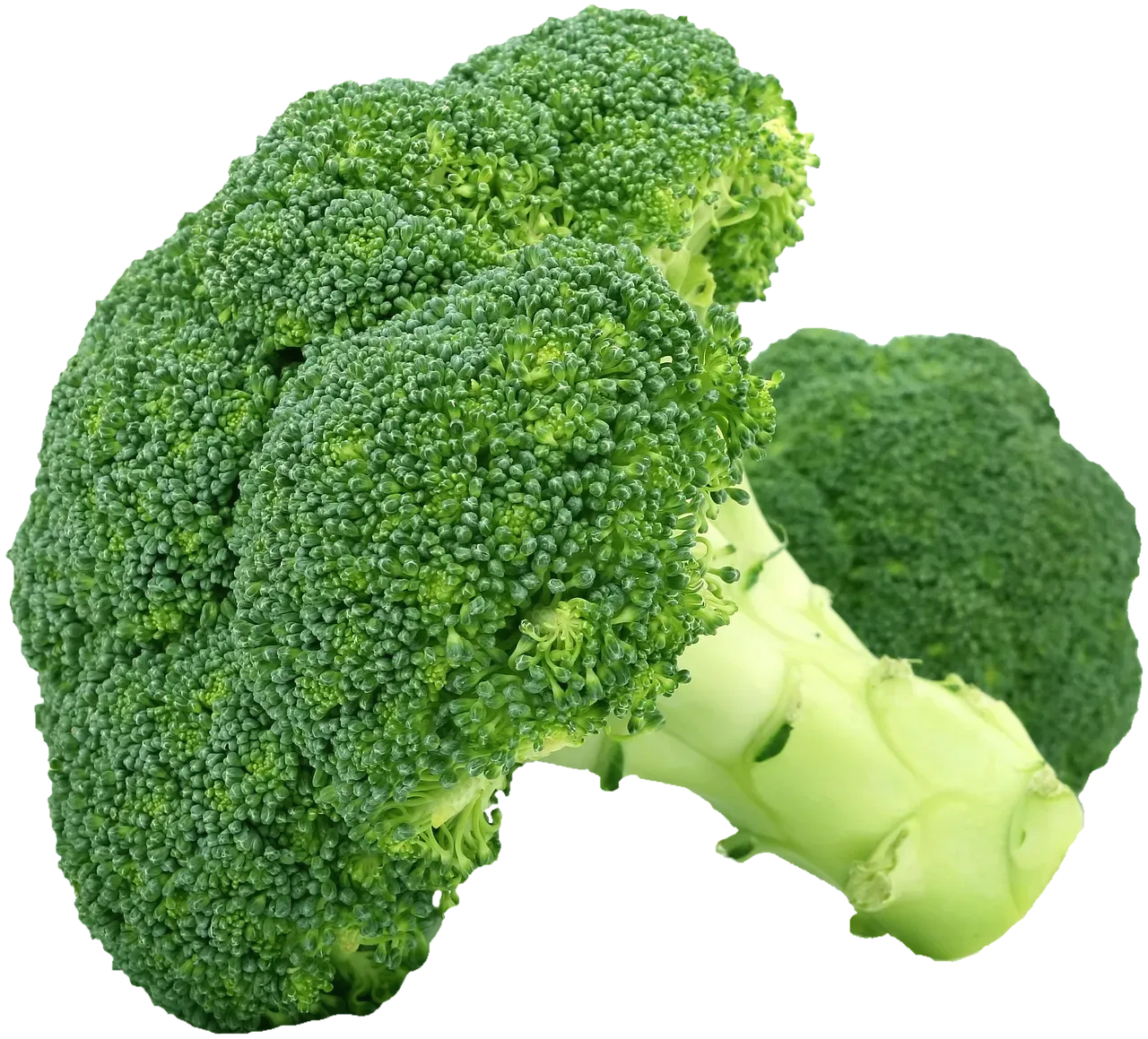
Broccoli earns its place not just as a nutrient powerhouse but as a genuine heart protector. "Leafy green and cruciferous vegetables, like spinach, kale and broccoli, contain Vitamin K1 which may assist in preventing vascular calcification processes that characterise cardiovascular disease." The way these vegetables act on cholesterol is particularly interesting. Steam cooking significantly improved the in vitro bile acid binding of collard greens, kale, mustard greens, broccoli, and cabbage, and the research concluded that these vegetables, when consumed regularly after steam cooking, would lower the risk of cardiovascular disease.
Several agents found in green leafy and cruciferous vegetables may cause a reduction in the incidence of cardiovascular disease, with bile acid binding capacity being related to the cholesterol-lowering potential of these foods. Kale, closely related to broccoli in the cruciferous family, has its own compelling record. Kale is a very popular leafy green with several health benefits, providing good amounts of vitamins A, C, and K, and one 2021 study found that eight weeks of treatment with kale juice powder increased HDL (good cholesterol) and decreased LDL (bad cholesterol). High-fiber, plant-based diets, including cruciferous vegetables, are linked to increased insulin sensitivity, lowered blood glucose, lowered total and LDL cholesterol levels, reduced inflammation, and lowered risk of stroke and diastolic dysfunction - all of which diminish atherosclerosis progression and cardiovascular disease incidence.
4. Okra: The Viscous Fiber Superstar
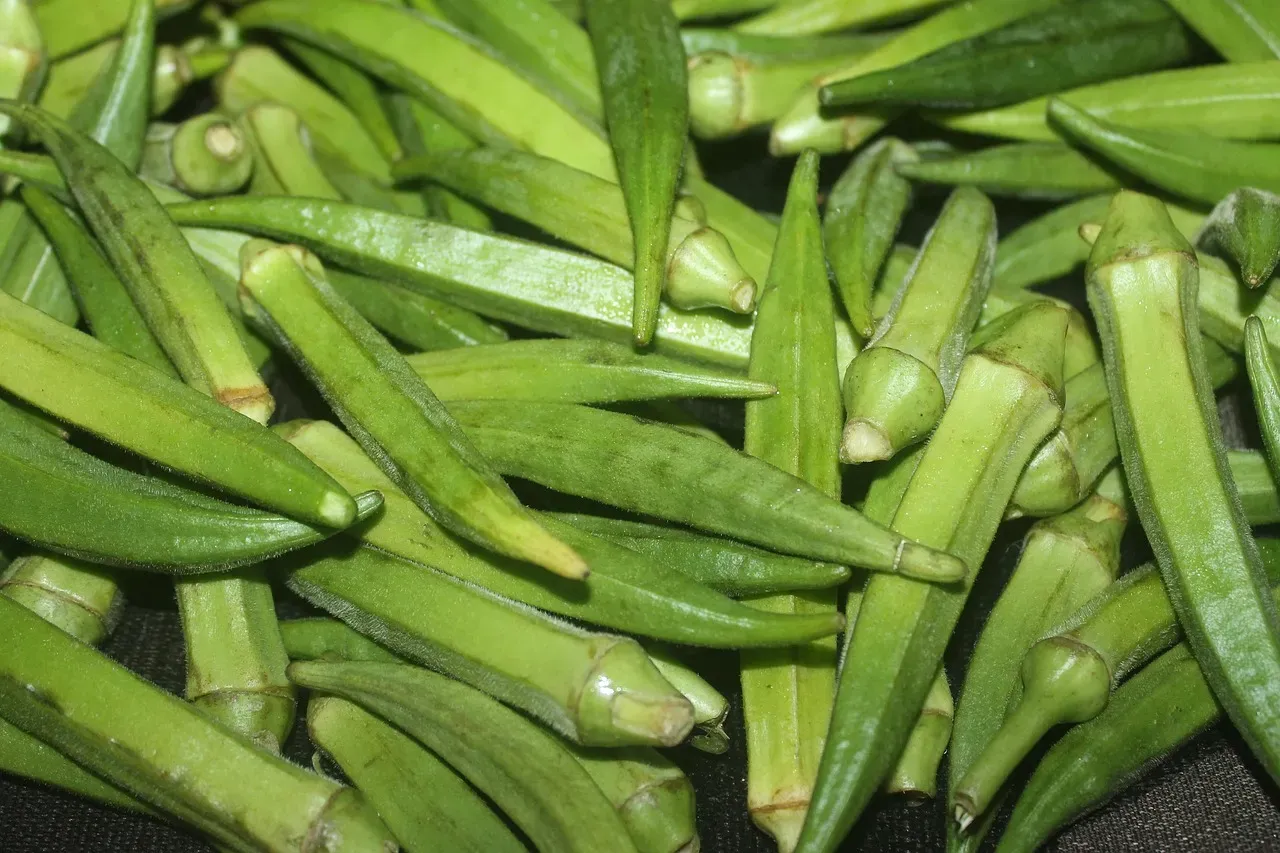
Okra might not be the first vegetable that comes to mind when you think about heart health, but the science behind it is solid. Okra is a low-calorie vegetable and a good source of soluble fiber. It features as one of the core recommended viscous fiber sources in scientific dietary guidelines. "Viscous fiber is a type of soluble fiber that has a somewhat sticky quality," and it is found in certain vegetables such as eggplant and okra, alongside grains like oats and barley.
Eggplant and okra are low-calorie sources of soluble fiber which may help to lower cholesterol, with research suggesting these kinds of viscous fibers can help reduce total cholesterol levels by roughly three to seven percent, and studies have found that both the seed and skin of okra may help fight cholesterol. The mechanism is well understood. Fiber, which is only found in plant foods, reduces the absorption of cholesterol from the gut, increases the amount of cholesterol excreted in the stool, and can reduce the amount of LDL cholesterol in the blood, with good sources including vegetables, legumes, and whole grains. A major 2023 paper published in Circulation confirmed that the Portfolio dietary pattern, which specifically includes viscous fiber sources like okra and eggplant, significantly lowered LDL-C by 17%, non-HDL-C by 14%, and ApoB by 15%, as well as high-sensitivity C-reactive protein by 32%, compared with a low saturated fat diet.
5. Brussels Sprouts and Legume-Rich Vegetables: The Soluble Fiber Team

Brussels sprouts have built a strong scientific reputation that goes beyond their vitamin content. Brussels sprouts are nutritionally dense, they aid in body detoxification, and they reduce LDL cholesterol. They work best as part of a broader dietary pattern that includes other fiber-rich plant foods. Soluble fiber is found in foods such as Brussels sprouts, kidney beans, apples, and pears, and this type of fiber can reduce the absorption of cholesterol into your bloodstream, with five to ten grams or more per day shown to decrease LDL cholesterol.
The long-term data supporting this kind of vegetable-driven eating are increasingly compelling. A study of 14,835 adults published in a 2025 issue of BMC Medicine found that those with greater adherence to a plant-rich dietary pattern had a 16% lower risk of dying from cardiovascular disease and a 14% reduced risk of dying prematurely from any cause over a 22-year period. Starting younger magnifies the benefit considerably. Research found that adherence to a plant-rich diet among ethnoculturally diverse young adults could limit lifetime exposure to LDL cholesterol and delay the onset of cardiovascular events, with 50% adherence potentially delaying cardiovascular events by six years and full adherence expanding that to 13 years.
How These Vegetables Work Together for Maximum Benefit

None of these five vegetables works in isolation, and the evidence strongly suggests that combining them produces effects greater than any single food. The plant-based portfolio approach emphasizes plant proteins, fruits and vegetables, and heart-healthy oils - a portfolio of foods scientifically proven to lower cholesterol, and mounting evidence shows that combining these foods in such a way confers additional benefits for heart health. The effect of stacking cholesterol-lowering plant foods is a core principle backed by decades of research. Adding several foods to lower cholesterol in different ways should work better than focusing on one or two.
As the American College of Cardiology notes, roughly 45% of cardiometabolic deaths are now linked to poor diet, making dietary intervention one of the most impactful tools available. A comprehensive research analysis by Pandey et al. in 2024 concluded that plant-based, high-fiber diets that are high in fruits, vegetables, whole grains, legumes, and nuts are effective in preventing cardiovascular disease, lowering body weight, decreasing the likelihood of cancer, and improving metabolic syndromes. Research suggests that even modest daily intake of plant sterols found naturally in vegetables could decrease LDL cholesterol levels meaningfully, and a consistent, varied vegetable intake, particularly from the five categories described above, offers a practical, drug-free path toward a healthier cardiovascular system.


Leave a Reply