
Heart disease remains the leading cause of death globally, and what ends up on your plate has a lot to do with your risk. Nearly half of all cardiometabolic deaths, including those from heart disease, stroke, and diabetes, are now linked to poor diet. The good news is that the science supporting vegetables as a frontline defense against cardiovascular disease has never been more compelling. Fruit and vegetable consumption may decrease cardiovascular disease risk due to rich content of beneficial nutrients such as dietary fiber, plant proteins, vitamin C, minerals, polyphenols, phytoestrogens, and carotenoids, all of which are known to aid in cardiovascular disease prevention. Here are six vegetables backed by strong evidence for their role in supporting heart health and lowering cholesterol.
1. Spinach
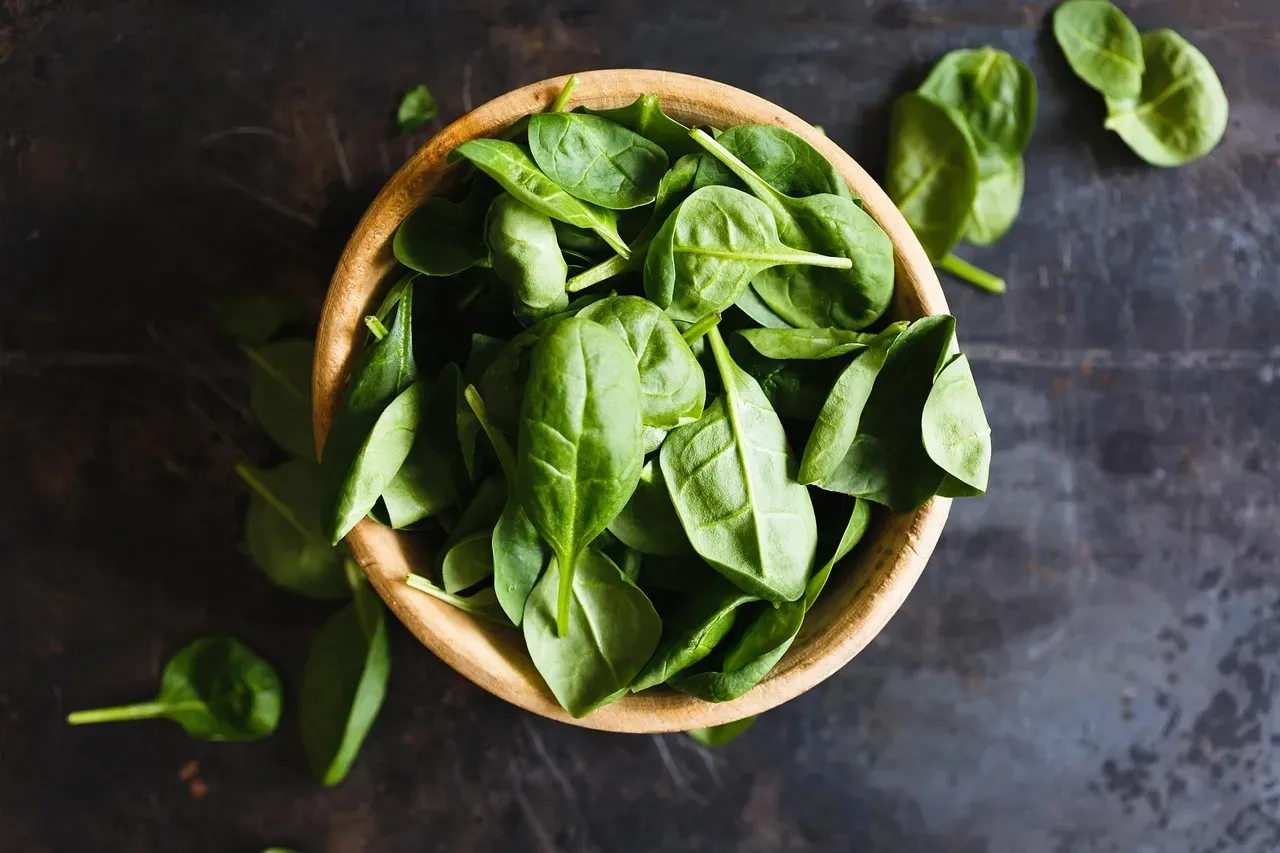
Dark, leafy greens are recommended as part of a healthy eating pattern. They are largely considered nutritional powerhouses because they are nutrient-dense - meaning you can get a lot of nutrition without a lot of calories. Spinach stands out even among its peers. Spinach contains high amounts of nitrates, which have been shown to help moderate blood pressure levels and decrease the risk of heart disease. Spinach is also a good source of vitamins A, C, and B9 (folate).
A study that included more than 53,000 people who took part in the Danish Diet, Cancer, and Health Study over a 23-year period found that people who ate the most nitrate-rich vegetables, especially leafy greens such as spinach and lettuce, had a 12% to 26% lower risk of cardiovascular disease over the course of the study. The heart benefit may stem partly from slightly lowered blood pressure, as nitrate found in foods is converted during digestion into nitric oxide, a compound that relaxes and widens blood vessels. Spinach also helps clear arteries of LDL cholesterol, which can help prevent heart attacks.
2. Broccoli
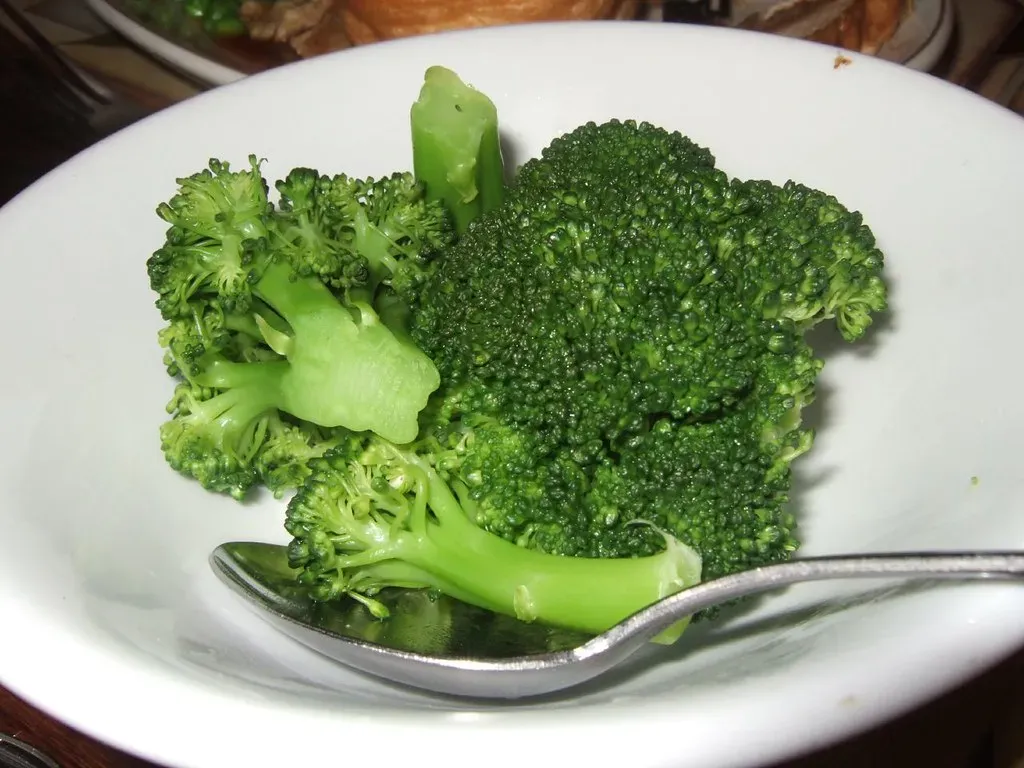
Broccoli is a cruciferous vegetable packed with fiber, vitamin K, and sulforaphane, a powerful plant compound that reduces oxidative stress. Its high fiber content supports lower LDL cholesterol levels, while sulforaphane has been shown to decrease inflammation and protect arterial linings from damage. Broccoli is recognized and lauded for its health benefits. It includes a compound, sulforaphane, known to lower cholesterol levels. Besides, broccoli comes packed with fiber and antioxidants, both contributing to heart health.
Several studies indicate that broccoli may support heart health in a variety of ways. Elevated "bad" LDL cholesterol and triglyceride levels are known to be significant risk factors for heart disease. Broccoli may play a role in improving these markers. One study noticed significantly reduced triglycerides and "bad" LDL cholesterol levels, as well as increased "good" HDL cholesterol levels, in people who were treated with a powdered broccoli sprout supplement. Broccoli sprout powder as a supplementary treatment could have favorable effects on lipid profiles and oxidized LDL/LDL cholesterol ratio, which are known risk factors for cardiovascular disease.
3. Kale
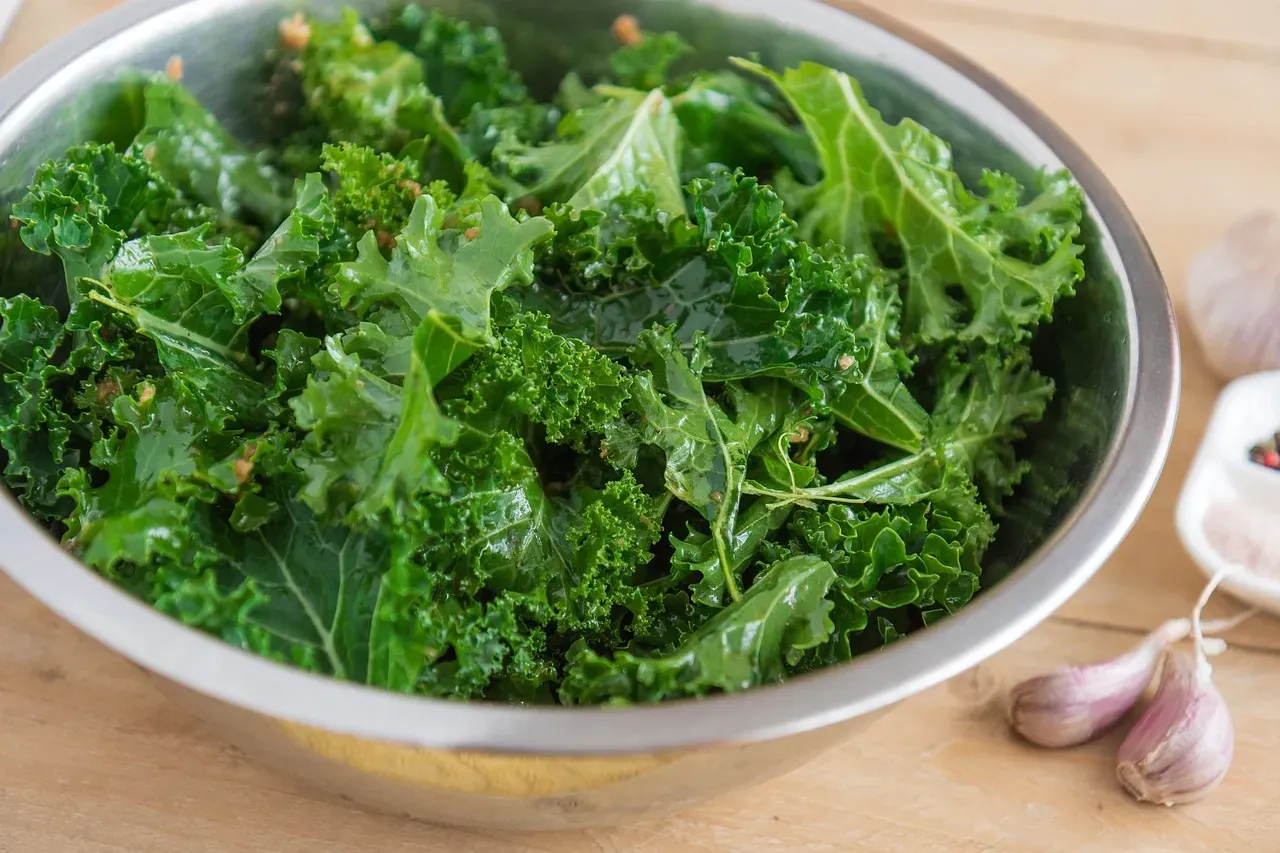
Kale, referred to often as "the Queen of Greens," is packed full of vitamins and minerals, including vitamins A, C, and K. It is also high in fiber, iron, and antioxidants and helps reduce LDL cholesterol. Kale earns its title as a superfood, especially for heart health. It is rich in vitamin C, vitamin K, and polyphenols - compounds that reduce inflammation and oxidative damage. These properties collectively place kale among the most potent heart-protective foods available.
Kale is also fiber-rich, which supports healthy cholesterol levels. A study published in Biomedical Reports found that regular consumption of kale juice improved lipid profiles and antioxidant status in patients with high cholesterol. Research combining data from studies including over 540,000 participants calculated that an increased intake of green leafy vegetables significantly reduces the incidence of cardiovascular disease by roughly 16%. Kale, as one of the most nutrient-dense members of this group, plays a clear role in that protective effect.
4. Brussels Sprouts
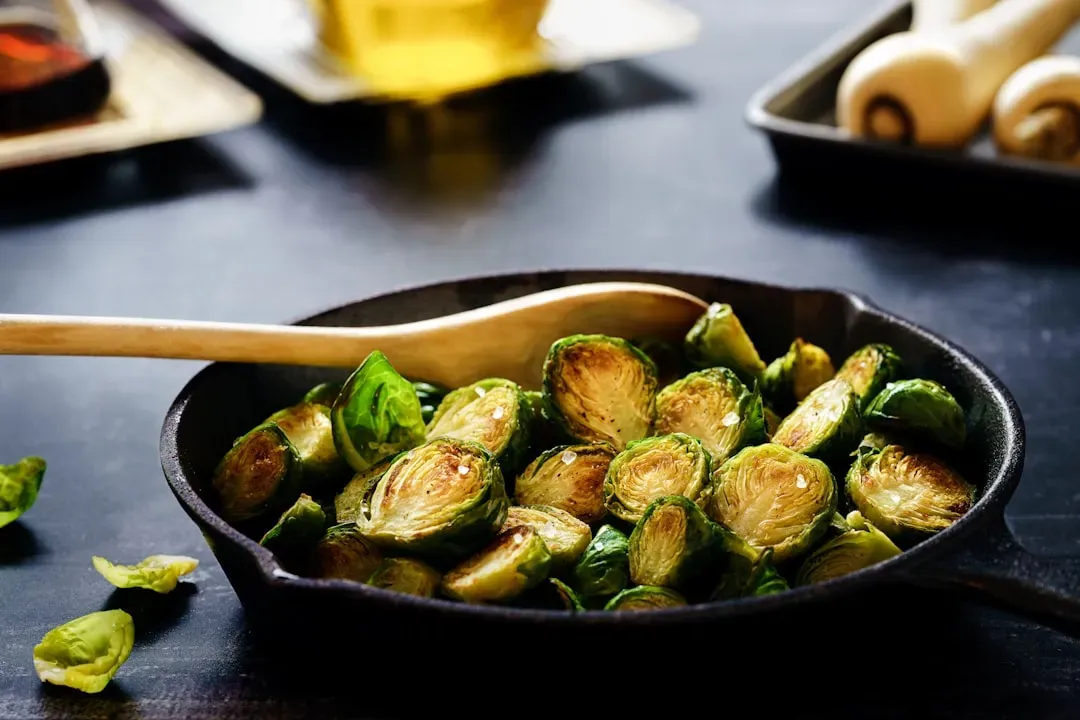
What sets Brussels sprouts apart from many other vegetables is their content of soluble fiber. This type of fiber dissolves in water to form a gel-like substance, which binds to cholesterol particles in the digestive tract and removes them from the body before they enter the bloodstream. Just one cup contains about 4 grams of total fiber, and studies show that a diet rich in soluble fiber can lower LDL cholesterol by 5% to 10% over a few weeks. Crunchy vegetables like Brussels sprouts may also help stave off other health issues, such as high blood pressure, high cholesterol, heart disease, and diabetes.
Brussels sprouts are loaded with fiber and anti-inflammatory compounds like glucosinolates. Research shows that cruciferous vegetables, including Brussels sprouts, are linked to lower calcium buildup in arteries, a sign of atherosclerosis. Their high vitamin K content also supports arterial flexibility and healthy blood clotting. One of their greatest strengths lies in their potent blend of antioxidants and phytonutrients - two natural protectors that the cardiovascular system deeply relies on.
5. Garlic
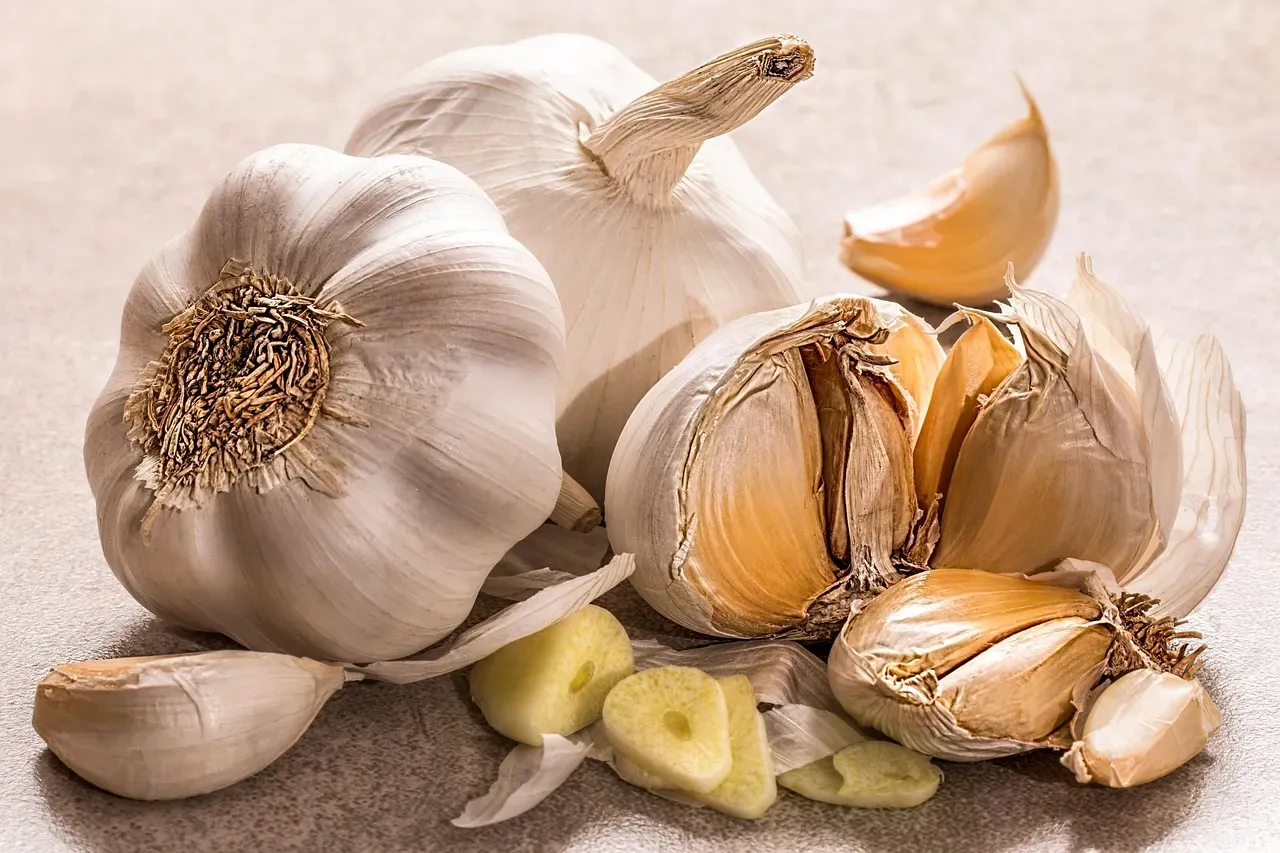
Garlic is one of the oldest plants and is world-renowned for its dietary and medicinal values. Allicin, one of its primary natural active ingredients, has been proven to have powerful cardioprotective effects and mediates various pathological processes related to cardiovascular disease, such as inflammatory factor secretion, myocardial cell apoptosis, and oxidative stress. Garlic's ability to modulate total cholesterol, LDL, HDL, and triglycerides has been linked to various conditions stemming from disrupted lipid metabolism, including nonalcoholic fatty liver disease, coronary artery disease, and the development of atherosclerosis. This may be possible due to the presence of allicin and its derivatives, which inhibit the HMG-CoA reductase enzyme.
A meta-analysis of 21 randomized controlled trials found that garlic consumption significantly reduced total cholesterol, triglycerides, and LDL cholesterol, while slightly increasing high-density lipoprotein levels. More specifically, a systematic review including nineteen trials found that aged garlic consumption significantly reduced systolic blood pressure and LDL cholesterol levels. The best time to see garlic's cholesterol-lowering effects is at least two to three months of consistent use, and some studies suggest even longer use can bring more benefits.
6. Avocado
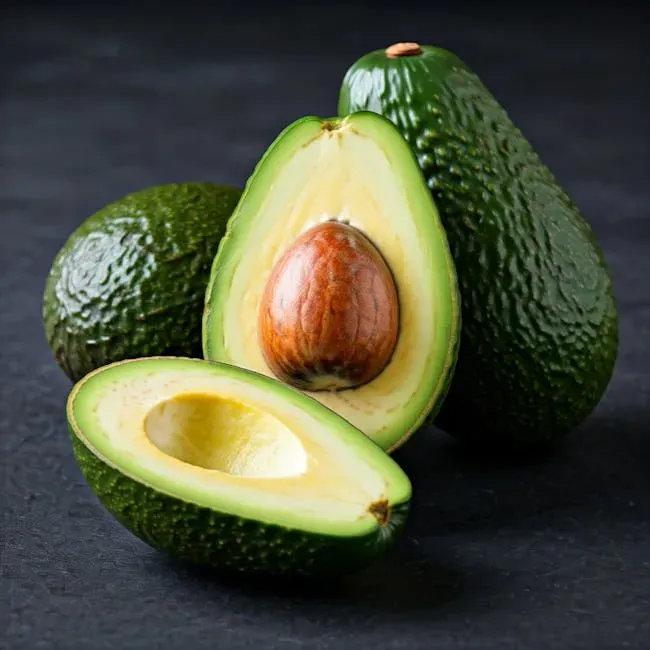
Research suggests that the fiber from avocados can improve HDL cholesterol levels and the quality of LDL cholesterol. Adding two servings of avocado per week to a heart-healthy diet can lower your risk of heart disease. These versatile fruits pack a punch when it comes to nutrition. They are a great source of monounsaturated fats, which can help raise "good" HDL cholesterol while lowering LDL cholesterol too. The combination of fiber and healthy fats makes avocado genuinely unique among heart-protective vegetables and fruits.
Fiber, which is only found in plant foods, reduces the absorption of cholesterol from the gut, increases the amount of cholesterol excreted in the stool, and can reduce the amount of LDL cholesterol in the blood. Avocado delivers this benefit while also providing potassium, a mineral that works to counteract the effects of sodium, easing tension in blood vessel walls and lowering blood pressure - a major risk factor for heart disease. Plant-based, high-fiber diets that are high in fruits, vegetables, whole grains, legumes, and nuts are effective in preventing cardiovascular disease, lowering body weight, decreasing the likelihood of cancer, and improving metabolic syndromes, and avocado fits seamlessly into that protective framework.



Leave a Reply