
Heart disease remains the leading cause of death around the world, and the conversation around prevention has never been louder or more urgent. Yet the answer, at least in part, may be sitting quietly in the produce section of your local grocery store.
Research published in a 2023 issue of Circulation found that upping your vegetable intake by following a plant-based diet can dramatically reduce your risk of heart disease. Honestly, that's a remarkable statement. Not a supplement, not a prescription. Just vegetables.
The science continues to pile up, and the findings are hard to ignore. Let's walk through nine of the most powerful vegetables you can eat for your heart, one by one.
1. Spinach: The Nitrate-Rich Leafy Green Your Arteries Will Thank You For
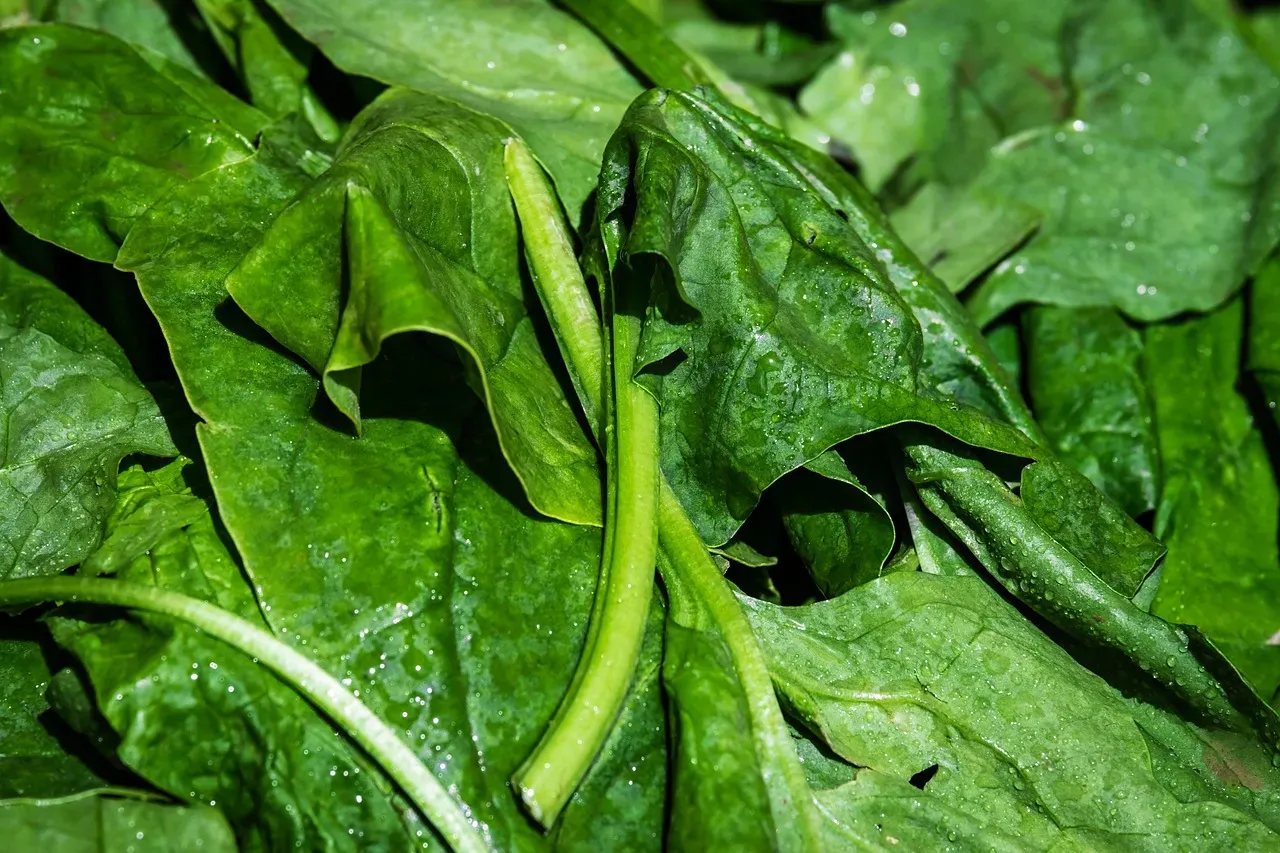
Here's the thing about spinach. Most people know it's "healthy," but very few understand exactly why it matters so much for heart health specifically. Spinach contains high amounts of nitrates, which have been shown to help moderate blood pressure levels and decrease the risk of heart disease. That's not a minor effect. It's a direct, measurable mechanism that works inside your blood vessels.
Researchers found that people who ate the most nitrate-rich vegetables, especially leafy greens such as spinach and lettuce, had a 12% to 26% lower risk of cardiovascular disease over the course of the study. That was a study tracking over 53,000 people across a 23-year period. The numbers speak for themselves.
During digestion, nitrate found in foods is converted into nitric oxide, a compound that relaxes and widens blood vessels. Think of it like a gentle expansion of your internal plumbing. Less pressure, better flow, healthier heart. This leafy green helps clear arteries of LDL cholesterol, which can help prevent heart attacks.
2. Broccoli: The Cruciferous Champion Against Clogged Arteries
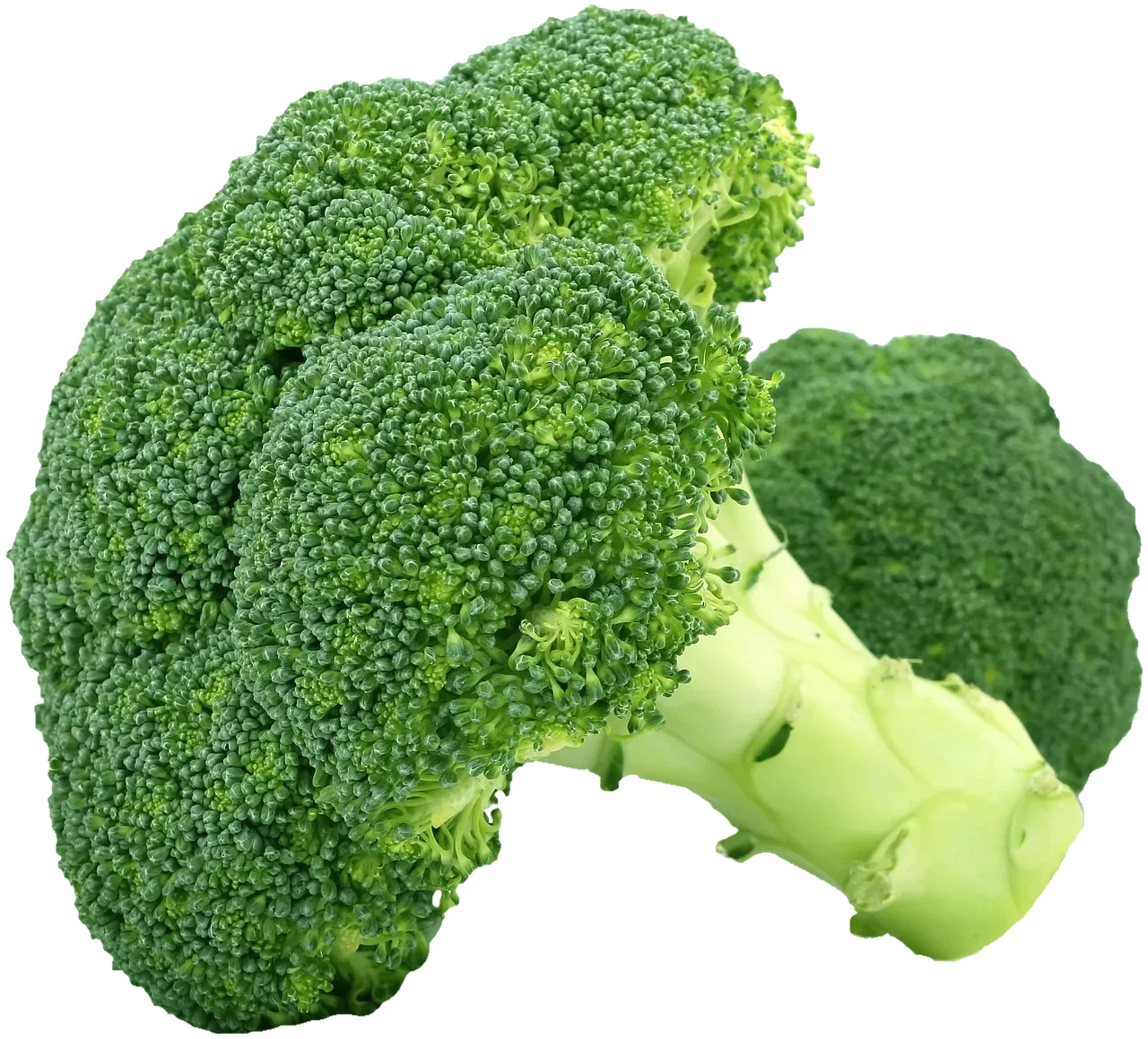
Broccoli is a cruciferous vegetable packed with fiber, vitamin K, and sulforaphane, a powerful plant compound that reduces oxidative stress. Its high fiber content supports lower LDL cholesterol levels, while sulforaphane has been shown to decrease inflammation and protect arterial linings from damage. That combination is genuinely impressive for a single vegetable.
One study noticed significantly reduced triglycerides and "bad" LDL cholesterol levels, as well as increased "good" HDL cholesterol levels, in people treated with a powdered broccoli sprout supplement. Improving both LDL and HDL in the same dietary intervention is relatively rare and shows how multi-layered broccoli's cardiovascular benefits really are.
A study of older women living in Australia found that eating more vegetables, especially cruciferous vegetables such as broccoli, cabbage, Brussels sprouts, and cauliflower, might help to prevent clogged arteries, or atherosclerosis, a main cause of heart attack and stroke. Broccoli, Brussels sprouts, and other cruciferous vegetables are associated with fewer calcified fatty plaques in the aorta.
3. Kale: The Superfood That Earns Its Title
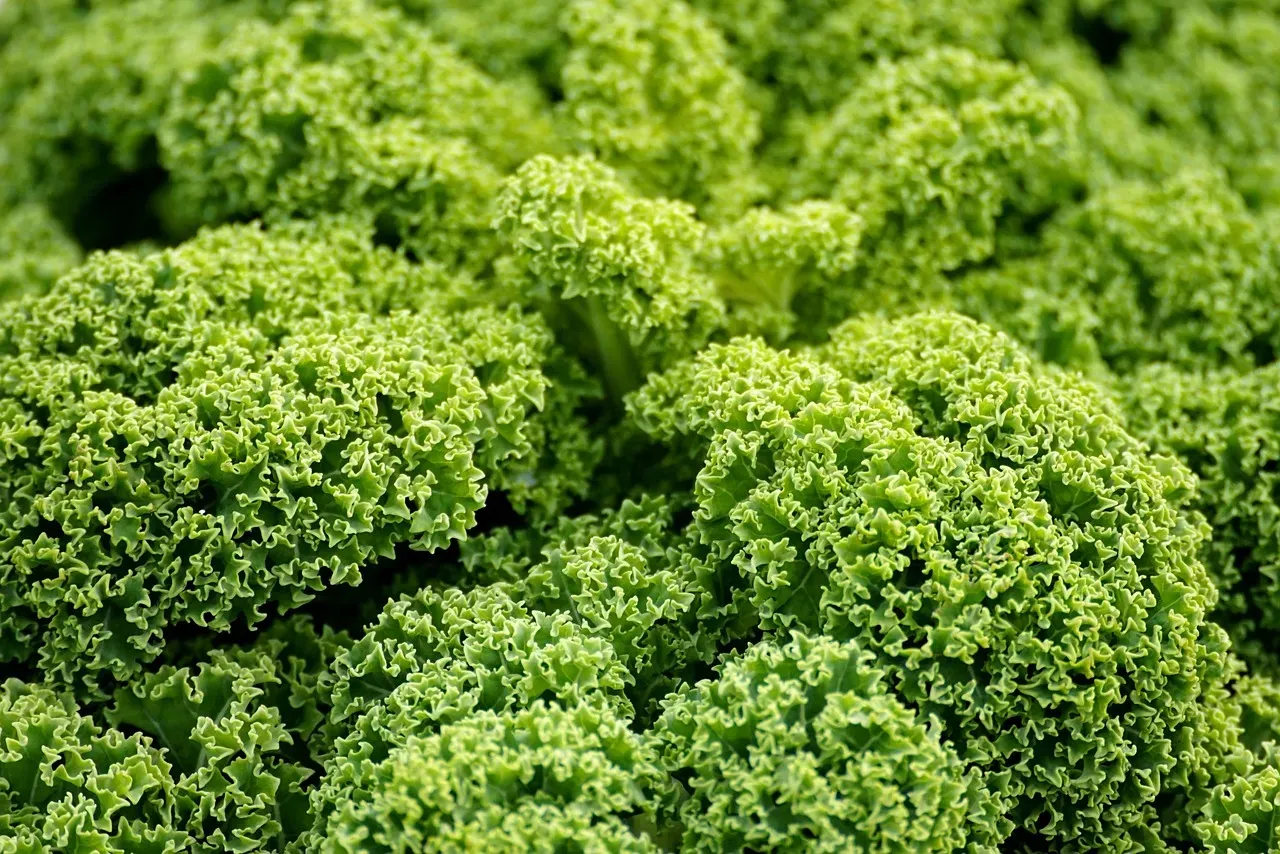
Kale earns its title as a superfood, especially for heart health. It's rich in vitamin C, vitamin K, and polyphenols, which are compounds that reduce inflammation and oxidative damage. Inflammation, remember, is one of the key drivers behind the buildup of arterial plaque. Anything that fights it quietly in the background is your friend.
Referred to often as "the Queen of Greens," kale is packed full of vitamins and minerals, including vitamins A, C, and K. It is also high in fiber, iron, and antioxidants and helps reduce LDL cholesterol. Few vegetables offer this kind of combined nutrient density.
An abundance of vitamin K found in leafy greens like kale promotes healthy arteries. A diet rich in leafy greens can also help lower high blood pressure. Lower blood pressure, reduced LDL, less inflammation. Kale is doing a lot of heavy lifting in a single serving.
4. Beets: A Crimson Root Vegetable With Real Blood Pressure Power
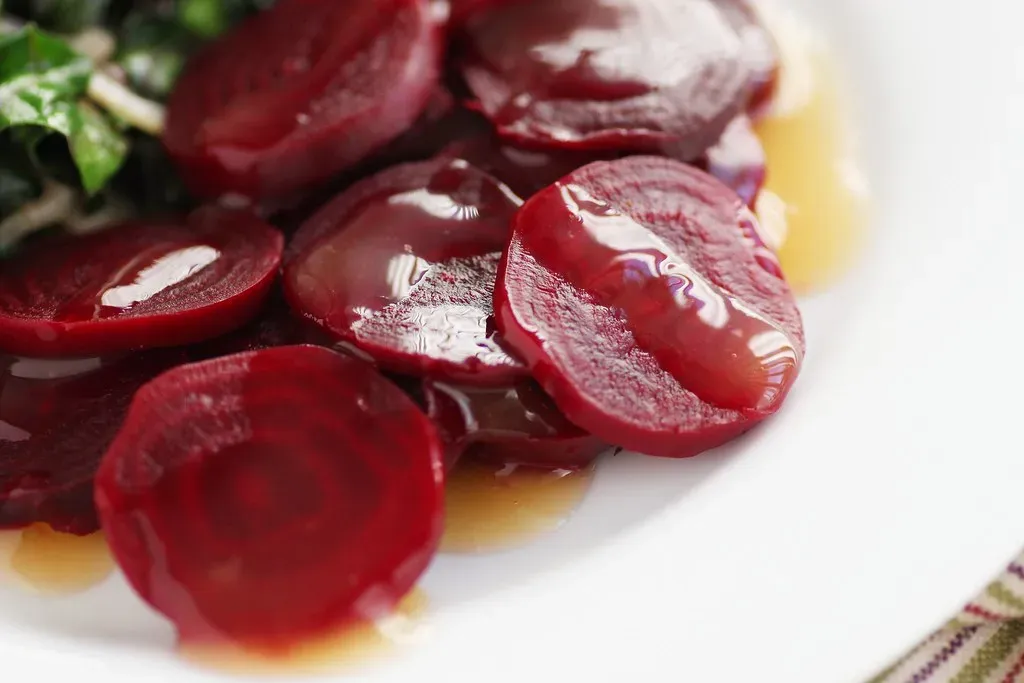
Beets are a rich source of antioxidants, fiber, and minerals. They are also particularly high in nitrate, and their juice has been shown to lower blood pressure. This is not health-food hype. It is backed by well-documented physiological mechanisms that scientists have studied extensively.
After a person consumes nitrate, the body converts it to nitric oxide, which opens blood vessels and promotes blood flow, resulting in less pressure in the arteries. Drinking beet juice or adding beets to salads has been shown to enhance blood flow and lower systolic blood pressure within hours, thanks to natural nitrates. Beets also contain betalains, antioxidant pigments that protect blood vessels from oxidative stress.
Full of folate, eating beets can help reduce artery inflammation to lower the risk for heart disease. Beets have also been proven to reduce high blood pressure. I think beets are massively underrated. Most people walk right past them in the store without a second glance, but the cardiovascular science here is genuinely compelling.
5. Brussels Sprouts: The Most Underestimated Veggie at Your Dinner Table
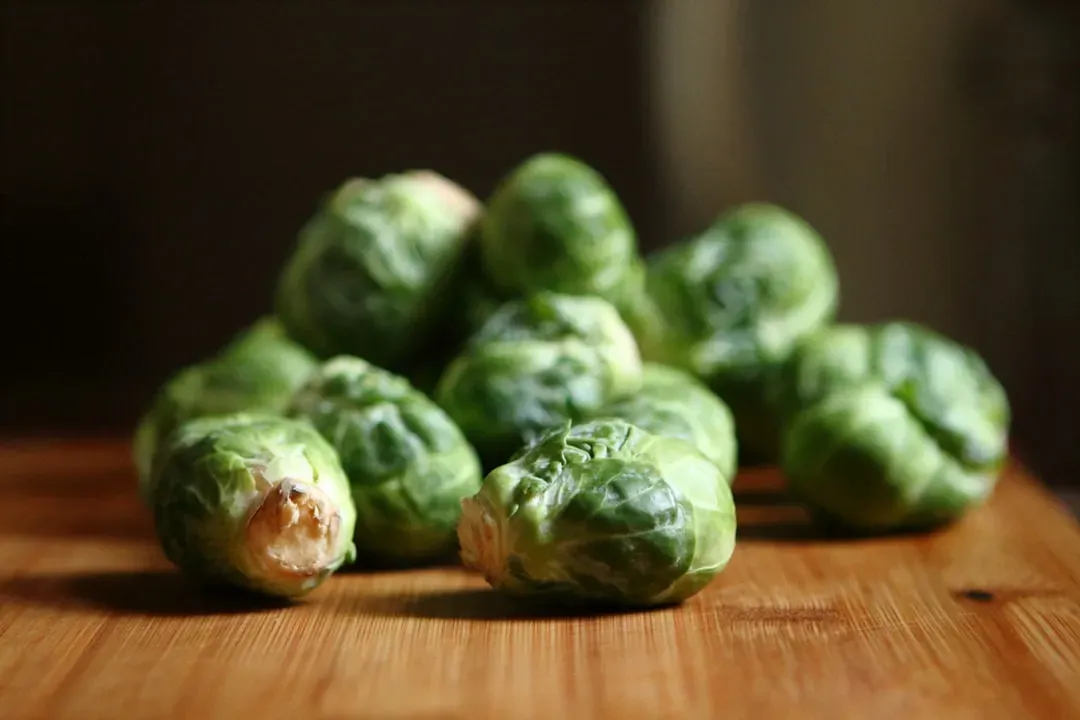
What sets Brussels sprouts apart from many other vegetables is their content of soluble fiber. This type of fiber dissolves in water to form a gel-like substance, which binds to cholesterol particles in the digestive tract and removes them from the body before they enter the bloodstream. Just one cup contains about 4 grams of total fiber, and studies show that a diet rich in soluble fiber can lower LDL cholesterol by roughly five to ten percent over a few weeks.
Brussels sprouts have the power to reduce your cholesterol, according to a 2022 review in Phytotherapy Research. The flavonoid kaempferol, found in Brussels sprouts, not only reduces oxidative stress but also strengthens blood vessel walls and inhibits LDL cholesterol oxidation. According to a 2018 study published in the journal Oxidative Medicine and Cellular Longevity, kaempferol significantly reduced vascular inflammation and plaque buildup in animal models.
Brussels sprouts also contain omega-3 fatty acids, which help lower cholesterol and keep arteries healthy, as well as sulforaphane, which may protect against heart disease and hardening of the arteries known as atherosclerosis. Let's be real: these little cabbages deserve far more respect than they get.
6. Artichokes: The Antioxidant-Dense Vegetable That Lowers LDL

Artichokes contain the most antioxidants of any vegetable, except beans, according to a study published in the Journal of Agricultural and Food Chemistry. That's a staggering claim for a vegetable most people associate mostly with fancy dips. The cardiovascular implications of that antioxidant density are significant.
When people took artichoke leaf extract supplements, it resulted in a "significant reduction" of blood pressure according to a review of studies. It also led to lower total and LDL cholesterol, a separate review found. Evidence suggests that decreases of 8 to 49 mg/dL for LDL concentration, 12 to 55 mg/dL for total cholesterol, and 11 to 51 mg/dL for triglycerides can be attributed to artichoke leaf extract, in which its components luteolin and chlorogenic acid may play a key role.
Soluble fiber found in artichoke hearts may decrease cholesterol biosynthesis through biliary sequestration. When ingested in substantial amounts, inulin induces partial diversion of the enterohepatic cycle, favoring the increased conversion of free cholesterol into cholic acid and bile acids. In simpler terms, artichokes actively push cholesterol out of your system before it can cause damage.
7. Garlic: The Ancient Remedy With Modern Scientific Backing
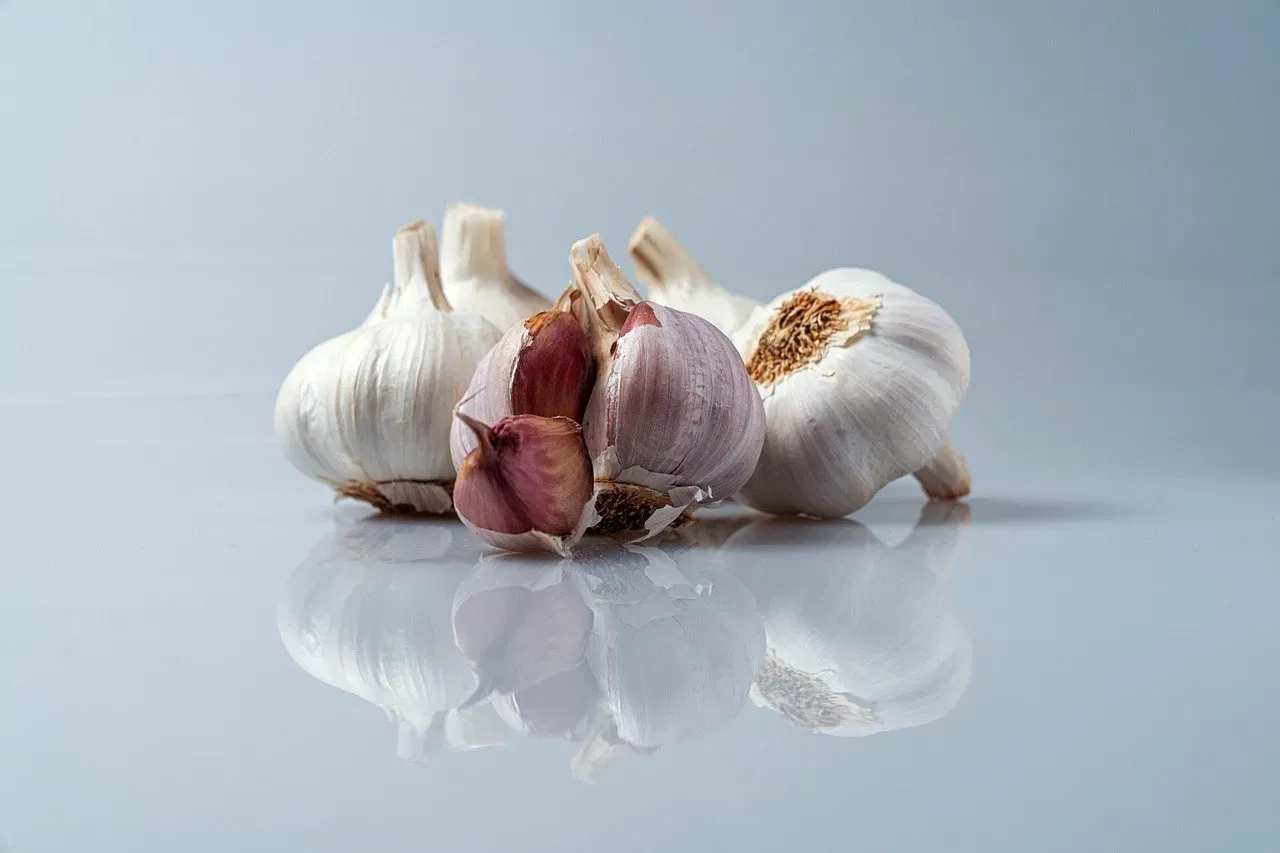
Allium vegetables such as onions, leeks, and garlic are rich sources of organosulfur compounds, which are proposed to be beneficial for cardiovascular health. Garlic has been used medicinally for thousands of years across countless cultures, and it turns out those ancient traditions were onto something real.
Garlic is known for its allicin content, which helps reduce cholesterol. Allicin is the compound released when garlic is crushed or chopped, and it is one of the most studied natural cholesterol-lowering agents in the world. Fruit and vegetable consumption, including allium vegetables, may decrease cardiovascular disease risk due to their rich content of beneficial nutrients such as dietary fiber, plant proteins, vitamin C, minerals, polyphenols, and carotenoids, all of which are known to aid in cardiovascular disease prevention.
Dietary fiber can regulate gut microbiota, enhancing the production of short-chain fatty acids that contribute to cardiovascular health by lowering systemic inflammation and inhibiting platelet aggregation. Garlic works on multiple cardiovascular pathways simultaneously, which is precisely why it remains one of the most studied foods in nutrition science.
8. Green Beans: The Cholesterol Trap You Probably Never Thought About
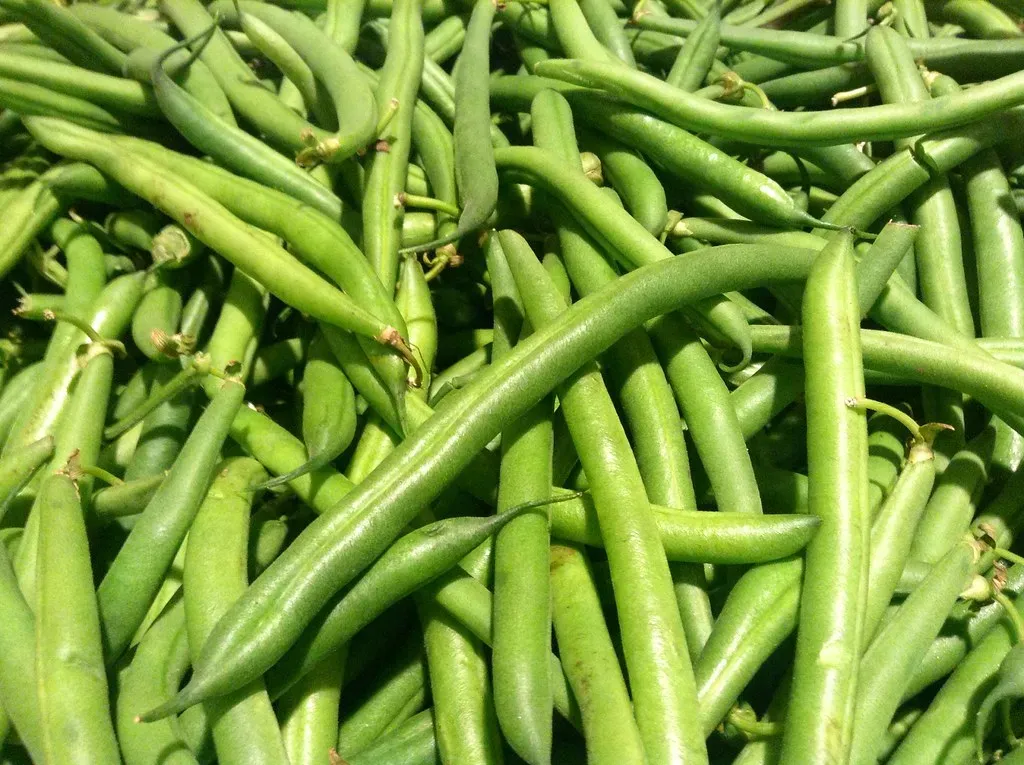
Green beans made a list of the top 100 healthiest foods because their saponin content can help lower cholesterol levels. Research suggests that foods high in saponin are beneficial because they may help lower cholesterol, have anti-cancer and anti-inflammatory properties, and even help with blood glucose control. Saponins. Not exactly a household word, but a genuinely powerful compound.
Saponins help trap the "bad" cholesterol and bile salts in the gut, which prevents them from being absorbed. This leads to a decrease in LDL but does not impact the "good" cholesterol known as HDL. Because saponins help lower LDL levels, they may reduce the risk of heart disease. That selective targeting of bad cholesterol without touching good cholesterol is exactly what you want from a dietary intervention.
Green beans are low in sodium and fat and provide a good source of dietary fiber. One serving of green beans provides three grams of fiber. Soluble fiber helps bind cholesterol in the gut so it is excreted instead of absorbed into the body. Increasing soluble fiber intake by five grams per day is effective at significantly reducing total cholesterol and LDL levels. Simple, affordable, and quietly powerful.
9. Sweet Potatoes: Beta-Carotene, Fiber, and a Heart That Benefits
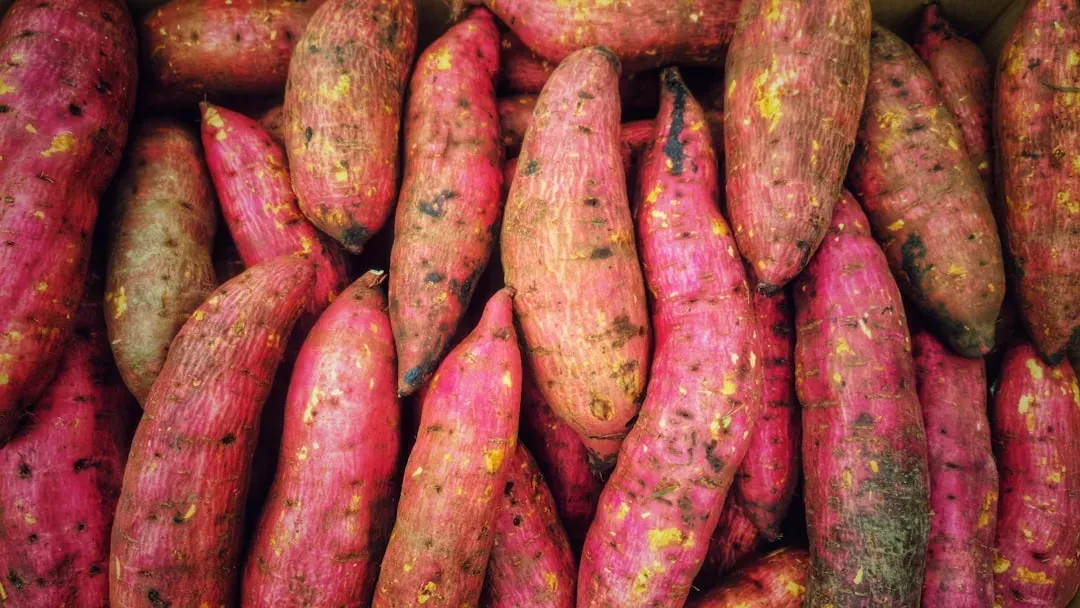
Sweet potatoes are high in beta-carotene, fiber, and potassium, all of which are beneficial for heart health. They help lower cholesterol levels, regulate blood pressure, and support healthy digestion. It's a rare vegetable that addresses cholesterol, blood pressure, and gut health all in one bright orange package.
Soluble fiber found in vegetables like Brussels sprouts, carrots, and sweet potatoes helps lower LDL cholesterol. It binds to cholesterol in the digestive tract, reducing its absorption and helping the body eliminate it more efficiently. Many vegetables, including sweet potatoes, are potassium-rich. Potassium works to counteract the effects of sodium, easing tension in blood vessel walls and lowering blood pressure, a major risk factor for heart disease.
Most adults still fall short on fiber intake, despite strong evidence linking higher intake to lower LDL cholesterol, healthier blood vessels, and reduced heart disease risk. Potassium-rich foods help counterbalance sodium and support healthier blood pressure. Sweet potatoes deliver both in one delicious, versatile food. Roasted, baked, or mashed, they belong in any heart-conscious kitchen.
The Bigger Picture: Why Vegetables as a Whole Are a Cardiovascular Game-Changer
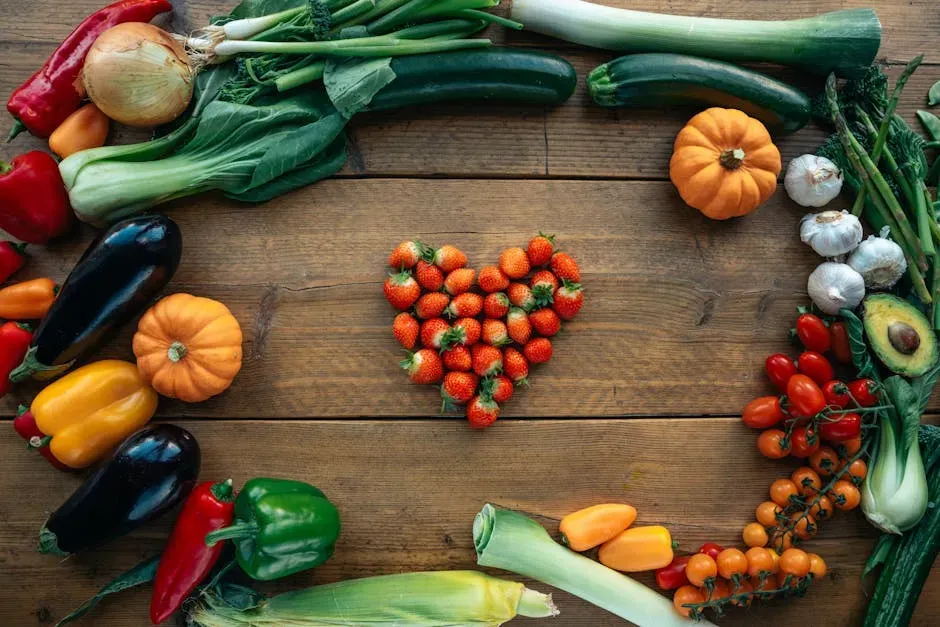
Fruit and vegetable consumption may decrease cardiovascular disease risk due to their rich content of dietary fiber, plant proteins, vitamin C, minerals, polyphenols, phytoestrogens, and carotenoids. Dietary fiber can regulate gut microbiota, enhancing the production of short-chain fatty acids that contribute to cardiovascular health by lowering systemic inflammation and inhibiting platelet aggregation. The antioxidants found in fruits and vegetables, particularly vitamin C, are associated with lower incidences of cardiovascular disease, including hypertension, coronary heart disease, heart failure, and stroke.
A study of 14,835 adults, published in a 2025 issue of BMC Medicine, found that those with greater adherence to a plant-forward diet had a 16% lower risk of dying from cardiovascular disease and a 14% reduced risk of dying prematurely from any cause over a 22-year period. Those are not modest numbers. That is the kind of risk reduction most medications aspire to achieve.
The fiber in vegetables binds to cholesterol in the gut so it doesn't go back into circulation, helping reduce total and LDL cholesterol. Eating more fiber also leads gut bacteria to produce compounds that lower blood pressure, researchers reported in April 2024 in the journal Hypertension. The conversation between diet and cardiovascular health is more complex and more promising than most people realize. These nine vegetables are a very good place to start that conversation with your own plate.
What do you think? Have you noticed changes in how you feel when eating more of these vegetables regularly? Share your experience in the comments.



Leave a Reply