
Grocery shopping might never feel the same again. Walk into a Walmart store today and you might not immediately notice what's happening beneath the surface. Yet something fundamental is changing, something that reaches far beyond those aisles stacked with cereal boxes and produce.
The retail giant isn't just tweaking a few systems here and there. Daniel Danker, executive vice president of AI acceleration, product and design at Walmart, said at the ICR Conference that after a period of tinkering, "This is the year where tinkering becomes transformation." That's the kind of statement that should make everyone in the grocery industry sit up and pay attention. IBISWorld's data shows that the fresh and frozen meat market is worth $114 billion annually, making it the largest category in the $883 billion grocery market. When you're talking about nearly a trillion dollars in total market value, even small shifts create massive ripples.
The Digital Price Tag Revolution Changes Everything
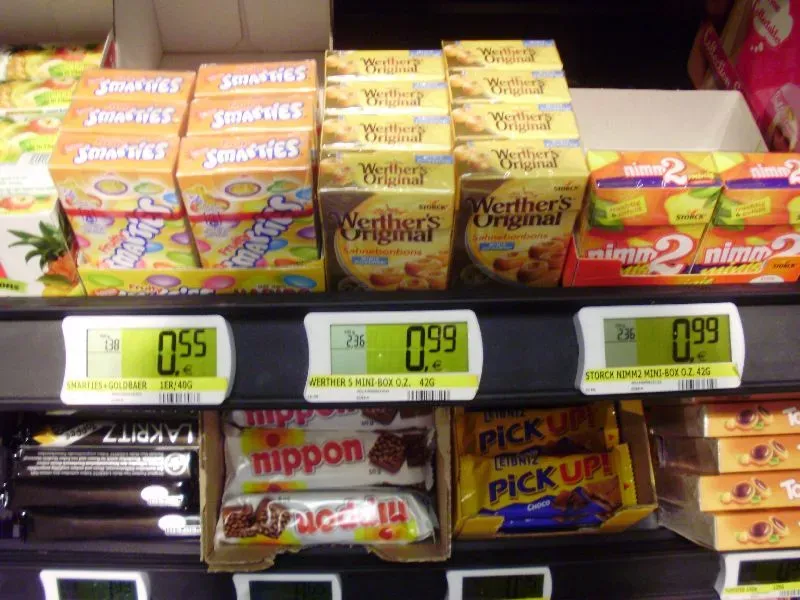
Those small digital screens replacing paper price stickers aren't just about convenience for store employees. As we continue to digitalize stores and expand digital shelf labels to 2,300 stores by 2026, we are excited about the positive impact this innovation will have on our operations and the environment. Think about what that really means. Walmart stores have more than 120,000 products on shelves, each with an individual price tag. Every week, the stores support thousands of pricing updates for new items, Rollbacks and markdowns.
What used to take a Walmart employee two days will now take a few minutes to complete, the company said. Let's be real. That efficiency alone is impressive. Store associates can update entire sections without walking endless loops through fluorescent aisles, swapping out thousands of paper tags. VusionGroup (formerly named SES-imagotag) said the contract extension with Walmart is worth about $1.027 billion (or 1 billion euros). That price tag tells you how serious this transformation really is.
The technology enables far more than rapid price changes. Stores can now flash LED lights on shelf tags to guide workers during restocking or order fulfillment, dramatically speeding up operations.
Machine Learning Takes Control of Pricing Decisions

Here's where things get interesting, honestly. Walmart implemented an AI-powered pricing and markdown optimization system leveraging machine learning, predictive analytics, and competitor intelligence. Traditional pricing strategies relied on historical data and manual adjustments. That old approach made it nearly impossible to respond quickly when market conditions shifted.
AI algorithms determine optimal pricing strategies by analyzing competitor prices, market trends, and customer price sensitivity. The system doesn't just look at what happened last week or last year. It analyzes patterns in real time, factoring in weather forecasts, local demand fluctuations, and what rival retailers are charging down the street. Developing elasticity models that predict how customers at different locations respond to price changes.
This capability transforms perishable goods management completely. Instead of waiting until products near expiration to slash prices, AI can implement gradual markdowns that maximize revenue while minimizing waste. The system knows when to be aggressive and when patience will pay off.
The Competitive Intelligence Engine Never Sleeps
Feedvisor, the "AI-first" optimization and intelligence platform for brands and retailers on Amazon and Walmart, today announced the launch of the first independent, AI-powered dynamic pricing engine built specifically for Walmart. This breakthrough innovation enables brands, private labels, and resellers to dynamically adjust prices in real time, maximize Buy Box ownership, and accelerate growth in one of the fastest-growing online marketplaces.
By utilizing AI and predictive analytics, Walmart can adjust prices in real-time based on various factors such as demand, inventory levels, and competitor pricing. The platform continuously monitors what competitors are doing, from pricing changes to promotional offers. It feeds all that data into sophisticated models that recommend strategic responses within minutes rather than days.
"Walmart is the most competed against retailer in the U.S., and its investment in digital shelf labels has raised the stakes significantly for every retailer trying to match/index or beat them on prices and promotions," he said. "Once this new technology is rolled out, Walmart can move as quickly as it wants on prices and do it cheaper and with higher compliance than their competition." Other grocery chains now face an uncomfortable reality. They're competing against a machine that never gets tired, never misses a competitor's price drop, and processes data faster than any human team ever could.
Inventory Management Becomes Frighteningly Precise
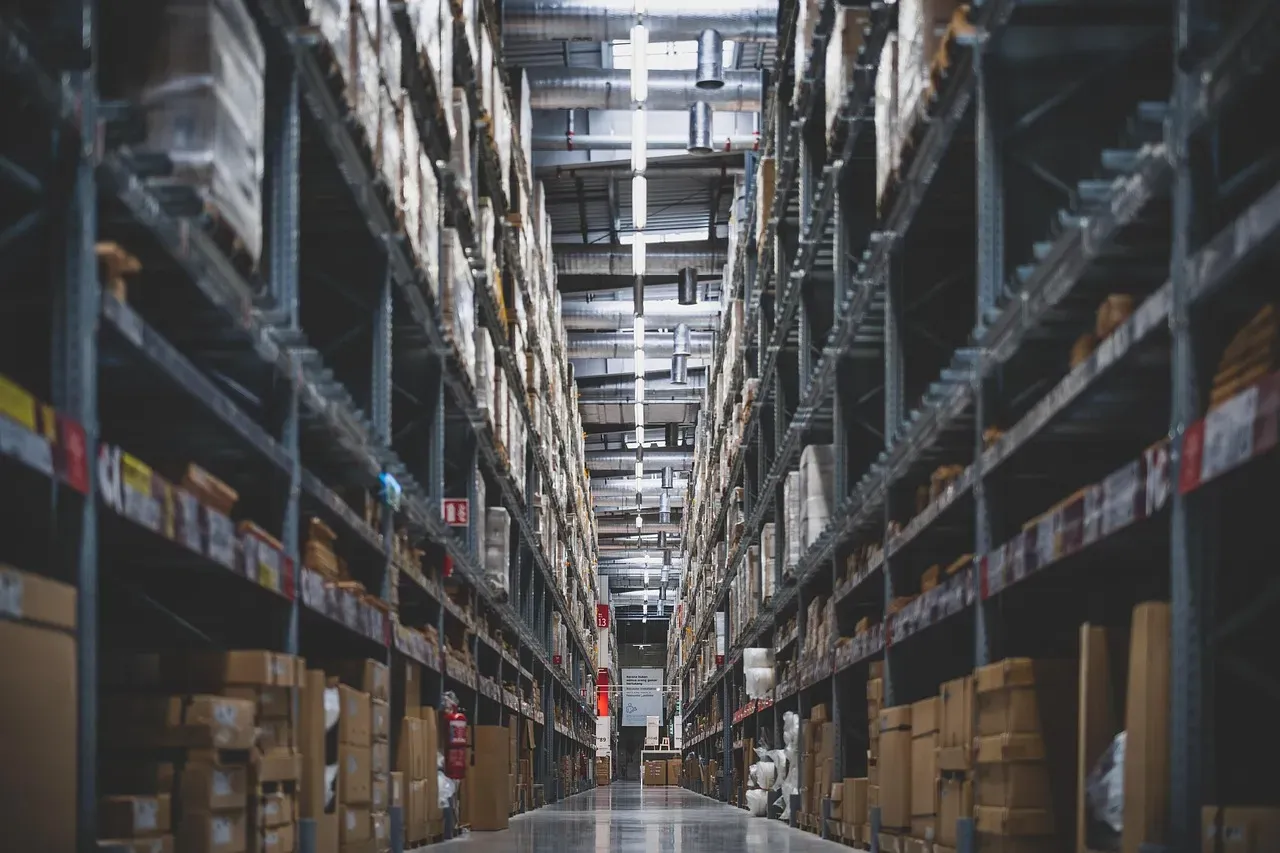
The AI transformation extends well beyond pricing into supply chain territory. The company uses machine learning algorithms to predict product demand, ensuring that popular items are always in stock while minimizing overstock situations. Think about how different that is from traditional inventory management, where managers made educated guesses based on past sales patterns and gut feelings.
Walmart aims to improve its evaluation of medium- and long-term climate risks for the global agricultural supply chain with the software provided by Helios AI, which predicts the price and availability of agricultural commodities using climate risk and artificial intelligence. Weather patterns, crop yields, transportation disruptions - the system factors in everything. It can predict when avocado prices will spike due to droughts in growing regions, or when hurricane season might disrupt deliveries.
This predictive power helps Walmart negotiate with suppliers from a position of strength. When you know what market conditions will look like three months from now, you can lock in favorable contracts while competitors scramble.
The Personal Shopping Assistant Lives in Your Phone

Walmart last year unveiled Sparky, its customer AI agent, and continues to improve the service with prompts to remind customers of an auto appointment or a prescription ready for pickup. The app also recognizes if a shopper buys the same items weekly and suggests a new order in a timely manner. It sounds convenient, maybe even helpful. Yet there's something unsettling about software that knows your shopping patterns better than you do.
For one thing, he sees repeat grocery purchases transitioning to a more automated model, with AI understanding how frequently to replenish items. Your milk runs out every six days. You buy bananas every Thursday. The system learns these rhythms and starts suggesting orders before you even realize you're running low. For busy families, this automation saves precious time.
For another, he envisions customers scrolling through AI-generated photos of themselves wearing the clothes they're considering buying, or asking AI for recommendations based on what's already in their closet. The technology extends far beyond groceries into general merchandise. Walmart is building a comprehensive AI shopping experience that spans every product category.
Store Associates Get AI-Powered Tools for Daily Tasks
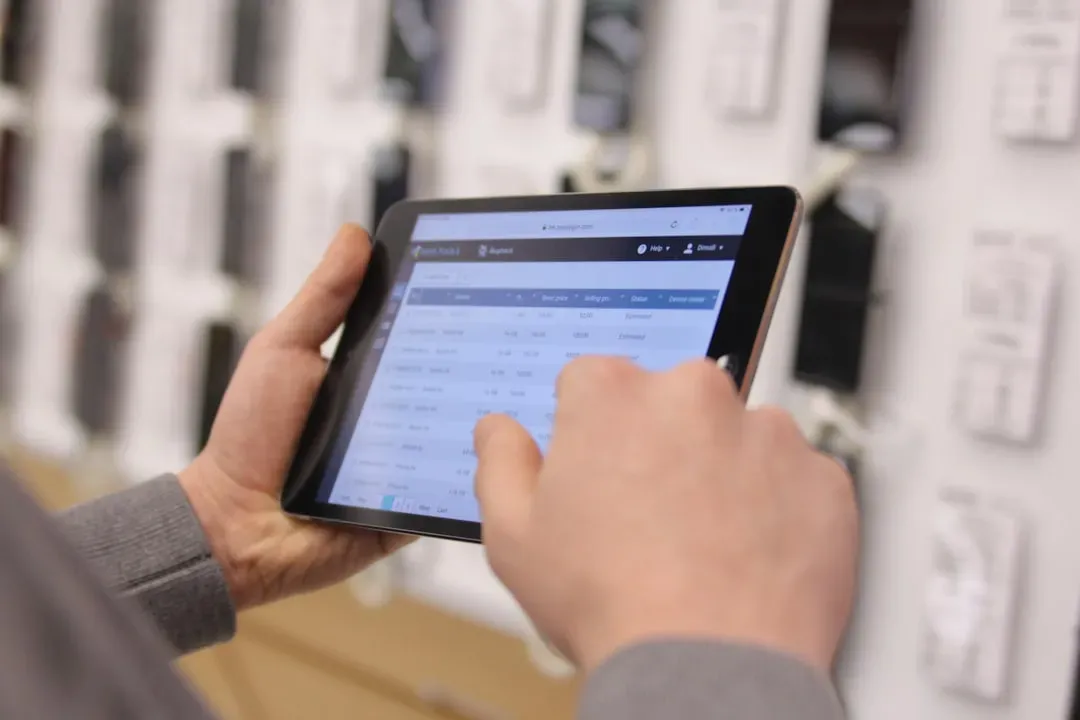
Internally, store associates use an AI agent to help with restocking and prioritizing tasks, while fulfillment centers use AI for better product prediction. The technology isn't replacing workers entirely, at least not yet. Instead, it's augmenting their capabilities, telling them exactly which tasks need attention most urgently.
As part of a deal that enables ChatGPT users to purchase Walmart products during chat sessions, all workers at the chain will have free access to AI training and certification programs offered by OpenAI. Walmart recognizes that successful AI implementation requires workforce buy-in. Offering free training helps employees adapt to new systems rather than feeling threatened by them.
The company frames this as empowerment rather than replacement. Associates spend less time on repetitive manual tasks and more time helping customers solve problems. Whether that narrative holds true as automation advances remains to be seen.



Leave a Reply