
You probably wash your hands after using the bathroom. Maybe after handling raw chicken too. But there is a whole invisible world of contamination hiding on items you touch dozens of times a day, items you never even think twice about. The truth is, our hands are the main highway for pathogens to travel from surfaces into our bodies, and the stops along that highway are far more surprising than most people realize.
Germs can get onto hands simply by touching any object that someone else has coughed or sneezed on, and when those germs aren't washed off, they can pass from person to person and make people sick. The stakes are real. Handwashing can prevent roughly a third of diarrhea-related sicknesses and about a fifth of respiratory infections like colds. So let's talk about the 11 items that deserve a lot more of your attention, and your soap.
1. Raw Meat, Poultry, and Seafood

This one might feel obvious, but the science behind it is genuinely alarming. Germs can get onto your hands after handling raw meats because they often contain invisible amounts of animal fecal matter on them. That's not a metaphor. That's the actual biology of meat processing.
Feces from animals is an important source of germs like Salmonella, E. coli O157, and norovirus that cause diarrhea. These pathogens survive on your hands long enough to contaminate everything else you touch in your kitchen. If possible, prepare all raw meat, fish, and poultry as a single task and wash your hands immediately after.
Always wash your hands after handling raw meat, fish, and poultry. And honestly, just rinsing with water is not enough. Using soap to wash hands is more effective than using water alone because the surfactants in soap lift soil and microbes from skin.
2. Kitchen Sponges
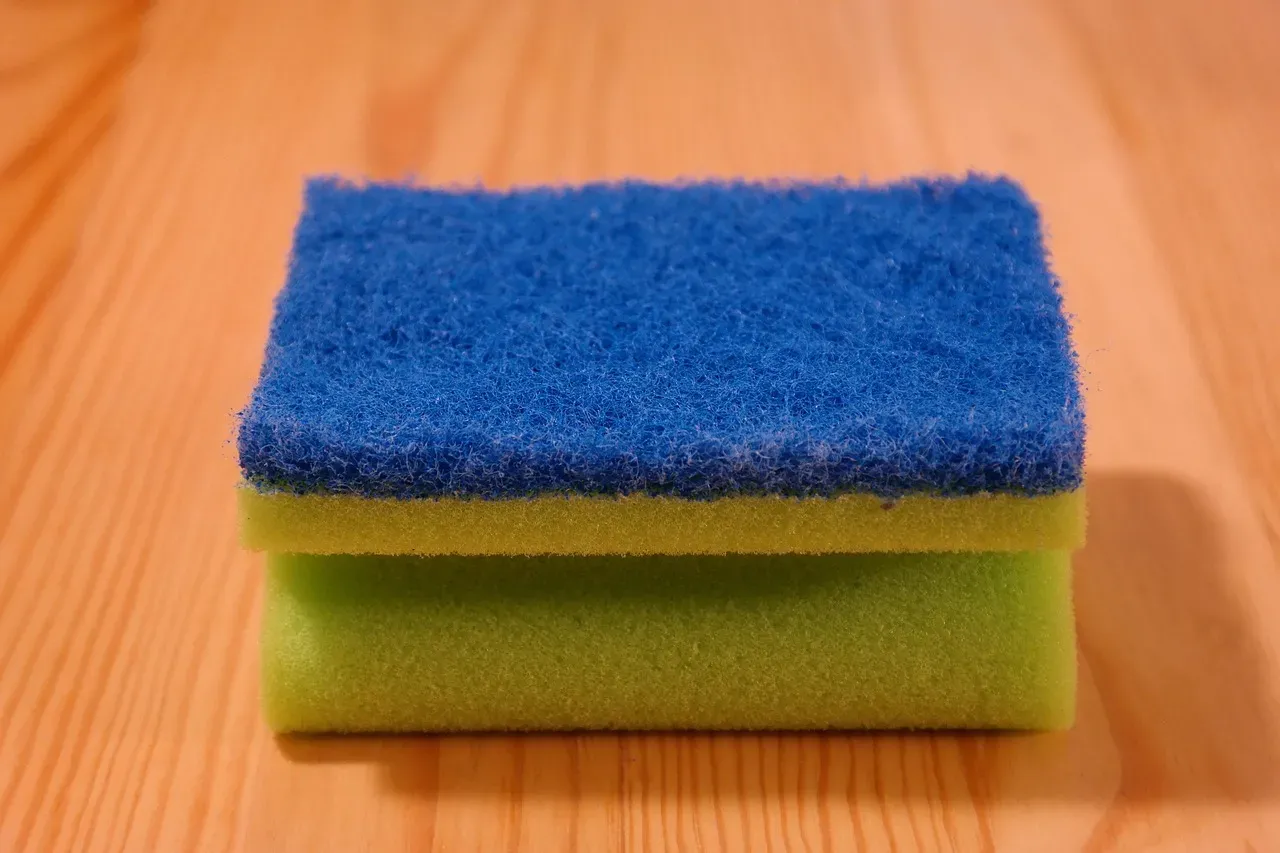
Here's the thing about kitchen sponges: most people use them to clean things. The cruel irony is that they are among the most bacteria-laden objects in your entire home. Kitchen sponges massively absorb and spread microorganisms, leading to contamination of kitchen appliances, surfaces, and food.
Researchers found 362 different species of bacteria in kitchen sponges, and locally, the density of bacteria reached up to 45 billion per square centimeter. Think about that number for a second. Forty-five billion per square centimeter. Dish sponges are known to support the proliferation of human bacterial pathogens, and exposure to foodborne pathogens via sponge use may lead to illness, a serious concern among vulnerable populations.
Common species identified across dish sponge microbiomes include E. coli and Klebsiella pneumoniae. So the next time you pick up that sponge to wipe down the counter, remember what you're actually holding. Wash your hands every single time afterward.
3. Grocery Shopping Carts
Most people grab a shopping cart handle without a second thought. Research has shown there can be more bacteria on shopping carts than on surfaces in public restrooms, airports, bus stations, and shopping malls. That is not a small claim. That is a profoundly unsettling fact about everyday errands.
In a University of Arizona study, Professor Charles Gerba took samples from the handles of 85 carts across four states and found that roughly three out of four carts tested positive for fecal bacteria, with up to half the samples containing E. coli. The cart handles also harbored traces of saliva, mucus, and raw meat juices. These shopping carts and baskets come into contact with countless numbers of people each day, and hundreds of people use shopping carts and portable baskets every day at supermarkets and retail food stores, where they may unintentionally pick up germs.
Use the sanitizing wipes most stores now provide, and still wash your hands properly once you get home. It is one of the easiest habits to build.
4. Your Smartphone
Your phone goes everywhere with you. To the bathroom. To the kitchen. To bed. It sits on restaurant tables and gym equipment. And it almost never gets cleaned. Smartphones are one of the most popular germ havens, with millions of people not thinking twice about the cleanliness of their phones, despite Americans checking them an average of nearly 50 times per day.
One study from the U.S. National Library of Medicine found that up to 17,000 bacteria live on the average high school student's phone. Your phone screen is essentially a warm, frequently touched surface that gets pressed directly against your face. People frequently touch their eyes, nose, and mouth without even realizing it, and germs can get into the body through those exact entry points.
Every time you put down your phone and go to eat, prepare food, or touch your face, wash your hands first. It is a simple but genuinely protective habit.
5. Computer Keyboards and Mice
Office workers and students touch keyboards for hours every single day. Computer keyboards and mice have the most contact with a person's hands, with average keyboards having over 100 keys and many grooves. Those grooves are perfect little shelters for bacteria to hide and multiply in.
Bacteria can be spread via direct and indirect contact with infected droplets, airborne particles, and fomites, with many bacterial species able to survive on inanimate surfaces for weeks to even months. A 2024 study at Liverpool John Moores University found that over 64 percent of pre-treatment keyboard and mouse samples showed microbial growth, identified as various species of gram-positive cocci and gram-negative organisms.
Research has found that desk surfaces may have as much as 400 times more bacteria per square inch than toilets. Honestly, that number is enough to make anyone reach for the soap. Wash your hands after long typing sessions, especially before eating at your desk.
6. Door Handles and Knobs
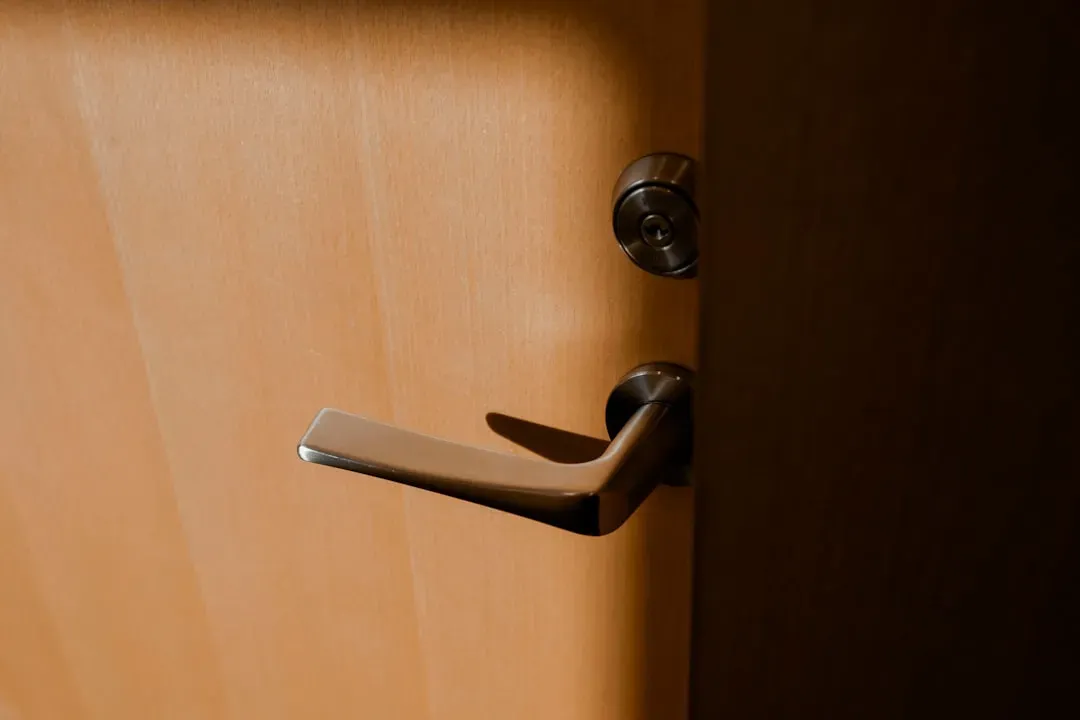
Door handles are touched by virtually everyone who passes through a building. Public areas such as schools, offices, restaurants, and transportation hubs experience large volumes of human traffic, which increases the likelihood of microbial contamination of door handles and other frequently touched surfaces.
A global systematic review and meta-analysis found that the overall microbial contamination of door handles revealed a prevalence of nearly 10 percent, with viral contamination observed at close to 18 percent. The most common organisms found included Bacillus species and Acinetobacter baumannii, a pathogen with known antibiotic-resistant strains. Studies have also shown that bacteria and viruses can persist on surfaces for varying lengths of time, increasing the risk of ongoing transmission.
Door handles in healthcare settings are particularly concerning. They are especially susceptible to contamination because of their frequent use and the diversity of microorganisms introduced by users. A quick hand wash after entering a new building goes a long way.
7. Cash and Coins

Paper money and coins pass through dozens, sometimes hundreds of hands before reaching yours. Most people never think about what travels along with the change. It's hard to say exactly how many germs are on every single bill, but the general microbial picture is not pretty.
Viruses can be transferred from dry smooth surfaces up to 20 minutes after being contaminated, and bacteria like E. coli and salmonella can live up to two hours on surfaces like doorknobs, keyboards, and tables. Cash surfaces are no different. Germs from unwashed hands can be transferred to objects like handrails and tabletops, and then transferred to another person's hands. Currency is essentially a soft, porous version of those same contaminated surfaces.
After handling cash at a market, gas station, or anywhere else, wash your hands before touching food or your face. It is one of the most overlooked hygiene steps in everyday life.
8. Pet Fur and Animal Waste
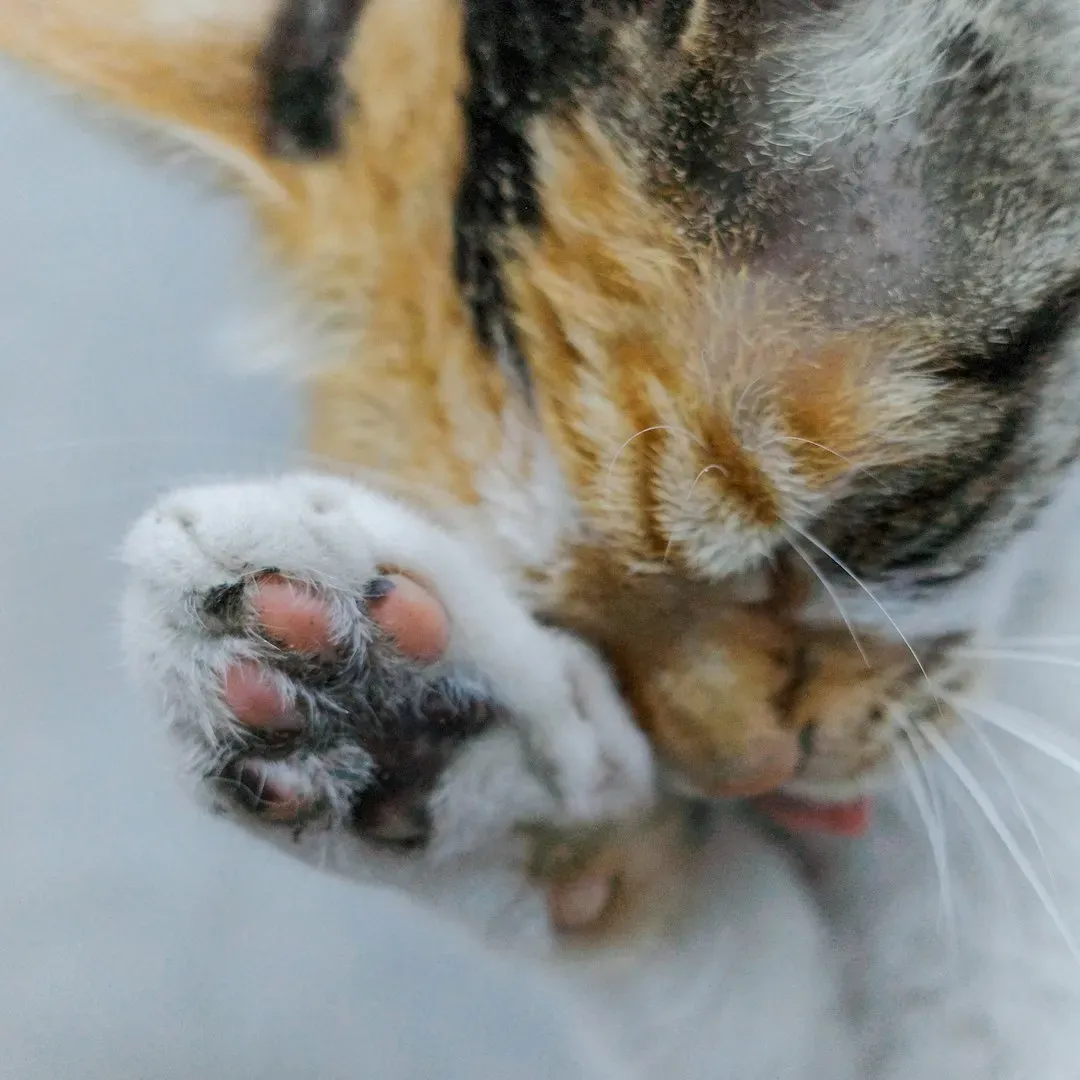
Pets are wonderful. They are also walking sources of zoonotic bacteria, meaning germs that can transfer between animals and humans. Touching an animal, animal feed, or animal waste is one of the key moments when handwashing is specifically recommended. That includes petting your dog or cleaning a litter box.
Feces from animals is an important source of germs like Salmonella, E. coli O157, and norovirus that cause diarrhea, and it can spread some respiratory infections like adenovirus and hand-foot-mouth disease. Even without visible contact with waste, simply handling an animal and then touching food preparation surfaces creates a real contamination pathway. Research shows that only about 41 percent of people report always washing their hands after touching a pet, leaving a significant gap in everyday hygiene compliance.
Honestly, most pet owners adore their animals so much that this feels almost mean to bring up. Still, the science is clear. Wash those hands after every pet interaction, especially before cooking or eating.
9. Dirty Laundry and Used Dish Cloths

Handling dirty laundry might feel harmless, but soiled clothing and linens carry a remarkable variety of microorganisms. Underwear in particular can transfer fecal bacteria to hands during sorting. Most people do not think of laundry as a contamination event, yet the risk is quite real.
Dish cloths, tea towels, sponges, and oven gloves should be washed or changed regularly because dirty and damp items actively encourage bacteria to grow. Wet fabrics are almost ideal bacterial environments. The most common bacterial pathogen present in the domestic environment is Staphylococcus aureus. It thrives on damp kitchen cloths and used towels.
Wash your hands immediately after sorting laundry or handling used dish cloths. Then wash those cloths too. It is a two-step habit that makes a genuine difference in household hygiene.
10. Garbage Bins and Trash
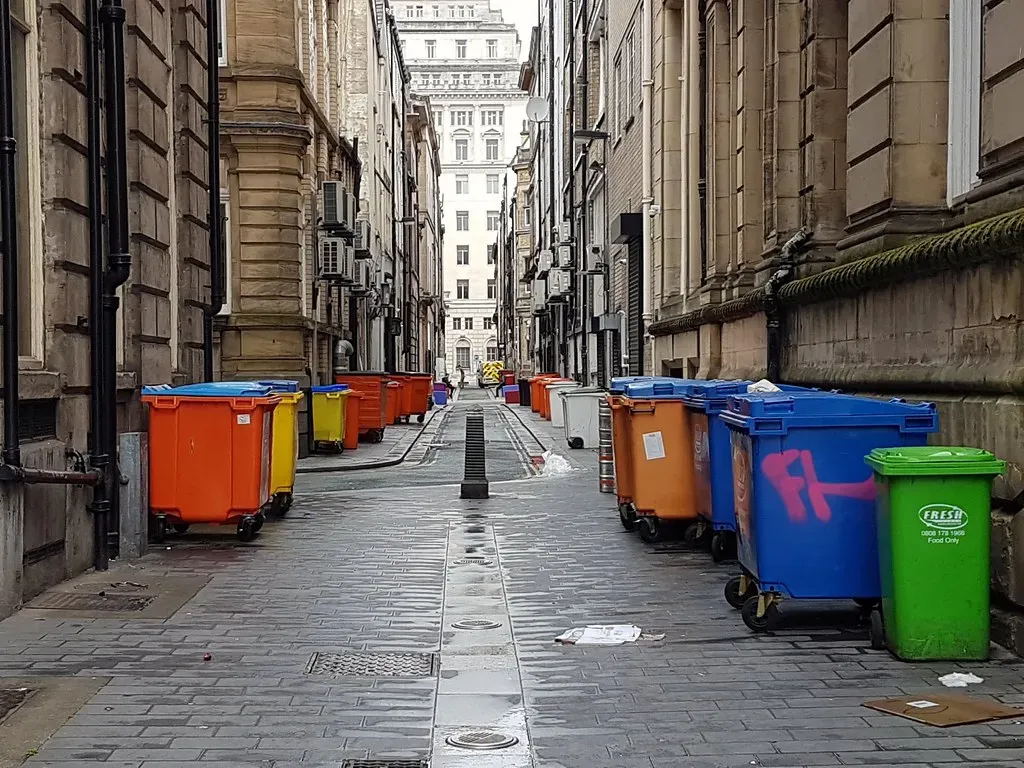
Let's be real. Nobody enjoys taking out the trash, and it shows in how rarely people wash their hands after doing it. Garbage bins are warm, often moist, and full of organic material, which is basically a perfect recipe for microbial growth.
Bacteria doubles every 20 minutes, and just five bacteria in a sandwich at noon will total over 10 million by 7 pm. Inside a garbage can, that multiplication is happening on a massive scale every single day. Germs from unwashed hands can get into foods and drinks while people prepare or consume them, and germs can multiply in certain types of foods under specific conditions to make people sick.
After touching your bin, its lid, a garbage bag, or any recycling container, wash your hands before doing anything else in the kitchen. It is one of those micro-habits that seems minor but genuinely protects you and your household.
11. Used Tissues and Handkerchiefs
A used tissue is essentially a portable container of virus-laden mucus. Yet many people stuff one into a pocket, pull it out again later, and keep going without washing their hands. Germs can get onto hands if people touch any object that has germs on it because someone coughed or sneezed on it or was touched by some other contaminated object.
Handwashing can prevent roughly a third of diarrhea-related sicknesses and about a fifth of respiratory infections. A significant portion of those respiratory infections are transmitted precisely through the kind of casual tissue contact that happens dozens of times on a sick day. If your hands become contaminated, wash them immediately. That advice is never more relevant than after blowing your nose or handling someone else's used tissue.
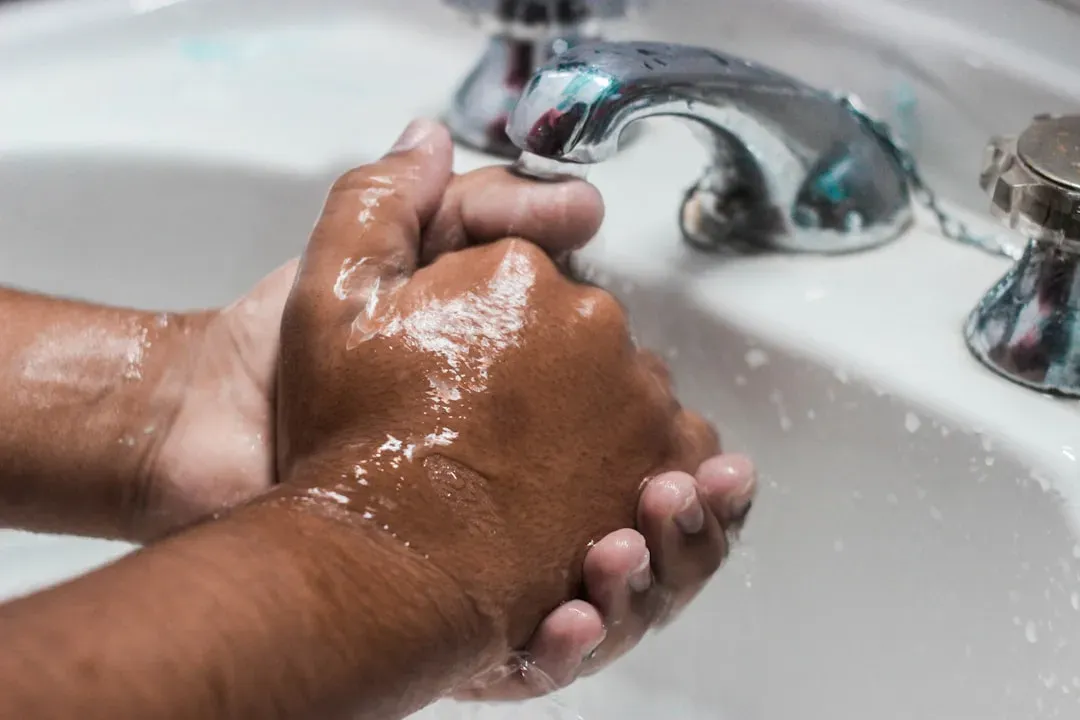
Scientific studies show that you need to scrub for 20 seconds to remove harmful germs and chemicals from your hands. Twenty seconds is the cost of a serious illness prevented. After every tissue, every sneeze into your hand, every moment of contact with mucus, that 20 seconds is absolutely worth it.
The Simple Habit That Changes Everything
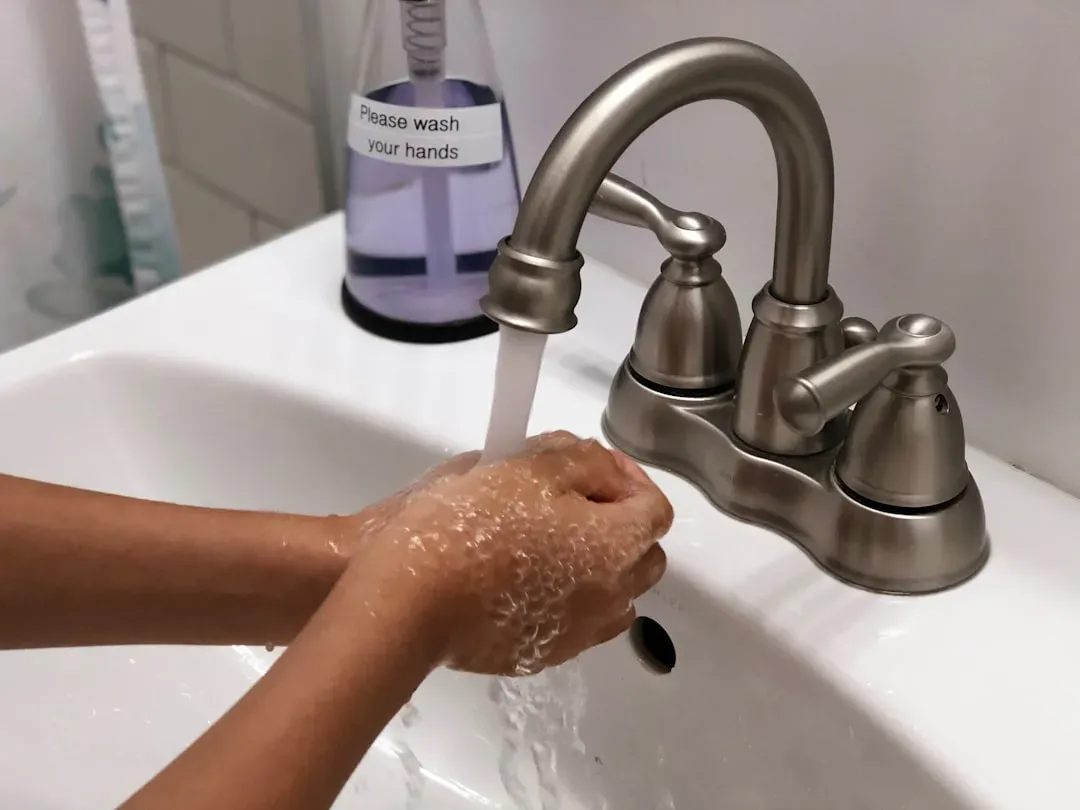
It might seem like a lot to take in. Eleven items, dozens of daily touchpoints, and germs lurking on surfaces you assumed were harmless. The good news is that the solution to all of it is one of the most accessible health interventions in human history. Washing hands with soap and water reduces the amounts of all types of germs and chemicals on your hands, including when hands are visibly dirty or greasy.
According to a USDA study, people fail to properly wash their hands roughly 97 percent of the time. That gap between knowing we should wash our hands and actually doing it correctly is where illness finds its opening. Handwashing can prevent roughly a third of diarrhea-related sicknesses and roughly a fifth of all respiratory infections. That is an enormous public health gain from soap and water.
The items on this list are not rare or exotic. They are part of everyday life. The sponge on your counter, the cart at the grocery store, the phone in your pocket. All of them carry invisible passengers. Since many diseases spread to others through dirty hands and contaminated surfaces, maintaining clean hands is one of the most effective ways to stay healthy. What would you have guessed was the dirtiest item on this list? Tell us in the comments.




Leave a Reply