
The global sugar substitute market is growing at a striking pace. The market for artificial sweeteners has been projected to increase by almost 75% from 2025 through 2033, rising from $3.11 billion to $5.44 billion. That kind of momentum reflects a very real shift in how people think about what goes into their food. Yet the science behind these sweeteners is anything but simple. Some are derived from plants and carry genuine health benefits. Others, once praised as revolutionary, are now under serious scrutiny. So worth using?
Stevia: The Plant-Based Frontrunner

Stevia has spent years at the top of the "natural sweetener" conversation, and for good reason. Stevia is a no-calorie, sweet, natural alternative to sugar and artificial sweeteners for coffee, tea, and recipes, and as an herb, it is generally considered safe. Its sweetening compounds come from the stevia leaf itself, which has been used for centuries in South America. A number of preclinical and clinical studies suggest potential therapeutic and pharmacological applications for stevia extracts because they demonstrate no toxicity in experimental trials and exhibit health-promoting activities, and stevia leaves contain many other compounds like flavonoids and fatty acids that together provide diverse biological properties.
What makes stevia stand out further is its profile beyond mere sweetness. Various studies have highlighted promising health benefits of stevia against diabetes, obesity, hypertension, cancer, dental caries, oxidative stress, and microbial infections. On the gut health front, a key question has been whether stevia disrupts the microbiome. A 2024 study by Singh et al., published in the journal Nutrients, found that consumption of the non-nutritive sweetener stevia for 12 weeks does not alter the composition of the human gut microbiota. Still, researchers caution that long-term effects deserve continued study, and moderate use remains the recommended approach.
Monk Fruit: The Rising Contender from Traditional Medicine
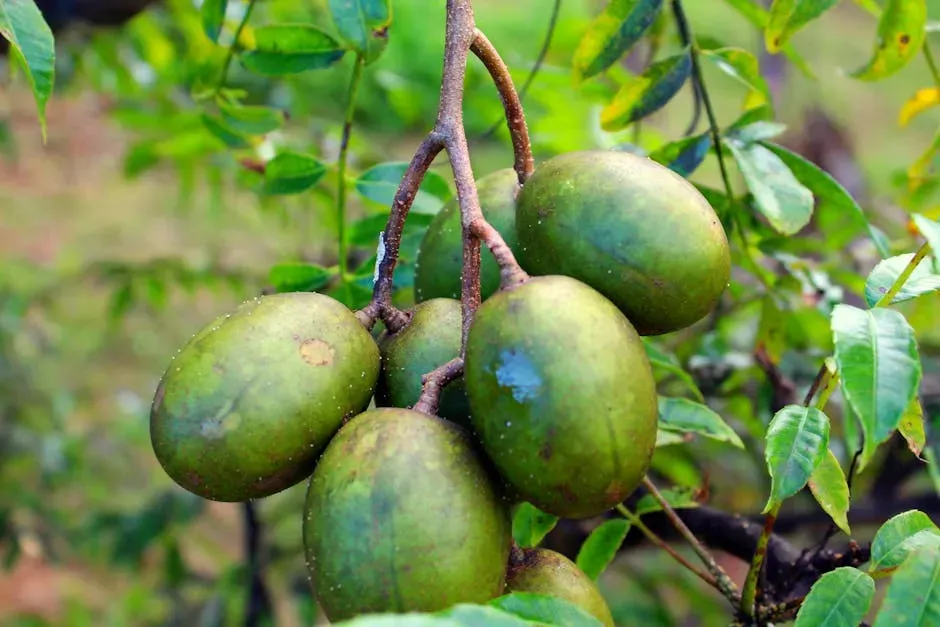
Monk fruit is a small, round fruit native to southern China that has been used for centuries in traditional Chinese medicine. Monk fruit sweetener is extracted from monk fruit, which is also known as luo han guo or "Buddha fruit." It contains natural sugars including fructose and glucose; however, unlike in most fruits, the natural sugars in monk fruit are not responsible for its sweetness. Instead, it gets its intense sweetness from unique antioxidants called mogrosides. Because the mogrosides are separated during processing, the final sweetener contains no fructose or glucose calories. Monk fruit extract is also a potentially healthy sweetener for patients with diabetes, since the human body does not recognize mogrosides as carbohydrates or sugars and they do not trigger an insulin response.
The research on monk fruit has been building rapidly. Several clinical trials have shown that monk fruit extract has a positive effect on glucose homeostasis and insulin response. A study by Tey et al. showed that monk fruit extract consumption led to an 18% reduction in glucose AUC and a 22% reduction in insulin AUC compared to sucrose. More recently, Wu et al. (2024) reported that monk fruit extract supplementation led to a 25% reduction in inflammatory cytokines compared to placebo, emphasizing its potential in mitigating chronic inflammation. One practical note: many products combine other sweeteners with monk fruit extract, even if the product is called "pure monk fruit," and some contain erythritol, a sugar alcohol that can cause bloating or stomach upset in some people.
Sugar Alcohols: A Mixed Picture for Erythritol and Xylitol
Sugar alcohols like erythritol and xylitol have been fixtures in sugar-free and keto-friendly products for decades. Used for over 50 years in food, cosmetic, and pharmaceutical industries, erythritol and xylitol minimally affect plasma glucose and insulin levels while promoting the release of beneficial gastrointestinal hormones such as glucagon-like peptide-1, making them particularly appealing for individuals with diabetes, obesity, and metabolic syndrome. Their dental benefits are also recognized, as they do not feed the bacteria that cause tooth decay. However, significant concerns have emerged.
A series of high-profile studies have raised serious questions about cardiovascular safety. Research found that people with the highest xylitol levels, the top third of participants, were about 50% more likely to have cardiovascular events over the next three years compared to those with the lowest levels. Both xylitol and erythritol were associated with increased blood clot formation, which in turn could increase the risk of heart attack or stroke. Recent pilot trials suggest that xylitol and erythritol might temporarily alter platelet aggregation, though studies on critically ill patients and Mendelian randomization trials do not link sugar alcohols to significant cardiovascular risks. The science is clearly still evolving, and anyone with existing heart conditions should approach these sweeteners with caution.
Artificial Sweeteners and the Gut–Brain Connection
Aspartame, sucralose, saccharin, and acesulfame-K are among the most widely consumed artificial sweeteners on the planet. Artificial sweeteners including aspartame, neotame, saccharin, and sucralose are all FDA-approved and have become a ubiquitous ingredient in modern diets, found in thousands of products including light bread, candy, cereal, diet soda, and protein powders. Regulatory bodies have generally maintained their safety at typical intake levels. Studies on people have shown these products to be generally safe if more than the acceptable daily intake for each is not consumed. However, a growing body of research is poking holes in their squeaky-clean reputation.
One particularly striking 2025 study examined cognition over a long time horizon. Artificial sweeteners have long been marketed as a healthier alternative to sugar, but new research suggests they may not be so harmless for brain health, with a large, long-term study finding a link between consuming low- and no-calorie sweeteners and cognitive decline, especially in people under 60 years old. The study followed over 12,000 middle-aged Brazilian adults for eight years, measuring their dietary intake of seven common sweeteners using self-reporting. It is important to note that the study results do not prove causation between artificial sweeteners and cognitive decline, as it is an observational study which can only show a statistical association, not a direct cause-and-effect relationship. The gut microbiome angle is also increasingly relevant, as ongoing research explores how these sweeteners interact with intestinal bacteria and metabolic signaling.
The WHO Guidance and Weight Management Reality

One of the most discussed official positions on alternative sweeteners in recent years came from the World Health Organization. The Horizon 2020 SWEET project, presented in 2024, found that low- or no-calorie sweeteners provided modest weight loss maintenance benefits over one year, with no significant effects on glucose regulation or cardiometabolic markers. This finding put a damper on the popular belief that simply swapping sugar for a zero-calorie alternative is a reliable path to better metabolic health. The reality is more nuanced than the marketing suggests.
Guidelines from health bodies around the world vary considerably in their advice. In the United States, the 2020–2025 Dietary Guidelines for Americans and the American Diabetes Association recommend that non-sugar sweeteners may be acceptable sugar substitutes when consumed in moderation, but advise against long-term use. If you replace added sugar with sugar substitutes, it could lower your risk of getting tooth decay and cavities, sugar substitutes also do not raise the level of sugar in the blood, and for adults and children with overweight or obesity, sugar substitutes also might help manage weight in the short term. The short-term framing is key. Most experts agree the long-term picture is still being written.
Natural Options With the Best Evidence: What to Actually Choose
When weighing all the available evidence, stevia and monk fruit currently hold the strongest safety profiles among alternative sweeteners. Both are plant-derived, carry FDA "generally recognized as safe" status, and are supported by a meaningful body of clinical research. Novel sweeteners are derived from natural sources. This relatively new group, sometimes called "plant-derived noncaloric sweeteners," provides many of the benefits of both artificial and natural sweeteners. Novel sweeteners are not a significant source of calories or sugar, so they do not lead to weight gain or blood sugar spikes, and they are also typically less processed and more similar to their natural sources compared to artificial sweeteners.
Still, no sweetener is a magic solution, and the broader dietary context matters enormously. Key findings reveal that non-sugar sweeteners may provide dental health benefits by reducing the risk of caries; however, their effects on metabolic health remain a topic of debate, and while they offer clear advantages for individuals seeking to limit sugar intake, research also points to possible long-term health concerns. Despite research showing they may aid in weight management and diabetes prevention for some, research also suggests potential risks that cannot be ignored, and as science continues to evolve, consumers and policymakers alike must carefully balance the immediate benefits of artificial sweeteners against their possible hidden consequences. For most people, the goal should be reducing overall reliance on intense sweetness - whether from sugar or its substitutes - rather than simply swapping one for another.




Leave a Reply