
Most people know that eating out costs more than cooking at home. Yet the full picture rarely hits until you sit down and actually do the math. The gap between what a restaurant meal costs and what the same dish would run you in a home kitchen is wide - and growing wider every year. With inflation, rising menu prices, and a parade of hidden fees, that weekly dinner out is quietly becoming one of the most expensive habits in the average American household.
How Much Americans Are Actually Spending on Dining Out

The average American spends $191 a month on restaurant meals - an increase from $166 a month in 2023, when men were actually out-spending women. That number alone is enough to make you pause. A CNET survey found that American adults spend $2,841 per year on restaurant and takeout meals, largely due to a lack of time for meal preparation and grocery shopping, which works out to an average of $236.76 per month.
Empower research shows Americans dine out for roughly one in five of all their meals, with the cost for food away from home edging up 3.9% annually - pushing restaurant spending to about $879 monthly at restaurants on average, according to Empower Personal Dashboard data for the year ended August 2025. Gen X stands out as the biggest restaurant spenders, averaging $1,022 monthly - nearly double the amount spent by Gen Z. These figures represent a meaningful chunk of take-home pay for many households, especially those with tighter budgets.
The Price Gap Between Restaurants and Home Cooking
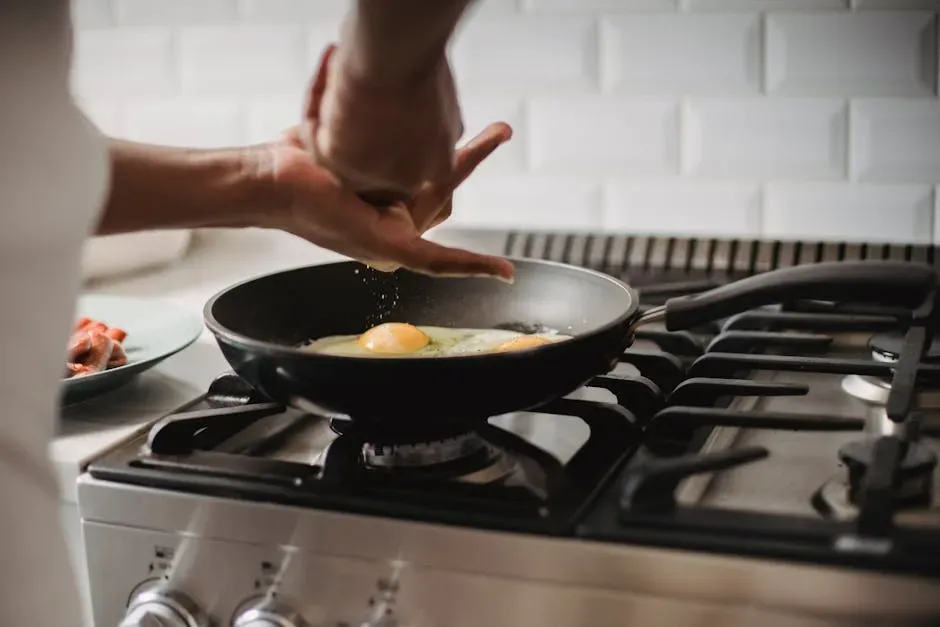
Americans save around $12 by opting to cook and eat at home, with the average home meal costing $4.23 versus over $16 per meal at an inexpensive restaurant - a difference that adds up to over $13,000 more per year when eating out instead of cooking at home. That is not a trivial figure. Over the past 12 months, the cost of meals prepared outside the home climbed 3.1%, while groceries rose only 1%; the average price per serving of a home-cooked meal is $4.31, compared to an average cost of $20.37 when eating out.
For more extravagant meals like steak, there is typically an extreme premium when eating out, sometimes up to a 300% markup - for instance, you could buy three or four of the same ribeye steak from a grocery store that would be priced at $80 to $100 each at a steakhouse. These estimates don't even factor in additional costs such as parking, tips, drinks, or appetizers, so restaurant meals may cost substantially more and add up over time. The baseline price on the menu is just the starting point.
Restaurant Menu Prices Have Been Rising Faster Than Groceries
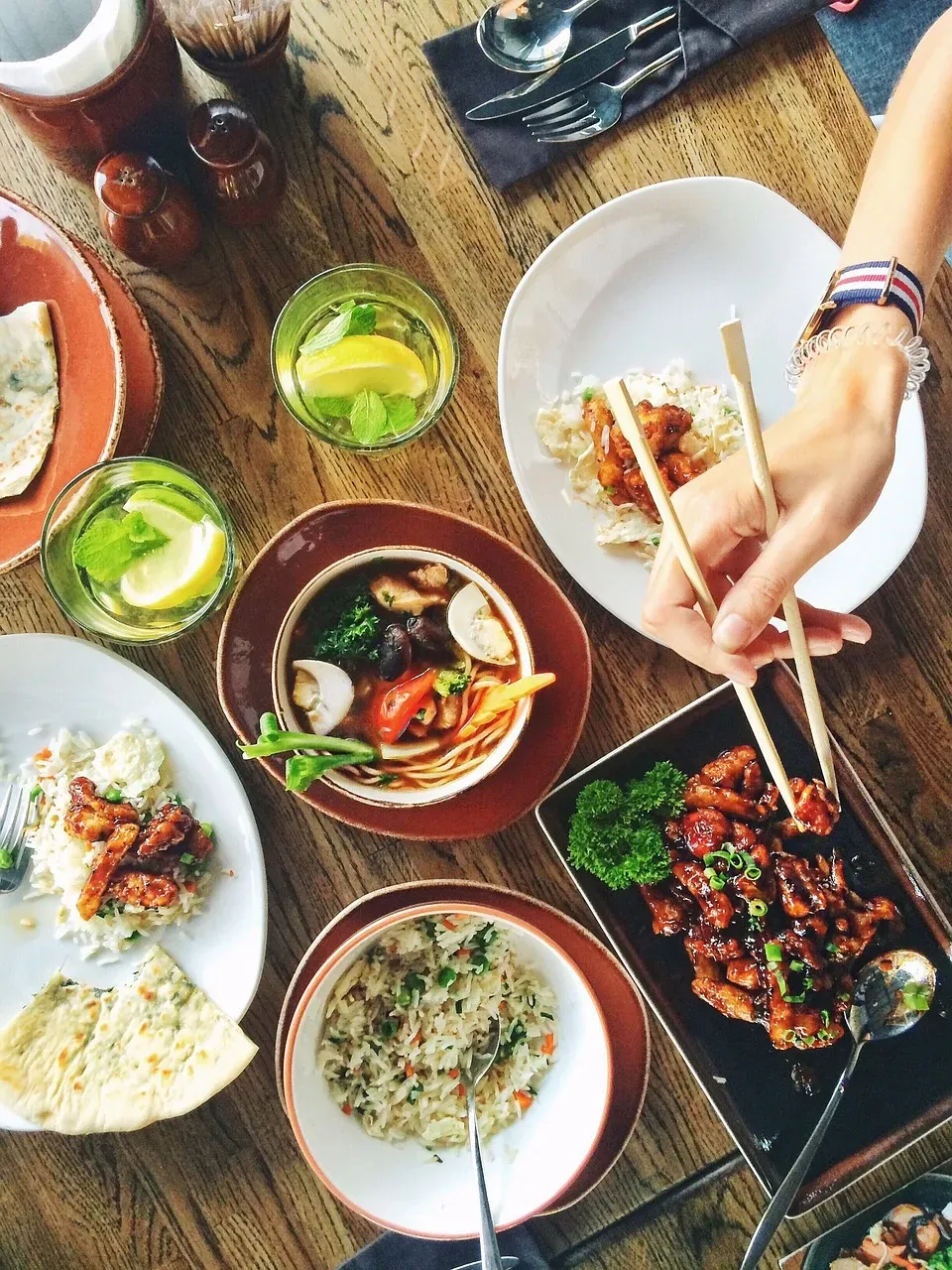
Average menu prices increased 31% between February 2020 and April 2025, according to data from the Bureau of Labor Statistics - on par with the increase restaurants need just to maintain their average 5% profit margin. According to USDA data, the cost of food at home rose 1.2% in 2024, while the cost of food away from home rose 4.1% - with the food-away-from-home figure outpacing the typical annual statistic, meaning dining out drains your checking account more quickly than eating at home.
Food-at-home prices increased by 1.2% in 2024 and 2.3% in 2025, lower than the historical average growth pace. Food-away-from-home prices, however, rose by 4.1% in 2024 and 3.8% in 2025 - still faster than the historical average of 3.5% per year. In 2026, overall food prices are predicted to rise 3.1%, with food-away-from-home prices projected to rise 3.7% - faster than the 20-year historical average rate. The compounding effect of these annual increases means that a meal that cost $15 a few years ago easily pushes $20 or more today.
The Hidden Costs You Are Not Thinking About

Many delivery platforms add charges that can reach 30% of your order total - and these are not tips; they are service and platform fees baked into the checkout flow. A service fee is mandatory, automatically added to the bill, and often redistributed across the business. In some restaurants, customers are expected to tip on top of that service fee, which can lead to effectively double charges and major confusion.
The escalating trend of additional tips, service fees, and upcharges is creeping into everyday life, and a WalletHub survey found that nearly three quarters of Americans think tipping has gotten out of hand, with 78% feeling the same about automatic service charges. Eating out can also involve additional charges that cooking at home avoids entirely: parking or transportation to the restaurant, a pricey cocktail or bottled water, and then a tip on top of it all. Strip away the convenience, and the true cost of a restaurant meal looks very different from what appears on the menu.
The Generational Divide in Dining Spending

The National Restaurant Association's 2025 report found that 51% of U.S. consumers - including about two-thirds of Gen Z adults and Millennials - say ordering takeout from restaurants is an essential part of their lifestyle. Meanwhile, around 41% of consumers, and roughly 60% of Gen Z and Millennials, say the same about food delivery. These younger generations are integrating restaurant spending into their daily routines in a way that older generations simply did not. Those in the 31–49 age group spend the most on restaurant food, with the largest share spending $100–$149 per month at restaurants, while adults under 30 are likely to spend a higher amount on takeout food.
In 2023, the average U.S. consumer spent about 12.9% of their total expenditures on food - a share surpassed only by housing and transportation. Americans are now consistently spending more on eating out than on groceries, and according to the U.S. Department of Agriculture, 2023 marked an all-time high for the share of food dollars spent away from home at 55.1%, versus 44.9% on food at home. In inflation-adjusted terms, spending on food away from home has grown more than two times faster than grocery spending since 2019.
How Consumer Behavior Is Shifting in Response
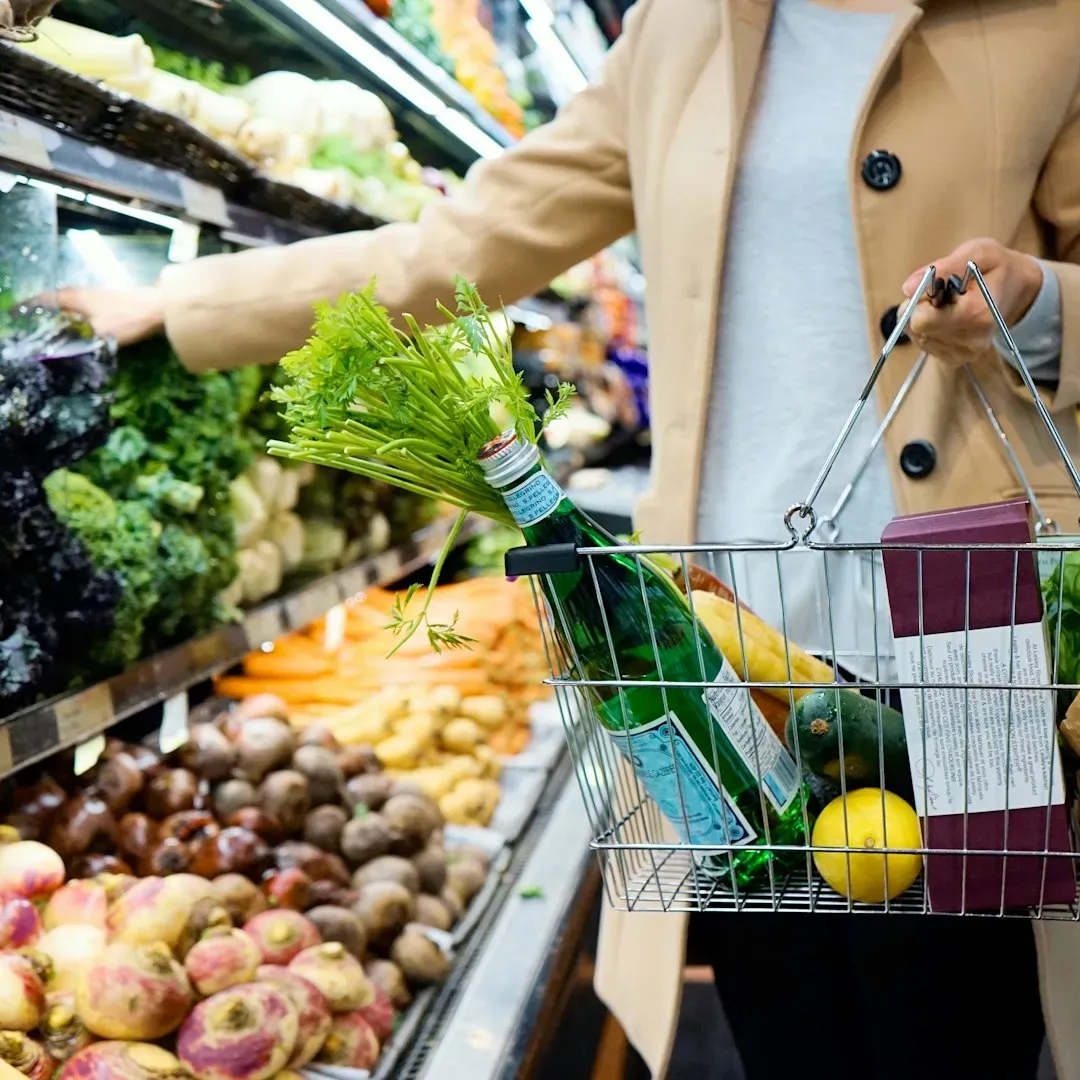
A CivicScience study from June 2024 found that 57% of consumers were dining in more often, up from 51% in 2019, likely as a way to save money. Beyond that, more than one-third of people are reallocating their dining-out budgets to spend more at the grocery store, where they feel their money stretches further. People are clearly starting to do the math. According to recent data, 68% of Americans now forgo restaurant meals to save money, choosing to invest in their local supermarket instead.
According to a Technomic survey, 62% of consumers expect price increases over the next six months - almost the same percentage of restaurant operators, at 61%, who believe menu prices will increase over that period, at least partly due to tariffs. Menu prices have risen 27.2% since 2019 according to the U.S. Bureau of Labor Statistics, and CivicScience data from Q3 2024 found that 55% of U.S. adults are spending less on eating out. The combination of higher base prices, persistent fees, and the growing awareness of the cost gap between restaurants and home cooking is steadily nudging more Americans back to their own kitchens.



Leave a Reply