
Most people walk into a restaurant, glance at the menu, maybe check the lighting, and sit down without giving the table itself a second thought. That's a mistake. People who have spent years working in fine dining establishments will tell you that the table is practically a report card - one that grades the kitchen, the management, the cleaning standards, and the entire service philosophy of the place before a single dish has been cooked.
There is a whole language being spoken right there in front of you, between the placement of a fork and the way a napkin is folded. Honestly, once you learn to read it, you can't unsee it. Let's dive in.
1. The Table Is the First Impression, and First Impressions Genuinely Matter
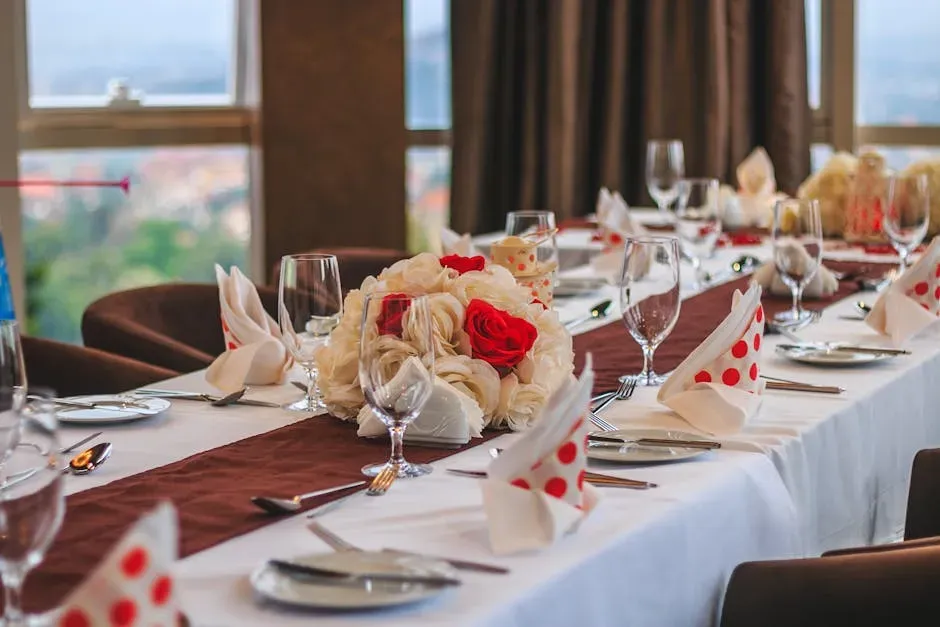
In the hospitality world, the idea that "first impressions last" is not just a nice saying - it is a foundational principle. The moment a customer steps into a restaurant, the tableau presented by the table setting begins to shape the entire dining experience. It is a silent communication that conveys the ethos and caliber of the establishment.
The way a restaurant sets its tables will have a profound impact on the customer's experience. It can be a reflection of the brand image and is often how many diners form a first impression. Think of it like walking into someone's home - you can tell a lot about a person from whether their entryway is tidy or chaotic. A restaurant table works exactly the same way.
As a server, preparing dining tables for service is a strategic way to enhance the restaurant's ambiance. Guests will know that service is excellent if they witness an impeccable table setting. That is not a coincidence. It is a deliberately cultivated signal sent before anyone has taken your order.
2. The Number of Utensils Tells You What Kind of Meal to Expect
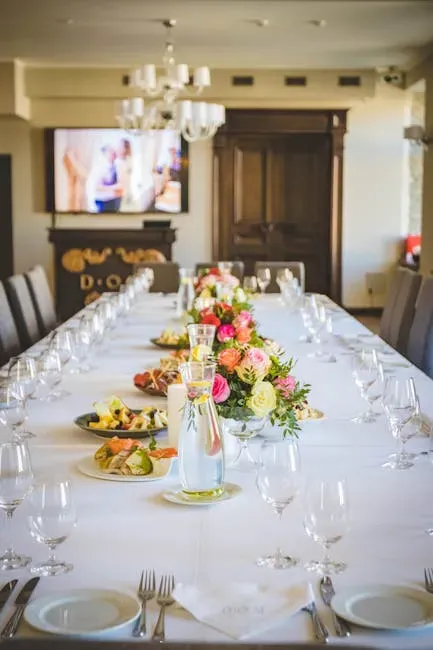
Table setting is a combination of form and function and should align with the dishes being served. The setting signals to guests what is coming - a multi-course meal where people are expected to take their time, for example, versus a casual, probably shorter experience. This is one of the most practical things a former fine dining server will tell you to notice immediately.
With formal table settings, you have more utensils, glassware, and flatware. It is the most prestigious of all table settings and conveys a sense of excellence and grandeur. It is a popular choice among five-star establishments offering fine dining or formal events, and is typically designed for a six-course meal.
When it comes to flatware, a formal setting will include anywhere between nine and eleven pieces. Nine pieces will cover a normal six-course meal, while eleven will include an extra knife and fork for a fish course. So next time you sit down and count three forks, you are not confused - you are informed.
3. How to Read the Silverware Like a Map
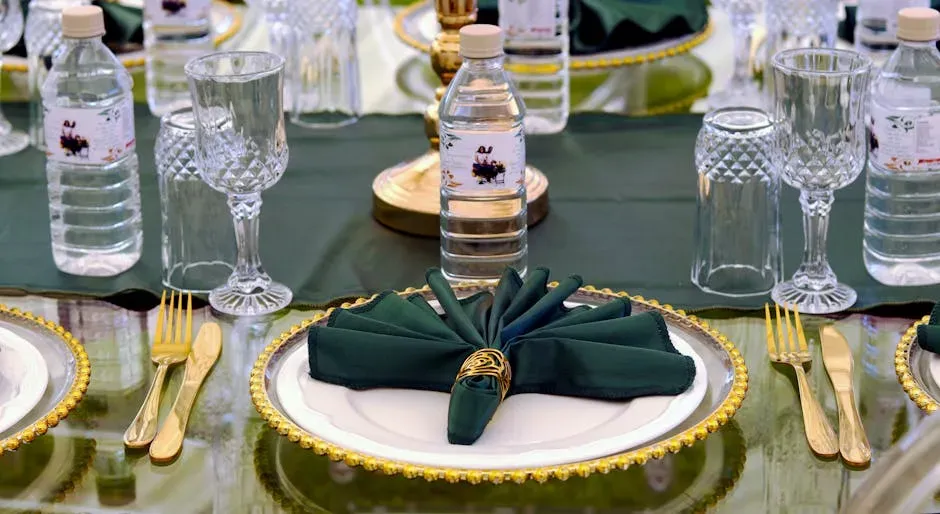
Here is the thing that trips most people up the first time they encounter a fully laid fine dining table: it looks terrifying. A cluster of forks to the left, multiple knives and spoons to the right, mysterious spoons above the plate. It is actually very simple once someone explains the logic behind it.
No matter how much cutlery is found at the table setting, you should always start with the ones on the outside. You eat the first course with the farthest pieces from the plate and work through to the last piece closest to the center. Think of it like peeling an onion - outermost layer first, moving inward with each course.
In most formal dining settings, dessert cutlery is placed above the plate and is sometimes brought alongside dessert. Spoons and knives are always on the right, while forks are on the left. Those simple rules have been consistent in Western fine dining for well over a century, and any deviation is worth noting.
4. The Linen Situation Speaks Volumes

If you want to know how a kitchen runs, look at the tablecloth. Wrinkles, stains, or linens that are slightly damp from a rushed reuse - these are not minor details. They are symptoms. A kitchen or front-of-house team that lets the linen standards slide is almost certainly letting other standards slide too.
To set each aspect of the table perfectly in fine dining, all linens must be wrinkle-free and freshly laundered. The tablecloth should be draped over the table with the overhang length equal on all sides. That level of symmetry is not accidental - it reflects a disciplined pre-service ritual that top restaurants take very seriously.
A formal table has purpose and artistry, and most especially, precision and symmetry. When you see a tablecloth that is just slightly off-center or visibly wrinkled, that symmetry has broken down - and it usually means management's attention to detail is not where it should be.
5. Glassware Cleanliness Is a Window Into Kitchen Hygiene

Genuinely, this one surprised me when I first heard it from a former fine dining server. The glasses on your table before service tells you more about a restaurant's back-of-house discipline than almost anything else you can observe as a guest.
Fine dining servers should begin their shift by attending to tableware - each piece of tableware used for service should be inspected for chips, irregularities, and cleanliness. Flatware, glassware, and any silver pieces should be polished to remove water spots. That is not vanity. Spotty or cloudy glassware means that the polishing step was skipped, or rushed.
Front-of-house cleanliness, which encompasses dining areas, restrooms, and customer-facing spaces, plays a vital role in creating a positive first impression and ensuring a pleasant dining experience. Nearly three quarters of consumers list cleanliness as one of their top three priorities when visiting a full-service restaurant. So this is not just insider knowledge - it is what real diners actually care about most.
6. The Napkin Is Not Just Decoration
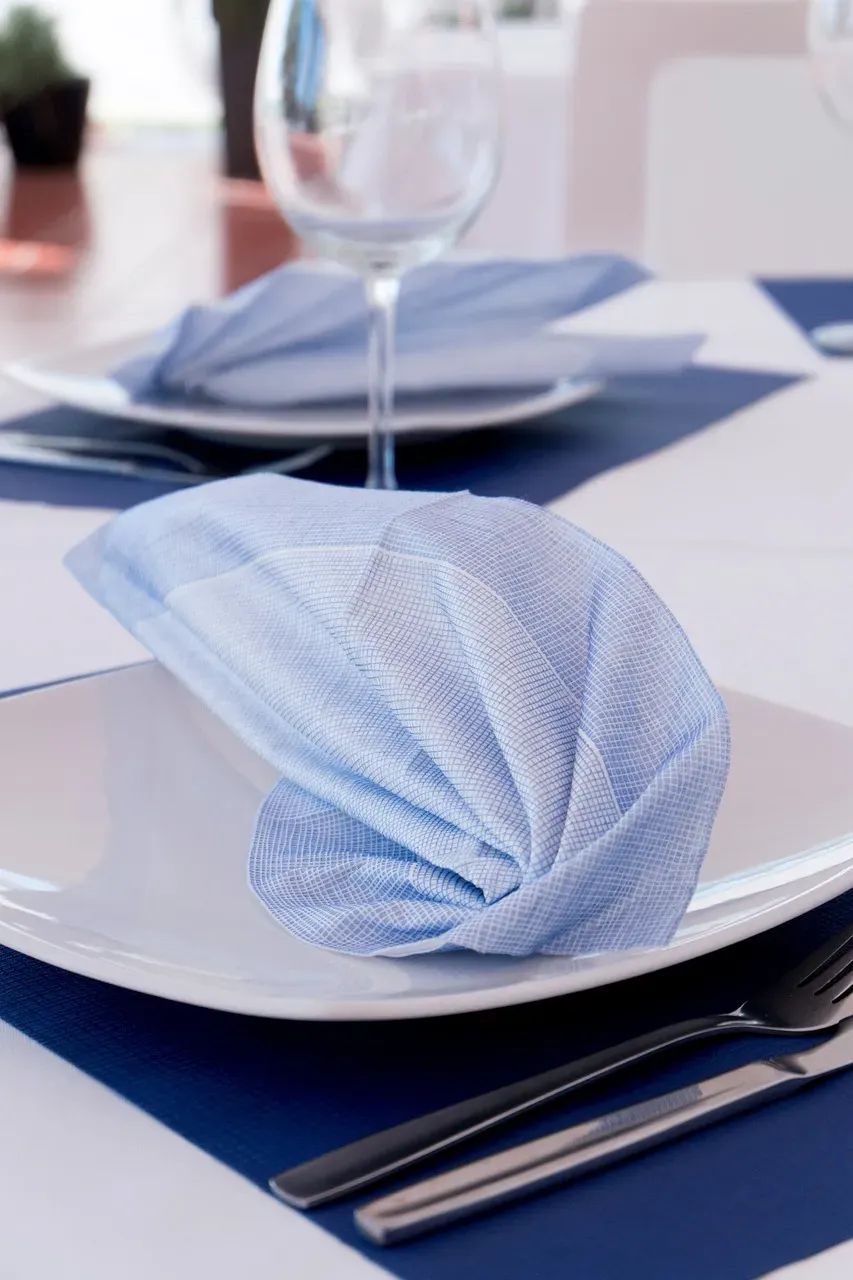
The folded napkin is one of the most underrated communication tools on any table. Its position, its fold, and its presentation are all intentional. A restaurant that has bothered to fold napkins into elegant shapes has done more than make the table look pretty - it has demonstrated that the team was trained and that someone cared about the pre-service setup.
Folded napkins should be placed to the left of the salad fork or on top of the dinner plate. Deviations from this rule in a supposedly upscale setting can suggest shortcuts were taken. Using the napkin is a core part of basic table manners. Once you are seated and comfortable, you can unfold the cloth napkin at your table and place it on your lap.
The napkin carries its own message during the meal too. A napkin folded in half signals a guest is done with a dish and ready for the next course. A fully folded napkin is a universal language indicating a guest is finished with their meal entirely. Knowing this turns you from a passive diner into someone who understands the whole performance.
7. Cutlery Placement Communicates Without Words
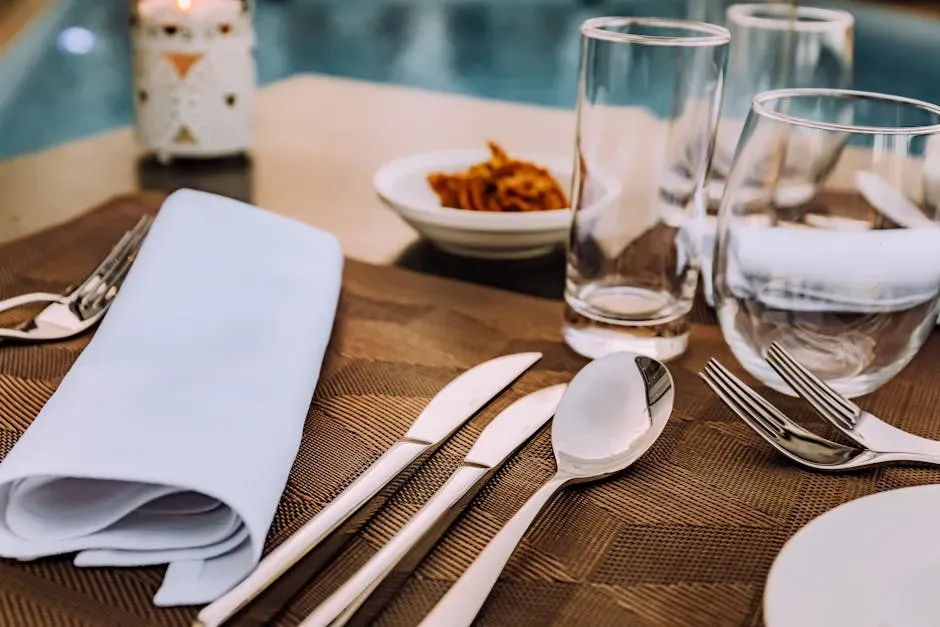
Resting cutlery etiquette is a method of non-verbal communication used in formal dining service. The guest places their flatware on the dinner plate in a certain position to signal their needs to the server. The benefit of understanding cutlery etiquette is that the server can meet the guest's needs without interrupting the table's conversation.
It is honestly one of the most elegant systems in dining, and most people have no idea it exists. A knife and fork in a cross shape signals that the guest is ready for the next dish. A knife and fork placed in an inverted V shape lets the server know the guest is getting up but does not wish to have the plate removed. A horizontal position signals that the food was excellent. Side by side in a vertical position means the guest is finished. A knife placed inside the tines of the fork in an inverted V signals the guest is unhappy with the food.
These simple cutlery positions communicate with servers and ensure guest needs are met without having to interrupt the experience or conversation. A restaurant that has trained its staff in these signals is a restaurant that takes service seriously from the ground up.
8. The Bread Plate Placement Reveals Formal Training
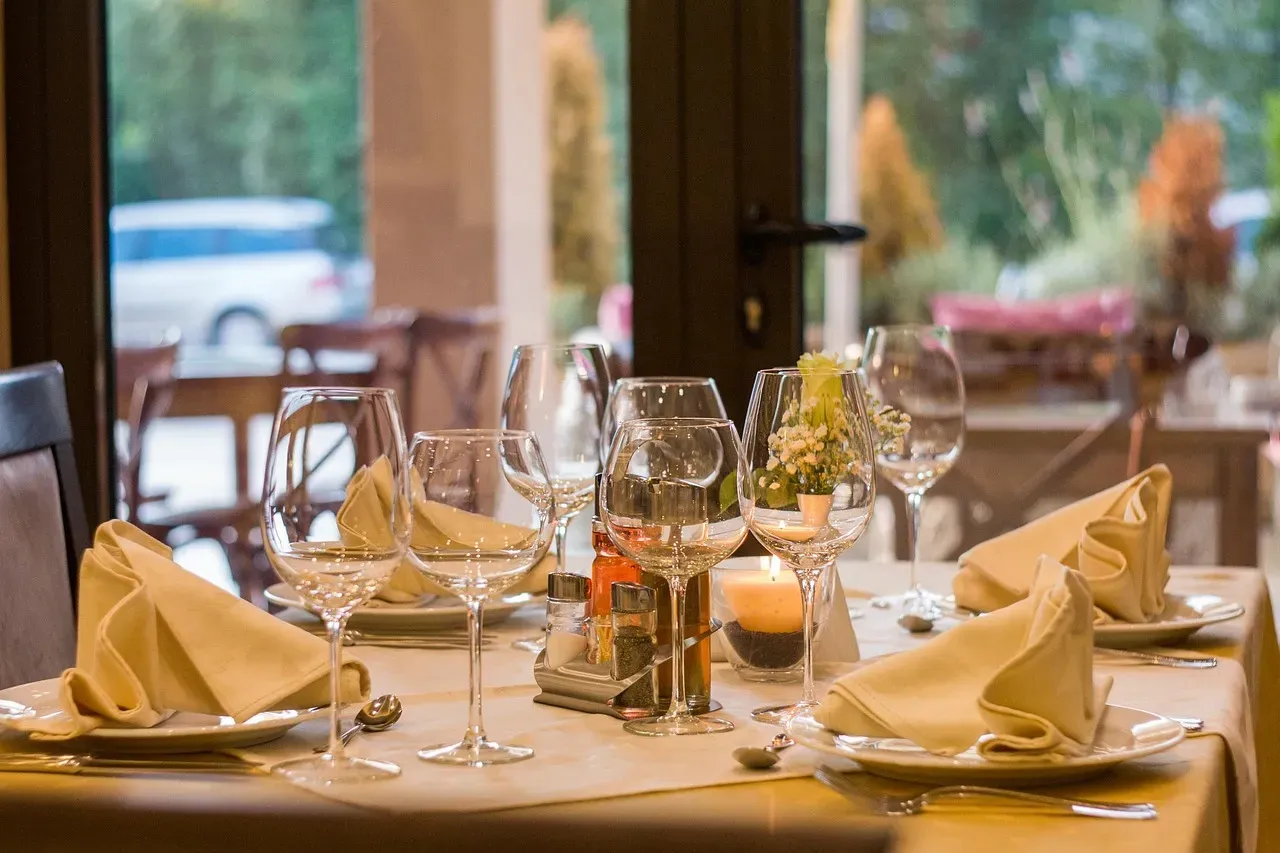
It is a small thing. Most diners would never consciously notice it. Yet former fine dining professionals will scan a table and immediately clock whether the bread plate is correctly positioned - and that single detail tells them a great deal about whether the staff received proper formal training.
If a restaurant uses a bread plate with a butter knife, the bread plate goes above the forks, with the butter knife placed diagonally across the edge of the plate, with the handle on the right side and the blade facing down. That specific placement is not arbitrary - it is a trained, standardized protocol.
The crucial piece of table-setting etiquette to remember is that all pieces should align with the menu. Diners will take each piece of cutlery and work their way inwards. When a bread plate shows up in the wrong spot, or is missing when the menu clearly offers bread service, the mismatch signals that either training or attention to detail has slipped.
9. Mise en Place: The Professional's Pre-Service Ritual
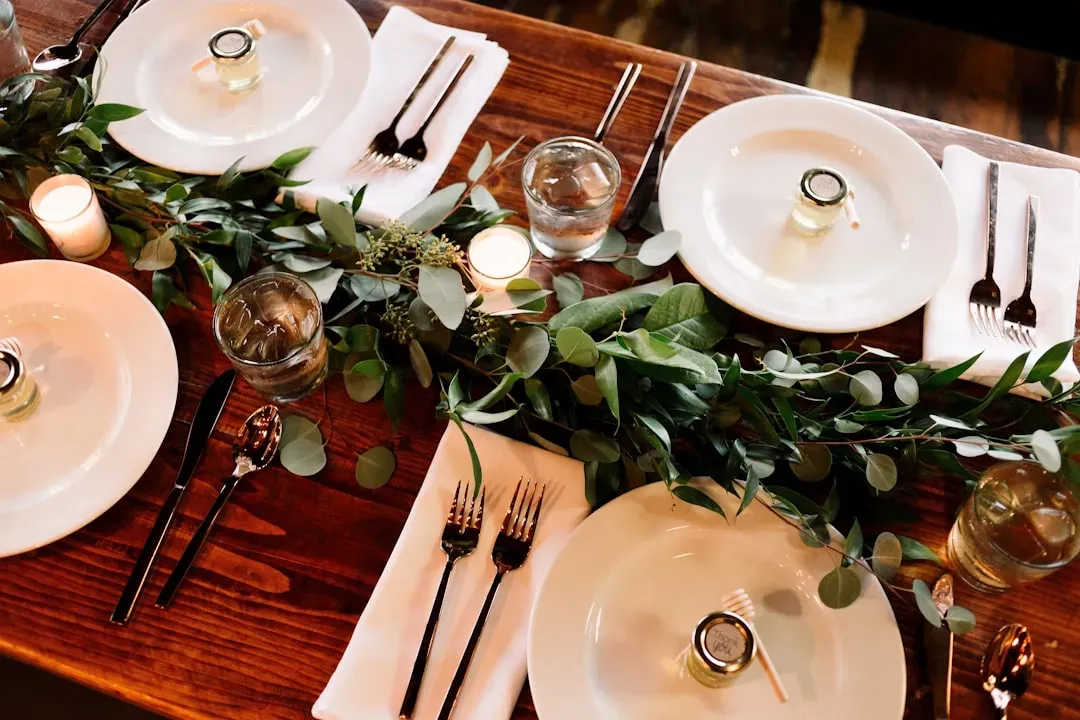
There is a term used obsessively in professional kitchens and high-end front-of-house operations that most diners have never heard: mise en place. It means "put into place." And it is the philosophy behind every perfectly set table you have ever admired - or failed to notice.
Mise en place is a term used in fine dining to describe the act of preparing dining tables, flatware, and tableware for service. With every detail accounted for, dinner service can be performed smoothly and without interruption. When a table is set perfectly, it means someone ran a thorough mise en place ritual before guests arrived. When it is messy, rushed, or incomplete, that ritual was skipped.
Perfecting service sequences is essential in creating a seamless and memorable dining experience for guests. It requires a careful orchestration of timing, precision, and grace, ensuring that each course is served and cleared to heighten the enjoyment of the meal. The table setting is where that orchestration becomes visible to you, the diner, for the very first time.
10. The Table Setting Reflects Diner Expectations in a High-Stakes Era
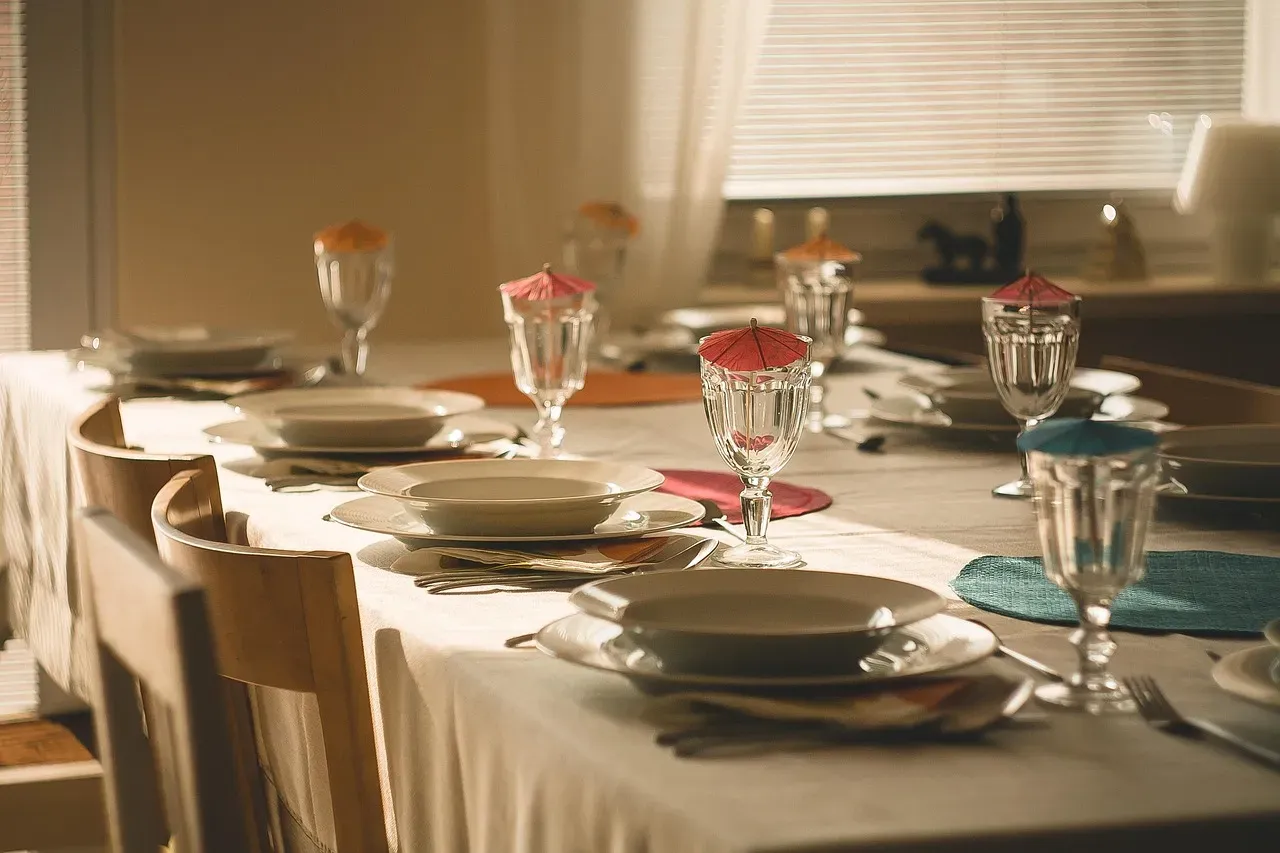
Let's be real - people are spending more on dining out than ever before, and they expect something in return for it. In 2024, U.S. consumers reported spending an average of $191 per person per month on dining out, a significant rise from about $166 per month in 2023. That is a meaningful jump, and diners are not paying more to be greeted by a sloppily set table.
The need for socialization and atmosphere is driving diners to full-service restaurants. Dining out triumphed over takeout in 2024, driven by consumers seeking atmosphere and socialization along with a restaurant meal. The appeal of dining out centers around the overall experience, with factors like atmosphere cited by roughly two thirds of diners as a key driver. The table setting is a direct component of that atmosphere.
Restaurant service standards ensure that every guest receives the same high-quality experience, regardless of who serves them or when they visit. This uniformity helps build trust and confidence among customers and builds repeat business. A well-set table is the clearest, most immediate signal that those standards are actually being upheld - and not just written down in a training manual nobody reads.


Leave a Reply