
There is something almost ritual about the moment you sit down in a restaurant. You scan the menu, maybe adjust the silverware, and start thinking about what you want to eat. Most people never stop to look around them - really look. Yet the people who have spent years working inside these places, behind the counters and through the kitchen doors, know something that most diners simply don't.
The dining room tells a story. If you know what to read, it can tell you a great deal about what is happening in that kitchen you cannot see. Former restaurant workers, food safety consultants, and industry insiders have long said the same thing: the front of the house is a mirror for the back. So before you order, take a slow look around. You might be surprised by what you find. Let's dive in.
The State of the Tables Is a Direct Signal

You walk in, you sit down, and the table feels slightly sticky under your fingertips. Most people brush it off as "just how it is." Honestly, it is anything but normal. Tables, chairs, and high-touch surfaces should be wiped down and sanitized after each guest, and a sticky surface means that basic step is being skipped - or at least done poorly.
The dining room creates customers' first impression of restaurant cleanliness and directly influences their perception of food safety standards. That impression is not just cosmetic. It directly maps onto kitchen habits, staff discipline, and how seriously management takes hygiene in general.
If patrons can't trust a restaurant to clean a table or disinfect the bathroom, they can't trust them to cook their food - and if the front of the house looks unclean, customers will assume the kitchen is too, with good reason. That gut feeling? Turns out it is well grounded in fact.
The Menus Are One of the Most Overlooked Red Flags
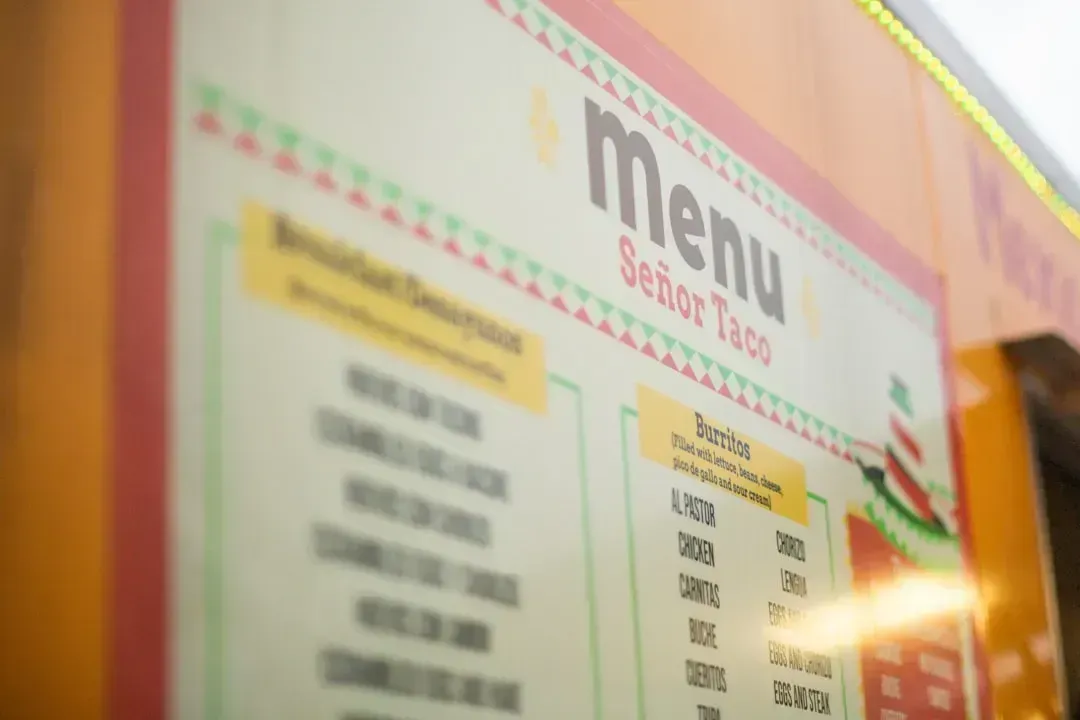
Here is the thing about menus - they are touched by nearly every single person who walks into the building. Bread crumbs wedged in the lamination, greasy fingerprints, faded text covered in something that was once a sauce. These are not small oversights. Menus with bread crumbs, food stains, and spilled sauces signal they are not cleaned regularly, and if staff isn't paying attention to this detail, they may be missing even bigger things.
Condiments that are missing caps, have crusty caps, or are not refilled - and sticky or splotchy menus - can be a sign that things are not cleaned routinely. A former chef turned culinary educator made that observation, and it resonates strongly with anyone who has worked a shift in a busy restaurant.
Think of it this way: a menu is like the cover of a book. It is the first physical object you interact with. A manager who ignores the front of the house often has difficulty in the administration of both the front and back of the house, and it is a sure sign that attention to detail is lacking. That detail matters enormously when food safety is on the line.
The Bathroom Is the Kitchen's Report Card
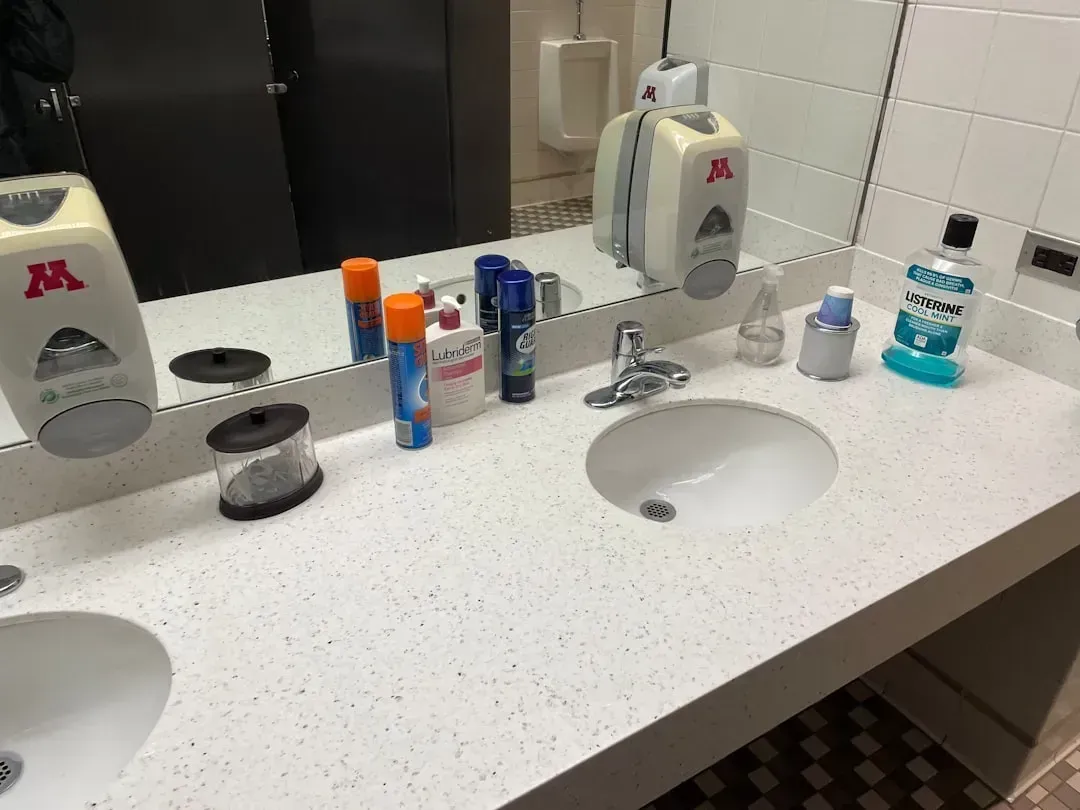
I know it sounds a bit dramatic, but veteran restaurant workers will say this without hesitation: go check the bathroom before you order. If you want to know how much an establishment takes hygiene and cleanliness seriously, go to the bathroom - it should smell neutral or, better yet, like disinfectant, with paper goods and soap well stocked and the floor clean.
Customers assume that if the front of the house is dirty, the back of the house is filthy - and a Harris Interactive poll revealed that nearly nine in ten people believe a dirty restroom reflects poorly on the kitchen and food prep areas. That is an overwhelming consensus from the general public.
A 2024 survey found that roughly four in five diners would not return to a restaurant with a dirty restroom. Former industry consultant Alan Guinn, with more than 25 years of experience, noted that in all of his career, he has never been in a restaurant with a poorly maintained restroom that had a stellar kitchen or served a superior food product. That track record speaks for itself.
How the Staff Carries Themselves Matters More Than You Think
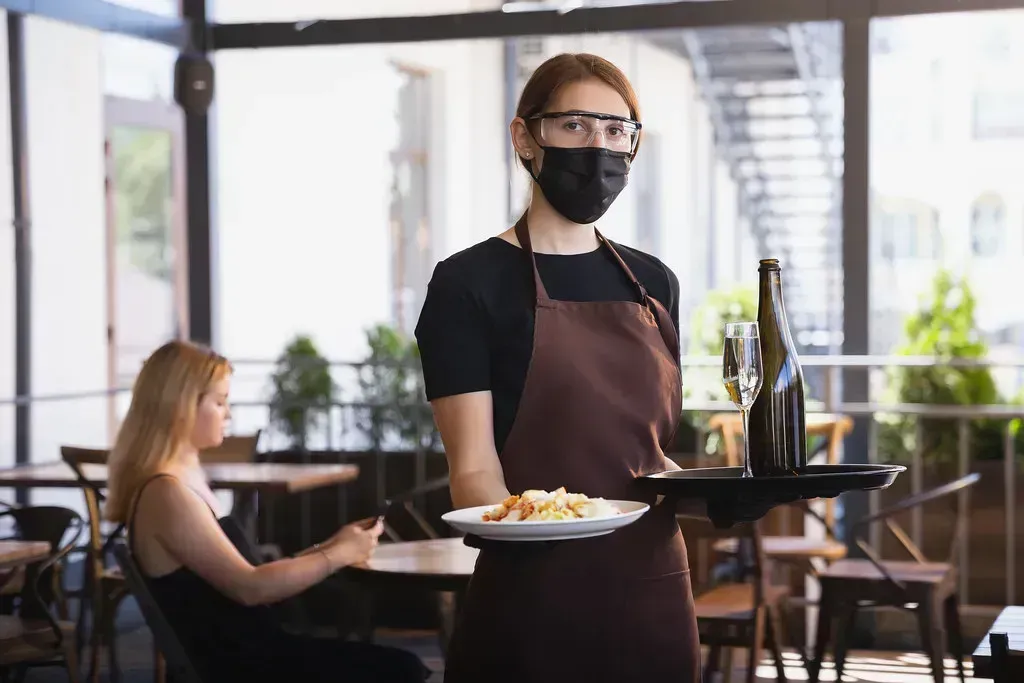
Observe the servers and front-of-house staff for a few minutes before you commit to your order. Are they moving with purpose? Do their uniforms look clean? Are they touching their faces, then handling glasses without washing their hands? These are real tells. Good personal hygiene among a restaurant's team is critical for reducing the spread of pathogens, and if employees don't follow handwashing guidelines, wear dirty clothes, or show up to work sick, the operation could be at risk.
A study conducted by the CDC found that workers only washed their hands one out of every three times that they should have - and considering how easy it is to cross-contaminate surfaces and food with your hands, this is alarming. That statistic is stunning when you sit with it for a moment.
Food workers tend to feel immense pressure to show up to work even when they are not feeling great due to fear of lost wages, and more than half of restaurant employees admit that they come into a shift when they are sick. Watching how staff interact in the dining room can give you an early clue about how seriously the whole team takes safety standards.
The Floors and Baseboards Tell the Full Story
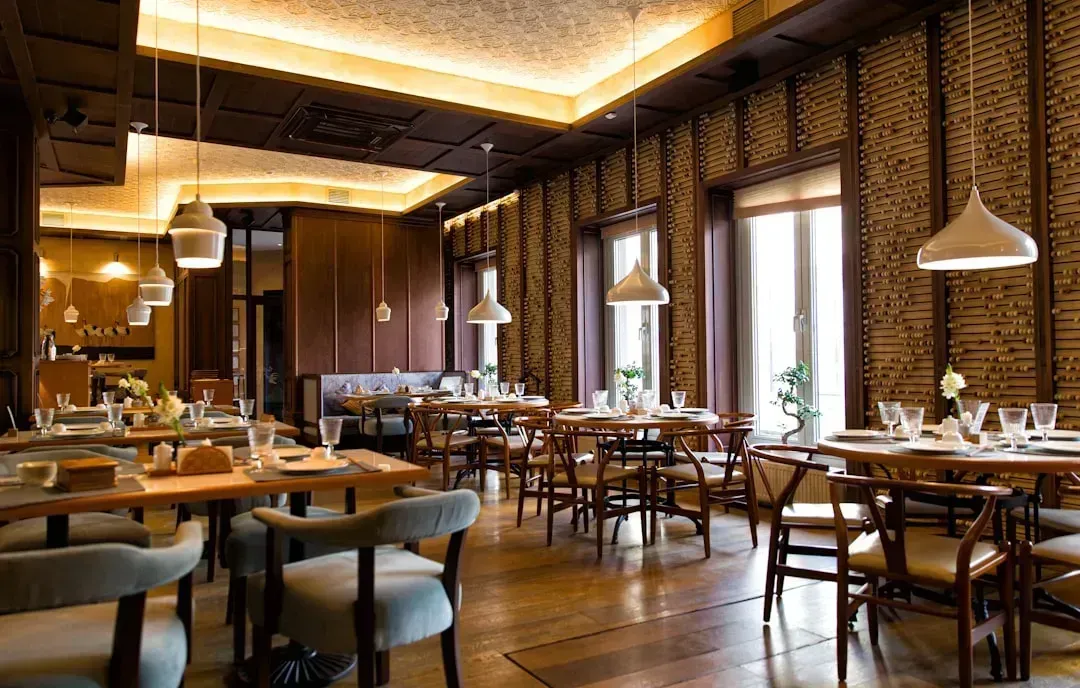
It is amazing what you notice when you actually look down. Crumbs piled along the baseboards, sticky patches near the host stand, debris wedged under booth seats - these are signs of cleaning routines that are either absent or dangerously shortcut. Clean baseboards and corners of the dining room, and wiping down walls to remove visible scuff marks, are standard expected tasks on any responsible restaurant cleaning checklist.
A clean floor is not glamorous work. Nobody gets praised for sweeping under a booth. But the fact that it is done - or not - reveals a great deal about the management culture of the entire place. Long story short, if things outside of the kitchen are not clean, a customer can gain some level of insight regarding the state of the kitchen.
Restaurateurs who run tight, disciplined dining rooms tend to run tight kitchens too. The logic flows both ways. A restaurateur's commitment to cleanliness directly influences the dining experience and shapes guests' perception of the business - a spotless and hygienic setting assures diners they are in an establishment prioritizing their health and comfort.
Pest Signs Are an Immediate Warning

This one might seem obvious, but people miss it more than you would expect. A fly buzzing around the dessert display. A small dark smear along the baseboard near the wall. A mouse dropping near the hostess stand. These are not isolated incidents - they are symptoms of a systemic problem. Flying insects around food storage and prep areas and signs of pest infestation are enough to make a guest's stomach turn.
An affected kitchen runs the risk of alienating current and would-be guests: all it takes is one poor online review saying there were flies in the air or ants running across the table for a restaurant's reputation to be tarnished. Reputation damage is instant and brutal in the age of online reviews.
Any spills, crumbs, and food debris should be cleaned up immediately, and it is crucial to clean beneath equipment and never leave food attractants out overnight when pests are more active - and this includes the dining room and front of house. Pest problems never stay in just one part of the building. If you see signs in the dining room, the kitchen almost certainly has them too.
The Condition of the Glassware and Cutlery Signals Kitchen Standards

Pull the fork out of your napkin roll. Hold the glass up to the light. Does it have lipstick smears, water spots that look like they have been there since the last administration, or something cloudier than it should be? Those details matter far beyond aesthetics. Storing clean utensils in unsanitary areas or mishandling them during setup can expose customers to harmful bacteria, which is why all serviceware must be handled and stored correctly - stored in designated clean areas, handled with clean hands or gloves.
Cloudy glassware often means the dishwashing process is not reaching proper sanitizing temperatures or the equipment is not being maintained. Cleaning removes food and other dirt from surfaces, sanitizing reduces bacteria on a surface to safe levels, and surfaces and equipment that are not properly sanitized after coming into contact with food can grow dangerous bacteria.
It is hard to say for sure just from a glass, but the pattern is consistent: restaurants that take their dishwashing seriously take their food safety seriously. The two go hand in hand, according to every industry professional who has weighed in on the subject.
The Scale of Foodborne Illness Makes This a Public Health Issue

This is not just about a bad meal or an upset stomach. The numbers behind foodborne illness are genuinely sobering. The Centers for Disease Control and Prevention estimates that roughly one in six Americans becomes ill every year from contaminated food or beverages, and among those people, an estimated 128,000 end up in the hospital and 3,000 die every year.
The Food for Thought 2025 report showed that 1,392 Americans in 2024 became ill after consuming a contaminated food item, and the number of hospitalizations more than doubled, rising from 230 to 487, with deaths climbing from 8 to 19. Those are documented, confirmed outbreak cases - the real number is believed to be far higher.
About 800 foodborne outbreaks are reported to the CDC every year, and most of these happen in restaurants - making restaurant inspections one of the main tools health departments have for improving food safety and preventing foodborne illness. Your personal dining room inspection is, in a very real sense, your first line of defense.
Health Inspections Happen Rarely - Your Eyes Are Your Best Tool
Here is something that might surprise you. Health inspections are performed roughly one to three times a year, and they are mostly done without notice. That means a restaurant has potentially hundreds of service days between visits from a health inspector. A lot can slide in that window.
Because inspections can happen at any time, the best course of action for a responsible establishment is to treat every day as inspection day. The key phrase there is "responsible establishment." Not every restaurant does this. The dining room gives you real-time evidence of whether they do or not.
In 2024, customers expect restaurants to maintain visible hygiene measures. That expectation is now a standard. Research by Simon-Kucher and Partners found that customers are willing to spend twice as much per month at restaurants that meet their standards of cleanliness compared to those that do not. Cleanliness has become both a safety matter and an economic signal that smart diners are learning to read.
What Former Workers Say You Should Actually Do
So what is the practical takeaway? Former restaurant workers consistently point to the same checklist before sitting down to order. Look at the tables - are they sanitized or just wiped with a damp rag someone has been carrying around all day? Check the condiments. Four out of five diners surveyed said they lose their appetite when they see grease or dirt at a restaurant, which underlines the importance of upholding proper hygiene across the board.
If something feels off, trust that instinct. If you get out of your car and come face to face with open dumpsters, trash, and cigarette butts on the ground, a restaurant consultant with more than 30 years of experience says you may want to keep driving - and dirty windows and doors are also a sign the restaurant is not focused on cleanliness, which may carry over into the areas where food is prepared.
The dining room is not just décor. It is a live indicator of how a kitchen operates, how staff are managed, and how much leadership truly values the safety of the people eating there. There are significant penalties for breaking safety protocols, and gaining customers' trust and loyalty depends on making a restaurant feel like a safe and clean place to dine - if it is evident that staff are taking all advisable precautions, customers will feel more comfortable. Take one slow look around before you order. The restaurant is telling you everything you need to know.



Leave a Reply