
The Hidden Danger Lurking in Your Fridge
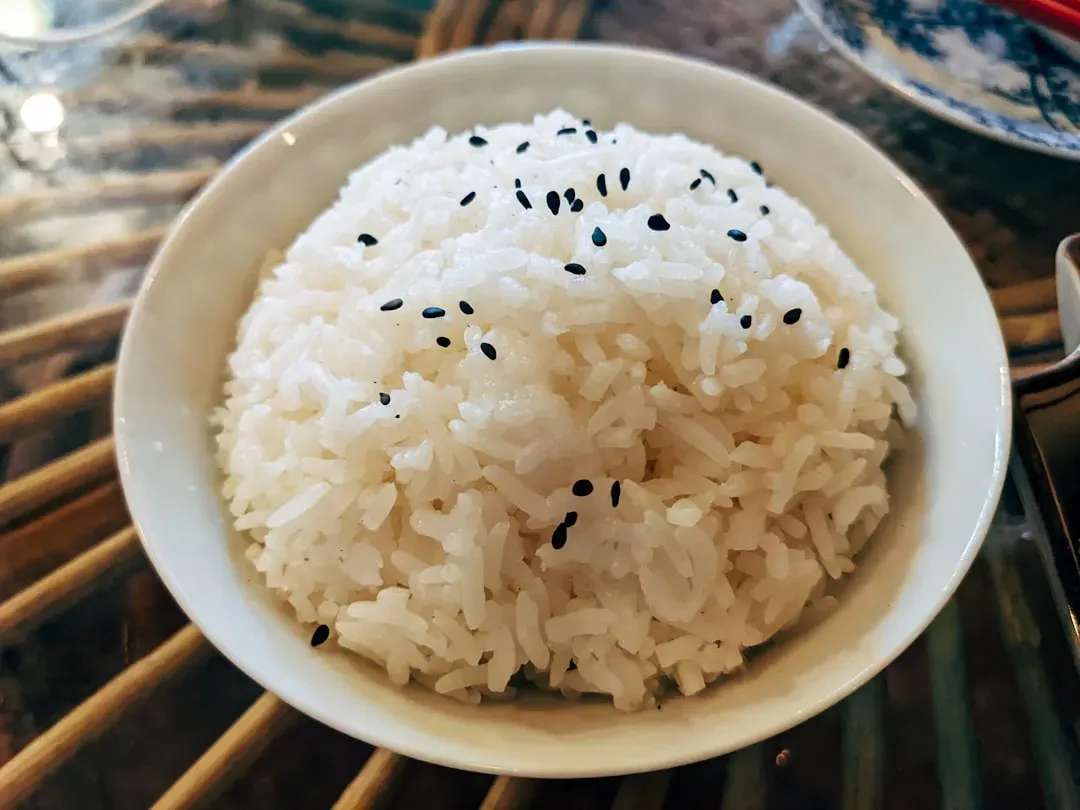
You might think that leftover rice sitting in your refrigerator is perfectly safe to reheat and eat, the same way you'd treat any other leftover meal. The truth is far more concerning than most people realize. Rice harbors a unique bacterial threat that doesn't simply disappear when you cook it the first time, and the way you store and reheat it matters more than you'd ever expect.
This isn't about being overly cautious or paranoid about food safety. The bacterial spores found in rice are incredibly resilient, surviving the initial cooking process and waiting for the perfect conditions to multiply into dangerous levels. When rice sits at room temperature after cooking, these dormant threats spring to life faster than almost any other common food.
Bacillus Cereus: The Rice Bacteria You Need to Know About
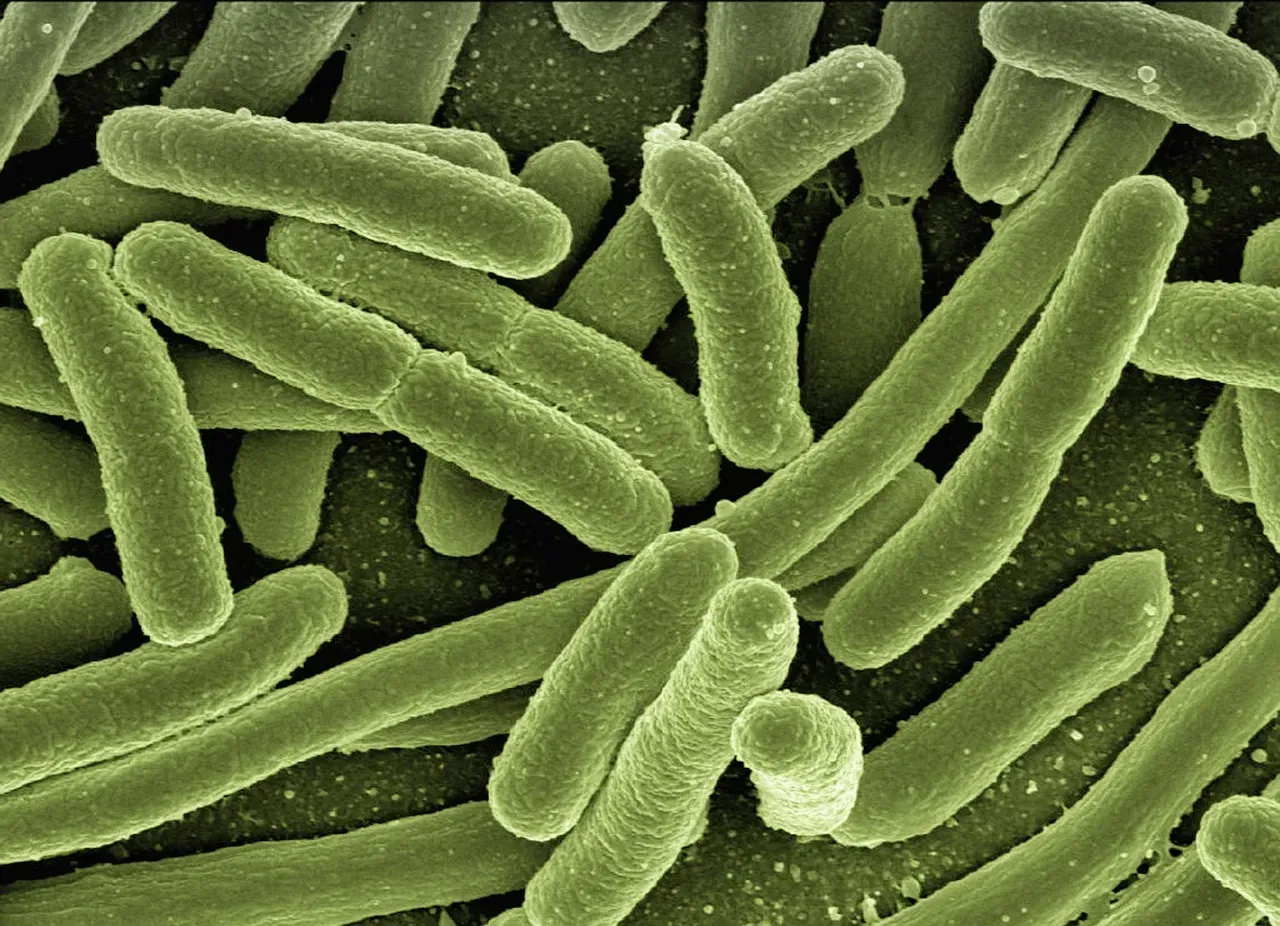
The main culprit behind rice-related food poisoning is a bacteria called Bacillus cereus, which is commonly found in soil and vegetation. Rice, being an agricultural product, naturally carries these bacterial spores even before you bring it home from the store. What makes this bacteria particularly sneaky is its ability to form protective spores that can withstand boiling temperatures, meaning your initial cooking doesn't eliminate the threat entirely.
Once cooked rice begins to cool down and sits at room temperature, these spores germinate and start producing toxins that can make you seriously ill. The bacteria thrives in the temperature danger zone between 40°F and 140°F, which is exactly where your rice sits if you leave it on the counter or let it cool slowly before refrigeration. Think of these spores as tiny seeds that bloom into something harmful when given the right environment, and unfortunately, improperly stored rice provides the perfect growing conditions.
Why Cooking Temperature Doesn't Solve the Problem
Here's where things get really interesting, and frankly, a bit unsettling. Most people assume that reheating food to a high temperature kills all bacteria and makes leftovers safe to eat. With rice, this assumption can be dangerously wrong. The toxins produced by Bacillus cereus are heat-stable, which means they can survive reheating temperatures that would normally kill most bacteria.
Even if you blast your leftover rice in the microwave until it's steaming hot, or fry it up in a scorching wok, those toxins remain active and capable of causing illness. The bacteria itself might die during reheating, yet the toxic byproducts it produced while the rice sat improperly stored stay right there in your food. It's like closing the barn door after the horse has already escaped, the damage was done during the storage phase, not during the reheating.
The Two-Hour Rule That Could Save Your Health
Food safety experts have established a critical time window that many people ignore or simply don't know about. Cooked rice should never sit at room temperature for more than two hours before refrigeration. In warmer environments above 90°F, that window shrinks to just one hour.
The reason for this strict timeline comes down to bacterial multiplication rates. Bacillus cereus can double its population approximately every 20 to 30 minutes under ideal conditions, meaning a small number of bacteria can explode into dangerous levels within just a few hours. I know it sounds extreme to worry about timing your rice storage so precisely, yet this is one of those cases where the science backs up the caution. Many cases of food poisoning from rice happen simply because someone left it sitting out while finishing dinner or forgot about it on the stove overnight.
Fried Rice Syndrome: A Real Medical Phenomenon

Medical professionals have actually given a name to illness caused by contaminated rice: fried rice syndrome. The name comes from the frequency with which this type of food poisoning occurs after eating reheated rice dishes, particularly fried rice from restaurants or takeout meals. Symptoms typically appear within one to six hours after eating contaminated rice and can include nausea, vomiting, stomach cramps, and diarrhea.
While most cases of fried rice syndrome resolve within 24 hours and resemble a bad stomach bug, severe cases can be much more dangerous. Young children, elderly individuals, pregnant women, and people with weakened immune systems face higher risks of serious complications. There have been documented cases of hospitalization and, in extremely rare circumstances, fatalities linked to Bacillus cereus poisoning from improperly stored rice. The vast majority of people recover without medical intervention, though the experience is miserable enough that prevention becomes worth the effort.
The Restaurant Rice Dilemma
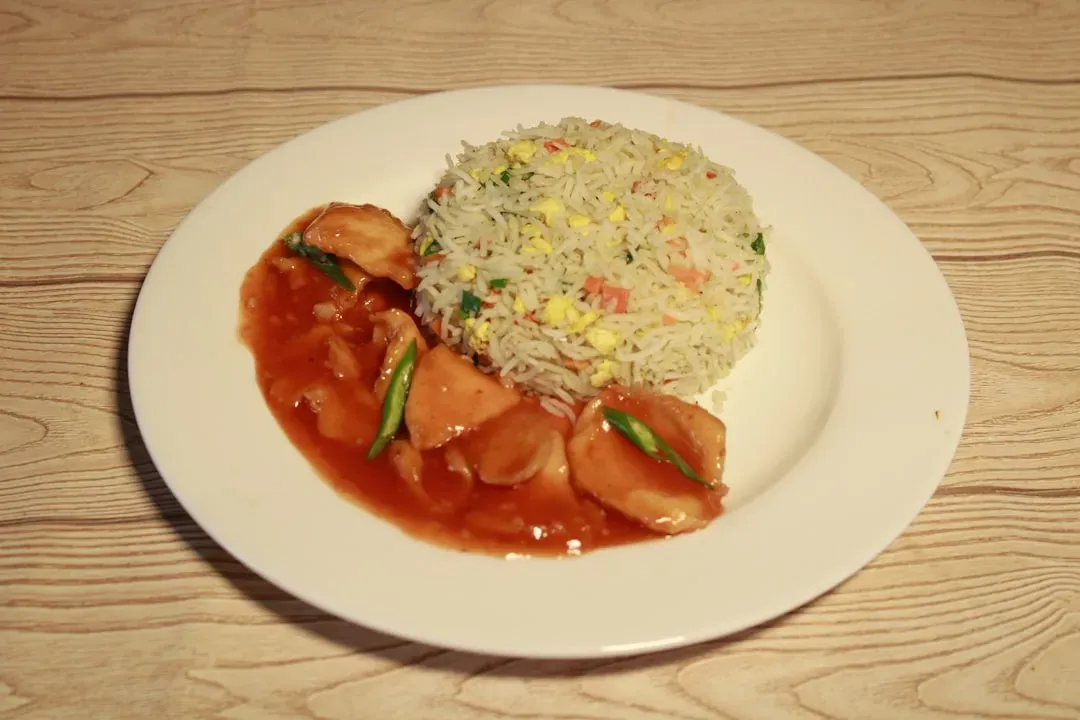
When you order takeout or eat at a restaurant, you're placing trust in food handlers to follow proper storage protocols, something that doesn't always happen. Restaurants that prepare large batches of rice face particular challenges in cooling it quickly enough to prevent bacterial growth. Commercial kitchens are supposed to use rapid cooling methods like spreading rice in shallow pans or using blast chillers, yet not every establishment follows these practices consistently.
Fried rice dishes in restaurants often use day-old rice because it has a better texture for frying, with drier, more separated grains that don't clump together. This practice is perfectly safe when the rice has been stored properly in refrigeration, yet problems arise when restaurants prepare rice in advance and leave it sitting out for extended periods. You have no way of knowing how long that rice sat at room temperature before being refrigerated or how it was handled before ending up in your meal. Honestly, this uncertainty is one reason why some food safety experts suggest being cautious about rice dishes at establishments with questionable food handling reputations.
Making Peace with Your Leftovers
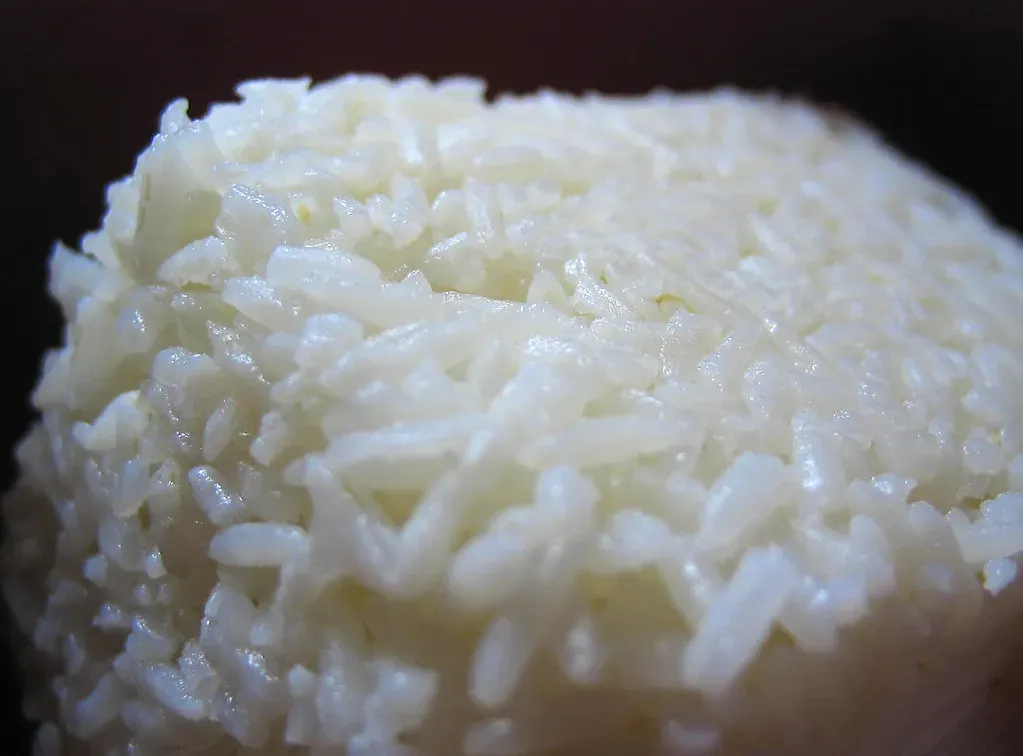
Rice doesn't have to be scary or off-limits as a leftover, you just need to treat it with the respect its bacterial risks demand. Following proper cooling and storage procedures transforms it from a potential health hazard into a convenient meal prep staple. The difference between safe and unsafe rice often comes down to just a few minutes of attention right after cooking.
Next time you make a pot of rice, take that extra moment to spread it out for quick cooling and get it into the fridge promptly. Your future self will thank you when you're enjoying delicious fried rice or a quick reheated meal instead of dealing with food poisoning symptoms. What small changes could you make to your rice storage routine starting today?




Leave a Reply