
Spinach has long been celebrated as one of the most nutrient-dense foods on the planet. Rich in vitamins A, C, K, folate, iron, and magnesium, it earns its place in salads, smoothies, and cooked dishes worldwide. Yet, there's a less talked-about side to this leafy green - what happens when you cook it, store it overnight, and heat it up again. The answer is more chemically complex than most people expect, and the risks, while manageable, are real enough to warrant a closer look.
Spinach Is Naturally Loaded with Nitrates
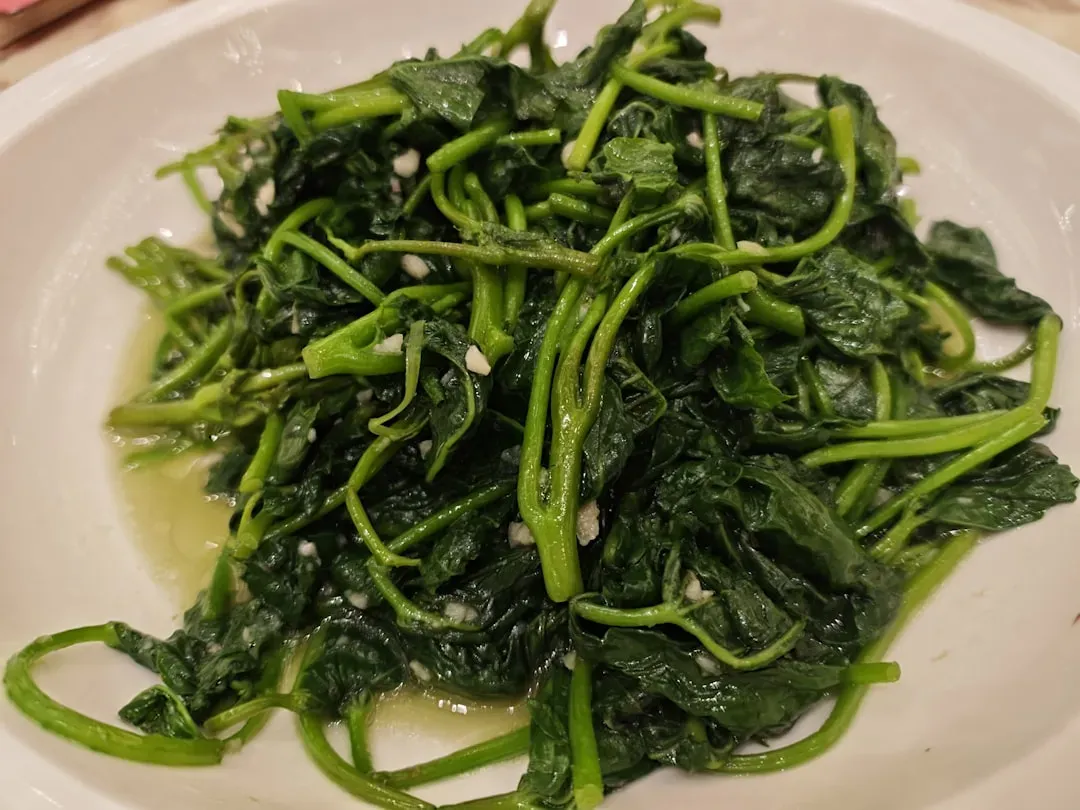
Recent studies have reported wide variability in nitrate levels across different types of vegetables and regions. Leafy vegetables such as spinach and lettuce typically contain the highest nitrate concentrations, often exceeding 2,000 to 3,000 mg/kg fresh weight in intensive farming systems. This isn't necessarily alarming on its own - nitrates are a natural part of how plants grow. Spinach, like many leafy green vegetables and root vegetables, naturally absorbs nitrates from the soil. These nitrates, in themselves, are relatively harmless.
Approximately 80% of total nitrate ingestion has been reported to come from vegetables, and leafy vegetables easily accumulate nitrate. Modern farming practices are making this situation even more pronounced. As a consequence of the increasing use of synthetic fertilizers, there have been reports of leafy green vegetables containing concentrations of nitrate exceeding EU regulatory limits. One such study noted that spinach could accumulate twice as much nitrate as Swiss chard, to levels that exceeded the EC regulation of 3,500 mg/kg by almost threefold. That's a staggering baseline to start with before any heat is applied.
What Heat Actually Does to Spinach's Chemistry
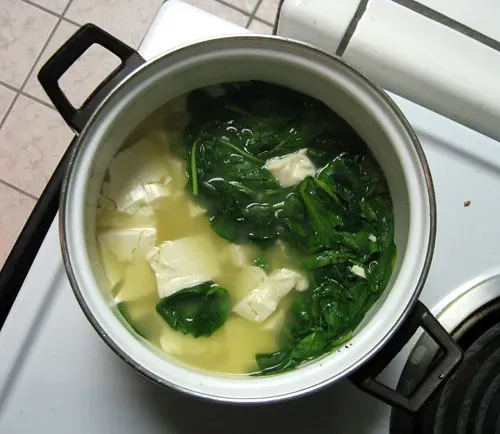
Reheating food readily changes its chemical composition, and not necessarily for the better in spinach's case. This process can turn the spinach's healthy nitrates into nitrites and nitrosamines, both of which can have adverse effects on the human body when consumed in excess. The conversion isn't instantaneous - it's a multi-step process driven by temperature and bacterial activity. When heated, nitrates begin to break down and become nitrites, which can then convert into nitrosamines. Nitrites can affect oxygen intake, and nitrosamines are a known carcinogen.
The cooking method matters enormously. The nitrate content of water spinach significantly increased by 31% after stir-frying but decreased by 25% after boiling. That's a dramatic difference depending on how the heat is applied. High heat is particularly problematic, as it accelerates the conversion of nitrates to nitrites and potentially harmful nitrosamines. Microwaving on full power or stir-frying on high heat are two of the worst offenders.
The Carcinogen Connection: Nitrosamines and Long-Term Risk
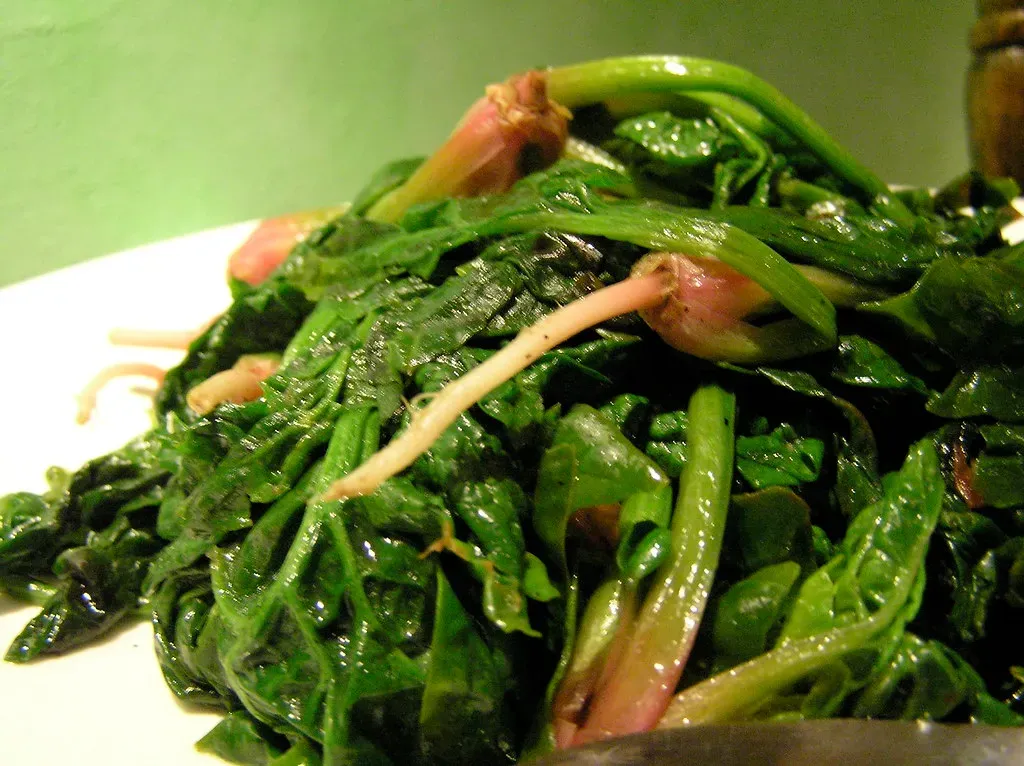
The nitrites that reheating spinach creates aren't necessarily the biggest issue here - the real potential problem is the nitrosamines. Reheating spinach can turn the nitrates and nitrites into N-nitrosamines, a known carcinogen that can cause different forms of cancer. Per a 2017 paper published in Oncotarget, these nitrosamines can also cause liver damage and lead to major issues like cirrhosis. Scientists and regulatory bodies have taken this seriously. After ingestion, the metabolic conversion of nitrate to nitrite depends on biological factors such as bacteria and chemical factors such as pH, which can react with secondary amines to produce nitrosamines. Based on scientific evidence from the International Agency for Research on Cancer (IARC), these compounds are classified as probable human carcinogens.
The European Agency for Food Safety (EFSA), in a report on the reevaluation of nitrite salts as food additives, found that the acceptable daily intake (ADI) would be exceeded for infants, toddlers, and children at the mean, and for all age groups at the highest exposure. That's a significant regulatory red flag. While it does take large amounts and several years to see any effects, those results can be very serious, so you may wish to cut out the regular doses of reheated spinach to preserve your long-term health.
Storage Time Is the Hidden Danger
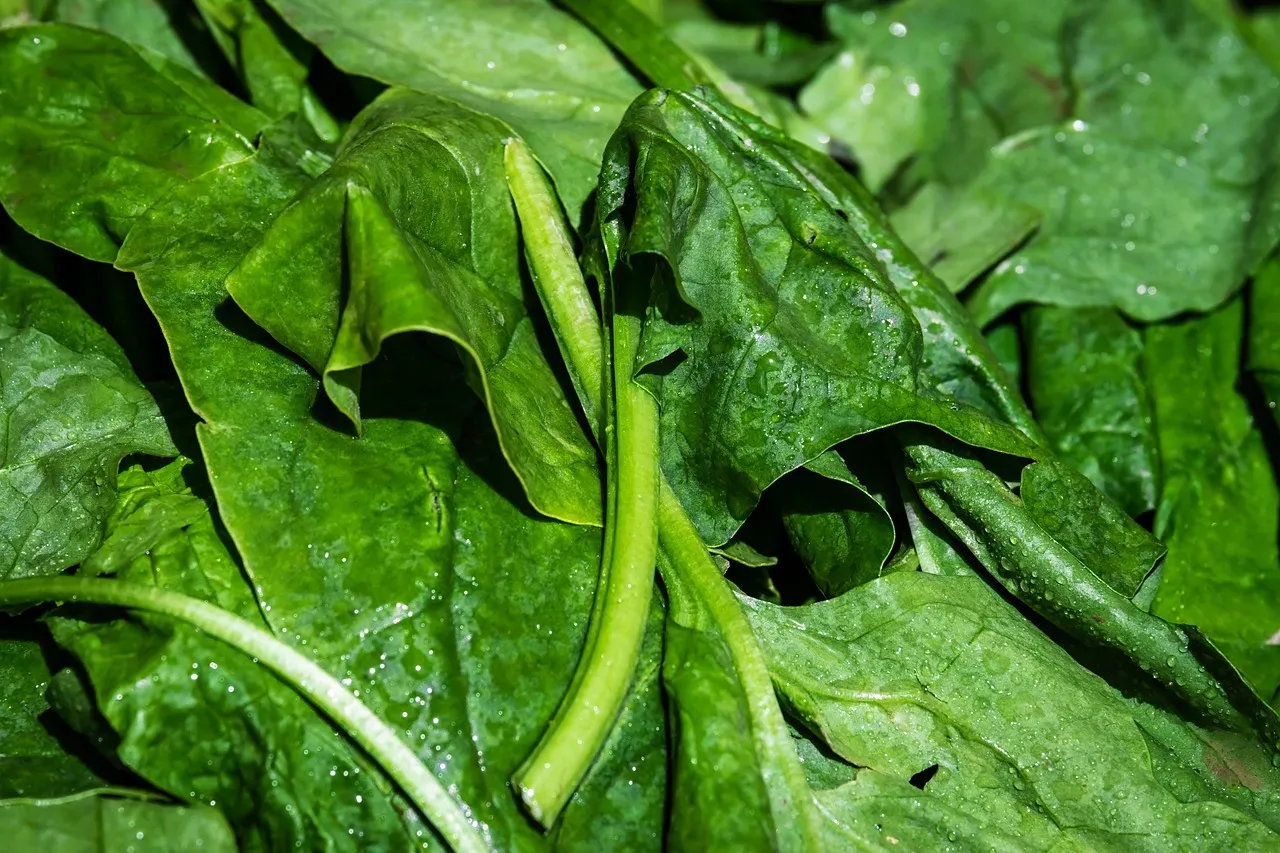
Higher temperatures, especially prolonged exposure to heat, encourage bacterial growth, which accelerates the conversion process. Improper storage, particularly at room temperature, allows bacteria to thrive, further increasing nitrite formation. The longer cooked spinach sits, the more time bacteria have to convert nitrates to nitrites. This means the danger often begins well before the microwave is switched on. Nitrite forms relatively quickly in spinach when the cooked vegetable is left at room temperature. A critical nitrite level can develop after just a few hours. Rapid cooling and storage in the refrigerator slow down this process considerably.
Research published in the journal Foods found that the storage period for boiled water spinach should not exceed 12 hours. Appropriate cooking methods and limited storage times are thus required for leafy vegetables to prevent adverse health effects. Most people assume refrigerating spinach overnight and reheating it the next day is perfectly fine - but even under refrigeration, in spinach, nitrite concentrations ranged from 121.1 to 2,033.6 mg/kg after five days of refrigerated storage. The numbers climb fast.
Vulnerable Groups Face Greater Risks
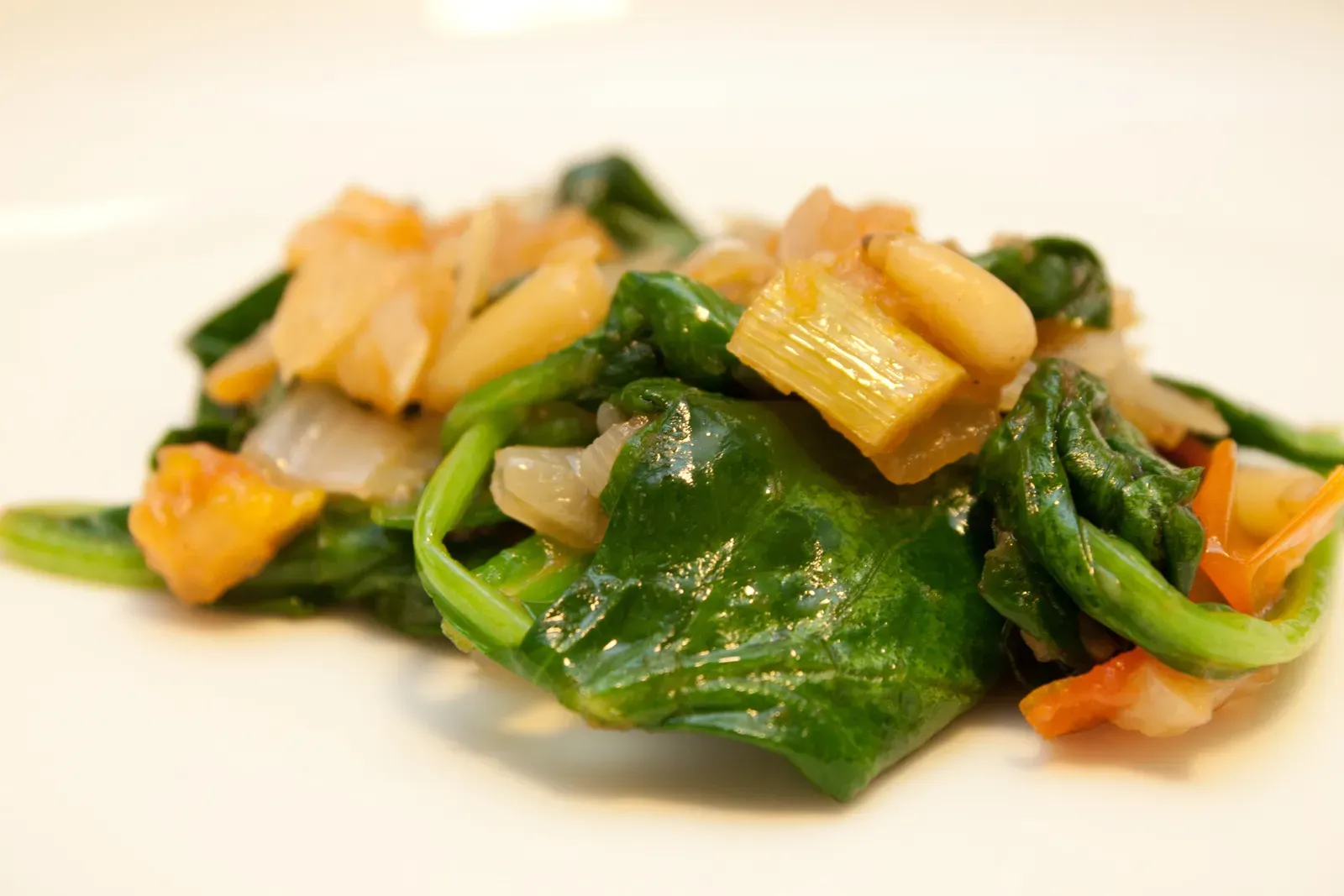
Spinach naturally contains nitrate, which can convert to nitrite if it's stored for long periods or heated improperly. Nitrite can block the red blood pigment haemoglobin, thereby disrupting the supply of oxygen to the cells. This particular effect is especially dangerous for certain groups in the population. Nitrites can convert haemoglobin in red blood cells to methemoglobin, which cannot effectively transport oxygen. This condition, known as methemoglobinemia, can cause symptoms like shortness of breath, dizziness, and blueish skin, and is particularly dangerous for infants, whose digestive systems are more susceptible to nitrate conversion.
It is especially recommended that pregnant women, small children, and people with weakened immune systems eat freshly prepared spinach. Beyond these vulnerable groups, repeated exposure over time is the real concern for healthy adults. Studies have reported a positive association between nitrate consumption and the risk of ovarian and colorectal cancer. Furthermore, epidemiological studies have suggested a positive association between the consumption of nitrite in processed foods and cancer. The science is still evolving, but the direction is consistent.
How to Reheat Spinach More Safely
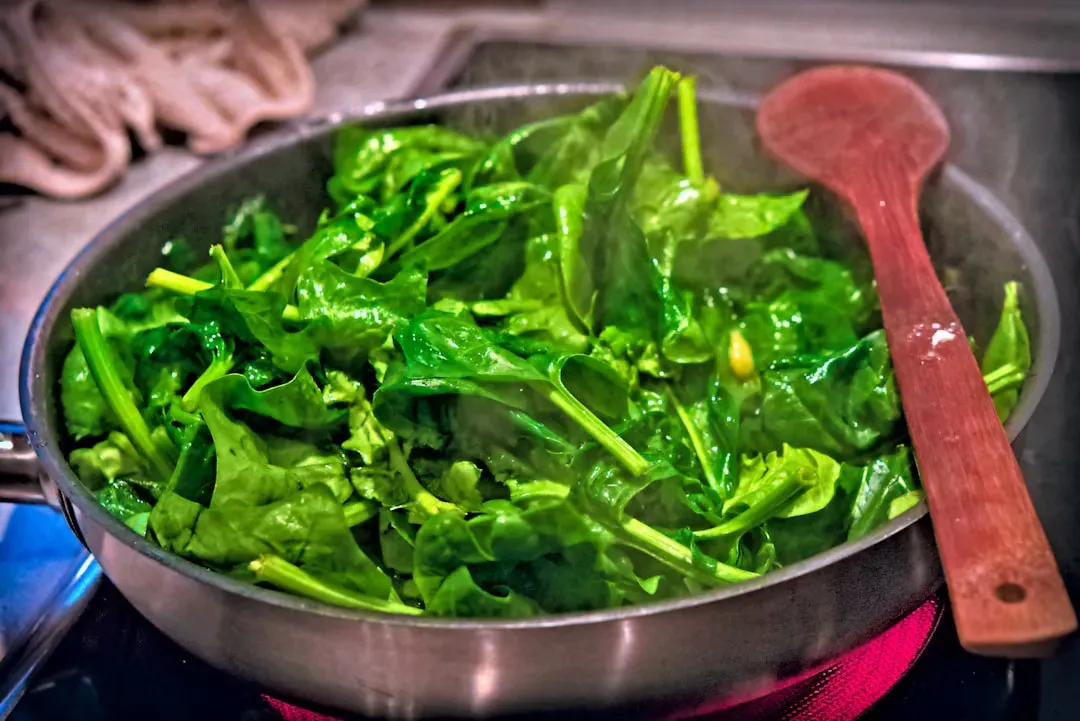
The real danger is not the reheating itself, but rather how the spinach is stored after the initial cooking and for how long. If cooked spinach is cooled quickly and refrigerated properly within a couple of hours, the conversion of nitrates to nitrites is significantly slowed. Properly stored spinach can then be reheated safely, provided it's heated to a safe temperature throughout to kill any bacteria that may have grown during storage. In practice, that means moving fast from plate to fridge. To reheat spinach safely, the vegetable should be cooled quickly after initial cooking and stored in the refrigerator at a temperature below 5°C. When reheating, you should heat the spinach quickly and evenly to at least 70°C. This will kill any germs and minimize nitrite formation.
Nutrient loss is another reason to be cautious about reheating spinach repeatedly. Reheating spinach can lead to some nutrient loss, particularly for heat-sensitive vitamins like vitamin C and folate. These vitamins are water-soluble and prone to degradation during cooking and reheating. Research on spinach showed that the combination of soaking and cooking resulted in the highest reduction in nitrate content, with a nitrate concentration ratio factor of 10.73, therefore reducing the potential health risk of nitrite. The safest practical advice remains consistent across nutrition science: make spinach-based foods in small batches to avoid heating up leftovers, don't use super-high heat when reheating, and don't store leftover spinach for extended periods of time.



Leave a Reply