
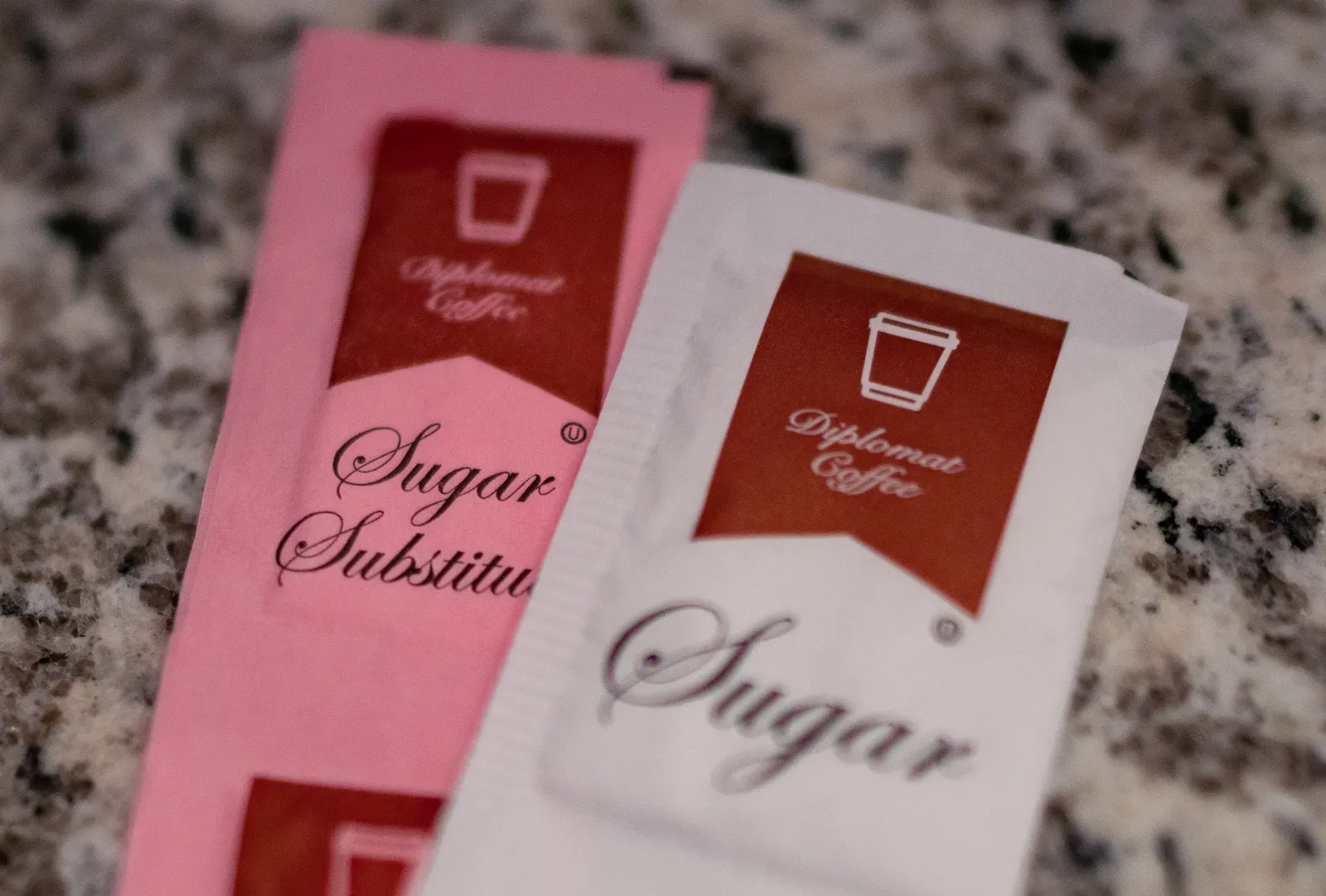
For decades, we grabbed the little pink, blue, and yellow packets without a second thought. They were everywhere, from coffee shops to kitchen counters. The promise was simple: all the sweetness, none of the guilt. Those zero-calorie sweeteners were supposed to be our ticket to better health, a clever workaround for sugar's dark side.
Here's the thing though. Scientists are now uncovering something that sounds almost contradictory. These seemingly innocent sugar substitutes might be doing more harm than the very substance they're meant to replace. From gut bacteria going haywire to blood sugar responses that defy logic, the research coming out in 2025 is forcing the scientific community to take a hard look at what we thought we knew. Let's dive in.
The Cardiovascular Connection Nobody Saw Coming
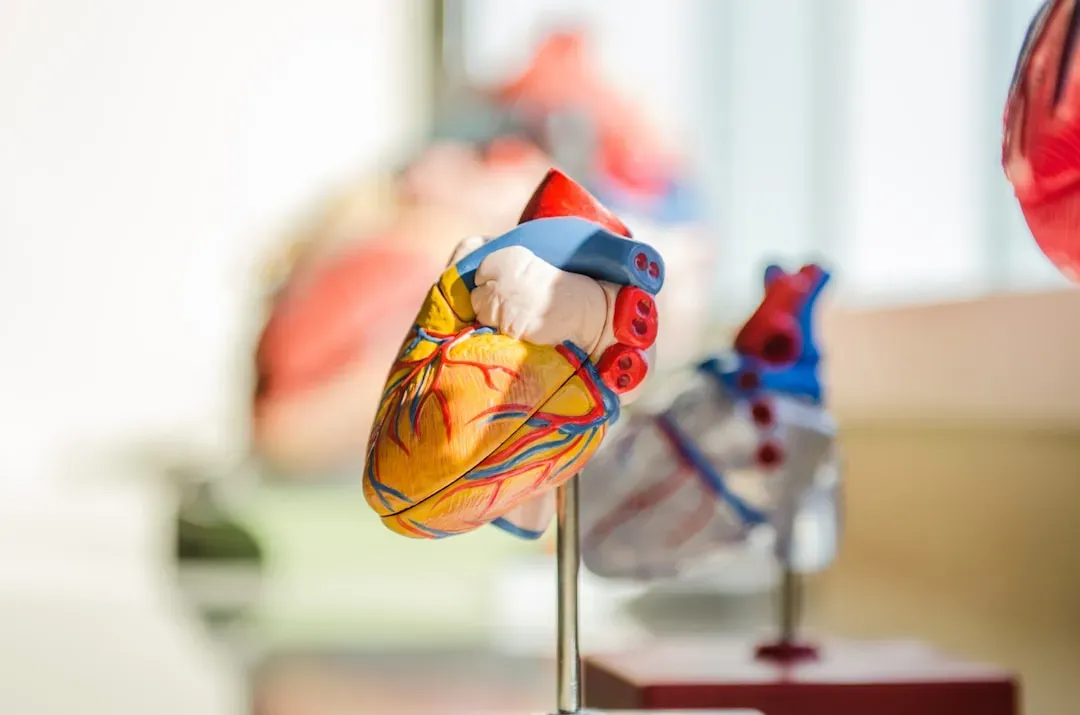
The Women's Health Initiative study found that increased intake of artificially sweetened beverages was associated with increased risk of all-cause mortality and coronary heart disease. People consuming these drinks regularly showed concerning patterns that researchers hadn't anticipated.
The numbers are genuinely unsettling. ASB intake was associated with increased risk of overall stroke, and when researchers dug deeper into the data, they found something even more specific. The risk of ischaemic stroke was found to be increased with ASB use, particularly for a certain type affecting small blood vessels in the brain.
The World Health Organization 2022 report highlighted associations between beverages containing artificial sweeteners and certain intermediate markers of cardiovascular disease, encompassing a modest increase in the unfavorable total cholesterol to high-density lipoprotein cholesterol ratio and an elevated risk of hypertension. This isn't just about one study or one finding anymore. The pattern keeps showing up.
Your Brain on Sweeteners: The Cognitive Decline Discovery

Something really concerning emerged from a 2025 study published in Neurology that got everyone's attention. When researchers analyzed the results by age, they found people under the age of 60 who consumed the highest amounts of sweeteners showed faster declines in verbal fluency and overall cognition.
Let's be real here. The amount of sweetener involved wasn't massive either. People in the highest tier consumed an average of 191 milligrams, or about 1 teaspoon, of artificial sweeteners each day, and one can of diet soda sweetened with aspartame contains around 200 to 300 milligrams. That's basically one diet soda per day showing measurable effects on the brain.
Participants in the middle tier had a 35% faster rate of global cognitive decline - which is about 1.3 years of aging, according to the research team. Midlife dietary exposures, decades before cognitive symptoms emerge, may carry life-long consequences for brain health. Think about that for a second. What you're drinking today might be affecting your brain decades from now.
The Gut Microbiome Meltdown
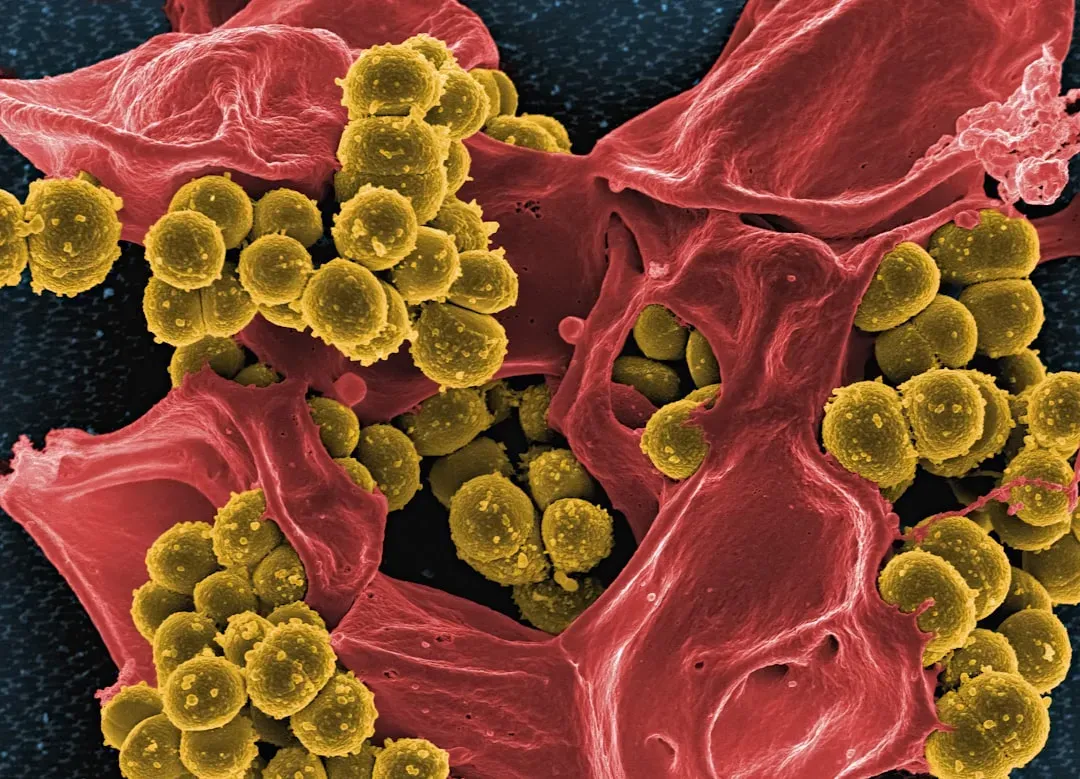
Your intestines house trillions of bacteria that work together in a delicate balance. Artificial sweeteners, it turns out, are like a wrecking ball through that ecosystem. Compared to controls in the study, scientists noted significant differences in both stool and duodenal (small intestine) microbial diversity and composition among people consuming non-sugar sweeteners.
Results revealed synthetic sweeteners like Sucralose and Saccharin significantly reduced microbial diversity, while non-synthetic sweeteners, particularly Rebaudioside A and Xylitol, were less disruptive. Not all sweeteners are created equal, apparently. Some are far worse for your gut than others.
Honestly, what researchers found with aspartame is particularly troubling. The pathway of cylindrospermopsin, a toxin, was enriched specifically in small bowel bacteria of subjects who consumed aspartame, and this pathway is recognized for its harmful effects on the liver and the nervous system, and it is classed as a potential cancer-causing agent. That's not exactly the health benefit people were looking for.
People who ate the artificial sweeteners, especially saccharin and sucralose, had major changes in their oral and gut microbiome compared to the start of the study, and their blood sugar levels were even higher than those who ate regular sugar which suggests the sweeteners may lead to glucose intolerance.
The Weight Gain Paradox That Defies Logic
Here's where things get really weird. People choose diet products specifically to lose weight, right? Several large scale prospective cohort studies found positive correlation between artificial sweetener use and weight gain, with the San Antonio Heart Study examining 3,682 adults over a seven- to eight-year period in the 1980s showing this pattern clearly.
Aspartame ingestion significantly increased body weight and fat mass mainly due to an increase in energy efficiency, and the effect was related to the amount rather than the form of ingestion, with aspartame ingestion being associated with glucose intolerance. The body essentially goes into a kind of starvation mode.
It's hard to say for sure, but the mechanism seems to involve tricking your brain. These findings were proposed to relate to disturbances in the association between sweetness and energy intake, and normally the sweet taste is thought to predict the caloric content of food, but when sweetness is not accompanied by caloric intake, an adaptive mechanism is activated to compensate for caloric deficiency by increasing energy intake and/or diminishing energy expenditure. Your body literally thinks it's starving when you consume sweetness without calories.
Diabetes Risk: The Ironic Twist
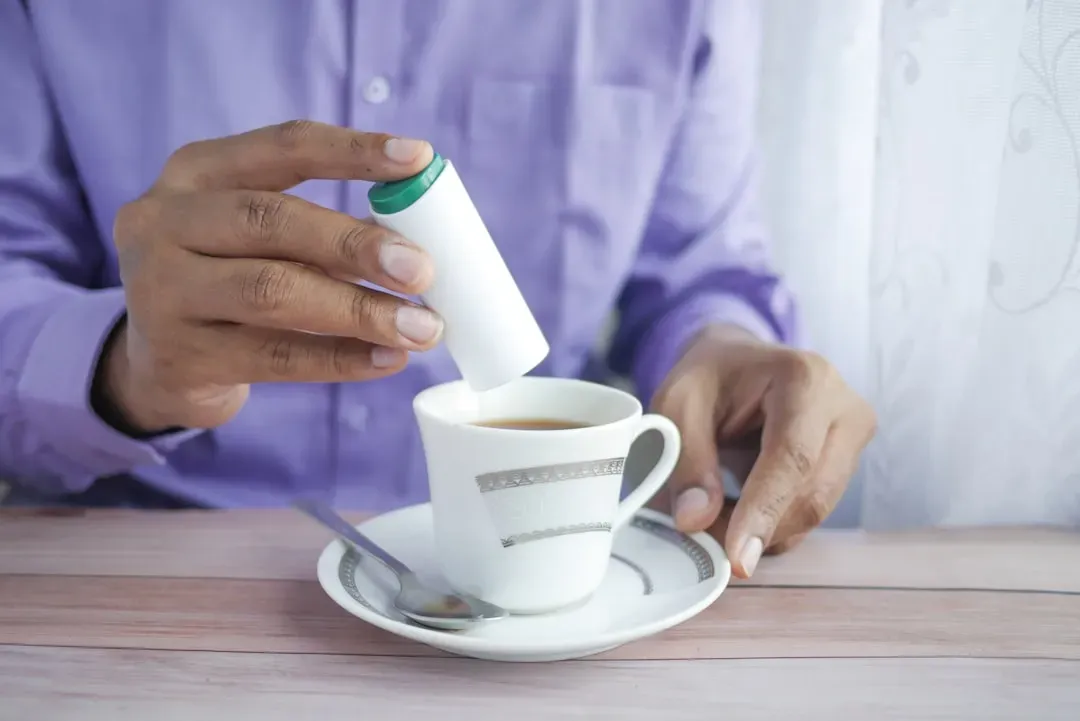
This is perhaps the most frustrating part. Many people with diabetes or at risk for it turn to artificial sweeteners thinking they're making the smart choice. Meta-analyses revealed a positive association between artificial sweeteners and T2DM risk, with Qin et al. reporting a direct link between artificial sweeteners and T2DM, and the WHO in 2022 finding a higher incidence of T2DM associated with artificial sweeteners and tabletop sweetener consumption.
A study published earlier this year showed that within two hours of consuming sucralose (an amount equivalent to the sugar in two cans of soft drink), participants exhibited increased physiological hunger responses, with sucralose increasing blood flow to this area of the brain. The hypothalamus, which controls appetite, basically lights up like a Christmas tree.
Studies have shown that sweeteners can stimulate the same neurons as the appetite hormone, leptin, and over time, this could cause our hunger threshold to increase - meaning we need to eat more food to feel full. It's a vicious cycle that defeats the entire purpose.
The Hunger Hormone Hijacking

Let's talk about what happens to your appetite when you consume these sweeteners. Aspartame-sweetened water increased subjective appetite rating in normal weight adult males, and aspartame also increased subjective hunger ratings compared to glucose or water. You're literally making yourself hungrier.
Aspartame, acesulfame potassium, and saccharin were all associated with heightened motivation to eat and more items selected on a food preference list, with aspartame having the most pronounced effect, possibly because it does not have a bitter aftertaste. The cleaner the taste, the stronger the hunger signal apparently.
Unlike glucose or sucrose, which decreased the energy intake at the test meal, artificial sweetener preloads either had no effect or increased subsequent energy intake. So while regular sugar actually helps regulate your next meal, artificial sweeteners either do nothing or make you eat more. That's not exactly what the marketing promised.
The Cancer Question Remains Murky

Although multiple studies associate artificial sweeteners with increased cancer risk, the majority of recent research data, including systematic reviews and meta-analyses, show no link between the use of artificial sweeteners and cancer risk. The science here is genuinely all over the place.
Overall, artificial sweetener intake was not significantly associated with cancer risk according to an umbrella review published in early 2025 that examined multiple meta-analyses. The search encompassed all articles available in each database from its inception up to January 2025, making it one of the most comprehensive assessments to date.
Still, the WHO made waves when they labeled aspartame as a possible carcinogen back in 2023, even though the FDA disagreed. The debate continues, and honestly, the uncertainty itself should give us pause.
What UK Health Officials Are Now Saying
Earlier this month, the Scientific Advisory Committee on Nutrition (SACN), which advises the UK government on nutrition, released a position statement on the use of non-sugar sweeteners in response to the World Health Organization, which suggested that sweeteners shouldn't be used as a means of weight control due to their low-level association with risk of developing obesity and type 2 diabetes, with the SACN similarly concluding that non-sugar sweetener intake be minimised, especially for children.
One of the guidelines from the recent SACN review is that the industry clearly label the amount of artificial sweeteners in food and drink so hopefully it will be easier for us to make these choices in the future. Transparency is apparently the first step.
The UK isn't alone either. Health authorities worldwide are taking a second look at these supposedly safe substitutes, and the recommendations are getting more cautious, not less.
The Mixed Results from Human Trials
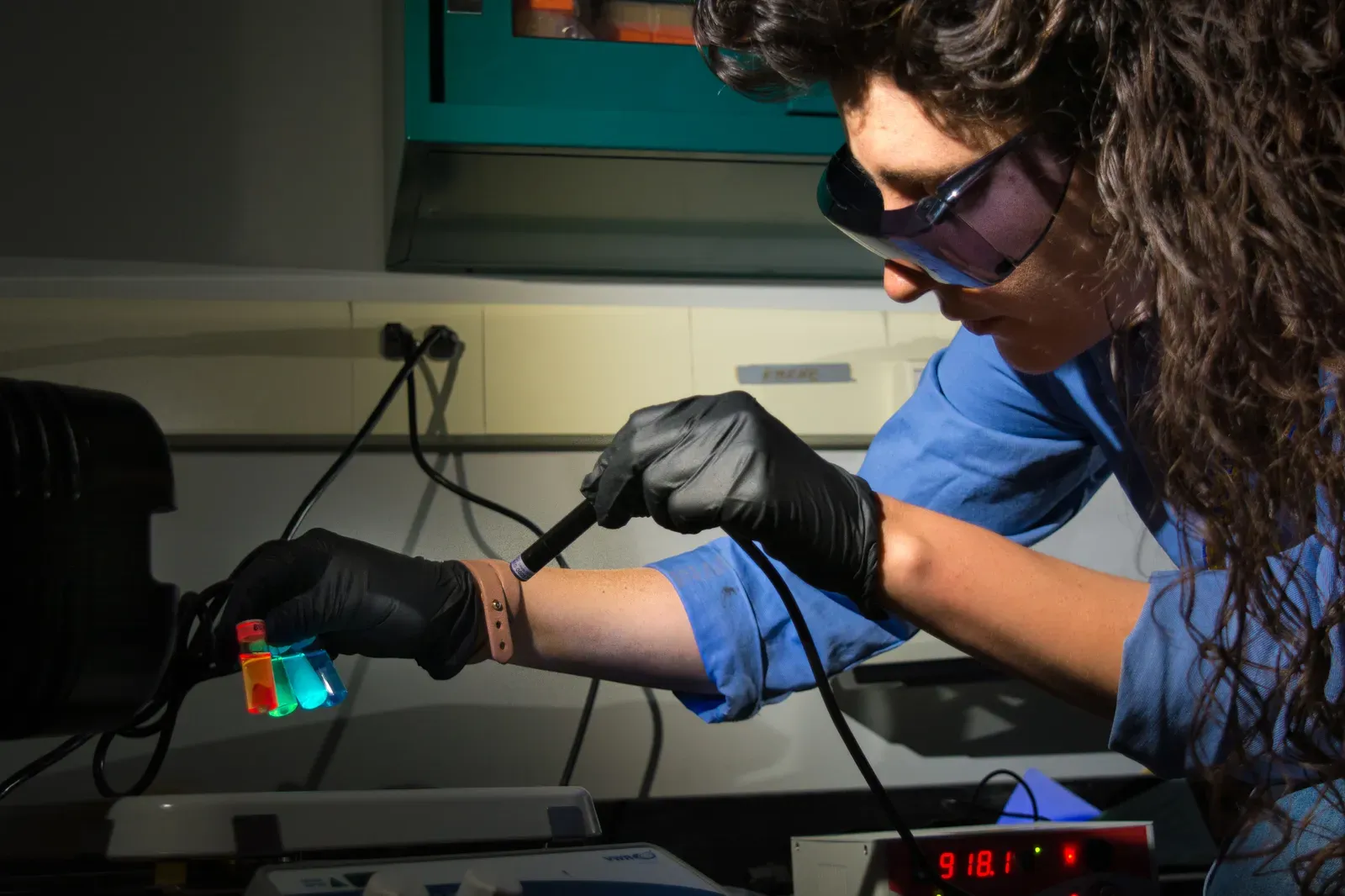
Here's where the confusion really sets in for researchers. A study showed that aspartame and sucralose did not cause measurable changes in the gut microbiota or SCFAs after 14 days of a realistic daily intake in healthy participants. So some controlled trials show no effect at all.
Pre-clinical studies have given conflicting results for various reasons, including the administration method and the differences in metabolism of the same NNS among the different animal species, with a dysbiotic effect of NNS being observed in some human trials, but many other randomized controlled trials reporting a lack of significant impacts on gut microbiota composition.
These studies differed in the number of subjects involved, their dietary habits, and their lifestyle; all factors related to the baseline composition of gut microbiota and their response to NNS, with the scientific community still having no unanimous consensus on the appropriate outcomes and biomarkers that can accurately define the effects of NNS on the gut microbiota. The truth is, science hasn't figured this out completely yet. Some people seem fine, others not so much.
Economic Consequences Nobody Calculated

The market for artificial sweeteners has been projected to increase by almost 75% from 2025 through 2033, or from $3.11 billion to $5.44 billion. That's enormous growth for an industry facing mounting scrutiny.
While more research is needed to establish causation, the cumulative financial strain - from hospitalizations to workforce declines - suggests artificial sweeteners could carry a hidden economic toll that rivals their perceived benefits. When people develop metabolic syndrome, cardiovascular disease, or cognitive decline, society pays the price in healthcare costs and lost productivity.
More than 140 million people in the United States use sugar substitutes. If even a fraction of those people experience negative health outcomes, we're looking at a significant public health burden that could have been avoided.



Leave a Reply