
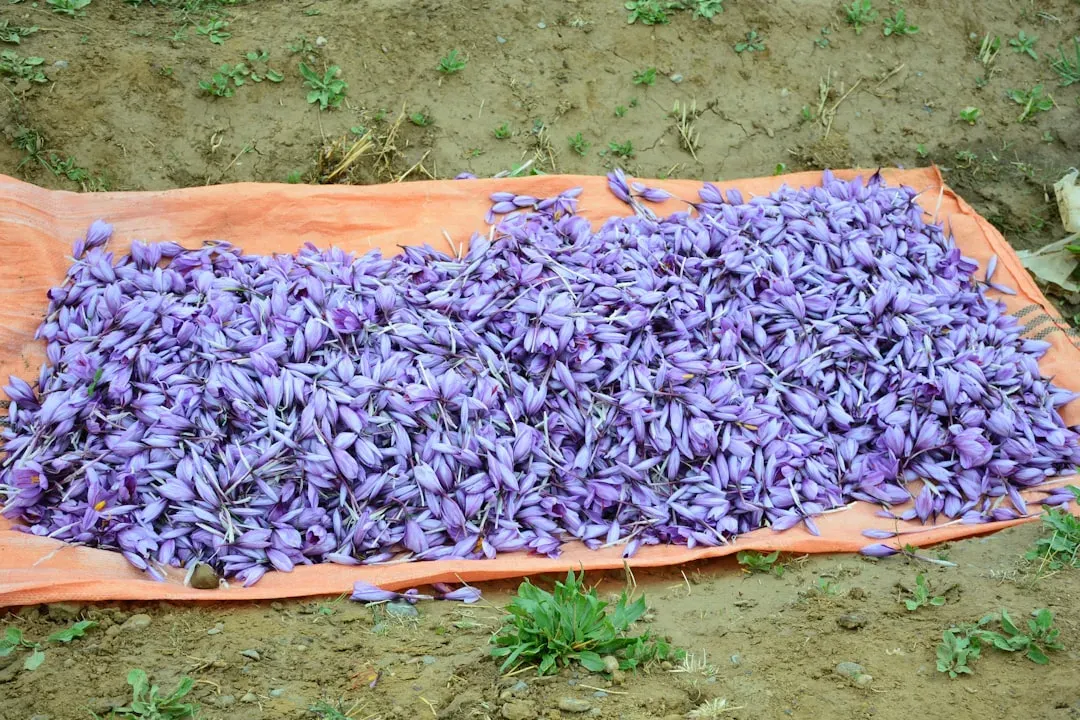
Picture this: roughly about half a football field covered in delicate purple flowers, blooming for just two weeks out of the entire year. Now imagine that each of those flowers contains only three tiny red threads that must be plucked by hand at dawn. That's the reality behind your pinch of saffron. Let's be honest, when you see a price tag that rivals gold, you're probably wondering if someone's having a laugh. Turns out, there's a wild story hidden in those crimson threads that goes way beyond their size.
The Arithmetic That Makes Your Wallet Weep
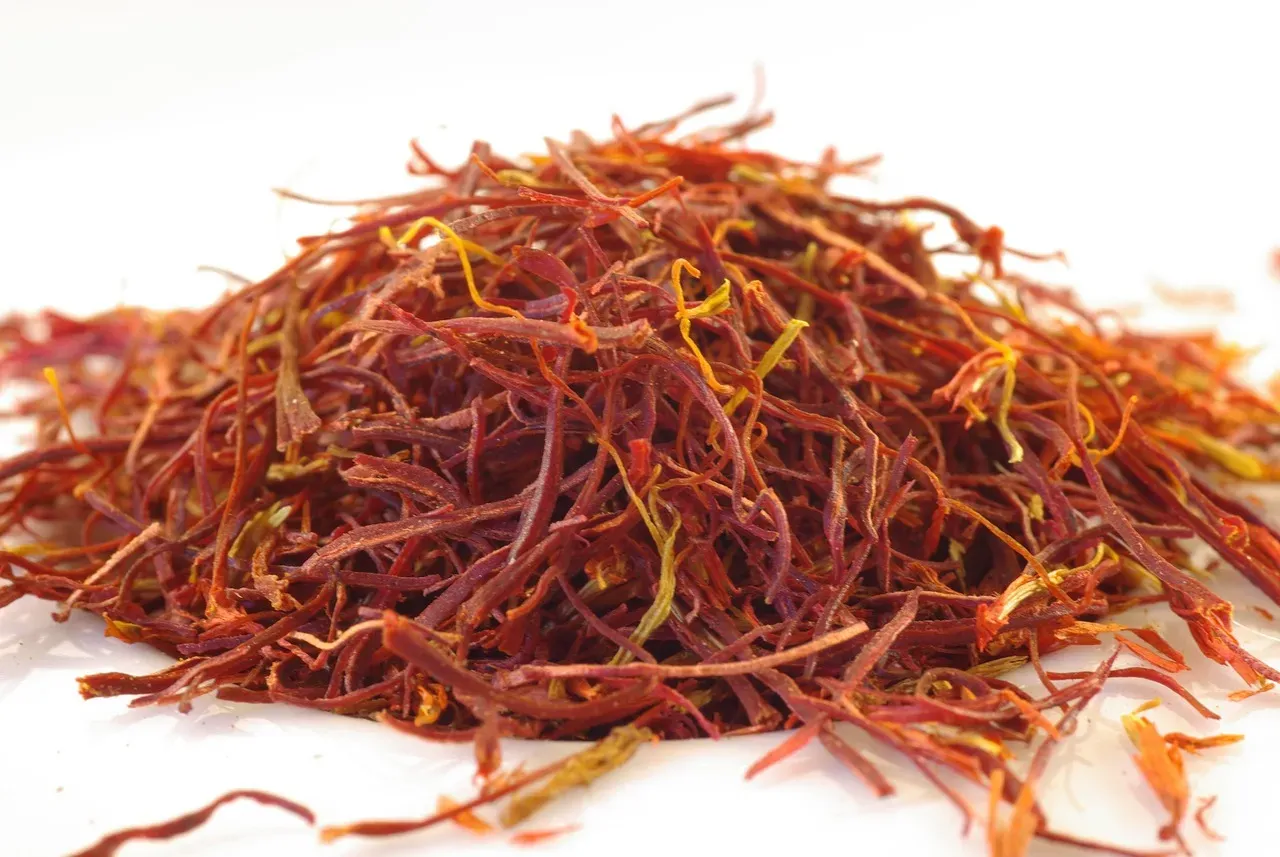
Saffron wholesale prices in 2025 hover between roughly two thousand to three thousand US dollars per kilogram, though premium varieties like Kashmiri saffron or top-tier Iranian saffron typically reach the higher end of this spectrum. Here's where things get bonkers: producing just one kilogram of saffron requires somewhere between 150,000 to 200,000 flowers. Try wrapping your head around that for a second. Each single flower yields merely three saffron threads, and one acre of cultivation produces only about four to eight pounds of dried saffron annually. The math alone explains why this spice commands such outrageous prices, honestly.
A kilogram of high-quality saffron may cost between five thousand and ten thousand dollars, which sits far below the sixty thousand to seventy thousand dollar per kilogram price of gold. Still, we're talking about a spice here, not a precious metal you can melt down and wear around your neck.
The Brutal Truth About Hand Labor
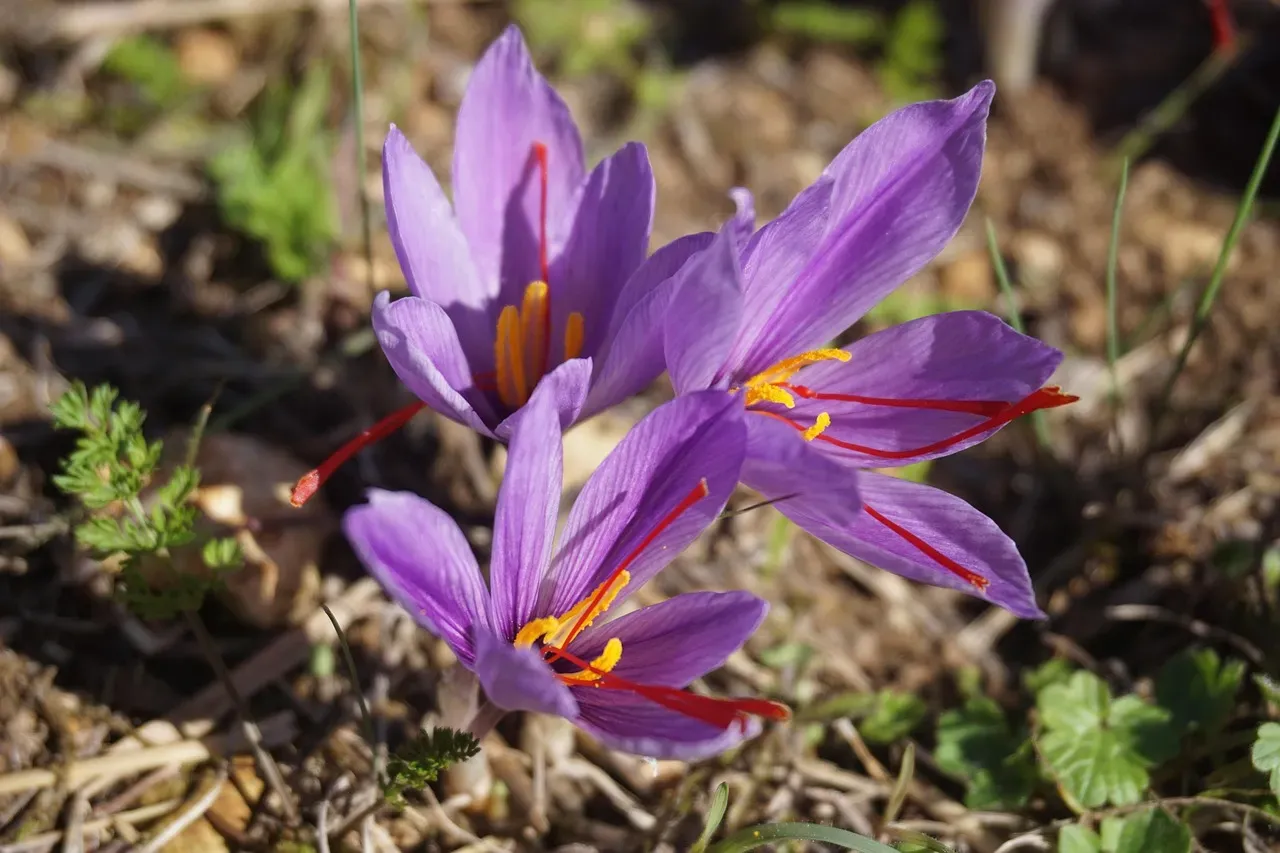
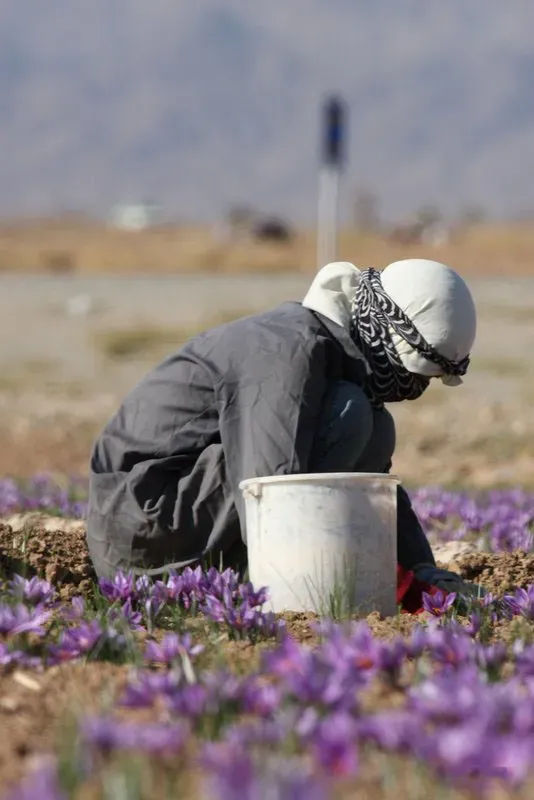
Harvesting flowers and extracting the stigmas must be done entirely by hand to prevent damage, leaving no room whatsoever for mechanization if quality is to be maintained. During harvest time, some growers work up to nineteen-hour days to carefully reap the blooms and extract the few stigmas. That's not a typo. Harvesting requires somewhere between 370 to 470 hours of labor per pound of finished saffron. Think about that the next time you casually toss a pinch into your paella.
Blossoms are picked every other day from the crack of dawn until midday because any later and the sun will have wilted the flowers. During peak flowering periods, harvesting happens twice daily, in early mornings and evenings. The majority of people gathering blooms are women because the hard and unforgiving work requires bending over with your pelvis tilted and legs apart, and women are generally better genetically suited to work in such conditions. It's backbreaking stuff that deserves respect.
Growing Saffron Isn't for the Faint of Heart
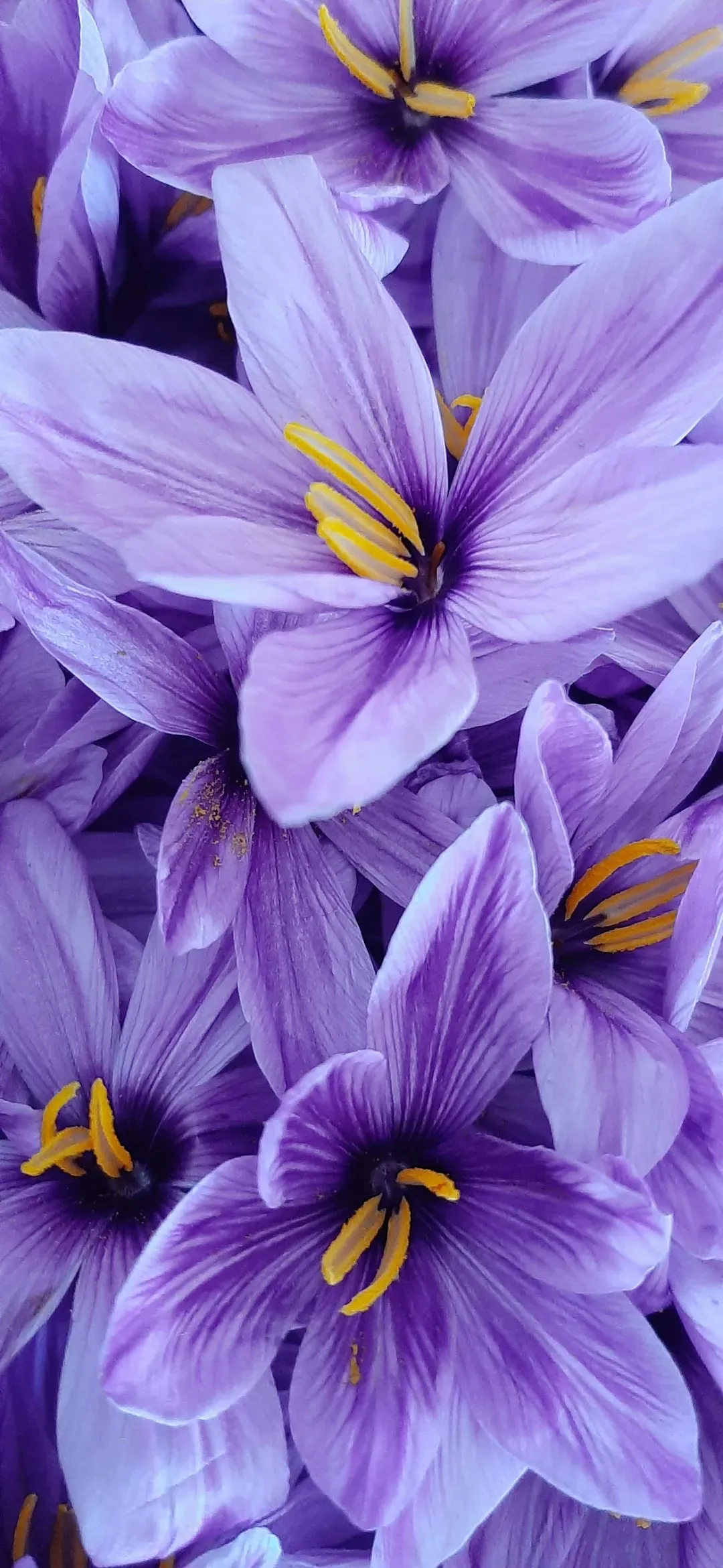
Saffron can only be grown in specific climatic conditions, requiring a long, hot, dry summer for the corm to enter dormancy and a cold, wet winter to induce flowering. The world's finest saffron thrives in regions with hot, dry summers, cold winters, and well-drained calcareous soils at elevations between one thousand to two thousand meters. This pickiness means almost all saffron grows in a belt from Spain in the west to India in the east, with Iran responsible for around eighty-eight percent of global production.
Saffron blooms in autumn, typically mid-October to early November depending on climate and location, and timing is critical because flowers must be picked at dawn when they bloom before the delicate stigmas dry out or get destroyed by the sun. Most saffron farming operations require three to five years to become profitable, with first-year yields around half to one kilogram per acre as corms establish themselves and full production typically reached in year three or four. That's a serious patience game.
Iran's Staggering Market Domination
As of 2024, Iran produced roughly ninety percent of the world total for saffron. Let me repeat that: one country controls nearly the entire global supply. Iran produces about three hundred tons of saffron annually, mainly in the provinces of Khorasan, Fars, Isfahan, and Kerman, and Iranian saffron is known for its high quality, aroma, and color. Most Iranian saffron is exported to Turkey and Spain, where it is graded and resold into the global market.
Afghanistan comes second, producing over sixty-seven tons in 2023. Indian-administered Kashmir is the third largest producer with annual production of twenty-two tons in 2019. The concentration of production in just a handful of places creates fascinating dynamics for pricing and availability.
The Chemistry Behind Those Golden Hues
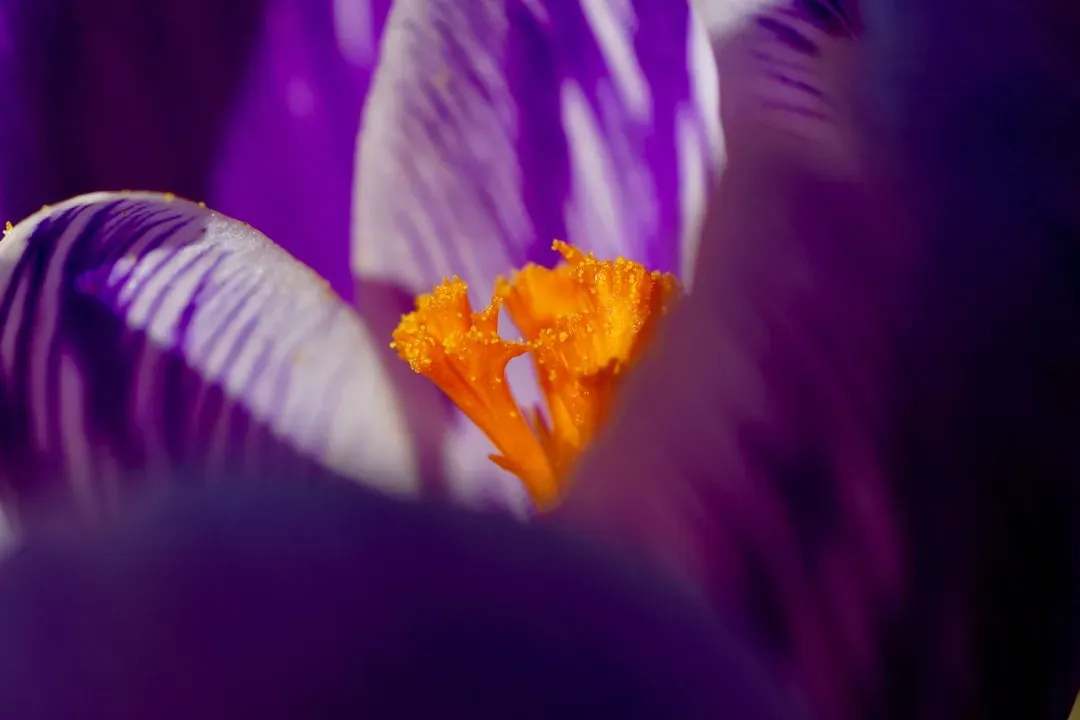
The quality of saffron is determined by its color, aroma, and flavor, which are determined by biocomponents crocin, picrocrocin, and safranal, with crocin responsible for saffron's color, picrocrocin for its flavor, and safranal for its aroma. Iranian saffron typically scores highest in crocin content at 190 to 250 on the ISO scale, giving it exceptional coloring power, while Kashmiri saffron often leads in safranal content at 25 to 35, creating a more complex floral aroma.
Kashmiri saffron boasts an impressive crocin content of about eight percent, surpassing the roughly six point eight percent typically found in Iranian saffron. This quality difference reflects in market prices, with Kashmiri saffron today costing around fifty thousand rupees more compared to Iranian saffron because of strict adherence to organic farming practices without any fertilizers.
Culinary and Medicinal Demand Never Sleeps
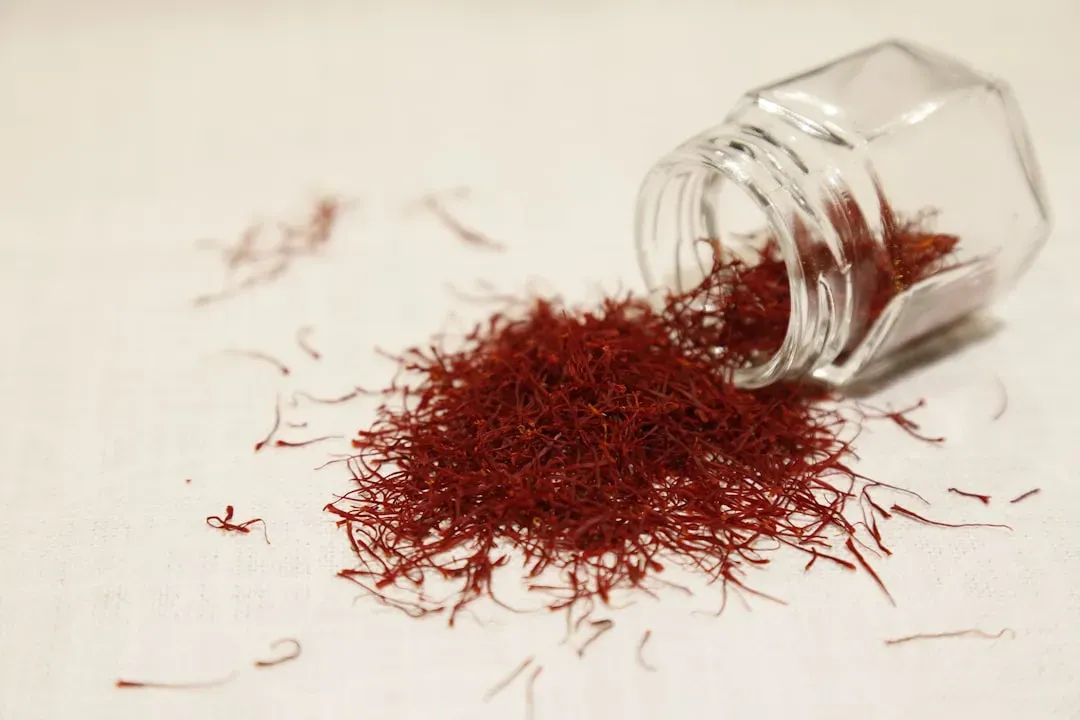
Demand for saffron as a natural food coloring agent is rising in the food industry, while traditional medicine and Ayurvedic practices amplify its use in pharmaceuticals and nutraceuticals. Rising awareness about saffron's medicinal properties, including its antioxidant, anti-inflammatory, and mood-enhancing effects, further drives its adoption. By 2023 to 2024, saffron began appearing more frequently in high-end beauty formulations and boutique health supplements, causing demand to skyrocket while supply didn't increase accordingly.
Culinary demand for saffron significantly drives market growth, with its distinct flavor, fragrance, and rich golden-yellow color being highly valued as a critical ingredient in global cuisines. The global saffron market is projected to reach a value of roughly four hundred twenty million dollars in 2025 and is predicted to rise at a CAGR of about seven percent to attain roughly six hundred eighty-nine million dollars by 2032.
The Drying and Processing Precision
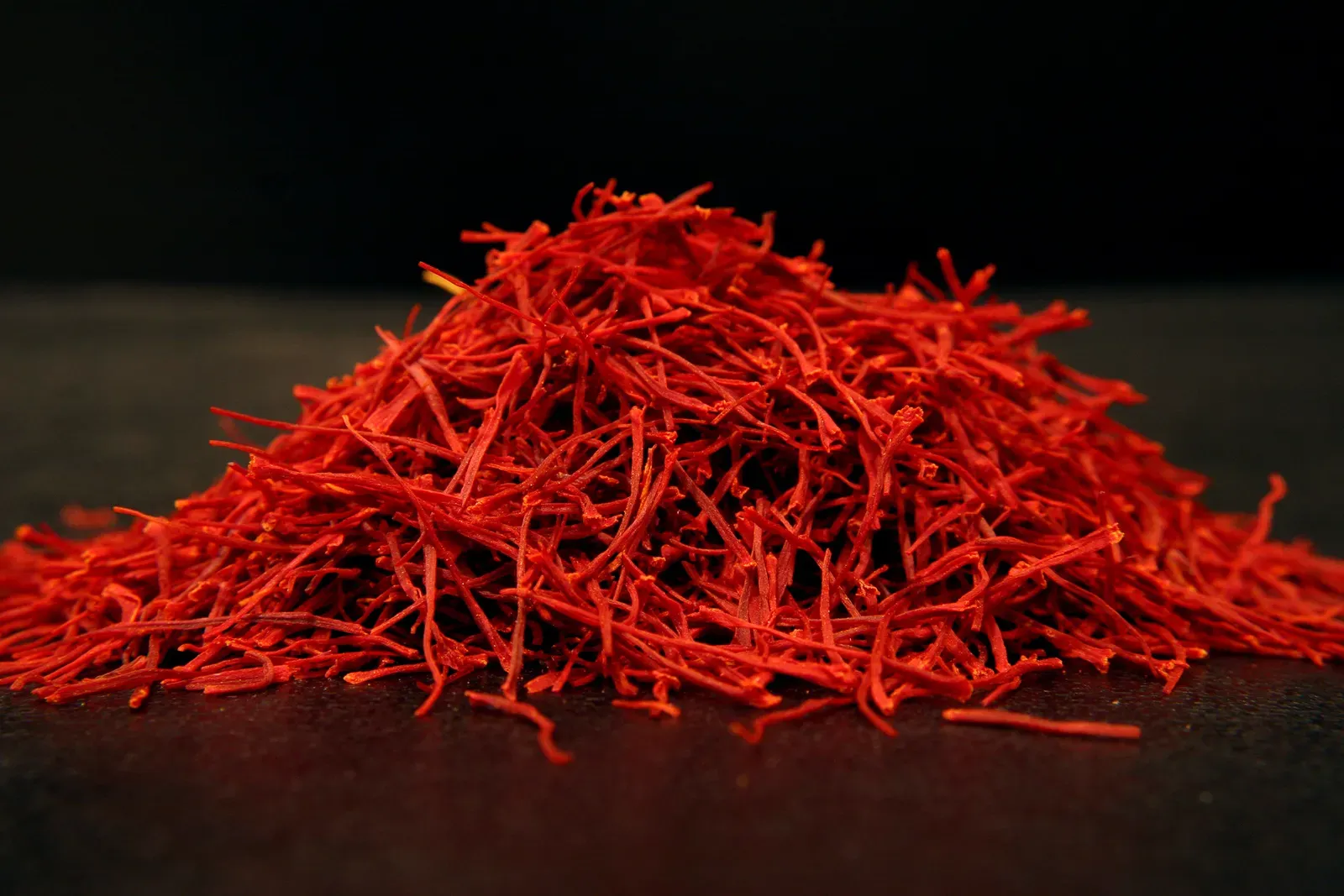
After stigmas are removed from flowers, they are carefully dried to prevent spoilage and preserve their vibrant color and unique flavor, with the drying process being a crucial step as it helps remove excess moisture and prevent the growth of mold or bacteria. This process reduces the weight of saffron strands to roughly a fifth of their original weight. That's an insane loss. The delicate stigmas undergo immediate drying, traditionally over charcoal fires but increasingly using controlled electric dehydrators, to reduce moisture content from eighty percent to ten to twelve percent.
Even after the arduous harvesting and drying process, saffron must be stored correctly because exposure to light, moisture, or oxygen can degrade its valuable compounds, requiring airtight glass containers kept in dark, cool conditions. Every single step impacts the final product's value.
When Fraud Gets in the Game
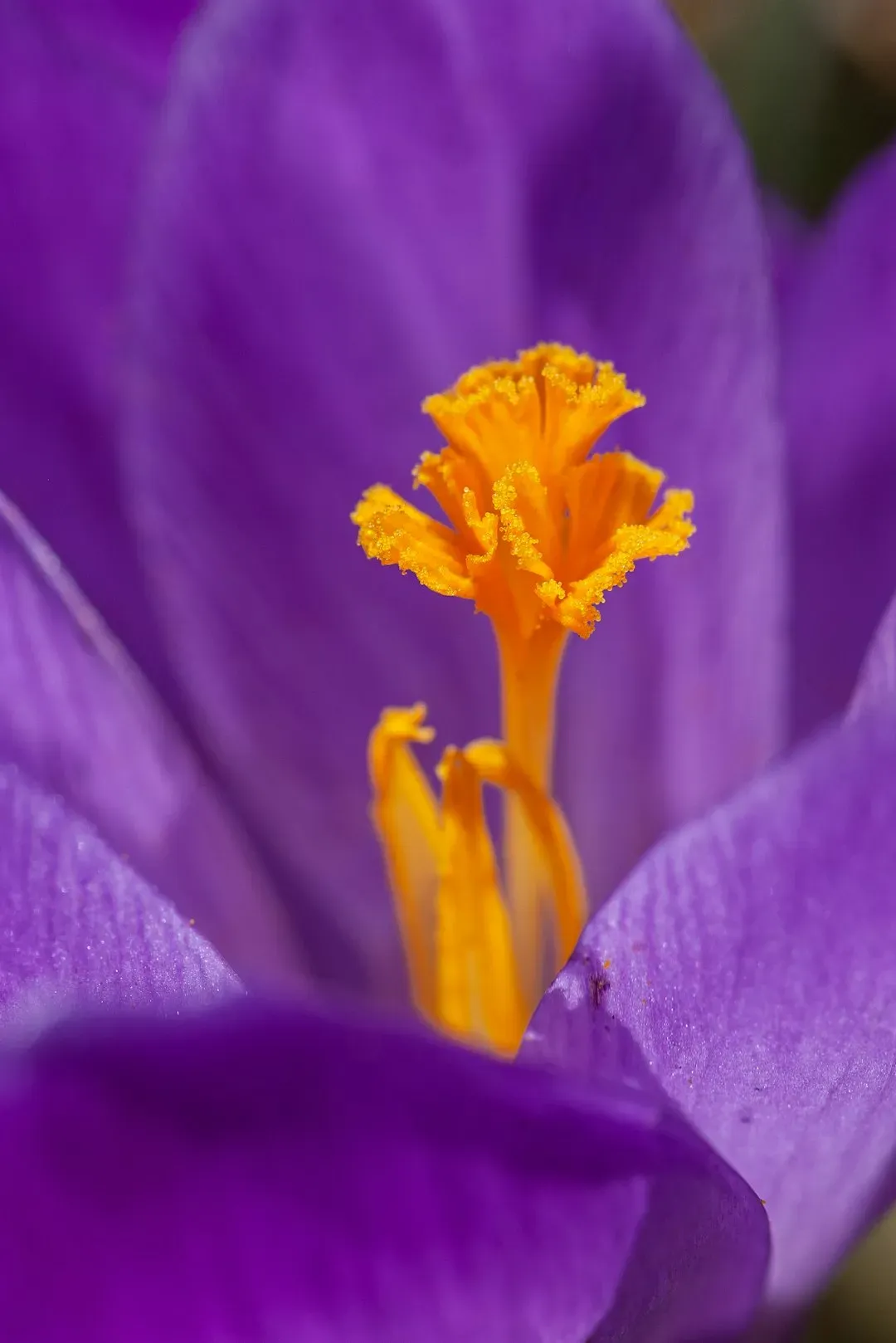
Here's where things get ugly. Saffron is one of the most frequently adulterated foods, with powdered saffron more at risk than whole saffron. Industry experts estimate that thirty to fifty percent of saffron sold worldwide contains some level of substitution. That's absolutely staggering. The biggest food safety issue with saffron fraud is probably the use of synthetic dyes to boost the color of fraudulent whole saffron and saffron powder, with Sudan I-IV and Rhodamine B dyes having been found in saffron and considered potentially genotoxic and carcinogenic.
Spanish police arrested seventeen suspected members of a criminal network that allegedly made about ten million euros mixing saffron with other herbs and chemicals and selling it as pure, high-quality saffron. Adulteration among market samples ranged from roughly two percent to seventy-one percent, with mean adulteration at about thirty-six percent, and surprisingly, adulteration strongly correlated with procurement location, with tourist areas showing higher fraud rates.
Climate Change Throws a Wrench Into Everything
Climate change, insufficient irrigation systems, and importation of less expensive saffron from abroad have made cultivation more difficult over time, with some region's unrest also affecting production and export. Kashmir's saffron cultivation is witnessing a dramatic decline, seeing a roughly sixty-seven percent decline in production as a consequence of cement dust pollution, cheaper Iranian imports, erratic profits, and limited rainfall. That's heartbreaking for farmers who've cultivated this crop for generations.
Saffron farming faces significant challenges including climate change impacts and labor shortages for the intensive hand-harvesting process, requiring approximately 150,000 flowers to produce just one kilogram of dried saffron. Several factors could push saffron prices higher beyond 2025, including climate change reducing yield in major producing regions and geopolitical restrictions impacting saffron exports.
The Economics No One Talks About
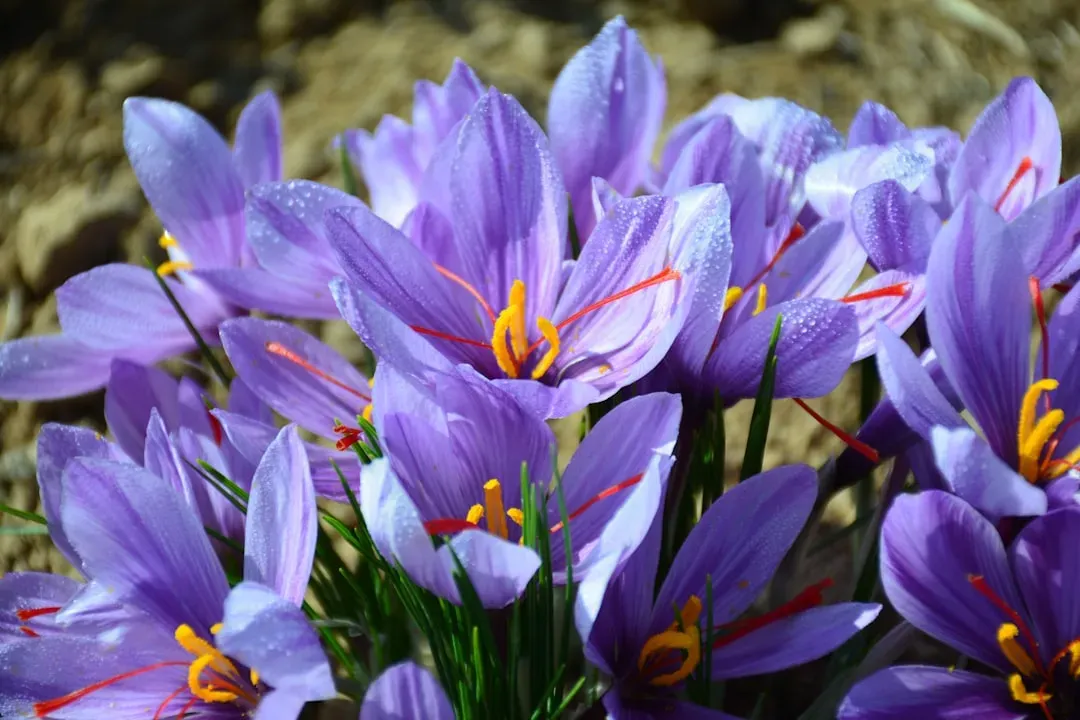
Each hectare of saffron land can yield nearly one point two to one point seven kilograms of saffron if best farming practices are deployed, with stripping nearly 150 flowers of saffron yielding about one gram. Let that sink in. Saffron crocus plants cost around five to seven US dollars per kilogram during growing season, but you only get about ten grams of actual saffron from that kilo. No wonder the economics look so wild.
Nearly 120,000 families in Kashmir are involved in saffron farming, contributing to India's production of around twenty-two metric tons annually. In Kashmir, saffron cultivation is concentrated in three districts: Budgam, Pulwama, and Srinagar, with over thirty thousand families in the valley relying on this spice for their livelihoods. For entire communities, saffron isn't just expensive - it's survival.
So there you have it. Saffron's astronomical price isn't some marketing gimmick or luxury brand nonsense. It's the mathematical result of brutal harvesting conditions, razor-thin growing windows, massive labor requirements, and a supply chain vulnerable to weather, fraud, and geopolitics. Next time you use a pinch, maybe give those crimson threads a moment of respect. What do you think - is it actually worth more than gold when you consider everything that goes into it?



Leave a Reply