
You know that green paste sitting next to your sushi? The one that clears your sinuses in an instant? Here's the thing: there's a pretty good chance you've never actually tasted real wasabi. I'm serious. That bright green dollop on your plate is likely an imposter, and honestly, most of us have been fooled our entire lives without even knowing it.
The truth is, authentic wasabi is one of the hardest plants to grow on the planet, and it rarely makes it to American restaurants or grocery stores. What you're getting instead is a clever substitute that looks similar but comes from an entirely different plant. Let's dive into why real wasabi is so elusive and what exactly has been fooling your taste buds all these years.
The Real Thing Is Ridiculously Hard to Grow
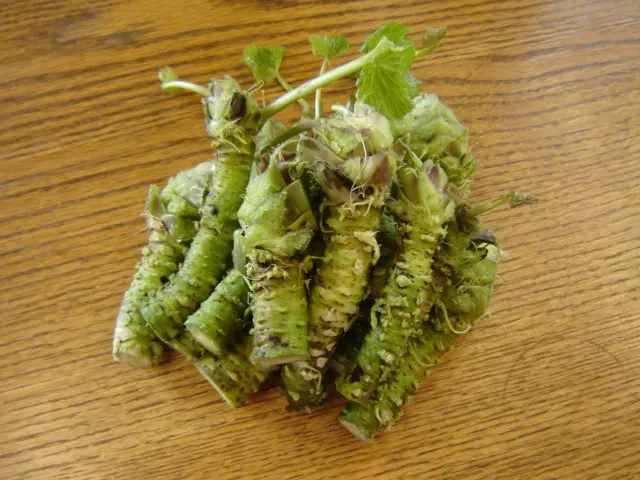
Genuine wasabi, or Wasabia japonica, is notorious for being one of the most difficult crops to cultivate anywhere in the world. This stubborn plant demands very specific growing conditions that are almost impossible to replicate outside its native Japanese mountain streams. It needs crystal-clear, constantly flowing water at temperatures between 46 and 68 degrees Fahrenheit, along with heavy shade and just the right humidity levels.
Even in Japan, where farmers have perfected the art over centuries, growing wasabi remains a challenge. The plant takes at least 18 months to mature, sometimes up to three years, which makes it an expensive and risky investment. One disease or temperature fluctuation can wipe out an entire crop.
A handful of farms in the US have attempted to grow authentic wasabi, primarily in Oregon and North Carolina, but their output is tiny compared to demand. The plants are so temperamental that most attempts fail completely, leaving only a few successful operations that can barely supply high-end restaurants, let alone everyday consumers.
It's Shockingly Expensive

Because real wasabi is so difficult to produce, it comes with a price tag that would make most restaurant owners flinch. Fresh wasabi root typically costs between 75 and 100 dollars per pound, sometimes even more depending on quality and availability. That's roughly the same price as premium cuts of beef or luxury seafood.
For a restaurant serving hundreds of customers daily, using authentic wasabi would send food costs through the roof. Most sushi spots operate on relatively thin profit margins already, and spending that kind of money on a condiment just doesn't make financial sense. Even upscale establishments often reserve real wasabi only for their most expensive omakase experiences.
The math simply doesn't work for the average dining experience. When you're paying 15 dollars for a California roll, the restaurant can't justify adding several dollars more just for a tiny amount of genuine wasabi paste.
What You're Actually Eating Is Horseradish
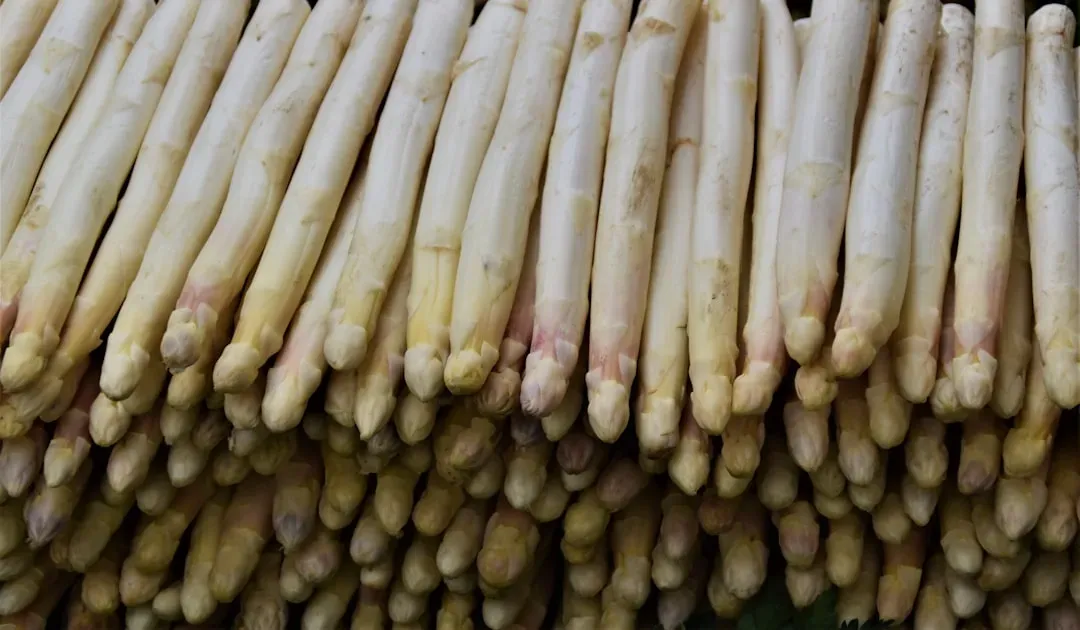
So what's in that green paste you've been eating all along? The vast majority of "wasabi" served in American restaurants is actually a mixture of horseradish, mustard powder, and green food coloring. Horseradish belongs to the same family as wasabi, which explains why it produces that familiar burning sensation in your nose, but the flavor profile is noticeably different if you know what to look for.
This substitute has become so widespread that it's essentially the industry standard. Walk into nearly any grocery store in America, grab a tube of wasabi paste or powder, and check the ingredients. You'll almost certainly find horseradish listed first, with maybe a tiny percentage of actual wasabi if you're lucky.
The swap works because most people have never tasted real wasabi to compare. The horseradish blend delivers that sharp, sinus-clearing kick we associate with Japanese cuisine, so diners don't question it. It's become what we think wasabi should taste like, even though it's fundamentally different.
Real Wasabi Tastes Completely Different
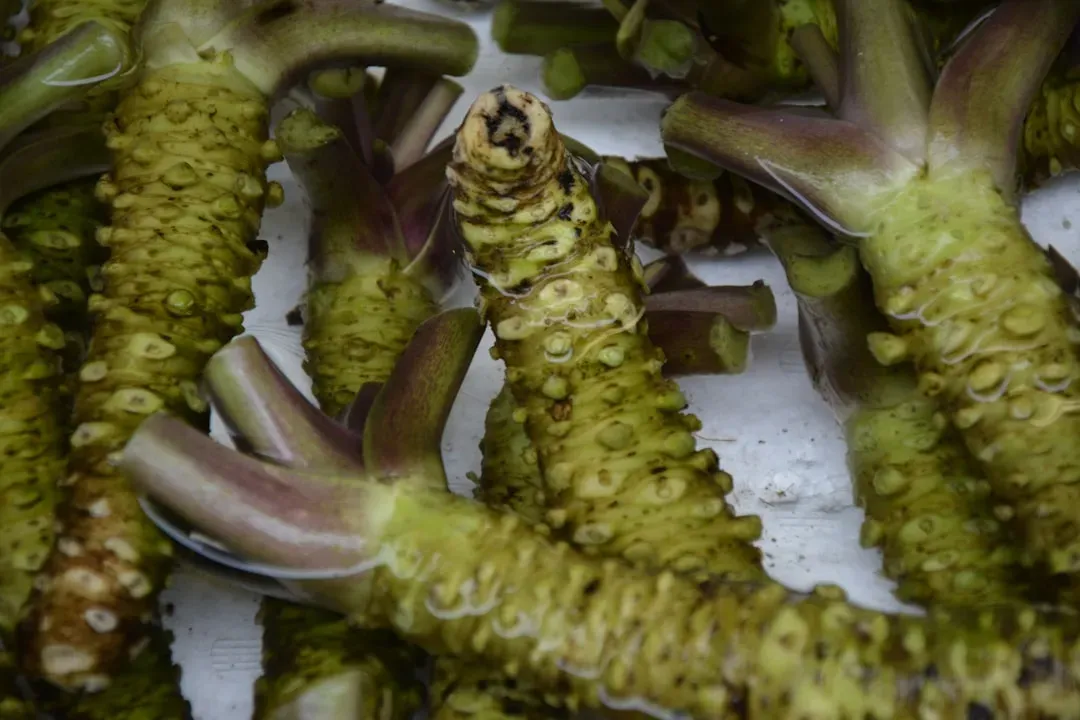
If you ever get the chance to try authentic wasabi, you'll immediately understand why it's so prized. The flavor is more complex and nuanced than the horseradish substitute, with a sweetness and herbal quality that the fake stuff completely lacks. The heat hits differently too, building gradually rather than exploding in your sinuses, and it fades away much faster.
Fresh wasabi has a delicate, almost floral aroma that enhances the natural flavors of fish rather than overpowering them. Sushi chefs who use the real thing often grate it fresh for each order because its flavor and potency start degrading within just 15 minutes of being grated. That's part of what makes it so special but also so impractical for most restaurants.
The texture is different as well. Genuine wasabi paste has a slightly grainy quality from the freshly grated rhizome, while the horseradish substitute is usually completely smooth. It's a subtle distinction, but once you notice it, you can't unsee it.
Even in Japan, Fake Wasabi Is Common
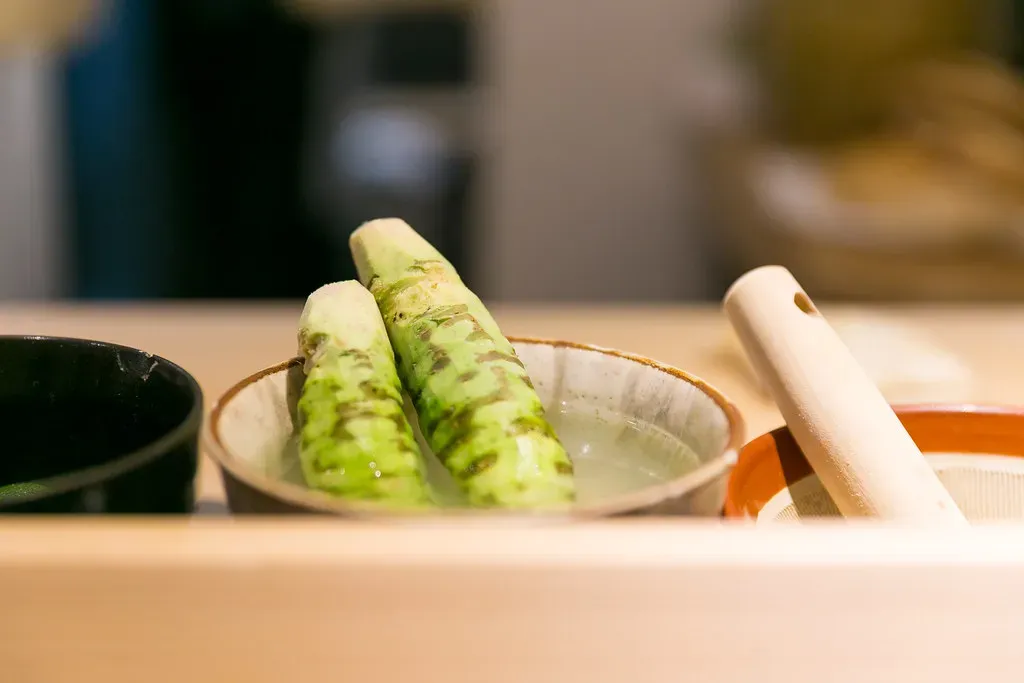
You might think traveling to Japan would guarantee an authentic experience, but honestly, even there you'll often encounter the same horseradish substitute. Many everyday sushi restaurants throughout Japan use the fake stuff too, reserving real wasabi for special occasions or higher-end establishments. The economics are similar, genuine wasabi is expensive even in its home country.
The difference is that in Japan, diners are generally more aware of what they're getting. It's less about deception and more about practical cost management. Some mid-range restaurants might offer real wasabi as an optional upgrade for customers willing to pay extra, making it clear what the standard offering actually is.
That said, if you visit traditional sushi restaurants or specialty wasabi farms in regions like Shizuoka or Nagano, you'll definitely find the real deal. These places treat wasabi as an art form, using traditional graters made from sharkskin to achieve the perfect texture.
The Flavor Fades in Minutes
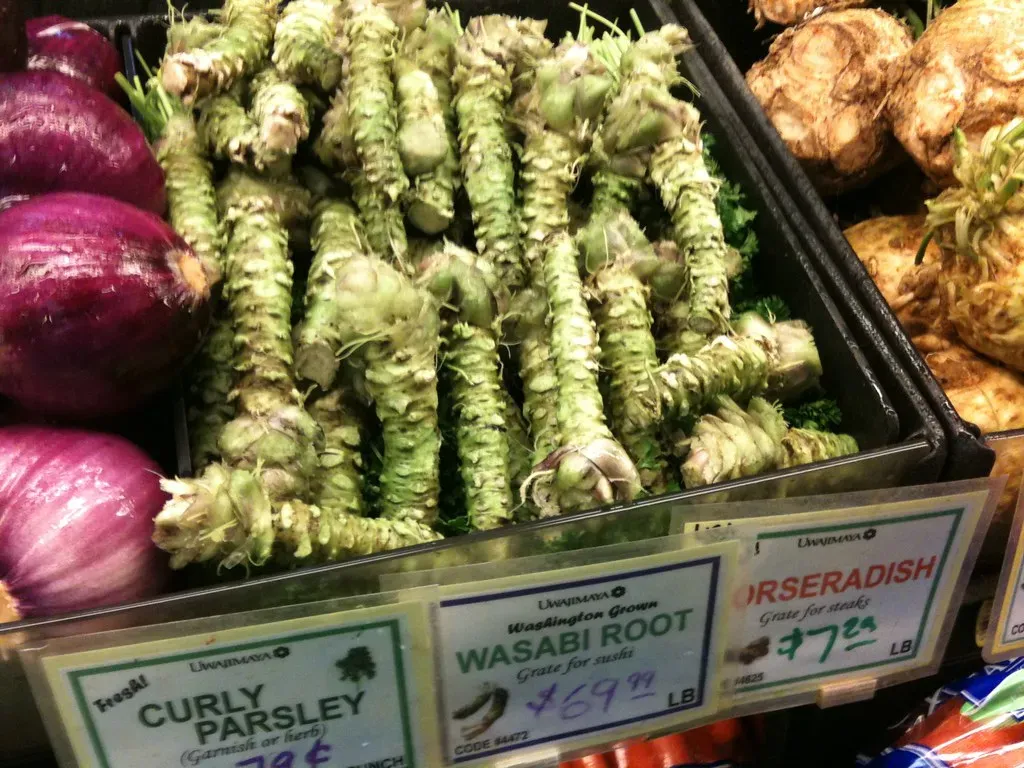
One of the biggest challenges with authentic wasabi is its incredibly short shelf life once prepared. The moment you grate fresh wasabi, its distinctive flavor and aroma compounds begin breaking down rapidly. Within 15 to 20 minutes, you've lost a significant portion of what makes it special. After about half an hour, it tastes noticeably different, almost flat compared to its initial brightness.
This fleeting quality is part of why it's so revered in traditional Japanese cuisine but also why it's impractical for mass use. Restaurants would need to grate fresh wasabi constantly throughout service, which requires time, skill, and dedicated staff. The horseradish substitute, in contrast, can sit for hours or even days without significant flavor loss.
Pre-grated authentic wasabi products do exist, often frozen or preserved in some way, but they sacrifice much of what makes fresh wasabi extraordinary. It's hard to say for sure, but many chefs argue that preserved real wasabi isn't much better than a high-quality horseradish blend at that point.
Some US Restaurants Do Serve the Real Thing
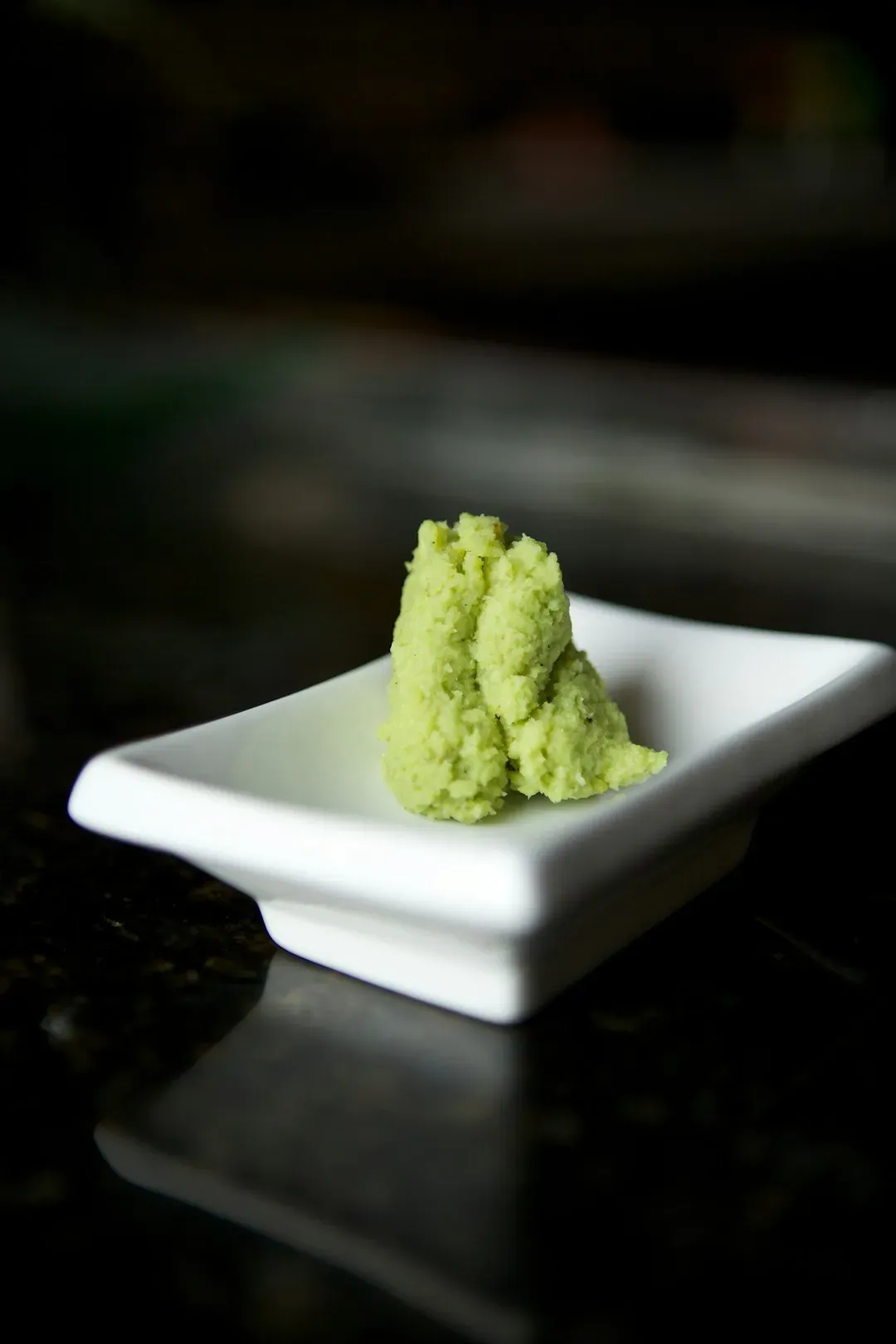
Despite all these challenges, a small number of American restaurants have committed to serving genuine wasabi. High-end sushi establishments in cities like New York, Los Angeles, and San Francisco sometimes feature the real thing, particularly in their omakase menus where customers expect an elevated experience worth the premium price.
These restaurants often make a point of grating the wasabi tableside or right before serving, turning it into a small performance that highlights the ingredient's rarity and quality. They'll use a traditional sharkskin grater or an oroshigane, explaining the process to diners who might be experiencing authentic wasabi for the first time.
If you want to try real wasabi in the US, your best bet is calling ahead to upscale Japanese restaurants and asking specifically if they offer it. Be prepared to pay significantly more for your meal, as this ingredient alone can add anywhere from 10 to 30 dollars to the final bill depending on the restaurant.
You Can Grow It Yourself, But Good Luck
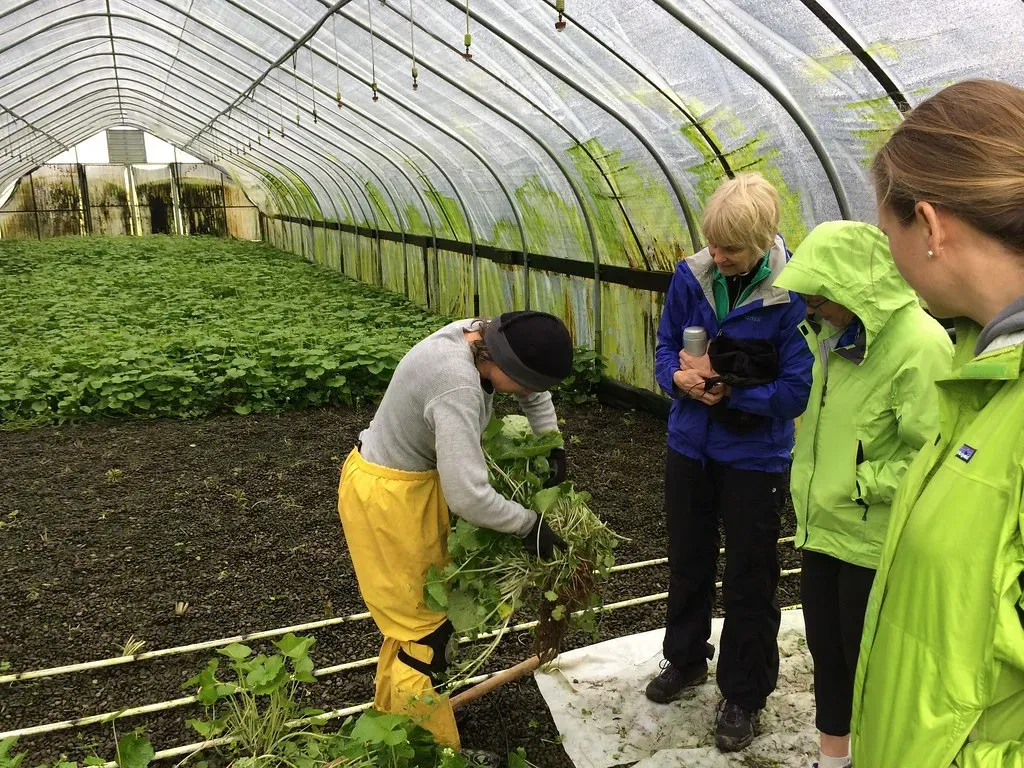
Some adventurous home gardeners have attempted to grow wasabi in their backyards or greenhouses, and while it's possible, success is rare. You'd need to recreate those demanding conditions: cold, constantly running water, heavy shade, and perfect humidity. Most attempts end in failure, with the plants dying long before they reach maturity.
A few specialty nurseries sell wasabi starter plants or rhizomes, but they come with stern warnings about the difficulty level. Even experienced gardeners struggle with this plant. Think of it as the orchid of the vegetable world, except arguably more finicky and with a much longer growing period before you see any results.
Some people have had better luck growing wasabi indoors with carefully controlled hydroponic systems, but the setup costs can run into thousands of dollars. At that point, you're probably better off just buying fresh wasabi root from specialty importers when you want to treat yourself.
Why the Food Industry Prefers the Fake Stuff
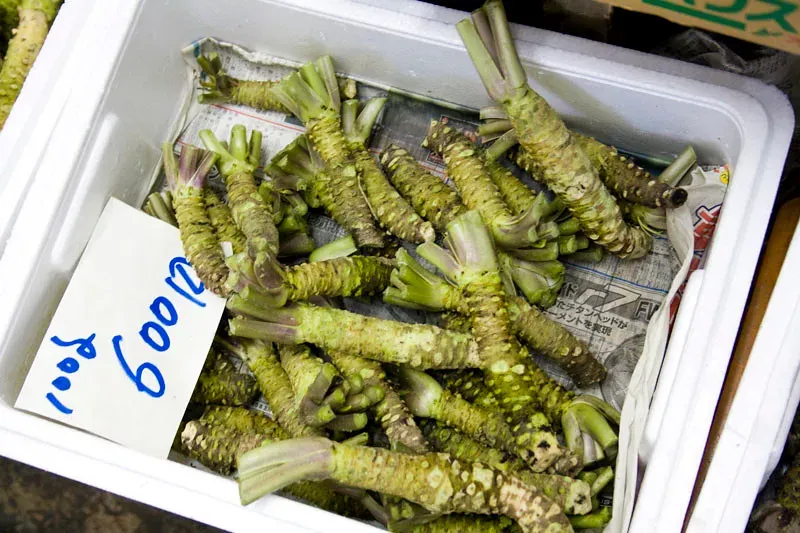
Beyond just the cost and availability issues, the horseradish substitute offers other practical advantages that make it the clear winner for mass production. It's shelf-stable, consistent in flavor, and can be manufactured in huge quantities without worrying about crop failures or seasonal variations. Food safety regulators have fewer concerns because it doesn't contain fresh plant material that could potentially spoil.
Manufacturers can control exactly how much heat and flavor each batch delivers, something that's impossible with natural wasabi where potency varies from plant to plant and even from day to day. This consistency matters to chain restaurants that need identical taste experiences across hundreds of locations.
The horseradish blend also performs better in various food products like wasabi peas, crackers, and flavored mayonnaise. Real wasabi would lose its character completely in these processed applications, making the substitute more practical for the snack food industry.
How to Spot Real Wasabi
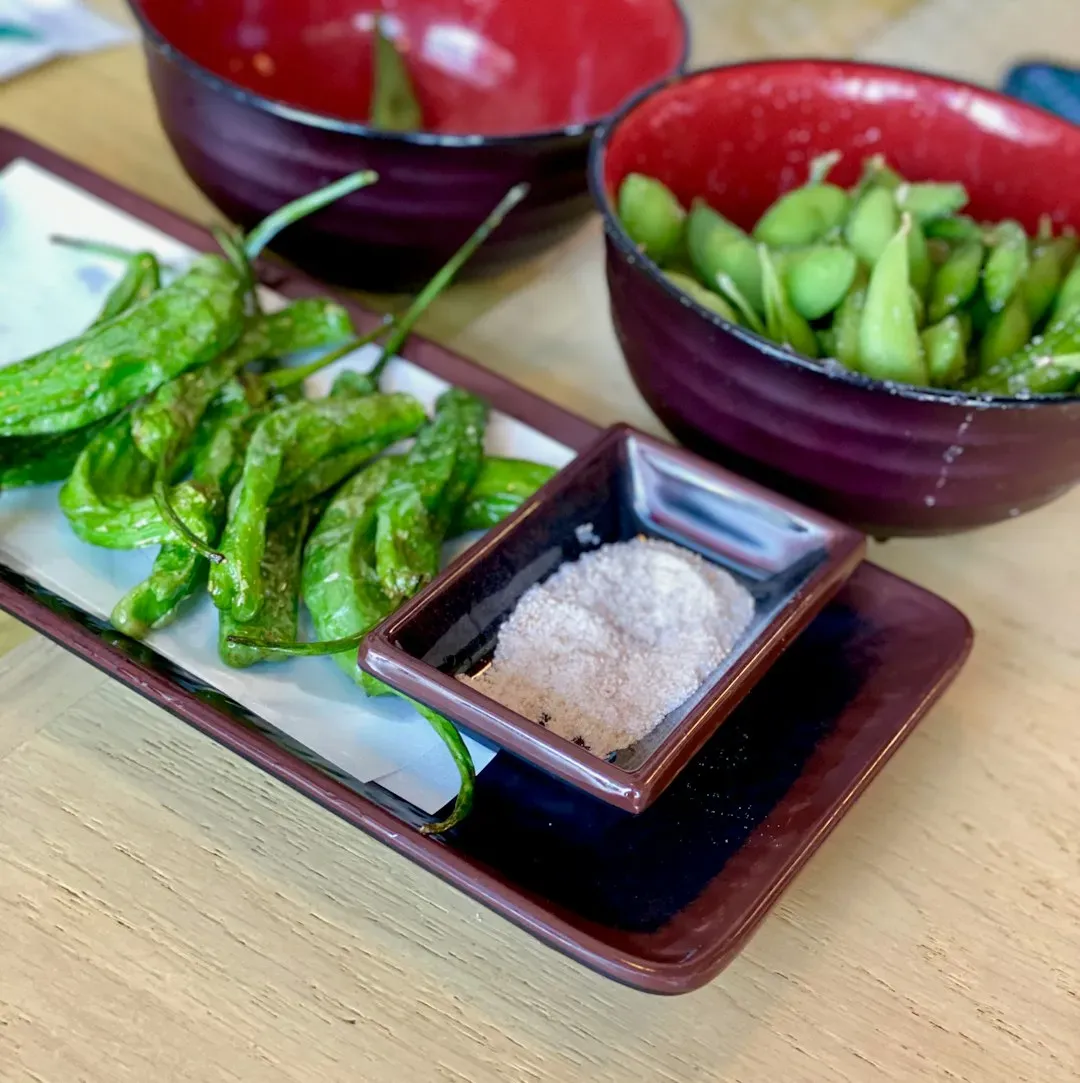
If you're curious whether you're getting authentic wasabi, there are a few telltale signs to look for. Real wasabi is typically served freshly grated with a slightly grainy texture, often with visible bits of the green rhizome. The color is more muted than the bright artificial green of horseradish blends, sometimes appearing almost pale with a slightly yellowish tint.
The taste test is the dead giveaway though. Authentic wasabi delivers a quick, clean heat that dissipates within seconds, leaving behind a subtle sweetness. The horseradish substitute burns longer and harsher, lingering in your sinuses without that pleasant aftertaste. Some people describe real wasabi as almost refreshing compared to the aggressive punch of the fake stuff.
Price is another major clue. If your sushi restaurant charges the same prices as your average strip mall joint but claims to use real wasabi, they're probably not being truthful. Genuine wasabi commands premium pricing, and restaurants that invest in it will make sure you know about it.
Is the Substitute Actually Bad?
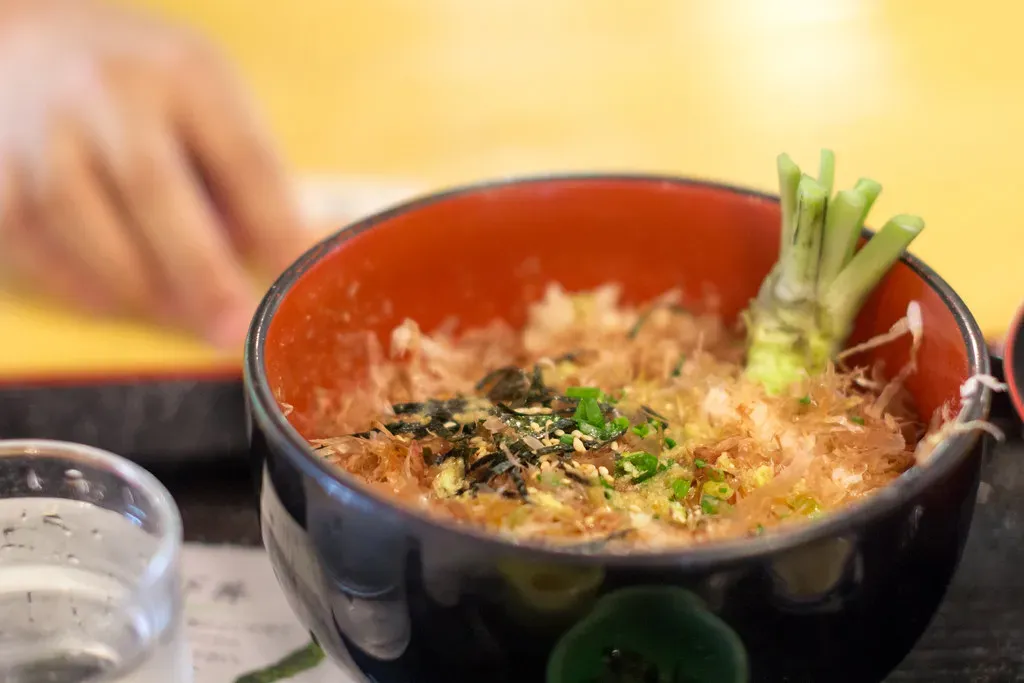
Let's be real for a second, the horseradish substitute isn't inherently terrible. It does its job of adding heat and flavor to sushi, and billions of people have enjoyed it without complaint for decades. The issue is more about transparency and understanding what you're actually consuming rather than the quality of the substitute itself.
Some food purists argue that the fake wasabi completely misses the point of traditional sushi, where every element should enhance and complement the fish. Others say that for casual dining, the substitute works perfectly fine and keeps costs reasonable for everyone. It's hard to argue against either perspective completely.
The health benefits differ somewhat between the two. Real wasabi contains compounds that research suggests may have anti-inflammatory and antimicrobial properties, though more studies are needed. Horseradish offers its own health benefits, including some of the same compounds found in wasabi, just in different concentrations.
The Future of Wasabi in America
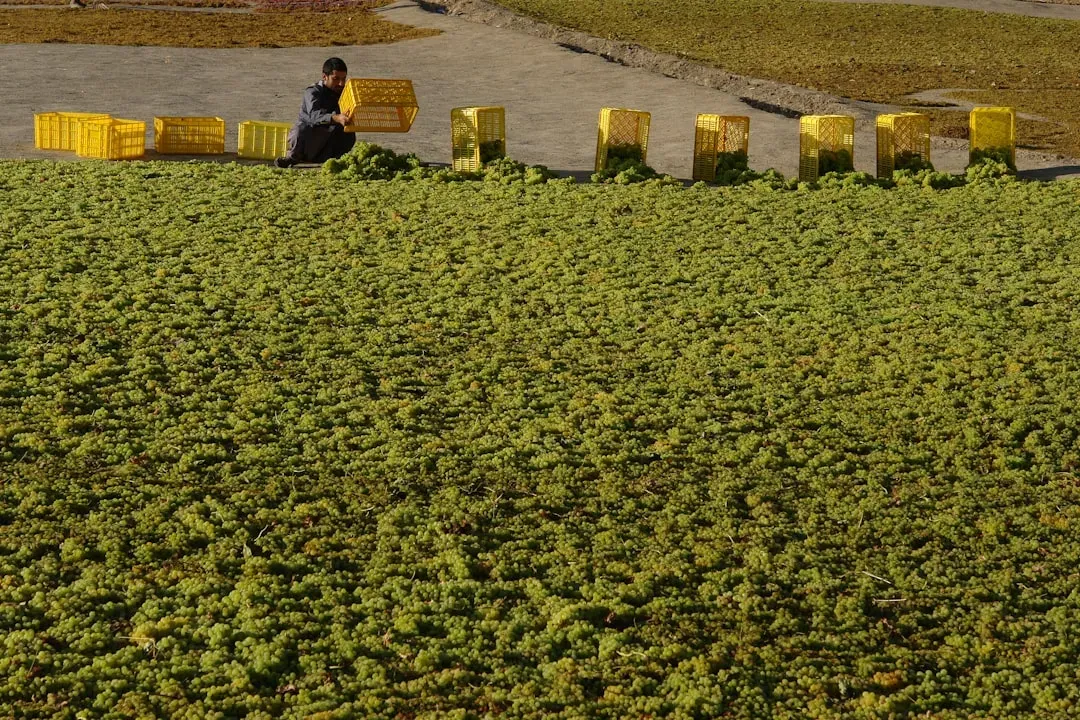
As more American farmers experiment with innovative growing techniques, authentic wasabi might become slightly more accessible in coming years. Some operations are using controlled-environment agriculture and aquaponics systems to overcome the traditional challenges, producing modest but promising yields. These technological approaches could eventually lower costs enough to make real wasabi more common in upscale restaurants.
Consumer awareness is growing too. As food culture becomes more sophisticated and people seek out authentic culinary experiences, demand for genuine wasabi is increasing. This creates economic incentives for more farmers to tackle the challenge despite its difficulties.
Still, don't expect to find real wasabi at your neighborhood sushi spot anytime soon. The economics and logistics remain stubbornly challenging, and the horseradish substitute is deeply entrenched in the industry. Real wasabi will likely remain a specialty ingredient reserved for special occasions and high-end dining experiences for the foreseeable future.
Conclusion
The next time you squeeze that green paste onto your sushi roll, you'll know exactly what you're getting, and more importantly, what you're not. Real wasabi remains one of the culinary world's most elusive ingredients, reserved for those willing to seek it out and pay premium prices. For most of us, the horseradish blend will continue to serve as our stand-in, delivering that familiar burn we've come to expect.
There's something oddly fascinating about discovering that what we've accepted as authentic for so long is actually an elaborate substitute. It makes you wonder what else in our everyday food experiences might not be quite what we think. Have you ever tried real wasabi, or are you curious enough now to seek it out? Let us know in the comments what surprised you most about this wasabi revelation.

Leave a Reply