
You walk into a restaurant, the smell of garlic fills the air, red checkered tablecloths cover every table, and the menu boasts all your favorite Italian classics. Spaghetti and meatballs? Check. Chicken parmesan? Of course. Fettuccine alfredo drowning in cream? Absolutely. There's just one problem. If you tried ordering any of these in Italy, you'd likely get some very confused looks from the waiter.
Let's be real, what most of us think of as Italian food isn't actually Italian at all. It's Italian American, born from immigration, adaptation, and creativity. When waves of Italian immigrants arrived in the United States during the late 1800s and early 1900s, they brought their culinary traditions with them but had to work with what was available. The result? A completely new cuisine that has become iconic in its own right but would make an Italian grandmother shake her head in disbelief.
Spaghetti and Meatballs
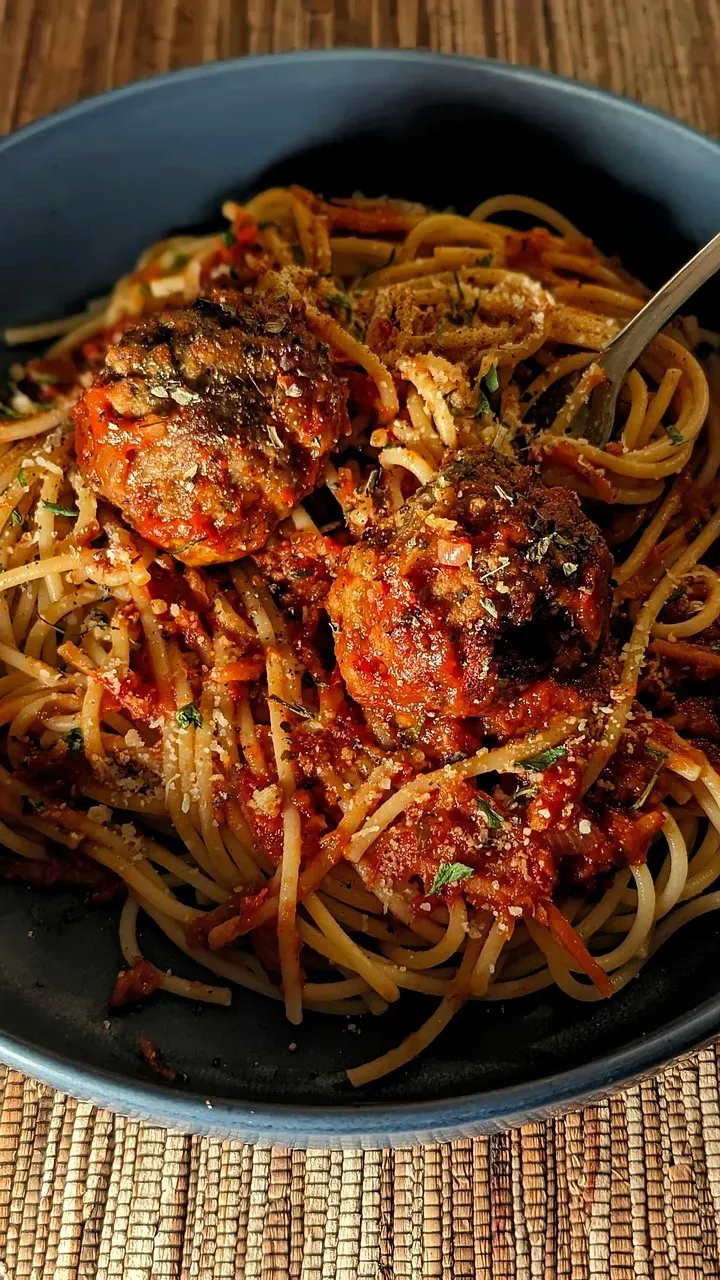
This one might shock you. The dish is widely popular in the United States albeit practically unheard of in Italy, and Italian writers and chefs often mock it as pseudo-Italian or non-Italian. The whole concept of piling giant meatballs on top of a mountain of spaghetti simply doesn't exist in traditional Italian cooking.
In Italy, meatballs (polpette) are served as a standalone dish, not with pasta. They're usually smaller, more delicate, and eaten as a second course after your pasta. The modern version of spaghetti and meatballs was developed by Italian immigrants in New York City, who suddenly had access to affordable meat in quantities they could never afford back home. Combining everything into one hearty plate made sense for busy working families who didn't have time for multiple courses. Spaghetti and meatballs soon became a popular dish among Italian immigrants in New York City, cementing its place in American culinary history.
If you're craving the authentic Italian experience, you'd order your pasta first, finish it completely, then receive your meatballs separately as the main course. No garnish, no mixing, just simple presentation.
Chicken Parmesan
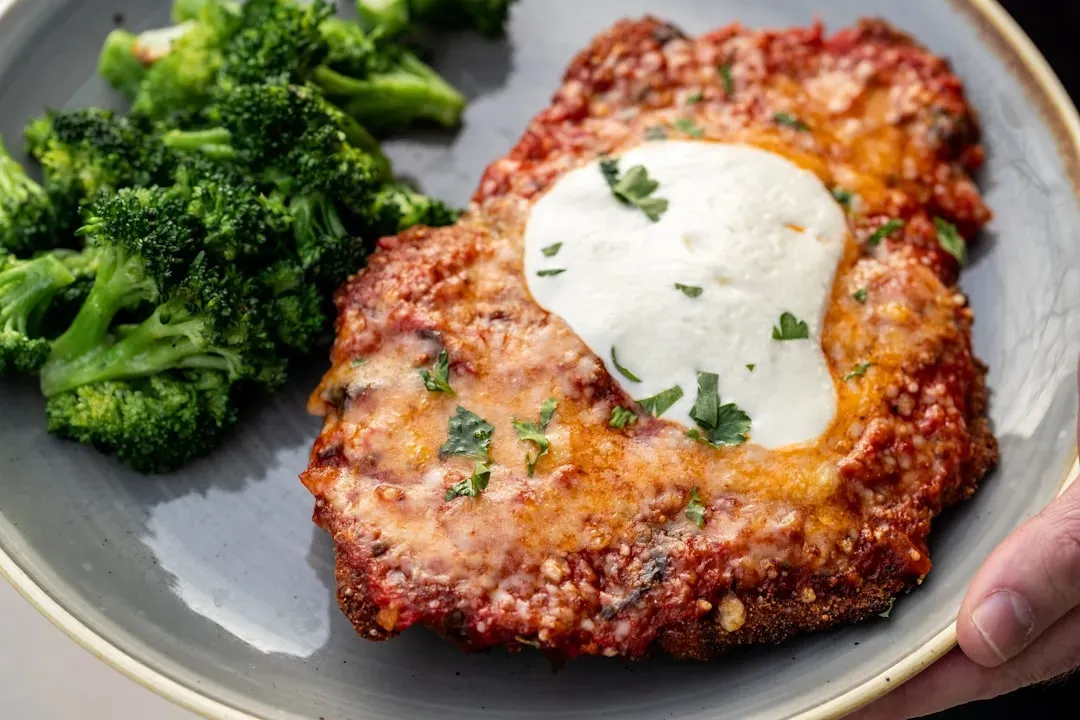
Here's the thing about chicken parm. It's absolutely delicious, wildly popular in America, and completely absent from Italian menus. According to cookbook author Katie Parla, chicken Parmesan is not a dish you will find in Italy. The breaded chicken cutlet smothered in marinara and melted mozzarella that we all know and love? That's a pure American invention.
Chicken (and veal) Parm were invented by immigrants to the United States and Canada, possibly in response to meat being much more affordable than it'd been in the old country. The real Italian dish is eggplant parmigiana, which comes from Sicily and features layers of fried eggplant, tomato sauce, mozzarella, and basil. It's vegetarian and has been faithfully reproduced in some places abroad, but the chicken version? That's all ours.
Italians rarely combine chicken with pasta or heavy cheese sauces. In Italy, we do not mix chicken with pasta, and the idea of breading it, frying it, and drowning it in cheese would be considered excessive. The focus in authentic Italian cooking is on letting quality ingredients shine through simple preparation, not covering everything in layers of cheese and sauce.
Fettuccine Alfredo
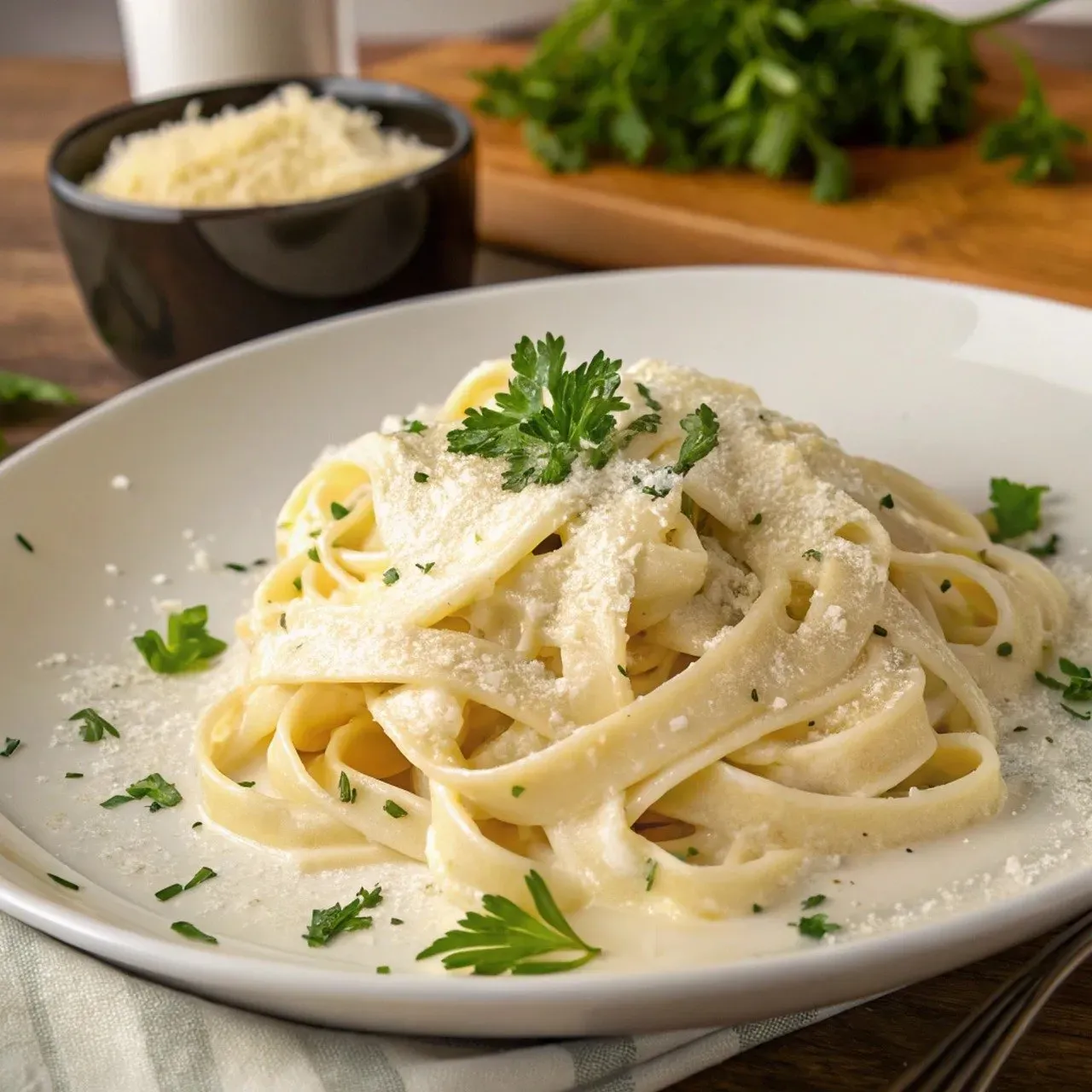
Fettuccine Alfredo is virtually unknown in Italy in the form most Americans eat it. Walk into most restaurants in America and you'll find a rich, creamy pasta dish loaded with heavy cream, butter, and parmesan, often topped with grilled chicken. In Italy, though, this dish barely exists in that form.
The original fettuccine alfredo does have Italian roots. The Alfredo sauce was invented in a restaurant in Rome by Alfredo di Lelio around 1892. He created it for his pregnant wife who was feeling nauseous, making a simple pasta tossed with butter and parmesan cheese. No cream. No chicken. Just three ingredients. Even though it was invented in Rome, it never became popular on the Italian peninsula.
The dish only gained international fame when Hollywood stars Mary Pickford and Douglas Fairbanks ate at Alfredo's restaurant during their honeymoon in 1920 and raved about it back in America. The Americanized version adds cream and chicken for a richer flavor, transforming it into something completely different from the original. A pasta dish covered in butter and cheese is actually way too heavy and we don't like heavy food, according to sources familiar with Italian preferences.
Garlic Bread
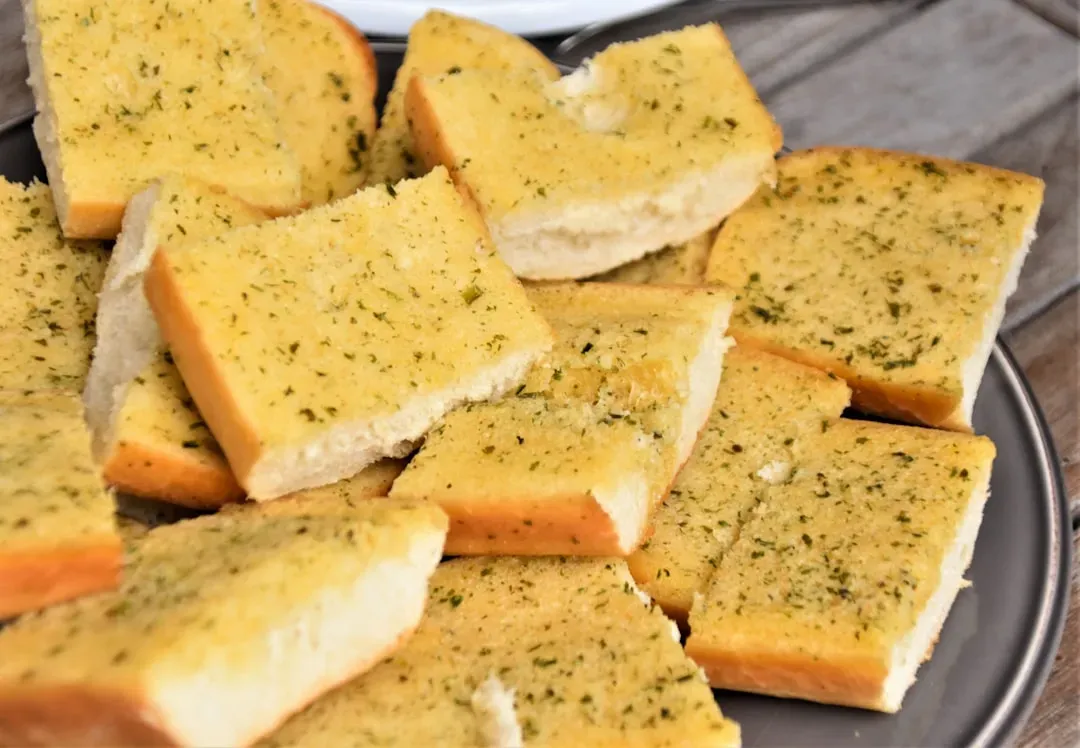
I know it sounds crazy, but garlic bread as Americans know it doesn't exist in Italy. The whole idea of smothering bread in either olive oil with lots of garlic was invented in the USA in the early 1940s. That butter slathered, heavily garlicked, sometimes cheese covered loaf you get at every Italian American restaurant? Totally an American creation.
What you will find in Italy is bruschetta. Bread that's been toasted and then rubbed with oil and seasonings is a real thing in Italy, except it's done by the slice and called bruschetta. It's a simple preparation where toasted bread is rubbed with a fresh garlic clove while still warm, then drizzled with quality olive oil. Sometimes tomatoes are added, but it's never baked as a whole loaf with excessive garlic and butter.
Before that, though, nobody wanted to use garlic because Americans didn't love its heavy scent and pungent raw flavor. Thanks to a spike in Italian-American restaurants as well as Julia Child's cooking (which often included garlic) in the 1960s, this bulb vegetable is now a household staple. The transformation from delicate bruschetta to garlic bread happened because butter was more readily available than good olive oil in America, and the adaptation stuck.
Penne alla Vodka
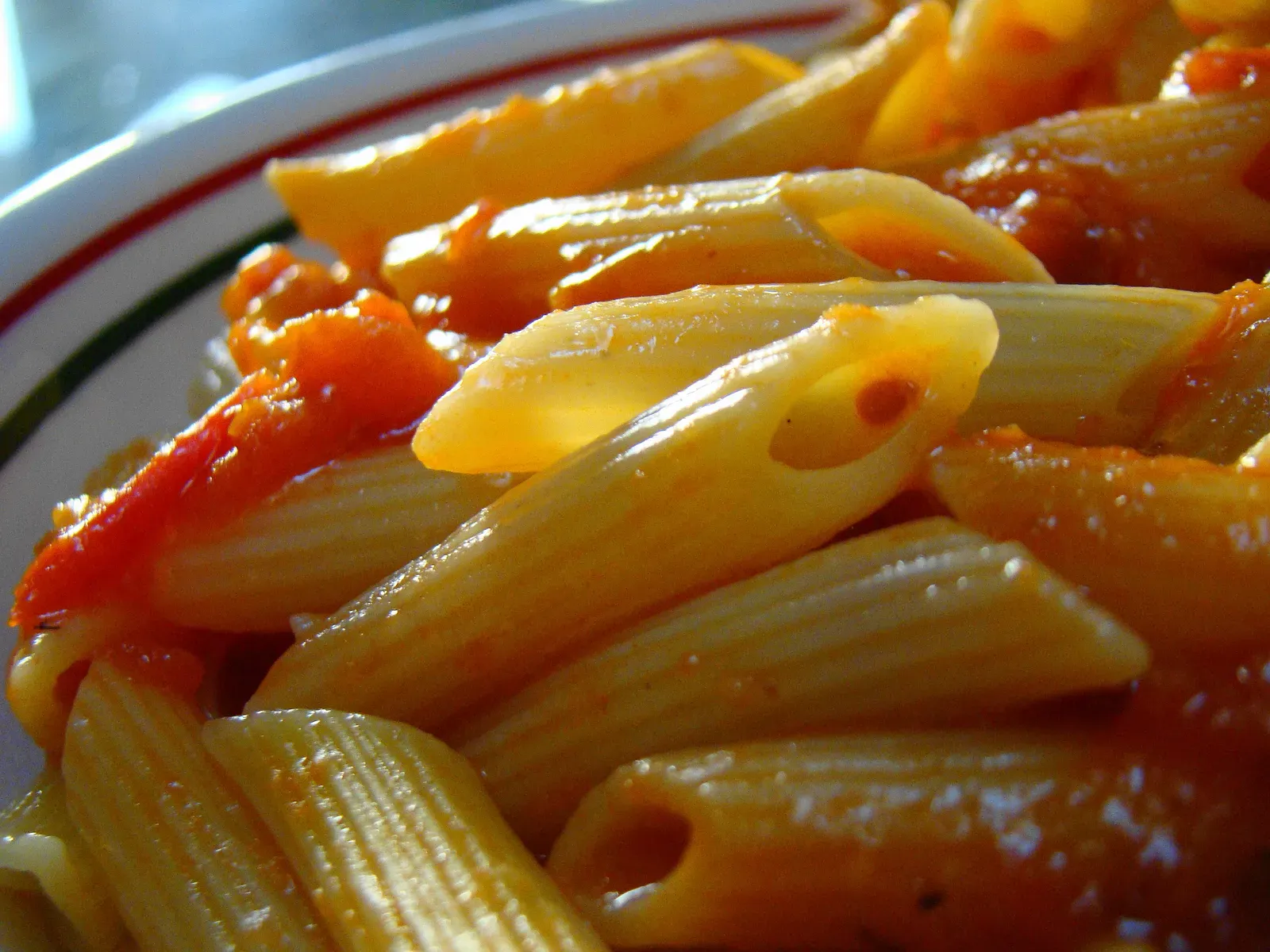
Penne alla Vodka is one of the foods that dont exist in Italy. This creamy tomato pasta dish spiked with vodka has become a staple at Italian American restaurants, but its origins are murky at best. It's not truly Italian, but there's a chance it was invented in Italy, either at the behest of vodka importers or by a chef who'd had too much to drink one day.
No one really knows, but you definitely won't find it on a menu in Italy. Some claim it was born in a Bologna restaurant in the 1980s, while others say it emerged in New York. Regardless of where it started, the dish combines cream, tomato sauce, vodka, and sometimes pancetta in a way that feels more American than Italian. The vodka is supposed to enhance the flavors of the tomatoes, but honestly, most Italians would prefer a simple pasta al pomodoro made with fresh tomatoes, garlic, basil, and olive oil.
The heavy cream sauce is particularly un-Italian. Traditional Italian pasta sauces tend to be lighter, focusing on highlighting the pasta itself rather than drowning it in rich, heavy cream. If you want to eat like an Italian, skip the vodka sauce and go for something more traditional and regional.
Caesar Salad
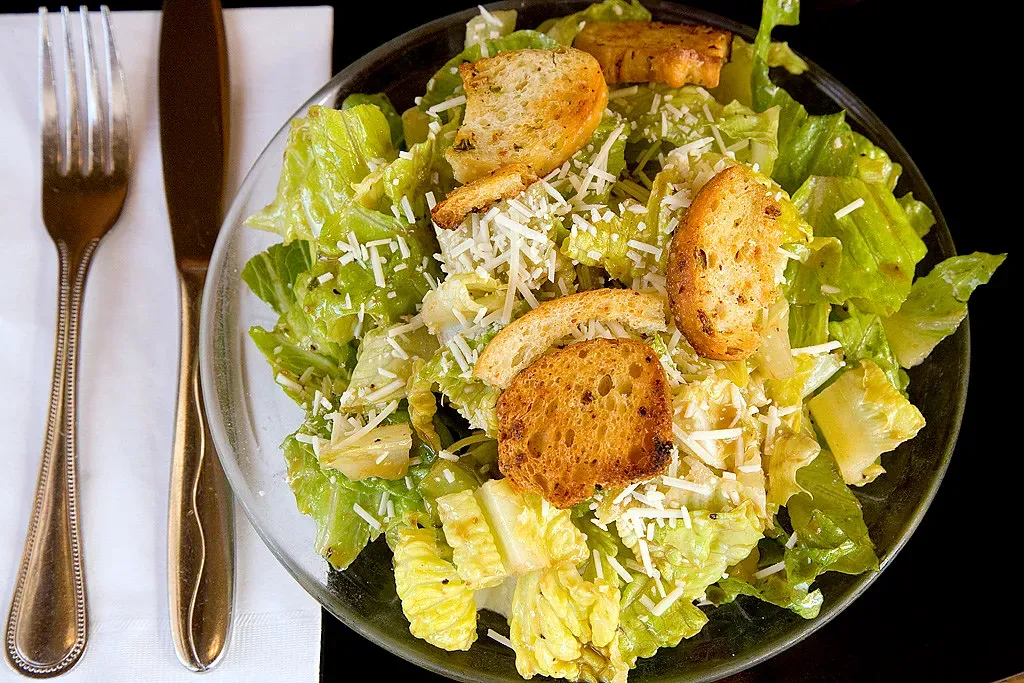
Believe it or not, caesar salad was not created by Italians but was actually created in Tiajuana, Mexico. Despite appearing on virtually every Italian American restaurant menu, this creamy, anchovy laced salad with romaine lettuce and croutons has absolutely nothing to do with Italy or Julius Caesar.
The salad was invented by Caesar Cardini, an Italian American restaurateur who owned establishments in Mexico and the United States. Most people assume Julius Caesar or the Caesar family who ruled Rome was the namesake of the Caesar salad, but in fact, a man named Caesar Cardini, an Italian-American restaurant owner, created it. According to legend, he threw it together on July 4, 1924, when his restaurant in Tijuana was packed with customers and he was running low on ingredients.
In Italy, you won't find this salad on menus unless they're catering specifically to tourists. Italians prefer simple salads dressed with just olive oil and vinegar, letting the quality of fresh vegetables speak for themselves. The heavy, creamy dressing Americans associate with Caesar salad would be considered excessive and unnecessary. If you're in Italy and craving salad, order a simple insalata mista or a Caprese with fresh mozzarella, tomatoes, and basil.




Leave a Reply