
There's something undeniably comforting about the pantry of someone who genuinely knows how to cook. Not the Instagram-perfect, label-forward shelves filled with trendy powders and overpriced granola. No, we're talking about the real thing: a working pantry that tells a story through its contents. These are the shelves stocked not by food trends but by generations of cooking wisdom.
Old-school cooks don't wing it at the store. They think ahead. They know exactly what they'll need before a single pot touches the stove. If you've ever peeked into the kitchen of someone who learned to cook the traditional way, you've seen a certain pattern emerge. Let's dive in.
1. Dried Beans in Bulk
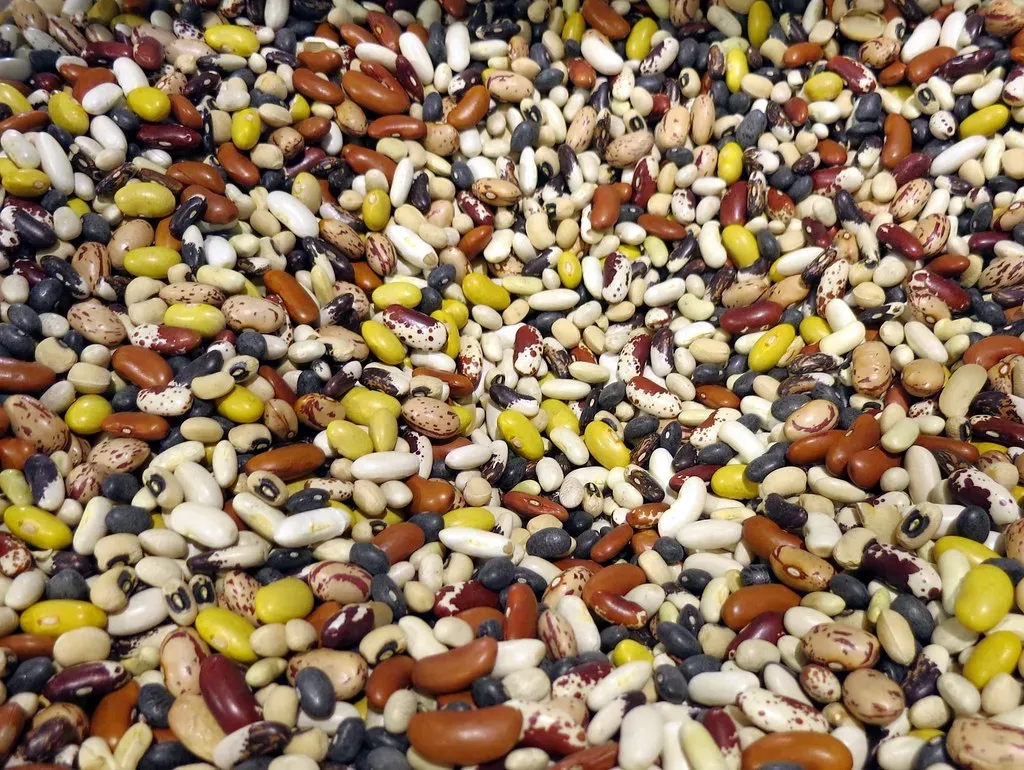
Walk into any pantry built on traditional cooking habits, and you'll almost certainly find a stash of dried beans. Dried beans are traditionally soaked and boiled, and used in traditional dishes throughout the world, including salads, soups, and stews such as chili con carne. This isn't just habit. It's smart kitchen economics.
Beans were pushed as a low-cost source of protein during the Great Depression, and cultivation increased dramatically in the U.S. during World War II, when beans became a staple in military C-rations. That history runs deep. Americans eat an average of 7.5 pounds of beans annually, and the favorite dry varieties include pinto, navy beans, great northern beans, red kidneys, and black beans.
Beans and legumes cost a fraction of the price of meat, making them an affordable way to add protein to soups, chilis, and tacos. Honestly, dried beans are the ultimate pantry flex. They last forever, they're nutritious, and they turn into something soul-warming with nothing but water, time, and a little attention.
2. Canned Tomatoes - Every Form Imaginable
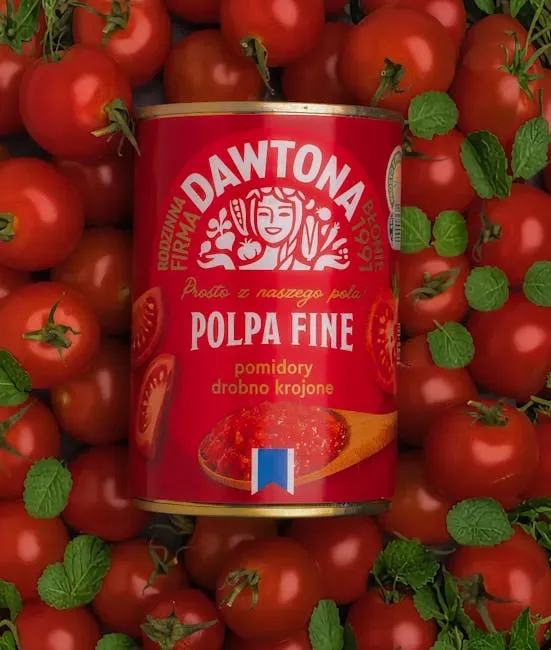
Whole, diced, crushed, paste, sun-dried. Tomatoes are a true heritage diet staple. Of course, they are delicious fresh, but they're also a versatile canned and sundried staple that partners beautifully with herbs and other vegetables in a wide range of traditional dishes. Old-school cooks don't keep one type. They keep all of them.
It can be helpful to keep a handful of tomato products on hand like tomato sauce, diced tomatoes, and tomato paste. Think of canned tomatoes as the building block of everything. Stews, sauces, braises, soups - these all begin with that unmistakable sizzle of tomato paste hitting a hot pan.
Sometimes the heartiest, most comforting meals are made from humble, unfussy pantry staples like beans, pasta, canned tomatoes, or tinned tuna. Traditional cooks figured that out a long time ago. They didn't need a recipe to know that a can of tomatoes is always the answer.
3. All-Purpose Flour - and Lots of It
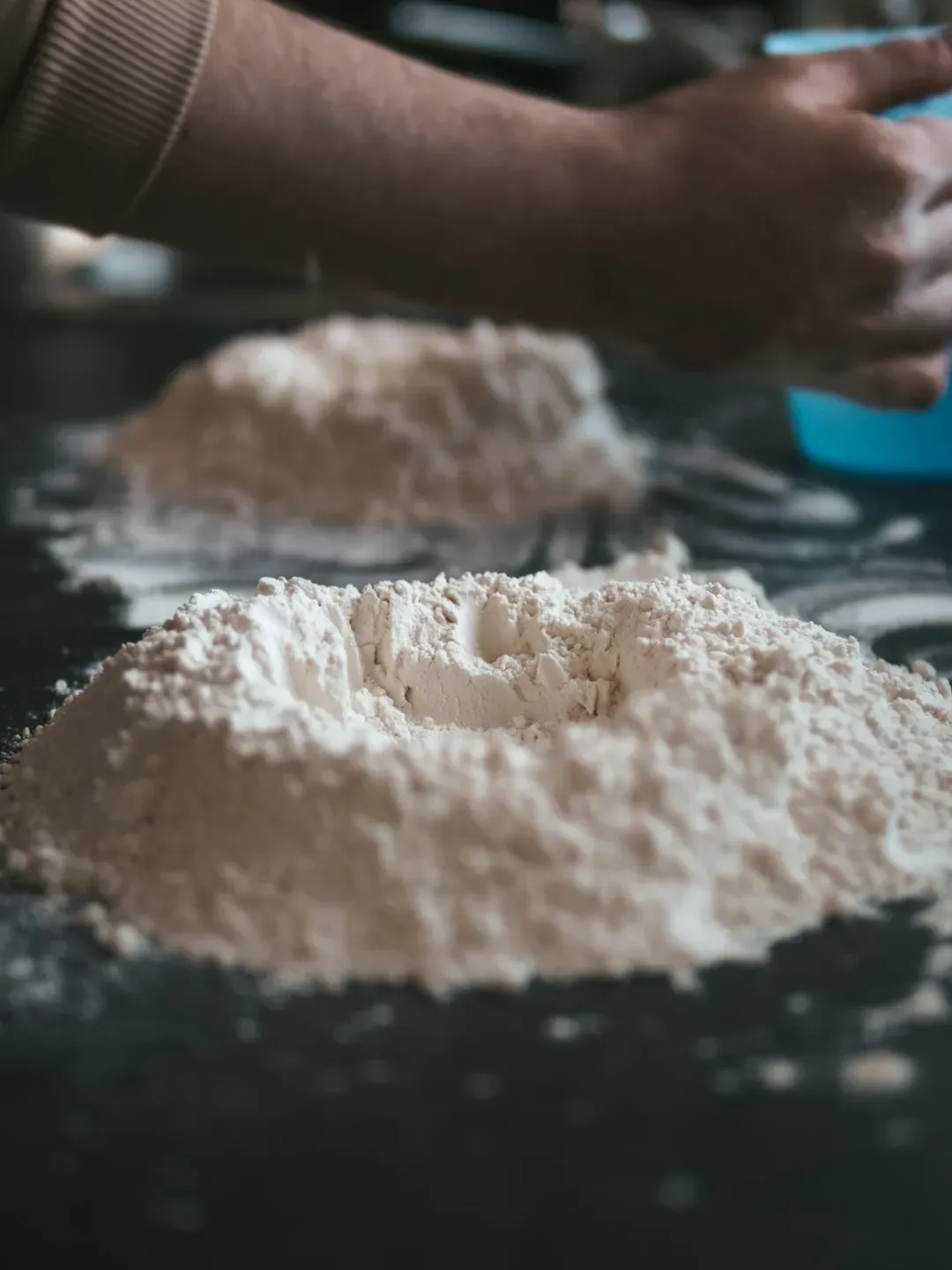
If you've ever watched someone's grandmother make gravy, biscuits, and a pie crust all in the same afternoon, you already understand why flour occupies prime real estate in the old-school pantry. All-purpose flour is a staple to have on hand for cooking, baking, and thickening. Use it to create a roux for gravy, bread crispy chicken, or bake a tasty batch of cookies.
There's almost no category of traditional cooking that doesn't touch flour at some point. From baking mixes and seasoning blends to everyday kitchen basics like broth, sauces, and dry goods, the well-stocked pantry is built the old-fashioned way: from scratch. Flour is the foundation of that whole system.
4. A Full Spice Rack of Dried Herbs and Seasonings
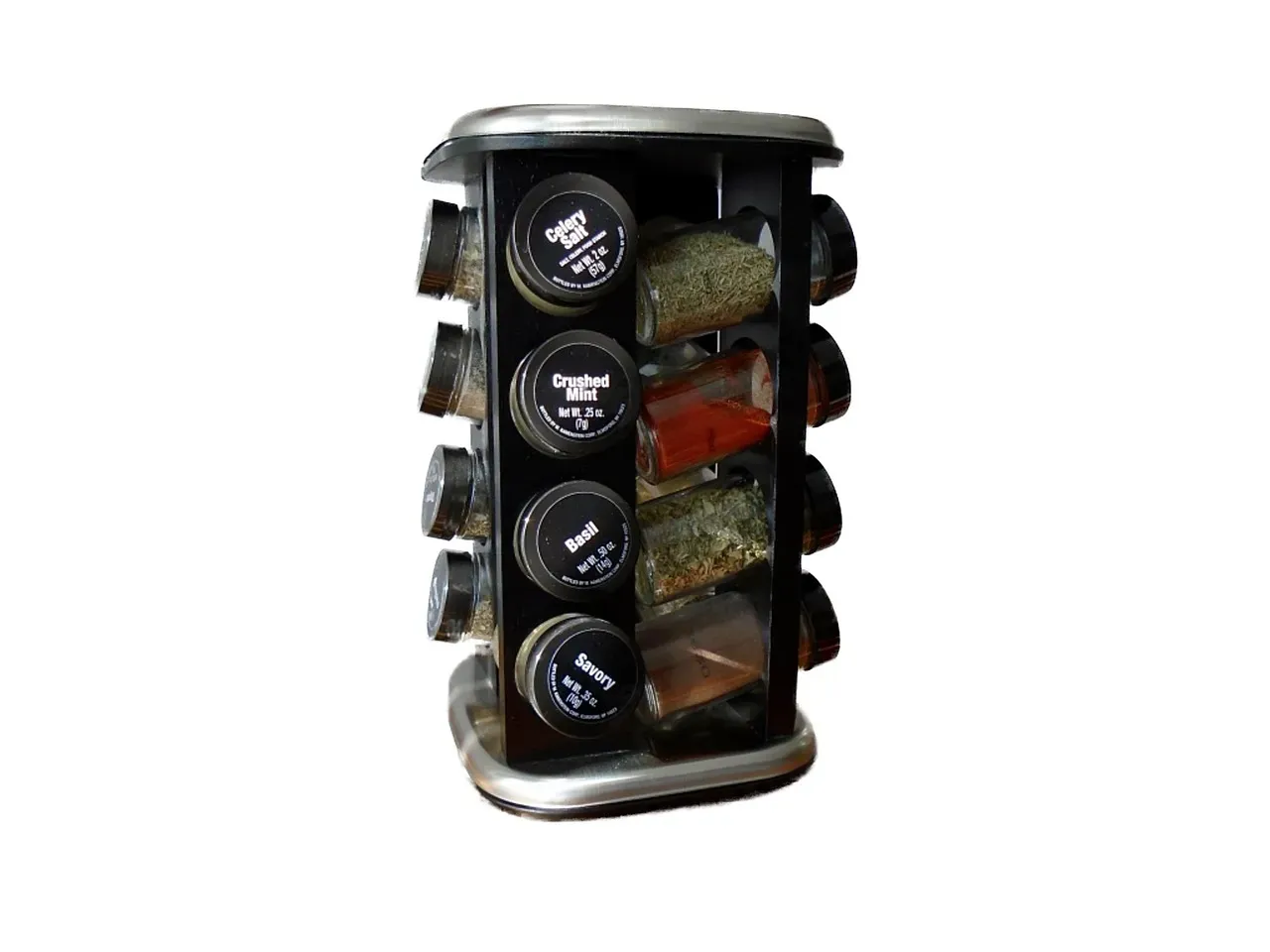
Here's the thing about traditional cooks - they don't rely on seasoning packets or bottled sauces to deliver flavor. The dried herb and spice collection is where all that complexity comes from. Your pantry wouldn't be complete without an array of spices and seasonings to add flavor to your dishes. Stock up on salt, pepper, cinnamon, paprika, herbs, and more to elevate every dish.
Basil, oregano, parsley, sage, and thyme will cover the bases for most European recipes. You can also add in other spices such as rosemary, dill, and fennel if you tend to cook a lot with dried herbs. Old-school cooks mix their own blends too. No packets, no shortcuts. Just the real thing, measured by feel and intuition. That's a skill that takes years to develop, and it always shows in the food.
5. Olive Oil - Quality Over Everything
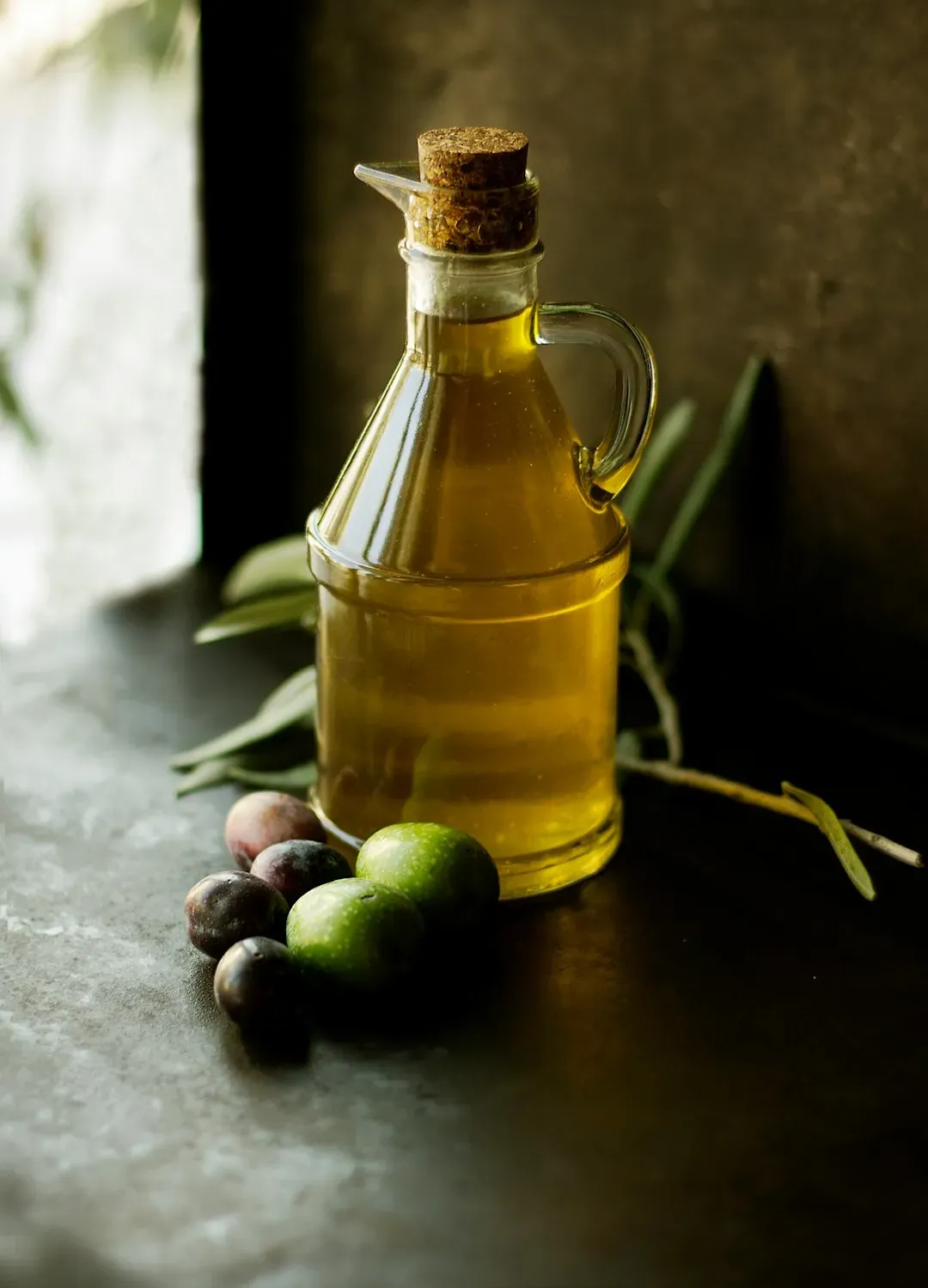
Not just any oil. Traditional cooks are particular about this one. It's hard to think of a reason not to use olive oil every day. It keeps well, has a delicious taste, and offers remarkable health benefits. Olive oil is an example of a heart-healthy fat source, because it consists primarily of monounsaturated fatty acids.
Many people rely on extra virgin olive oil as their main cooking oil, and for good reason. Not only will the distinct flavor elevate your cooking, but it also contains mono and polyunsaturated fatty acids. It's multi-purpose, too - aside from sautéing with it, you can drizzle it on many savory dishes and salads to add sophistication to any meal.
I think this is one of the clearest markers of a real home cook versus someone just going through the motions. The olive oil is never cheap, never a generic store brand. It's kept close, used freely, and refilled often. That bottle tells you everything.
6. Rolled Oats - Not the Instant Kind
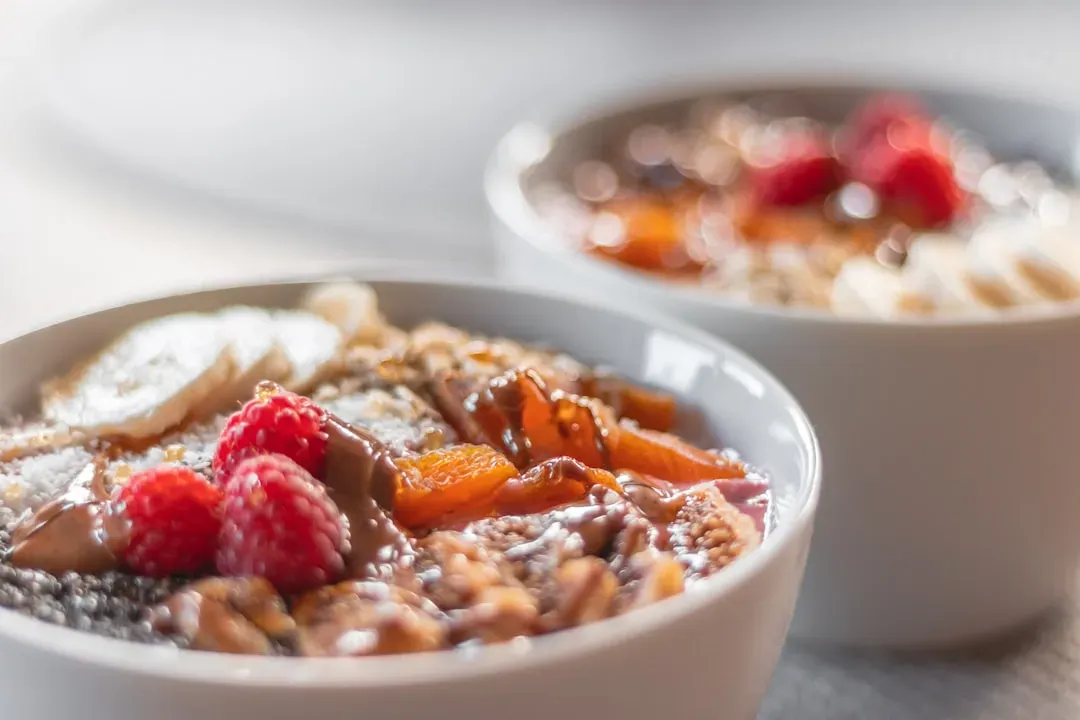
Old-school cooks don't mess with the instant stuff. If you stock just one type of oats, make it rolled oats. They're the most versatile, and can be used to make oatmeal muffins, overnight oats, homemade granola, cookies, and more. Rolled oats are the workhorse of the traditional pantry.
Oats are a versatile essential for all kinds of dishes. Mix them with milk to make oatmeal for breakfast, blend them into flour for baking, or use them as a binder in your meatloaf. That last one surprises people. Meatloaf binder. Oats. It's a classic trick and it works every single time.
7. Apple Cider Vinegar
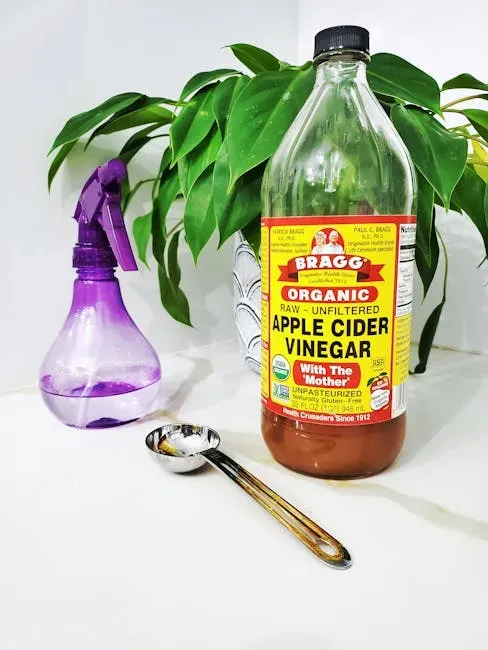
This one might raise an eyebrow. It's not glamorous. It doesn't smell great straight from the bottle. Yet it's a constant in the pantries of people who cook traditionally, and for very good reason. Apple cider vinegar is versatile: it adds brightness, balances fat, tenderizes, and preserves.
A good sauce should highlight a dish, and ACV's sweet tartness can help balance out rich or meaty ingredients. If making a pork tenderloin, chances are a traditional cook is grabbing some ACV from the pantry to make a quick pan sauce. This apple-flavored vinegar also makes a great substitute for white vinegar in BBQ sauce.
Apple cider vinegar is simply fermented apples. We're quickly learning that not only is fermentation of our food a way to preserve it - our ancestors knew this - but it also has many health benefits. It's also used for pickling vegetables, making salad dressings, and even baking, where it reacts with baking soda to create lift. One bottle, a dozen uses.
8. Rice - Stored in Large Quantities
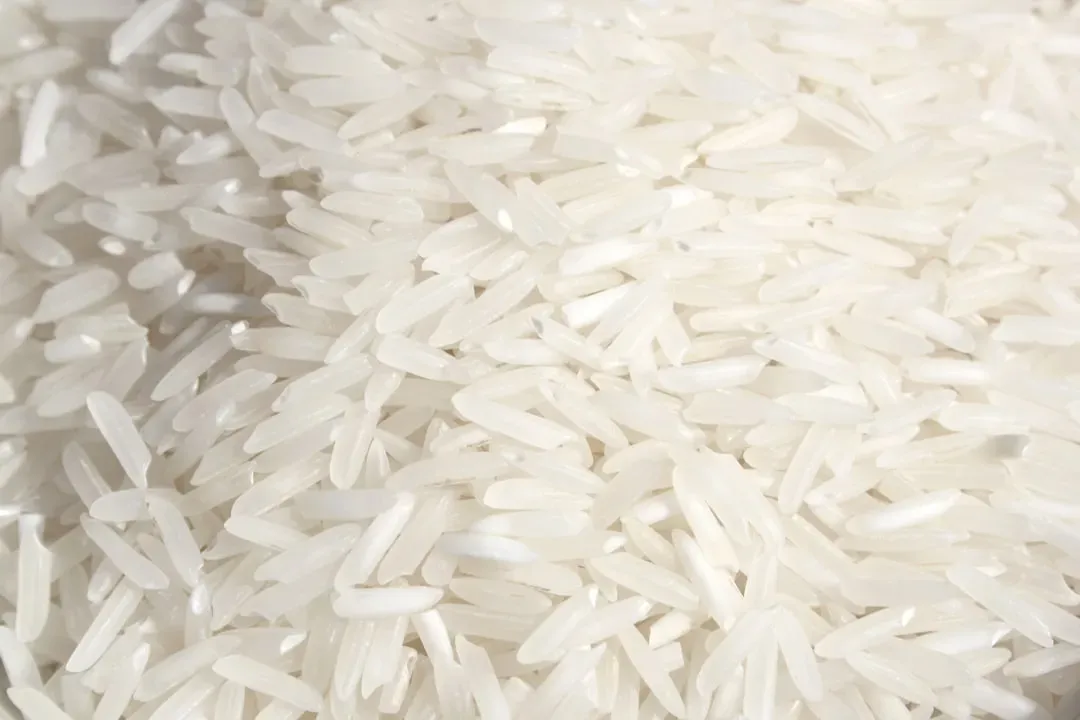
Not a small bag tucked in the back. We're talking serious quantities. Traditional cooks often have white rice and brown rice on hand, purchasing it in 25 or 50-pound bags. If on a tight budget, white rice is cheaper and will store for significantly longer than brown rice. This is a mindset, not just a preference.
Rice is a hearty staple to keep in any pantry. Whole-grain brown rice contains more fiber and nutrients than white. While white rice is a high-glycemic food, brown rice has a lower glycemic index, meaning it doesn't increase blood sugar as much or as quickly. Brown rice has long been a pantry staple for its affordability and long shelf life.
Cereal, grains, and tubers - aka potatoes and yams - are the most common food staples in the world. Rice is the backbone. It stretches a meal, soaks up flavors, feeds extra guests without warning, and never complains. Old-school cooks understand that a full rice container is security.
9. A Variety of Vinegars and Preserved Condiments

Beyond apple cider vinegar, traditional pantries hold a surprising range of preserved and fermented condiments. Think pickled vegetables, preserved fruits, multiple styles of vinegar, and house-made jam. Flavorful extras like Dijon mustard, sun-dried tomatoes, olives, capers, pickled vegetables, tamari, and vinegars are all ingredients that add extra dimension to pantry cooking.
Jam and preserves are part of the traditional pantry. More than ingredients, the traditional pantry essentials represent a way of life, with ritual in taking inventory and planning meals around what you have. There's something deeply intentional about a pantry built around preservation. Oils, vinegars, and sauces are essential to giving life to your food. They add flavor, zing, and can be used to make a million different dressings and sauces that will liven up even the most boring meals.
10. Dried Pasta - Several Shapes, Always on Hand
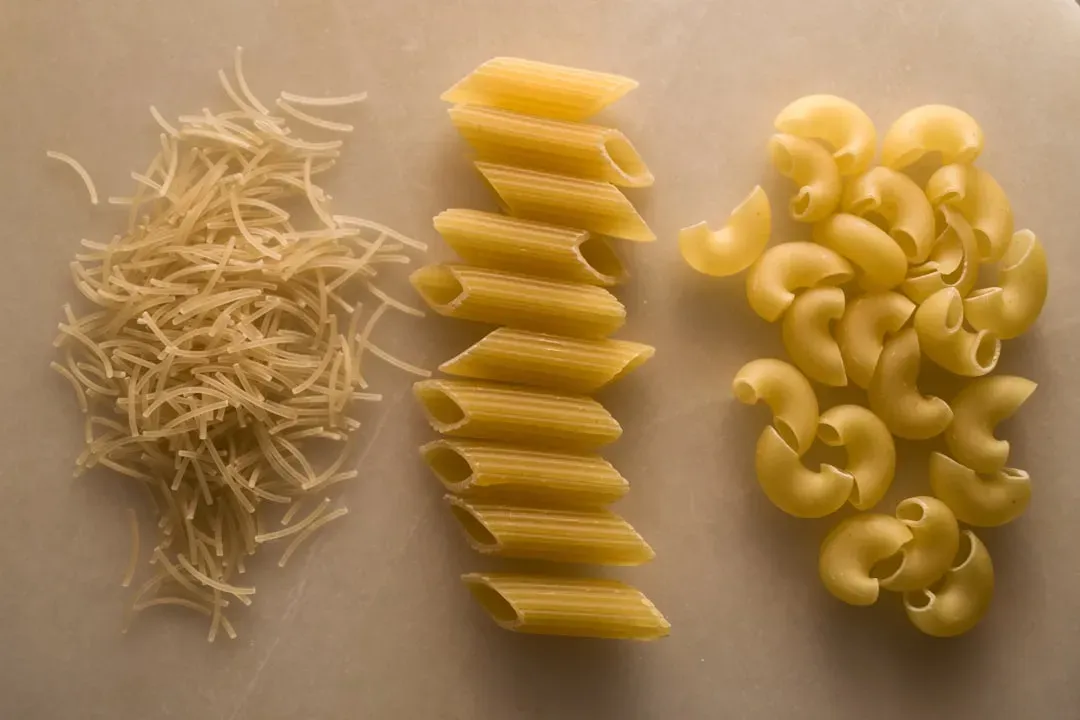
It's hard to say for sure which pantry staple has saved more dinners over the centuries, but dried pasta is a strong contender. A hearty bowl of pasta is the easiest option for a quick dinner after a busy day. Stock your pantry with spaghetti, penne, or any other type for an easy meal in minutes. Old-school cooks don't keep just one shape, either.
Short noodles like elbows or shells can make mac and cheese or a great pasta primavera with leftover veggies. Long noodles like spaghetti, fettuccine, and angel hair are made for sauces like Alfredo, pesto, or marinara. You can make your pantry even more versatile by stocking rice noodles or egg noodles to whip up a homemade pad thai or ramen.
Dried pasta is the very definition of a trustworthy pantry item. It doesn't expire quickly, it's affordable, and it transforms almost any combination of pantry ingredients into a real meal. A well-stocked pantry makes it easier and cheaper to cook at home. A stocked pantry allows you to smartly take advantage of store sales to make meals for your family, because you don't have to buy every ingredient for something you may want to prepare. That's old-school thinking at its finest, and it never goes out of style.




Leave a Reply