
You sit down, scan the menu, and picture a chef in the back busy crafting your meal from scratch. Fresh herbs, a hot pan, the smell of real cooking filling the kitchen. Honestly, it's a lovely story. The reality, though, is a whole lot more complicated and maybe a little bit surprising.
The restaurant industry is enormous. It surpassed $1 trillion in sales for the first time in 2023 and has been projected to do so again in 2024. With that kind of volume, speed and consistency become the top priorities. According to a 2024 study, the average American eats out five to six times a week. That's a staggering amount of meals to cook from scratch. So what's actually being made fresh, and what's quietly arriving from a supplier or a freezer? Let's dive in.
1. Cheesecake
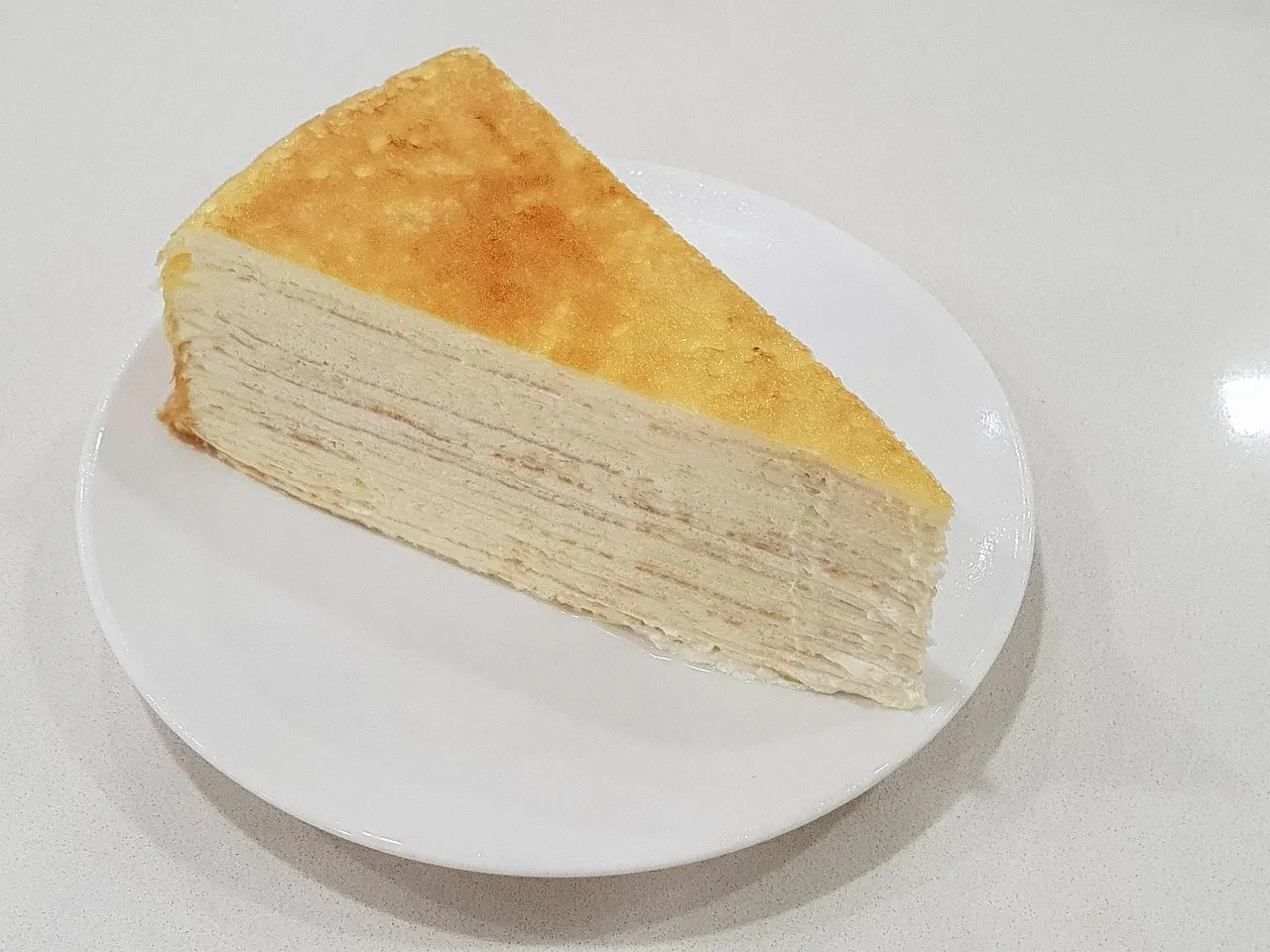
Let's start with the one that almost nobody wants to hear. That beautiful slice of cheesecake you ordered as a treat? It was almost certainly frozen before it hit your plate. Industry insiders who have worked in multiple establishments report that cheesecake on the dessert menu is "more often than not" frozen, with cooks topping it with fresh berries, sauces, and whipped cream that make it seem like it could be fresh.
Making baked goods and desserts from scratch simply isn't feasible for many busy restaurant kitchens because it's labor-intensive. Cheesecakes in particular can be quite fickle, further complicating things. Even well-known chains openly operate this way. The Cheesecake Factory, for instance, has all of its more than 250 menu items made from scratch to order, except for the cheesecakes, which are produced in bakery production facilities and delivered to the restaurants frozen.
Even in restaurants that do make cheesecake from scratch, the cheesecake would likely go in the freezer if it didn't sell quickly enough. In many restaurants, other desserts are also frozen, like chocolate lava cake, pies, and tarts. They may use fresh garnishes, but that doesn't mean the main component wasn't frozen to begin with.
2. Mozzarella Sticks
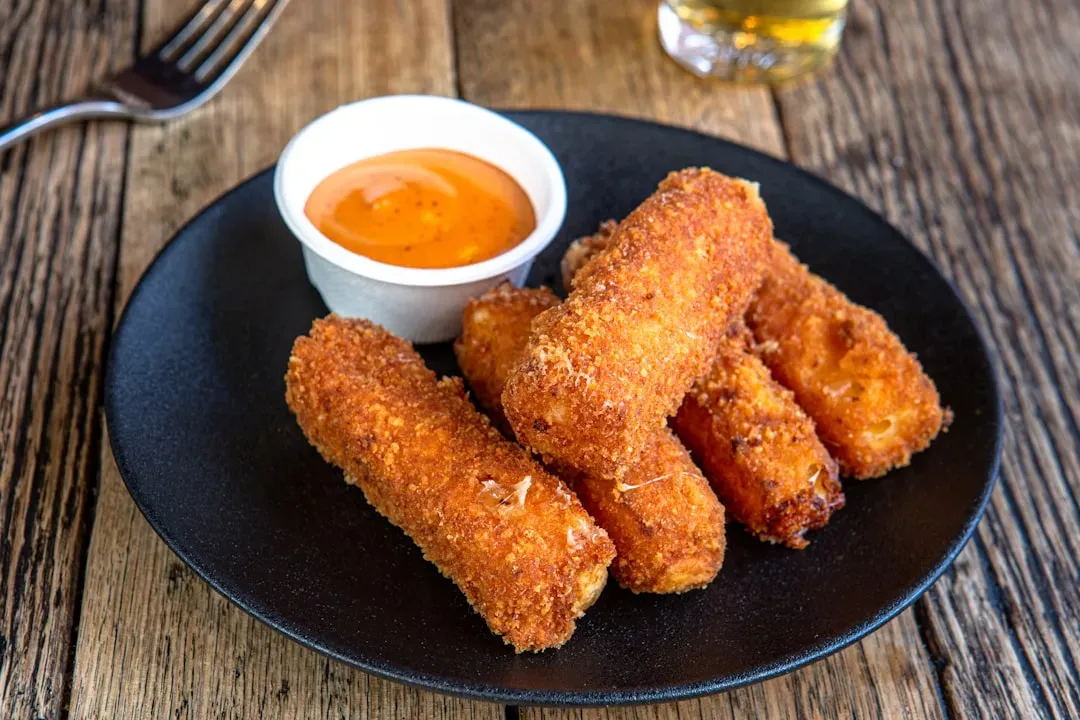
Here's the thing about mozzarella sticks: they are probably the least shocking reveal on this list, yet most people still assume someone is hand-rolling them in the kitchen. They are not. The fact that restaurant mozzarella sticks are very likely frozen probably isn't much of a surprise, since they look and taste essentially the same as the ones you can buy pre-made in the freezer section of your grocery store.
Creating mozzarella sticks from scratch is labor-intensive, so it's usually only done in high-end or homestyle Italian restaurants. In bars, diners, and many chain or mid-range restaurants, you should expect to be served pre-made, frozen mozzarella sticks. Onion rings and mozzarella sticks are cited by restaurant supply experts as prime examples of popular appetizers that "generally taste the same" whether pre-made or not, making them easy wins for operators.
Some restaurants use extremely low-quality frozen mozzarella sticks, and even those can't be saved by the deep fryer and yummy dipping sauces. So next time you order them, think about it like a lottery. You might get lucky, or you might not. The golden crust on the outside is doing a lot of heavy lifting to disguise what's inside.
3. Soups
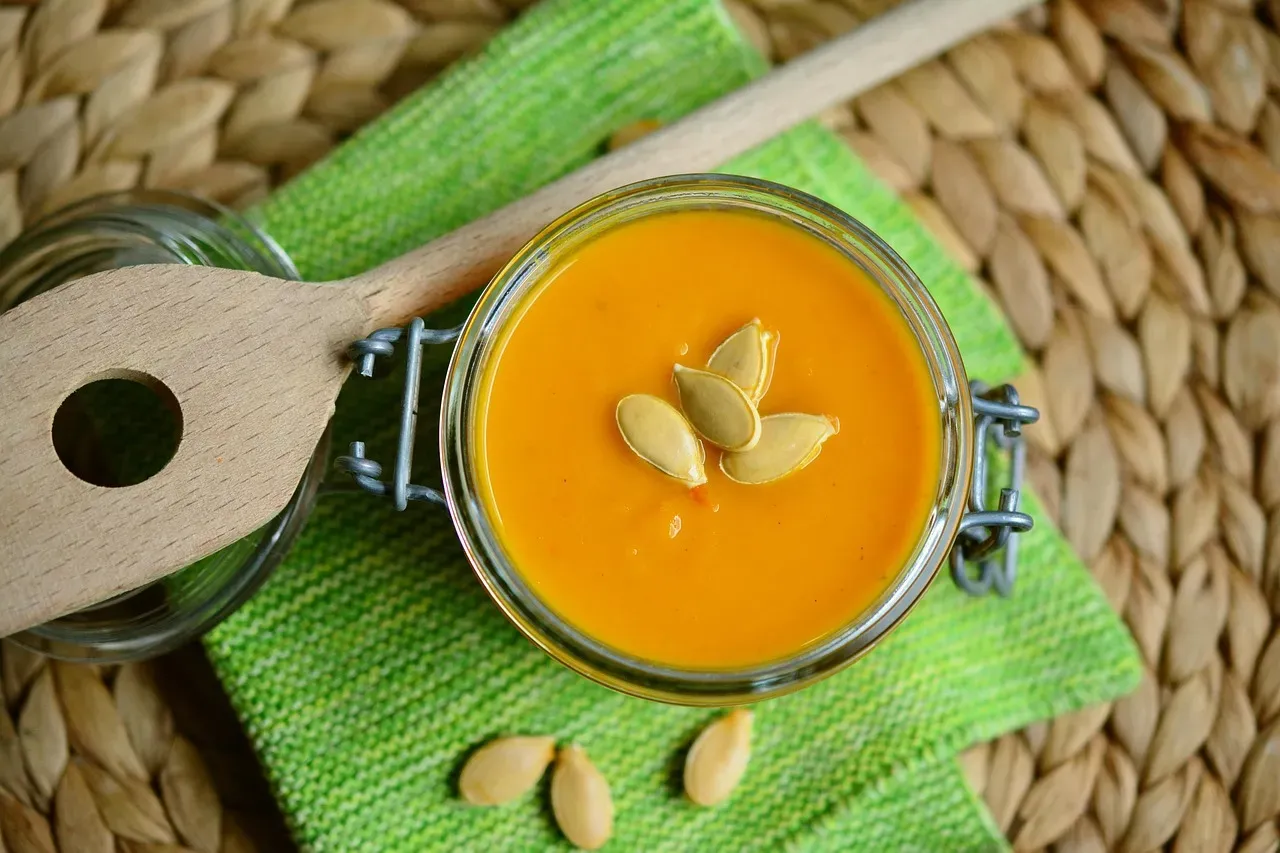
Soup feels homemade. It feels like someone stood at a stove for hours stirring a pot. That warmth and comfort is very real. The origin of that soup, however, is frequently not what you'd imagine. Soup is an excellent appetizer or side dish, but many types of soup are time-consuming to prepare, which is why wholesale pre-made soups are widely sold to restaurants, bistros, and cafes to save on preparation time.
Warm, comforting, and flavorful pre-made soups are a popular choice for restaurants and cafes looking to quickly offer a comforting bowl without the preparation demands. Suppliers routinely offer pre-made food options including soups, and restaurants that don't specialize in them often rely on these options. I think this one surprises people the most, because a bowl of tomato bisque just feels intimate.
Making certain menu items fresh from scratch would take a great deal of time and slow down service. So if a menu item can't be substituted, odds are it was prepared in advance and reheated when ordered. That rule applies to soup more than almost anything else on the menu.
4. Stuffed Pasta (Ravioli, Tortellini, Manicotti)
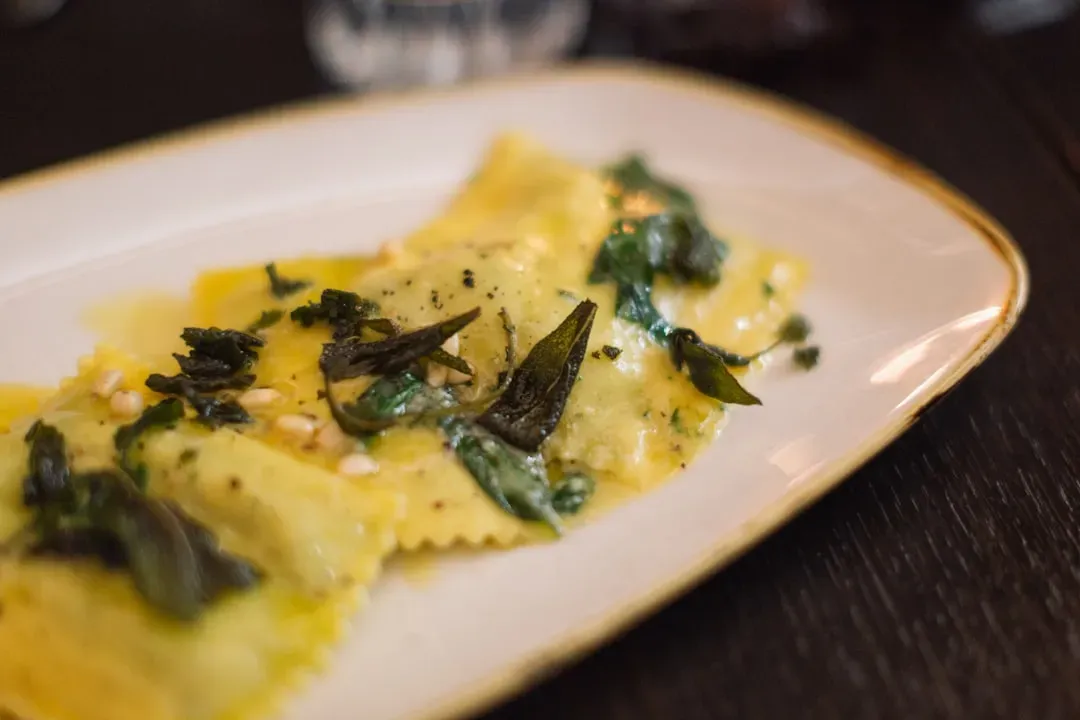
You're at a casual Italian restaurant, you order the ravioli, and it arrives looking plump and beautiful. Chances are it came from a freezer. If you're at a reputable Italian restaurant or a place known for serving scratch-made food, it's safe to assume any stuffed pasta on the menu is fresh and made in-house. But if you're in a chain restaurant or pretty much anywhere else, frozen stuffed pasta is the norm. This includes ravioli, tortellini, manicotti, and more.
Making pasta isn't the easiest task. It has a lot of components and the margin for error is minimal. Frozen stuffed pasta eliminates potential issues, significantly reduces labor costs, and keeps prices low. That's a compelling business case, and restaurant operators know it well. Think of it like the difference between a hand-knitted sweater and one from a factory. Both can look the same from a distance.
An easy way to tell if a restaurant's stuffed pasta is made in-house or frozen is to evaluate the portion size. Handmade stuffed pastas generally come in surprisingly small portions, sometimes only three or four ravioli on a plate. The opposite is often true if a restaurant serves frozen stuffed pasta. So, a generous portion might actually be the tell-tale sign of a freezer bag.
5. Jalapeño Poppers
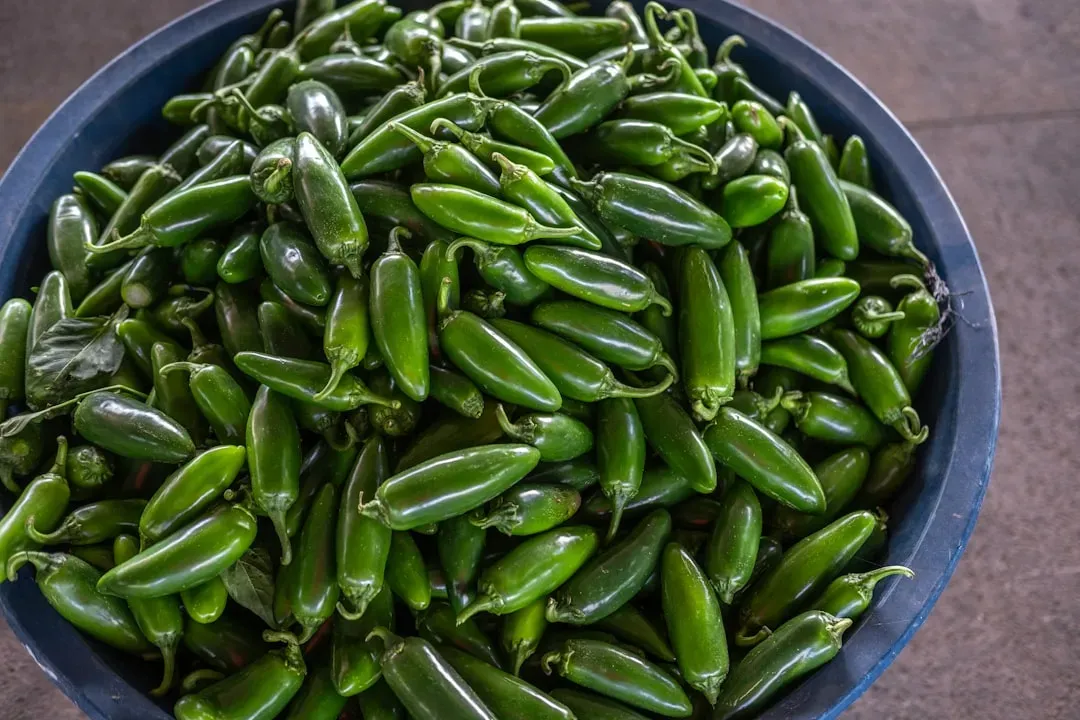
Jalapeño poppers are fun, spicy, and deceptively tricky to make. That's exactly why almost every bar and restaurant serving them is pulling them from a pre-made bag. Similar to mozzarella sticks, restaurants pretty much exclusively serve frozen jalapeño poppers. If a place doesn't use frozen ones, they'll be sure to tell you on the menu, and it's worth taking full advantage. But at your average bar or restaurant, expect them to be frozen.
Creating jalapeño poppers from scratch is quite demanding. Not only do you have to bread the poppers before deep-frying them, but you have to take the time to stuff the tiny jalapeños with cream cheese. The breading must be handled properly or it won't stick and evenly coat the peppers, and it's difficult for restaurants to order large batches of jalapeños that are small and similar enough in size to turn into evenly cooked poppers.
When you frame it that way, it makes total sense. Consistency would be nearly impossible to achieve with fresh jalapeños at scale. Pre-made versions solve every one of those problems in a single shot.
6. Sauces and Salad Dressings
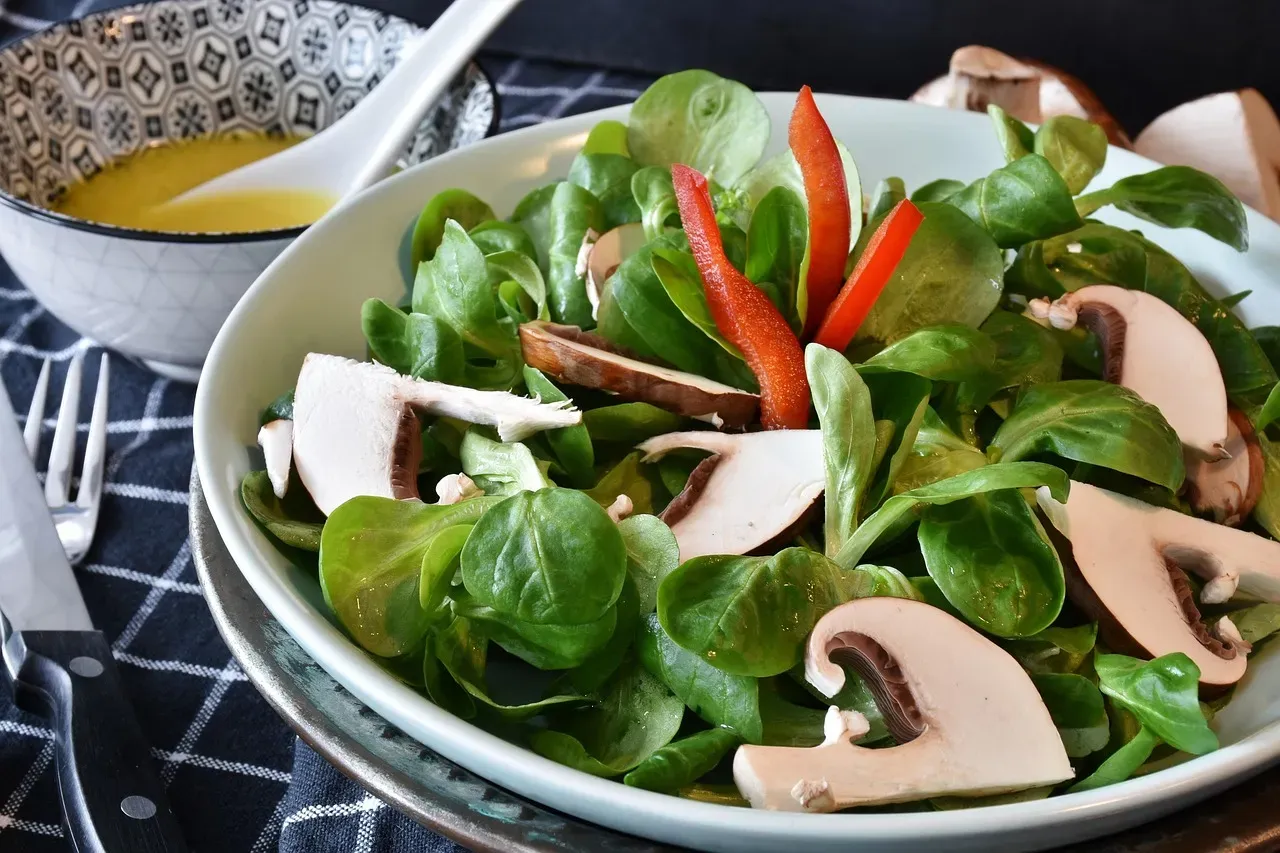
This one is almost universal. Walk into nearly any chain restaurant in America and the sauces and dressings on your table or drizzled over your salad were almost certainly made somewhere far from the kitchen you're sitting near. As insiders describe it, "Much of the consistency comes from the prep kitchen. Sauces, dressings, bases, and even batch cocktails are prepared in advance according to strict recipes."
Fresh sauces offer establishments a way to add depth and complexity to menu items without the need for extensive sauce-making in-house. That's the polite, business-friendly way to say it. The honest way is that most dressings, gravies, and pasta sauces are purchased pre-made, portioned out, and dressed up with a sprig of parsley before serving. Restaurants are also at a much lower risk of having their reputation tarnished if they opt to offer desserts, appetizers, certain sauces, and soups that are pre-cooked.
It's hard to say for sure how widespread this is across independent restaurants, but in chain dining it is essentially standard practice. The next time a server describes a dish as coming with "house sauce," it's a fair question to ask yourself what "house" actually means.
7. Scrambled Eggs at Chain Restaurants
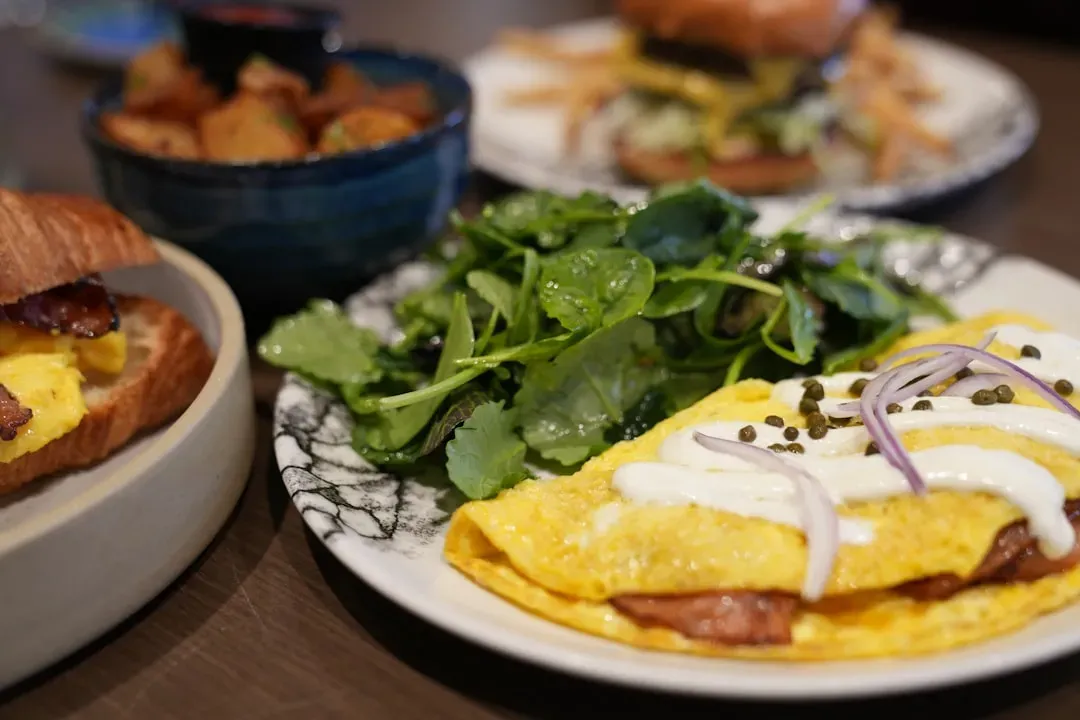
This might be the most quietly shocking one on the list. You'd assume a scrambled egg is about as simple as it gets to make fresh. Crack an egg, stir it, cook it. Yet at many large chains, especially fast food breakfast spots, the eggs are pre-made. They arrive either liquid and pasteurized in large containers or already folded and frozen.
Choosing a chain restaurant for your dining destination might seem like a safe choice because you know what's on the menu and what it'll taste like no matter what city you're in. Chain restaurants are consistent in their meals for a reason: they're pre-made. That consistency logic applies just as much to breakfast items as it does to anything else. Liquid eggs from a carton can be heated quickly, portioned precisely, and served without variation.
If you've ever wondered why your dish at a chain looks and tastes the same no matter which location you visit, it's because there's probably not a chef in the back painstakingly preparing each dish from scratch. Chain restaurants usually have a rigorous process of food preparation that happens before it even reaches the restaurant. Your scrambled eggs are a perfect example of that system at work.
8. Chocolate Lava Cake
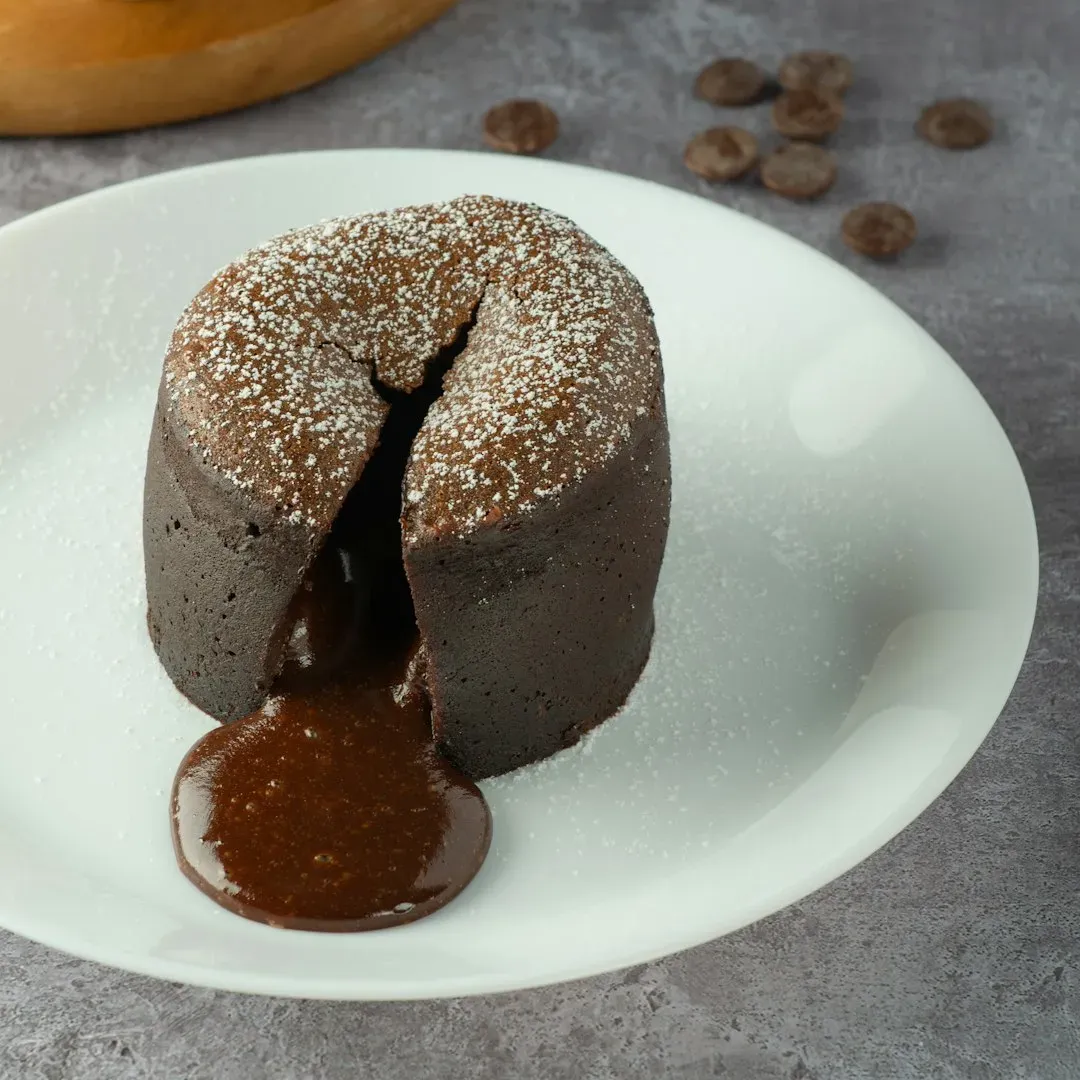
The chocolate lava cake is, in the world of desserts, the grand illusion. It arrives warm, it oozes dramatically, and it looks like it was pulled from the oven just for you with loving care. In reality, at most restaurants, it was pulled from a freezer and microwaved or baked from frozen. In many restaurants, other desserts including chocolate lava cake, pies, and tarts are also frozen. They may use fresh garnishes, but that doesn't mean the main component wasn't frozen to begin with.
Desserts are rarely made all in one go. Sponge bases, pie crusts, fillings, frostings, and ice creams are prepared individually, sometimes even days in advance, and assembled before service. Much of the real cooking happens long before diners ever take their seats. The "lava" effect, which looks so spontaneous and theatrical, is actually a precisely engineered result of a product that was designed to produce it reliably every single time.
Honestly, I find this one kind of impressive from an engineering standpoint. Someone figured out exactly how to freeze a chocolate cake so it melts perfectly in the middle every time. That's not lazy. That's science. Still, it's not quite the romantic story the menu wants to tell you.
9. Pancakes at Big Breakfast Chains
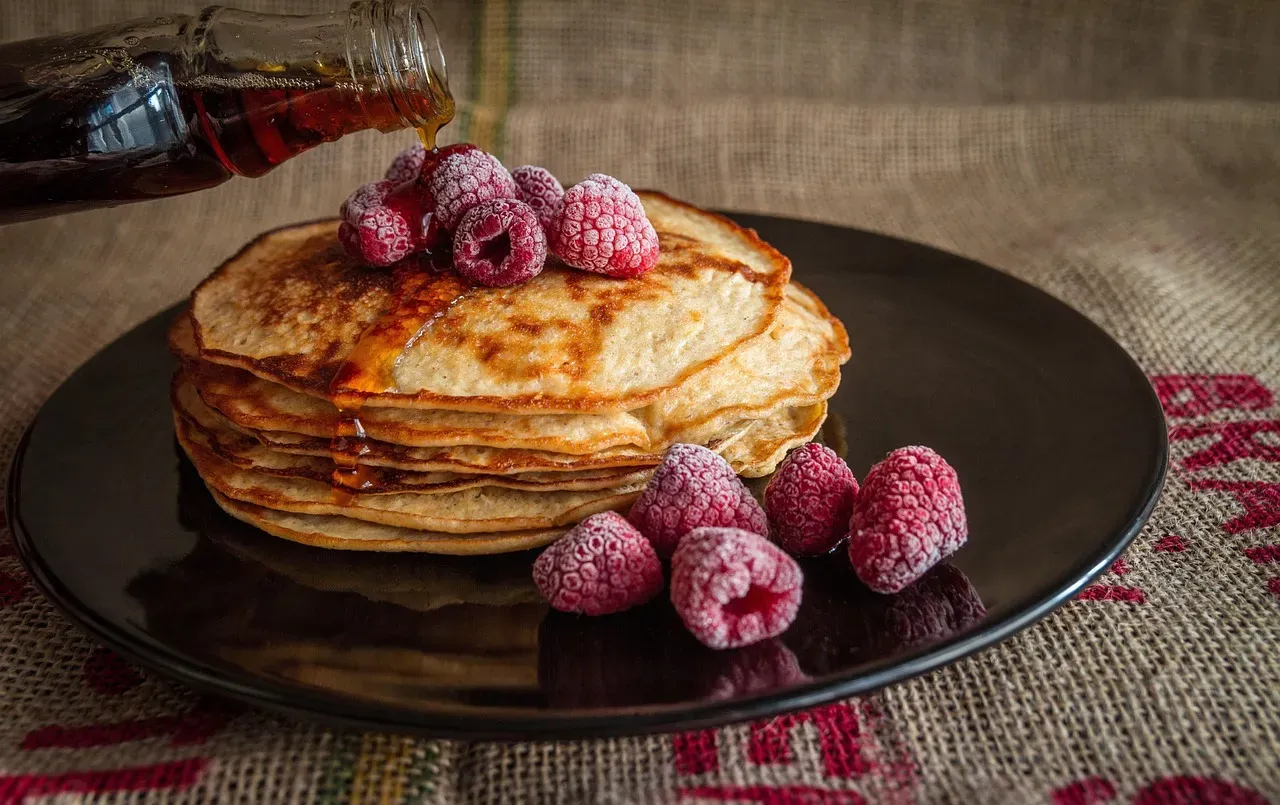
The pancake stack at your favorite diner breakfast chain. Fluffy, golden, stacked high. Here's what insiders know: many of them start as a pre-mixed batter, a dry mix that staff simply add liquid to before cooking. It's not quite the same as pulling a frozen slab from a bag, but it's also not grandma's from-scratch recipe. Cookies, muffins, and cakes are cited as common pre-made goods at restaurants, and the same logic applies directly to pancake batter mixes unless the establishment is specifically a bakery where customers expect scratch preparation.
Once the dinner or breakfast rush begins, chefs rely on carefully managed building blocks to create dishes quickly, all without sacrificing flavor or culinary precision. Pre-mixed batter is one of those building blocks. It eliminates measurement errors, keeps consistency across hundreds of orders, and massively speeds up service. Think of it like a cake mix at home. Still involves cooking, just not quite from zero.
The gap between a pre-mixed pancake and a truly scratch-made one is subtle but real. It's the difference between a fluffy, buttery, slightly custardy pancake and one that's uniformly decent. Both feed you. Only one is telling you the whole truth.
10. Pre-Portioned Grilled Chicken
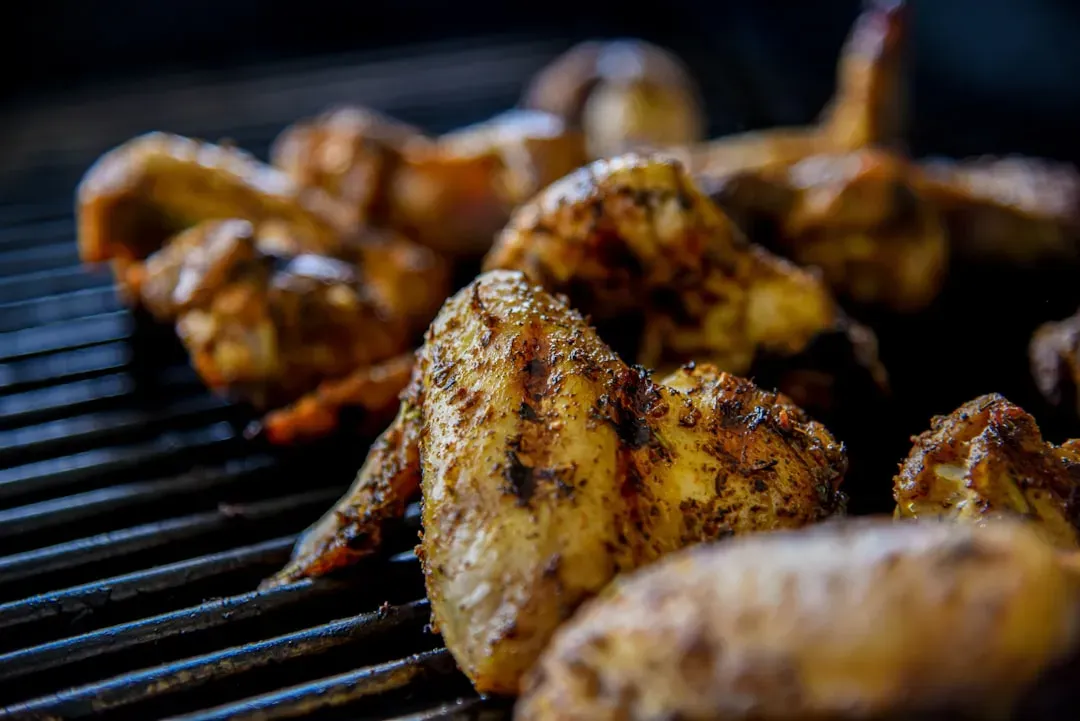
Grilled chicken appears on menus everywhere. Salads, wraps, sandwiches, pasta dishes. It sounds simple and fresh. The reality is that a lot of grilled chicken in casual dining and fast food is pre-cooked, vacuum-sealed, and reheated to order. Those perfect grill marks? They can be pressed on by a machine before the chicken is ever frozen. It's called "flame branding" and it's a common industrial food preparation technique.
Restaurants are also at much lower risk of reputational damage if they opt to offer certain pre-cooked items as part of the menu lineup. Pre-cooked chicken checks a lot of boxes for operators. It removes food safety risk, speeds up service, and ensures every piece is the same size and weight. For restaurant owners, pre-made food can mean consistency, less preparation time, and more revenue. If you want your meal to taste exactly the same every time, pre-made food delivers that, since it's made in large batches with precise ingredient measuring and weighing.
The chicken Caesar salad you just ordered at a casual chain. Think about how fast it arrived at your table. That speed is the real tell. Fresh-grilled chicken takes time. Reheated, pre-cooked chicken takes minutes.
11. Hollandaise Sauce and Béarnaise
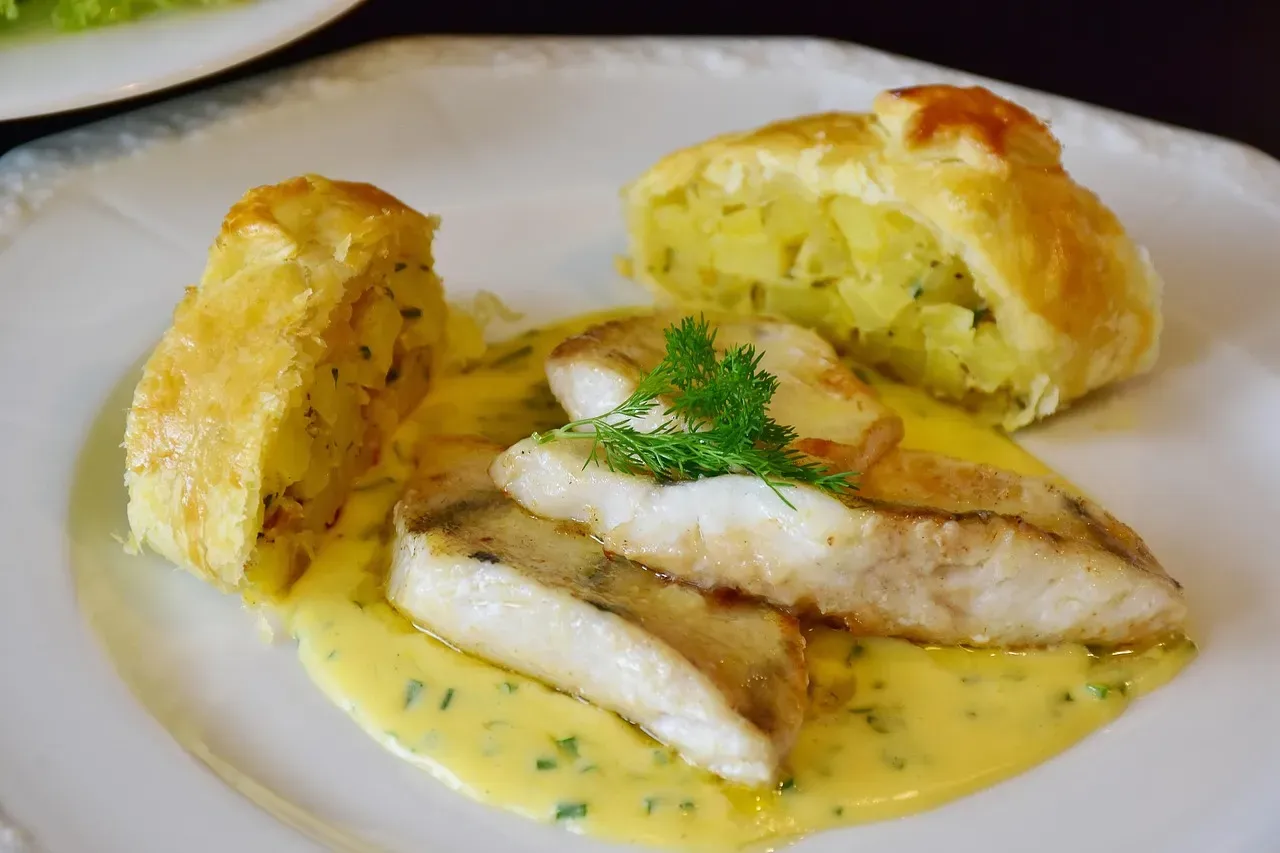
If you've ever ordered Eggs Benedict at a chain or mid-level brunch spot, the hollandaise sauce drizzled over the top was almost certainly not made fresh that morning. Real hollandaise is notoriously difficult. It's a warm emulsion of egg yolks and clarified butter that breaks easily, needs to be served at the right temperature, and cannot sit for long. Making it from scratch during a busy weekend brunch service is a recipe for disaster.
Restaurant supply companies sell hollandaise in powder packets, shelf-stable pouches, and frozen form, all specifically designed for commercial kitchens. Dips and spreads, along with sauces, are widely available from prepared food suppliers for commercial kitchen use. Hollandaise is the perfect candidate. It looks impressive, sounds French and gourmet, and arrives tasting close enough to the real thing that almost nobody knows the difference.
A tell-tale sign of pre-cooked food is that your order is ready in minutes. Non-fast-food restaurants that make their dishes from scratch will require time to cook and assemble. Real hollandaise cannot physically be made in two minutes. So if your Eggs Benedict arrived very fast, now you know what likely happened.
12. Onion Rings
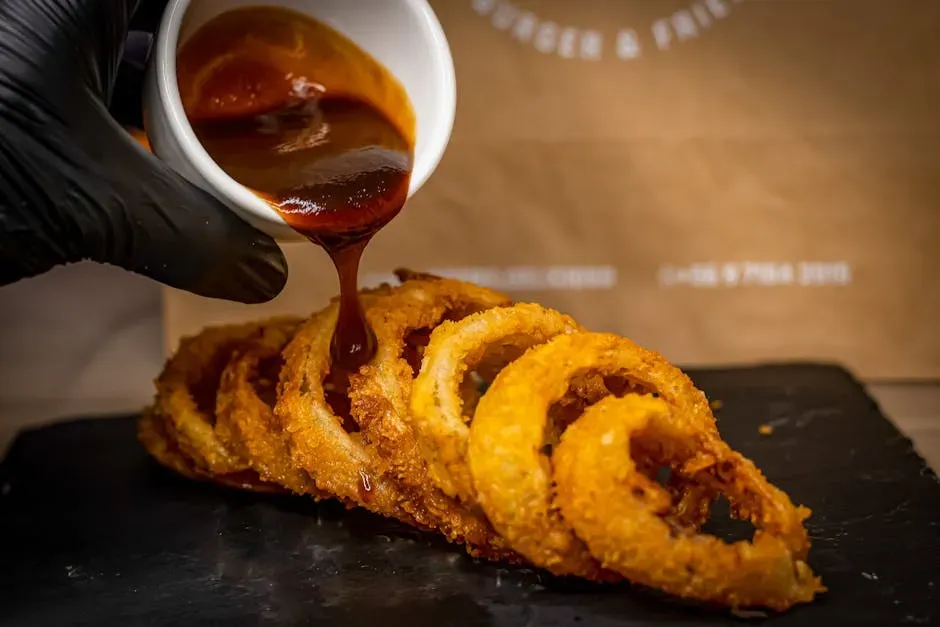
Onion rings close out this list as one of the most consistently pre-made items you'll find in restaurants across the country. From sports bars to casual sit-downs to fast food chains, onion rings are almost universally sourced frozen from commercial suppliers. The batter is already applied, the rings are shaped and uniform, and all the kitchen needs to do is drop them in hot oil. Onion rings are a prime example of a popular appetizer that restaurants readily source pre-made because they allow for high sales and generally taste the same.
The global frozen cooked ready meals market reached $44.2 billion in 2024 and is expected to grow to $76.2 billion by 2034. Frozen appetizers and fried sides like onion rings are a significant driver of that market. As convenience becomes increasingly important in the American lifestyle, there has been a rise in demand for ready-to-eat and ready-to-cook items, a trend that is particularly evident among busy consumers who prioritize convenience.
There's nothing inherently wrong with a frozen onion ring. Some are genuinely good. The problem is when a menu glamorizes them as something house-made and special. That's the moment when the gap between perception and reality gets a bit wide. Diners increasingly want to know where their food comes from, and they want specifics, not just marketing language. That shift in consumer expectation might slowly change what ends up on your plate. But for now, most onion rings are coming straight from a bag.
The Bigger Picture: What This All Means for Diners
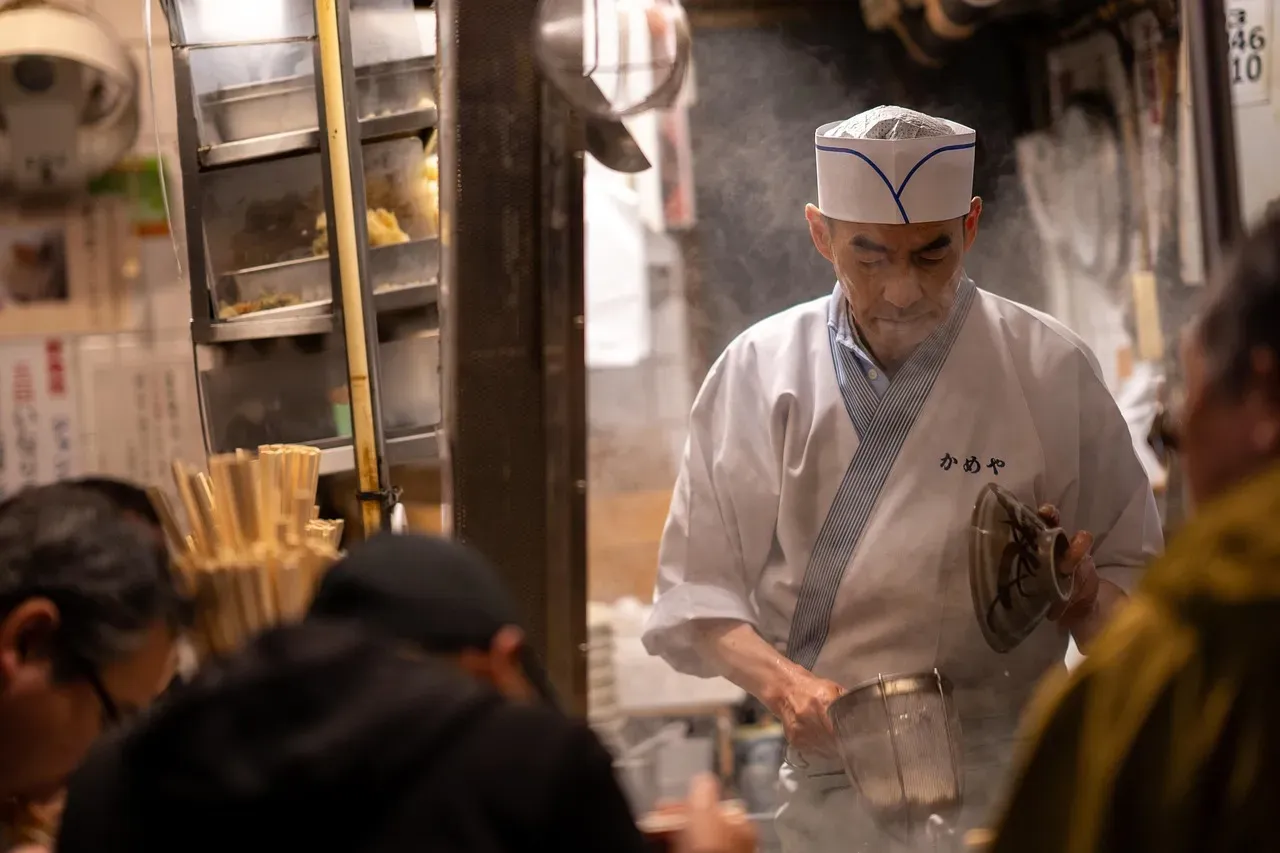
The widespread use of pre-made menu items isn't simply about cutting corners. Much of the real cooking happens long before diners ever take their seats. Once the dinner rush begins, chefs rely on carefully managed building blocks to create dishes quickly without sacrificing flavor or culinary precision. That's a legitimate and demanding operation. It just doesn't always match the romantic image on the menu.
Throughout 2024, restaurant menu prices increased by 4%, higher than the grocery inflation rate. Consumers are paying more than ever, which makes ingredient transparency feel increasingly important. Diners want to know where their food comes from, and they want specifics. Knowing what's actually pre-made versus fresh is the first step toward making smarter choices about where you eat and what you order.
Let's be real: most of us will keep ordering mozzarella sticks and chocolate lava cake regardless of where they started their journey. There's no shame in that. What matters is knowing the difference between a place that invests in real cooking and one that's simply reheating someone else's work and charging fine-dining prices for it. The next time you sit down to eat, you might want to ask yourself: how did this get to my plate so fast? What would you have guessed before reading this?



Leave a Reply