
The grocery bill has quietly become one of the most stressful line items in the American household budget. What used to feel like a routine errand now requires strategy, math, and a whole lot of willpower at the checkout counter. Food costs have climbed relentlessly since 2020, reshaping how millions of middle-class families shop, cook, and even think about what ends up on the dinner table.
From 2020 to 2024, the all-food Consumer Price Index rose roughly a quarter, outpacing the broader CPI, which grew slightly less over the same period. The Federal Reserve Bank of St. Louis also noted that food prices have jumped nearly thirty percent since 2019. For middle-income households, that is not a small adjustment. It is a full-on lifestyle rethink. Here is exactly how the middle class is fighting back, one meal at a time. Let's dive in.
1. Hunting for Sales, Coupons, and Deals More Aggressively Than Ever

If you have not noticed people spending more time in the weekly flyer section of supermarket apps, you are probably not paying attention. Coupon clipping is back, and it never really went anywhere. Data from retail insights company 84.51° shows that nearly seven in ten consumers in late 2024 reported looking for sales, deals, and coupons more often than they were at the start of the year.
Discounts and deals are dominating shopper behavior, with roughly two thirds of consumers shopping specifically during sales and nearly six in ten using coupons to save money. The shift is not just about finding a good deal here and there. It is a full behavioral change. People are planning their meals around what is on sale that week, which is a reversal of how most middle-class families historically shopped.
When asked to identify the top three factors in choosing foods and beverages, nearly four in five survey respondents placed price at the absolute top of the list, well above taste, nutritional content, and convenience. That ranking speaks volumes about just how much financial pressure has reshaped everyday priorities.
2. Switching to Store Brands and Private-Label Products
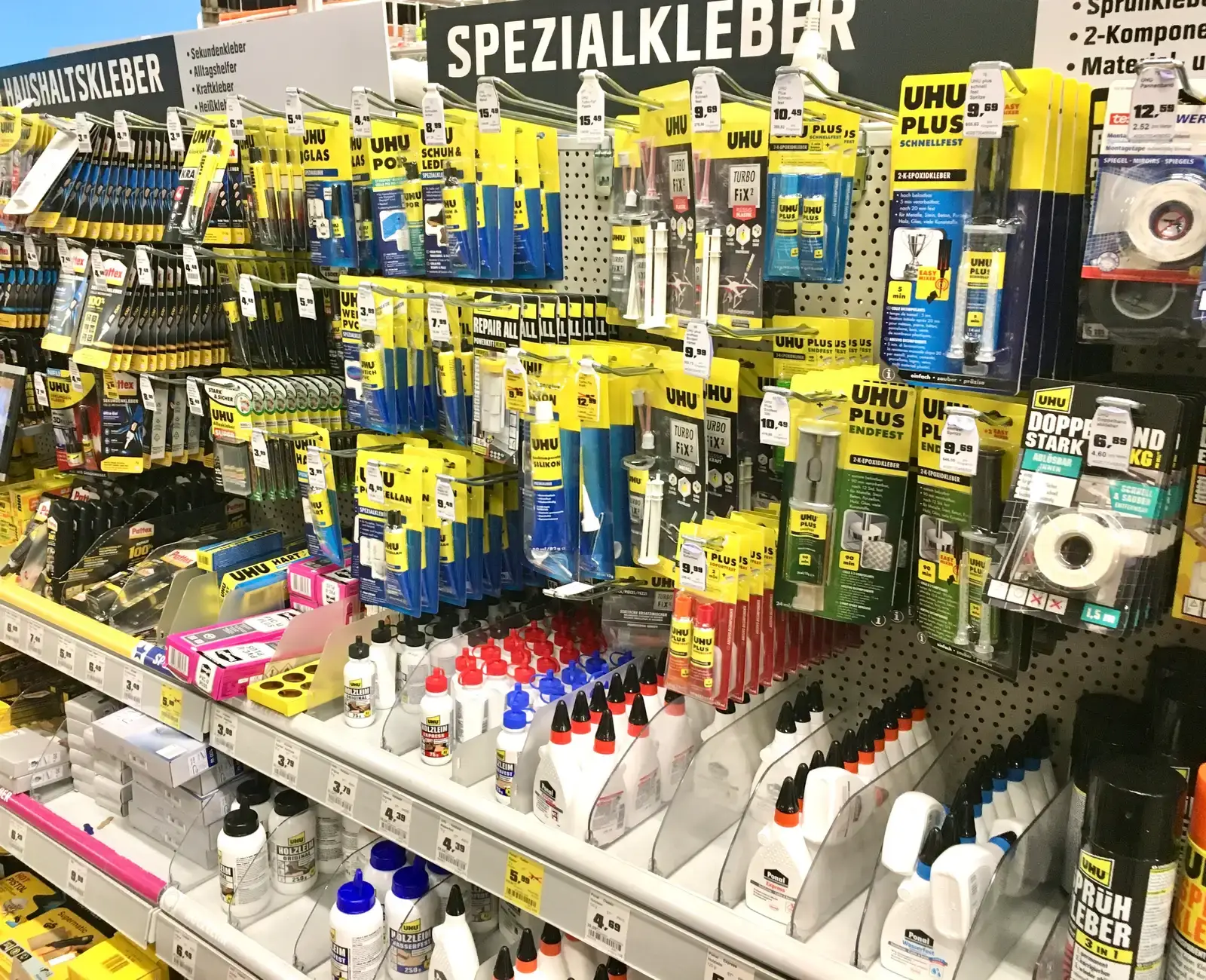
Here is the thing: the generic brand on the shelf next to the fancy national label is often made in the same factory. Middle-class shoppers are figuring that out fast. About a third of consumers have switched from name brands to private-label store brands as a direct response to rising prices.
More than nine in ten respondents in a 2024 Food Industry Association survey said they plan to increase private brand investments, with four in five reporting that private brands deliver well on value and price to drive sales. That is a massive endorsement. Retailers are responding by expanding their own label offerings at an impressive pace.
Consumers saved money by trading down from national or high-end brands to store brands while simultaneously gravitating toward more innovative and high-quality specialty products, helping retail volume grow. The old stigma of buying the store brand is simply gone. Honestly, for most pantry staples, the taste difference is negligible at best.
3. Cooking More Meals at Home and Cutting Back on Dining Out
The restaurant bill is where the middle class has felt the pinch most sharply. Food-away-from-home prices rose by more than four percent in 2024 and nearly four percent in 2025, both figures above the historical average. Meanwhile, cooking at home remained considerably cheaper by comparison.
According to the Consumer Price Index, in the one-year period from November 2023 to November 2024, the cost of eating food away from home rose three point six percent. In contrast, the price of food at home only increased by one point six percent. The cost of going out to eat increased roughly twice as fast as eating at home.
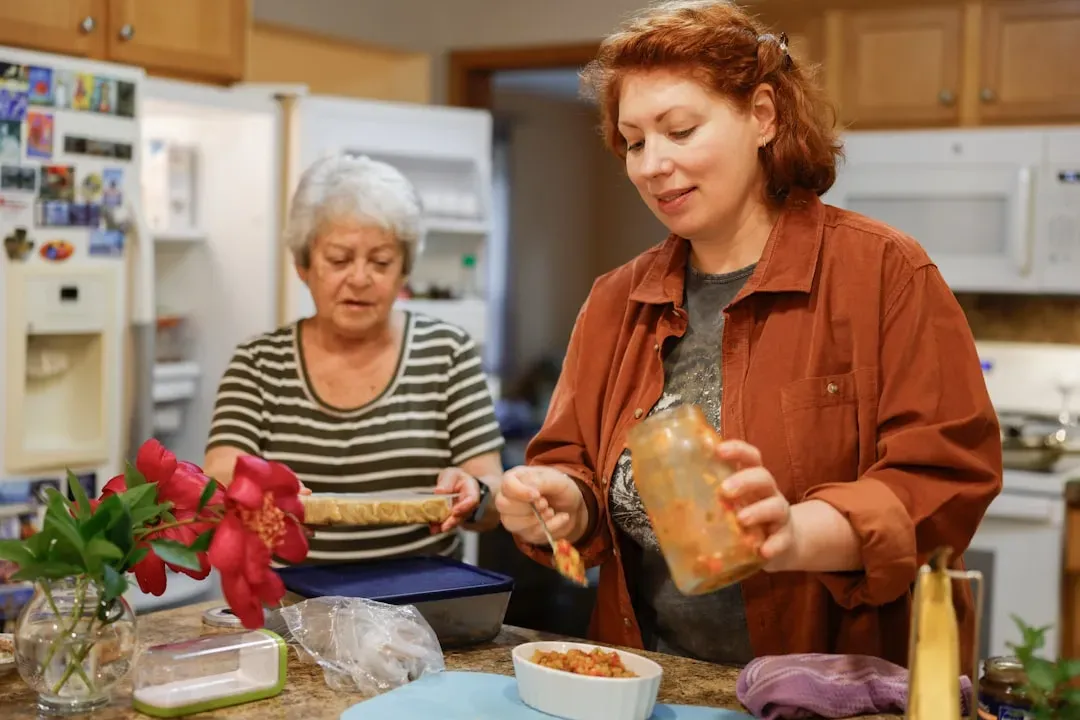
There is a noticeable trend among middle-class consumers toward making meals from scratch rather than purchasing prepared or prepackaged foods. With the average retail meal costing far less than a restaurant equivalent, it is no surprise that the vast majority of eating occasions now occur at home. The math simply works out too well to ignore.
4. Shopping at Discount and Warehouse Stores
The parking lots at Aldi, Lidl, Costco, and Sam's Club tell the whole story. Middle-class shoppers who once exclusively frequented premium supermarkets are now loading up carts at discount chains without any sense of embarrassment. About a third of shoppers switched to dollar or discount stores in 2024, with roughly two thirds of them citing lower prices as their main reason.
Warehouse clubs and supercenters, including Costco and Sam's Club, grew from roughly eight percent of at-home food spending in 1997 to more than twenty-three percent in recent years, reflecting the enduring appeal of bulk savings for larger households. That figure is not just a trend. It represents a structural shift in how Americans think about where to buy food.
Consumers are paying approximately thirty percent more for groceries compared to 2019, which has swayed many toward shopping in value channels like dollar stores, warehouse clubs, and online platforms, alongside choosing private label and premium products over mainstream brands. The middle class is shopping smarter, not just cheaper.
5. Meal Planning to Reduce Waste and Control Spending
Meal planning used to sound like something only extremely organized people with color-coded calendars did. Today, it is becoming a mainstream survival strategy for middle-income households. Think of it like a financial budget but for your refrigerator. Without a plan, money disappears into spoiled produce and forgotten leftovers.
A Deloitte study found that more than half of consumers cite meal planning as a pain point, suggesting that while many want to do it, it remains a challenge to implement consistently. The demand for better tools, meal kit services, and grocery-linked planning apps has surged as a result. Retailers are picking up on this and offering more integrated solutions.
Shoppers are prioritizing core items needed for meals and cutting out luxuries or experimentations with new products. This focus on intentional, purposeful shopping trips is not about deprivation. It is about efficiency. The less food that goes in the trash, the less money wasted on every single grocery run.
6. Reducing Spending on Expensive Proteins Like Beef and Eggs

Beef and eggs became the two most talked-about grocery items of the past two years, and not for good reasons. Egg prices rose more than eight percent across products in 2024 due to a resurgence of Highly Pathogenic Avian Influenza, while the second largest price increase was in beef and veal prices, which climbed more than five percent.
Among all food categories in early 2025, eggs saw the most significant price increase, up over forty percent year-over-year, driven by supply disruptions caused by avian influenza. Beef prices also rose sharply, by roughly eight to ten percent, largely due to smaller cattle herds resulting from past drought and feed cost pressures.
Many consumers have cut back on fresh meat purchases or switched to cheaper options like ground beef, chicken, or plant-based proteins such as beans and lentils. In the year following large price increases, consumers reduced their share of food spending on most animal-based protein products. Per gram, these products are among the more expensive foods, so consumers choose less expensive substitutes in response to price hikes.
7. Comparing Prices Across Multiple Stores
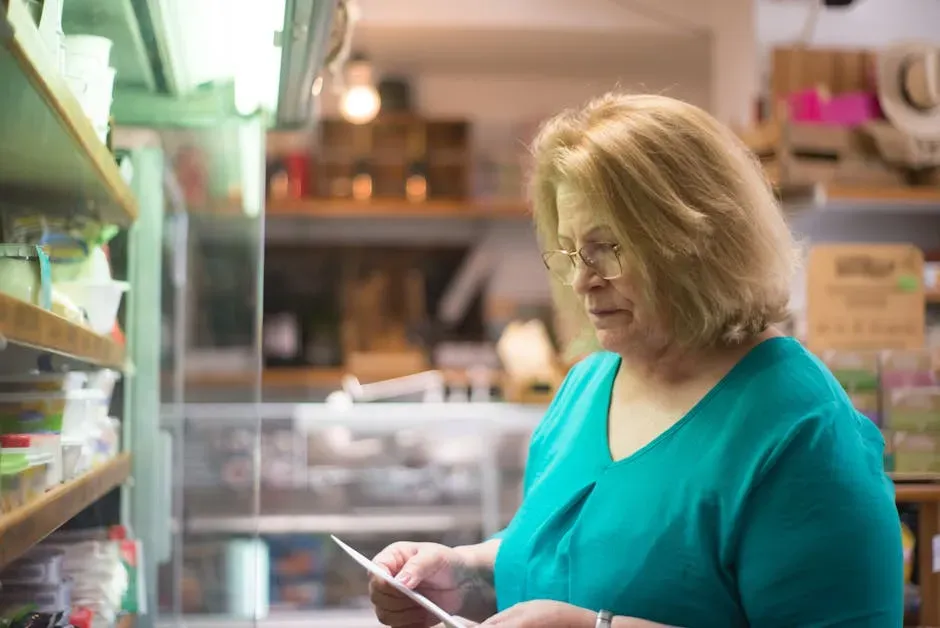
Gone are the days of loyalty to a single supermarket. The modern middle-class shopper is essentially operating like a professional price analyst before hitting the aisles. A striking seventy-five percent of survey respondents said the primary reason for choosing one store over another is simply that it offers the best prices.
Half of all surveyed shoppers visit two different stores each month, and roughly a quarter visit three or more. Doing a lap between stores to cherry-pick deals used to seem extreme. Now it is a perfectly rational response to a stretched budget. Gasoline prices dropped enough in recent years that multi-store runs have become economically sensible for many households.
Many shoppers are comparing prices before making purchases, with about one in six always comparing retailer prices and another quarter often doing the same before buying. Smartphone apps, loyalty programs, and store-specific digital coupons make this easier than ever. The information advantage that retailers once held over consumers is shrinking fast.
8. Cutting Back on Non-Essential Grocery Items
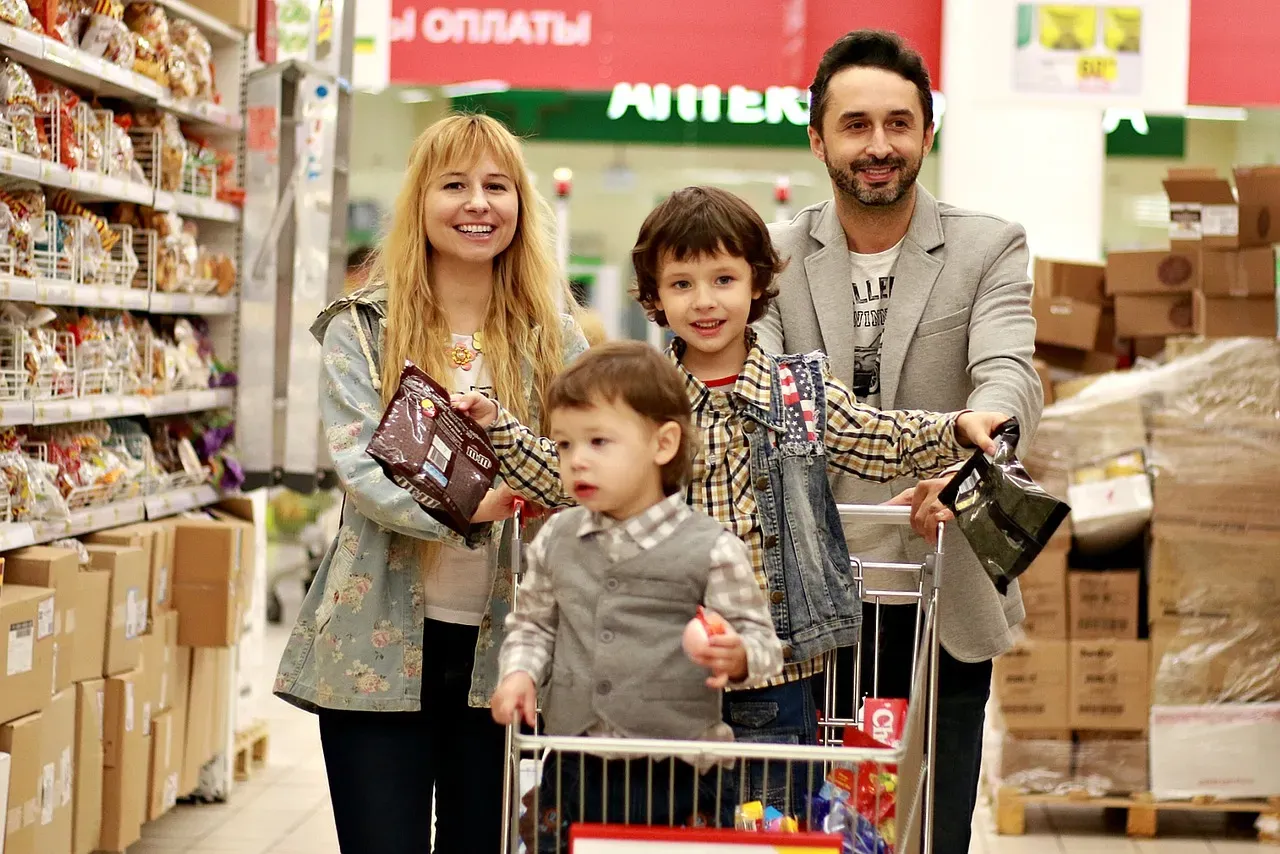
When budgets tighten, specialty crackers, exotic snacks, and the third type of hummus are usually the first things to go. Data shows that more than half of consumers reported cutting back on non-essentials by late 2024, up from just over half at the start of the same year. The trend accelerated as cumulative inflation continued to bite.
Rising food prices are forcing many consumers to rethink their grocery budgets entirely. Over the six months preceding the survey, more than four in ten respondents said they had somewhat reduced grocery spending, while more than one in seven reported making significant cuts. That is a meaningful portion of the shopping population tightening its belt.
Many families have shifted toward cheaper, less healthy options such as more processed or shelf-stable foods as part of their cost-cutting measures. This is one of the more troubling trade-offs. Saving money on groceries should not have to mean sacrificing nutritional quality, yet for many middle-class households, that tension is very real and increasingly difficult to navigate.
9. Using Loyalty Programs and Store Apps to Maximize Savings

Almost every major supermarket chain now offers a digital loyalty program, and middle-class shoppers are finally taking them seriously. These apps have become indispensable tools for households trying to squeeze every last dollar out of a grocery run. Personalized coupons, cashback rewards, and exclusive member pricing can add up to significant annual savings.
Consumer confidence in controlling food spending reached as high as eighty-five percent in late 2024, and in response, shoppers report using various strategies to stretch their food budgets further. Loyalty programs are front and center in that strategy. Retailers have invested heavily in personalizing these tools because they know cost-conscious shoppers will go wherever the best deal lives.
The grocery shopping landscape has become dynamic as consumers navigate rising costs and shifting priorities. While supermarkets still dominate, the growing shift toward discount stores and a sharper focus on deals reflects a new era of cost-conscious shopping. Loyalty programs bridge the gap, giving shoppers a reason to keep coming back to a store they trust while still feeling financially smart about it.
10. Stocking Up During Sales and Buying in Bulk
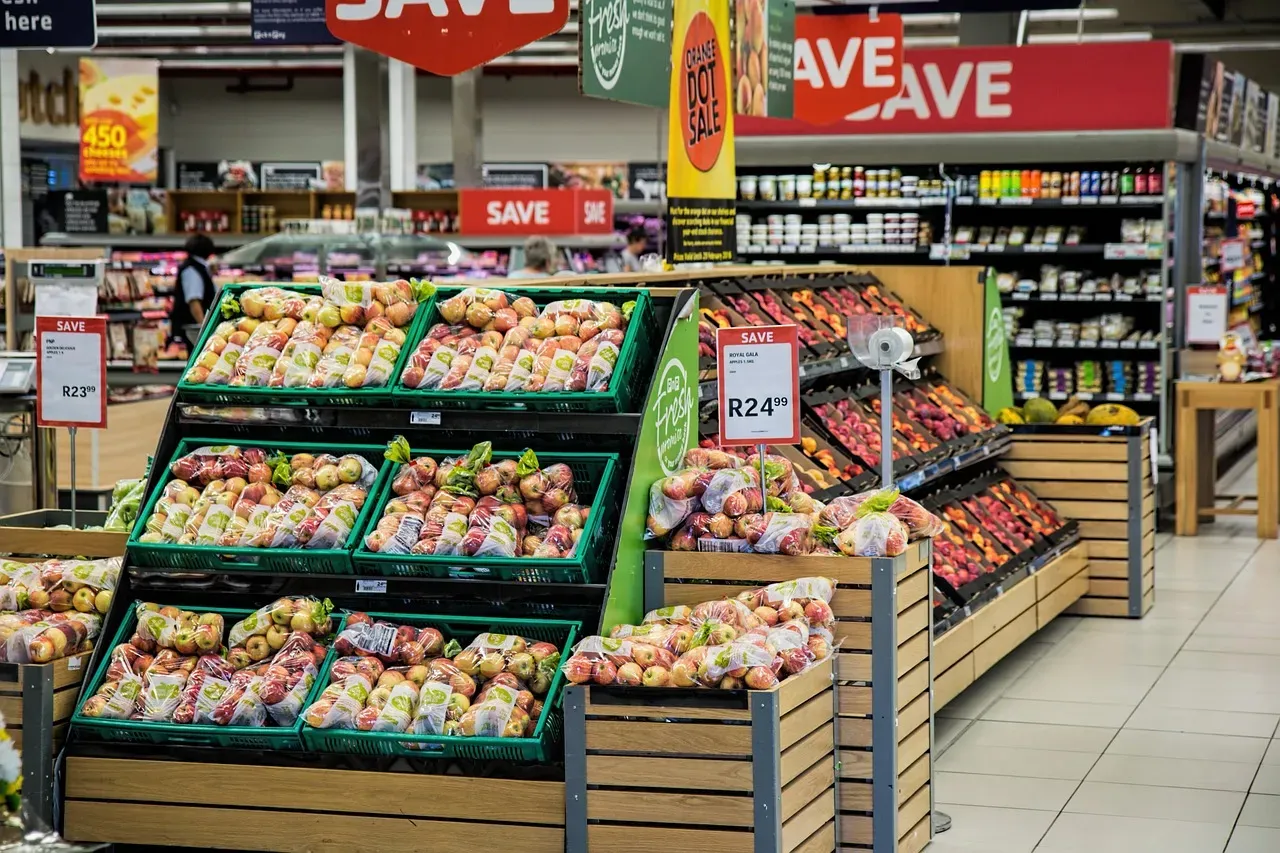
Buying in bulk is the grocery equivalent of buying wholesale, and it has never been more popular. When canned goods, pasta, rice, or frozen items go on sale, savvy middle-class shoppers are not just grabbing one. They are clearing the shelf. About four in ten consumers stock up during sales as one of their primary behavioral adaptations to rising food prices.
From 1997 to 2024, spending at warehouse clubs and supercenters surged from twenty-five billion dollars to two hundred and fifty-three billion dollars, a staggering nine hundred percent jump. That extraordinary growth reflects just how deeply the bulk-buying mindset has embedded itself into American consumer culture, especially among cost-conscious middle-income families.
Think of it like this: buying three jars of pasta sauce at a buy-two-get-one deal is essentially locking in today's price before it rises again next month. It is not hoarding. It is hedging. Sales play a significant role in consumer behavior, especially for meat, eggs, and other high-cost items, with many shoppers specifically waiting for discounts before making these purchases.
In 2026, overall food prices are predicted to rise three point one percent, which means the bulk-buying math only gets more compelling as time goes on.
What is truly remarkable about all of this is not the individual strategies themselves, but the collective intelligence behind them. Middle-class Americans are not passively absorbing higher prices. They are pushing back with data, planning, and behavioral discipline that even financial experts might admire. The pressure is real, but so is the resourcefulness. What would you have changed first in your own grocery habits? Drop your thoughts in the comments below.




Leave a Reply