
You pull up to the drive-thru, pay more than you remember, and when the bag lands in your lap, something feels off. The fries look a little sparse. The burger seems somehow smaller. You're not imagining things. Shrinkflation is the phenomenon where the size or quantity of a product decreases while its price stays the same or even increases, and it is increasingly noticeable in the restaurant franchise industry. Honestly, it's one of the sneakiest tricks in the modern business playbook.
According to a 2024 survey conducted by LendingTree, roughly three quarters of consumers now consider fast food a "luxury" purchase due to its increasing cost. That's a stunning shift. Fast food was never supposed to be a luxury. So which chains are getting away with the most? Let's dive in.
1. McDonald's: The Golden Arches, Shrinking Portions
There's a reason McDonald's tops nearly every shrinkflation conversation online. Customers have been crying shrinkflation, and McDonald's gets a fair share of complaints. As the chain has more than doubled its prices over the last decade, it may see reducing portion sizes as a subtler way to increase profits. Think about that for a second. A company generating billions quietly shaving off a few grams here, a few fries there.
On the shrinkflation subreddit, a user shared an image of their recent McNuggets order, pointing out the appearance of thin, square-shaped nuggets that seemed much smaller than usual. McDonald's Chicken McNuggets have been observed in a thinner, square-shaped form, causing disappointment among fans who feel they are getting less food for their money. And it's not just the nuggets. In 2024, customers in California reported shelling out big bucks for fewer fries.
A report from The Street showed an average price increase of roughly 140% across several popular McDonald's menu items from 2019 through 2024. The highest increase was a jump of more than double on a Cheeseburger, going from $1 in 2019 to $3.15 in 2024. Meanwhile, even the golden arches are not exempt from cost-cutting measures, with former McDonald's culinary manager Mike Haracz revealing that the chain discreetly reduces the sizes of some ingredients. That's a former insider, not just a Reddit complaint.
A Finance Buzz study found that McDonald's menu prices doubled over the period from 2014 to 2024, the highest increase of any chain analyzed. Paying more for less, year after year. Let's be real: for a company that size, every gram counts on a massive scale.
---
2. Chipotle: The Burrito That Keeps Getting Lighter
Chipotle built its whole identity around big, customizable portions. That was the deal. You pay a bit more than a typical fast-food spot, but you leave full. Chipotle once earned praise for its overstuffed burritos, but customers have increasingly complained that bowls and wraps seem lighter. Viral TikToks and Reddit threads document smaller burritos. The company attributes the inconsistency to "natural variation," but analysts suggest otherwise: portion reduction is a known tactic to balance high food and wage costs.
Customers accused Chipotle of "shrinkflation," saying portions had gone "crazy low," and one video documenting the issue garnered over 16 million views. That kind of viral backlash doesn't appear from nothing. One prominent viral claim stated that online orders at Chipotle were roughly 20 to 25% smaller than the same order placed in person.
The serving size controversy that hit Chipotle in 2024 may have hurt the company's value perception among cost-conscious consumers, and Chipotle's 2025 turned out to be one of the worst years in its history. That is a direct consequence of customers feeling shortchanged. In 2014, customers could get a burrito, bowl, or tacos for less than $6.75 on average. Those same meals all cost $10.50 or more today. The math just doesn't add up anymore.
---
3. Taco Bell: Less Filling, Same Price Tag
Taco Bell always had one major promise: cheap, filling, and satisfying. That promise is getting harder to keep. Patrons have noticed lighter taco fillings and less cheese in burritos, likely a result of strategic cost controls. Anyone who has recently unwrapped a burrito that looks suspiciously thin knows exactly what this feels like.
CNET reported a price increase of roughly double on the signature Gordita Crunch from 2014 to 2024. The Beefy 5-Layer Burrito went up by more than 130% in the same time period. That's not inflation. That's aggressive repricing. Industry experts note that small reductions across thousands of daily orders can offset millions in expenses. Still, the move risks alienating loyal fans who expect the same hearty servings that defined Taco Bell's reputation.
A Finance Buzz study analyzing menu price data across twelve top fast-food chains between 2014 and 2024 found that Taco Bell was among the chains raising prices at more than double the actual inflation rate. I think that statistic alone should make any regular Taco Bell customer pause. Industry experts note that small reductions across thousands of daily orders can offset millions in expenses, though the move risks alienating loyal fans who expect the same hearty servings.
---
4. Wendy's: Scaling Back on the Value Promise
Wendy's built its brand around quality and value, something fresh, never frozen. But here's the thing: fresh doesn't mean bigger. Once known for value deals and overstuffed combo meals, Wendy's has quietly scaled back on fries and nuggets. The shift follows rising potato and beef costs that have pressured the chain's profit margins. Fast-food franchises have been reducing portion sizes to maintain the illusion of value rather than hiking prices outright.
According to Newsweek, Wendy's showed the third-most inflated menu prices in 2024 with an average price hike of around 50% since 2015. That's a steep climb. While Wendy's continues to promote premium offerings, many customers say the portions don't quite fill them up like they used to. There's a growing sense of disconnect between the marketing and the actual meal in your hand.
Wendy's had previously launched a "two for $5" meal deal in late 2020. When the deal came back in 2023, it became two items for $6. With the deal returning in 2025, there was yet another price increase, this time to $7. Same deal. More money. Less value. That pattern, repeated year after year, is the textbook definition of squeezing the customer.
---
5. Popeyes: Chicken Getting Smaller, Prices Getting Higher
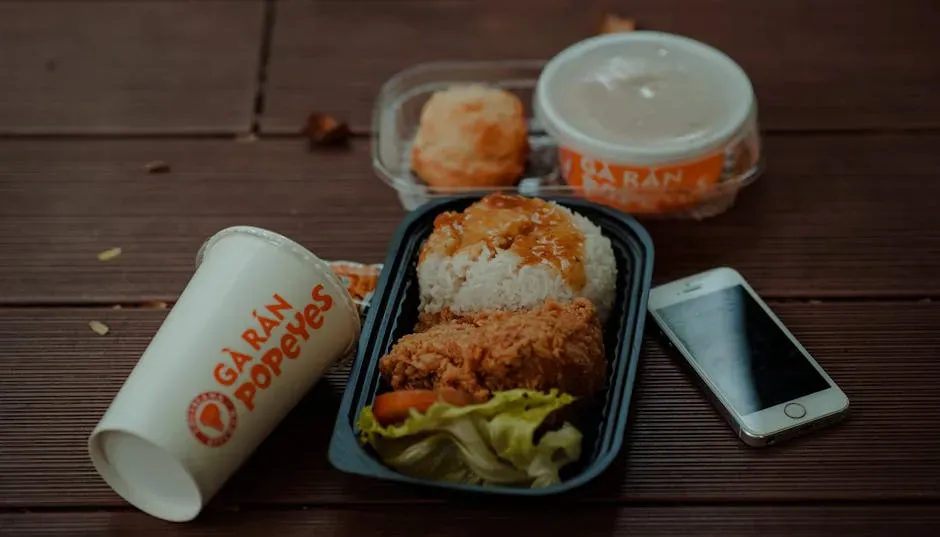
Popeyes rose to fast-food fame on the strength of its generous, flavor-packed chicken. The chicken sandwich craze of 2019 practically broke the internet. Yet the brand seems to be cashing in on that reputation while quietly trimming what lands on your tray. One Reddit member posted a photo of a Popeyes chicken wing that was barely larger than a sauce packet. Another customer showed a chicken sandwich that consisted of far more bread than chicken.
A TikTok user shared a video of side dish servings that didn't reach the top of the containers. To make matters worse, it's not just the food that's shrinking at Popeyes - the condiment servings are getting smaller, too. Even the sauces. The chain's sauce packages used to be 1 ounce, but are now just 0.9 ounces. It sounds minor. Then again, that's exactly what they're counting on.
At Popeyes, a two-piece chicken combo increased 76%, from $6.49 in 2014 to $11.39 in 2024. A four-piece chicken dinner increased 94%, going from $6.99 in 2014 to $13.79 in 2024. Nearly doubling in price while portions shrink - that's a tough combination to defend. Finance Buzz also identified Popeyes as one of the chains raising menu prices at more than double the actual inflation rate over that decade. The numbers don't lie, even when the portion sizes do.
---
The Bigger Picture: A Trend That Isn't Going Away
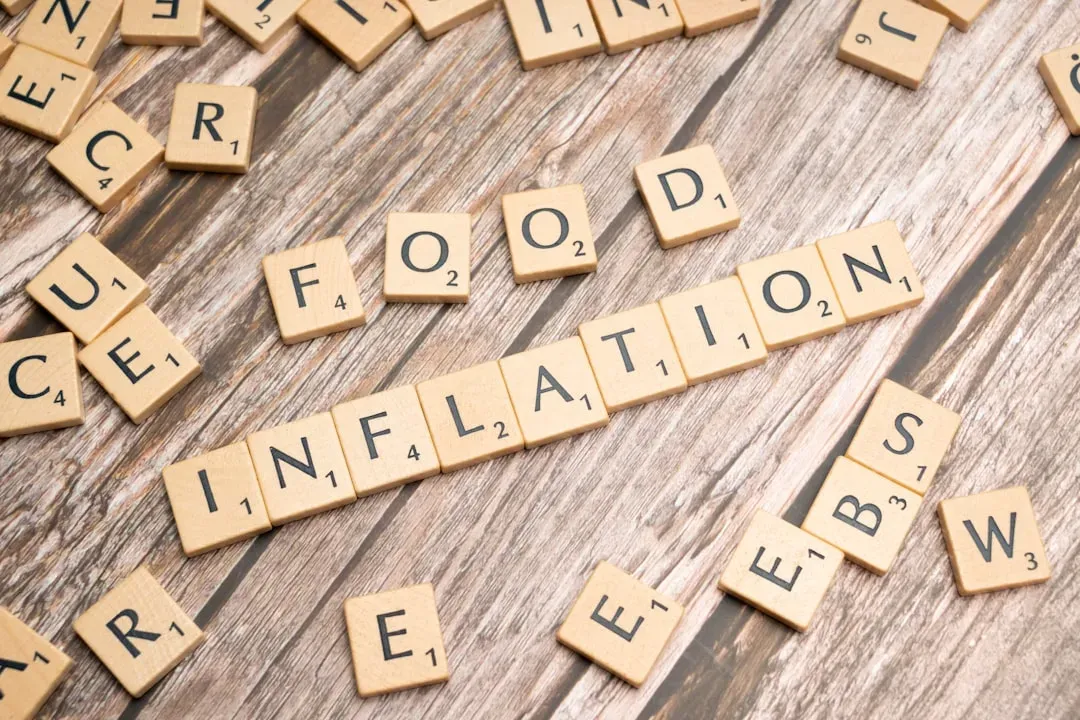
It's tempting to think of shrinkflation as a temporary response to unusual economic pressures. But the data suggests otherwise. Industry insiders have said they do not anticipate manufacturers or brands increasing portions or sizes to give consumers a break. Although price increases have slowed, they're still rising, and portion sizes are not expected to increase at most brands in the future. That's a sobering reality.
Roughly three quarters of Americans have noticed shrinkflation at their grocery store, and among them, nearly half have abandoned a brand as a direct result. That consumer action is powerful. Fast food has always promised affordability and consistency, but in 2025, both are slipping. Shrinking portions reflect a changing industry where keeping prices steady takes precedence over keeping meals the same size.
Consumers are often highly sensitive to price increases. Directly raising prices can lead to a decrease in sales and customer dissatisfaction. Shrinkflation allows companies to maintain the same price point while reducing the quantity or size of the product, making the price change less noticeable to consumers. In other words, they're betting you won't notice. But more and more people clearly are.
The real question isn't which chain is shrinking portions the most right now. It's whether customers will keep showing up, or whether they'll finally vote with their wallets. What do you think? Have you noticed the difference in your go-to order? Tell us in the comments.



Leave a Reply