
Walk into any wine shop and the labels start talking to you immediately. "Reserve." "Old Vine." "Natural." "Single Vineyard." These words carry a certain gravity, a promise of something deeper, more considered, more worth your money. The problem? A good chunk of this vocabulary is either unregulated, loosely defined, or outright borrowed from marketing playbooks that have nothing to do with what's actually in the glass. Wine labels are full of impressive-sounding terms, some meaningful, many not - and while a few are backed by strict regulations in certain countries, others are simply marketing fluff designed to nudge you toward a pricier bottle. Knowing which is which can save you real money.
1. "Reserve" - A Word That Often Means Nothing
The word "Reserve" sounds like something a winemaker holds back for a special occasion, and sometimes it is - but it depends entirely on where the wine comes from. In countries like Spain and Italy, "Reserva" or "Riserva" has genuine legal requirements. In those regions, the term is tied to specific aging minimums and production standards that actually justify a higher price. That's real protection for the consumer.
Outside of Europe, the word "Reserve" is largely unregulated. In the United States, Australia, Chile, and Argentina, winemakers are free to use the term at their discretion. While many wineries do use it to denote their top-tier bottlings, there are no legal standards governing aging, oak treatment, or production volume. One producer's "Reserve" may be a single-vineyard, barrel-select masterpiece; another's might be a standard release dressed up with a premium-sounding label. Reserve wines typically cost 20 to 40 percent more than standard bottlings - a premium that may have zero backing in reality.
2. "Old Vine" - Romantic Language with No Legal Age Minimum

The phrase "Old Vine" has a romantic ring to it, and in fact, older vines do produce smaller yields but more concentrated fruit. However, the term is largely unregulated, so what counts as "old" can vary wildly. There is no international standard, no regulatory body checking vine birth certificates. One producer might use it for 60-year-old plants rooted deep in stony soil; another might slap it on a bottle from vines that are barely a decade past their first harvest.
There is no legal definition for how old a vine must be to qualify. It could be forty years or fourteen. Older vines usually produce fewer grapes with more concentration, but only if the vineyard is managed properly. In other words, "old vines" means "these vines are not new" and nothing more. Old Vine labeling can add anywhere from 15 to 60 percent to a bottle's price depending on perceived scarcity - which means this loosely defined phrase has enormous pricing power with almost no accountability attached to it.
3. "Natural Wine" - The Most Debated Label in the Business
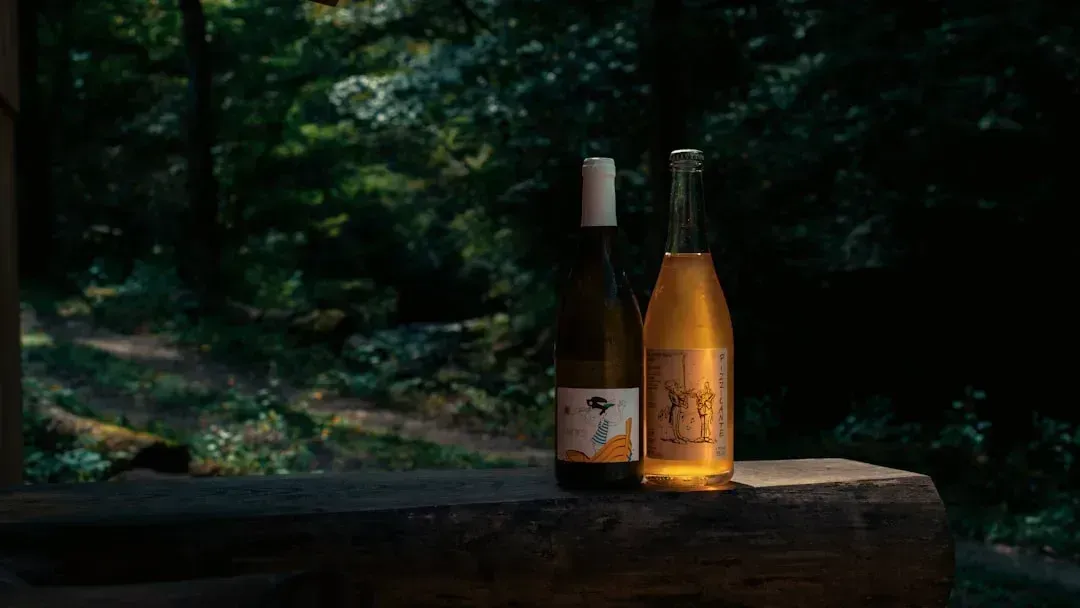
"The broad phrase 'natural wine' continues to confuse consumers and allow a slew of faulty wines to enter the marketplace." This is not a fringe opinion - it comes directly from working sommeliers who encounter natural wine's messy realities on restaurant floors every single service. The term sounds clean, honest, and grounded, which is precisely why it commands premium pricing from consumers who associate it with health and authenticity.
Natural wine is the most debated word in modern wine. Some see it as a badge of honour, others as an excuse for faults. There is no universal legal definition, only loose expectations: minimal additives, wild yeast, little to no filtration. Winemakers or brands can print on labels that they are concerned about the environment or that their wines are made with healthy grapes - it does not require them to have any label or certification, and it could mislead customers as to their actual viticultural practices. Paying a premium for "natural" without a third-party certification is essentially paying for a story, not a standard.
4. "Single Vineyard" - Geographic Specificity Dressed Up as Greatness
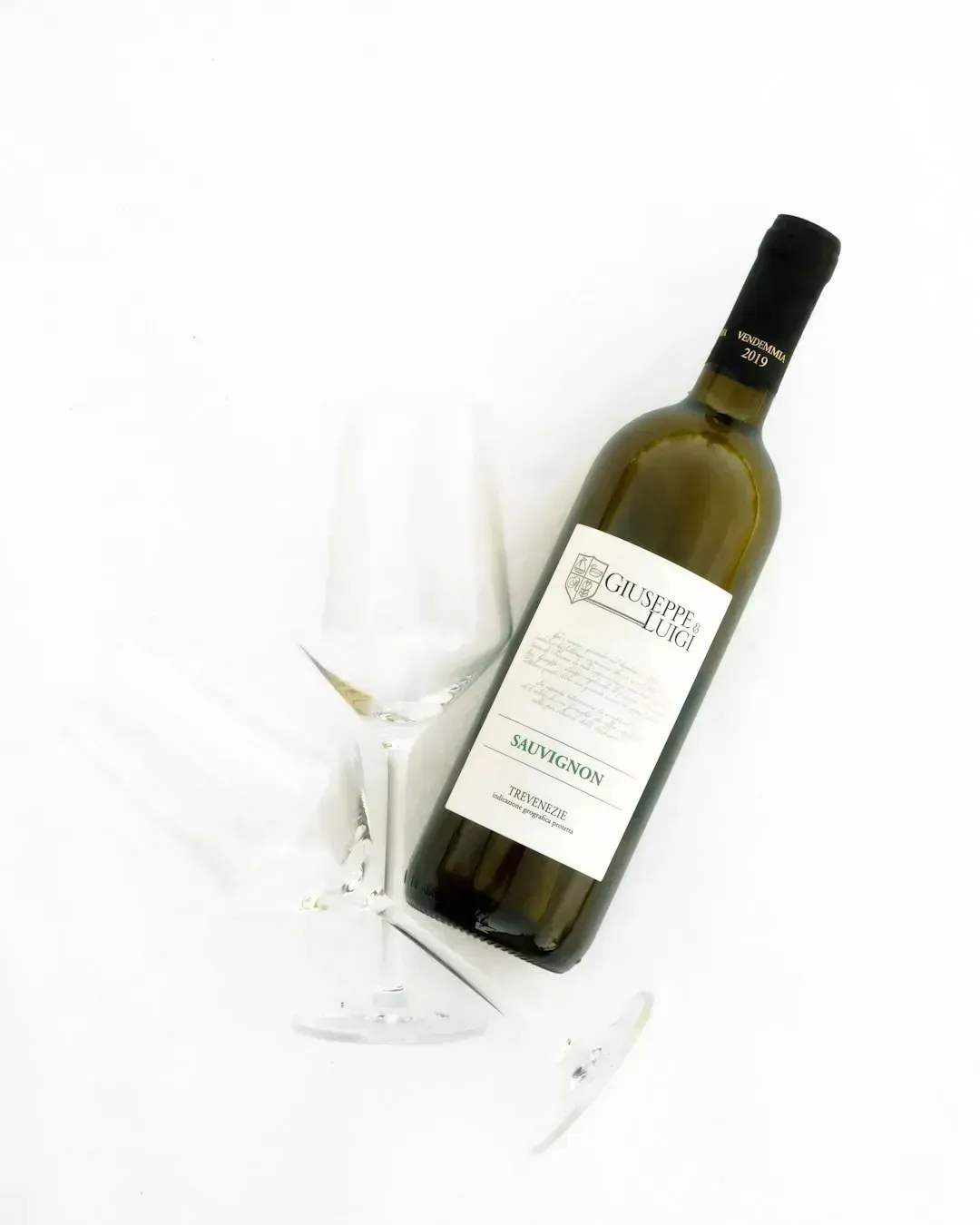
The language on wine labels can be carefully crafted, maddeningly complicated, or both. The terms "estate," "estate-bottled," and "single vineyard" all sound vaguely similar, but have distinct definitions that can vary by country. Grapes used to make a single-vineyard wine come from one vineyard, but the producer whose name is on the label might not own that vineyard or control how it's farmed. What you buy with a single-vineyard wine is geographic specificity - not necessarily greatness. It tells you where the grapes came from, not how well they were cared for.
"Single Vineyard" is worth paying attention to if the producer tells you what makes that vineyard special. Otherwise, it might just be another marketing flourish. There are some outstanding wines produced by blending fruit from a number of high-quality vineyard sites, taking advantage of the varied characteristics that fruit from different vineyards can provide. So wines made from grapes from a single vineyard are not always higher in quality than those that are not. The premium price attached to "Single Vineyard" bottles is often more about the story told on the label than the liquid inside.
5. "Sustainable" Without Certification - Greenwashing in a Glass
Sustainability in wine can mean everything or nothing, depending on who is saying it. It might refer to vineyard practices, packaging, energy use, or just a vague ethos. The only reliable signs are third-party certifications such as Sustainable Winegrowing in California or VIVA in Italy. Anything else is probably marketing fog. Sustainable wine should have paperwork, not poetry. This distinction matters enormously because the word "sustainable" has become one of the most powerful pricing tools in the modern wine market.
The global organic wine market is valued at $11.8 billion in 2025 and projected to reach $32.2 billion by 2034, growing at an 11.8% compound annual growth rate. A Wine Market Council study found roughly three-quarters of U.S. wine consumers are more likely to purchase wine produced sustainably. Approximately 60 percent of Millennial and Gen Z consumers are willing to pay a premium for eco-friendly products. That willingness to pay is real - and producers know it. Younger wine consumers will detect greenwashing instantly, but in the meantime, vague sustainability language without verified credentials continues to inflate prices with no guaranteed quality return.
The Bigger Picture: Premiumization and the Price of Words
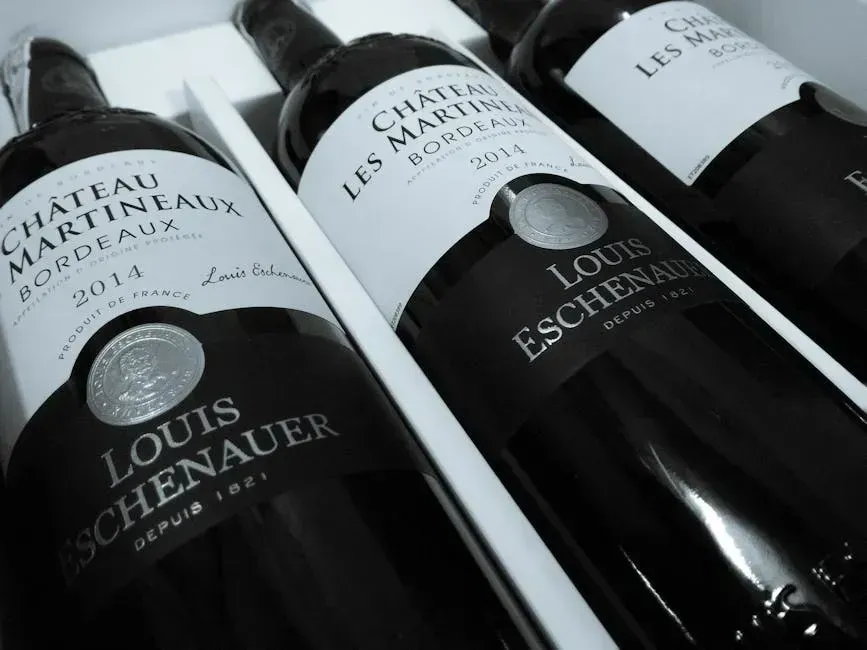
After years of disruption, the U.S. wine market enters 2026 in a phase best described as stabilization rather than recovery. The steep volume declines that defined the period from 2019 through 2024 were slowed, and industry analysts broadly agree the market is approaching a bottom. However, any return to growth will be modest, uneven, and driven primarily by price and mix rather than a resurgence in consumption. In that climate, label language becomes more important than ever - because producers are leaning harder on words to justify higher prices as sales volumes shrink.
A well-known label can command a premium even if the wine inside isn't dramatically better than a lesser-known competitor. Marketing budgets, packaging design, and even celebrity endorsements can all inflate the final price. Think of it like fashion - sometimes you're paying for the name. According to IFT's 2025 consumer outlook, 63 percent of U.S. adults now read on-package information for alcoholic beverages, and 35 percent trade up to "premium-positioned" options like Reserve or single-vineyard wines. The smartest move is to spend that premium on certifications and appellations that actually carry legal weight in their region of origin - not on words that sound expensive simply because someone paid a designer to print them in gold foil.



Leave a Reply