
You grab a smoothie instead of a pastry. You feel proud. Virtuous, even. It's green, it has kale in the name, it cost you six dollars, and the label says "no added sugar." What could possibly be wrong with that picture?
Here's the uncomfortable truth: some of the most popular smoothies on the market pack more sugar into a single bottle than you'd find in a glazed donut. One glazed donut contains around 10 grams of sugar, which is honestly not that much. The problem is that a single smoothie can blow past that number several times over, all while wearing a health halo so bright it practically blinds you. Let's dive in.
1. Naked Juice Green Machine - The Biggest Offender in the Fridge
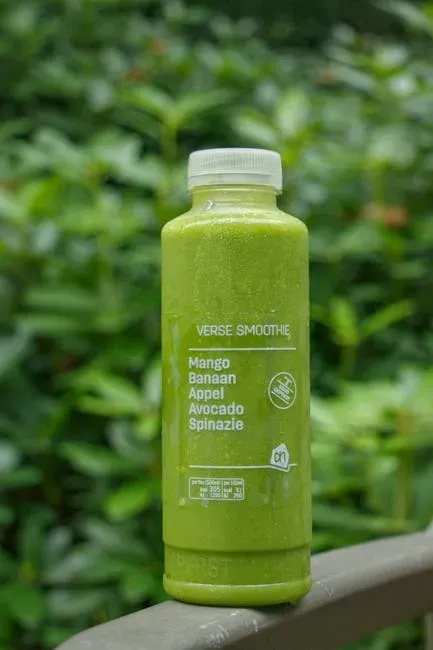
If there's one smoothie that perfectly captures the gap between perception and reality, it's this one. It's green, it has spirulina and kale on the label, and it markets itself as a "no sugar added" product. Technically, that's true. Nutritionally? It's a different story entirely.
Green Machine, a popular Naked Juice flavor, is often praised for its blend of fruits and vegetables. It contains ingredients like spinach, kale, and apple, providing a rich source of vitamins and antioxidants. However, it also has a high sugar content, about 53 grams per bottle, primarily from natural fruit sugars.
Naked's Green Machine contains 3.5 grams of sugar per ounce, more than Pepsi Cola's 3.42 grams per ounce. Naked Juice is advertised as a "good for you" product despite an even higher sugar content than a popular soda. That's the kind of comparison that should make anyone pause mid-sip.
The reason for its 53 grams of sugar is the high fruit-to-veggie ratio. The Green Machine is essentially a fruit-juice blend, not a leafy green veggie detox, so it is advised to be wary of drinks that claim to be green. In the end, what looks like a wellness ritual in a bottle is mostly apple juice, mango puree, and banana, which your blood sugar processes with zero mercy.
2. Naked Juice Pomegranate Blueberry - Even More Sugar, Even More Deceptive
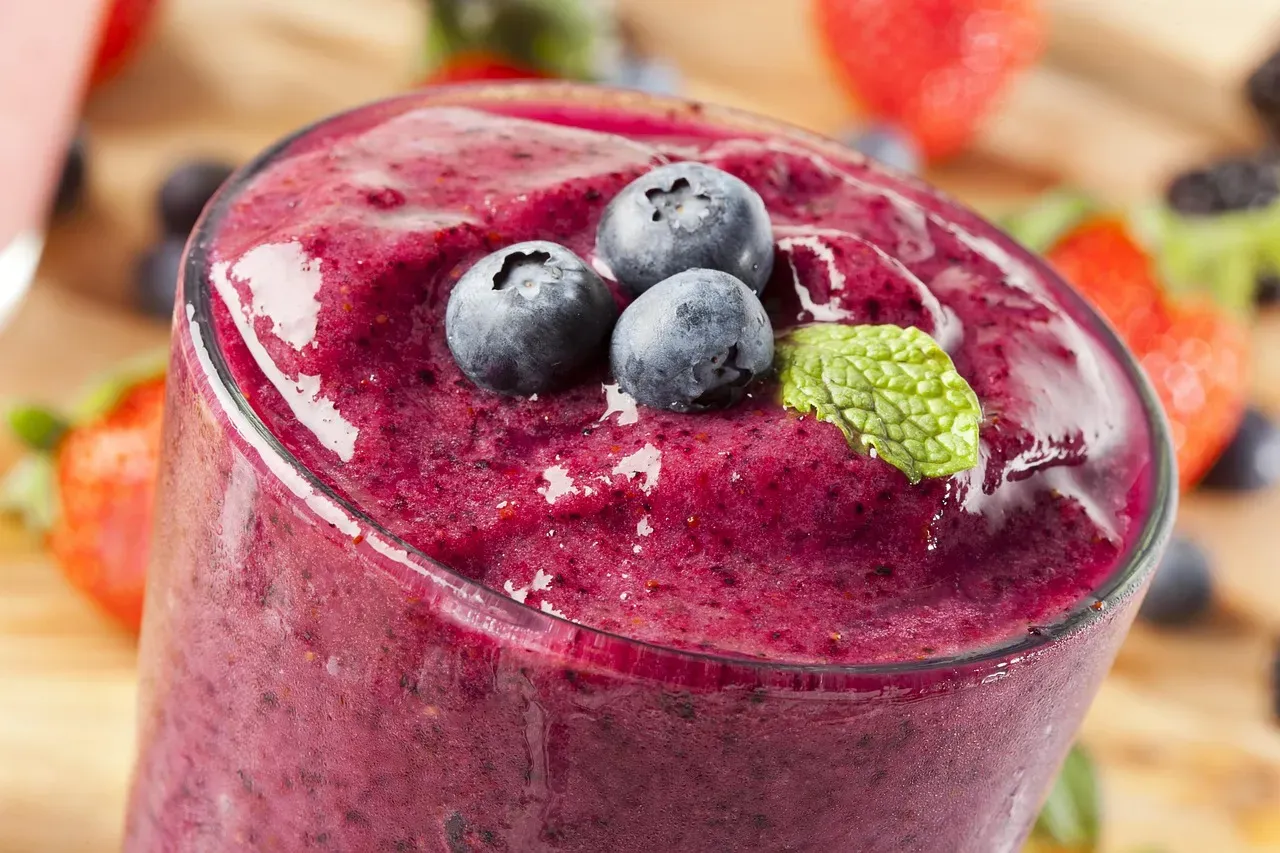
If you thought 53 grams was alarming, let's talk about Naked's Pomegranate Blueberry. It sounds like an antioxidant powerhouse. The deep purple color makes it feel medicinal, like you're doing something serious for your health.
Naked's Pomegranate Blueberry contains some 61 grams of sugar, which is 5.3 tablespoons of sugar in a single bottle. That equates to roughly one teaspoon of sugar in every single ounce of juice. This amount of sugar is greater than Coca-Cola, which contains 3.25 grams of sugar per ounce.
Think about that for a second. You reach for a fruit smoothie to skip the soda, and you end up with something more sugary than Coke. High sugar intake is associated with an increased risk of obesity, heart disease, and type 2 diabetes. The packaging may be sophisticated, but the nutritional math is not flattering at all.
Despite having no added sugars, Naked Juice beverages are still high in sugar from naturally occurring sources like fruits. What's more, they're low in fiber, as most of this nutrient is removed during the juicing process. No fiber means the sugar hits your bloodstream fast, like a sugar IV drip dressed up in wellness branding.
3. Store-Bought Odwalla-Style Smoothies - Twelve Donuts in One Bottle
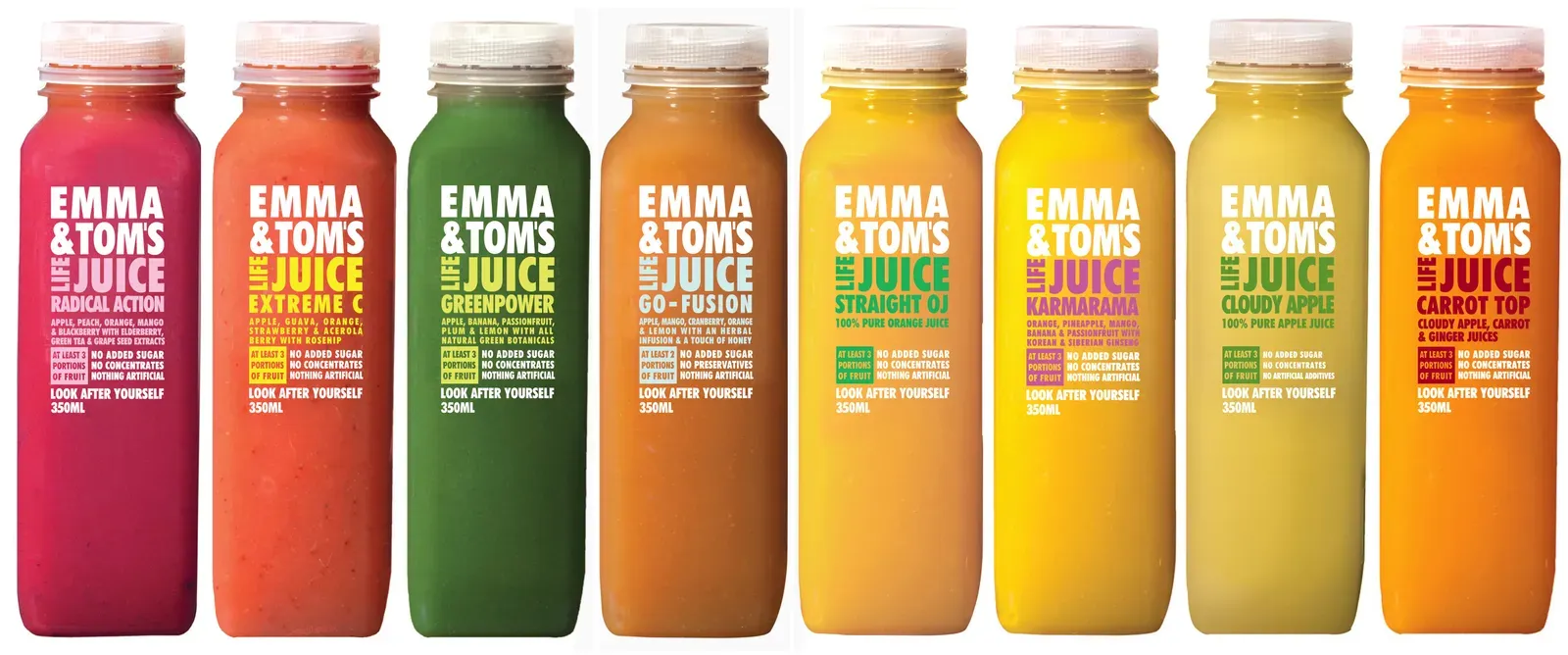
This one is almost hard to believe. Honestly, I had to read it twice when I first came across it. We're not talking about being slightly over the donut benchmark. We're talking about obliterating it.
Homemade smoothies are one thing; store-bought is another. Bottled smoothies, like Odwalla's, are often overflowing with sugar, most of which is naturally occurring. However, when fruit juice concentrates are added to sweeten products, it's just as bad as adding high fructose syrup, as these natural sugars are lacking in fruit's fiber.
When fruit juice concentrates are added to sweeten products, it's just as bad as adding high fructose syrup, as these natural sugars lack fruit's fiber. Your body doesn't distinguish between natural fruit sugar and added sugar when it's stripped of fiber, so that blood sugar spike hits just the same.
So the next time you reach for a bottle with a bright farm-fresh label and a list of wholesome-sounding ingredients, check the sugar line on the back panel. The presence of high sugar causes health issues like blood sugar spikes, dental issues, weight gain, obesity, type 2 diabetes, and high cholesterol. In some cases, excess sugar intake causes certain cancers and liver damage. The donut you avoided starts to look pretty reasonable by comparison.
4. Jamba Juice Caribbean Passion Smoothie - Tropical Vibes, Not-So-Tropical Sugar Count

Jamba Juice built its entire identity around health. Walk into any location and you're surrounded by bright colors, wellness messaging, and enthusiastic staff. The vibes are immaculate. The sugar content, however, tells a different story for certain menu items.
According to Jamba's own 2025 nutritional data, the Caribbean Passion large smoothie contains 90 grams of sugar, while even the small size packs 53 grams of sugar. The small version alone matches the full sugar load of the Naked Green Machine, which is already notorious for being a sugar bomb.
Standard Jamba recipes can be very high in sugar, often exceeding 70 to 80 grams in a medium size, largely due to the juice blends used as a base. The tropical flavors make it taste refreshing and light. Your pancreas, however, is working overtime.
The American Heart Association recommends no more than 36 grams of added sugar per day for men and 25 grams for women. While some of the sugar in these smoothies comes from whole fruit, a large portion comes from the juice concentrates, which acts like added sugar in the body. One Caribbean Passion smoothie in the large size contains more sugar than most people should consume across an entire day.
5. Jamba Juice Orange C-Booster - The "Immune Support" Illusion
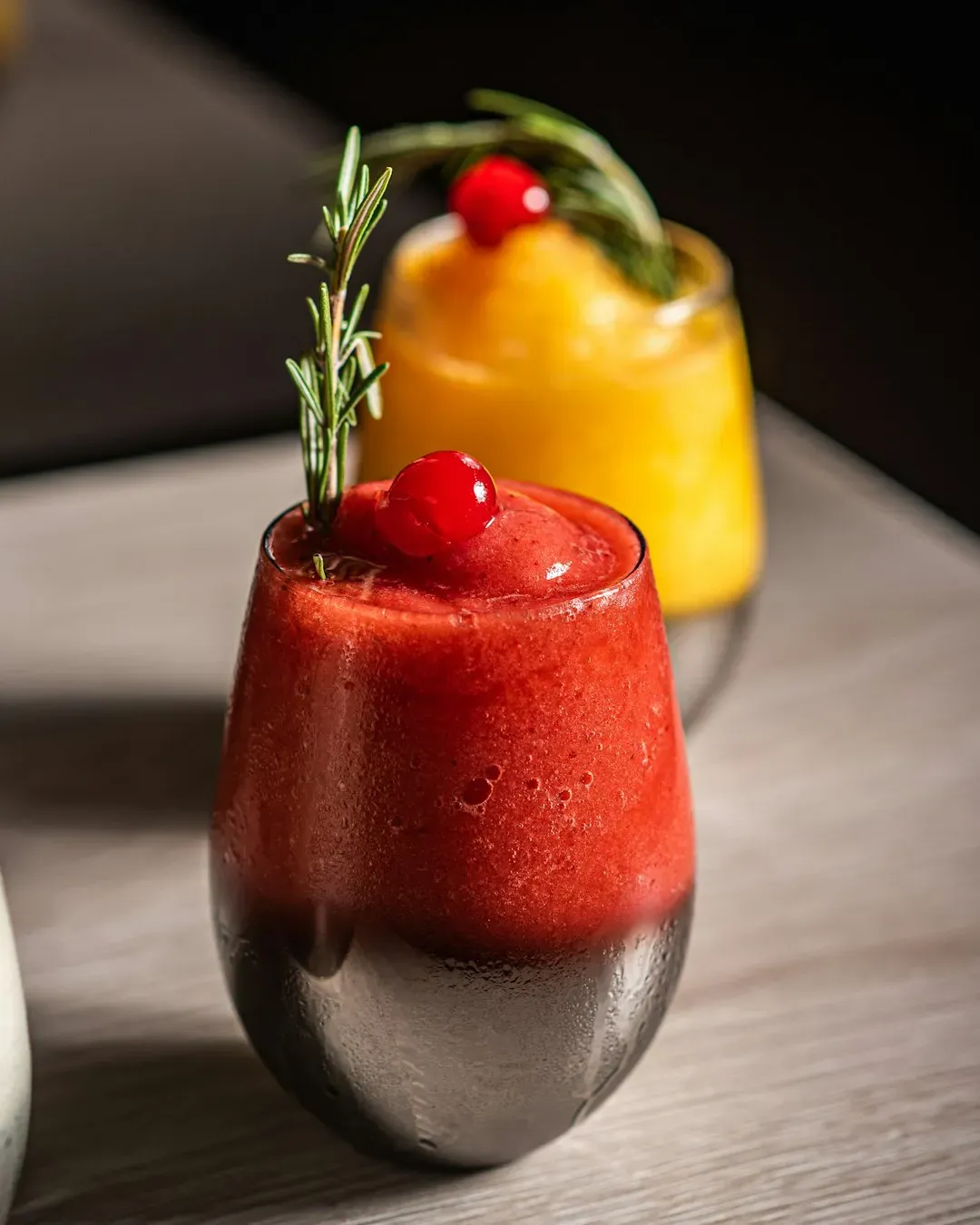
Few marketing angles are as powerful as the immune support claim. It conjures images of vitamins, health, and resilience. The Orange C-Booster at Jamba leans heavily into this idea, and for anyone managing blood sugar, the name is doing a lot of heavy lifting.
Jamba's 2025 nutritional data shows that the Orange C-Booster large smoothie contains 81 grams of sugar, with the medium containing 62 grams, and even the small coming in at 45 grams of sugar. That small option alone contains more than four times the sugar of a single glazed donut.
The ingredient list reveals why. The smoothie contains orange sherbet made with water, sugar, whey, and corn syrup, alongside juice concentrates. So while vitamins are certainly present, they arrive packaged in a high-sugar delivery vehicle that most nutritionists would raise an eyebrow at.
Jamba Juice smoothies are convenient but may contain added sugars, juice concentrates, or lower nutrient density compared to homemade smoothies made with fresh fruits, vegetables, and minimal additives. Making smoothies at home allows for full control over ingredients, portion sizes, and dietary customization, resulting in potentially healthier options. It's a simple swap that makes a massive difference.
6. Popular Store-Bought "Green" Smoothies With Juice Concentrates - The Label Trap

This final category deserves attention because it's the sneakiest of all. Walk through any supermarket and the shelves are lined with bottles featuring kale, spinach, and spirulina prominently on the front. The back label, however, often tells a completely different story.
The leading brands of fruit and vegetable green drinks have significant amounts of naturally occurring sugar. Brands like Naked Green Machine and Bolthouse Farms Green Goodness contain significant amounts of naturally occurring sugar compared to smaller-batch organic alternatives.
On-the-go bottles from brands like Innocent, Naked, Pret, and others often contain more than one portion, so it's easy to overdo it. Most people drink the entire bottle without even looking at the serving size, essentially doubling the sugar hit they think they're consuming.
In an 18-year study in 71,346 healthy women, eating whole fruits and vegetables significantly decreased their risk of type 2 diabetes, while drinking fruit and vegetable juices actually increased their risk. A further study in 187,382 adults determined that replacing fruit juice with the same amount of whole fruit lowered diabetes risk by seven percent. That's a data point the green smoothie industry would rather you didn't look up.
Let's be real: the smoothie industry is booming. The global smoothie market was valued at nearly 13.6 billion dollars in 2024 and is expected to more than double to over 33 billion dollars by 2034. There's a lot of money invested in keeping the health halo firmly in place. Reading labels carefully is the single most powerful thing you can do to cut through the marketing noise.
So next time you're standing in the smoothie aisle feeling virtuous, flip the bottle around. The glaze on that donut suddenly looks a lot less threatening than whatever is waiting at the bottom of your green machine. What would you have guessed?




Leave a Reply