
You just spent real time and effort sharpening your kitchen knives to a razor-clean edge. So what do you do next? If you're like most home cooks, you probably do at least one thing that quietly undoes all that work. Honestly, it happens more than you'd think - even in kitchens that seem well-run.
The minutes and hours right after sharpening are critical. That freshly formed edge is at its most vulnerable. Tiny decisions made in that window can mean the difference between a knife that stays sharp for weeks and one that dulls again before the weekend. Let's dive in.
1. Never Throw Your Freshly Sharpened Knife Into the Dishwasher
This is probably the single most common mistake, and it's also the one that does the most invisible damage. The moment you place a freshly sharpened knife into the dishwasher, you're essentially sending it into a war zone.
The knife blade suffers three times in the dishwasher: chemically from the detergents, thermally from the hot water, and mechanically from the shocks. That's a brutal combination for an edge you just carefully refined. A knife that comes out of the dishwasher may look clean, but in reality it is slightly duller and weaker than before it was washed.
The aggressive detergents and salts, and the high temperatures in the dishwasher, make the cutting edge porous and blunt, and more susceptible to rust. The moisture also causes wooden handles to swell and become brittle. It's a slow, creeping destruction that most people don't notice until the knife feels completely dead. The more often a knife is washed in the dishwasher, the more often it needs to be sharpened to restore its effectiveness.
2. Never Immediately Cut on a Hard or Glass Cutting Board
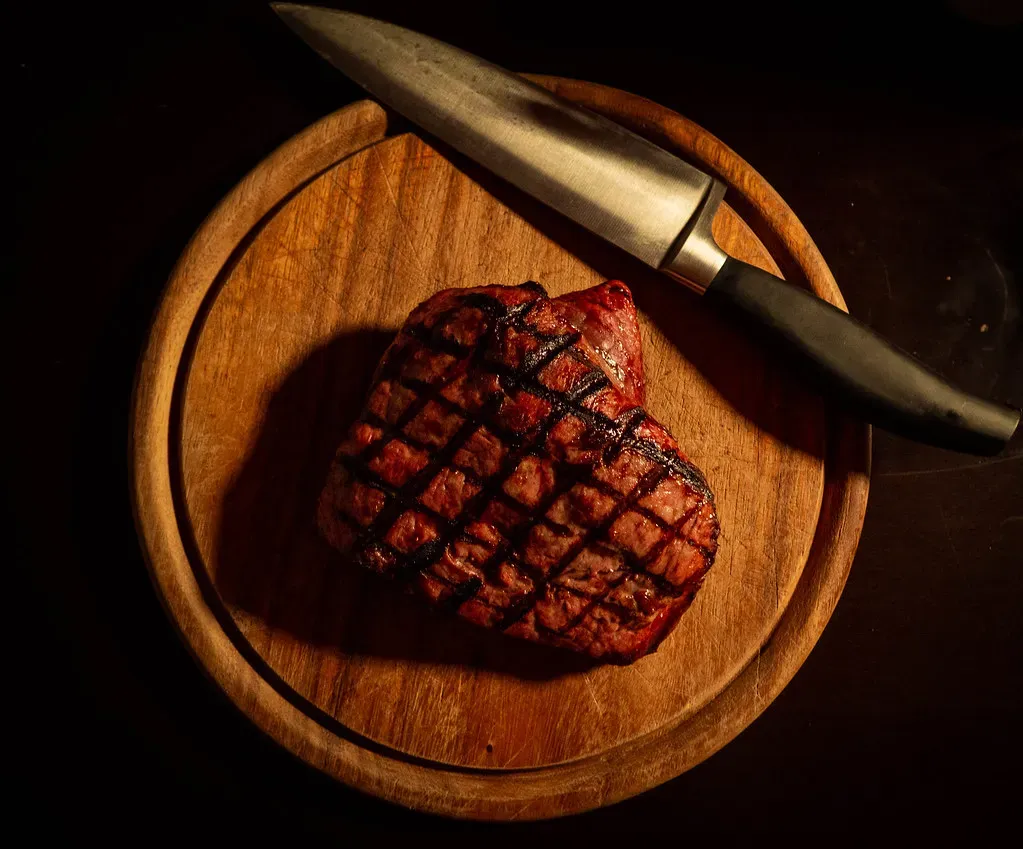
Here's the thing - a freshly sharpened knife is at peak sharpness, which also means the newly formed edge is at its most delicate. Dragging that edge across a hard surface right away is like sanding down fresh paint before it's cured.
The true enemy of sharp knives everywhere are glass cutting boards and countertops. Not only does cutting on them quickly dull and ruin the sharp edge of your blade, but they are also very unsafe. The slick surface will cause your knife to slip and the edge to roll. Think of it this way: a glass board is essentially an abrasive surface wearing down everything that touches it.
As indestructible as knives can appear, cutting on the wrong material will affect the quality. Avoid hard surfaces such as marble, granite, and glass. In particular, glass cutting boards create unseen dangers like slipping and chipping. Chefs insist on wood or high-density plastic for a reason. There are things to avoid that would dull your knife faster: do not cut directly on your marble or glass countertop. Choose a wooden or plastic cutting board to lengthen the life of your knife.
3. Never Drag the Blade Sideways Across the Cutting Board
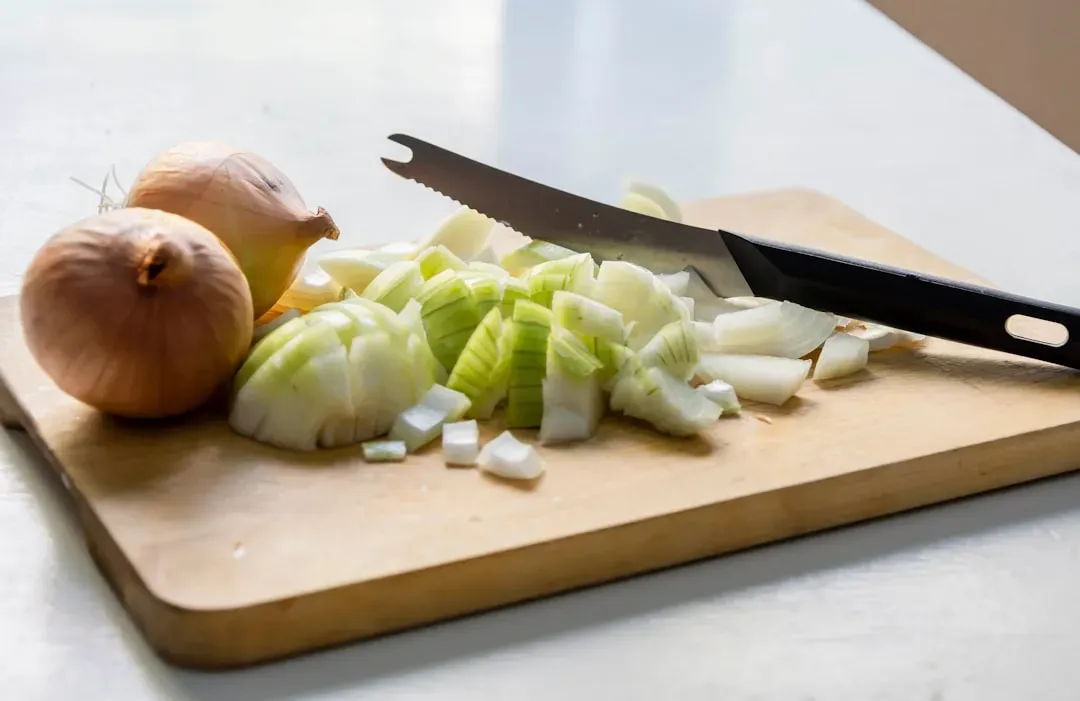
This one trips up nearly every home cook, including people who genuinely care about their knives. After chopping a pile of onions or herbs, it feels completely natural to sweep the blade flat along the board to gather everything up. It seems harmless. It is not.
Never drag the blade sideways across a cutting board to move chopped ingredients. That dulls the edge instantly. Use the spine of the knife, or better yet, a bench scraper. That one lazy swipe across the board is doing the same mechanical damage as dozens of cuts. On a freshly sharpened edge, the effect is even more pronounced.
This is one of the most common mistakes many people make. It is important to get out of the habit of sliding your knife, blade down, across the cutting board to clear away the produce you just chopped. This is terrible for the blade. An easy way to avoid this is to flip the knife over before sliding. This way the flat side of the blade does the clearing, and your blade isn't ruined.
4. Never Toss It Loose Into a Kitchen Drawer
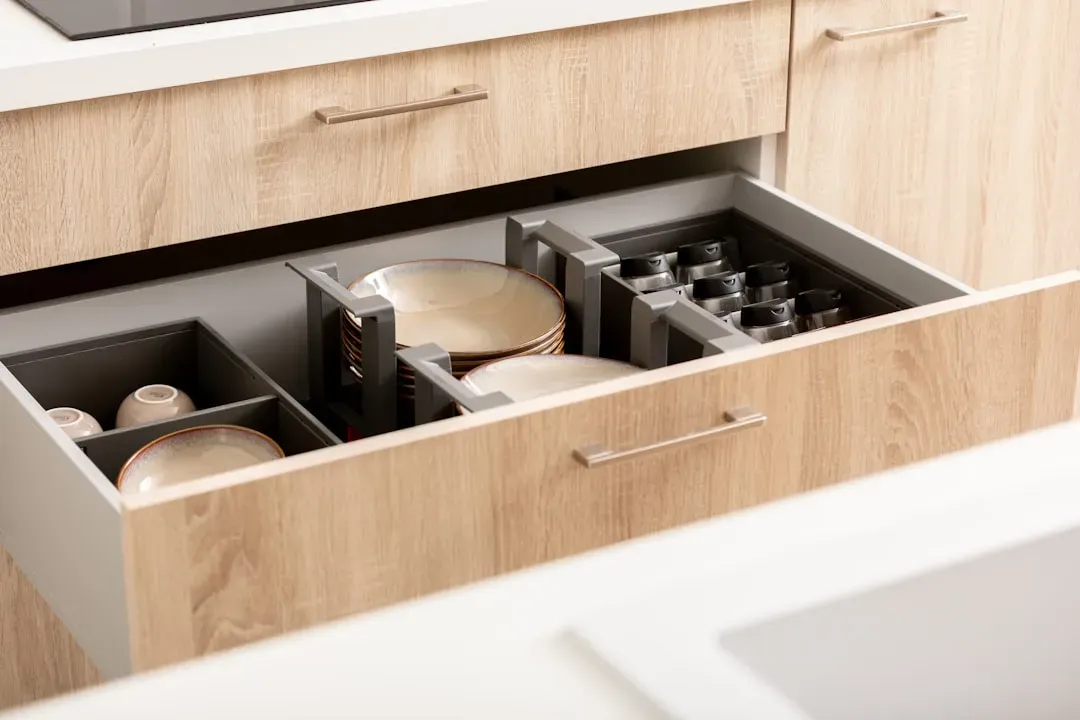
The kitchen drawer. We all have one. It's where utensils go to jostle against each other, clank around every time you pull it open, and create a general chaos of metal on metal. For a freshly sharpened knife, that drawer is basically a grinder.
You should never keep kitchen knives in a cabinet drawer, mixed in with other utensils. For starters, you're liable to cut yourself on the sharp blade any time you reach into the drawer. This form of loose storage is also bad for the knives, since the jostling can lead to nicked blades. That's the Consumer Reports verdict, and it's hard to argue with.
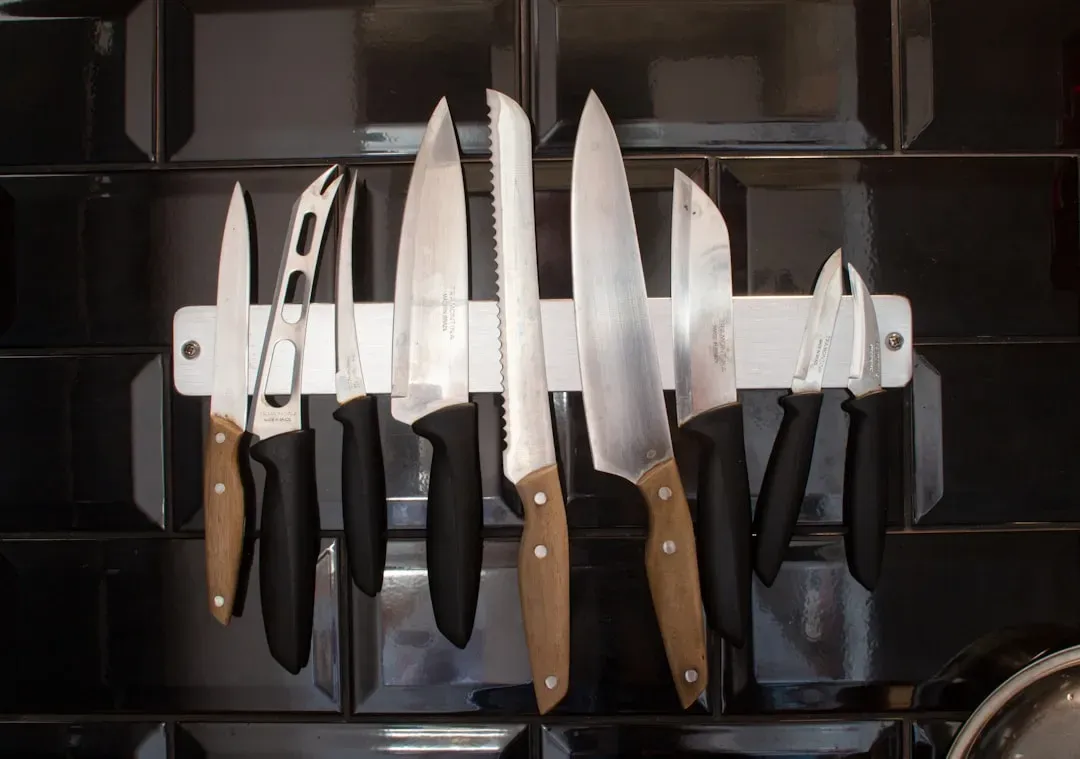
Once you're done sharpening and cleaning your knife, you'll need to know how to store it properly. This is a key step in preventing your knives from aging poorly and even causing harm. The best place to store knives would be on a magnetic block or other knife stand. If you store your knives in a drawer, they are likely to dull, and you risk cutting yourself when grabbing them. A magnetic strip mounted on the wall is one of the smartest investments any cook can make.
5. Never Use It Immediately on Frozen Food or Bone Without Caution
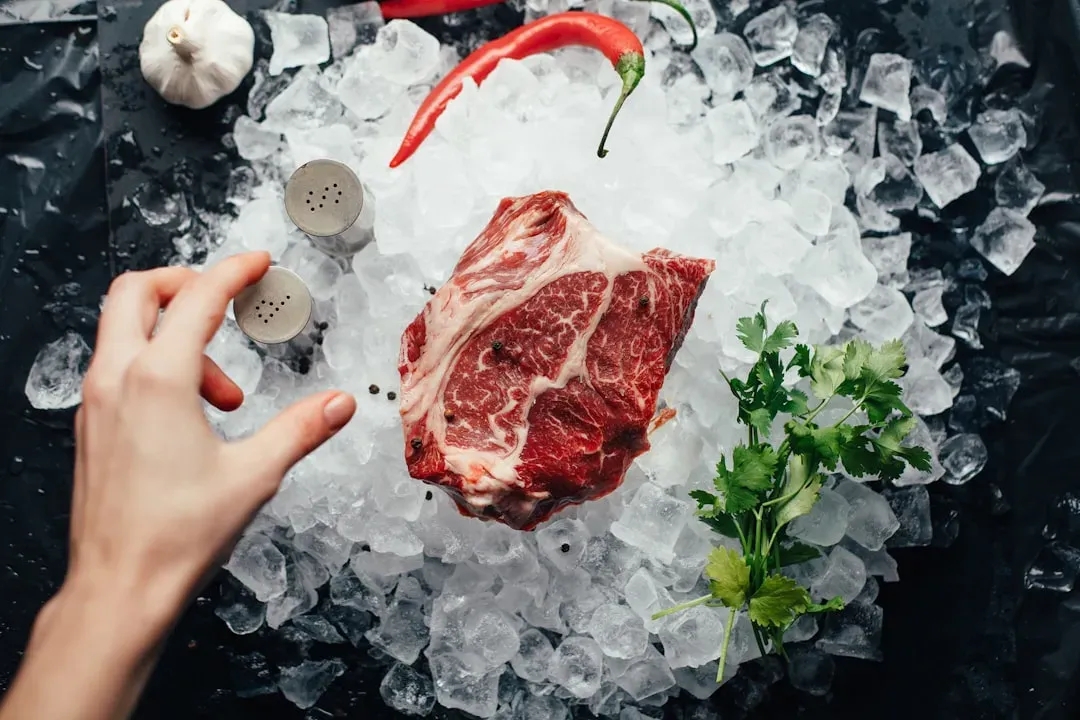
The excitement of a freshly sharpened knife is real. It almost makes you want to test it on everything in the refrigerator right away. But right after sharpening is precisely when you need to be thoughtful about what you cut first, because the edge is thin and new.
A sharp knife is important in order to preserve the true flavours of fresh ingredients. Cutting with a dull knife will damage food on a cellular level and alter its taste and appearance. That's reason enough to respect the blade. Still, chefs consistently warn that using a freshly sharpened knife on frozen food, cartilage, or directly on bone can cause micro-chipping along the edge. Those tiny chips are nearly invisible at first, but they accumulate fast.
Never use a one-size-fits-all approach. Different knives, from serrated bread knives to fine paring knives, require specific sharpening techniques. The same logic applies to use: not every knife is built for every job. Using a freshly sharpened chef's knife to split a frozen block of meat is asking for damage. A sharp knife requires less force. A razor-sharp blade will more easily glide through food, requiring less manual pressure. Let the knife do the work, especially right after sharpening.
6. Never Skip Honing in the Days That Follow
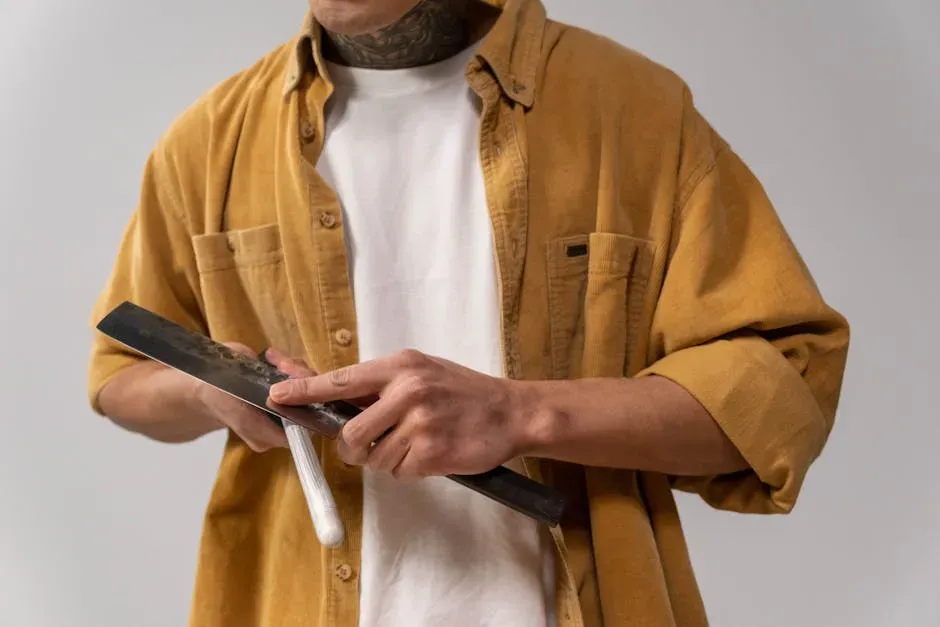
A lot of people treat sharpening as a finish line. They sharpen the knife, feel great about it, and then go weeks without thinking about the blade again. That's a mistake that quietly chips away at everything you just worked for.
Here's what most home cooks don't understand: when your knife starts feeling dull after a few weeks of use, it's probably not actually dull. The edge has simply rolled to one side from normal use. The sharp edge is still there. It's just bent out of alignment. Honing realigns that edge in seconds, while sharpening requires removing metal to create a new edge. That's a crucial distinction that separates cooks who maintain great knives from those who wonder why theirs never stay sharp.
Honing before each session takes 20 seconds and can extend your knife's sharpness five to ten times longer between full sharpenings. Think about that. Twenty seconds. That's less time than it takes to pour a cup of coffee. Home cooks should sharpen every three to six months and hone weekly. Professional chefs who use knives daily may sharpen monthly. The exact timing depends on how often you cook and your knife's steel hardness. Building a honing habit right after sharpening is what locks in all that work you put into the blade.
So here's the real takeaway: sharpening your knife is only half the story. The other half is everything you do in the moments, hours, and days after that session. Treat the freshly sharpened edge with the same care and respect a chef gives their most prized tool, and it will reward you every single time you pick it up. What's the one mistake on this list you've been guilty of? You might be surprised by your own answer.




Leave a Reply