
You know that drawer. Every kitchen has one. The one that groans when you open it, stuffed full of plastic contraptions you bought with the best of intentions and have touched maybe twice since. You were convinced each one would be a game-changer.
Whether it was an impulse buy near the register, an ad promising the ultimate answer to your meal prep woes, or an influencer raving about the new kitchen tool that single-handedly changed their life, novel kitchen gadgets can be a temptation too strong to resist. The kitchen tools market was valued at more than $31 billion globally in 2024. Billion. With a B. So yes, the people selling these things are doing just fine.
The people cooking for a living, though? They have a very different opinion. Let's dive in.
1. The Garlic Press: Beloved by Beginners, Despised by Pros
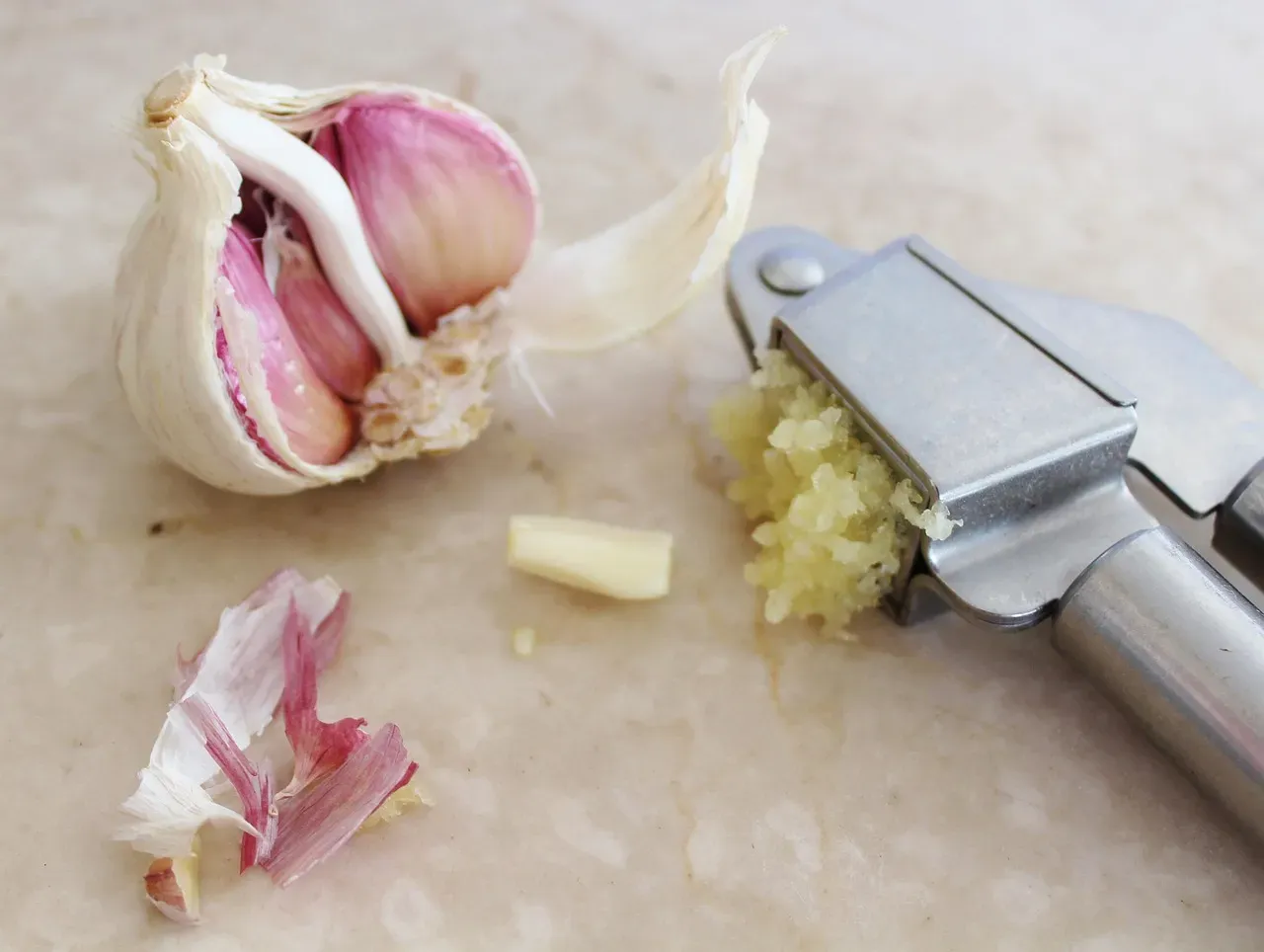
Here's the thing about garlic presses: they look efficient, feel satisfying to use, and seem like a genuine time-saver. Honestly, I get the appeal. It's the kind of gadget that makes you feel like you're "cooking smart."
The garlic press is the kitchen gadget Alton Brown absolutely despises, and Anthony Bourdain was on the same page. That's a pretty damning pair of opinions. Garlic presses are not seen as crucial tools by professional chefs, who find that the garlic comes up round the edge and makes a mess, and the press takes longer to clean than the time you actually save crushing the garlic.
Rather than purchasing a press, professional chefs recommend simply roughly chopping the garlic and mincing it into a paste using the side of the knife. Adding a pinch of coarse salt to the garlic as you crush it with the side of the knife can help create a paste.
Notoriously hard-to-clean garlic presses are the subject of snobbery among professional cooks, who prefer to simply mince, chop, crush, or slice their garlic with a knife, and some food experts say the press can impart a slight metallic tang and make the garlic overly potent. That alone would do it for me. Why risk ruining the flavor of your dish to save thirty seconds?
2. The Egg Cooker: A Solution to a Problem That Does Not Exist
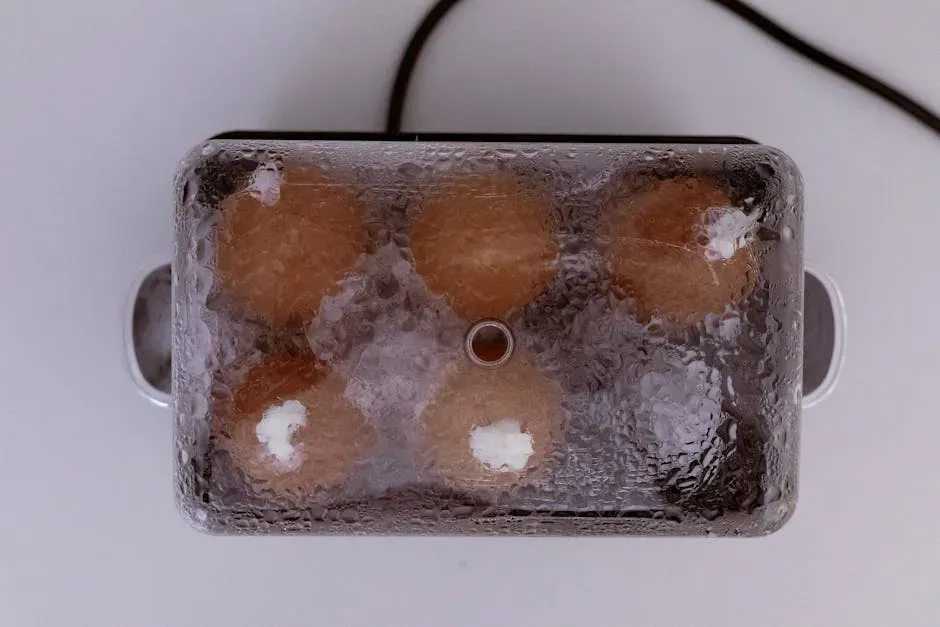
Let's be real, this one is a head-scratcher. As of 2025, the average American consumes about 276 eggs per year, according to Statista. So it makes sense that gadget manufacturers would try to capitalize on that. Enter the egg cooker, a device that has precisely one job. Egg cookers are used to prepare this single food in a specific way, and while they offer a choice of how hard or soft to cook an egg, they aren't capable of preparing it any differently.
Making hard or soft-boiled eggs requires little more than a pot and the ability to boil water. Other egg tasks such as scrambling, poaching, or omelet-making can be done with your average sauté pan. If it's too daunting to cook eggs on a stovetop, there's no shame in making them in the microwave.
Think about it like this: an egg cooker is essentially a small machine that boils water for you in a slightly different container. It's the kitchen equivalent of buying a special tool just to tie your shoes. The pot you already own handles this job perfectly well, and it can also boil pasta, make soup, and steam vegetables. The egg cooker cannot.
3. The Avocado Slicer: Pretty on Instagram, Useless Everywhere Else
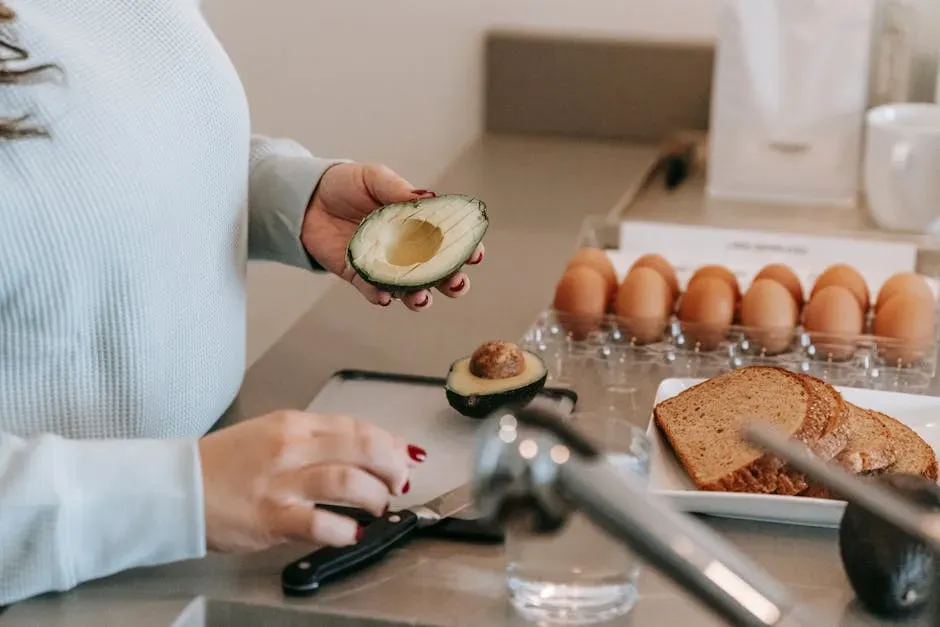
Avocado slicers are one of those gadgets that look clever in an Instagram video and utterly useless the moment you own one. The avocado toast craze of the last decade made these things a bestseller, and yet professional kitchens have never carried a single one.
With the avocado toast craze, it's no surprise that people purchasing avocado slicers are piling up. But a simple spoon and a sharp knife can do the job better. These slicers struggle with avocados that aren't perfectly ripe and can even break. Investing in a high-quality chef's knife will last for many years to come.
According to OSF HealthCare, nearly 9,000 people end up in the hospital each year when they try to stab the pit of their avocado with a sharp, heavy chef's knife and injure themselves. Fair enough, avocado injuries are real. Still, the solution is technique, not more plastic. Learn to cut safely around the pit, scoop with a spoon, and use your knife to slice. Done. The avocado slicer has left the chat.
4. The Bread Machine: Expensive, Bulky, and Redundant

Bread machines are an upscale kitchen gadget ranging from $80 to $150 or more that simply aren't worth the price or the counter space for most people. They take up roughly as much room as a small microwave, and most people use them enthusiastically for about three weeks before sliding them to the back of the shelf forever.
For all the excitement around bread making, you can enjoy this newfound hobby without needing to spend money on a machine. There's a good reason to feel that way, as the art of bread making goes back hundreds to thousands of years, with a wide range of recipes achievable without a machine. Although bread makers are marketed as convenient and easy, half the fun of making bread is the step-by-step process that lets you or your family create something delicious and fresh. Most importantly, you need not invest in a bread machine if you have access to a kitchen oven.
A bread maker is a bulky and expensive appliance that you'll likely store in the garage for a year. Why not use your oven and get better results? With the rise of no-knead bread recipes, it's easier to make bread at home without a specialized appliance. Honestly, kneading bread by hand is one of those therapeutic kitchen rituals worth actually doing.
5. The Spiralizer: The Zoodle Dream That Died Quietly
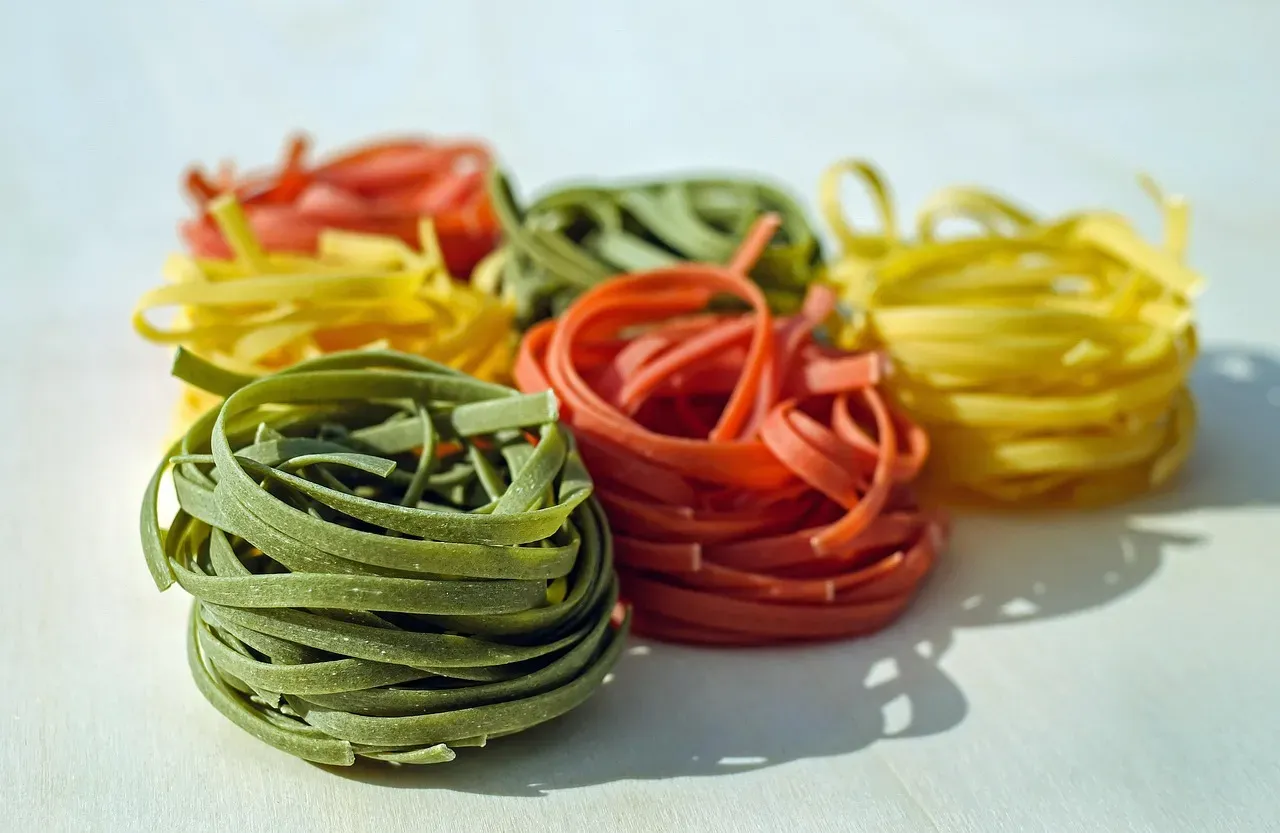
The inescapable "zoodle" trend from a few years back led to the rise in spiralizers, devices designed to cut zucchini into thin ribbons, and other forms of specialized chopping devices for fruits and vegetables. For a while there, every food blog looked like a spaghetti squash convention. Then reality set in.
The truth is, you don't really need a spiralizer if you have a shredder, a julienne peeler, mandoline, or even a box grater. You can even spiralize cucumbers without any fancy kitchen tools. Even if you're a dedicated veggie noodle eater, getting a spiralizer just isn't worth it.
Walk down any kitchen aisle and you'll see a small army of plastic choppers, dicers, and spiralizers, each one promising to eliminate the need for an actual knife. These kitchen gadgets that only serve one function just get in the way and are hardly ever used due to their specialization. All the various "chopper" style gadgets usually replace what could be considered a basic knife skill, and it's better to just use a knife rather than clutter up your kitchen with more plastic junk. The zoodle is still possible. The machine collecting dust in your cabinet is not necessary.
6. The Panini Press: Just a Sandwich Under a Heavy Pan
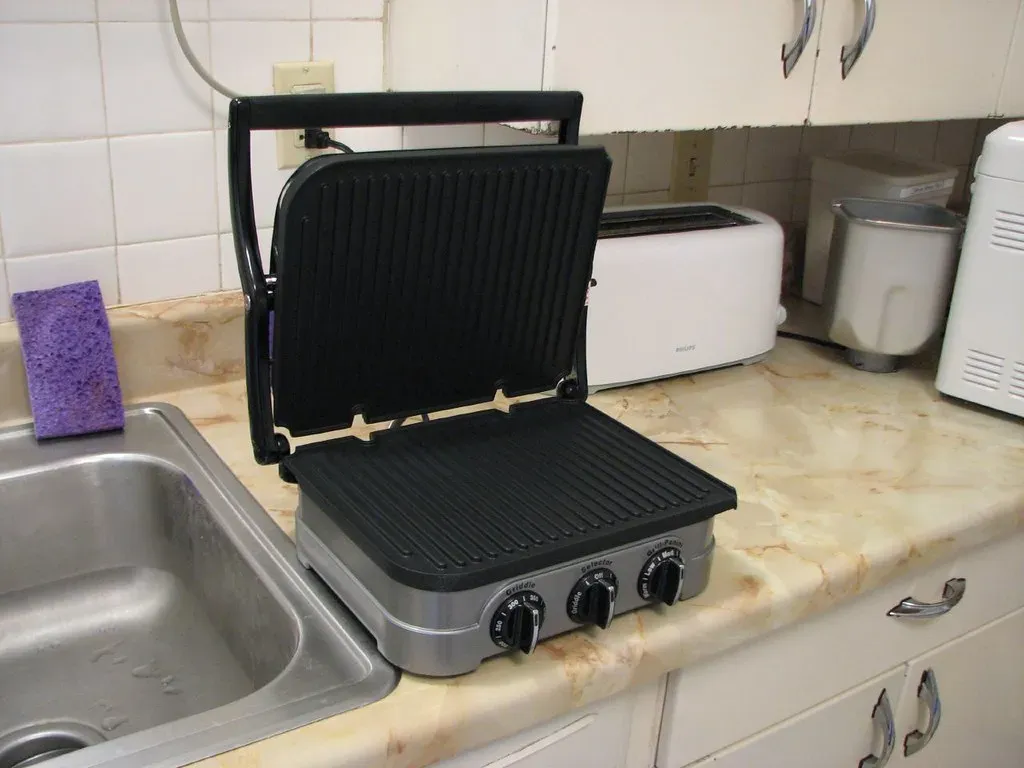
I know, I know. The panini press looks so civilized. It makes those neat little grill marks, heats your sandwich from both sides, and makes a Tuesday lunch feel vaguely Italian. Chefs, however, are not impressed.
The panini press is called "not a necessary piece of equipment" by professional chefs, who suggest using a non-stick griddle pan instead. You can cook similar foods without a panini press. In the test kitchen, stovetop grill pans or regular cast-iron skillets, plus readily available tools such as a grill press or even just a heavy Dutch oven, produce crisply toasted panini and other indoor grilled foods.
A panini press is just a sandwich under a heavy skillet. That is, I think, the most efficient and accurate summary of this gadget ever written. A cast iron skillet weighed down with another pan produces the same pressed, golden sandwich result, costs nothing extra, and cleans up just as easily. The panini press ranges from about $20 to over $300, depending on the brand. Save that money.
7. The Complete Knife Set: More Knives Than You Will Ever Need
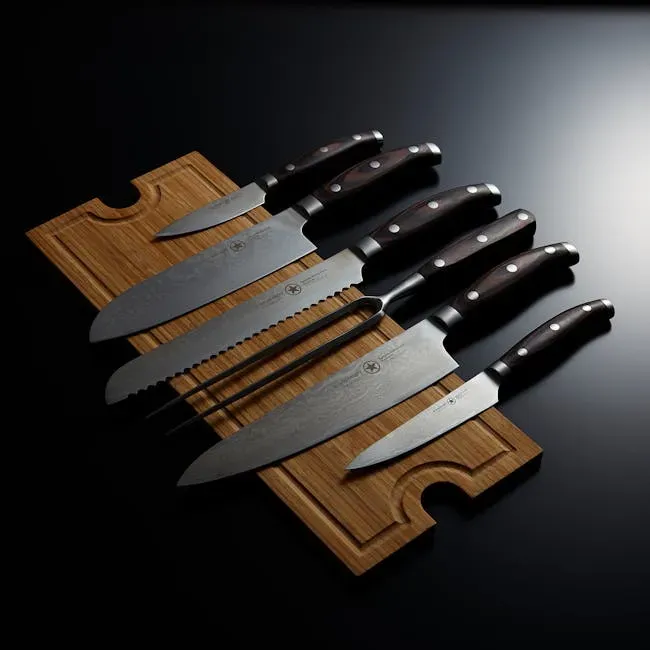
This one surprises people because a full knife block looks so professional. You display it on the counter, guests comment on it, and you feel like a serious cook. The problem is that most of those blades just sit there, doing absolutely nothing.
Professional chefs have been saying for years that complete sets are largely a waste of money. It would be extremely frustrating to invest hundreds to thousands of dollars into a group of knives just to realize that day-to-day, you're only really using one or two. Instead of spending so much on a set of items you'll likely never use, you'll probably enjoy greater savings by purchasing a very good chef's knife instead.
In the name of quality and completeness, people will often spend between $20 and $200 on a kitchen knife set, and some high-end sets are priced between $500 and $2,100. That's an astonishing range of prices for a collection where, in practice, most of the blades remain untouched.
The practical recommendation from experienced kitchen professionals is to have three basic knives: one large workhorse, one small paring-sized knife for intricate work, and a serrated one for bread and tomatoes. Instead of buying one big knife set with a bunch of in-between knives you'll probably never use, cut down on the quantity and invest in quality. That is genuinely all you need. Everything else is marketing dressed up as convenience.
The Bigger Picture: Why We Keep Buying This Stuff
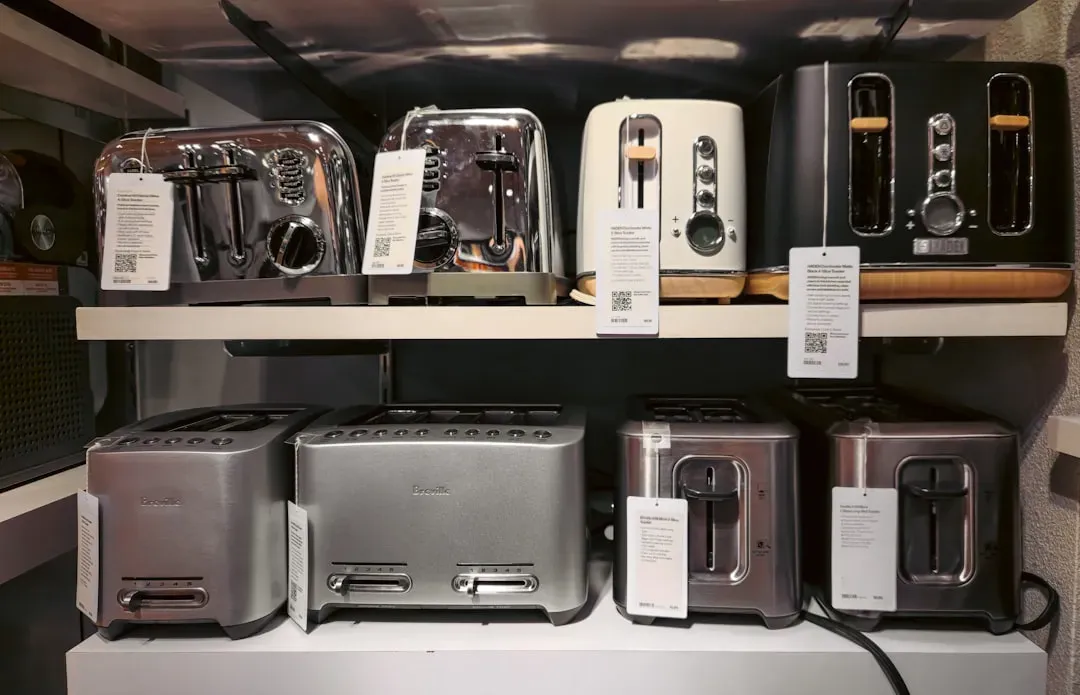
According to a 2024 survey by the National Kitchen and Bath Association, nearly 70% of home cooks invest in at least three specialty tools each year to improve efficiency and enjoyment in the kitchen. That is a staggering number of purchases, many of which end up in that jammed drawer we talked about at the start.
Today, kitchen gadgets are pitched in TikTok videos or YouTube Shorts. The culture of selling you kitchen gadgets you probably don't need is alive and well. Instead of multi-use products, the industry markets a unique tool as the absolute best way to do one single kitchen task. There is also a drive to infuse tools with technological advances that are often unnecessary, making many gadgets needlessly complicated.
Most single-use gadgets can perform their intended function. It's that most of them are such niche products that there isn't an occasion to use them regularly. Most food can be prepared simply with the aid of the basics, and having specialized tools for everything simply introduces a load of clutter for a bunch of metal and plastic that don't really get used.
What Chefs Actually Use Instead
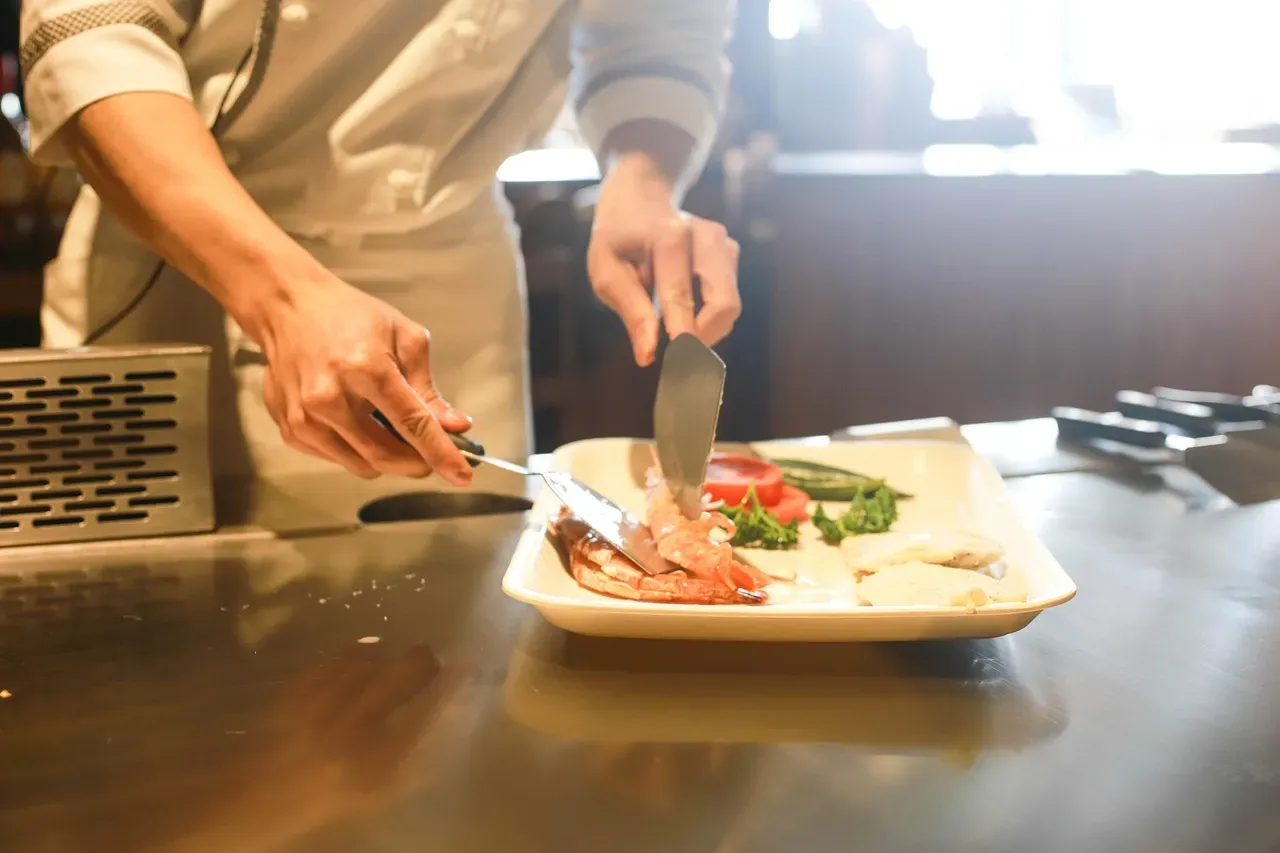
It's not that professional chefs cook with nothing. They are very particular about their tools. They just refuse to give drawer space to anything that doesn't work as hard as they do. Think of a professional kitchen station like a surgeon's instrument tray: nothing extra, everything chosen with ruthless precision.
The toss list from professional kitchens typically includes spiralizers, rice cookers, pasta drying racks, cherry pitters, salad spinners, and juicers. The keep list looks almost boring: an 8-inch chef's knife, paring knife, peeler, microplane, big stainless bowl, colander, and heavy skillet. The "toss" pile looked expensive and clever. The "keep" pile looked almost boring. Then a full dinner was cooked in twenty-five minutes using only the keep pile.
Most professionals agree the same core principle applies every time: a few excellent, versatile tools will always outperform a drawer full of single-use gadgets. The best kitchen isn't the most gadget-filled one. It's the one where every single tool earns its place.
The Electric Knife Sharpener: An Honorable Mention Scam
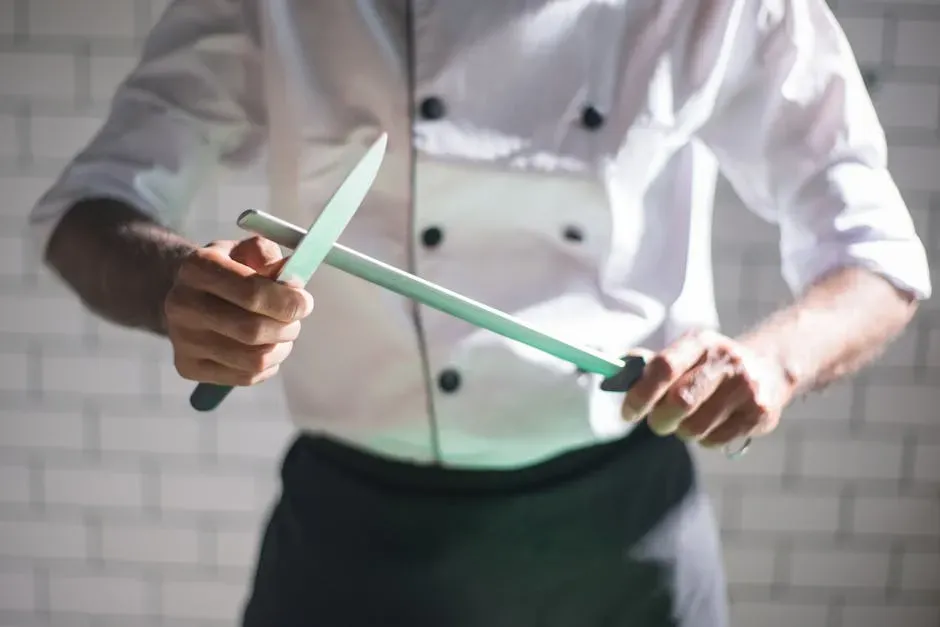
While not in the top seven, this one deserves a special mention because people spend real money on it. Just because well-sharpened knives can handle just about any job in the kitchen doesn't mean they warrant a fancy electric gadget to sharpen them. Opt instead for a simple and effective manual sharpener or sharpen your knives like a chef using a honing rod, which both work just as well as an electric sharpener for a lot less and without the fuss.
While an electric knife sharpener may offer an easier and faster way to sharpen kitchen knives, the significantly higher price tag is just not worth it. With a little practice, manual sharpeners can produce edges that are just as sharp as their electric counterparts. Traditional sharpening tools also provide more control over the angle and pressure, enabling users to fine-tune their blades to the desired sharpness.
The irony here is rich: you buy a knife set you mostly don't need, then spend extra on an electric sharpener for knives you barely use. It's a whole ecosystem of unnecessary spending built on the idea that cooking well requires more and more stuff. It doesn't. It never did.
How to Shop Smarter Going Forward

The next time you feel that pull toward a shiny new gadget, ask yourself the three questions that professional chefs ask instinctively: How often will I actually use this? Do I already own something that does the same job? Would I rather spend this money on better ingredients instead?
There are two exceptions to the rule that virtually any single-use gadget is useless. The first is if you actually do use the gadget regularly. For example, there are people who eat avocado toast multiple times a week who would be well served with a high-quality avocado slicer. The keyword there is regularly. Not occasionally. Not theoretically. If you use it three times a week, keep it. If not, pass.
Fewer gadgets mean your knife skills actually improve. You notice how an onion falls apart when you slice with the grain versus across it. You learn that smashing garlic changes flavor compared with fine mincing. You feel how citrus sprays when you roll it on the counter before squeezing. These small adjustments make food taste brighter, and they cost nothing but a little attention.
Conclusion: Clear the Drawer, Improve the Cooking

It's hard to say for sure exactly how much money the average home cook wastes on gadgets they rarely use, but given that the global kitchen tools market was valued at more than $31 billion in 2024, and many of those products, according to chefs and culinary experts, simply aren't pulling their weight, the number is not small.
The best cooks in the world are not the ones with the most gadgets. They're the ones who understand what their tools are actually capable of, and who refuse to let a slick marketing campaign convince them otherwise. A sharp chef's knife, a heavy skillet, and a little technique will outperform a drawer full of single-use plastic every single time.
So here's the real question: how many of the seven gadgets on this list do you currently own? Be honest. What do you think - is it time to clear the drawer?



Leave a Reply