
Six thousand dollars sounds like a lot of money for groceries. Stretched over twelve months, it works out to roughly $500 a month for a household, which lines up almost exactly with what the Bureau of Labor Statistics reports as the national average. The catch? Prices are still climbing, food budgets are still being squeezed, and most families aren't getting more bang for their buck - they're just spending more.
Since February 2020, grocery prices have jumped a staggering 29% cumulatively. In 2026, overall food prices are predicted to rise another 3.1%, which means that same $6,000 budget will feel a little thinner by the end of the year without some real strategy behind it. The good news is that experts have plenty of tactics that actually work. Let's dive in.
1. Start With a Meal Plan - Every Single Week

Here's the thing: winging it at the grocery store is basically a financial trap in disguise. Without a plan, you're basically handing the store permission to upsell you at every aisle end-cap and display. Without a plan, you are a target for impulse buys, last-minute takeout, and expensive convenience foods - and research consistently shows that households who plan their meals ahead of time spend significantly less on groceries.
A survey of 2,568 meal planners found they reduced food costs by $47 per person per month, with savings coming from three places: less food waste, fewer impulse purchases, and fewer delivery orders. That adds up to more than $560 per person per year - not trivial at all. Think of meal planning like setting a GPS before a road trip. Without it, you meander, backtrack, and waste fuel.
Meal planning helps you stretch your budget even further. By planning your meals for the entire week ahead of time, you can reduce your trips to the supermarket, and it also helps streamline your grocery list so you focus only on buying what your meals call for. Even rough planning - just scribbling down five dinners for the week - puts you miles ahead of most shoppers.
Supermarket sales often change weekly, and building your meal plan around what's on discount is a great way to save money. Honestly, this "reverse-engineering" approach is one of the most underrated budget moves out there, and almost nobody talks about it enough.
2. Master the Art of Buying in Bulk (the Smart Way)
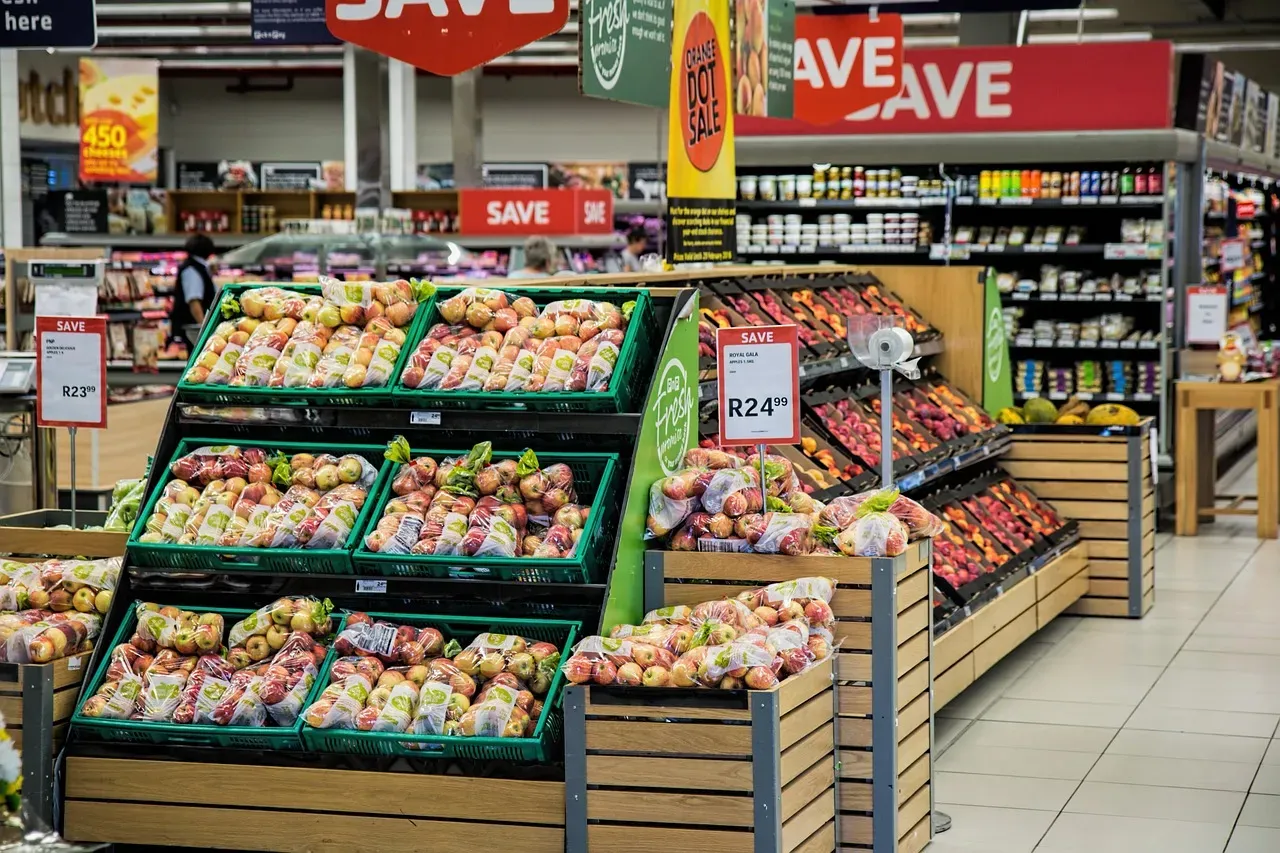
Bulk buying gets a bad reputation because people go overboard. They buy 48 cans of tomatoes, forget about them, and find them three years later looking questionable. That's not bulk buying - that's hoarding with extra steps. Buying in bulk can save money, but only if you actually use what you buy. Avoid waste by portioning out perishables and freezing what you won't use right away, and shopping with a friend to split bulk items is another great way to save without overbuying.
Bulk buying doesn't mean loading up on industrial-sized bags of rice. It means being intentional - focusing on pantry staples like grains, beans, and canned goods that you know you'll use before they expire. For meat, buy larger packs when prices are low, then portion and freeze them.
The more individuals within a household, the more food they'll need to purchase, but buying certain foods in bulk can lead to a lower per-person cost, according to the USDA. Think of bulk shopping like buying wholesale - the per-unit economics work in your favor when you plan properly. The freezer is genuinely your most powerful budgeting tool, and most people don't use it nearly enough.
3. Switch to Store Brands and Stop Paying for the Label
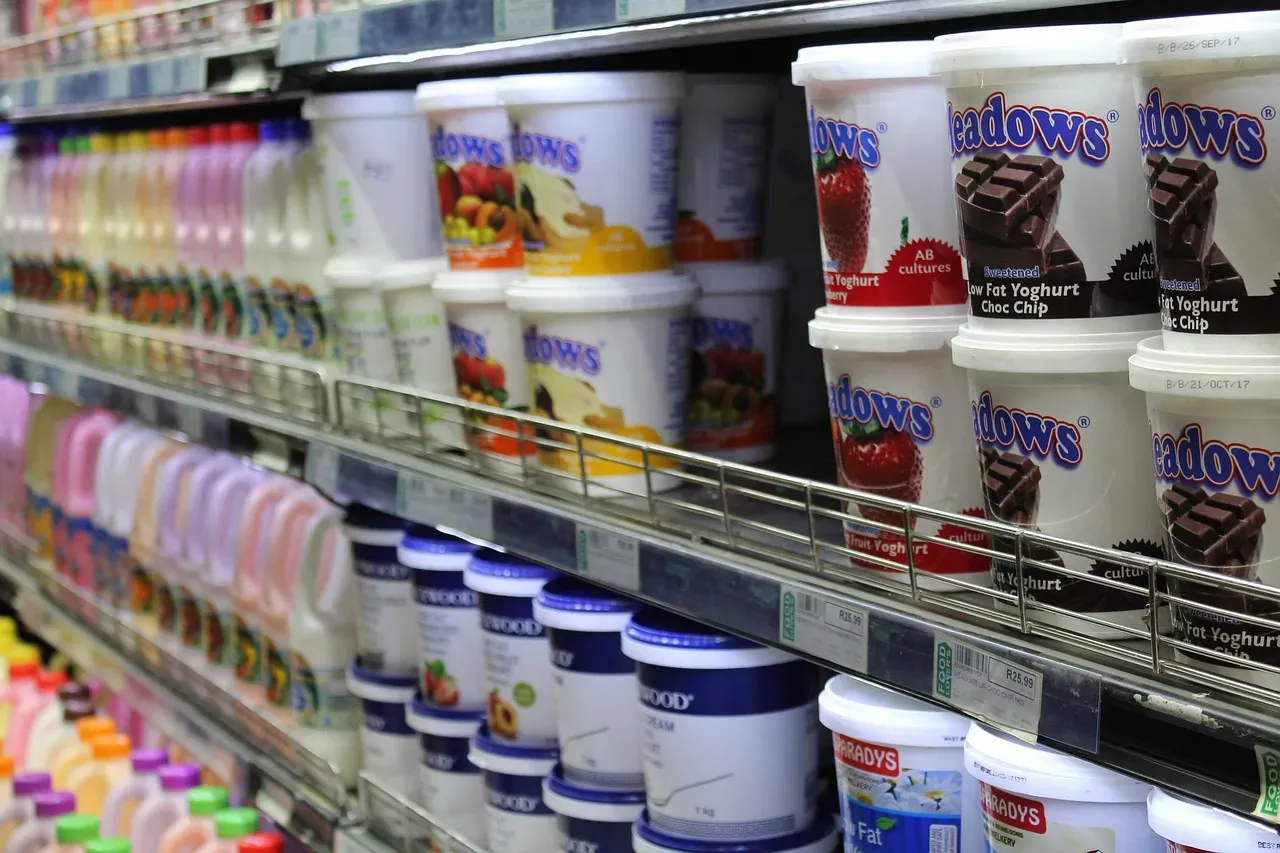
Let's be real: a lot of people are paying a premium for packaging, not for taste or quality. Brand loyalty is expensive. Many store-brand products are identical to name brands - sometimes even made in the same factory. The only difference is the label and the price tag. That's not speculation - it's how private-label manufacturing works in the food industry.
Research shows that shoppers can save up to 30% just by opting for store-brand goods and shopping based on weekly promotions. For a $500 monthly grocery budget, a 30% reduction is a genuinely life-changing number. Many Americans are already trading down to store brands or cheaper alternatives, shopping around more, seeking value, and doing more price comparisons before making purchases, according to food economist David Ortega at Michigan State University.
To save money in 2026, stock up when you spot sales, consider switching to store-brand items, and buy in bulk if you have the storage space. Starting with pantry staples is the easiest entry point - flour, sugar, pasta, canned vegetables. Once you realize you genuinely cannot taste the difference, the transition to store-brand everything becomes almost automatic.
4. Cut Food Waste Aggressively - It's Like Finding Free Money

Food waste is one of the most quietly devastating budget killers in American households, and most people dramatically underestimate how much they're actually throwing away. The average household wastes roughly $2,913 per year on food they throw away. For a family working with a $6,000 annual grocery budget, that's nearly half of it disappearing into the bin.
Waste comes first from America's homes at 43%, followed by restaurants, grocery stores, and food service companies at 40%, then farms at 16%, and manufacturers at just 2%. That's a sobering reminder that the change has to start at home. Signs you might be wasting money include throwing out spoiled food regularly, buying a lot of prepackaged convenience items, shopping without a list, or making multiple grocery trips per week instead of planning ahead.
Before you even think about what to cook, you must know what you already own - this is the most critical step for reducing waste and avoiding duplicate purchases. Check your pantry for staples like pasta, rice, canned goods, beans, and spices, and make note of what's abundant and what's running low. Identify perishables that need to be used soon, like lingering vegetables, opened sauces, dairy products, and leftovers.
Leftovers often pile up after a big meal - don't let them go to waste. Using leftovers to make soups and stews is a win-win for your wallet and your time, according to Jess Rice, recipe development manager at Budget Bytes. It's genuinely one of the easiest habits to build, and the payoff is almost immediate.
5. Cook at Home More - the Numbers Don't Lie
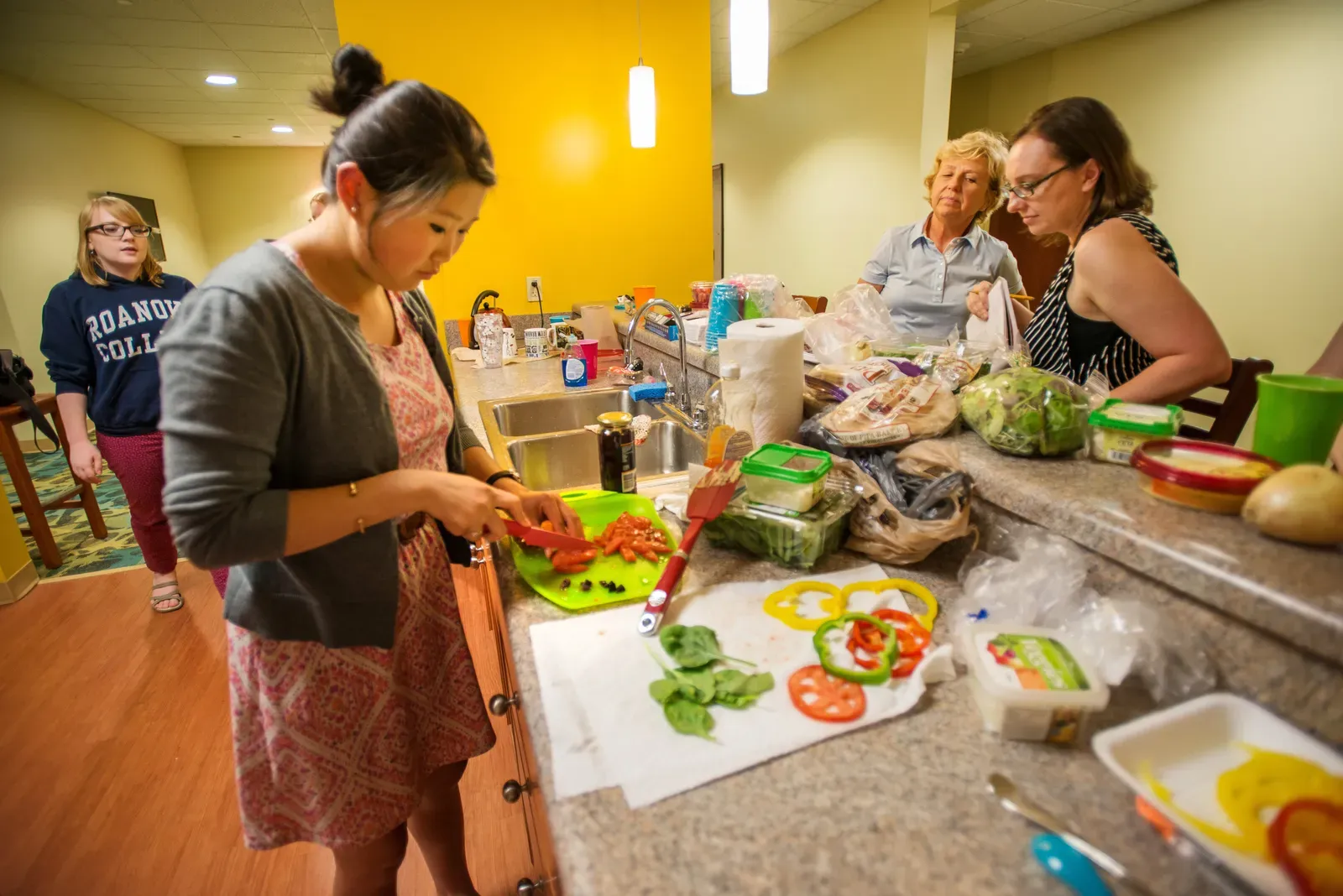
Uploaded by AlbertHerring, CC BY 2.0)
Restaurant meals, takeout apps, and food delivery services are extraordinary budget destroyers. They feel harmless in the moment - it's just one order, it's just one Friday night - but the cumulative cost is staggering. According to the Bureau of Labor Statistics, the average American household spends more than $3,000 a year on eating out. That's half of a $6,000 grocery budget, just gone, before you've cooked a single thing at home.
The Consumer Price Index shows that in the one-year period from November 2023 to November 2024, the cost of eating food away from home rose 3.6%. In contrast, the price of food at home only increased by 1.6%. The cost of going out to eat increased at more than double the rate versus eating at home.
One of the biggest impacts on your food budget might surprise you: restaurant meals and takeout. A single dinner out with drinks can easily cost more than a week's worth of groceries for one person. The key to reducing this expense is planning ahead - when you have a well-stocked kitchen and a meal plan in place, you're less likely to fall into the takeout trap on busy weeknights.
6. Prioritize Plant-Based Proteins to Offset Rising Meat Prices

Meat prices are brutal right now, and they're not getting better anytime soon. Meat prices jumped 12.3% from September 2024 to September 2025, which is a punishing increase for households trying to maintain any semblance of a steady grocery budget. Beef, specifically, is under enormous pressure. Beef prices are already up double digits from a year ago because the U.S. cattle herd is at a historic low.
Beef and veal prices are predicted to increase 5.5% in 2026, according to USDA forecasts. That's on top of already elevated prices from previous years. I think the writing is on the wall here: leaning harder into plant proteins isn't just an ideological choice in 2026 - it's a financial one.
Alternative protein sources such as lentils, beans, and tofu often cost less than meat while still providing essential nutrients. A bag of dried lentils costs a fraction of what a pound of ground beef runs right now, and it'll stretch across multiple meals. Meat is often one of the most expensive items in your grocery cart, and by incorporating more plant-based meals into your rotation, you can significantly reduce your food costs. Even two or three meat-free dinners per week add up to serious annual savings.
7. Use Loyalty Programs, Digital Coupons, and Store Apps
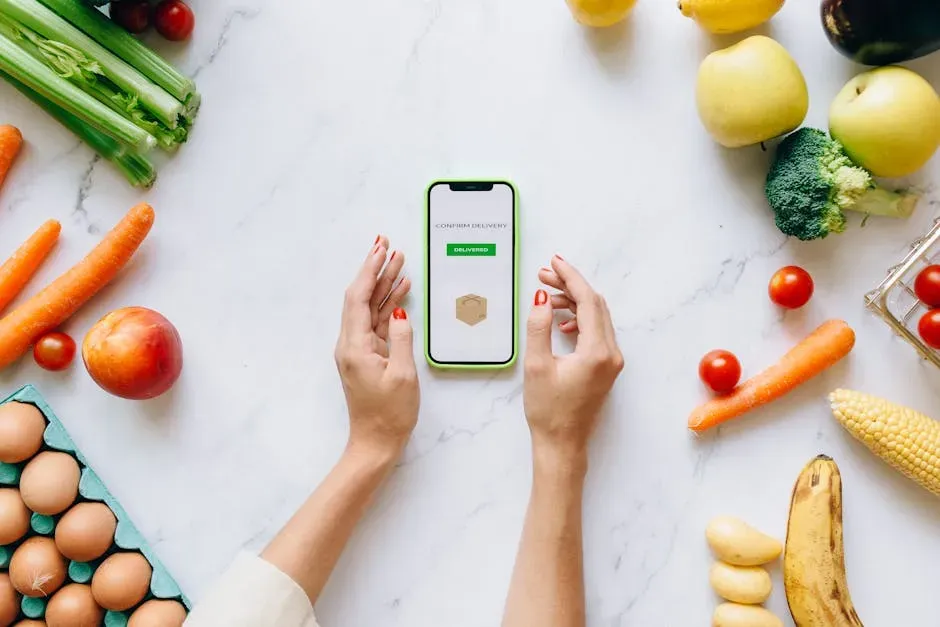
This one sounds almost too simple, but the savings here are genuinely significant when you build it into habit. Most major grocery chains now offer digital coupon programs through their apps, and the deals can be stacked in ways that make a real dent in your weekly total. Sign up for your grocery store's loyalty program and download their app. You'll often unlock exclusive discounts, digital coupons, and rewards - like a free turkey during the holidays. Following your favorite brands on social media or joining their email lists can unlock even more savings.
Many grocery chains offer 5 to 10 percent discounts to certain customers on designated days. That kind of recurring discount, applied to a $500 monthly grocery bill, can amount to real, meaningful savings over the course of a full year. It's essentially free money sitting on the table that most shoppers never pick up.
The broader principle here is to shop with intention. The second rule of shopping smart is to shop with a purpose - every item on your shopping list should have a purpose in a recipe or as a snack. The grocery store is designed to tempt you to buy extra items from end-caps or entice you with bright colors, and it's your job to stick to your shopping list. Apps and loyalty programs essentially add a layer of financial awareness to every shop, nudging you toward the better deal almost automatically.
8. Shop Seasonal Produce and Understand What's Actually on Sale
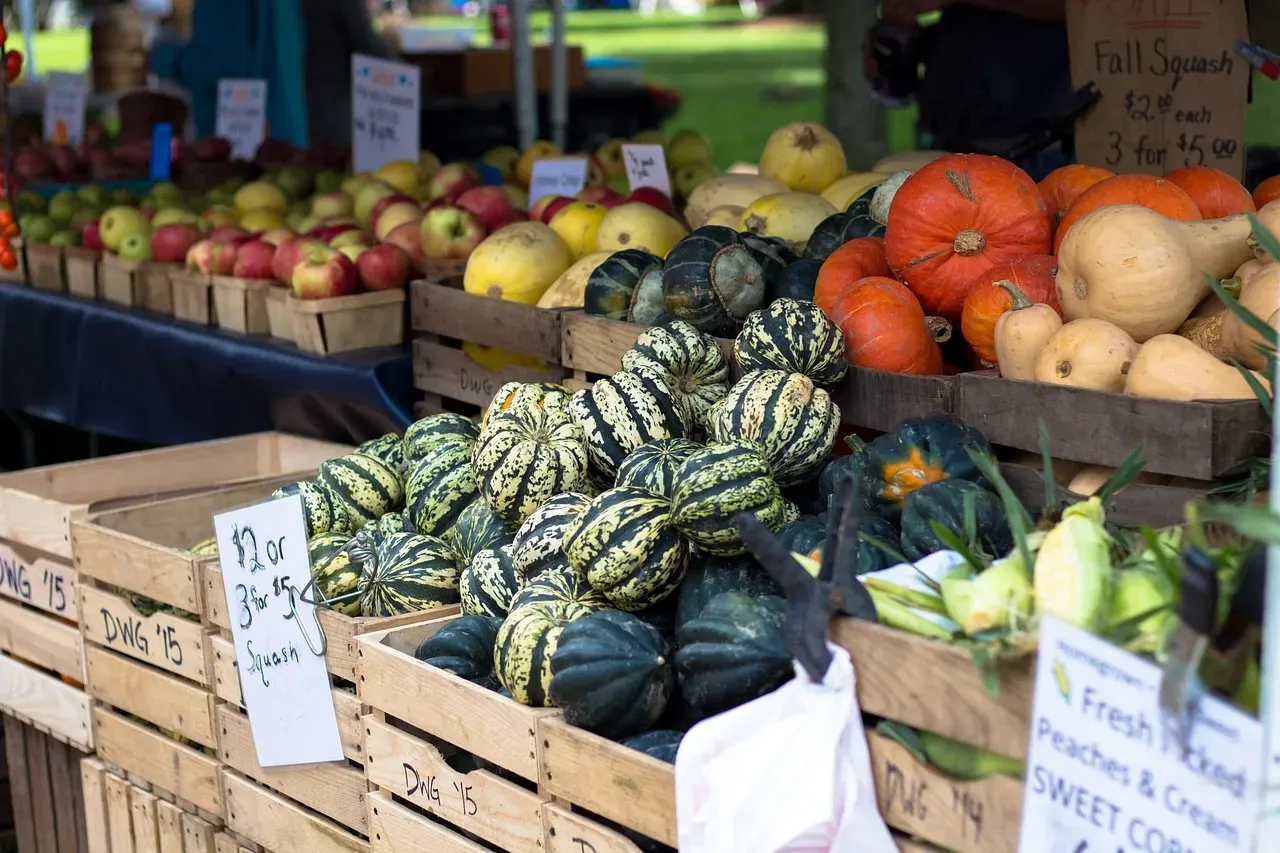
Buying strawberries in January is not the same financial decision as buying strawberries in June, even if the price tag looks similar. The out-of-season ones traveled further, cost more to transport, and taste worse. It's a bad deal on every level. Buying in-season produce isn't just about getting the best flavor - it's also one of the simplest ways to save money. Off-season fruits and vegetables cost more due to transportation and availability.
Fruits and vegetables should stay close to normal historical inflation in 2026 if weather patterns remain favorable, according to market forecasts. That's a meaningful bright spot in an otherwise inflationary food environment. Wheat, vegetable oils, and certain produce categories saw improvements in supply in 2025, helping limit inflation across many processed foods, baked goods, and cooking staples.
Once you have a rough idea of what types of meals you'll need for the week, check your grocery store's weekly sales flyer. Grocery stores use "loss leaders" - deeply discounted items designed to lure you in - so building your menu around those deals is a smart play. In other words, let the sale decide the menu, not the other way around. It takes some getting used to, but the savings are consistent and real.
9. Keep Tabs on the Categories Where Prices Are Rising Fastest
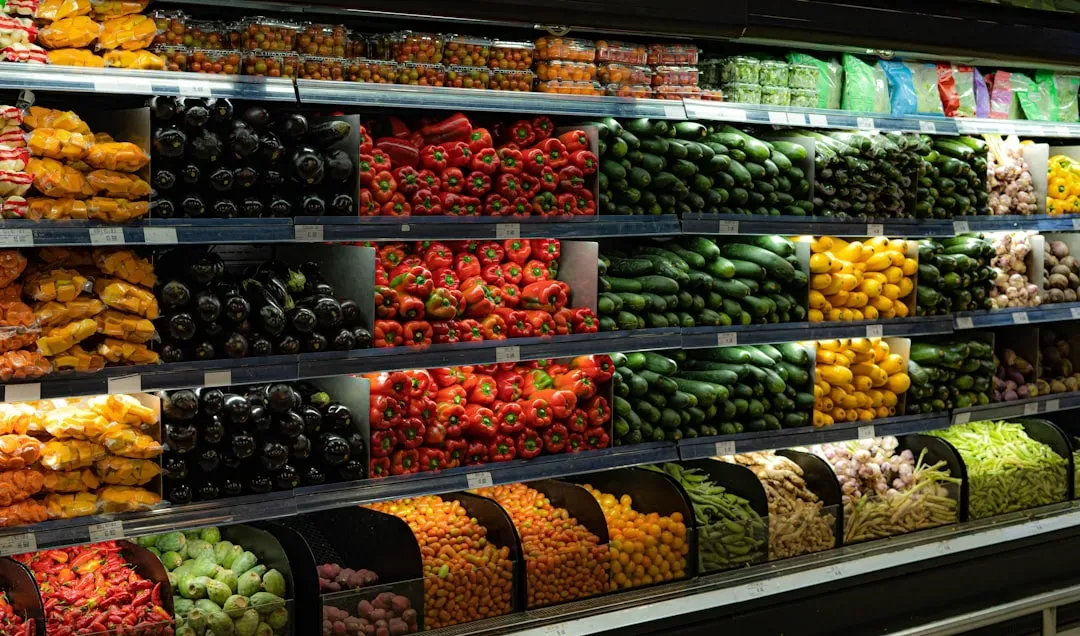
Not all grocery price increases are created equal in 2026. Some categories are far outpacing general food inflation, and shoppers who don't know which ones risk getting blindsided. Among the 15 food-at-home categories examined in the USDA Food Price Outlook, prices for 7 categories are predicted to grow faster than their 20-year historical average rate of growth, including beef and veal, other meats, fish and seafood, processed fruits and vegetables, sugar and sweets, cereal and bakery products, and nonalcoholic beverages.
Experts have pointed to adverse weather conditions in regions that produce a lot of coffee leading to shortages, with tariffs also affecting prices. Like beef and eggs, the U.S. dairy supply, including milk, cheese, and butter, may also suffer from rising grain prices in 2026. These aren't small categories - they cover a broad portion of most household grocery lists.
The strategy here is substitution, not deprivation. If beef prices spike, lean into pork or chicken. Poultry prices decreased slightly from December 2025 to January 2026 and are predicted to increase just 0.1% in 2026, making them a genuinely budget-friendly alternative to red meat. Knowing the price forecast landscape going into a shopping trip is like having a small but real competitive advantage at checkout. Much of the overall grocery price easing in 2026 comes from plummeting prices for eggs and dairy products, which are actually expected to deflate this year, so leaning into those categories offers smart savings.
10. Benchmark Your Spending Against USDA Food Plans

Most people have no real frame of reference for whether their grocery spending is on track, too high, or surprisingly sensible. That's where the USDA Food Plans come in - and they're more useful than most people realize. For 2026, the USDA moderate-cost plan suggests a single adult should aim for about $328 to $388 per month depending on age and gender, while a couple can expect to spend around $800 monthly.
Under the USDA moderate-cost plan, a family of four with two adults and two children should budget roughly $1,250 to $1,400 per month for groceries in 2025-2026. That's actually quite a bit higher than many families' mental benchmarks - which is either reassuring or alarming, depending on your situation. Comparing your current spending to the USDA moderate plan for your household size is a useful exercise. If you're spending 20% to 30% more than that benchmark, there's probably room to cut back.
Financial advisors generally recommend spending 10 to 15% of your take-home pay on groceries, which fits within the 50/30/20 budget rule, where food falls under the needs category alongside housing and utilities. Using a benchmark isn't about guilt - it's about clarity. You can't fix a leak you don't know you have. More than half of Americans say grocery expenses are a major source of stress, according to a July 2025 survey from the Associated Press-NORC Center for Public Affairs Research, which tells you this is very much a shared struggle - and that small, intentional changes can shift the needle significantly.
A Final Word on Making That $6,000 Work Harder
None of this requires a radical lifestyle overhaul. The groceries crisis of 2026 is real - grocery costs have inflated by more than 25% over the past five years - but the tools to fight back are genuinely accessible. Meal planning, smarter shopping, cutting waste, and understanding which categories to avoid or substitute: these aren't exotic financial strategies. They're habits that compound quietly over months.
The $6,000 grocery budget isn't the ceiling - it's the starting point. With the right approach, that same number feeds a family better, wastes less, and leaves a little left over. The question is whether you're shopping by default or shopping by design. Those two approaches end up in very different financial places by December.
What changes are you planning to make to your grocery strategy in 2026? Tell us in the comments below.




Leave a Reply